
AgeAppropriate Mindfulness: How to Teach Mindfulness Skills to Different Student Groups

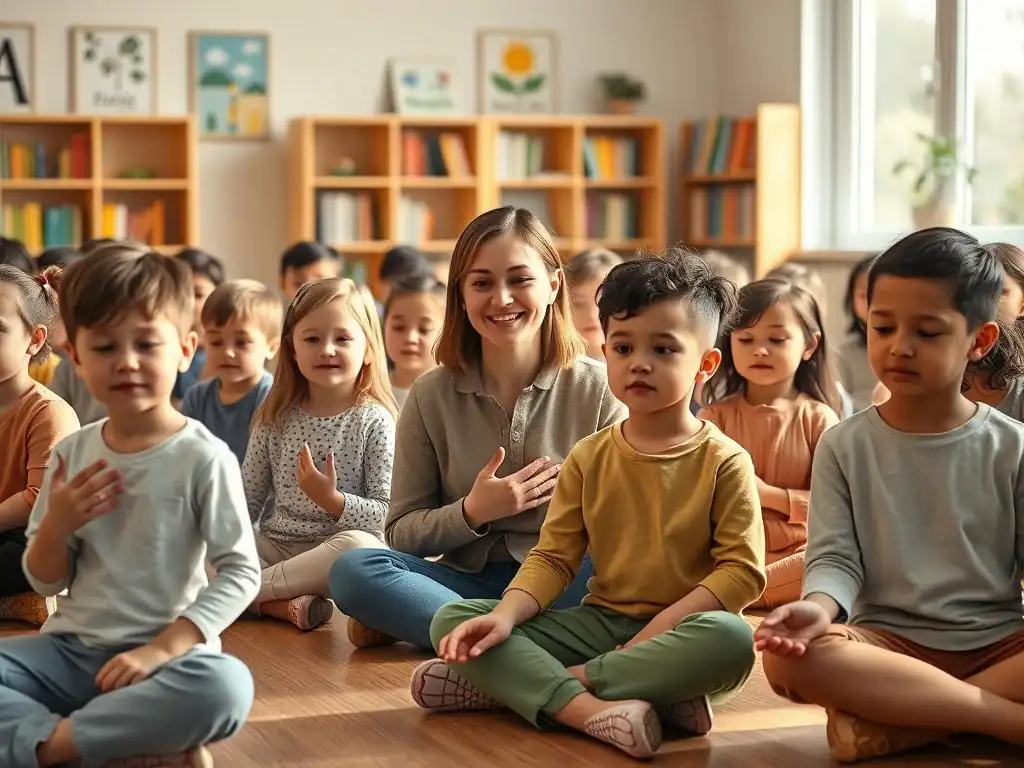
Welcome to Mind Care Guide, a space dedicated to nurturing your mental well-being.
Feeling overwhelmed by the demands of life? You're not alone. We understand the unique pressures faced by today's youth. That's why we're diving deep into a powerful tool to help young people navigate these challenges: mindfulness. Discover practical strategies and age-appropriate techniques in our article, " AgeAppropriate Mindfulness: How to Teach Mindfulness Skills to Different Student Groups," and learn how to cultivate inner peace and focus for the young minds in your life. Ready to explore the transformative power of mindfulness?
- Mindfulness for Young Students: A Guide to Age-Appropriate Practices
- Mindfulness Techniques for Elementary School Students (Ages 5-10)
- Mindfulness Strategies for Middle School Students (Ages 11-13)
- Mindfulness Approaches for High School Students (Ages 14-18)
- Adapting Mindfulness Practices for Diverse Learning Needs
- Integrating Mindfulness into the School Curriculum
- Measuring the Impact of Mindfulness Programs on Student Well-being
- Common Challenges and Solutions When Teaching Mindfulness to Students
- Resources for Educators and Parents Supporting Mindfulness for Young Students
-
Frequently Asked Questions
- How can I adapt mindfulness practices for different age groups of students?
- What are the benefits of teaching mindfulness to young students?
- What are some simple mindfulness exercises suitable for elementary school students?
- How can I introduce mindfulness to teenagers who might be skeptical?
- Where can I find resources and support for implementing mindfulness programs in schools?
- Final Reflection: Cultivating Present Moments, Shaping Future Generations
- Unlock Your Students' Inner Calm: Start Practicing Mindfulness Today!
Mindfulness for Young Students: A Guide to Age-Appropriate Practices
Benefits of Mindfulness Training for Children and Adolescents
Mindfulness training offers profound benefits for children and adolescents, impacting their emotional regulation, cognitive function, and social interactions. Research consistently shows that engaging in regular mindfulness practices can lead to reduced stress and anxiety levels. For instance, a study published in the Journal of School Psychology found that students participating in a school-based mindfulness program reported a significant decrease in symptoms of anxiety and depression compared to a control group. This emotional stability provides a crucial foundation for academic success and overall well-being.
Beyond emotional benefits, mindfulness for young students also enhances executive functions, such as attention, focus, and working memory. A meta-analysis reviewing multiple studies on mindfulness in schools indicated improvements in students' ability to pay attention in class and stay on task. Some reports from schools implementing mindfulness programs show an average increase of 10-15% in students' sustained attention spans during lessons. These cognitive improvements are vital for learning and navigating the complexities of school life, demonstrating the tangible positive impact of integrating mindfulness into educational settings.
Why Age-Appropriate Mindfulness Techniques Are Crucial
Applying age-appropriate mindfulness techniques is absolutely crucial because children and adolescents have vastly different developmental stages, cognitive abilities, and attention spans. What engages a 6-year-old will likely not resonate with a 16-year-old. For younger children, practices need to be short, playful, and highly sensory, focusing on basic body awareness or simple breathing exercises framed as fun games. Trying to get an elementary student to sit still for a 10-minute silent meditation is often counterproductive and can lead to frustration rather than connection with the practice.
Conversely, older students, particularly high schoolers, can engage with more complex concepts and longer meditations. They may benefit from exploring the neuroscience behind mindfulness or discussing its application to managing academic stress, social pressures, or future planning. Using techniques like mindful journaling or walking meditations might be more appealing and accessible to teenagers than structured sitting practices. Tailoring the approach ensures that mindfulness feels relevant, accessible, and beneficial, fostering genuine engagement and sustained practice among diverse student populations.
Mindfulness Techniques for Elementary School Students (Ages 5-10)
Engaging Young Minds: Making Mindfulness Fun and Accessible
Teaching mindfulness for young students, especially those in elementary school, requires creativity and playfulness to capture their attention and make the practice enjoyable. Rather than presenting mindfulness as a formal exercise, it can be woven into daily activities through games, stories, and interactive experiences. For example, a simple "listening walk" where students focus on sounds around them can introduce mindful hearing, or a "mindful eating" exercise with a piece of fruit can heighten sensory awareness.
Incorporating elements of curiosity and wonder helps make mindfulness accessible. Using visual aids, puppets, or even costumes can transform abstract concepts like "paying attention to your breath" into a fun adventure. Educators often report that framing mindfulness activities as special "brain training" or "focus power-ups" resonates well with this age group, encouraging enthusiastic participation. The goal is to build a positive association with mindfulness from a young age, making it feel like a natural and welcome part of their day.
Simple Breathing Exercises for Elementary Students
Simple breathing exercises are foundational for introducing mindfulness for young students, but they need to be presented in engaging ways. The "Balloon Breath" is a popular technique where children place their hands on their belly and imagine it is a balloon inflating on the inhale and deflating on the exhale. Another effective method is "Bunny Breath," involving three short sniffs through the nose followed by a long exhale through the mouth, which can be framed as a playful animal imitation.
These exercises are typically kept very short, perhaps 30 seconds to a minute, to match their attention spans. The focus is not on achieving a specific state but simply noticing the breath moving in and out of the body. Educators often use visual cues, like a feather or a pinwheel, to help students visualize the breath. Consistent, brief practice sessions throughout the day, such as before a test or after recess, can help students learn to use their breath as a tool for calming down.
Mindful Movement Activities for Enhanced Focus
Mindful movement is an excellent way to introduce mindfulness for young students who naturally need to move their bodies. Activities like mindful walking, where students pay attention to the sensation of their feet touching the ground, or simple stretches done with awareness, can help ground their energy and improve focus. These practices connect the mind and body, which is particularly beneficial for children who may struggle with sitting still.
Yoga poses adapted for children, often presented as animal shapes or nature-inspired movements, combine physical activity with focused attention on breath and body sensations. A "tree pose," for instance, encourages balance and concentration. Even short bursts of mindful movement, like a 2-minute guided stretch break, can help reset the classroom environment, reduce restlessness, and prepare students for seated learning activities by bringing their awareness back into their bodies.
Storytelling and Visualization for Young Children's Mindfulness
Storytelling and guided visualization are powerful tools for teaching mindfulness for young students, tapping into their imaginative capabilities. Educators can create narratives that guide children on imaginary journeys, encouraging them to use their senses mindfully within the story. For example, a story about visiting a peaceful garden might ask them to imagine the colors of the flowers, the feel of the sun, or the sound of a gentle breeze.
Guided visualizations, such as imagining a "safe place" or a "calm bubble," can help children cultivate feelings of security and tranquility. These practices help develop their ability to focus their minds and regulate emotions by offering a mental escape or a way to process feelings through metaphor. Keeping the stories engaging and the visualizations simple ensures that even young children can follow along and benefit from these imaginative mindfulness exercises.
Mindful Art Activities for the Classroom
Mindful art activities provide a creative and non-verbal way to practice mindfulness for young students, allowing them to focus their attention on the process of creation. Activities like mindful coloring, where students concentrate on staying within the lines and noticing the colors and textures, or mindful drawing, where they focus on the movement of the pen or crayon, encourage present-moment awareness.
Another engaging activity is creating "mandala stones" or "glitter jars." Painting stones with intricate patterns or creating jars filled with glitter and water that settle slowly can become visual anchors for meditation or calming down. These activities not only promote focus and fine motor skills but also provide a tangible outcome that students can keep, serving as a reminder of their mindful practice. They offer a quiet, focused activity that can be particularly helpful for students who find seated meditation challenging.
Mindfulness Strategies for Middle School Students (Ages 11-13)
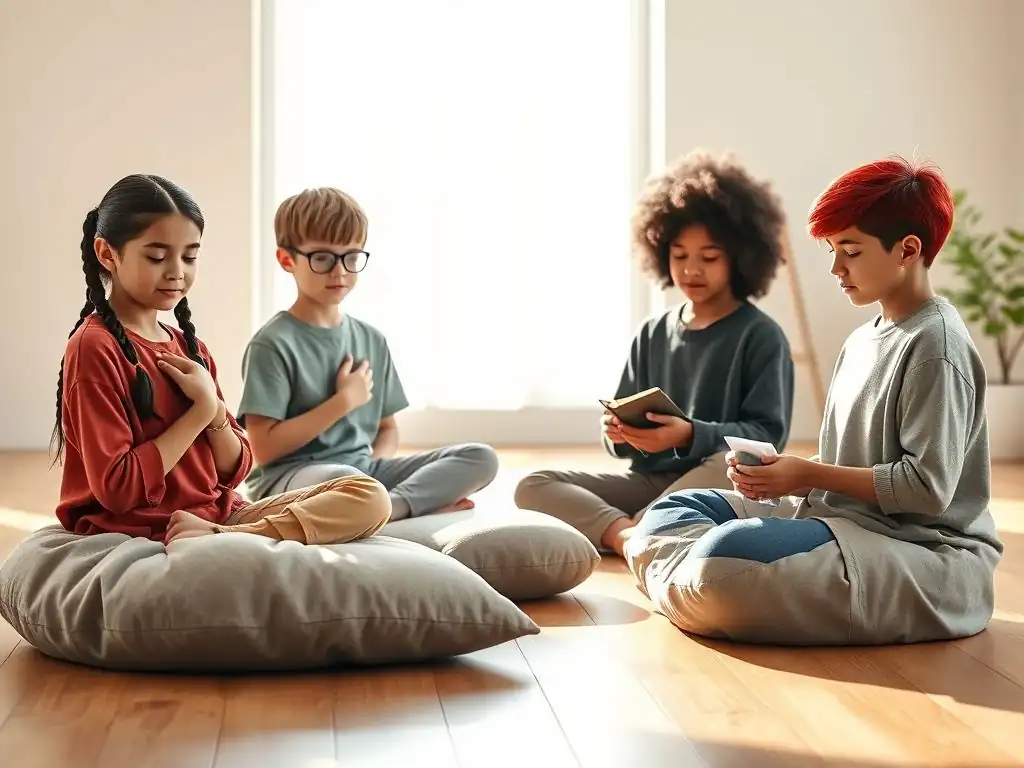
Addressing the Unique Challenges of Adolescence with Mindfulness
Middle school is a period of significant transition, marked by physical changes, increased academic pressure, and complex social dynamics. Mindfulness for young students in this age group can be particularly helpful in navigating these challenges. They face pressures related to identity formation, peer acceptance, and the beginnings of standardized testing and future planning, which can lead to heightened stress and anxiety.
Mindfulness practices can provide middle schoolers with tools to manage intense emotions, reduce reactivity, and develop greater self-awareness. By learning to observe their thoughts and feelings without judgment, they can gain perspective on difficult situations and make more intentional choices rather than reacting impulsively. This skill is invaluable for handling peer conflicts, academic setbacks, and the general turbulence of early adolescence.
Body Scan Meditations for Middle Schoolers
Body scan meditation is an effective practice for middle school students, helping them become more aware of their physical sensations and how emotions manifest in the body. This practice involves systematically bringing attention to different parts of the body, noticing any feelings, tension, or relaxation without trying to change them. For this age group, guided body scans can be introduced, starting with shorter durations (5-10 minutes) and gradually increasing as they become more comfortable.
This technique can help middle schoolers recognize signs of stress or anxiety in their bodies, such as a tight stomach or tense shoulders, and learn to respond with awareness rather than being overwhelmed. It also helps improve interoceptive awareness, the ability to sense internal states, which is linked to better emotional regulation. Body scans can be a powerful tool for grounding themselves when feeling overwhelmed by schoolwork or social situations.
Mindful Listening and Communication Skills
Developing mindful listening and communication skills is highly relevant for middle school students as their social interactions become more complex. Mindful listening involves paying full attention to another person without interrupting or formulating a response while they are speaking. This requires focusing on their words, tone of voice, and body language with an open and receptive attitude.
Practicing mindful communication, such as speaking intentionally and honestly while being aware of one's own tone and impact, can significantly improve peer relationships and reduce misunderstandings. Role-playing scenarios where students practice listening attentively or expressing themselves mindfully can be integrated into classroom activities. These skills are essential not just for social well-being but also for effective collaboration on school projects.
Using Technology Mindfully: A Guide for Middle School Students
Technology is a pervasive part of middle school life, and teaching mindful technology use is increasingly important. This involves encouraging students to be aware of how they are using devices, why they are using them, and the impact of technology on their mood, focus, and sleep. Discussions can center around setting boundaries with screen time, recognizing the urge to constantly check notifications, and understanding the curated nature of social media.
Activities could include a "digital detox" challenge for a short period or guided reflections on how technology makes them feel. Teaching them to be mindful consumers of online content, questioning its validity and impact, is also crucial. By fostering awareness around technology habits, educators can help middle schoolers develop a healthier relationship with their devices, reducing potential negative effects like social comparison and sleep disruption.
Cultivating Self-Compassion in Middle School
Cultivating self-compassion is a vital aspect of mindfulness for young students in middle school, a time when self-criticism and comparison with peers can be intense. Self-compassion involves treating oneself with kindness, understanding, and acceptance, especially during times of difficulty or perceived failure. It's about recognizing that struggling is part of the human experience and offering oneself the same support and empathy one would offer a friend.
Exercises might include guided meditations focused on self-kindness, journaling prompts about challenging experiences and how they responded to themselves, or discussions about common struggles faced by adolescents. Learning to practice self-compassion can help middle schoolers build resilience, cope with academic setbacks or social rejection, and develop a more positive self-image, moving away from harsh self-judgment.
Mindfulness Approaches for High School Students (Ages 14-18)
Stress Reduction Techniques for High School Students
High school is often characterized by significant academic pressure, extracurricular commitments, and preparation for post-secondary life, leading to high levels of stress. Mindfulness provides high school students with practical stress reduction techniques they can use independently. Practices like focused breathing, progressive muscle relaxation, and short guided meditations (5-15 minutes) can be taught as tools to manage anxiety before tests, presentations, or during busy periods.
Sharing information about the physiological effects of stress and how mindfulness can counteract the "fight or flight" response can resonate with older students. Teaching them to recognize the early signs of stress – like racing thoughts or physical tension – and apply a quick mindfulness technique can prevent stress from escalating. Many high schoolers report feeling more in control and less overwhelmed after learning these skills.
Mindfulness for Improved Academic Performance
Mindfulness can directly support improved academic performance in high school students by enhancing cognitive functions essential for learning. Regular practice can improve concentration, memory retention, and critical thinking skills. For example, practicing mindful focus exercises before studying can help students absorb information more effectively.
Mindfulness also helps students manage test anxiety, allowing them to access and demonstrate their knowledge more effectively during assessments. By reducing rumination about past mistakes or future worries, students can stay more present and engaged in their coursework. Some studies suggest that students who regularly practice mindfulness report better study habits and higher grades compared to their peers who do not.
Mindful Goal Setting and Time Management
Mindful goal setting and time management involve approaching tasks and aspirations with awareness and intention, which is particularly relevant for high school students planning for their futures. Instead of feeling overwhelmed by large goals or busy schedules, mindfulness encourages breaking down tasks, focusing on one step at a time, and being present during each activity.
This can involve mindfully planning their week, being fully present while working on homework without distractions, or mindfully reflecting on their progress. Techniques like the "Pomodoro Technique" combined with mindfulness – focusing intently for a set period, then taking a mindful break – can improve productivity and reduce burnout. Approaching goals mindfully helps students stay motivated and less stressed by the process.
Exploring Deeper Meditation Practices with High Schoolers
High school students, with their developed cognitive abilities and longer attention spans, can explore deeper meditation practices compared to younger age groups. This might include longer sitting meditations (15-20 minutes), walking meditations, or even introductory loving-kindness meditation. They can also engage in discussions about the philosophy and science behind mindfulness.
Teachers can introduce different styles of meditation and encourage students to experiment to find what resonates with them. Providing options, whether guided or silent practice, allows students to personalize their mindfulness journey. Exploring deeper practices can lead to more profound insights into their thoughts, emotions, and sense of self, fostering emotional intelligence and resilience.
Social anxiety is a common challenge among teenagers, and mindfulness can offer valuable strategies for managing it. Mindfulness helps teenagers become aware of anxious thoughts and physical sensations in social situations without getting swept away by them. For instance, a student might learn to notice their racing heart or the thought "everyone is watching me" without believing it or reacting automatically.
Practices like mindful breathing or grounding techniques can be used in real-time before or during social interactions to manage physical symptoms of anxiety. Role-playing challenging social scenarios and practicing mindful responses can also be helpful. By developing the capacity to observe their internal experience with non-judgment, teenagers can gradually become less reactive to social fears and engage more authentically with others.
Adapting Mindfulness Practices for Diverse Learning Needs
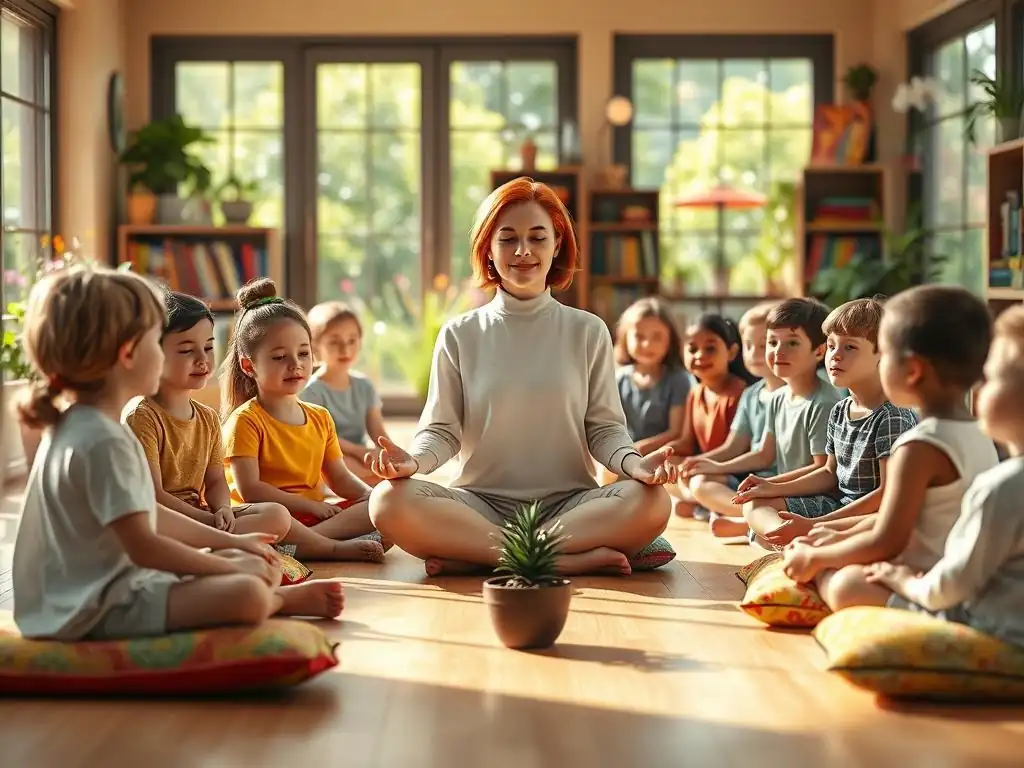
Mindfulness for Students with ADHD
Adapting mindfulness for students with ADHD requires flexibility, shorter durations, and often incorporates movement. Traditional seated meditation can be challenging due to difficulties with sustained attention and hyperactivity. Instead, activities like mindful walking, mindful drumming, or short bursts of focused movement (e.g., mindful stretching for 2 minutes) can be more effective.
Visual and auditory cues can help maintain focus during brief seated practices. Allowing students to use fidget tools mindfully can also support their ability to stay present. Framing mindfulness as a way to "train their focus muscle" or "calm their busy brain" can be motivating. The goal is progress, not perfection, celebrating small moments of focused attention.
Mindfulness for Students with Anxiety and Depression
Mindfulness practices can be particularly beneficial for students experiencing anxiety and depression by helping them observe negative thought patterns and emotions without getting trapped in them. For anxiety, practices like mindful breathing and grounding techniques can help regulate the nervous system and reduce worry. For depression, gentle self-compassion practices and noticing small positive experiences can be helpful.
It is crucial to introduce these practices gently and ensure students feel safe. For some, focusing too much on internal states initially might be overwhelming. Starting with external awareness exercises (mindful seeing, hearing) or movement can be less intimidating. Regular, short practices are more effective than infrequent, long ones. Mindfulness should complement, not replace, professional mental health support for these students.
Mindfulness for Students with Learning Disabilities
Mindfulness can support students with learning disabilities by improving focus, working memory, and self-regulation, skills that can sometimes be impacted by their disability. Adapting practices involves using clear, simple language, providing visual aids, and offering multi-sensory experiences. Instructions might need to be broken down into smaller steps.
Activities that involve tactile elements, like mindful eating of different textures or handling objects mindfully, can be very effective. Short, repetitive practices can help build consistency. Mindfulness can also help these students manage frustration or anxiety related to academic challenges, fostering a more positive attitude towards learning and their abilities.
Creating Inclusive Mindfulness Environments in Schools
Creating inclusive mindfulness environments means ensuring practices are accessible and welcoming to all students, regardless of their background, abilities, or comfort levels. This involves offering a variety of mindfulness techniques to suit different preferences and needs, providing modifications for physical limitations, and being sensitive to cultural or religious beliefs students might have about meditation.
Teachers should explain the secular nature of school-based mindfulness and frame it as a skill for brain training and well-being. Offering choices in how students participate (e.g., sitting on a chair or cushion, keeping eyes open or closed) respects individual needs. Building a sense of community and psychological safety in the classroom is paramount, ensuring no student feels singled out or pressured to participate in a way that feels uncomfortable.
Integrating Mindfulness into the School Curriculum
Teacher Training and Resources for Mindfulness in Education
Effective integration of mindfulness for young students requires well-trained educators. Teachers need not only to understand mindfulness concepts but also to develop their own personal practice to teach authentically and manage classroom dynamics mindfully. Comprehensive training programs typically involve experiential learning, pedagogical strategies for different age groups, and guidance on handling challenging situations.
Many organizations offer professional development workshops and certifications specifically for educators. Resources often include lesson plans, guided scripts, and activity ideas tailored for school settings. Investing in robust teacher training is a critical first step for any school aiming to build a sustainable and impactful mindfulness program.
Building a Sustainable Mindfulness Program in Your School
Building a sustainable mindfulness program involves more than just isolated classroom activities; it requires a school-wide approach. This includes gaining support from administration, involving parents, and establishing mindfulness as a visible part of the school culture. Starting with pilot programs in a few classrooms and gathering data on their impact can help build momentum and secure broader buy-in.
Integrating mindfulness into morning announcements, staff meetings, and parent workshops helps normalize and reinforce the practice. Designating quiet spaces for mindfulness or creating "calm corners" in classrooms provides accessible opportunities for students to practice independently. A long-term vision involves embedding mindfulness skills across different subjects and daily routines rather than treating it as an add-on.
Integrating Mindfulness into Language Arts Lessons
Mindfulness can be creatively integrated into Language Arts lessons, enhancing students' engagement with reading and writing. Mindful reading involves slowing down, paying attention to sensory details described in a text, and noticing the emotions evoked by characters or plot points. This deepens comprehension and appreciation of literature.
Writing can become a mindful practice through journaling, where students explore their thoughts and feelings without judgment, or through descriptive writing exercises that require paying close attention to sensory experiences in their environment. Analyzing how authors use language to evoke specific feelings can also be linked to mindful awareness of emotions. These integrations make mindfulness feel less like a separate subject and more like a tool for enhancing existing learning.
Measuring the Impact of Mindfulness Programs on Student Well-being
Assessing Mindfulness Skills in Students
Assessing the development of mindfulness skills in students, particularly mindfulness for young students, requires age-appropriate tools and methods. For younger children, assessment might involve teacher observations of behaviors like improved focus or reduced impulsivity, or simple self-report measures using visual scales (e.g., showing faces to indicate how calm they feel).
For older students, self-report questionnaires, such as adapted versions of adult mindfulness scales, can be used. Behavioral checklists completed by teachers or parents can track changes in attention, emotional regulation, and social skills. Qualitative data, such as student journals or focus group discussions, can also provide valuable insights into their experience and perceived benefits of the practice.
Tracking Improvements in Attention and Emotional Regulation
Tracking improvements in attention and emotional regulation provides concrete evidence of the impact of mindfulness programs. Teachers can use standardized rating scales to assess changes in classroom behavior, such as time spent on task, frequency of disruptive behavior, or ability to transition between activities. Academic performance data, like grades or test scores, can also indirectly reflect improved focus and reduced test anxiety.
Emotional regulation can be tracked through student self-reports on how well they feel they can manage difficult emotions, or through teacher observations of their reactions to frustration or conflict. School counselors might also track incidents of disciplinary issues or visits for emotional support, looking for trends that suggest improved coping skills across the student body.
Using the Child and Adolescent Mindfulness Measure (CAMM)
The Child and Adolescent Mindfulness Measure (CAMM) is a specific tool designed to assess mindfulness skills in young people aged 7 to 17. It is a self-report questionnaire consisting of 10 items that measure a general capacity for mindfulness, focusing on constructs like present-moment awareness and non-judgment.
Using a validated tool like the CAMM allows schools to gather more objective data on whether their mindfulness interventions are effectively developing students' mindfulness abilities. While it provides a quantitative measure, it is often most useful when combined with other forms of assessment, such as behavioral observations or qualitative feedback, to provide a more comprehensive picture of the program's impact on mindfulness for young students.
Common Challenges and Solutions When Teaching Mindfulness to Students
Addressing Resistance to Mindfulness Practices
Resistance to mindfulness practices, especially among older students, is a common challenge. Teenagers might view it as "boring," "weird," or irrelevant. Solutions involve framing mindfulness as a skill for life, similar to physical fitness, rather than a relaxation technique. Connecting it to their interests, such as improving focus for sports or managing social media stress, can increase buy-in.
Offering choices in practice types, durations, and even language used can empower students. Allowing them to explore different techniques (e.g., walking meditation vs. seated) helps them find what works. Peer leadership, where students who have benefited share their experiences, can also be very persuasive. Patience and consistency from the educator are key; not everyone will embrace it immediately.
Maintaining Consistency in Mindfulness Implementation
Maintaining consistency in implementing mindfulness for young students amidst busy school schedules is another significant challenge. Mindfulness can easily be dropped when academic pressures mount or other activities take priority. A solution is to integrate mindfulness practices into existing routines rather than adding them as separate, isolable activities.
This could involve starting each class with a 1-minute breathing exercise, incorporating mindful moments during transitions, or using mindfulness as a tool within other subjects (like mindful reading in English). Gaining administrative support to allocate specific, protected time slots, even if short, reinforces the importance of the practice. Providing teachers with easy-to-use, quick resources also helps maintain consistency.
Overcoming Time Constraints
Time constraints are frequently cited as a major barrier to teaching mindfulness in schools. Educators often feel pressured to cover extensive curriculum content, leaving little room for seemingly non-academic activities. However, mindfulness practices don't need to be long to be effective, particularly for mindfulness for young students.
Short, frequent "micro-practices" of 30 seconds to 3 minutes can be easily woven throughout the school day. These might include a moment of mindful breathing before a test, a quick body scan after recess, or mindful listening during class discussions. Demonstrating how these short practices can actually save time by improving focus and reducing disruptions can help justify their inclusion.
Resources for Educators and Parents Supporting Mindfulness for Young Students
Recommended Books and Websites for Mindfulness
Numerous resources exist to support educators and parents in teaching mindfulness for young students. Recommended books often include practical guides with age-specific activities, scripts for guided meditations, and explanations of the benefits. Examples might cover topics from basic breathing exercises to integrating mindfulness into daily family routines.
Websites dedicated to mindfulness in education provide a wealth of free resources, including lesson plans, downloadable worksheets, and video guides. Many non-profit organizations focused on contemplative practices offer sections specifically for children and teens, providing research summaries, curriculum frameworks, and access to training programs.
Mindfulness Apps and Tools for Students
Mindfulness apps can be a convenient tool for older students (middle and high school) to practice independently. Many popular meditation apps offer specific sections or guided meditations tailored for teenagers, addressing common concerns like stress, sleep, and focus. Some apps feature engaging visuals or gamified elements to make practice more appealing.
Tools like mindfulness cards with prompts for reflection or practice, or simple visual timers for silent meditation, can also be helpful. For younger students, simple visual cues like glitter jars or chime balls used to signal the start and end of a practice can serve as effective tools. These resources provide accessible ways for students to engage with mindfulness outside of structured lessons.
List of Organizations Offering Mindfulness Training
Several reputable organizations offer specialized mindfulness training for educators and professionals working with youth. These include institutions like Mindful Schools, Committee for Children (Second Step program includes mindfulness), and various university-based mindfulness centers. These organizations often provide evidence-based curricula and comprehensive professional development.
Seeking training from organizations with experience in educational settings ensures that educators receive instruction on adapting practices specifically for the classroom environment and addressing the unique needs of students. Connecting with these organizations can also provide ongoing support and access to communities of practice for educators implementing mindfulness for young students.
Frequently Asked Questions
How can I adapt mindfulness practices for different age groups of students?
Age-appropriate mindfulness involves tailoring techniques. For younger students, use short, playful activities focusing on senses. Older students benefit from guided meditations and discussions about stress management.
What are the benefits of teaching mindfulness to young students?
Mindfulness can significantly improve students' attention spans and emotional regulation. It also fosters a more positive and focused learning environment in the classroom.
What are some simple mindfulness exercises suitable for elementary school students?
Try "belly breathing" where students focus on their breath, or a "listening game" where they identify sounds. These exercises help develop present moment awareness and reduce anxiety.
How can I introduce mindfulness to teenagers who might be skeptical?
Frame mindfulness as a tool for stress reduction and improved focus, relevant to their academic performance. Offer evidence-based information and avoid overly spiritual language.
Where can I find resources and support for implementing mindfulness programs in schools?
Websites like Mind Care Guide offer articles, guides, and resources. Consider seeking professional development in mindfulness instruction for teachers.
Final Reflection: Cultivating Present Moments, Shaping Future Generations
The urgent need to equip young people with effective coping mechanisms is undeniable, and mindfulness practices offer a powerful antidote to the pressures of modern life. The rising rates of anxiety and stress among children and adolescents highlight the critical importance of integrating mindfulness into educational settings and family life. This isn't just a trend; it's a necessary evolution in how we nurture the next generation's well-being.
The journey of exploring age-appropriate mindfulness techniques has profoundly impacted my understanding of the developmental needs of children and young adults. It's not simply about teaching them to meditate; it's about fostering a deeper connection with themselves and the world around them. This process of understanding their unique needs and adapting mindfulness practices accordingly has been incredibly rewarding. The purpose of education is to replace an empty mind with an open one.
– Malcolm Forbes. This quote perfectly encapsulates the spirit of age-appropriate mindfulness – opening young minds to the possibilities of self-awareness and emotional regulation, rather than imposing rigid practices.
Now, consider how you can integrate these principles into your own life, whether you're a parent, educator, or simply someone who cares about the well-being of young people. Take a moment to reflect on the power of presence and intentionality. Experiment with different mindfulness techniques, adapting them to suit your own needs and the needs of those around you. Let's collectively cultivate a culture of mindful living, empowering the next generation to navigate the complexities of life with greater resilience, compassion, and inner peace.
Unlock Your Students' Inner Calm: Start Practicing Mindfulness Today!
Thanks for taking the time to explore age-appropriate mindfulness techniques! We hope you gained valuable insights into fostering calm and focus in your students. Ready to put these strategies into action?
- Prioritize one mindfulness technique: Choose a single exercise from the article that resonates most with you and your students, and try it out this week. Even 5 minutes a day can make a difference!
- Share your experience: Discuss your experience and any challenges encountered in the comments section below. Let's build a supportive community of educators!
- Create a calming classroom corner: Designate a quiet space in your classroom where students can practice mindfulness techniques independently. Consider incorporating sensory elements like soft blankets or calming music.
What small step will you take today to bring more mindfulness into your classroom?