
Boost Focus and Creativity with Transcendental Meditation


Welcome to Mind Care Guide, a safe space to explore the pathways to mental well-being. Feeling scattered and longing for deeper focus and heightened creativity? Perhaps the answer lies within. This article delves into how Transcendental Meditation can be a powerful tool to unlock your inner potential. Intrigued? Let's explore how this ancient practice can help you cultivate a sharper mind and ignite your creative spark...
Enhance Focus and Creativity with Mindfulness Meditation
- Mindfulness Meditation: Cultivating Mental Clarity
- The Science Behind Mindfulness Meditation and Focus
- Enhancing Creativity Through Mindfulness Meditation Practice
- Mindfulness Meditation Techniques: A Beginner's Guide
- Integrating Mindfulness Meditation Into Your Daily Life for Optimal Focus
- Mindfulness Meditation for Specific Focus and Creativity Challenges
- Measuring Your Progress: Assessing the Impact of Mindfulness Meditation on Focus and Creativity
- Advanced Mindfulness Meditation Techniques for Deeper Focus
- Is Mindfulness Meditation Right for You? Considerations and Precautions
- Resources for Learning More About Mindfulness Meditation
-
Frequently Asked Questions
- How does Transcendental Meditation (TM) specifically boost focus?
- Can Transcendental Meditation actually enhance creativity, or is that just a claim?
- How often should I practice Transcendental Meditation to see improvements in focus and creativity?
- Is Transcendental Meditation difficult to learn and practice effectively for improving focus and creativity?
- Are there any scientific studies that support the link between Transcendental Meditation and improved focus and creativity?
- Final Reflection: Unlocking Your Potential Through Inner Stillness
- Unlock Your Inner Genius: Take the Next Step
Mindfulness Meditation: Cultivating Mental Clarity
Understanding Mindfulness Meditation
Mindfulness meditation is a practice rooted in ancient contemplative traditions, emphasizing present moment awareness without judgment. At its core, it involves directing attention to one's thoughts, feelings, bodily sensations, and the surrounding environment as they arise, simply observing them without getting caught up or reacting. This practice helps cultivate a state of non-reactive awareness, fostering a deeper understanding of one's internal landscape and external experiences. Regular engagement with mindfulness techniques can lead to a reduction in mind-wandering, a common obstacle to both focus and creativity.
The goal isn't to empty the mind, but rather to train it to be more present and less reactive. By practicing mindfulness, individuals learn to notice when their attention drifts and gently bring it back to the present moment. This repetitive act of noticing and returning builds mental resilience and the capacity for sustained attention. Over time, this enhanced attentional control translates directly into improved ability to concentrate on tasks, absorb information more effectively, and engage more deeply with creative processes.
How Mindfulness Meditation Differs from Other Meditation Techniques
While many meditation practices share common goals like stress reduction or inner peace, they differ in their methods and focus. Mindfulness meditation, particularly the insight-oriented approach (Vipassana), emphasizes observing phenomena as they are, cultivating awareness of the present moment without manipulation or judgment. It often involves focusing on the breath, bodily sensations, sounds, or thoughts as anchors for attention, while acknowledging distractions without engaging with them.
Other techniques, such as Transcendental Meditation improve focus creativity through the repetition of a mantra, aiming to quiet the mind and access deeper states of rest. Loving-kindness meditation (Metta) focuses on cultivating feelings of compassion and goodwill towards oneself and others. While all these practices can offer benefits like improved focus and creativity, mindfulness meditation specifically trains the capacity for non-judgmental present-moment awareness, directly addressing the cognitive processes involved in attention and open-mindedness, which are crucial for both concentration and creative insight. The direct observation of mental processes in mindfulness provides a unique pathway to understanding and managing distractions.
The Science Behind Mindfulness Meditation and Focus
Exploring the Neuroscience of Mindfulness and Concentration
Neuroscientific research has provided compelling evidence for the impact of mindfulness meditation on brain structure and function, particularly concerning attention and focus. Studies using fMRI and EEG have shown that regular mindfulness practice can lead to measurable changes in brain regions associated with attention regulation, self-awareness, and emotional processing. For example, research indicates increased activity in the prefrontal cortex, a region critical for executive functions like planning, decision-making, and sustained attention.
Furthermore, the amygdala, the brain's fear and stress center, has been shown to decrease in volume and reactivity in experienced meditators. This reduction in stress response frees up cognitive resources that would otherwise be consumed by worry and rumination, allowing for clearer thinking and improved concentration. The ability of mindfulness to dampen the "default mode network" (DMN), which is active during mind-wandering and self-referential thought, is also key. By reducing DMN activity, mindfulness helps individuals stay more engaged with the task at hand, directly enhancing their capacity to improve focus creativity.
Research-Backed Benefits of Mindfulness Meditation for Attention
Numerous studies have documented the positive effects of mindfulness meditation on various aspects of attention. Research published in journals like Psychological Science has demonstrated that even short periods of mindfulness training can improve working memory capacity and reduce mind-wandering in students. Participants in mindfulness programs often report enhanced ability to stay focused during lectures, study sessions, and exams.
In workplace settings, studies have shown that mindfulness training can improve employees' attention spans and reduce errors on tasks requiring sustained concentration. For instance, a study involving military personnel found that mindfulness training led to significant improvements in sustained attention and operational effectiveness under stress. These findings collectively underscore the robust link between mindfulness practice and the ability to direct and maintain attention, providing a solid foundation for improved cognitive performance and the potential to improve focus creativity in various domains.
Mindfulness' Impact on Brain Networks and Cognitive Function
Mindfulness meditation appears to strengthen the connections within and between specific brain networks crucial for cognitive function. One significant impact is on the salience network, which is responsible for detecting and orienting attention to important stimuli. Regular practice enhances the efficiency of this network, allowing individuals to better prioritize information and filter out distractions.
Another area of impact is the executive control network, involved in higher-level cognitive processes like planning, decision-making, and error detection. Mindfulness training strengthens this network's ability to regulate attention and behavior. By improving the interplay between these networks, mindfulness facilitates a more agile and effective cognitive system, enabling individuals to shift attention deliberately, inhibit impulsive responses, and maintain focus on complex tasks. This neurological strengthening provides the cognitive flexibility necessary not only for sharp focus but also for the divergent thinking required to improve focus creativity.
Enhancing Creativity Through Mindfulness Meditation Practice
Mindfulness Meditation: A Catalyst for Creative Insight
Mindfulness meditation serves as a powerful catalyst for creative insight by cultivating mental conditions conducive to novel thinking. Creative breakthroughs often occur when the mind is relaxed, open, and free from the clutter of everyday worries and fixed thought patterns. Mindfulness helps achieve this state by reducing mental noise and fostering a non-judgmental attitude towards thoughts and ideas, allowing for unexpected connections to emerge.
By training the mind to be present and observant, mindfulness increases sensitivity to subtle cues and internal experiences that might otherwise go unnoticed. This heightened awareness can spark new ideas and perspectives. Furthermore, the practice of letting go of distractions and returning to the present moment strengthens mental flexibility, a key component of creativity. This ability to shift focus and consider multiple viewpoints is essential for generating innovative solutions and original concepts.
How Mindfulness Reduces Mental Chatter and Fosters Openness
Mental chatter, the constant stream of thoughts, worries, and self-criticism, is a significant impediment to creativity. It occupies cognitive space, drains mental energy, and often reinforces rigid thinking. Mindfulness meditation directly addresses this by teaching individuals to observe their thoughts without getting entangled in them. This practice of non-identification with thoughts reduces their power to dominate attention and allows for periods of mental quietude.
As the mind becomes less cluttered with habitual thought loops, it becomes more open and receptive to new information and unconventional ideas. This openness is crucial for divergent thinking, the ability to generate multiple solutions to a problem. Mindfulness fosters a sense of psychological safety to explore unconventional thoughts without immediate self-criticism or judgment, creating fertile ground for creative exploration and helping individuals improve focus creativity.
Real-World Applications: Mindfulness in Art and Innovation
The application of mindfulness in creative fields is increasingly recognized. Artists, writers, and musicians often incorporate mindfulness into their routines to overcome creative blocks, enhance focus during long work sessions, and access deeper wells of inspiration. For example, some visual artists use mindful observation exercises to perceive details and nuances in their subjects that they might otherwise miss, enriching their work.
In the world of innovation and business, companies like Google and others have implemented mindfulness programs (such as Search Inside Yourself) aimed at improving employees' focus, emotional intelligence, and creative problem-solving. These programs teach techniques to manage stress, enhance collaboration, and cultivate a more innovative mindset. By fostering a calm and open mental state, mindfulness helps professionals approach challenges with greater clarity and generate more original and effective solutions, demonstrating its practical value in helping individuals improve focus creativity in diverse professional contexts.
Mindfulness Meditation Techniques: A Beginner's Guide
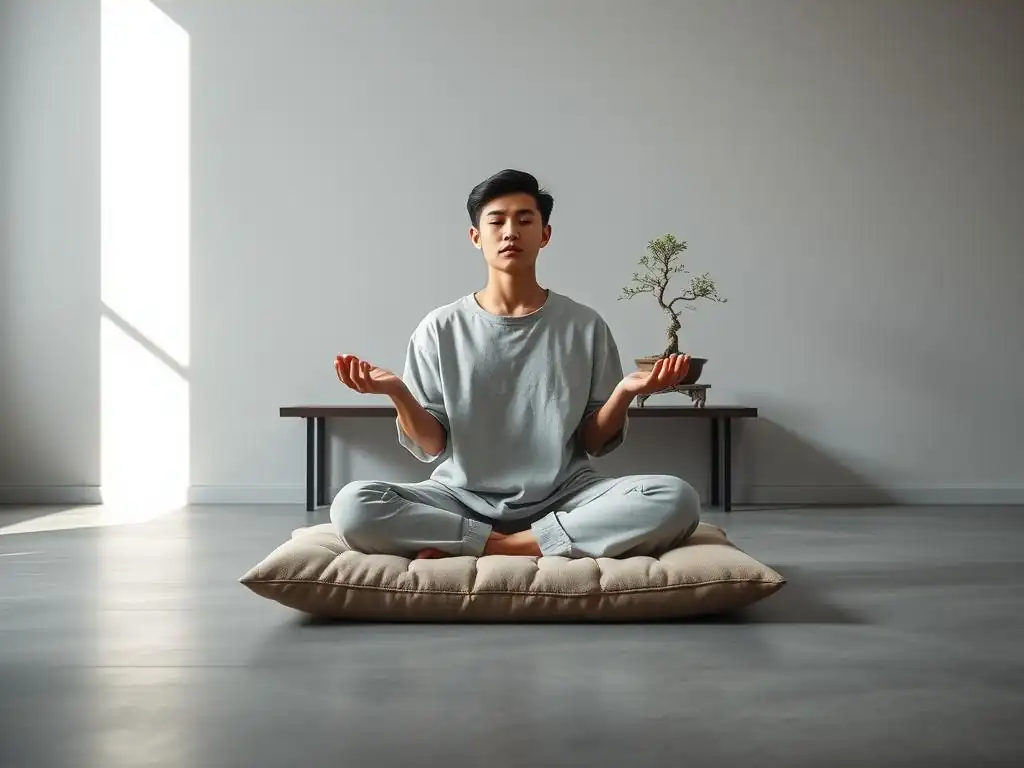
Guided Mindfulness Exercises for Beginners
Starting a mindfulness meditation practice can feel daunting, but guided exercises offer a gentle entry point. These sessions, often led by an instructor (live or via audio/video), provide verbal cues that direct your attention to specific anchors like the breath or bodily sensations. A typical guided session might start with instructions to find a comfortable posture, gently close the eyes, and then guide the listener through focusing on the physical sensations of breathing.
The guide will often prompt you to notice when your mind wanders – which it inevitably will – and gently encourage you to bring your attention back to the anchor without self-criticism. These guided sessions help beginners understand the mechanics of mindfulness – observing without judgment – and build consistency. Many free resources are available online, offering sessions ranging from 5 to 30 minutes, making it easy to incorporate into a busy schedule and begin to improve focus creativity.
Body Scan Meditation: A Step-by-Step Approach
The body scan is a foundational mindfulness technique that cultivates awareness of physical sensations throughout the body. It typically involves lying down or sitting comfortably and systematically bringing attention to different parts of the body, from the toes up to the head.
Here's a simple approach:
- Find a quiet space and lie down comfortably, or sit upright with feet flat on the floor.
- Gently close your eyes or soften your gaze.
- Take a few deep breaths to settle in.
- Bring your attention to your toes. Notice any sensations there – tingling, warmth, pressure, absence of sensation. Just observe.
- Slowly move your attention up through your feet, ankles, calves, knees, thighs, and hips, pausing at each area to notice sensations.
- Continue this process through your torso (abdomen, chest, back), arms (fingers to shoulders), neck, and finally your head and face.
- If you notice your mind wandering, gently acknowledge the thought and guide your attention back to the body part you were focusing on.
- When you reach the top of your head, take a few moments to feel the body as a whole before gently opening your eyes.
This practice enhances interoceptive awareness (awareness of internal bodily states) and trains the mind to sustain attention on physical experience, which can significantly improve focus creativity.
Mindfulness of Breath: Anchoring Your Awareness
Mindfulness of breath is perhaps the most common and accessible mindfulness technique. The breath is always available and serves as a constant anchor to the present moment. The practice involves simply paying attention to the physical sensations of breathing as the air enters and leaves the body.
To practice mindfulness of breath:
- Find a comfortable seated position, with your back straight but not rigid.
- Rest your hands comfortably on your lap.
- Gently close your eyes or lower your gaze.
- Bring your awareness to the sensations of your breath. Notice the air entering your nostrils or mouth, the rise and fall of your chest or abdomen, the feeling of the breath leaving your body.
- There's no need to change your breath; just observe it as it is, natural and spontaneous.
- When your mind inevitably wanders to thoughts, plans, or worries, simply notice that it has wandered.
- Without judgment, gently guide your attention back to the sensations of breathing. This is the core practice – the noticing and returning.
- Continue for a set period, starting with just 5-10 minutes.
Regular practice strengthens the 'attention muscle', reducing distractibility and improving sustained focus, which are critical components if you want to improve focus creativity.
Cultivating Mindful Awareness in Daily Activities
Mindfulness isn't confined to formal meditation sessions; it can be integrated into everyday activities. This informal practice helps maintain a state of presence throughout the day, enhancing overall awareness and reducing stress. Simple activities can become opportunities for mindfulness.
Examples include:
- Mindful Eating: Pay attention to the process of eating – the textures, smells, tastes, and the physical sensations of chewing and swallowing.
- Mindful Walking: Notice the feeling of your feet on the ground, the movement of your legs, the swing of your arms, and the sights and sounds around you.
- Mindful Listening: When speaking with someone, focus entirely on their words without planning your response or letting your mind drift.
- Mindful Tasks: Bring full attention to routine activities like washing dishes, brushing teeth, or commuting. Notice the sensations, sounds, and sights involved.
By practicing mindfulness during these ordinary moments, you reinforce the habit of present-moment awareness, making it easier to stay focused during demanding tasks and fostering a more open, receptive state of mind that can help improve focus creativity in all aspects of life.
Integrating Mindfulness Meditation Into Your Daily Life for Optimal Focus
Scheduling Short Mindfulness Breaks Throughout the Day
Integrating mindfulness doesn't require hours of dedicated practice. Even short, frequent breaks can significantly improve focus and reduce mental fatigue. Scheduling brief mindfulness pauses throughout your workday or study session can help reset your attention and prevent burnout.
Consider setting reminders to take a 1-3 minute mindfulness break every hour or two. During these breaks, you might practice a few rounds of mindful breathing, do a quick body scan, or simply bring your full attention to your immediate surroundings – noticing five things you can see, four things you can touch, three things you can hear, two things you can smell, and one thing you can taste (the 5-4-3-2-1 grounding technique).
These micro-practices interrupt the cycle of distraction and rumination, refreshing your mind and preparing you to return to your tasks with renewed concentration and a state conducive to helping you improve focus creativity.
Creating a Dedicated Space for Mindfulness Practice
While you can practice mindfulness anywhere, having a dedicated space can help establish a consistent routine and signal to your mind that it's time to focus inward. This space doesn't need to be large or elaborate; a quiet corner in your home or office can suffice.
Choose a spot where you feel comfortable and are less likely to be interrupted. You might add a cushion, a comfortable chair, or perhaps a simple plant or object that you find calming. The key is to make it a place associated with stillness and presence. Consistently using this space for your formal meditation practice, even if it's just for 10-15 minutes a day, strengthens the association and makes it easier to transition into a mindful state, bolstering your ability to improve focus creativity over time.
Overcoming Distractions and Maintaining a Mindful Presence
Distractions are an inevitable part of life and the meditation practice itself. The goal of mindfulness is not to eliminate distractions but to change your relationship with them. When you notice your mind wandering during practice or daily life, the mindful approach is to simply acknowledge the distraction without judgment and gently redirect your attention back to your chosen anchor (like the breath) or the task at hand.
This process of noticing and returning is the core training for improving focus. In daily life, this translates to recognizing when your attention has been captured by an email notification, a thought about the future, or a past event, and consciously choosing to bring it back to what you are currently doing. By repeatedly practicing this gentle redirection, you strengthen your capacity for sustained attention and become more resilient to interruptions, which is fundamental to helping you improve focus creativity.
Mindfulness Meditation for Specific Focus and Creativity Challenges
Mindfulness for Anxiety: Calming the Mind and Enhancing Focus
Anxiety often manifests as a racing mind, filled with worries about the future or ruminations about the past. This mental noise severely impairs the ability to focus on the present moment or engage in creative thinking. Mindfulness meditation offers powerful tools for managing anxiety by teaching individuals to observe anxious thoughts and feelings without being overwhelmed by them.
By practicing bringing attention back to the breath or body sensations, individuals learn to anchor themselves in the present, interrupting the cycle of anxious rumination. This creates distance from the anxiety-provoking thoughts, reducing their intensity and freeing up cognitive resources. As anxiety subsides, the mind becomes clearer, allowing for improved concentration on tasks and a greater capacity for open-mindedness, both essential for helping you improve focus creativity.
Mindfulness for Artists: Cultivating Creative Flow
Artists across various disciplines can benefit immensely from mindfulness practice. The creative process often requires deep concentration, emotional regulation, and the ability to access a state of "flow" – a state of complete absorption in the activity. Mindfulness helps cultivate the focus needed to enter and maintain this flow state.
By training the mind to stay present and non-judgmental, artists can overcome common creative blocks like self-criticism, fear of failure, or distraction. Mindful observation exercises can sharpen sensory perception, leading to richer and more detailed artistic expression. Furthermore, mindfulness fosters emotional resilience, helping artists navigate the inevitable challenges and uncertainties of the creative path. This combination of enhanced focus, reduced self-judgment, and emotional stability provides a robust foundation for artistic productivity and innovation, directly helping artists improve focus creativity.
Mindfulness for Professionals: Improving Performance and Reducing Stress
In today's demanding professional environment, maintaining focus and managing stress are paramount. Mindfulness meditation offers practical strategies for professionals seeking to enhance their performance and well-being. Practices like mindful breathing or short body scans can be used throughout the workday to manage stress responses triggered by deadlines or difficult interactions.
By improving the capacity for sustained attention, mindfulness helps professionals stay focused during meetings, complex problem-solving, and analytical tasks, leading to increased efficiency and fewer errors. The non-reactive awareness cultivated through mindfulness also improves emotional regulation, leading to better communication and interpersonal relationships. Many organizations now offer mindfulness training to employees, recognizing its value in boosting productivity, reducing burnout, and fostering a more engaged and innovative workforce, demonstrating how mindfulness can help professionals improve focus creativity in their careers.
Measuring Your Progress: Assessing the Impact of Mindfulness Meditation on Focus and Creativity
Self-Assessment Tools for Measuring Focus and Attention
Tracking your progress can be motivating and provide insights into how mindfulness is impacting your focus. While objective measures exist in research settings, self-assessment tools offer a practical way to gauge changes in your daily life. Questionnaires like the Mindful Attention Awareness Scale (MAAS) can provide a snapshot of your general level of mindful attention.
Beyond formal scales, simple daily tracking can be effective. You might rate your perceived level of focus at different points in the day on a scale of 1-10, or count the number of times you notice your mind wandering during a specific task. Keeping a log of these observations over several weeks can reveal subtle improvements in your ability to stay present and concentrate, indicating that your efforts to improve focus creativity through mindfulness are yielding results.
Journaling Prompts for Reflecting on Creative Insights
Journaling is an excellent tool for reflecting on how mindfulness might be influencing your creativity. Dedicating a few minutes after meditation or at the end of the day to write down observations can uncover connections and insights.
Consider using prompts like:
- What new ideas or perspectives arose during or after my mindfulness practice today?
- Did I notice any moments of 'flow' or deep immersion in a creative task? What facilitated that?
- How did my mindfulness practice help me navigate challenges or frustrations related to my creative work?
- Did I approach any problems today with a more open or less judgmental mindset?
- What small creative actions did I take today that felt effortless or inspired?
Regularly reflecting on these questions can highlight how a more focused and open state of mind, cultivated through mindfulness, is contributing to your creative process and helping you improve focus creativity.
Recognizing Subtle Shifts in Awareness and Emotional Regulation
Measuring the impact of mindfulness isn't always about dramatic changes; often, it's the subtle shifts that indicate progress. Pay attention to how quickly you notice when your mind has wandered during a task or conversation – this is a direct measure of improved attention. Notice also if you are less reactive to stressful situations or annoying interruptions.
Observe whether you can pause before responding to a challenging email or having a difficult conversation. These moments of conscious choice, rather than automatic reaction, demonstrate enhanced emotional regulation, a key benefit of mindfulness. Recognizing these subtle shifts in your awareness, patience, and emotional responses provides tangible evidence that your mindfulness practice is positively impacting your cognitive function and overall well-being, contributing to your ability to improve focus creativity.
Advanced Mindfulness Meditation Techniques for Deeper Focus
Exploring Advanced Mindfulness Practices
Once comfortable with basic techniques like breath awareness and body scan, practitioners can explore more advanced mindfulness practices to deepen their focus and awareness. These often involve extending the scope of awareness or engaging with more challenging objects of meditation.
One such practice is open awareness meditation, also known as choiceless awareness. Instead of focusing on a single anchor like the breath, the practitioner allows their attention to rest on whatever arises in their field of awareness – sounds, thoughts, emotions, physical sensations – without latching onto any specific object. This practice cultivates a panoramic awareness and non-reactivity to the ever-changing landscape of experience. Another advanced technique involves investigating specific mental states or physical sensations with focused, non-judgmental inquiry. These practices build greater mental stability and insight, further enhancing the capacity to improve focus creativity.
Deepening Your Mindfulness Practice Over Time
Deepening your mindfulness practice is a gradual process that involves consistent effort and patience. It's not about achieving a perfect, thought-free state, but about refining your ability to notice, accept, and return to the present moment. As you practice regularly, you may find that periods of sustained focus lengthen, and the time it takes to notice mind-wandering shortens.
Deepening can also involve exploring longer meditation sessions, attending retreats, or working with a qualified mindfulness teacher. These avenues provide opportunities for more intensive practice and guidance on navigating challenges that arise. Over time, the benefits of mindfulness – including improved focus, reduced stress, and enhanced creativity – become more integrated into your daily life, transforming how you interact with yourself and the world around you, allowing you to consistently improve focus creativity.
Is Mindfulness Meditation Right for You? Considerations and Precautions
Understanding Potential Challenges of Mindfulness Practice
While mindfulness meditation offers numerous benefits, it's important to be aware that the practice can sometimes present challenges. For some individuals, particularly those with a history of trauma or certain mental health conditions, bringing focused attention to internal experiences without proper guidance can be overwhelming or trigger difficult emotions.
The practice of noticing thoughts and feelings without judgment can also be challenging, as it requires confronting uncomfortable aspects of one's inner life. It's not uncommon to experience restlessness, boredom, or frustration during meditation, especially when starting out. Recognizing these potential challenges is the first step; approaching them with patience and self-compassion, and seeking guidance when needed, can help navigate these difficulties safely and effectively.
Consulting with a Mental Health Professional When Needed
For individuals with pre-existing mental health conditions such as severe anxiety, depression, PTSD, or psychosis, it is highly recommended to consult with a mental health professional before starting a mindfulness meditation practice. While mindfulness can be a valuable complementary therapy, it should not replace professional treatment.
A therapist can help determine if mindfulness is appropriate for your specific situation, offer guidance on how to approach the practice safely, and provide support if difficult experiences arise. They can also help integrate mindfulness into a broader treatment plan. Seeking professional advice ensures that you approach mindfulness in a way that supports your mental well-being and contributes positively to your efforts to improve focus creativity.
Tailoring Mindfulness to Your Individual Needs
Mindfulness is not a one-size-fits-all practice. It's essential to find approaches and techniques that resonate with you and fit into your lifestyle. If sitting meditation feels difficult, try walking meditation or incorporating mindfulness into activities you already do, like exercising or cooking.
Experiment with different lengths of practice – even 5 minutes a day is beneficial. If focusing on the breath is challenging, try using sounds or physical sensations as your anchor. The key is consistency and self-compassion. Be patient with yourself, acknowledge that your experience will vary from day to day, and adjust your practice as needed. Tailoring mindfulness to your individual preferences increases the likelihood of maintaining a regular practice and reaping its rewards, including helping you improve focus creativity.
Resources for Learning More About Mindfulness Meditation
Recommended Books on Mindfulness Meditation
For those wishing to delve deeper into the theory and practice of mindfulness meditation, several widely respected books offer comprehensive guidance. "Wherever You Go, There You Are" by Jon Kabat-Zinn is a classic, providing accessible wisdom and practices for integrating mindfulness into daily life. "Mindfulness in Plain English" by Henepola Gunaratana offers clear, straightforward instructions on insight meditation.
"Full Catastrophe Living" also by Jon Kabat-Zinn, provides a detailed exploration of the Mindfulness-Based Stress Reduction (MBSR) program, including scientific background and practical exercises. These books offer foundational knowledge, practical techniques, and inspiration for cultivating a sustainable mindfulness practice and understanding its profound impact on cognitive functions like focus and creativity.
Reputable Mindfulness Organizations and Websites
Numerous reputable organizations and websites offer valuable resources for learning and practicing mindfulness. The Center for Mindfulness at the University of Massachusetts Medical School, founded by Jon Kabat-Zinn, is a leading institution offering programs and information based on the MBSR model. The UCLA Mindful Awareness Research Center (MARC) provides free guided meditations and resources based on scientific research.
Other respected organizations include the Insight Meditation Society (IMS) and Spirit Rock Meditation Center, which offer teachings rooted in the Vipassana tradition. Websites like Mindful.org provide articles, guided meditations, and information on various aspects of mindfulness for everyday life. Exploring these resources can connect you with authentic teachings and supportive communities as you work to improve focus creativity through mindfulness.
Online Mindfulness Meditation Apps and Programs
Technology has made mindfulness meditation more accessible than ever through various apps and online programs. Apps like Calm, Headspace, and Insight Timer offer guided meditations ranging from a few minutes to longer sessions, catering to beginners and experienced practitioners alike. They often include themed meditations for specific goals, such as improving focus, reducing anxiety, or fostering creativity.
Online programs, such as those based on MBSR or MBCT (Mindfulness-Based Cognitive Therapy), offer structured courses that provide in-depth instruction and support over several weeks. Platforms like Coursera, edX, and dedicated mindfulness websites host these programs. While not a substitute for in-person instruction for everyone, these digital resources offer convenient and flexible ways to learn and maintain a regular mindfulness practice, supporting your journey to improve focus creativity.
Frequently Asked Questions
How does Transcendental Meditation (TM) specifically boost focus?
TM's effect on focus stems from its ability to reduce mental chatter and promote a state of relaxed awareness. This allows for improved concentration and the ability to maintain attention for longer periods.
Can Transcendental Meditation actually enhance creativity, or is that just a claim?
Yes, TM can enhance creativity. By quieting the mind, it allows for new ideas to surface and reduces fear of judgment, fostering a more open and creative state. Reduced stress also plays a role.
How often should I practice Transcendental Meditation to see improvements in focus and creativity?
Consistency is key. Typically, practicing TM twice a day for 20 minutes is recommended for optimal results in both focus and creativity. Regular practice is crucial.
Is Transcendental Meditation difficult to learn and practice effectively for improving focus and creativity?
While TM requires instruction from a certified teacher, the technique itself is relatively simple and effortless. It involves using a mantra to quiet the mind, making it accessible to most individuals.
Are there any scientific studies that support the link between Transcendental Meditation and improved focus and creativity?
Yes, several studies have demonstrated the benefits of TM. Research indicates that TM can improve cognitive function, including focus, and enhance creative thinking. Brainwave patterns have also been studied.
Final Reflection: Unlocking Your Potential Through Inner Stillness
The pursuit of enhanced focus and creativity is a universal human desire, and in today's relentlessly demanding world, finding effective strategies to achieve this is more crucial than ever. The ability to concentrate deeply and generate innovative ideas is no longer a luxury; it's a necessity for navigating the complexities of modern life and achieving personal and professional fulfillment. This article explored the profound impact of Transcendental Meditation (TM) as a powerful tool to cultivate precisely these qualities.
The journey towards greater focus and creativity is not merely about external techniques; it's deeply intertwined with our inner landscape. TM's ability to quiet the mind and promote a state of restful alertness has resonated deeply with practitioners for decades. It's a practice that transcends fleeting trends, offering a timeless approach to self-improvement. As the poet William Wordsworth eloquently stated, Nature never did betray the heart that loved her.
Similarly, the practice of TM, by connecting us to our inner selves, allows us to tap into a wellspring of creativity and clarity that was always within us, waiting to be discovered.
Now, consider your own life. What areas could benefit from enhanced focus and creativity? Perhaps you're striving for a breakthrough in your career, seeking inspiration for a creative project, or simply yearning for more peace and clarity in your daily life. I invite you to explore the potential of Transcendental Meditation. Take the time to research the practice further, consider attending an introductory lecture, and perhaps even embark on your own journey of inner exploration. The path to unlocking your full potential begins with a single, mindful step.
Unlock Your Inner Genius: Take the Next Step
Thanks for taking the time to explore the power of Transcendental Meditation! We hope you gained valuable insights into how this practice can boost your focus and unlock your creative potential. Now it's time to put that knowledge into action.
- Begin your TM journey today: Research local instructors or explore online resources to find a program that suits your needs. This is the most important step towards experiencing the benefits firsthand.
- Share your thoughts: Let us know in the comments below what resonated most with you from the article. Did you already have experience with meditation? Share your tips!
- Challenge a friend: Encourage someone you know to explore Transcendental Meditation. It's more impactful when shared!
Ready to experience the transformative power of improved focus and creativity? What initial step will you take to integrate TM into your life?