
LongTerm Effects of Chronic Stress on Neurotransmitter Systems and Health

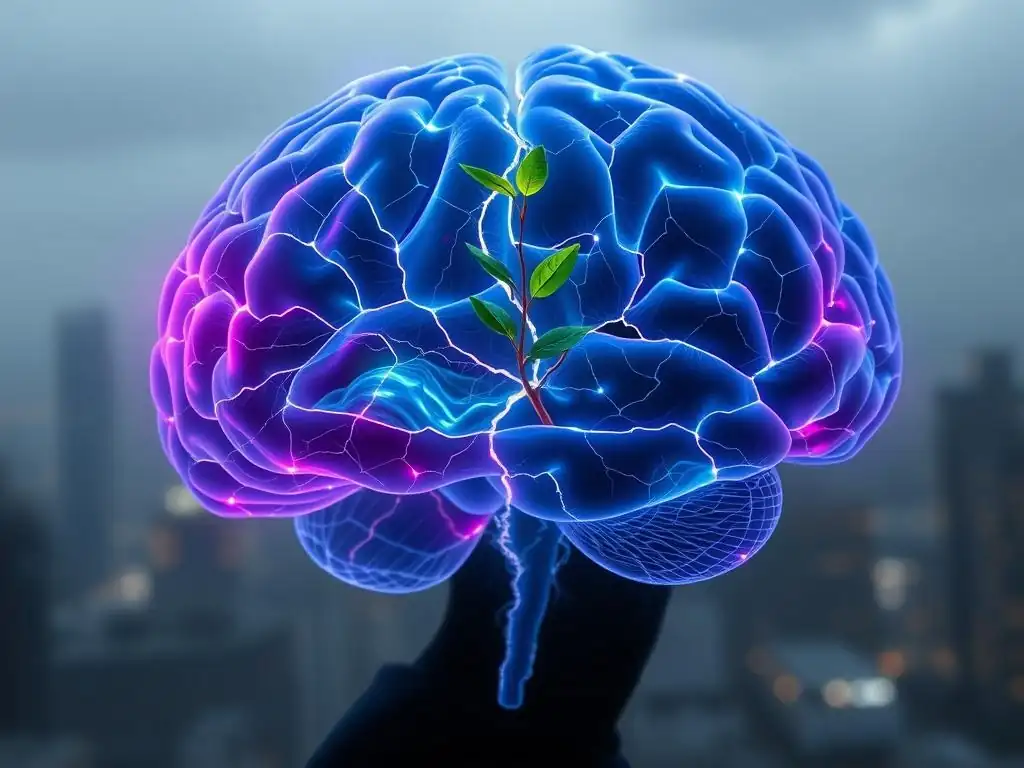
Welcome to Mind Care Guide, a space dedicated to nurturing your mental well-being. Feeling overwhelmed? You're not alone. Chronic stress can profoundly impact your brain, and understanding how it affects your neurotransmitters is key to regaining control. Curious about the Long-Term Effects of Chronic Stress on Neurotransmitter Systems and Health? Let's explore how this invisible burden shapes your mental landscape and, more importantly, what you can do about it. Dive in to discover the science behind stress and unlock pathways to resilience.
Long-Term Effects of Chronic Stress on Neurotransmitter Systems and Health: A Mind Care Guide
- Introduction: Understanding Chronic Stress and Its Impact on Mental Well-being
-
How Chronic Stress Affects Key Neurotransmitter Systems
- The Stress Response System: HPA Axis and Neurotransmitter Release
- Chronic Stress and Dopamine: Motivation, Reward, and Addiction Vulnerability
- Chronic Stress and Serotonin: Mood, Sleep, and Anxiety Regulation
- Chronic Stress and Norepinephrine: Alertness, Focus, and the "Fight or Flight" Response
- Chronic Stress and GABA: Relaxation, Inhibition, and Calming Effects
- Chronic Stress and Glutamate: Excitation, Learning, and Memory
-
The Cascade of Health Effects: Chronic Stress, Neurotransmitters, and Physical Health
- Cardiovascular Health: Stress, Neurotransmitters, and Heart Disease Risk
- Immune System Function: Neurotransmitter Imbalances and Weakened Immunity
- Digestive Health: The Gut-Brain Axis and Stress-Related Disorders
- Cognitive Function: Memory, Focus, and Executive Function Impairment
- Sleep Disorders: Insomnia and Disrupted Sleep Cycles Due to Neurotransmitter Dysregulation
- Identifying and Assessing the Impact of Chronic Stress
- Strategies for Mitigating the Effects of Chronic Stress on Neurotransmitters and Health
- The Importance of Early Intervention and Prevention
- Conclusion: Taking Control of Your Neurotransmitter Health and Overall Well-being
-
Frequently Asked Questions
- What are the primary neurotransmitters affected by chronic stress, and how does this impact mental well-being?
- How does chronic stress disrupt neurotransmitter balance, and what are the long-term consequences for physical health?
- Can lifestyle changes help regulate neurotransmitter function affected by chronic stress?
- What are some specific mental health challenges that can arise from long-term chronic stress's impact on neurotransmitters?
- What role does professional support play in addressing the neurotransmitter-related health effects of chronic stress?
- Final Reflection: The Unseen Toll of Chronic Stress
- Unlock Your Brain's Resilience: Take Control of Stress
Introduction: Understanding Chronic Stress and Its Impact on Mental Well-being
Chronic stress, unlike acute stress which is a short-lived response to immediate danger, persists over prolonged periods. This sustained pressure stems from various sources – demanding jobs, difficult relationships, financial worries, or ongoing health issues. When stress becomes chronic, the body's natural alarm system remains activated, leading to a constant flood of stress hormones like cortisol. This persistent activation has profound and detrimental effects on both mental and physical health, significantly impacting overall well-being. Understanding the insidious nature of chronic stress is the first step toward mitigating its long-term consequences.
The Scope of Chronic Stress in Modern Life
In contemporary society, the prevalence of chronic stress is alarmingly high. Factors such as the rapid pace of technological change, economic instability, social pressures, and the blurring lines between work and personal life contribute significantly to this phenomenon. Surveys often indicate that a large percentage of adults report experiencing high levels of stress regularly.
For instance, some national polls suggest that over 60% of adults perceive their stress levels as moderate to high, with a substantial portion reporting that stress negatively impacts their daily lives and health. This widespread experience highlights chronic stress as a major public health concern, affecting millions globally.
The pervasive nature of chronic stress means it impacts individuals across all demographics and professions. Students facing academic pressure, professionals navigating demanding careers, parents balancing family and work, and individuals dealing with chronic illness all experience unique stressors that can become chronic. This constant exposure to stressful stimuli, without adequate recovery periods, creates a fertile ground for long-term physiological and psychological changes. The persistent strain on the body's systems underscores the critical need to understand its deep-seated effects, particularly on brain chemistry and overall health.
Neurotransmitters and Mental Health: A Core Connection
Neurotransmitters are chemical messengers that transmit signals between nerve cells (neurons) in the brain. They play a fundamental role in regulating virtually every aspect of our mental and physical functioning, including mood, sleep, appetite, memory, learning, and stress response. Key neurotransmitters like dopamine, serotonin, norepinephrine, GABA, and glutamate are crucial for maintaining brain balance and overall mental health. Imbalances in these chemical messengers are frequently linked to various mental health conditions, such as depression, anxiety disorders, bipolar disorder, and schizophrenia.
The intricate network of neurotransmitters ensures smooth communication within the brain. When this communication is disrupted, the consequences can be far-reaching. For example, insufficient levels of serotonin are strongly associated with symptoms of depression and anxiety, while dysregulation of dopamine pathways can affect motivation, pleasure, and contribute to conditions like addiction. Understanding the delicate balance of these chemicals is essential because external factors, including stress, can significantly alter their synthesis, release, and function, thereby impacting mental and emotional states.
Why Understanding Chronic Stress's Impact on Neurotransmitters is Crucial
Grasping how chronic stress disrupts neurotransmitter systems is vital because it provides a scientific basis for the link between prolonged stress and mental health disorders. It moves beyond simply stating that stress makes you feel bad to explaining the underlying biological mechanisms. This understanding is empowering, as it highlights specific pathways that can be targeted through therapeutic interventions, lifestyle changes, and potentially, medication. Knowing that chronic stress can chemically alter the brain emphasizes the importance of proactive stress management as a form of preventative mental healthcare.
Furthermore, comprehending the chronic stress neurotransmitter health effects helps destigmatize mental health challenges. It frames conditions like stress-induced depression or anxiety not as personal failings, but as physiological responses to persistent environmental pressures that have altered brain chemistry. This knowledge encourages individuals to seek help and provides healthcare professionals with a clearer picture of the biological factors contributing to a patient's symptoms. It underscores that addressing the root cause – the chronic stress – is as important as treating the symptoms resulting from the neurotransmitter imbalances.
How Chronic Stress Affects Key Neurotransmitter Systems
The body's response to stress is a complex cascade involving hormones and neurotransmitters. While the acute stress response is adaptive, preparing the body to confront or flee a threat, chronic stress represents a prolonged activation of this system. This sustained activation leads to significant changes in the synthesis, release, reuptake, and sensitivity of various neurotransmitters, ultimately altering brain function and contributing to numerous health issues. The long-term effects of chronic stress on these chemical messengers are profound and widespread.
The Stress Response System: HPA Axis and Neurotransmitter Release
The primary neuroendocrine pathway involved in the stress response is the Hypothalamic-Pituitary-Adrenal (HPA) axis. When a stressor is perceived, the hypothalamus releases corticotropin-releasing hormone (CRH), which signals the pituitary gland to release adrenocorticotropic hormone (ACTH). ACTH then stimulates the adrenal glands to release cortisol, the main stress hormone. This hormonal cascade is tightly regulated, but under chronic stress, the HPA axis can become dysregulated, leading to persistently high levels of cortisol. This hormonal imbalance significantly impacts neurotransmitter systems throughout the brain, including areas critical for mood, memory, and decision-making like the prefrontal cortex, hippocampus, and amygdala.
Simultaneously, the sympathetic nervous system is activated, leading to the release of catecholamines, primarily norepinephrine and epinephrine, from the adrenal medulla and nerve terminals. While these neurotransmitters are essential for the immediate "fight or flight" response, their continuous release in chronic stress can lead to overstimulation of target organs and nervous system exhaustion. The interplay between the HPA axis hormones (like cortisol) and these neurotransmitters creates a feedback loop that, when chronically activated, can lead to detrimental neurochemical changes, altering the balance and function of other key neurotransmitters like dopamine, serotonin, and GABA.
Chronic Stress and Dopamine: Motivation, Reward, and Addiction Vulnerability
Dopamine is a neurotransmitter critical for regulating motivation, pleasure, reward, and movement. It plays a key role in how we experience positive reinforcement and pursue goals. The brain's reward pathway, heavily reliant on dopamine signaling, is significantly impacted by stress. Initially, acute stress can sometimes transiently increase dopamine release, contributing to heightened focus or energy. However, chronic stress often leads to a disruption in dopamine system function, impacting its synthesis, release, and receptor sensitivity in crucial brain areas.
Dopamine Dysregulation in Chronic Stress
Prolonged exposure to high levels of stress hormones like cortisol can lead to reduced dopamine receptor availability and altered dopamine turnover in reward-related brain regions, such as the nucleus accumbens and prefrontal cortex. This dysregulation manifests as anhedonia – the reduced ability to experience pleasure – which is a core symptom of depression and other stress-related disorders. The blunting of the reward system can also contribute to increased vulnerability to addiction, as individuals may seek external substances or behaviors to compensate for the diminished internal sense of reward.
Studies in animal models of chronic stress have shown significant reductions in dopamine levels and receptor function in key brain areas, mirroring changes observed in humans experiencing prolonged stress or depression. This chronic stress neurotransmitter health effect profoundly impacts mood, motivation, and the capacity for joy.
Chronic Stress and Serotonin: Mood, Sleep, and Anxiety Regulation
Serotonin is another vital neurotransmitter, widely known for its influence on mood, sleep, appetite, and social behavior. It plays a significant role in feelings of well-being and calm. Imbalances in serotonin levels or function are strongly implicated in mood disorders, particularly depression and anxiety. The relationship between chronic stress and serotonin is complex, but persistent stress is widely understood to negatively impact serotonin system function.
Serotonin Imbalance: The Link to Depression and Anxiety under Chronic Stress
Research indicates that chronic stress can decrease serotonin synthesis and release in certain brain regions, while potentially increasing its turnover in others. High cortisol levels associated with prolonged stress can interfere with the transport and metabolism of serotonin. This chronic stress neurotransmitter health effect can lead to a functional deficiency or dysregulation of serotonin signaling, contributing directly to the development or exacerbation of symptoms like persistent low mood, feelings of hopelessness, increased worry, and sleep disturbances.
For instance, studies have demonstrated that individuals exposed to chronic psychosocial stress often exhibit lower levels of serotonin metabolites in cerebrospinal fluid, suggesting reduced serotonin activity in the brain. This disruption provides a clear biological pathway linking long-term stress exposure to common mental health conditions like generalized anxiety disorder and major depressive disorder.
Chronic Stress and Norepinephrine: Alertness, Focus, and the "Fight or Flight" Response
Norepinephrine is a catecholamine neurotransmitter involved in the body's acute stress response, increasing heart rate, blood pressure, and alertness. It helps us focus and react quickly to perceived threats. While essential for survival in short bursts, sustained high levels of norepinephrine due to chronic stress can have detrimental effects on physical and mental health.
Norepinephrine Overactivation and Exhaustion: Consequences of Prolonged Stress
Under chronic stress, the sympathetic nervous system remains hyperactive, leading to the continuous release of norepinephrine. Initially, this might manifest as heightened vigilance or anxiety. However, prolonged overstimulation can lead to the depletion of norepinephrine stores or desensitization of receptors, resulting in symptoms of exhaustion, difficulty concentrating, and impaired cognitive function.
This sustained activation contributes to the physical wear and tear associated with chronic stress, impacting cardiovascular health and immune function. The constant state of alert caused by elevated norepinephrine can also disrupt sleep patterns and exacerbate feelings of anxiety and restlessness, illustrating a significant chronic stress neurotransmitter health effect.
Chronic Stress and GABA: Relaxation, Inhibition, and Calming Effects
Gamma-aminobutyric acid (GABA) is the primary inhibitory neurotransmitter in the central nervous system. Its main function is to reduce neuronal excitability, acting like a brake pedal on brain activity. GABA promotes relaxation, reduces anxiety, and helps regulate sleep cycles. Adequate GABAergic signaling is crucial for calming the nervous system after a stressor has passed.
GABA Deficiency: Increased Anxiety and Hyperarousal due to Chronic Stress
Chronic stress is known to impair GABAergic function. High levels of stress hormones, particularly cortisol, can reduce GABA synthesis or receptor sensitivity in key brain areas like the amygdala and prefrontal cortex. This reduction in inhibitory signaling leads to increased neuronal excitability and difficulty "switching off" the stress response. The consequence is often a state of hyperarousal, characterized by heightened anxiety, irritability, muscle tension, and difficulty relaxing or sleeping. This GABA deficiency is a direct chronic stress neurotransmitter health effect that contributes significantly to the pathophysiology of anxiety disorders and insomnia commonly associated with prolonged stress exposure.
Chronic Stress and Glutamate: Excitation, Learning, and Memory
Glutamate is the primary excitatory neurotransmitter in the brain and is essential for learning, memory, and synaptic plasticity (the brain's ability to adapt and change). It plays a crucial role in communication between neurons. While necessary for brain function, excessive glutamate activity can be harmful, leading to excitotoxicity.
Glutamate Excitotoxicity: Potential Damage from Chronic Stress-Induced Overstimulation
Chronic stress, particularly when severe, can lead to elevated levels of glutamate in certain brain regions, notably the hippocampus and prefrontal cortex. High cortisol levels can enhance glutamate release and impair its reuptake, causing it to accumulate in the synaptic cleft. This excessive glutamate overstimulates neurons, potentially leading to excitotoxicity – a process where neurons are damaged or even killed by excessive stimulation.
This neurotoxic effect of chronic stress-induced glutamate dysregulation is believed to contribute to the structural and functional changes observed in the brains of individuals with chronic stress-related disorders, including reduced hippocampal volume and impaired cognitive function. This is a particularly concerning chronic stress neurotransmitter health effect due to its potential for long-lasting neurological consequences.
The Cascade of Health Effects: Chronic Stress, Neurotransmitters, and Physical Health
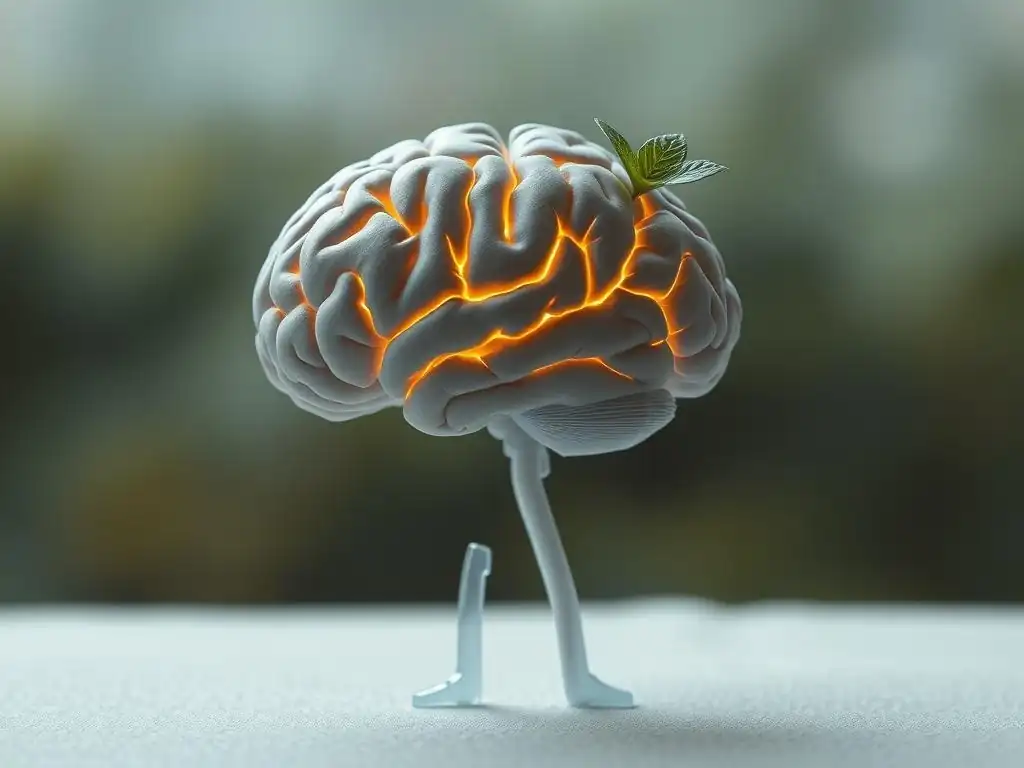
The long-term effects of chronic stress on neurotransmitter systems don't exist in isolation; they trigger a cascade of consequences throughout the entire body. The brain's neurochemical imbalances directly influence the functioning of other physiological systems, including the cardiovascular, immune, and digestive systems. This intricate connection explains why chronic stress is linked not only to mental health issues but also to a wide range of physical ailments. Understanding these systemic chronic stress neurotransmitter health effects is crucial for a holistic view of well-being.
Cardiovascular Health: Stress, Neurotransmitters, and Heart Disease Risk
Chronic stress significantly impacts the cardiovascular system, with neurotransmitter dysregulation playing a key role. The persistent release of norepinephrine and epinephrine increases heart rate and blood pressure over time, contributing to hypertension. Furthermore, chronic stress-induced changes in dopamine and serotonin can affect behaviors like smoking, poor diet, and lack of exercise, which are risk factors for heart disease.
Prolonged exposure to stress hormones also promotes inflammation and endothelial dysfunction, damaging blood vessels. Studies have shown that individuals experiencing chronic work stress have a significantly increased risk of cardiovascular events, sometimes estimated to be up to 40% higher compared to those with low stress levels. This heightened risk is partly mediated by the sustained physiological changes driven by the overactive stress response and its downstream effects on neurotransmitter balance and systemic inflammation, representing a critical chronic stress neurotransmitter health effect on the heart.
Immune System Function: Neurotransmitter Imbalances and Weakened Immunity
The immune system is highly responsive to signals from the nervous system, including neurotransmitters and stress hormones. Chronic stress, through its effects on cortisol, norepinephrine, and other neurotransmitters, can suppress immune function. High cortisol levels can inhibit the production and activity of lymphocytes, the white blood cells critical for fighting infections.
Norepinephrine, while initially enhancing some immune responses, can become immunosuppressive when chronically elevated. This chronic stress neurotransmitter health effect makes individuals more susceptible to infections (like colds and flu) and may impair the body's ability to heal wounds or respond effectively to vaccinations. Some research also suggests a link between chronic stress-induced neurotransmitter changes and the exacerbation of autoimmune conditions, where the immune system mistakenly attacks the body's own tissues.
The gut and the brain are intimately connected through the gut-brain axis, a bidirectional communication system involving nerves, hormones, and neurotransmitters. Serotonin, for example, is found in significant amounts in the gut and influences gut motility and sensation. Chronic stress and its impact on neurotransmitters like serotonin, as well as the direct effects of stress hormones, can profoundly disrupt gut function.
This disruption can lead to or worsen conditions such as Irritable Bowel Syndrome (IBS), inflammatory bowel disease (IBD), and indigestion. Stress alters gut motility, increases intestinal permeability (leaky gut), and changes the composition of the gut microbiome, all of which can contribute to digestive distress and systemic inflammation. The chronic stress neurotransmitter health effects on gut function highlight the interconnectedness of mental and physical well-being.
Cognitive Function: Memory, Focus, and Executive Function Impairment
Chronic stress significantly impairs cognitive abilities, affecting memory, attention, and executive functions like planning and decision-making. The brain regions most vulnerable to chronic stress-induced neurochemical changes – the hippocampus (memory), prefrontal cortex (executive functions), and amygdala (emotional processing) – are critical for cognitive performance.
Dysregulation of glutamate, impacting synaptic plasticity, and reduced dopamine and norepinephrine signaling, affecting focus and motivation, directly contribute to these cognitive deficits. Prolonged exposure to cortisol can also lead to structural changes, such as reduced dendritic branching and even decreased volume in the hippocampus and prefrontal cortex. Individuals under chronic stress often report difficulty concentrating, forgetfulness, impaired problem-solving skills, and feeling mentally fatigued, clear chronic stress neurotransmitter health effects on brain performance.
Sleep Disorders: Insomnia and Disrupted Sleep Cycles Due to Neurotransmitter Dysregulation
Sleep is fundamentally regulated by neurotransmitters, including serotonin, GABA, and norepinephrine. Chronic stress profoundly disrupts the delicate balance of these chemicals, leading to significant sleep disturbances. The persistent state of hyperarousal driven by elevated norepinephrine and impaired GABAergic signaling makes it difficult to fall asleep and stay asleep.
Stress also disrupts the natural circadian rhythm, which is influenced by serotonin and melatonin (synthesized from serotonin). The result is often chronic insomnia, fragmented sleep, or non-restorative sleep. This lack of quality sleep further exacerbates stress and neurotransmitter imbalances, creating a vicious cycle that negatively impacts mood, cognitive function, and physical health. Addressing sleep disturbances is a critical part of managing chronic stress and its chronic stress neurotransmitter health effects.
Identifying and Assessing the Impact of Chronic Stress
Recognizing the signs and symptoms of chronic stress is the first step towards managing its long-term impact on neurotransmitter systems and overall health. Because chronic stress can manifest differently in individuals, ranging from subtle changes in mood to significant physical ailments, accurate identification is crucial. Assessment often involves a combination of self-awareness, clinical evaluation, and potentially, specialized tests.
Recognizing the Symptoms of Chronic Stress
The symptoms of chronic stress are varied and can affect physical, emotional, and behavioral aspects of health. Physical signs might include persistent fatigue, headaches, muscle tension, digestive issues, or a weakened immune system leading to frequent illness. Emotional symptoms often involve irritability, anxiety, depression, feelings of overwhelm, hopelessness, or difficulty relaxing.
Behavioral changes can manifest as withdrawal from social activities, changes in appetite (eating more or less), sleep problems, increased use of alcohol or drugs, or difficulty concentrating and completing tasks. For example, someone experiencing chronic job stress might develop tension headaches, become unusually short-tempered with family, lose interest in hobbies, and struggle to focus at work – a constellation of symptoms pointing towards prolonged stress.
Neurotransmitter Testing: Options and Limitations
Directly measuring neurotransmitter levels in the brain is complex and not routinely performed in clinical practice for diagnosing stress-related conditions. While tests measuring neurotransmitters or their metabolites in urine, blood, or saliva are available, their clinical utility for diagnosing specific mental health conditions or assessing the impact of chronic stress on brain neurotransmitters is debated. These peripheral measurements may not accurately reflect neurotransmitter activity within the central nervous system due to the blood-brain barrier and the rapid metabolism of these chemicals.
Currently, neurotransmitter testing is primarily used in research settings or for specific neurological conditions. For the purpose of assessing chronic stress neurotransmitter health effects in a clinical context, these tests are generally considered investigational rather than diagnostic tools. Clinical assessment based on symptoms and history remains the standard approach.
Psychological Assessments: Tools for Evaluating Stress Levels and Mental Health
Psychological assessments are valuable tools for evaluating the presence and severity of chronic stress and its impact on mental health. Standardized questionnaires, such as the Perceived Stress Scale (PSS) or the Depression, Anxiety, and Stress Scale (DASS-21), allow individuals to rate their experiences and symptoms related to stress, anxiety, and depression. Clinical interviews conducted by mental health professionals also provide crucial insights into a person's stressors, coping mechanisms, and how stress is affecting their daily life and well-being.
These assessments help clinicians understand the subjective experience of stress, identify specific stressors, evaluate coping resources, and diagnose co-occurring mental health conditions like anxiety or depression that may stem from chronic stress-induced neurotransmitter changes. Unlike direct chemical tests, psychological assessments capture the functional impact of chronic stress on an individual's life and are essential for developing personalized intervention strategies.
Strategies for Mitigating the Effects of Chronic Stress on Neurotransmitters and Health

Effectively managing chronic stress is paramount to protecting neurotransmitter balance and preventing or reversing negative health effects. A multifaceted approach that combines lifestyle modifications, stress-reduction techniques, and potentially therapeutic interventions is often most effective. These strategies aim to dampen the overactive stress response, restore neurochemical balance, and build resilience. Addressing chronic stress neurotransmitter health effects requires consistent effort and personalized strategies.
Stress Management Techniques: Mindfulness, Meditation, and Yoga
Techniques like mindfulness, meditation, and yoga have demonstrated efficacy in reducing chronic stress and positively influencing neurotransmitter systems. Mindfulness and meditation practices train the mind to focus on the present moment without judgment, which can reduce the activity of the amygdala (the brain's fear center) and enhance activity in the prefrontal cortex (involved in calming responses). Regular practice has been associated with increased levels of GABA and serotonin and reduced cortisol levels.
Yoga combines physical postures, breathing exercises, and meditation, offering a holistic approach to stress reduction. Studies have shown that consistent yoga practice can lead to significant reductions in perceived stress and improvements in mood, likely mediated in part through its effects on the HPA axis and neurotransmitter balance. Engaging in these practices regularly provides practical tools for individuals to actively counter the physiological and neurochemical impacts of chronic stress.
Lifestyle Modifications: Diet, Exercise, and Sleep Hygiene
Lifestyle plays a critical role in managing chronic stress and supporting healthy neurotransmitter function. A balanced diet rich in whole foods provides the necessary building blocks (amino acids, vitamins, minerals) for neurotransmitter synthesis. Omega-3 fatty acids, found in fish and flaxseeds, are particularly important for brain health and can influence neurotransmitter pathways.
Regular physical activity is a powerful stress reliever and has direct positive effects on neurotransmitters. Exercise increases the release of endorphins (natural mood boosters), and consistent aerobic activity has been shown to promote neurogenesis (the growth of new neurons) and improve the function of dopamine, serotonin, and norepinephrine systems, helping to counteract chronic stress neurotransmitter health effects. Prioritizing consistent, quality sleep is also non-negotiable, as sleep deprivation exacerbates stress and neurotransmitter imbalances. Establishing a regular sleep schedule and creating a relaxing bedtime routine supports the brain's natural restorative processes.
The Role of Nutrition in Neurotransmitter Synthesis
Neurotransmitters like serotonin, dopamine, and norepinephrine are synthesized in the body from specific amino acids found in dietary proteins, such as tryptophan, tyrosine, and phenylalanine. Adequate intake of these precursors is essential for maintaining optimal neurotransmitter levels. Furthermore, various vitamins (like B vitamins) and minerals (like magnesium and zinc) act as cofactors in the enzymatic reactions that produce neurotransmitters.
For example, magnesium is involved in GABA receptor function, and B vitamins are crucial for the synthesis of several neurotransmitters. A diet deficient in these key nutrients can compromise the brain's ability to produce and regulate neurotransmitters, making individuals more vulnerable to the neurochemical impacts of chronic stress. Focusing on nutrient-dense foods supports the body's capacity to maintain neurotransmitter balance.
Exercise as a Neurotransmitter Regulator
Exercise is often described as a natural antidepressant and anxiolytic, largely due to its profound effects on neurotransmitter systems. During and after exercise, the brain releases endorphins, which interact with opioid receptors to reduce pain and induce feelings of euphoria. Regular aerobic exercise has been shown to increase the synthesis and release of serotonin and norepinephrine, improving mood and reducing symptoms of depression and anxiety.
It also positively impacts the dopamine system, enhancing reward sensitivity and motivation, which can counteract the anhedonia associated with chronic stress. Furthermore, exercise can increase the production of Brain-Derived Neurotrophic Factor (BDNF), a protein that supports the health and growth of neurons and synapses, thereby promoting neuroplasticity and resilience against the damaging chronic stress neurotransmitter health effects.
Therapeutic Interventions: Cognitive Behavioral Therapy (CBT) and Other Approaches
Psychological therapies, particularly Cognitive Behavioral Therapy (CBT), are highly effective in helping individuals manage chronic stress. CBT helps identify and challenge negative thought patterns and behaviors that contribute to stress and distress. By changing how stressors are perceived and reacted to, CBT can indirectly influence the physiological stress response and associated neurotransmitter changes.
Other therapeutic approaches like Dialectical Behavior Therapy (DBT), Acceptance and Commitment Therapy (ACT), and stress-reduction therapies specifically designed for trauma (if stress is trauma-related) can also be beneficial. These therapies provide coping skills, improve emotional regulation, and build resilience, helping individuals navigate chronic stressors more effectively and reducing their long-term impact on brain chemistry and overall health.
CBT for Stress Reduction and Neurotransmitter Balance
CBT operates on the principle that our thoughts, feelings, and behaviors are interconnected. When applied to chronic stress, CBT helps individuals identify the specific thoughts (e.g., "I can't handle this," "Everything is going wrong") and behaviors (e.g., avoiding tasks, withdrawing socially) that maintain the stress cycle.
By learning to challenge irrational or unhelpful thoughts and replace them with more balanced perspectives, individuals can reduce the intensity of their emotional and physiological stress responses. While CBT doesn't directly target neurotransmitters with medication, its ability to reduce perceived stress and modify the HPA axis activity likely has downstream positive effects on neurotransmitter balance, potentially helping to restore healthier levels of serotonin, dopamine, and GABA over time and mitigating chronic stress neurotransmitter health effects.
Pharmaceutical Interventions: Medications Targeting Neurotransmitter Systems
In some cases, particularly when chronic stress has led to significant mental health conditions like major depression or severe anxiety disorders characterized by clear neurotransmitter imbalances, pharmaceutical interventions may be considered. Medications like Selective Serotonin Reuptake Inhibitors (SSRIs), Serotonin-Norepinephrine Reuptake Inhibitors (SNRIs), or benzodiazepines (for short-term anxiety relief) work by modulating the activity of specific neurotransmitter systems (serotonin, norepinephrine, GABA).
When Medication is Necessary
Medication is typically considered when chronic stress has resulted in symptoms that are severe, persistent, and significantly impair daily functioning, and when other interventions like therapy and lifestyle changes have not been sufficient. For instance, if chronic stress has triggered a major depressive episode linked to serotonin dysregulation, an SSRI might be prescribed to increase serotonin availability in the brain.
Similarly, a severe anxiety disorder potentially related to GABA deficiency might warrant a discussion about medication options, though benzodiazepines are generally used cautiously due to dependence risk. It's crucial that medication is managed by a qualified healthcare professional and is often most effective when used in conjunction with therapy and lifestyle adjustments to address the underlying chronic stress and its complex chronic stress neurotransmitter health effects.
The Importance of Early Intervention and Prevention
Addressing chronic stress early, before it leads to significant and potentially long-lasting changes in neurotransmitter systems and physical health, is crucial. Prevention and early intervention strategies are key to preserving brain health, maintaining emotional well-being, and building resilience against future stressors. Proactive steps can significantly mitigate the chronic stress neurotransmitter health effects.
Building Resilience to Stress: Developing Coping Mechanisms
Resilience is the ability to adapt and bounce back from adversity. It's not about avoiding stress, but about developing effective coping mechanisms to navigate challenges without becoming overwhelmed. Building resilience involves cultivating skills such as problem-solving, emotional regulation, maintaining social connections, fostering a positive outlook, and engaging in regular self-care activities (like exercise, hobbies, and relaxation).
Learning to identify early signs of stress, practicing relaxation techniques, and developing a strong support network are fundamental components of building resilience. These skills act as buffers, preventing acute stress responses from escalating into chronic states and protecting the brain's delicate neurochemical balance from the prolonged impact of stress hormones.
Social support is a powerful antidote to stress. Positive relationships with family, friends, or community members provide emotional comfort, practical assistance, and a sense of belonging. Sharing feelings and experiences with trusted individuals can reduce feelings of isolation and help process stressful events.
Research consistently shows that strong social connections are associated with lower levels of stress hormones and better overall mental and physical health outcomes. Cultivating and nurturing these relationships is a vital strategy for preventing chronic stress and supporting the resilience of neurotransmitter systems against its damaging effects. A supportive environment acts as a protective factor against the chronic stress neurotransmitter health effects.
The Long-Term Benefits of Proactive Stress Management
Engaging in proactive stress management offers significant long-term benefits. By regularly practicing stress-reducing techniques, making healthy lifestyle choices, and seeking support when needed, individuals can maintain a more balanced HPA axis and healthier neurotransmitter function over time. This not only reduces the risk of developing stress-related mental health conditions like depression and anxiety but also lowers the risk of associated physical ailments such as cardiovascular disease, digestive issues, and immune dysfunction.
Investing in stress management is an investment in long-term health and well-being. It empowers individuals to take control of their response to life's challenges, fostering greater resilience and preserving the intricate balance of brain chemistry essential for a healthy and fulfilling life, thereby effectively counteracting the potential chronic stress neurotransmitter health effects.
Conclusion: Taking Control of Your Neurotransmitter Health and Overall Well-being
Chronic stress poses a significant threat to both mental and physical health, primarily through its disruptive long-term effects on vital neurotransmitter systems. The sustained activation of the stress response can lead to imbalances in dopamine, serotonin, norepinephrine, GABA, and glutamate, contributing to a wide range of issues from mood disorders and cognitive impairment to cardiovascular problems and weakened immunity. Recognizing the profound chronic stress neurotransmitter health effects underscores the critical importance of effective stress management.
The Power of Personalized Approaches to Stress Management
Given that chronic stress affects individuals differently and stems from diverse sources, a one-size-fits-all approach to stress management is rarely effective. Personalized strategies are key. This involves identifying your specific stressors, understanding how your body and mind react to stress, and exploring various techniques – from mindfulness and exercise to therapy and lifestyle adjustments – to find what works best for you.
A personalized plan might involve specific dietary changes to support neurotransmitter synthesis, a tailored exercise routine, targeted therapy to address underlying thought patterns, or specific relaxation practices that resonate with your needs. Embracing a personalized approach empowers you to address the root causes and symptoms of chronic stress in a way that is sustainable and effective for your unique situation, ultimately supporting your neurotransmitter health.
Seeking Professional Help: When and Where to Find Support
It is important to recognize when the impact of chronic stress is too overwhelming to manage alone. If stress symptoms are persistent, severe, or interfering with daily life, seeking professional help is a sign of strength, not weakness. Mental health professionals, such as therapists, counselors, psychologists, and psychiatrists, can provide assessment, diagnosis, and evidence-based treatments like CBT or other therapies.
Medical doctors can also assess physical symptoms related to stress and rule out other health conditions. They can also discuss potential pharmaceutical interventions if deemed necessary. Support groups, whether in-person or online, can provide a sense of community and shared experience. Resources from reputable organizations dedicated to mental health offer valuable information and connections to care. Don't hesitate to reach out; support is available.
A Future of Mind Care: Prioritizing Mental and Physical Health
Understanding the intricate link between chronic stress, neurotransmitter health, and overall physical well-being highlights the need for a holistic approach to health. Moving forward, prioritizing mind care – not just treating illness, but actively fostering mental well-being – is essential. This involves integrating stress management and mental health support into daily routines, workplaces, and healthcare systems.
By acknowledging the significant chronic stress neurotransmitter health effects and taking proactive steps to manage stress, support brain chemistry, and nurture both mental and physical health, individuals can build greater resilience and live healthier, more fulfilling lives. The journey toward well-being is continuous, and informed, proactive care is the path to navigating the challenges of chronic stress effectively.
Frequently Asked Questions
What are the primary neurotransmitters affected by chronic stress, and how does this impact mental well-being?
Chronic stress primarily affects serotonin, dopamine, and norepinephrine. These changes can lead to mood swings, anxiety, and difficulty concentrating, negatively impacting mental well-being.
How does chronic stress disrupt neurotransmitter balance, and what are the long-term consequences for physical health?
Chronic stress can deplete neurotransmitter stores and disrupt their signaling pathways, leading to neurotransmitter imbalance. This can contribute to physical health problems like cardiovascular disease and a weakened immune system.
Can lifestyle changes help regulate neurotransmitter function affected by chronic stress?
Yes, lifestyle changes like regular exercise, a healthy diet, and mindfulness practices can significantly improve neurotransmitter function and mitigate the effects of chronic stress.
What are some specific mental health challenges that can arise from long-term chronic stress's impact on neurotransmitters?
Long-term chronic stress can contribute to the development of mental health conditions such as depression, anxiety disorders, and post-traumatic stress disorder (PTSD).
Professional support, including therapy and medication, can help individuals manage chronic stress, regulate neurotransmitter function, and address any resulting mental health challenges, promoting overall well-being.
Final Reflection: The Unseen Toll of Chronic Stress
The pervasive nature of chronic stress in modern life is undeniable, and its impact on our neurotransmitter systems and overall health is a silent epidemic. We've explored the intricate ways in which prolonged stress disrupts the delicate balance of neurochemicals like dopamine, serotonin, and cortisol, leading to a cascade of physical and mental health problems. This isn't just an abstract scientific concept; it's a reality affecting millions, impacting productivity, relationships, and the overall quality of life.
Understanding the profound influence of chronic stress on our brain chemistry has been a deeply personal journey for me, highlighting the urgent need for widespread awareness and proactive strategies for coping. Stress is the tax we pay for the privilege of living.
This quote, while seemingly simple, encapsulates the complex relationship between stress and our well-being. The article's exploration of the neurobiological mechanisms behind stress-related illnesses underscores the importance of prioritizing mental and physical health, not just as an individual pursuit, but as a collective responsibility. We must actively challenge the normalization of chronic stress and foster a culture that values self-care and resilience.
Now, consider your own life. Reflect on the stressors you face daily and how they might be subtly impacting your neurotransmitter balance. Are you prioritizing self-care, engaging in stress-reducing activities, and seeking support when needed? This isn't about eliminating stress entirely—that's unrealistic—but about developing healthy coping mechanisms and building resilience to navigate life's inevitable challenges. Take the knowledge gained from this article and use it to cultivate a healthier, more balanced relationship with stress, ultimately safeguarding your mental and physical well-being for years to come.
Unlock Your Brain's Resilience: Take Control of Stress
Thanks for taking the time to explore the long-term effects of chronic stress on your neurotransmitter systems and overall health. We hope this article provided valuable insights into this often-overlooked aspect of well-being. Now, let's put that knowledge into action!
- Prioritize one small stress-reducing activity this week: This could be anything from a 10-minute meditation session to a mindful walk in nature. Even small steps make a difference!
- Explore new stress-management techniques: Research a method you haven’t tried before – perhaps yoga, breathwork, or a specific mindfulness app. Expanding your toolkit is key.
- Share your top stress-busting tip with us in the comments below – let's build a supportive community!
What small change can you implement today to start nurturing your brain's resilience?