
Eating for Emotional Balance: The AntiInflammatory Advantage

Welcome to Mind Care Guide.
Are you feeling the weight of hidden connections between what you eat and how you feel? It's more common than you think. Dive into Eating for Emotional Balance: The Anti-Inflammatory Advantage and discover how your diet might be silently impacting your mental well-being. Explore the profound link between inflammatory diet mental health and uncover practical strategies to nourish your mind from the inside out. Could a simple shift in your food choices unlock a happier, healthier you? Let's find out.
- Eating for Emotional Balance: The Anti-Inflammatory Advantage - Mind Care Guide
- The Anti-Inflammatory Diet for Mental Health: A Comprehensive Guide
- Foods to Embrace for a Happier Mind: Anti-Inflammatory Powerhouses
- Foods to Avoid: Inflammatory Culprits Impacting Mental Well-being
- Implementing an Anti-Inflammatory Diet for Mental Health: Practical Tips
- Beyond Diet: Complementary Strategies for Emotional Well-being
- The Long-Term Benefits of an Anti-Inflammatory Diet for Mental Health
- Addressing Common Concerns and Misconceptions about Anti-Inflammatory Diets
- Conclusion: Embracing Anti-Inflammatory Eating for a Healthier, Happier Mind
-
Frequently Asked Questions
- How does an inflammatory diet impact mental health?
- What are some key foods to avoid when trying to reduce inflammation for better mental well-being?
- What are some anti-inflammatory foods I can incorporate into my diet to support my mental health?
- How long does it typically take to see a noticeable improvement in mental health after adopting an anti-inflammatory diet?
- Is adopting an anti-inflammatory diet a substitute for professional mental health treatment?
- Final Reflection: Nourishing Mind and Body: The Deep Connection Between Diet and Mental Well-being
- Unlock Your Inner Calm: Nourish Your Way to Well-being
Eating for Emotional Balance: The Anti-Inflammatory Advantage - Mind Care Guide
How Inflammation Impacts Brain Function and Mood
Chronic inflammation, a persistent low-grade immune response in the body, has been increasingly linked to various mental health conditions, including depression, anxiety, and even cognitive decline. Inflammatory markers, such as cytokines like IL-6 and TNF-alpha, can cross the blood-brain barrier or signal the brain through other pathways, directly affecting neuronal function.
These inflammatory signals can disrupt the delicate balance of neurotransmitters like serotonin, dopamine, and norepinephrine, which are crucial for mood regulation, motivation, and cognitive processes. For instance, elevated levels of inflammatory cytokines have been observed in individuals experiencing major depressive episodes, suggesting a tangible biological connection between systemic inflammation and brain chemistry that influences emotional states.
Furthermore, inflammation can impair neurogenesis, the process of creating new neurons, particularly in areas of the brain critical for mood and memory, such as the hippocampus. It can also damage existing neurons and glial cells, which support brain function. Studies using neuroimaging techniques have shown that individuals with higher levels of inflammatory markers often exhibit structural and functional changes in brain regions associated with emotional processing and regulation.
This persistent inflammatory state essentially creates a hostile environment within the brain, hindering its optimal function and contributing to the onset or exacerbation of mental health challenges. Understanding this connection is vital for appreciating why an anti-inflammatory diet for mental health can be a powerful tool.
The Gut-Brain Axis: A Key Player in Emotional Well-being
The gut-brain axis is a complex, bidirectional communication system connecting the central nervous system (brain) and the enteric nervous system (gut). This axis involves neural, hormonal, and immune pathways, but a significant component is the gut microbiota – the trillions of microorganisms residing in our digestive tract.
A diverse and healthy gut microbiome produces beneficial compounds, such as short-chain fatty acids (SCFAs) like butyrate, which nourish gut cells, reduce inflammation, and can even influence brain function and mood. Conversely, an imbalance in gut bacteria (dysbiosis), often caused by poor diet, stress, or antibiotics, can lead to increased gut permeability ("leaky gut"), allowing inflammatory substances to enter the bloodstream and trigger systemic inflammation, impacting the brain via the gut-brain axis.
Inflammation originating in the gut can send distress signals to the brain, contributing to feelings of anxiety and depression. Research has demonstrated that altering the gut microbiome through diet or probiotics can influence mood and behavior. For example, some studies show that increasing dietary fiber, which feeds beneficial gut bacteria, can lead to increased production of SCFAs and a subsequent reduction in inflammatory markers linked to depression. This highlights the profound impact of gut health on mental well-being and underscores why focusing on gut-friendly, anti-inflammatory foods is a core strategy when considering an inflammatory diet for mental health.
Identifying the Signs of Inflammation in Your Body
Recognizing the signs of chronic inflammation in your body is an important step towards addressing it, potentially through dietary changes like adopting an anti-inflammatory eating pattern. While acute inflammation is a necessary protective response characterized by redness, swelling, heat, and pain, chronic low-grade inflammation is often more subtle and systemic.
Common physical signs can include persistent fatigue and low energy levels that aren't relieved by rest, digestive issues like bloating, gas, or irregular bowel movements, and skin problems such as persistent rashes or acne. Joint pain or stiffness that isn't related to acute injury, and frequent headaches can also be indicators.
Beyond physical symptoms, chronic inflammation can manifest as mental health symptoms, reinforcing the importance of considering an inflammatory diet for mental health. These can include persistent feelings of anxiety, difficulty concentrating or "brain fog," irritability, and a general low mood or lack of motivation.
While these symptoms can have many causes, their presence alongside physical signs of inflammation suggests that an underlying inflammatory process might be contributing. Blood tests measuring markers like C-reactive protein (CRP) are clinical ways to assess inflammation levels, but paying attention to your body's signals is a valuable starting point for exploring potential dietary and lifestyle interventions.
The Anti-Inflammatory Diet for Mental Health: A Comprehensive Guide
What is an Anti-Inflammatory Diet?
An anti-inflammatory diet is not a restrictive weight-loss plan but rather an eating pattern focused on consuming foods known to reduce inflammation in the body while limiting foods that tend to promote it. It emphasizes whole, unprocessed foods rich in antioxidants, omega-3 fatty acids, and fiber. The goal is to create a dietary environment that supports immune balance, promotes a healthy gut microbiome, and reduces the systemic inflammatory load. This approach contrasts sharply with the standard Western diet, which is often high in refined sugars, unhealthy fats, and processed foods – all known contributors to chronic inflammation.
Key components of an anti-inflammatory eating pattern typically include a wide variety of colorful fruits and vegetables, lean protein sources (especially fatty fish), healthy fats from nuts, seeds, and olive oil, and whole grains. It encourages the use of herbs and spices known for their anti-inflammatory properties. While specific guidelines can vary slightly, the core principle remains the same: shifting your food choices towards nutrient-dense options that actively work to cool inflammation rather than fuel it. Embracing an anti-inflammatory diet for mental health means prioritizing foods that nourish both your body and your brain.
Key Principles of Anti-Inflammatory Eating for Emotional Stability
Adopting an anti-inflammatory diet for mental health involves adhering to several core principles that collectively work to reduce inflammation and support brain function. The first is prioritizing plant-based foods: making fruits, vegetables, legumes, nuts, and seeds the cornerstone of your meals. These foods are packed with antioxidants and phytochemicals that combat oxidative stress and inflammation. Aim for a wide variety of colors to ensure you're getting a broad spectrum of beneficial compounds. For example, brightly colored berries are rich in anthocyanins, while leafy greens provide essential vitamins and minerals like magnesium, often deficient in individuals with mood disorders.
Another crucial principle is incorporating healthy fats, particularly omega-3 fatty acids, which are potent anti-inflammatory agents. Sources include fatty fish like salmon, mackerel, and sardines, as well as flaxseeds, chia seeds, and walnuts. Simultaneously, it's vital to limit unhealthy fats, such as saturated and trans fats found in processed foods and fried items, as these can promote inflammation.
Reducing added sugars and refined carbohydrates is also paramount, as they cause rapid spikes in blood sugar and insulin, triggering inflammatory responses. Finally, focusing on whole, unprocessed foods whenever possible helps minimize exposure to inflammatory additives and chemicals often found in packaged goods, making this a practical approach to an inflammatory diet for mental health.
Foods to Embrace for a Happier Mind: Anti-Inflammatory Powerhouses
Fruits and Vegetables: Nature's Anti-Inflammatory Arsenal
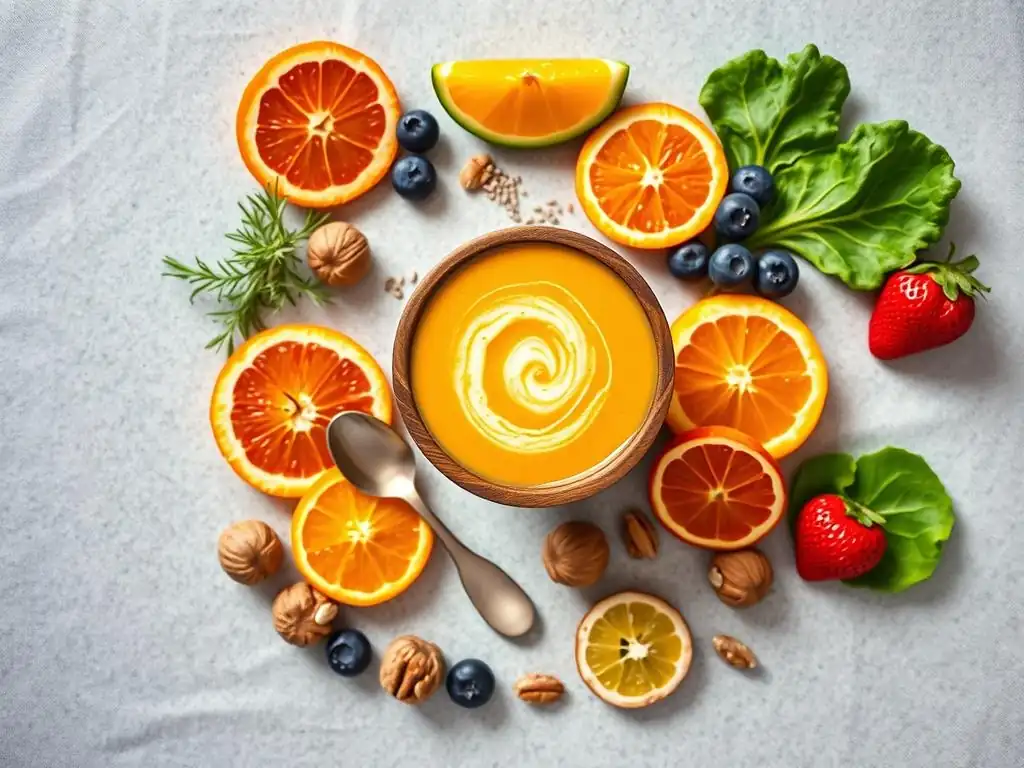
Fruits and vegetables are foundational to an anti-inflammatory diet, serving as primary sources of antioxidants, vitamins, minerals, and fiber. Antioxidants like Vitamin C, Vitamin E, and carotenoids help neutralize free radicals, unstable molecules that can cause cellular damage and promote inflammation.
Fiber, particularly soluble fiber found in oats, beans, and many fruits and vegetables, supports a healthy gut microbiome, which, as discussed, is crucial for the gut-brain axis and reducing systemic inflammation. Aim for a diverse range of colors daily; for instance, dark leafy greens like spinach and kale are rich in vitamins K and magnesium, while vibrant berries (blueberries, strawberries, raspberries) are packed with anthocyanins, potent antioxidants shown to have neuroprotective effects.
Incorporating a wide variety of produce ensures you receive a broad spectrum of anti-inflammatory compounds. Broccoli contains sulforaphane, a compound linked to reduced inflammatory markers. Tomatoes, when cooked, provide lycopene, another powerful antioxidant. Even common vegetables like onions and garlic contain sulfur compounds that have anti-inflammatory properties. Making half your plate fruits and vegetables at each meal is a simple yet effective strategy to significantly boost your intake of these vital nutrients, directly supporting your body's ability to combat inflammation and improve mental well-being through an anti-inflammatory diet.
Healthy Fats: Fueling Brain Health and Reducing Inflammation
Not all fats are created equal, and healthy fats are essential components of an anti-inflammatory diet for mental health. Omega-3 fatty acids are particularly beneficial due to their strong anti-inflammatory properties. They are incorporated into cell membranes throughout the body, including brain cells, influencing their function and communication.
Eicosapentaenoic acid (EPA) and docosahexaenoic acid (DHA), found abundantly in fatty fish, have been shown in numerous studies to reduce levels of inflammatory markers and are associated with lower rates of depression and anxiety. For example, consuming fatty fish like salmon two to three times a week can significantly increase omega-3 levels in the body.
Other sources of healthy fats include monounsaturated fats found in olive oil, avocados, and nuts, and polyunsaturated fats from seeds (chia, flax, sunflower) and walnuts. These fats help lower LDL ("bad") cholesterol and provide antioxidants.
Using extra virgin olive oil as your primary cooking oil, snacking on a handful of walnuts (about an ounce contains significant omega-3s), or adding avocado slices to salads are simple ways to increase your intake of these beneficial fats. Balancing omega-3s with omega-6 fatty acids (found in vegetable oils like corn and soybean oil), by reducing reliance on processed foods, is also key, as a high ratio of omega-6 to omega-3 can promote inflammation.
Lean Proteins: Supporting Neurotransmitter Production
Protein is vital for overall health, including the synthesis of neurotransmitters, the chemical messengers in the brain that regulate mood, sleep, and cognitive function. An anti-inflammatory diet emphasizes lean protein sources to avoid the saturated fats often found in high quantities in red and processed meats, which can contribute to inflammation. Good sources of lean protein include poultry (chicken, turkey, skinless), fish (especially fatty fish rich in omega-3s), legumes (beans, lentils, chickpeas), and tofu or tempeh.
Amino acids, the building blocks of protein, are necessary for producing neurotransmitters like serotonin (involved in mood and happiness) and dopamine (linked to motivation and reward). For example, tryptophan, an amino acid found in turkey, eggs, and seeds, is a precursor to serotonin. Ensuring adequate protein intake at each meal supports consistent neurotransmitter synthesis, which is crucial for maintaining emotional stability. Including protein-rich foods like lentils in soup, grilled chicken in a salad, or a serving of salmon provides the necessary building blocks while aligning with an anti-inflammatory approach to mental health.
Spices and Herbs: Natural Anti-Inflammatory Agents
Beyond their role in adding flavor, many spices and herbs possess potent anti-inflammatory properties and can be valuable additions to an anti-inflammatory diet for mental health. Turmeric, containing the active compound curcumin, is one of the most well-researched, showing significant anti-inflammatory and antioxidant effects. Studies suggest curcumin may help reduce symptoms of depression and anxiety, possibly by modulating neurotransmitters and reducing neuroinflammation. Incorporating turmeric into curries, soups, or even a "golden milk" latte is an easy way to benefit.
Other beneficial spices include ginger, which has a long history of use for its anti-inflammatory and digestive properties. Cinnamon has antioxidant effects and may help regulate blood sugar, which can indirectly reduce inflammation. Herbs like rosemary, thyme, oregano, and basil are also rich in antioxidants and phytochemicals that contribute to reducing the body's inflammatory burden. Using a variety of these spices and herbs generously in your cooking not only enhances the taste of healthy foods but also provides a daily dose of natural anti-inflammatory compounds, supporting your journey towards improved mental well-being through an inflammatory diet approach.
Foods to Avoid: Inflammatory Culprits Impacting Mental Well-being
Processed Foods: The Enemy of Emotional Balance
Processed foods are a major contributor to chronic inflammation and are generally detrimental to mental health. These foods often contain high levels of refined sugars, unhealthy fats (like trans fats and excessive omega-6 fatty acids from cheap vegetable oils), sodium, and artificial additives. These components can trigger inflammatory pathways in the body and negatively impact the gut microbiome, disrupting the gut-brain axis. Examples include packaged snacks, sugary cereals, fast food, and ready-to-eat meals. A diet dominated by these items creates a pro-inflammatory state that can exacerbate mood swings, anxiety, and depression.
Furthermore, processed foods are often nutrient-poor, lacking the vitamins, minerals, antioxidants, and fiber essential for brain health and reducing inflammation. Relying on them means missing out on the protective benefits of whole, unprocessed foods. Studies have shown a correlation between high consumption of processed foods and increased risk of depression.
For instance, research indicates that individuals with diets high in processed foods and sugary drinks have a significantly higher likelihood of experiencing depressive symptoms compared to those who consume more whole foods. Avoiding or severely limiting processed foods is a critical step in adopting an effective inflammatory diet for mental health.
Added Sugars: Fueling Inflammation and Mood Swings
Added sugars, distinct from natural sugars found in fruits, are a primary driver of inflammation in the body and can have a direct negative impact on mood and emotional stability. When you consume foods and drinks high in added sugar, such as sodas, candies, pastries, and many packaged snacks, it causes a rapid spike in blood glucose levels. This triggers the release of insulin, and frequent or large spikes can lead to insulin resistance over time, a state closely linked to increased systemic inflammation. This inflammatory response can affect the brain, contributing to mood dysregulation.
Beyond inflammation, the sugar "crash" that follows a blood sugar spike can lead to feelings of fatigue, irritability, and difficulty concentrating, mimicking or worsening symptoms of anxiety and depression. High sugar intake can also negatively alter the gut microbiome composition, favoring inflammatory bacteria. The average American consumes far more added sugar than recommended, often exceeding 15 teaspoons per day, significantly contributing to chronic inflammation. Reducing added sugars is arguably one of the most impactful changes you can make when focusing on an inflammatory diet for mental health.
Refined Carbohydrates: A Trigger for Inflammatory Responses
Refined carbohydrates, such as white bread, white rice, pasta made from refined flour, and baked goods, behave similarly to added sugars in the body. During the refining process, the fiber, vitamins, and minerals are stripped away, leaving behind easily digestible starches. These starches are quickly converted to glucose in the bloodstream, leading to rapid blood sugar spikes and subsequent insulin release. Like added sugars, this process can trigger inflammatory responses and contribute to metabolic dysfunction, which is linked to poor mental health outcomes.
Regular consumption of refined carbohydrates creates a cycle of blood sugar fluctuations that can impact energy levels and mood, potentially exacerbating feelings of anxiety and irritability. The lack of fiber also negatively affects gut health, further contributing to inflammation via the gut-brain axis. Opting for whole grains, such as brown rice, quinoa, oats, and whole wheat bread, provides complex carbohydrates that are digested more slowly, leading to a more stable blood sugar response. This shift is a fundamental aspect of adopting an inflammatory diet for mental health, promoting stable energy and reducing inflammatory load.
Unhealthy Fats: Contributing to Inflammation and Mental Health Issues
Certain types of fats, specifically trans fats and excessive amounts of omega-6 fatty acids from refined vegetable oils, are known contributors to inflammation and should be limited or avoided when pursuing an anti-inflammatory diet for mental health. Trans fats, often found in hydrogenated oils used in processed baked goods, fried foods, and margarine, are particularly harmful, increasing LDL cholesterol and promoting inflammation. While trans fats have been largely phased out of many products due to regulations, they can still be present in some items.
Many common vegetable oils like corn, soybean, and sunflower oils are high in omega-6 fatty acids. While omega-6s are essential, the typical Western diet contains a much higher ratio of omega-6 to omega-3 fats than is considered healthy, often 15:1 or higher, when an ideal ratio is closer to 1:1 or 2:1. This imbalance promotes a pro-inflammatory state.
Reducing intake of processed foods, fried foods, and using healthier cooking oils like olive oil or avocado oil can help balance this ratio. Minimizing these unhealthy fats is crucial for reducing systemic inflammation and supporting brain health through an inflammatory diet approach.
Implementing an Anti-Inflammatory Diet for Mental Health: Practical Tips
Start Small: Gradual Changes for Sustainable Results
Adopting an anti-inflammatory diet for mental health doesn't require an overnight overhaul of your eating habits. Making gradual, sustainable changes is often more effective and less overwhelming. Instead of eliminating all inflammatory foods at once, try focusing on incorporating more anti-inflammatory powerhouses first. For example, start by adding a serving of berries to your breakfast, including an extra vegetable with dinner, or swapping one sugary drink per day for water or unsweetened tea. Once you feel comfortable with these changes, introduce the next step, like replacing refined grains with whole grains.
Focusing on adding beneficial foods makes the process feel less restrictive and more positive. As you increase your intake of fruits, vegetables, healthy fats, and lean proteins, you may naturally find yourself consuming fewer inflammatory foods because you're feeling more satisfied and nourished. Setting small, achievable goals, such as "I will eat a serving of leafy greens every day this week" or "I will replace sugary snacks with nuts or seeds," can build confidence and momentum. This gentle approach helps establish long-term habits necessary for benefiting from an inflammatory diet for mental health.
Meal Planning: Strategies for Anti-Inflammatory Eating
Effective meal planning is a key strategy for successfully implementing and sticking to an anti-inflammatory diet for mental health. Planning helps ensure you have the right ingredients on hand, reduces the likelihood of resorting to convenient, often inflammatory, processed foods, and makes healthy eating feel less like a chore. Start by planning your meals for a few days or a week at a time. Choose recipes that feature anti-inflammatory ingredients like fatty fish, plenty of vegetables, legumes, and whole grains.
Consider batch cooking components like roasted vegetables, cooked quinoa or brown rice, and grilled chicken or fish at the beginning of the week. These can be easily combined into quick and healthy meals throughout the week. Prepare healthy snacks like cut-up vegetables with hummus, a handful of nuts, or Greek yogurt with berries to avoid reaching for sugary or processed options when hunger strikes. Having a plan reduces stress around food choices and makes it easier to consistently follow an anti-inflammatory eating pattern. Here's a simple task list to get started:
- [ ] Choose 3-4 anti-inflammatory recipes for the week.
- [ ] Create a grocery list based on the chosen recipes.
- [ ] Shop for ingredients.
- [ ] Dedicate time for meal prep (chopping veggies, cooking grains, etc. ).
- [ ] Pack planned meals or snacks for work/outings.
Becoming adept at reading food labels is essential when trying to avoid hidden inflammatory ingredients, particularly in packaged foods. Even items marketed as "healthy" can contain added sugars, unhealthy oils, or refined grains. Look beyond the front-of-package claims and examine the ingredients list. Ingredients are listed in descending order by weight, so pay close attention to the first few items. Be wary of multiple forms of added sugar listed under different names (e.g., high-fructose corn syrup, sucrose, dextrose, maltodextrin).
Also, check the "Nutrition Facts" panel for grams of added sugars. Look for unhealthy fats like "partially hydrogenated oils" (indicating trans fats) or large amounts of refined vegetable oils like soybean, corn, or cottonseed oil. Choose products where healthy fats like olive oil or avocado oil are listed instead, or ideally, opt for foods with minimal processing. Identifying refined grains listed as the primary ingredient (e.g., "enriched wheat flour") is also important. Becoming a conscious label reader empowers you to make informed choices that support your anti-inflammatory diet for mental health.
7-Day Anti-Inflammatory Meal Plan for Mental Wellness
Here is a sample 7-day meal plan designed to be rich in anti-inflammatory foods, providing a practical example of how to implement an inflammatory diet for mental health. This plan emphasizes variety, whole foods, and balanced meals.
Day 1
- Breakfast: Oatmeal with berries, walnuts, and a sprinkle of cinnamon.
- Lunch: Lentil soup with a side salad drizzled with olive oil.
- Dinner: Baked salmon with roasted broccoli and brown rice.
Day 2
- Breakfast: Greek yogurt with chia seeds, flaxseeds, and sliced fruit.
- Lunch: Quinoa salad with chickpeas, cucumber, tomatoes, and lemon-tahini dressing.
- Dinner: Chicken stir-fry with mixed vegetables (broccoli, bell peppers, snap peas) and a small amount of ginger and garlic, served with a side of quinoa.
Day 3
- Breakfast: Scrambled eggs with spinach and mushrooms, served with a slice of whole-wheat toast.
- Lunch: Leftover chicken stir-fry.
- Dinner: Baked cod with sweet potato and asparagus.
Day 4
- Breakfast: Smoothie with spinach, banana, almond milk, and a scoop of protein powder.
- Lunch: Tuna salad (made with avocado instead of mayo) on lettuce wraps with cherry tomatoes.
- Dinner: Three-bean chili (kidney, black, pinto) with diced avocado.
Day 5
- Breakfast: Whole-wheat pancakes with a small amount of maple syrup and mixed berries.
- Lunch: Leftover chili.
- Dinner: Lean ground turkey meatballs in marinara sauce (check label for added sugar) with zucchini noodles.
Day 6
- Breakfast: Chia seed pudding made with almond milk, topped with mango and shredded coconut.
- Lunch: Large salad with grilled chicken or chickpeas, mixed greens, bell peppers, carrots, and an olive oil vinaigrette.
- Dinner: Black bean burgers on whole-wheat buns with lettuce, tomato, and avocado.
Day 7
- Breakfast: Omelet with kale, bell peppers, and a sprinkle of turmeric.
- Lunch: Leftover black bean burgers.
- Dinner: Baked chicken breast with roasted Brussels sprouts and a small serving of baked potato.
Snack ideas throughout the week: A handful of almonds or walnuts, apple slices with almond butter, carrots and hummus, hard-boiled eggs, a small piece of fruit.
Beyond Diet: Complementary Strategies for Emotional Well-being

Stress Management Techniques for Reducing Inflammation
While an anti-inflammatory diet for mental health is a powerful tool, managing stress is equally crucial, as chronic stress is a significant contributor to systemic inflammation. When you're stressed, your body releases hormones like cortisol, which, in excess over time, can promote inflammatory responses. Therefore, incorporating stress reduction techniques into your routine is essential for supporting both physical and mental well-being. Simple practices like deep breathing exercises, meditation, or mindfulness for just 10-15 minutes a day can help lower cortisol levels and calm the nervous system.
Engaging in enjoyable activities is another effective stress management strategy. This could be spending time in nature, listening to music, practicing a hobby, or connecting with friends and family. Regular practice of stress-reducing activities can create a buffer against the negative effects of daily stressors, helping to keep inflammation in check. For example, studies have shown that mindfulness meditation can lead to reductions in inflammatory markers like CRP. Finding healthy ways to cope with stress complements the benefits of an inflammatory diet for mental health, creating a more holistic approach to emotional balance.
The Importance of Sleep for Mental Health and Inflammation
Adequate and quality sleep is fundamental for both mental health and regulating inflammation. During sleep, the body performs crucial repair and restoration processes. Chronic sleep deprivation or poor sleep quality disrupts these processes and is strongly linked to increased levels of inflammatory markers. Just one night of insufficient sleep can lead to a measurable increase in inflammatory cytokines. Over time, this chronic low-grade inflammation fueled by poor sleep can contribute to or worsen symptoms of depression, anxiety, and cognitive difficulties.
Aiming for 7-9 hours of quality sleep per night is a vital component of supporting your mental well-being and reducing inflammation. Establishing a consistent sleep schedule, creating a relaxing bedtime routine, ensuring your bedroom is dark, quiet, and cool, and limiting screen time before bed can significantly improve sleep quality. Prioritizing sleep works synergistically with an anti-inflammatory diet for mental health, as both address underlying physiological processes that impact mood and brain function.
Exercise and its Impact on Mood and Inflammation
Regular physical activity is a potent anti-inflammatory agent and has well-documented benefits for mental health. Exercise helps reduce systemic inflammation by decreasing the production of inflammatory cytokines and increasing the production of anti-inflammatory molecules. It also promotes healthy circulation, which supports brain function, and can positively influence the gut microbiome. Even moderate exercise, such as brisk walking for 30 minutes most days of the week, can have a significant impact.
Beyond its anti-inflammatory effects, exercise is a powerful mood booster. It stimulates the release of endorphins, often called "feel-good" hormones, which can alleviate stress, anxiety, and depression. Regular physical activity can also improve sleep quality and increase energy levels, further contributing to improved mental well-being. Finding an activity you enjoy, whether it's dancing, swimming, cycling, or yoga, makes it easier to stick with it consistently. Combining regular exercise with an anti-inflammatory diet provides a robust strategy for improving mental health by addressing both physical and biochemical pathways.
The Long-Term Benefits of an Anti-Inflammatory Diet for Mental Health
Improved Mood and Reduced Anxiety
One of the most significant long-term benefits of consistently following an anti-inflammatory diet for mental health is a noticeable improvement in mood and a reduction in anxiety levels. By reducing systemic inflammation, particularly in the brain, this eating pattern helps create a more stable environment for neurotransmitter function and neuronal health.
This can lead to fewer mood swings, a more positive outlook, and a greater sense of emotional resilience. For example, individuals who transition from a typical Western diet high in inflammatory foods to one rich in fruits, vegetables, omega-3s, and whole grains often report feeling calmer and less reactive to stress over several months.
The positive impact extends beyond just symptom reduction. Many individuals report increased feelings of well-being and happiness. This isn't just anecdotal; research supports these observations. Studies have shown that dietary interventions focused on reducing inflammation can lead to significant improvements in depressive and anxiety symptoms, sometimes comparable to the effects of other interventions. The consistent nourishment and reduction of inflammatory load provided by this dietary approach contribute to a more stable and positive emotional state over time.
Enhanced Cognitive Function and Focus
Chronic inflammation can contribute to "brain fog," difficulty concentrating, and memory problems. By adopting an anti-inflammatory diet, you are directly supporting brain health, which can lead to enhanced cognitive function and improved focus over the long term. The abundance of antioxidants protects brain cells from oxidative damage, while healthy fats, particularly omega-3s, are essential components of brain cell membranes, supporting their structure and function. Improved blood flow resulting from reduced inflammation also ensures the brain receives adequate oxygen and nutrients.
Individuals who maintain an anti-inflammatory eating pattern often report feeling sharper, more mentally alert, and able to concentrate better. This is partly due to the reduction of neuroinflammation but also the steady supply of essential nutrients and stable blood sugar levels provided by whole, unprocessed foods. Research suggests that diets rich in anti-inflammatory components are associated with a lower risk of cognitive decline and improved performance on cognitive tests in older adults. This highlights the protective and enhancing effects of an inflammatory diet on mental health aspects like cognition throughout life.
Prevention of Chronic Mental Health Conditions
While not a guaranteed cure, consistently adhering to an anti-inflammatory diet for mental health can play a significant role in the prevention or mitigation of chronic mental health conditions. Given the strong link between chronic inflammation and conditions like depression, anxiety disorders, and potentially neurodegenerative conditions with psychological components, reducing inflammation through diet addresses a key underlying factor. By maintaining a low inflammatory load in the body and brain, you are essentially creating an environment less conducive to the development of these issues.
This dietary approach supports overall brain resilience and promotes a healthy gut-brain axis, both of which are protective factors against mental health challenges. While genetics and other environmental factors also play roles, diet is a modifiable factor that offers significant potential for prevention. Adopting an anti-inflammatory lifestyle early on, including diet, stress management, sleep, and exercise, can build a strong foundation for long-term mental well-being and potentially reduce the risk of developing chronic conditions later in life.
Addressing Common Concerns and Misconceptions about Anti-Inflammatory Diets
Addressing Concerns About Cost and Accessibility of Anti-Inflammatory Foods
A common concern regarding adopting an anti-inflammatory diet for mental health is the perceived cost and accessibility of the recommended foods. While some specific items like wild-caught salmon or organic produce can be more expensive, it's entirely possible to follow this eating pattern on a budget. Focus on affordable anti-inflammatory staples: dried beans and lentils are inexpensive sources of protein and fiber. Canned fatty fish like sardines and mackerel are much cheaper than fresh salmon but still packed with omega-3s. Frozen fruits and vegetables are often less expensive than fresh, retain their nutrient content, and reduce waste.
Buying seasonal produce, purchasing from local farmers' markets, and opting for store brands can also help reduce costs. Planning meals and cooking at home is generally much cheaper than eating out or relying on processed convenience foods, which, while seemingly cheap per item, add up quickly and lack nutritional value. Remember, an anti-inflammatory diet is about prioritizing whole foods, many of which, like oats, brown rice, potatoes, carrots, and onions, are very affordable staples. Focusing on these basics makes an inflammatory diet for mental health accessible to more people.
Debunking Myths About Restrictive Eating and Anti-Inflammatory Diets
Another misconception is that an anti-inflammatory diet is overly restrictive and difficult to maintain. While it does involve limiting certain food groups known to promote inflammation (like excessive added sugars, refined grains, and unhealthy fats), it is far from a deprivation diet. In fact, it encourages a vast array of delicious and nutrient-dense foods from diverse food groups, including colorful fruits and vegetables, various nuts and seeds, a wide range of legumes, whole grains, and flavorful herbs and spices.
The focus is on abundance – eating more of the foods that heal and nourish – rather than solely focusing on less of the foods that harm. This perspective shift makes the diet feel empowering rather than restrictive. It allows for creativity in the kitchen and the exploration of new flavors and ingredients. While individual needs may vary, the core principles of an anti-inflammatory diet for mental health are about making informed choices that support long-term well-being, not adhering to rigid, joyless rules. It's a sustainable lifestyle change, not a temporary fad diet.
Conclusion: Embracing Anti-Inflammatory Eating for a Healthier, Happier Mind
Embracing an anti-inflammatory diet for mental health is a powerful step towards nurturing both your physical body and your emotional well-being. The scientific evidence increasingly highlights the intricate connection between chronic inflammation and mental health challenges such as depression, anxiety, and cognitive issues. By consciously choosing foods that reduce inflammation – focusing on vibrant fruits and vegetables, healthy fats, lean proteins, and flavorful spices – and limiting those that fuel it, you actively work to create an internal environment conducive to brain health and emotional stability.
This dietary approach is not a magic bullet, but a fundamental pillar supporting mental wellness. When combined with other healthy lifestyle factors like stress management, adequate sleep, and regular exercise, the benefits are compounded, leading to improved mood, enhanced cognitive function, and greater resilience against mental health conditions.
While concerns about cost or restrictiveness are common, focusing on affordable, accessible whole foods and adopting gradual changes makes this a sustainable and rewarding journey. By making informed choices about what you eat, you empower yourself to cultivate a healthier, happier mind, demonstrating the profound impact of an inflammatory diet on mental health outcomes.
Frequently Asked Questions
How does an inflammatory diet impact mental health?
An inflammatory diet, high in processed foods and sugars, can trigger systemic inflammation, which in turn can disrupt brain function and contribute to conditions like depression and anxiety. It essentially starves your brain of the nutrients it needs.
What are some key foods to avoid when trying to reduce inflammation for better mental well-being?
To reduce inflammation, limit your intake of processed foods, sugary drinks, and refined carbohydrates. These foods are known to promote inflammation throughout the body, including the brain.
What are some anti-inflammatory foods I can incorporate into my diet to support my mental health?
Focus on incorporating foods rich in omega-3 fatty acids, antioxidants, and fiber, such as fatty fish, fruits, vegetables, and whole grains. This will help your body in its anti-inflammatory fight.
How long does it typically take to see a noticeable improvement in mental health after adopting an anti-inflammatory diet?
The timeframe varies, but many people report experiencing improvements in mood and energy levels within a few weeks to months of consistently following an anti-inflammatory diet. It's important to be patient and consistent.
Is adopting an anti-inflammatory diet a substitute for professional mental health treatment?
No, an anti-inflammatory diet should be viewed as a complementary approach to professional mental health treatment. It is not a replacement for therapy or medication when needed.
Final Reflection: Nourishing Mind and Body: The Deep Connection Between Diet and Mental Well-being
The fight against inflammation is not just a physical battle; it's a crucial element in achieving lasting mental and emotional balance. Ignoring the profound link between our diet and our mental health is a disservice to ourselves, especially in a world increasingly burdened by stress and mental health challenges. The evidence presented clearly demonstrates that an anti-inflammatory diet can be a powerful tool in our self-care arsenal.
The impact of food on our mood is undeniable, a truth woven into the fabric of our cultural understanding of comfort food and emotional eating. Yet, the scientific understanding of this connection, specifically the role of inflammation, is relatively new. This exploration has profoundly shaped my own approach to nutrition, reminding me of the importance of mindful eating and the power of food as medicine. You are what you eat,
is more than a cliché; it's a fundamental truth that underscores the intricate relationship between our physical and mental states.
Now, consider your own relationship with food. Are you nourishing your body and mind with anti-inflammatory choices, or are you inadvertently fueling the flames of inflammation and emotional imbalance? I invite you to reflect on your eating habits, to experiment with incorporating more anti-inflammatory foods into your diet, and to observe the subtle yet significant shifts in your mood and energy levels. This journey towards emotional balance through mindful eating is a personal one, but the rewards – a clearer mind, a stronger body, and a deeper connection to yourself – are well worth the effort.
Unlock Your Inner Calm: Nourish Your Way to Well-being
Thanks for taking the time to explore the power of anti-inflammatory eating for emotional balance! You've now got the tools to start feeling calmer and more in control. Ready to take the next step?
- Prioritize your plate: Start incorporating 3-5 anti-inflammatory foods into your daily diet this week. Think vibrant fruits, leafy greens, and healthy fats. This is your primary action towards feeling better!
- Share your journey: Tell a friend or family member about your newfound knowledge and encourage them to join you on this path to better emotional well-being. They might have insights to share!
- Explore further: Dive deeper into anti-inflammatory recipes and meal planning – let's discover the joy in nourishing your mind and body together!
What's one small change you can make today to bring more emotional balance into your life through food?