
Integrating Mindfulness into Your Anxious Day: Practical Tips

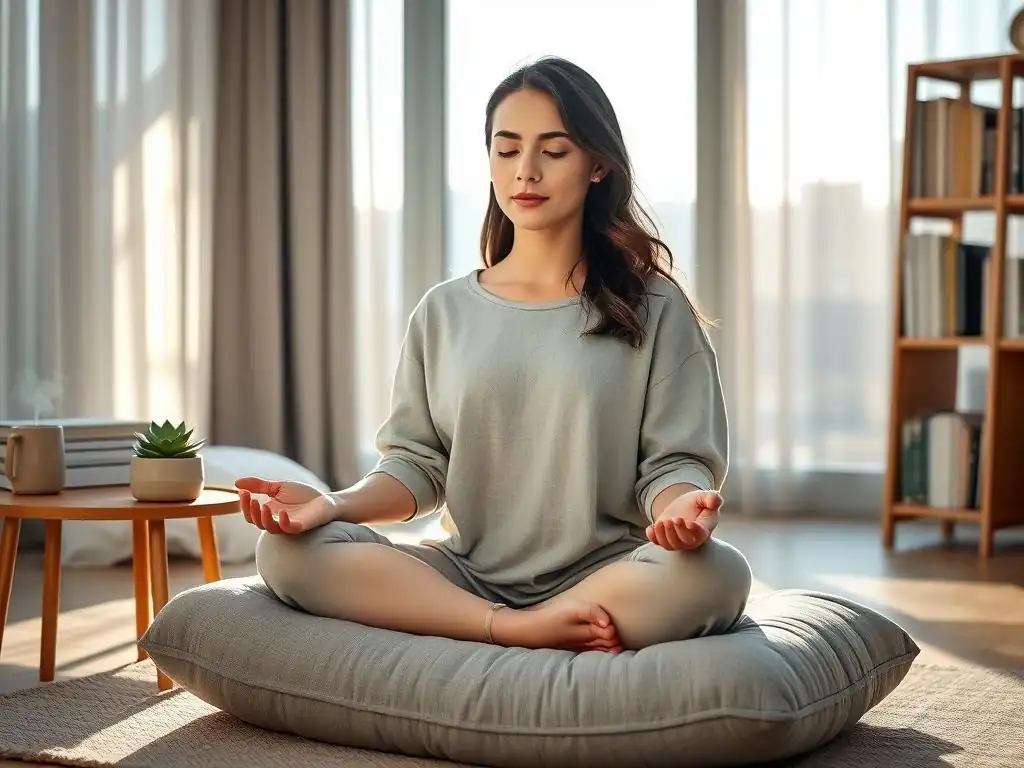
Welcome to Mind Care Guide, a space dedicated to nurturing your mental well-being.
Feeling overwhelmed by anxiety? You're not alone. Discover how simple, practical mindfulness techniques can help you reduce anxiety daily and reclaim a sense of calm. Curious to learn how to integrate these practices into even the busiest of days? Let's explore together...
Integrating Mindfulness into Your Anxious Day: Practical Tips
- Introduction: Finding Calm Amidst Anxiety with Mindfulness
- Understanding the Connection Between Anxiety and the Present Moment
- Practical Mindfulness Techniques for Daily Anxiety Management
- Incorporating Mindfulness into Daily Routines for Lasting Anxiety Relief
- Overcoming Challenges to Mindfulness Practice When Anxious
- The Benefits of Consistent Mindfulness Practice for Anxiety Reduction
- Conclusion: Embracing Mindfulness as a Daily Tool for Anxiety Management
-
Frequently Asked Questions
- How can mindfulness reduce anxiety daily?
- What are some practical ways to integrate mindfulness into my day to reduce anxiety?
- Is mindfulness a quick fix for anxiety, or does it require consistent effort?
- What if I find it difficult to focus during mindfulness exercises due to my anxiety?
- Are there any resources or tools recommended for practicing mindfulness to reduce anxiety?
- Final Reflection: Cultivating Calm in a Chaotic World
- Unleash Your Inner Calm: Start Practicing Mindfulness Today!
Introduction: Finding Calm Amidst Anxiety with Mindfulness
The Growing Need for Daily Anxiety Relief: Mindfulness as a Tool
In today's fast-paced world, feelings of anxiety are increasingly common. Many people struggle with persistent worry, nervousness, or a sense of unease that can significantly impact their daily lives. Whether it manifests as apprehension about future events, rumination on past mistakes, or simply a general feeling of being overwhelmed, anxiety can be a constant companion for millions.
Statistics suggest that a substantial portion of the global population experiences anxiety symptoms, with estimates often placing lifetime prevalence rates for anxiety disorders at around 30% in many developed countries. This widespread challenge highlights the urgent need for accessible and effective strategies to manage daily anxiety and cultivate inner peace.
Mindfulness has emerged as a powerful and accessible tool in this quest for calm. It offers a practical approach to navigate the turbulent waters of anxiety by shifting our relationship with our thoughts and feelings. Unlike methods that aim to eliminate anxiety entirely, mindfulness teaches us how to observe our anxious experiences without getting swept away by them. Integrating mindfulness reduce anxiety daily by providing techniques that can be practiced anywhere, anytime, helping individuals build resilience and manage their emotional responses more effectively in the moment they are needed most.
What is Mindfulness and How Can It Reduce Anxiety Daily?
Mindfulness is fundamentally about paying attention in a particular way: on purpose, in the present moment, and non-judgmentally. It's about becoming aware of our thoughts, feelings, bodily sensations, and the world around us without getting caught up in analysis or criticism. Think of it as simply noticing what is happening right now, both internally and externally, with gentle curiosity. This practice is rooted in ancient contemplative traditions but has been adapted into secular forms widely supported by scientific research for its psychological benefits.
The core mechanism by which mindfulness reduce anxiety daily lies in its ability to interrupt the automatic anxiety loop. Anxiety often thrives on future-oriented worries ("What if this happens?") or past-oriented regrets ("I shouldn't have done that"). These thought patterns pull us out of the present.
Mindfulness brings us back to the here and now, which is often less threatening than the scenarios our anxious minds create. By practicing presence, we learn to observe anxious thoughts as just thoughts, rather than absolute truths, thereby reducing their power over our emotional state. This shift in perspective is key to finding daily relief from the grip of anxiety.
Understanding the Connection Between Anxiety and the Present Moment
Anxiety's Grip: Dwelling on the Past and Fearing the Future
Anxiety has a peculiar relationship with time; it rarely exists purely in the present moment. Instead, it typically pulls our attention either backward into the past, replaying mistakes, regrets, or negative experiences, or forward into the future, anticipating potential threats, failures, or uncertainties. This constant mental time travel prevents us from fully engaging with what is happening right now.
For instance, someone with social anxiety might spend hours worrying about an upcoming event, imagining awkward interactions or negative judgments, long before the event actually occurs. Similarly, someone with generalized anxiety might ruminate endlessly about past decisions, convinced they led to current problems.
This detachment from the present moment is a hallmark of anxiety. The mind becomes fixated on hypothetical scenarios or rehashed histories, fueling a cycle of worry and stress. This mental preoccupation can manifest physically as well, leading to symptoms like muscle tension, rapid heartbeat, or digestive issues – all triggered by thoughts, not necessarily by an immediate threat in the present reality. Breaking free from this cycle requires a conscious effort to anchor oneself in the now, which is precisely where mindfulness comes in.
Mindfulness: Anchoring Yourself in the Present to Manage Anxiety
Mindfulness serves as an anchor, tethering our awareness to the current reality rather than allowing it to drift into the anxious territories of the past or future. By intentionally focusing on our breath, bodily sensations, sounds, or sights in the present moment, we gently redirect our attention away from the anxious thought loops.
This doesn't mean ignoring or suppressing anxious thoughts; rather, it means noticing them when they arise and choosing not to engage with them or be carried away by their narrative. We acknowledge the thought ("Oh, there's a thought about tomorrow's meeting") and then gently bring our focus back to the present anchor, like the feeling of our feet on the floor.
Regular mindfulness practice helps train the brain to become more adept at this redirection. Studies have shown that consistent mindfulness can lead to changes in brain regions associated with anxiety and emotional regulation, such as the amygdala (the brain's fear center) and the prefrontal cortex (involved in decision-making and attention). This neurological shift makes it easier over time to notice anxious thoughts or feelings without automatically reacting with heightened fear or worry. By strengthening our ability to stay present, mindfulness reduce anxiety daily, allowing us to respond to challenges with greater clarity and less emotional reactivity.
Practical Mindfulness Techniques for Daily Anxiety Management
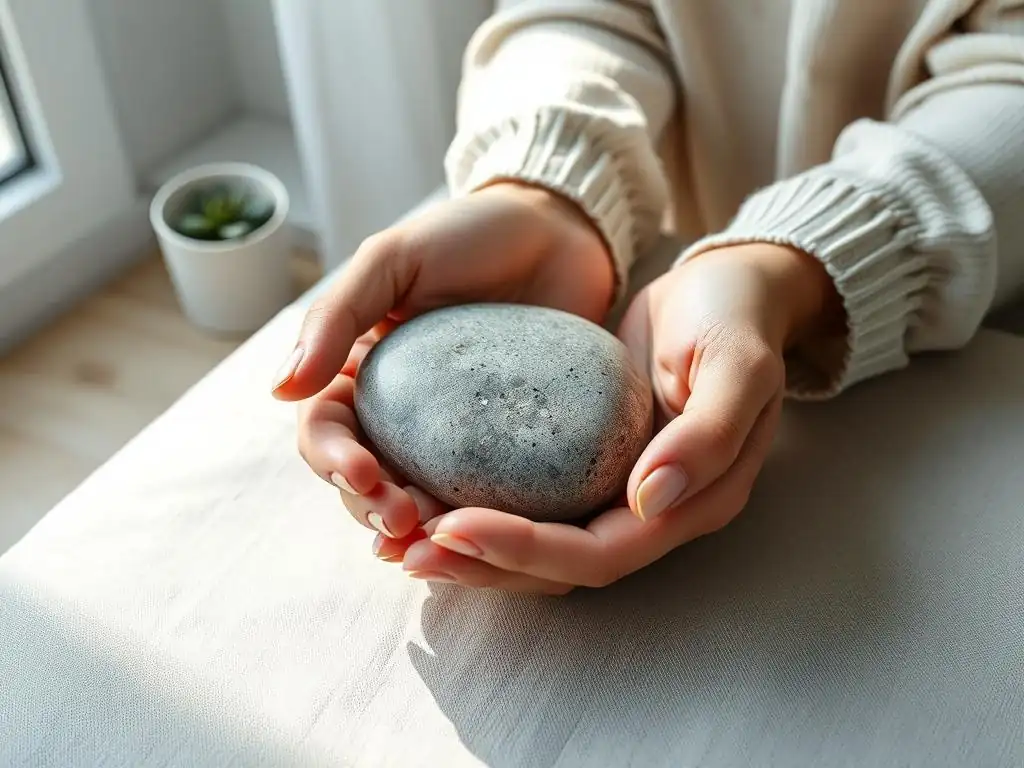
Mindful Breathing Exercises: A Simple Way to Reduce Anxiety
Breathing is a fundamental physiological process that is deeply connected to our state of mind. When we are anxious, our breath often becomes shallow, rapid, and irregular, which in turn can exacerbate feelings of panic and stress. Conversely, consciously slowing down and regulating our breath can signal to the nervous system that we are safe, helping to calm the fight-or-flight response.
Mindful breathing is one of the most accessible and immediate ways to integrate mindfulness reduce anxiety daily, requiring no special equipment or location. It can be done anywhere – at your desk, in traffic, or before a difficult conversation.
The power of mindful breathing lies in its simplicity and immediacy. By shifting attention to the physical sensation of the breath entering and leaving the body, we interrupt the cycle of anxious thoughts and ground ourselves in the present moment. Even just a few conscious breaths can make a noticeable difference in reducing the intensity of anxiety.
For example, pausing for three deep breaths before responding to a stressful email can provide enough space to choose a calmer, more constructive response instead of reacting impulsively out of anxiety. This practice builds a habit of pausing and checking in, which is invaluable for managing daily stress.
Deep Breathing for Anxiety Relief: A Step-by-Step Guide
Deep breathing, often called diaphragmatic or belly breathing, is a technique that maximizes the amount of oxygen entering the bloodstream and promotes relaxation. To practice deep breathing for anxiety relief, find a comfortable position, either sitting or lying down. Place one hand on your chest and the other on your abdomen, just below your rib cage. This helps you monitor where your breath is going.
Now, slowly inhale deeply through your nose, allowing your abdomen to expand outward. The hand on your abdomen should rise, while the hand on your chest should remain relatively still. Exhale slowly and gently through your mouth, letting your abdomen fall inward. As you exhale, you might imagine releasing tension or worry.
Repeat this process for several breaths, focusing your attention solely on the sensation of the breath moving in and out of your body and the gentle rise and fall of your abdomen. Aim for slow, steady breaths, perhaps counting silently to four on the inhale and six on the exhale. Practicing this simple exercise for just 5-10 minutes can significantly help mindfulness reduce anxiety daily.
Box Breathing: A Technique for Calming the Nervous System
Box breathing, also known as square breathing, is another effective technique for calming the nervous system and reducing anxiety. It involves breathing in a pattern of four equal counts, like tracing the sides of a box. This method helps to regulate the breath and can be particularly useful when feeling overwhelmed or panicky. It provides a structured focus that can distract the mind from racing thoughts and promote a sense of control.
To practice box breathing, find a comfortable seated position. Gently close your eyes or soften your gaze. Inhale slowly through your nose for a count of four. Hold your breath for a count of four. Exhale slowly through your mouth for a count of four.
Hold your breath again for a count of four before the next inhale. Repeat this cycle for several minutes. Focus your attention on the counting and the sensations of holding and releasing the breath. This rhythmic pattern helps to activate the body's relaxation response and can quickly help mindfulness reduce anxiety daily, making it an excellent tool for acute moments of stress or panic.
Body Scan Meditation: Releasing Tension and Anxiety
Anxiety often manifests physically as tension held in various parts of the body – clenched jaws, tight shoulders, knotted stomachs. A body scan meditation is a practice that involves systematically bringing mindful attention to different areas of the body, noticing any sensations present without judgment. This process helps to increase awareness of where tension is held and provides an opportunity to consciously release it. It's a powerful way to ground yourself in physical reality and detach from anxious mental narratives.
By directing awareness to the physical form, the body scan shifts focus away from the incessant chatter of the anxious mind. It teaches us to simply observe physical sensations – whether pleasant, unpleasant, or neutral – without needing to analyze or change them immediately. This non-judgmental observation is key to reducing the reactive loop of anxiety. For example, noticing a tight chest during a body scan doesn't automatically trigger panic; instead, it becomes just a sensation to be observed with curiosity. This observational stance weakens the connection between physical symptoms and emotional distress over time.
How to Perform a Body Scan: A Practical Exercise
Find a quiet place where you can lie down comfortably on your back, or sit upright if lying down isn't possible. Close your eyes or soften your gaze. Begin by taking a few deep breaths to settle in. Bring your attention to your feet. Wiggle your toes, feel the contact with the floor or surface beneath you. Simply notice any sensations present in your toes, the soles of your feet, your heels, and your ankles. Don't try to change anything, just observe.
Slowly, begin to move your attention up through your body, section by section: your lower legs, knees, thighs, hips, pelvis, lower back, abdomen, upper back, chest, shoulders, arms, hands, neck, and finally your head and face. As you focus on each area, simply notice any sensations – warmth, coolness, tingling, pressure, tension, ease – without judgment.
If your mind wanders, which it will, gently acknowledge the thought and guide your attention back to the part of the body you were scanning. This systematic exploration helps you become more attuned to your body's signals and facilitates relaxation, making it a valuable tool as mindfulness reduce anxiety daily.
Noticing Sensations Without Judgment: Key to Anxiety Reduction
The core principle of the body scan, and indeed all mindfulness practices, is noticing sensations and thoughts without judgment. When we experience physical symptoms of anxiety – like a racing heart or butterflies in the stomach – our automatic reaction is often fear or worry about these sensations themselves. We might think, "My heart is racing, something is wrong!" This judgment and fear amplify the anxiety. The body scan teaches us to observe these sensations as just that – sensations.
By approaching physical feelings with curiosity rather than fear, we create space between the sensation and our reaction to it. Instead of "My heart is racing, I'm having a panic attack," the observation becomes "I notice my heart is beating quickly right now. Interesting." This subtle shift in perspective disarms the power of the sensation to trigger further anxiety. Over time, practicing this non-judgmental awareness during a body scan helps retrain the brain's response to physical symptoms associated with anxiety, significantly contributing to how mindfulness reduce anxiety daily.
Mindful Walking: Finding Peace in Movement
Mindfulness doesn't require sitting still; it can be integrated into everyday activities, including walking. Mindful walking involves bringing your full attention to the experience of walking itself – the sensations in your body, the movement of your legs, the contact of your feet with the ground, the rhythm of your breath, and the sights and sounds around you. This practice transforms a simple act of locomotion into an opportunity for present-moment awareness, offering a dynamic way to manage anxiety while engaging with the world.
Incorporating mindful walking into your routine can be particularly beneficial for anxiety because physical movement can help dissipate nervous energy, while the focused attention grounds the mind. It provides a portable and flexible technique that can be used during a dedicated walk, a commute, or even just walking down a hallway. By directing attention to the physical act of walking, you pull your mind away from anxious ruminations and anchor it in the sensory experience of the present moment, helping mindfulness reduce anxiety daily in a practical way.
Transforming Your Commute into a Mindfulness Practice
commutes are often sources of stress and anxiety, whether it's navigating traffic, dealing with crowded public transport, or rushing to be on time. However, a commute can also be transformed into a brief opportunity for mindful walking or mindful transit. If you walk, you can engage in mindful walking. If you use public transport, you can practice mindful sitting, focusing on your breath, the sensations in your body, or the sounds around you without judgment.
Even a short walk from your car or bus stop to your office door can become a mindful moment. Instead of letting your mind race ahead to the day's tasks or dwell on anxieties, consciously bring your attention to your steps, your posture, the feeling of the air on your skin, and the sights you pass. This simple shift can break the cycle of anticipatory anxiety that often builds during a commute and help you arrive at your destination feeling slightly calmer and more present.
Paying Attention to Your Steps: A Guide to Mindful Walking
To practice mindful walking, find a pace that feels comfortable – not too fast or too slow. Begin by bringing your attention to your feet and legs. Notice the sensation of lifting one foot, moving it forward, and placing it back on the ground. Feel the weight shifting from one foot to the other. Pay attention to the contact of your foot with the ground – the heel striking first, then the ball of the foot, then the toes.
Expand your awareness to include the movement of your legs and hips, the swing of your arms, and the rhythm of your breath as you walk. Notice the ground beneath your feet, the air temperature, the sounds around you – birds chirping, distant traffic, footsteps. If your mind starts to wander into anxious thoughts, gently acknowledge the thought without judgment and redirect your attention back to the physical sensations of walking.
Continue for a set period or distance. This focused attention on the physical act of walking is a direct way that mindfulness reduce anxiety daily by keeping you anchored in the present.
Mindful Eating: Savoring the Present Moment, Reducing Anxiety
Eating is an activity we often do on autopilot, distracted by screens, conversations, or anxious thoughts. Mindful eating involves bringing full awareness to the experience of eating – the sights, smells, textures, and tastes of the food, as well as the physical sensations of hunger and fullness. This practice encourages a healthier relationship with food and can be a surprising but effective way to integrate mindfulness reduce anxiety daily.
Anxiety can sometimes lead to unhealthy eating patterns, such as emotional eating or rushing through meals without truly tasting or enjoying them. Mindful eating interrupts these patterns by bringing conscious awareness to the experience. By slowing down and paying attention, we can savor our food more fully, appreciate the nourishment it provides, and become more attuned to our body's signals of hunger and satiety. This focused attention on a simple, necessary act provides a break from anxious thoughts and grounds us in the sensory reality of the present.
Cultivating Awareness During Meals: A Simple Practice
To practice mindful eating, start with just one meal or even a few bites of food. Before you begin eating, take a moment to look at your food. Notice its colors, shapes, and textures. If possible, smell it. As you take your first bite, chew slowly and deliberately. Pay attention to the texture of the food in your mouth, the flavors that emerge, and how they change as you chew. Notice the sensation of swallowing.
Between bites, put your fork or spoon down. Take a breath. Check in with your body – are you still hungry? How does the food feel in your stomach? Continue eating slowly, bringing your attention back to the sensory experience of each bite. If your mind wanders to anxious thoughts, gently notice them and redirect your attention back to the food. This practice not only enhances the enjoyment of eating but also serves as a powerful anchor to the present moment, helping mindfulness reduce anxiety daily by interrupting anxious preoccupations.
Recognizing Hunger and Fullness Cues: Reducing Emotional Eating
A key aspect of mindful eating is learning to recognize and respond to your body's physical hunger and fullness cues. Anxiety and other emotions can sometimes be confused with hunger, leading to emotional eating – eating to soothe feelings rather than to satisfy physical need. Conversely, rushing through meals mindlessly can lead to overeating because we miss the signals that we are satisfied.
By paying attention during the eating process, you become more sensitive to the subtle signals your body sends. Before eating, ask yourself, "Am I physically hungry, or am I feeling something else, like anxiety, boredom, or stress?" During the meal, check in periodically: "How full do I feel on a scale of 1 to 10?" Learning to differentiate between physical hunger and emotional urges, and stopping when you are comfortably full, helps to reduce reliance on food for emotional regulation and supports overall well-being, further demonstrating how mindfulness reduce anxiety daily through a different pathway.
Incorporating Mindfulness into Daily Routines for Lasting Anxiety Relief
Morning Mindfulness Rituals: Starting Your Day Calm and Focused
The way you start your day can significantly influence your anxiety levels throughout the subsequent hours. Establishing a morning mindfulness ritual, even a short one, can set a calm and focused tone, helping you navigate potential stressors with greater ease. Instead of immediately checking emails or getting caught up in the day's demands, dedicating a few minutes to present-moment awareness can create a buffer against the rush and worry that often characterize the start of the day.
A morning ritual doesn't need to be elaborate or time-consuming. Even 5-10 minutes of intentional mindfulness can make a difference. This practice helps to anchor you before the inevitable distractions and demands of the day begin. By starting with presence and calm, you build resilience that helps mindfulness reduce anxiety daily as challenges arise. It's an investment in your mental well-being that pays dividends throughout your waking hours.
5-Minute Meditation and Gratitude Journaling
A simple yet effective morning ritual can combine a brief meditation with gratitude journaling. Find a quiet spot to sit comfortably. Set a timer for 5 minutes. Close your eyes and simply focus on your breath, noticing the inhales and exhales. If your mind wanders, gently bring it back to the breath. This short meditation helps to quiet the mental chatter and ground you in the present moment before the day's tasks begin.
Following the meditation, spend another few minutes writing down 3-5 things you are grateful for. These can be simple things, like the warmth of your coffee, the comfort of your bed, or a sunny day. Focusing on gratitude shifts your perspective from potential worries to the positive aspects of your life. This combination of present-moment awareness through meditation and positive focus through gratitude journaling creates a powerful start, helping mindfulness reduce anxiety daily by cultivating a calmer, more appreciative mindset from the outset.
Mindfulness at Work: Strategies for a Less Stressful Day
The workplace can be a significant source of anxiety due to deadlines, difficult colleagues, challenging tasks, and the pressure to perform. Integrating mindfulness into your workday can help you navigate these stressors more effectively, reducing reactivity and promoting clearer thinking. It's about finding small moments throughout the day to pause, reset, and bring conscious awareness to your experience, even amidst the hustle and bustle.
Mindfulness at work isn't about checking out or becoming less productive; it's about being more present and intentional in your actions and interactions. By practicing mindfulness, you can learn to recognize stress signals earlier, respond to challenges with less emotional intensity, and maintain focus amidst distractions. This integration of mindfulness reduce anxiety daily in a professional context, leading to improved well-being and potentially better performance.
Quick Mindfulness Breaks: Stepping Away from Overwhelm
When you feel stress or anxiety building at work, taking a quick mindfulness break can prevent escalation and help you regain composure. These breaks don't need to be long – even 60 seconds can be beneficial. Step away from your screen, close your eyes for a moment, and take three slow, deep breaths, focusing entirely on the sensation of the breath.
Another quick technique is a brief body scan while seated. Bring attention to the feeling of your feet on the floor, your body supported by the chair, and any tension you notice in your shoulders or neck. Simply acknowledge the sensations without trying to fix them. These micro-practices interrupt the stress response cycle and provide a mental reset, making it easier for mindfulness reduce anxiety daily, even during demanding work periods. Setting a reminder on your phone to take a quick break every hour or two can help build this habit.
Mindful Communication: Reducing Conflict and Anxiety
Interactions with colleagues, clients, or superiors can sometimes be fraught with anxiety, especially if there's potential for conflict or misunderstanding. Mindful communication involves paying full attention during conversations – both to what is being said and to your own internal experience (thoughts, feelings, bodily sensations) without judgment. It also involves speaking intentionally and listening with empathy.
Before responding in a potentially stressful conversation, take a brief pause and a conscious breath. Pay attention to the other person's words and non-verbal cues without immediately formulating your rebuttal or getting defensive. Notice your own reactions – perhaps your heart is racing, or you feel tension in your jaw. By being present in the interaction and aware of your own state, you can respond more thoughtfully and calmly rather than reacting out of anxiety. This approach often leads to clearer communication, reduced misunderstandings, and less interpersonal anxiety, demonstrating how mindfulness reduce anxiety daily in social and professional settings.
Evening Mindfulness Practices: Preparing for Restful Sleep
Anxiety often interferes with sleep, creating a vicious cycle where worry about not sleeping prevents sleep, leading to increased anxiety the next day. Incorporating mindfulness practices into your evening routine can help quiet the anxious mind, release tension accumulated throughout the day, and prepare your body and mind for restful sleep. These practices signal to your nervous system that it's time to wind down and rest.
An evening mindfulness routine doesn't have to be complex. It's about creating a transition period between the activity of the day and the rest of the night, using mindfulness to gently release the day's stressors. This intentional winding down helps calm the nervous system and reduces the likelihood of anxious thoughts keeping you awake. Integrating these practices is a key way that mindfulness reduce anxiety daily, particularly the anxiety that often peaks during quiet evening hours.
Gentle Stretching and a 10-Minute Guided Meditation
A combination of gentle physical release and mental calming can be very effective for evening anxiety. Spend 10-15 minutes doing some gentle stretching or restorative yoga poses. Focus on the sensations in your body as you stretch, breathing into areas of tension. This helps release physical tightness that anxiety often causes.
Follow the stretching with a 10-minute guided meditation specifically designed for relaxation or sleep. Many free resources are available online or via apps. Lie down comfortably and listen, allowing the guide's voice to lead you in bringing awareness to your breath or body. If anxious thoughts arise, simply notice them and return your attention to the meditation. This combination of physical release and focused mental calm prepares both body and mind for sleep, making it easier for mindfulness reduce anxiety daily and improve sleep quality.
Overcoming Challenges to Mindfulness Practice When Anxious

Common Obstacles to Mindfulness: Racing Thoughts, Restlessness
When you first try to practice mindfulness, especially when feeling anxious, you might encounter common obstacles. One of the most frequent is a racing mind. Anxious thoughts can feel overwhelming and incessant, making it seem impossible to focus on anything else, let alone the breath or bodily sensations. You might feel like you're "failing" at mindfulness because your mind is so busy, which can paradoxically increase anxiety.
Another common challenge is physical restlessness. Anxiety often manifests as nervous energy, making it difficult to sit still. You might feel fidgety, want to get up and move, or find it hard to relax your body. These sensations can be uncomfortable and discouraging when trying to cultivate stillness. Recognizing that these are normal experiences, not failures, is the first step in overcoming them. It's important to approach these challenges with patience and self-compassion.
Strategies for Staying Present When Anxiety is High
When anxiety is high, the goal of mindfulness isn't to eliminate the anxiety or stop your thoughts. That's often an impossible task and can lead to frustration. Instead, the goal is simply to practice noticing the anxious thoughts and feelings without getting completely consumed by them.
When your mind races, gently acknowledge the thoughts ("Okay, my mind is busy worrying right now") and then kindly guide your attention back to your chosen anchor, such as your breath or the sensation of your feet on the ground. You may need to do this dozens or even hundreds of times during a single session. That's perfectly normal and is the practice.
If restlessness is a major issue, consider incorporating movement-based mindfulness practices like mindful walking or gentle yoga. Sometimes, allowing the body to move mindfully can be more accessible than trying to force stillness. You can also try shorter practice sessions, perhaps just 1-2 minutes at a time, gradually increasing the duration as you become more comfortable. Remember, consistency is more important than duration or perceived "success." Every time you gently bring your attention back to the present, you are strengthening your mindfulness muscle, which helps mindfulness reduce anxiety daily over time.
Acceptance and Non-Judgment: Key Principles for Anxious Minds
Two core principles of mindfulness – acceptance and non-judgment – are particularly crucial when practicing with anxiety. Acceptance doesn't mean liking or condoning your anxiety; it means acknowledging its presence in the moment without resistance. Trying to push away or fight against anxious feelings often makes them stronger. Instead, try to simply notice the anxiety as a set of sensations or thoughts, allowing them to be there without needing to fix them immediately.
Non-judgment involves observing your internal and external experience without labeling it as good or bad, right or wrong. When you notice an anxious thought, the non-judgmental approach is simply "There is a thought about X," rather than "This is a terrible thought, I shouldn't be thinking this, I'm so anxious." Applying self-compassion is also vital. Recognize that having anxiety is a difficult experience, and be kind to yourself as you navigate it. Embracing acceptance and non-judgment helps loosen anxiety's grip, making it easier for mindfulness reduce anxiety daily by changing your relationship with the anxious experience itself.
Seeking Guidance: When to Consult a Mindfulness Teacher or Therapist
While mindfulness is a powerful tool for self-management, there are times when seeking professional guidance is beneficial or necessary, especially when dealing with significant anxiety. If you find it very difficult to start or maintain a mindfulness practice on your own, or if your anxiety feels overwhelming and significantly impacts your daily functioning, consulting a qualified mindfulness teacher or a therapist specializing in anxiety can provide valuable support and tailored strategies.
A mindfulness teacher can provide structured instruction, guidance, and support, helping you understand the principles more deeply and troubleshoot challenges you encounter in your practice. A therapist, particularly one trained in Mindfulness-Based Cognitive Therapy (MBCT) or Acceptance and Commitment Therapy (ACT), can help you integrate mindfulness techniques within a broader therapeutic context, addressing the underlying causes and maintaining factors of your anxiety. They can also help you determine if medication or other interventions are appropriate. Professional support can significantly enhance how mindfulness reduce anxiety daily, especially for those with moderate to severe anxiety.
The Benefits of Consistent Mindfulness Practice for Anxiety Reduction
Long-Term Effects of Mindfulness on Anxiety Levels
Engaging in consistent mindfulness practice over time yields significant and lasting benefits for anxiety reduction. While a single mindful breath can offer immediate relief, the cumulative effect of regular practice is what truly transforms our relationship with anxiety. Research consistently shows that programs like Mindfulness-Based Stress Reduction (MBSR), typically involving 8 weeks of training, can lead to clinically significant reductions in anxiety symptoms that are maintained long after the program ends. For example, studies have reported average reductions in anxiety scores ranging from 20% to 40% in participants who completed MBSR compared to control groups.
These long-term effects are attributed to the neurobiological changes that occur with sustained practice. As mentioned earlier, mindfulness can lead to structural and functional changes in brain areas associated with emotional regulation, attention, and self-awareness. The amygdala may show decreased reactivity to stressors, while connections between the prefrontal cortex and the amygdala strengthen, allowing for more thoughtful responses rather than automatic emotional reactions. This rewiring of the brain through consistent practice fundamentally changes how the mind processes and responds to potential threats, enabling mindfulness reduce anxiety daily not just in the moment, but as a sustained state of being.
Building Resilience and Emotional Regulation Through Mindfulness
Beyond simply reducing current anxiety symptoms, consistent mindfulness practice helps build resilience – the capacity to bounce back from adversity and stress. By regularly observing thoughts and feelings without judgment, individuals become less reactive to difficult emotions. They develop the ability to tolerate discomfort and navigate challenges with greater equanimity. This enhanced emotional regulation means that when stressful situations arise, they are less likely to spiral into overwhelming anxiety.
Mindfulness cultivates a greater awareness of our emotional landscape, allowing us to recognize emotions as they arise and choose how to respond, rather than being controlled by them. For example, instead of being immediately consumed by fear when faced with uncertainty, a mindful individual might notice the feeling of fear, acknowledge it ("Ah, fear is present"), and then deliberately choose a course of action based on their values rather than reacting impulsively out of panic.
This increased capacity for conscious response and emotional tolerance is a powerful long-term benefit, equipping individuals with the tools to manage not only current anxiety but also future stressors, truly integrating how mindfulness reduce anxiety daily as a life skill.
Conclusion: Embracing Mindfulness as a Daily Tool for Anxiety Management
Mindfulness: A Journey, Not a Destination
Integrating mindfulness into your anxious day is not about achieving a permanent state of bliss or eliminating anxiety entirely. Instead, it's a continuous practice, a journey of bringing gentle, non-judgmental awareness to each moment as it unfolds. There will be days when practice feels easy and beneficial, and days when the mind is chaotic and restless. Both are valid experiences on the path. The key is consistency and self-compassion, returning to the practice again and again, especially when anxiety is present.
Think of mindfulness as building a muscle. Each time you notice your mind wandering and gently bring it back to the present, you strengthen your capacity for attention and presence. Over time, this muscle becomes stronger, making it easier to navigate difficult thoughts and feelings without being overwhelmed. Embracing mindfulness reduce anxiety daily is about committing to this ongoing process of showing up for yourself, moment by moment, breath by breath.
Resources for Further Exploration of Mindfulness and Anxiety Relief
If you are interested in deepening your understanding and practice of mindfulness for anxiety relief, numerous resources are available. Many reputable websites offer free guided meditations and introductory courses. Books by pioneers in the field, such as Jon Kabat-Zinn ("Full Catastrophe Living") or Mark Williams and Danny Penman ("Mindfulness: An Eight-Week Plan for Finding Peace in a Frantic World"), provide comprehensive guides and evidence-based programs.
Mobile applications like Calm, Headspace, or Insight Timer offer large libraries of guided meditations, body scans, and mindful breathing exercises, often with specific content tailored for anxiety and stress. Additionally, exploring local mindfulness centers or therapists specializing in mindfulness-based therapies can provide in-person instruction and support. Finding the resources that resonate with you can empower you to continue integrating mindfulness reduce anxiety daily, building a sustainable practice for long-term well-being.
Frequently Asked Questions
How can mindfulness reduce anxiety daily?
Mindfulness techniques, like focused breathing or body scans, help you become aware of your thoughts and feelings without judgment. This increased awareness allows you to respond to anxiety triggers more effectively and reduce daily stress.
What are some practical ways to integrate mindfulness into my day to reduce anxiety?
Start small with mindful moments during daily activities like brushing your teeth or drinking tea. You can also try short guided meditations or mindful walking to calm your mind.
Is mindfulness a quick fix for anxiety, or does it require consistent effort?
Mindfulness is not an instant cure. It's a skill that requires consistent practice to develop. Regular effort leads to a gradual reduction in anxiety and improved overall well-being.
What if I find it difficult to focus during mindfulness exercises due to my anxiety?
It's normal for your mind to wander. Gently redirect your attention back to your breath or chosen focus without self-criticism. The key is persistent practice, not perfect concentration.
Are there any resources or tools recommended for practicing mindfulness to reduce anxiety?
Yes, many apps and websites offer guided meditations and mindfulness exercises, such as Headspace and Calm. You can also find local mindfulness classes or consult with a therapist for personalized guidance.
Final Reflection: Cultivating Calm in a Chaotic World
The relentless pace of modern life leaves many of us feeling overwhelmed and anxious, but the simple practice of mindfulness offers a powerful antidote. This isn't just a fleeting trend; it's a vital tool for navigating the complexities of our daily lives and building resilience against the pressures we face. The techniques explored in this article – from mindful breathing to body scans – are not merely suggestions, but pathways to a calmer, more centered existence.
The integration of mindfulness into my own life has been transformative. It's not about eliminating anxiety entirely, but about learning to relate to it differently, to observe it without judgment, and to find a space of peace amidst the storm. Mindfulness means paying attention in a particular way: on purpose, in the present moment, and non-judgmentally.
– Jon Kabat-Zinn. This quote perfectly encapsulates the power of this practice; it's not about escaping our feelings, but about understanding them with greater clarity and compassion. The ripple effect of this shift extends far beyond individual well-being, impacting our relationships, our work, and our overall sense of purpose.
Now, I invite you to consider how you can weave mindfulness into your own daily routine. Start small – perhaps with just five minutes of mindful breathing each morning. Observe the subtle shifts in your mood, your energy levels, and your overall sense of well-being. Remember, the journey to a calmer, more present life is a personal one, and every step you take, no matter how small, is a step towards a more peaceful and fulfilling existence. Embrace the journey, and allow the transformative power of mindfulness to unfold within you.
Unleash Your Inner Calm: Start Practicing Mindfulness Today!
Thanks for taking the time to explore the power of mindfulness in managing anxiety. We hope you found practical strategies to integrate into your daily life. Now it's time to put those tips into action!
- Prioritize one mindfulness technique: Choose just one technique from the article (deep breathing, body scan, or mindful walking) and dedicate 5 minutes to it today. This small step can make a big difference.
- Share your experience: Tell a friend or family member about your experience with mindfulness. Sharing your journey can strengthen your commitment and inspire others.
- Explore a guided meditation: Look for a short guided meditation online (there are tons of free ones available) to deepen your practice.
Ready to experience the transformative effects of consistent mindfulness? What small step will you take today to cultivate a calmer, more present you?