
Honouring Heritage: Integrating Cultural Strengths into Mental Health Recovery

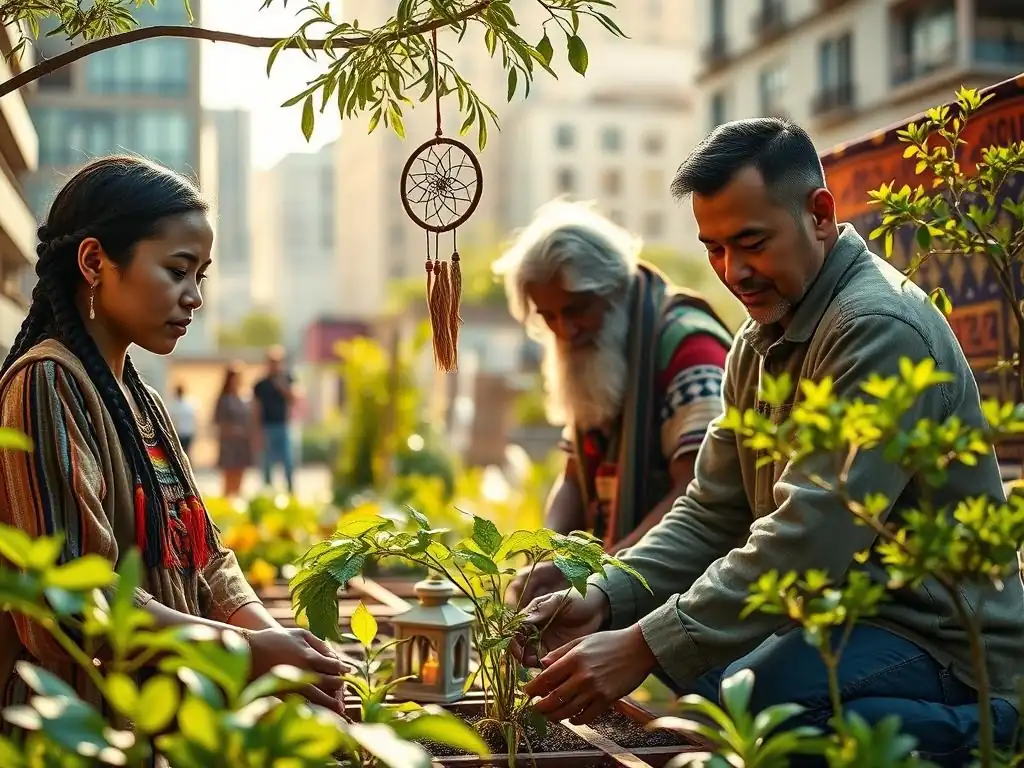
Welcome to Mind Care Guide, a space dedicated to nurturing your mental well-being.
Feeling disconnected or unheard in your journey to recovery? You're not alone. This month, we delve into the powerful role of heritage and belonging with our exploration of cultural strengths in mental health recovery. Discover how tapping into your roots can unlock new pathways to healing and resilience. Are you ready to explore the enriching connection between your culture and your well-being?
- Honouring Heritage: Integrating Cultural Strengths into Mental Health Recovery
- Understanding Cultural Strengths in Mental Health
- The Intersection of Culture and Mental Health Challenges
- Leveraging Cultural Strengths for Mental Health Recovery
- Practical Strategies for Integrating Cultural Strengths into Mental Health Care
- Case Studies: Cultural Strengths in Action
- Building a Culturally Sensitive Mental Health Recovery Plan
- Resources for Culturally Sensitive Mental Health Care
- Promoting Cultural Humility in Mental Health Practice
- The Future of Cultural Strengths in Mental Health
- Conclusion: Embracing Cultural Heritage for Holistic Mental Well-being
-
Frequently Asked Questions
- How can understanding my cultural heritage benefit my mental health recovery?
- What are some examples of cultural strengths that can aid in mental health recovery?
- How can I integrate my cultural strengths into my existing mental health treatment plan?
- What if I feel disconnected from my cultural heritage? Is it too late to explore its benefits for my mental health?
- Where can I find resources and support to explore the connection between cultural strengths and mental health recovery?
- Final Reflection: Weaving Strength from Heritage
- Unlock Your Strength: Cultivate Healing Through Heritage
Honouring Heritage: Integrating Cultural Strengths into Mental Health Recovery
Mind Care Guide: Mental Health in Specific Populations - Cultural Sensitivity
Understanding Cultural Strengths in Mental Health
Defining Cultural Strengths for Mental Well-being
Cultural strengths in the context of mental well-being refer to the positive aspects, traditions, values, and practices inherent within a person's cultural background or community that can contribute to their resilience, coping abilities, and overall mental health recovery. These are not deficits or challenges, but rather assets that individuals and communities draw upon. Examples include strong family bonds, community support systems, spiritual beliefs, traditional healing practices, historical resilience, artistic expressions, and specific cultural values like collectivism, respect for elders, or perseverance. Recognizing these strengths shifts the focus from solely addressing pathology to empowering individuals by leveraging their existing resources.
These strengths act as protective factors against mental health challenges and can significantly enhance the journey towards mental health recovery. For instance, a strong sense of cultural identity and belonging can combat feelings of isolation and alienation, which are often associated with mental illness. Shared cultural narratives of overcoming adversity can instill hope and provide a framework for understanding and navigating personal struggles. Approximations suggest that individuals who feel deeply connected to their cultural heritage may exhibit greater psychological resilience when faced with stress or trauma, utilizing these inherent strengths as coping mechanisms.
The Importance of Cultural Identity in Mental Health Recovery
Cultural identity plays a pivotal role in an individual's mental health and their path through recovery. It encompasses a person's sense of belonging to a particular group based on shared heritage, customs, beliefs, and language. A strong, positive cultural identity can provide a foundation of self-esteem, purpose, and connection, which are crucial for navigating mental health challenges. When individuals feel proud of and connected to their cultural roots, they are often better equipped to face adversity, find meaning in their experiences, and draw support from their community.
Conversely, a weakened or conflicted cultural identity, sometimes resulting from discrimination, assimilation pressures, or historical trauma, can negatively impact mental health. This can manifest as feelings of marginalization, confusion, or a lack of belonging, exacerbating symptoms of depression, anxiety, or trauma-related disorders. Therefore, fostering and validating a person's cultural identity is not merely a matter of cultural sensitivity but a fundamental component of effective mental health recovery. Integrating discussions about cultural background into therapy, validating cultural experiences, and connecting individuals with culturally relevant resources are essential steps in building a robust foundation for healing.
Cultural Values and Their Impact on Mental Health Treatment
Cultural values profoundly influence how individuals perceive mental illness, seek help, interact with healthcare providers, and engage in treatment. Values such as collectivism, prevalent in many Asian, Latinx, and Indigenous cultures, emphasize group harmony and interdependence over individual needs. This can mean that family involvement is crucial in treatment decisions, or that seeking help outside the family is seen as a last resort or even a sign of weakness that reflects poorly on the entire family unit. Understanding this value is critical for practitioners to involve families appropriately and respect their influence in the recovery process.
Other values, like stoicism or the emphasis on enduring hardship privately, common in certain cultural groups, can lead to delayed help-seeking or underreporting of symptoms. Respect for authority figures, including elders or traditional healers, can influence a person's willingness to trust and follow the advice of a Western-trained therapist.
For example, in some cultures, direct eye contact might be considered disrespectful, impacting communication dynamics in a therapeutic setting. Being aware of and respectfully navigating these cultural values allows mental health professionals to build trust, tailor treatment approaches, and make the recovery process more accessible and effective for individuals from diverse backgrounds.
The Intersection of Culture and Mental Health Challenges
Mental Health Stigma within Indigenous Communities
Mental health stigma is a significant barrier to care across many cultures, but it holds particular weight and complexity within Indigenous communities. Historically, colonization has disrupted traditional ways of life, eroded cultural practices, and introduced immense trauma, contributing to disproportionately high rates of mental health issues like depression, anxiety, substance use disorders, and suicide. Within this context, seeking help for mental health concerns can be viewed through a lens colored by shame, fear of judgment from within the community, or distrust of external healthcare systems often associated with past harms.
The stigma is often intertwined with traditional beliefs about illness, which may not differentiate between physical and mental ailments in the same way Western medicine does, or may attribute suffering to spiritual imbalances or historical injustices. Approximations suggest that stigma, coupled with geographical isolation and lack of culturally appropriate services, means that a significant percentage of Indigenous individuals struggling with mental health issues do not receive formal treatment.
Addressing this requires not only reducing general stigma but also acknowledging and validating the unique historical context and spiritual beliefs prevalent in these communities, often by integrating traditional healing practices and involving community elders.
Cultural Barriers to Accessing Mental Health Care for Immigrants
Immigrant populations frequently face multiple cultural barriers when attempting to access mental health care, even when services are physically available. Language is a primary obstacle; without access to trained medical interpreters, effective communication between patient and provider is nearly impossible, leading to misdiagnosis or ineffective treatment.
Different cultural understandings of mental illness also pose significant hurdles. What is considered a mental health issue in Western contexts might be viewed as a physical ailment, a spiritual problem, or simply a personal failing in another culture, leading individuals to seek help from primary care physicians or religious leaders rather than mental health professionals.
Furthermore, fear and mistrust of authority figures or government institutions, often stemming from experiences in their home countries, can make immigrants hesitant to interact with healthcare systems. The concept of therapy or talking about personal problems with a stranger may also be culturally unfamiliar or unacceptable.
Approximately half of immigrants experiencing mental health symptoms may not seek treatment due to these combined factors. Service providers must navigate these complexities by offering multilingual services, educating communities about mental health in culturally relevant ways, and building trust through community engagement and understanding the unique stressors associated with the immigration experience, such as acculturation stress and trauma.
Addressing Historical Trauma and its Effects on Mental Health
Historical trauma, the cumulative emotional and psychological wounding across generations resulting from massive group trauma experiences, such as slavery, genocide, forced displacement, or colonization, has profound and lasting effects on mental health within affected communities. This trauma is not merely a historical event but a lived reality that continues to impact individuals and families today, manifesting as intergenerational trauma. Symptoms can include depression, anxiety, substance abuse, PTSD, chronic stress, and difficulties with identity formation and relationships.
For example, research on residential school survivors and their descendants in Canada and the U.S. shows direct links between the trauma experienced in these institutions and higher rates of mental health issues, addiction, and suicide in subsequent generations. Addressing historical trauma requires a different approach than treating individual trauma; it necessitates acknowledging the collective pain, validating the historical narrative, and focusing on community-based healing.
This often involves cultural revitalization, reconnecting with traditional practices, and fostering a strong sense of cultural identity and pride as pathways to resilience and mental health recovery. Healing from historical trauma is a long-term process that requires culturally grounded, trauma-informed care.
Leveraging Cultural Strengths for Mental Health Recovery
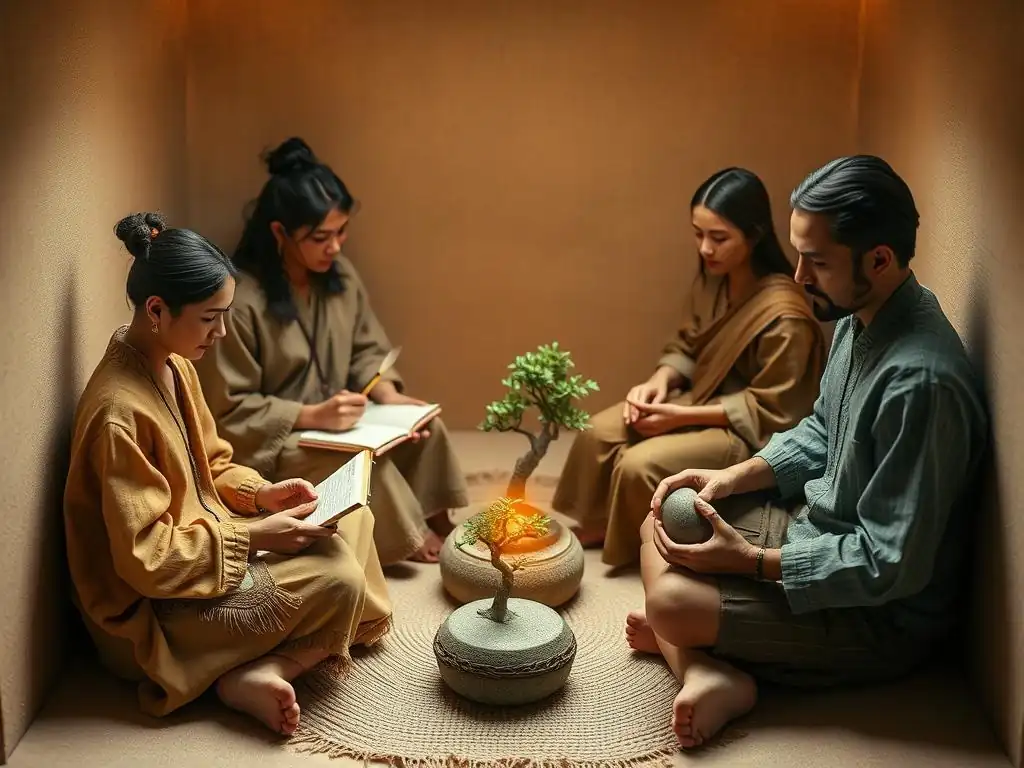
Identifying Cultural Resources and Support Systems
Identifying and mobilizing cultural resources and support systems is a cornerstone of integrating cultural strengths into mental health recovery. These resources exist within families, communities, cultural organizations, and spiritual institutions. They represent inherent assets that individuals can draw upon for emotional support, practical assistance, and a sense of belonging. Examples include extended family networks that provide caregiving and emotional solace, community centers that offer culturally relevant activities and social connections, and cultural practices like storytelling, music, or dance that serve as outlets for expression and healing.
Mental health professionals can play a crucial role in helping individuals identify these resources. This involves asking open-ended questions about family relationships, community involvement, spiritual practices, and cultural traditions that are important to the individual. For someone from a culture that values communal support, connecting them with a faith community or a cultural group might be more effective than relying solely on individual therapy. Leveraging these existing networks reduces isolation, reinforces positive coping mechanisms, and embeds the recovery process within a familiar and supportive cultural context.
Family, Community, and Spirituality as Healing Tools
Family, community, and spirituality are powerful healing tools deeply embedded in many cultures and represent significant cultural strengths mental health recovery can benefit from. For many individuals, particularly in collectivistic cultures, the family unit is the primary source of support during times of distress. Engaging family members in the recovery process, when appropriate and desired by the client, can provide a vital network of care, understanding, and practical help. Family support can significantly improve treatment adherence and outcomes.
Community ties offer a sense of belonging and shared identity, combating the isolation often experienced by individuals with mental health conditions. Participating in community events, cultural celebrations, or mutual support groups grounded in shared heritage can foster connections and provide peer support. Spirituality and religious beliefs, prevalent in many cultures, offer frameworks for meaning-making, hope, and coping. Engaging in spiritual practices, connecting with faith leaders, or drawing strength from religious texts can provide comfort, guidance, and a sense of purpose during the recovery journey. These cultural strengths provide a holistic approach to healing that complements clinical interventions.
Traditional Healing Practices and Mental Wellness
Traditional healing practices, rooted in the long histories and wisdom of various cultures, offer valuable pathways to mental wellness and can be powerful complements to modern mental health treatments. These practices vary widely but often involve rituals, ceremonies, herbal remedies, spiritual guidance, and community involvement aimed at restoring balance – physical, mental, spiritual, and social. Examples include Indigenous talking circles, African drumming ceremonies, Asian herbal medicine, or Latin American curanderismo.
While the mechanisms may differ from Western biomedical models, these practices often address the interconnectedness of mind, body, and spirit, a holistic view that resonates deeply within many cultural frameworks. Approximations suggest that integrating traditional healing practices alongside conventional therapy can enhance engagement, reduce symptom severity, and improve overall well-being for individuals who hold these practices in high regard. However, it is crucial that this integration is done respectfully, ethically, and in collaboration with traditional healers, acknowledging their expertise and the sacredness of their practices.
Practical Strategies for Integrating Cultural Strengths into Mental Health Care
Culturally Competent Mental Health Professionals: Finding the Right Fit
Finding culturally competent mental health professionals is a critical practical strategy for integrating cultural strengths into mental health recovery. Cultural competence goes beyond mere awareness of different cultures; it involves understanding how culture shapes beliefs about health and illness, developing skills to communicate effectively across cultural differences, and adapting therapeutic approaches to fit the client's cultural context. A culturally competent professional is aware of their own cultural biases and actively works to understand the client's worldview.
This means seeking out professionals who have received specific training in cultural competence, are familiar with the cultural background of the communities they serve, or are willing to learn and collaborate. directories of culturally specific mental health services or professional associations focused on minority mental health can be valuable resources.
Clients should feel empowered to ask potential therapists about their experience working with individuals from similar backgrounds and whether they are open to incorporating cultural practices or family involvement into treatment. Building a trusting relationship with a provider who respects and understands one's cultural identity is fundamental to effective mental health recovery.
Developing Culturally Adapted Therapy Approaches
Developing culturally adapted therapy approaches involves modifying existing evidence-based treatments to align with the cultural values, beliefs, and linguistic needs of specific populations. This is not about creating entirely new therapies but rather making established interventions more relevant and accessible. Adaptations can include using culturally relevant metaphors and examples, incorporating family members or community leaders into sessions, adjusting communication styles, or addressing specific cultural stressors like discrimination or acculturation.
For instance, cognitive-behavioral therapy (CBT), a widely used approach, can be adapted by using culturally specific stories or proverbs to illustrate concepts, or by modifying assignments to fit family-oriented lifestyles. Group therapy models can be adapted to resemble traditional talking circles, emphasizing collective sharing and wisdom. Research indicates that culturally adapted interventions often lead to better engagement and outcomes compared to standard treatments for certain populations.
For example, studies on adapted therapies for Latinx youth have shown improved family communication and reduced symptoms of depression. This tailoring ensures that therapy resonates with the individual's lived experience and leverages their cultural strengths mental health recovery can build upon.
Integrating Traditional Practices with Modern Mental Health Treatments
Integrating traditional healing practices with modern mental health treatments offers a holistic approach that respects both cultural heritage and clinical science. This does not mean replacing one with the other, but rather finding ways for them to work together harmoniously, guided by the individual's preferences and beliefs.
For someone who finds solace in prayer or spiritual rituals, a therapist might encourage these practices as coping strategies alongside cognitive restructuring techniques. For an Indigenous client, involving a traditional healer in the treatment plan, with the client's consent, could provide spiritual support and cultural validation that Western therapy alone might not offer.
Successful integration requires open communication and collaboration between mental health professionals and traditional healers. It necessitates mutual respect for different knowledge systems and a focus on the client's overall well-being. It is vital to ensure that traditional practices are used safely and ethically, and that they do not interfere with necessary medical treatment. While formal research on combined approaches is growing, anecdotal evidence and community wisdom strongly support the idea that honouring and integrating cultural strengths, including traditional healing, can significantly enhance the effectiveness and cultural relevance of mental health recovery pathways.
Case Studies: Cultural Strengths in Action
Indigenous Healing Practices and Substance Use Recovery
In many Indigenous communities, substance use disorders are tragically linked to historical trauma and ongoing social determinants of health. Western treatment models often face challenges in engagement and long-term success. However, integrating traditional healing practices has shown promise in supporting substance use recovery.
For example, healing lodges in Canada incorporate traditional ceremonies like sweat lodges, smudging, and talking circles alongside counseling and addiction treatment. These practices provide a culturally safe environment, reconnect individuals with their heritage and spirituality, and foster a strong sense of community and shared identity, which are crucial for overcoming addiction. Participants often report feeling more understood and supported within these culturally grounded programs compared to conventional ones.
Another example involves the use of vision quests or participation in traditional dances and ceremonies as part of recovery journeys. These practices help individuals reconnect with ancestral wisdom, find spiritual guidance, and rebuild a sense of purpose and self-worth lost during active addiction.
While precise national statistics on success rates compared to Western-only models are complex to gather and compare due to varying program structures, community-level reports and qualitative studies consistently highlight the profound positive impact of integrating traditional healing on Indigenous substance use recovery, emphasizing increased cultural connection and reduced relapse rates among participants who feel their heritage is honoured.
Family Support Networks in Latinx Mental Health
Family plays a central role in the lives of many Latinx individuals, and strong family support networks are a significant cultural strength that can be leveraged in mental health recovery. For example, in the case of a Latinx adolescent struggling with depression, traditional therapy might focus solely on individual symptoms. However, a culturally sensitive approach would involve the family, recognizing that family dynamics, communication patterns, and support systems are integral to the adolescent's well-being. Family members often provide practical support, emotional comfort, and help navigate challenges accessing care.
Culturally adapted family therapy models, such as Familia Adelante (Family Forward), have been developed specifically for Latinx populations. These models incorporate cultural values like familismo (strong family identification and loyalty) and respeto (respect) into the therapeutic process. They work with the entire family unit to improve communication, strengthen bonds, and utilize family resources to support the individual's mental health recovery. Studies have shown that these adapted family interventions can lead to improved family functioning and reduced mental health symptoms in Latinx youth and adults, demonstrating the power of leveraging existing family strengths.
Spiritual Practices and Mental Resilience in African American Communities
Spirituality and the Black church have historically served as pillars of strength and resilience within African American communities, particularly in the face of systemic racism and adversity. For many African Americans, faith and participation in religious practices like prayer, meditation, church services, and relying on religious leaders for guidance are vital coping mechanisms and sources of social support. These spiritual practices represent a significant cultural strength mental health recovery can draw upon.
For example, individuals dealing with anxiety or depression may find comfort and hope in their faith, using prayer or reading religious texts to manage distress. Church communities often provide informal support networks, offering emotional encouragement, practical assistance, and a sense of belonging that combats isolation.
Mental health initiatives within Black churches, sometimes facilitated by trained lay counselors or clergy, have proven effective in reducing stigma and increasing access to care by integrating mental health discussions into trusted community spaces. Research indicates that strong religious coping and church support are associated with lower rates of depression and greater resilience among African Americans, highlighting the protective role of spirituality.
Building a Culturally Sensitive Mental Health Recovery Plan
Assessing Individual Cultural Needs and Preferences
Building a culturally sensitive mental health recovery plan begins with a thorough assessment of the individual's cultural needs, values, beliefs, and preferences. This goes beyond simply noting ethnicity; it involves exploring how culture shapes their understanding of their mental health condition, their views on seeking help, their preferred coping strategies, and the support systems available to them. Questions might include: "What does mental wellness mean in your culture?
", "Who do you typically turn to for support when you're struggling? ", "Are there any cultural or spiritual practices that are important to you during difficult times? ", or "How does your family view mental health challenges?"
This assessment should be collaborative and non-judgmental, allowing the individual to share what feels relevant and comfortable. It helps identify potential cultural barriers to treatment as well as existing cultural strengths mental health recovery can utilize. Understanding whether a person prefers individual therapy, group support, family involvement, or traditional healing methods is crucial for tailoring the plan. This initial step ensures that the recovery journey is respectful of the individual's background and leverages their unique cultural assets.
Setting Culturally Relevant Goals for Recovery
Once cultural needs and preferences are assessed, setting culturally relevant goals for recovery becomes possible. Goals should align with the individual's values and cultural context, making them more meaningful and achievable. For someone from a culture that prioritizes collective well-being, a recovery goal might focus on improving family relationships or contributing to the community, rather than solely on individualistic achievements. If spirituality is a key cultural strength, a goal might involve re-engaging with religious practices as a coping mechanism.
Goals should also consider potential cultural challenges. For instance, if stigma is a major concern, a goal might involve finding culturally safe spaces to discuss mental health or connecting with peers who share similar experiences. Setting culturally relevant goals empowers individuals by validating their cultural identity and ensuring that their recovery path resonates with their personal values and community context. It shifts the focus from a one-size-fits-all approach to one that is deeply personal and culturally grounded.
Creating a Supportive and Inclusive Environment
Creating a supportive and inclusive environment is essential for a culturally sensitive mental health recovery plan to thrive. This involves ensuring that the spaces where recovery takes place – whether a therapist's office, a support group meeting, or a community center – feel safe, welcoming, and validating of diverse cultural backgrounds. Simple steps like displaying culturally diverse art, offering multilingual materials, or having staff who represent the community's diversity can make a significant difference.
Beyond the physical environment, inclusivity means fostering an atmosphere where individuals feel comfortable discussing their cultural experiences, challenges, and strengths without fear of judgment or misunderstanding. Training staff in cultural humility and competence is crucial. It also involves actively working to dismantle systemic barriers that prevent access to care for minority communities. A truly supportive environment recognizes and honours cultural strengths mental health recovery benefits from, making individuals feel seen, respected, and empowered on their healing journey.
Resources for Culturally Sensitive Mental Health Care

Organizations Offering Culturally Specific Mental Health Services
Several organizations are dedicated to providing mental health services tailored to the needs of specific cultural or ethnic groups. These organizations often employ staff who share the cultural background of the clients they serve, offer services in relevant languages, and integrate cultural values and practices into their programs. Examples include associations focused on Asian American, Native American, Latinx, or African American mental health. These groups understand the unique historical contexts, social determinants of health, and cultural strengths prevalent within their communities.
Accessing services from these organizations can significantly improve the quality of care and the likelihood of positive outcomes. They often serve as trusted resources within their communities, helping to reduce stigma and make mental health support more accessible. While a comprehensive list is beyond the scope here, searching for mental health organizations specific to a particular cultural group or connecting with community leaders can provide valuable leads to finding culturally appropriate support that honours cultural strengths mental health recovery requires.
Research and Articles on Cultural Strengths in Mental Health
The field of mental health is increasingly recognizing the importance of cultural factors, leading to a growing body of research and articles on cultural strengths in mental health recovery. Academic journals, professional publications, and websites of mental health organizations frequently publish studies exploring the role of cultural identity, traditional practices, family support, and community resilience in promoting well-being and aiding recovery among diverse populations. This research provides evidence for the effectiveness of culturally adapted interventions and highlights the specific cultural strengths of various groups.
Exploring this literature can be informative for both individuals seeking help and mental health professionals. It offers insights into how specific cultural practices contribute to resilience and provides data supporting the integration of cultural strengths into treatment plans. Websites like the Substance Abuse and Mental Health Services Administration (SAMHSA) or the American Psychological Association (APA) often have resources or publications related to cultural competence and minority mental health. Staying informed about this research helps in advocating for and implementing more culturally responsive mental health care.
Directory of Culturally Competent Mental Health Professionals
Finding a mental health professional who is culturally competent and sensitive to one's specific background can be challenging but is essential for effective mental health recovery. Directories of therapists and counselors sometimes include information about their areas of specialization, including experience working with specific cultural groups, language proficiency, or training in cultural competence. Some professional organizations also maintain directories of members who identify with or specialize in working with particular populations.
While a single comprehensive, universally accessible directory may not exist, searching through national and local mental health provider databases, contacting cultural community centers, or seeking recommendations from trusted sources within one's community can help locate culturally competent professionals. Websites like Psychology Today or the directories provided by ethnic-specific mental health organizations can be starting points. The goal is to find a provider who not only possesses clinical expertise but also respects and understands the role of cultural strengths mental health recovery can leverage, creating a safe and effective therapeutic alliance.
Promoting Cultural Humility in Mental Health Practice
Ongoing Education and Training for Mental Health Professionals
Promoting cultural humility is an ongoing process, not a one-time achievement, and it is crucial for mental health professionals. This requires continuous education and training that goes beyond basic cultural competence. Cultural humility emphasizes a lifelong commitment to self-reflection, learning, and critically examining one's own biases and assumptions. It involves approaching each client as an individual expert on their own cultural experience, rather than assuming knowledge based on group affiliation.
Training should cover topics such as the impact of historical trauma, understanding diverse cultural expressions of distress, developing cross-cultural communication skills, and learning how to respectfully integrate traditional healing practices. It should also address power dynamics in the therapeutic relationship and the impact of systemic inequalities on mental health. Ongoing supervision and consultation with colleagues from diverse backgrounds or cultural experts are also vital components of maintaining cultural humility and providing effective, culturally sensitive care that honours cultural strengths mental health recovery relies upon.
Fostering Collaboration between Western and Traditional Healing Systems
Fostering collaboration between Western mental health systems and traditional healing systems is a vital step towards providing holistic, culturally responsive care. This collaboration acknowledges the value and efficacy of diverse healing modalities and respects the wisdom embedded in traditional practices. It can involve creating referral pathways between clinics and traditional healers, co-facilitating healing circles or ceremonies, or simply engaging in dialogue and mutual learning between practitioners from different systems.
Successful collaboration requires building trust, open communication, and a shared goal of supporting the individual's well-being. It necessitates overcoming historical mistrust and power imbalances that may exist between Western medicine and traditional practices. While challenges exist, such as differing worldviews and lack of formal integration structures, examples of successful partnerships are emerging, particularly in Indigenous communities. These collaborations demonstrate that by working together and respecting diverse healing traditions, mental health recovery can be more culturally relevant, comprehensive, and effective.
Advocating for Culturally Responsive Mental Health Policies
Advocating for culturally responsive mental health policies at local, regional, and national levels is essential to create systemic change and ensure equitable access to care that honours cultural strengths mental health recovery benefits from. Policies should address funding for culturally specific mental health programs, support the training and hiring of culturally diverse mental health professionals, and mandate the availability of language services. They should also recognize and potentially support the role of traditional healers and community-based approaches.
Advocacy efforts can involve lobbying legislators, participating in policy-making committees, raising public awareness about disparities in mental health care, and supporting organizations that champion cultural sensitivity and equity. Policies should also address the social determinants of health that disproportionately affect minority communities, such as poverty, discrimination, and lack of access to education and housing, as these factors significantly impact mental well-being. By advocating for policies that prioritize cultural responsiveness, we can move towards a mental health system that truly serves all individuals, respecting their heritage and leveraging their inherent cultural strengths.
The Future of Cultural Strengths in Mental Health
Research and Innovation in Culturally Adapted Interventions
The future of integrating cultural strengths into mental health lies partly in continued research and innovation in culturally adapted interventions. This involves developing and rigorously testing therapeutic approaches that are not only culturally sensitive but actively incorporate specific cultural strengths and practices. For example, research might explore the efficacy of weaving traditional storytelling into trauma therapy for specific cultural groups or studying the impact of culturally specific mindfulness techniques.
Innovation is needed to develop models of care delivery that are accessible and appealing within diverse cultural contexts. This could include mobile mental health services reaching remote Indigenous communities, teletherapy platforms with built-in language and cultural resources for immigrants, or community-led peer support models based on cultural values of mutual aid. Funding for this research and development is crucial to build an evidence base and create effective, culturally grounded tools for mental health recovery worldwide.
Empowering Communities to Lead Mental Health Initiatives
A key aspect of the future is empowering communities themselves to lead mental health initiatives. Communities possess invaluable cultural knowledge, understanding of local needs, and existing social support networks. By supporting community-led programs, mental health services can be delivered in ways that are inherently culturally relevant and trusted. This could involve training community members as peer counselors, supporting cultural organizations in offering wellness programs, or funding community-based participatory research that allows residents to shape mental health services in their area.
Empowerment shifts the dynamic from external agencies imposing services to communities driving their own healing processes, leveraging their inherent cultural strengths mental health recovery can build upon. This approach not only increases accessibility and effectiveness but also fosters a sense of ownership and collective agency, which are powerful factors in promoting mental well-being and resilience against systemic challenges.
Creating a More Equitable and Accessible Mental Health System for All
Ultimately, the future aims towards creating a more equitable and accessible mental health system for all, where cultural strengths are not just acknowledged but are central to care. This involves dismantling systemic barriers that lead to disparities in access and quality of care for minority populations. It requires addressing issues of affordability, insurance coverage, transportation, and the availability of culturally and linguistically competent providers.
An equitable system would proactively reach out to underserved communities, offer services in settings that are culturally comfortable (e.g., community centers, places of worship), and ensure that individuals from all backgrounds feel welcomed and respected when seeking help. By valuing and integrating cultural strengths mental health recovery becomes a more inclusive, effective, and empowering process, moving towards a future where mental well-being is achievable for everyone, regardless of their heritage.
Conclusion: Embracing Cultural Heritage for Holistic Mental Well-being
Embracing cultural heritage is not merely an act of preservation but a powerful strategy for fostering holistic mental well-being and enhancing mental health recovery. Cultural strengths – the deep well of resilience, community support, traditional wisdom, and spiritual beliefs embedded within diverse heritages – offer invaluable resources for navigating life's challenges and healing from distress. Recognizing and leveraging these strengths shifts the focus from deficits to assets, empowering individuals and communities.
Integrating cultural strengths into mental health care requires a commitment from professionals, institutions, and policymakers to cultural humility, ongoing learning, and systemic change. It means developing culturally adapted therapies, fostering collaboration with traditional healers, and advocating for policies that prioritize equity and accessibility. By honouring heritage and embracing the richness of cultural diversity, we can build a more effective, compassionate, and inclusive mental health system where everyone has the opportunity to achieve profound and culturally grounded mental health recovery.
Frequently Asked Questions
How can understanding my cultural heritage benefit my mental health recovery?
Understanding your cultural heritage can provide a strong sense of identity and belonging. This cultural connection can act as a buffer against stress and promote resilience during mental health recovery. It allows you to draw strength from ancestral wisdom and traditions.
What are some examples of cultural strengths that can aid in mental health recovery?
Examples include traditional healing practices, strong family and community ties, and culturally specific coping mechanisms. Also, faith-based beliefs and artistic expressions unique to your culture can be powerful sources of support.
How can I integrate my cultural strengths into my existing mental health treatment plan?
Discuss your cultural background and beliefs with your mental health professional. Together, you can explore ways to incorporate culturally relevant practices alongside traditional therapies. This might include cultural rituals, art therapy or connecting with community elders.
What if I feel disconnected from my cultural heritage? Is it too late to explore its benefits for my mental health?
It's never too late! Start by researching your family history, attending cultural events, or connecting with community groups. Reconnecting with your roots can be a gradual process, but even small steps can improve your mental well-being.
Where can I find resources and support to explore the connection between cultural strengths and mental health recovery?
Mind Care Guide offers resources and information on integrating cultural strengths into your recovery journey. Look for cultural organizations in your community, or consult with a culturally sensitive mental health professional.
Final Reflection: Weaving Strength from Heritage
The integration of cultural strengths into mental health recovery is not merely a progressive approach; it is a fundamental necessity for equitable and effective care. Ignoring the rich tapestry of cultural experiences and resources available to individuals significantly limits the potential for healing and lasting well-being. We must move beyond a one-size-fits-all model and embrace the power of cultural identity as a vital component of the recovery journey.
The impact of cultural heritage on mental health is profound and multifaceted. It shapes our worldview, our coping mechanisms, and our very sense of self. The strength found within our traditions, communities, and beliefs can be a powerful antidote to the isolation and stigma often associated with mental illness. Culture is not just a set of beliefs and practices, but a source of resilience and hope.
This quote underscores the importance of acknowledging and leveraging the inherent strengths within diverse cultural backgrounds. Failing to do so perpetuates systemic inequalities and limits access to truly holistic care.
You, the reader, now hold the key to fostering a more inclusive and effective mental health system. Consider how your own cultural heritage has shaped your resilience and understanding of well-being. Actively seek out resources and support systems that honor and integrate cultural strengths. Advocate for change within your communities, demanding culturally sensitive and responsive mental health services for all. Let us collectively build a future where healing is not only possible but deeply rooted in the richness of human experience.
Unlock Your Strength: Cultivate Healing Through Heritage
Thanks for taking the time to explore the powerful connection between cultural heritage and mental well-being. We hope this article provided valuable insights into harnessing your unique background for a stronger recovery journey. Now it's time to put that knowledge into action!
- Prioritize a heritage-based self-care practice: Identify one aspect of your heritage that brings you comfort and joy – whether it's listening to traditional music, preparing a family recipe, or connecting with community elders – and schedule dedicated time for it each week. This is your foundation for building resilience.
- Share your story (if you feel comfortable): Connecting with others who share your background can be incredibly validating and supportive. Consider sharing your experience – anonymously or openly – in a relevant online forum or with a trusted friend or family member.
- Discover a local cultural organization: Explore local groups that celebrate your heritage. This could uncover new support networks and enriching activities to further nurture your well-being.
What small step can you take today to integrate your heritage into your self-care routine? Let us know in the comments below!