
Unlocking Calm: How Tai Chi Transforms Your Anxious Mind

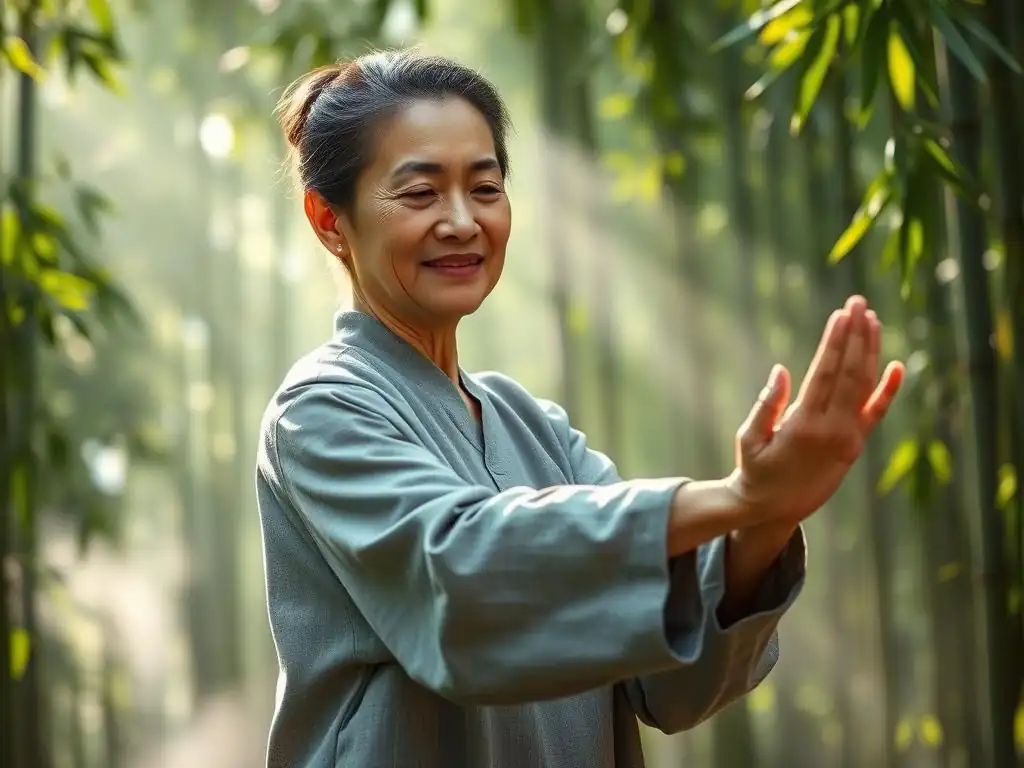
Welcome to Mind Care Guide, a sanctuary for your mental well-being.
Are you feeling overwhelmed by anxiety and searching for a path to inner peace? We understand. In this space, we offer compassionate guidance and evidence-based resources to help you navigate the complexities of mental health. Our latest article, "Unlocking Calm: How Tai Chi Transforms Your Anxious Mind," delves into the profound benefits of this ancient practice. Could Tai Chi be the gentle revolution your mind needs? Read on to discover how this mindful movement can unlock a calmer, more centered you.
Finding Serenity: Tai Chi's Path to Anxiety Relief
- Introduction to Tai Chi for Anxiety Alleviation
- The Science Supporting Tai Chi's Anti-Anxiety Benefits
- Practical Tai Chi Techniques for Anxiety Reduction
- Holistic Benefits of Tai Chi Beyond Anxiety Relief
- Addressing Common Questions and Concerns About Tai Chi
- Integrating Tai Chi with Complementary Mental Health Strategies
- Conclusion: Embracing Tai Chi for Sustained Anxiety Management
-
Frequently Asked Questions
- What is Tai Chi and how can it help with anxiety?
- How often should I practice Tai Chi for anxiety relief to see results?
- Can Tai Chi be practiced by anyone, regardless of age or physical condition?
- Are there any potential risks or side effects associated with practicing Tai Chi?
- Besides anxiety, what other mental health benefits does Tai Chi offer?
- Final Reflection: Finding Stillness in a Restless World
- Unleash Your Inner Peace: Start Your Tai Chi Journey Today!
Introduction to Tai Chi for Anxiety Alleviation
Understanding Anxiety and its Effects on Mental Health
Anxiety is a common mental health challenge that can manifest in various ways, from persistent worry and fear to physical symptoms like rapid heart rate, sweating, and difficulty breathing. It significantly impacts daily life, affecting relationships, work, and overall well-being. Globally, anxiety disorders are among the most prevalent mental health conditions, with millions experiencing their disruptive effects annually. Understanding the profound impact of chronic stress and anxiety on both mind and body is the first step toward seeking effective relief.
Chronic anxiety keeps the body in a state of heightened alert, often referred to as the "fight-or-flight" response. This prolonged activation of the sympathetic nervous system can lead to various health issues over time, including fatigue, digestive problems, and weakened immune function. Finding ways to interrupt this cycle and promote a state of calm is crucial for restoring mental and physical balance. Many individuals seek holistic approaches to complement traditional treatments, and exploring methods like Tai chi for anxiety relief is gaining significant attention.
Tai Chi: Origins, Principles, and Gentle Movement
Tai Chi Chuan, often simply called Tai Chi, is an ancient Chinese internal martial art practiced for both its defense training and its health benefits. Originating hundreds of years ago, it evolved into a system of slow, flowing movements combined with deep breathing and meditation. The core principles involve relaxation, rootedness, proper body alignment, and the cultivation of internal energy, known as "Qi." Unlike strenuous exercise, Tai Chi emphasizes gentle, continuous motion that is accessible to people of varying fitness levels and ages.
The practice of Tai Chi involves performing a series of forms – choreographed sequences of movements – in a slow, deliberate manner. Each movement transitions smoothly into the next, creating a continuous flow. This focus on mindful movement, combined with controlled respiration, helps quiet the mind and reduce mental chatter. The gentle nature of Tai Chi makes it an ideal practice for those seeking a non-impact way to improve their physical and mental health, offering a unique path to Tai chi anxiety relief through mindful embodiment.
Tai Chi's Effectiveness: A Mind-Body Connection for Anxiety Reduction
Tai Chi's effectiveness in reducing anxiety stems from its unique integration of physical movement, mindful awareness, and controlled breathing. By focusing on the present moment and the sensations within the body, practitioners learn to detach from anxious thoughts about the past or future. This mind-body connection helps to interrupt the cycle of rumination that often fuels anxiety. The gentle, rhythmic movements also promote relaxation and release muscular tension, which is frequently held in the body due to stress.
Regular Tai Chi practice encourages a state of calm presence, fostering a sense of control and inner peace that can be particularly beneficial for managing anxiety symptoms. The deliberate pace of the movements allows the nervous system to downregulate, shifting from the stressed "fight-or-flight" state to a more relaxed "rest and digest" state. This physiological shift, coupled with the mental focus required, contributes significantly to Tai chi anxiety relief, helping individuals feel more grounded and less overwhelmed by anxious feelings.
The Science Supporting Tai Chi's Anti-Anxiety Benefits
Tai Chi and the Nervous System: Calming the Fight-or-Flight Response
Tai Chi has a profound impact on the autonomic nervous system, specifically by influencing the balance between the sympathetic (fight-or-flight) and parasympathetic (rest-and-digest) branches. Chronic anxiety is characterized by an overactive sympathetic nervous system. The slow, deliberate movements and deep, regulated breathing inherent in Tai Chi practice actively stimulate the parasympathetic nervous system. This stimulation helps to lower heart rate, reduce blood pressure, and decrease stress hormones like cortisol, effectively counteracting the physiological symptoms of anxiety.
Studies using measures like heart rate variability (HRV), an indicator of autonomic nervous system balance, have shown that Tai Chi practice can increase HRV, suggesting improved parasympathetic activity and a greater ability for the body to switch between states of stress and relaxation. For instance, research has indicated that consistent Tai Chi practice over several weeks can lead to a measurable shift towards parasympathetic dominance, providing a physiological foundation for Tai chi anxiety relief and promoting a sense of calm even outside of practice sessions.
Cultivating Mindfulness and Reducing Rumination Through Tai Chi
A key component of Tai Chi is its emphasis on mindfulness – paying attention to the present moment without judgment. As practitioners move through the forms, they are encouraged to focus on their breath, body sensations, and the flow of movement. This intentional focus diverts attention away from anxious thoughts and worries, which are often centered on past regrets or future fears. By repeatedly bringing the mind back to the present, Tai Chi helps to weaken the habit of rumination, a common driver of anxiety.
The meditative aspect of Tai Chi teaches individuals to observe their thoughts and feelings without getting caught up in them. This skill is invaluable for managing anxiety, as it allows one to recognize anxious thoughts as temporary mental events rather than absolute truths. Over time, this practice cultivates a greater capacity for emotional regulation and mental clarity, making it easier to disengage from negative thought spirals and experience effective Tai chi anxiety relief by fostering a more peaceful and centered state of mind.
Tai Chi's Influence on Neurotransmitters: Balancing Mood
Beyond the nervous system, Tai Chi practice may also influence the balance of key neurotransmitters in the brain that are involved in mood regulation. While research is ongoing, some studies suggest that regular exercise, including gentle mind-body practices like Tai Chi, can impact levels of neurotransmitters such as serotonin, dopamine, and endorphins. Serotonin, often associated with mood and well-being, and dopamine, linked to pleasure and motivation, can become imbalanced in individuals experiencing anxiety and depression.
The release of endorphins during physical activity can produce a natural mood lift and act as stress reducers. Although Tai Chi is low-impact, the sustained, rhythmic movement and focused breathing can still trigger these beneficial neurochemical responses. Some preliminary studies hint at potential positive changes in neurotransmitter activity or receptor sensitivity with consistent Tai Chi practice, contributing to improved mood stability and providing a neurobiological basis for the observed Tai chi anxiety relief benefits.
Clinical Evidence: Research on Tai Chi for Anxiety Disorders
A growing body of clinical research supports the use of Tai Chi as an intervention for anxiety and stress reduction. Numerous studies have investigated its effectiveness in diverse populations, including college students, older adults, and individuals with chronic conditions. For example, a meta-analysis published in 2018 reviewing multiple studies found that Tai Chi interventions consistently led to significant reductions in self-reported anxiety levels compared to control groups.
Specific research has examined Tai Chi's impact on individuals diagnosed with generalized anxiety disorder (GAD) or other anxiety-related conditions. While more large-scale, randomized controlled trials are still needed, preliminary findings from studies often report clinically meaningful improvements in anxiety symptoms, sometimes comparable to the effects seen with other non-pharmacological interventions. These studies provide empirical support for Tai chi anxiety relief as a viable complementary approach for managing anxiety disorders, demonstrating its potential to improve mental health outcomes.
Practical Tai Chi Techniques for Anxiety Reduction
Foundational Tai Chi Movements: A Beginner's Guide
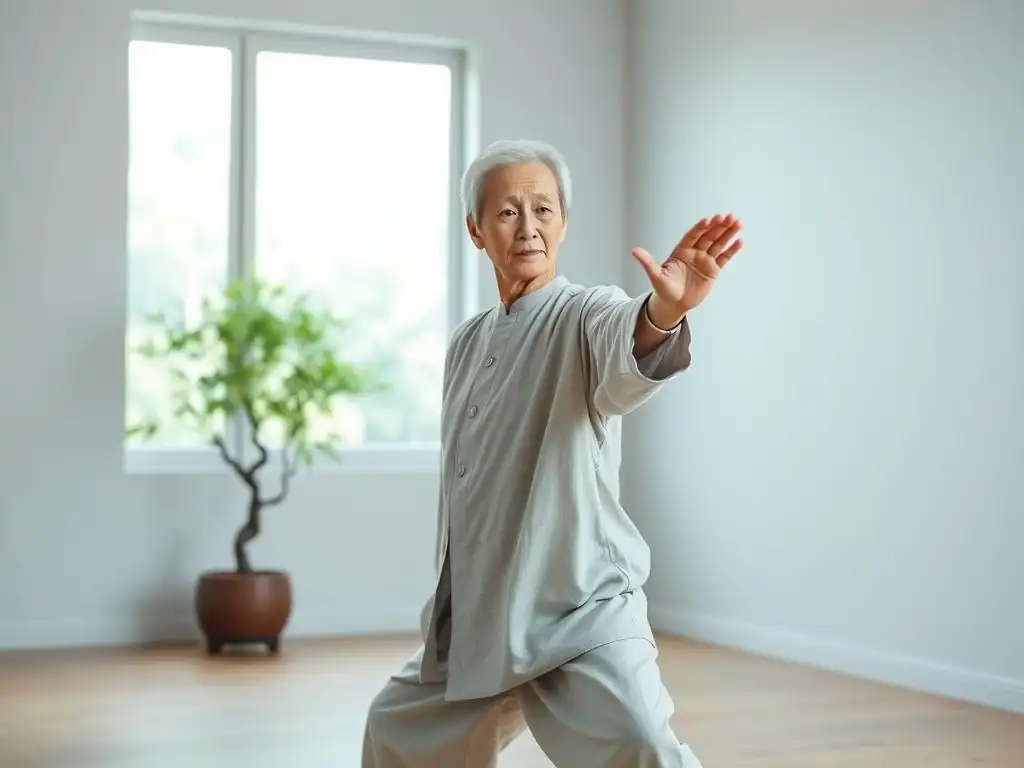
Beginning Tai Chi involves learning some foundational principles and simple movements that lay the groundwork for more complex forms. The emphasis is on relaxed posture, smooth transitions, and coordinating movement with breath. A common starting point is learning basic stances, such as the "horse stance," and fundamental movements like "Ward Off," "Roll Back," "Press," and "Push." These initial techniques focus on developing balance, stability, and a sense of groundedness, which are inherently calming.
Practitioners often begin with short, simplified sequences or individual movements to become comfortable with the principles of relaxation and flow. The goal is not speed or force, but rather grace and internal awareness. Learning these basic components provides a tangible way to engage with the practice and start experiencing the immediate benefits for Tai chi anxiety relief, such as reduced muscular tension and a calming effect on the mind.
Posture and Breathing: Cornerstones of Tai Chi Practice
Correct posture is fundamental to Tai Chi. It involves standing or sitting with a relaxed spine, shoulders dropped, and a slight bend in the knees, allowing energy to flow freely. Proper alignment helps release tension often held in the neck, shoulders, and lower back, areas frequently affected by anxiety. The posture promotes stability and rootedness, creating a sense of being firmly connected to the ground, which can be very grounding for an anxious mind.
Equally important is cultivating deep, abdominal breathing. Tai Chi emphasizes slow, deep breaths that originate from the diaphragm rather than shallow chest breathing, which is common during stress. Coordinating movements with these deep breaths enhances relaxation, increases oxygen intake, and promotes a state of calm. This conscious control over breath is a powerful tool for immediate Tai chi anxiety relief, helping to regulate the nervous system and quiet racing thoughts.
Basic Tai Chi Forms: Step-by-Step Instructions for Mental Clarity
Many beginners start with simplified forms, such as the Yang-style 24-form or even shorter sequences. Learning a basic form involves following a specific sequence of movements. For instance, the movement "Parting the Wild Horse's Mane" involves shifting weight, turning the waist, and extending an arm in a gentle, sweeping motion. Learning these steps requires focus and concentration, which naturally draws attention away from worries.
Practicing these forms step-by-step provides a structured meditation in motion. The repetition and flow create a rhythmic, calming experience. Initially, it might feel awkward, but with practice, the movements become smoother and more intuitive. The process of learning and performing the sequence itself becomes a mindful activity that fosters mental clarity and contributes significantly to Tai chi anxiety relief by providing a positive, engaging focus.
Integrating Tai Chi into Daily Life: A Sustainable Practice
Making Tai Chi a regular part of your routine is key to experiencing sustained Tai chi anxiety relief. Even short practice sessions of 10-15 minutes daily can be beneficial. The flexibility of Tai Chi means it can be practiced indoors or outdoors, alone or in a group, making it adaptable to various schedules and environments. Consistency is more important than duration or intensity when it comes to cultivating its calming effects.
Consider practicing first thing in the morning to start your day grounded, or in the evening to unwind before sleep. You can also use short Tai Chi breaks during the day to manage acute moments of anxiety. The goal is to weave the principles of relaxed posture, deep breathing, and mindful movement into your daily activities, extending the benefits of Tai Chi beyond formal practice sessions.
Creating a Consistent Tai Chi Routine
Establishing a consistent Tai Chi routine requires setting aside dedicated time, even if it's just a few minutes each day. Start small, perhaps committing to 10 minutes three times a week, and gradually increase the frequency and duration as you feel comfortable. Choosing a specific time each day can help make it a habit, like practicing before breakfast or after work. Finding a quiet, comfortable space where you won't be interrupted is also helpful.
Tracking your practice, perhaps with a simple journal or app, can help maintain motivation and highlight the positive impact on your anxiety levels over time. Remember that consistency is more valuable than perfection; some practice is always better than no practice. Building this routine reinforces the commitment to self-care and provides a reliable tool for ongoing Tai chi anxiety relief.
Finding a Qualified Instructor or Online Resources for Tai Chi
While it's possible to learn basic Tai Chi from books or videos, learning from a qualified instructor can greatly enhance your understanding and practice. An instructor can provide personalized feedback on posture and movement, ensuring you are practicing safely and effectively. They can also guide you through the principles and philosophy of Tai Chi, deepening your experience. Look for instructors certified by reputable Tai Chi organizations.
If attending in-person classes isn't feasible, numerous high-quality online resources are available, including video tutorials and live-streamed classes. When choosing online resources, look for instructors with clear lineage or certification, and ensure the instructions are easy to follow and emphasize the core principles of relaxation, posture, and breath. Exploring different styles or instructors can also help you find a approach that resonates most with you, supporting your journey towards Tai chi anxiety relief.
Holistic Benefits of Tai Chi Beyond Anxiety Relief
Tai Chi for Improved Sleep and Relaxation
Anxiety often goes hand-in-hand with sleep disturbances, making it difficult to fall asleep, stay asleep, or achieve restful sleep. Tai Chi's ability to calm the nervous system and reduce mental chatter directly contributes to improved sleep quality. The practice promotes a state of deep relaxation, both physically and mentally, which is conducive to falling asleep more easily.
Regular Tai Chi practice helps regulate the body's natural sleep-wake cycle by reducing stress and promoting overall balance. Many practitioners report feeling more relaxed and peaceful after practicing, which translates into less restlessness at night. A small study involving older adults found that consistent Tai Chi practice led to significant improvements in sleep efficiency and duration, highlighting its potential as a non-pharmacological aid for sleep problems often associated with anxiety.
Physical Health and Flexibility Enhanced by Tai Chi
While primarily known for its mental benefits, Tai Chi also offers substantial physical advantages. The slow, continuous movements gently work the muscles, improving strength, particularly in the legs and core, and enhancing balance and coordination. This is especially beneficial as poor balance can be a source of anxiety, particularly for older adults. Tai Chi's movements also promote flexibility and range of motion in the joints without putting undue stress on them.
The practice improves circulation and can help lower blood pressure, contributing to overall cardiovascular health. For individuals whose anxiety manifests physically, the release of muscular tension through gentle movement can provide significant relief. By improving physical well-being, Tai Chi creates a stronger foundation for mental health, offering holistic Tai chi anxiety relief that encompasses both mind and body.
Self-Awareness and Emotional Regulation Through Tai Chi
Tai Chi cultivates a heightened sense of self-awareness. By focusing inwardly on breath and body sensations, practitioners become more attuned to their physical and emotional states. This increased awareness makes it easier to recognize the early signs of anxiety or stress arising, allowing one to apply coping strategies before symptoms become overwhelming.
Through consistent practice, individuals develop a greater capacity for emotional regulation. The mindful aspect of Tai Chi teaches non-reactivity – observing emotions without immediately being consumed by them. This ability to create space between an emotion and one's reaction is powerful for managing anxiety. It empowers individuals to respond to challenging feelings with greater calm and clarity, enhancing their overall resilience and effectiveness in achieving Tai chi anxiety relief.
Addressing Common Questions and Concerns About Tai Chi
Tai Chi: Accessibility for All Ages and Physical Abilities
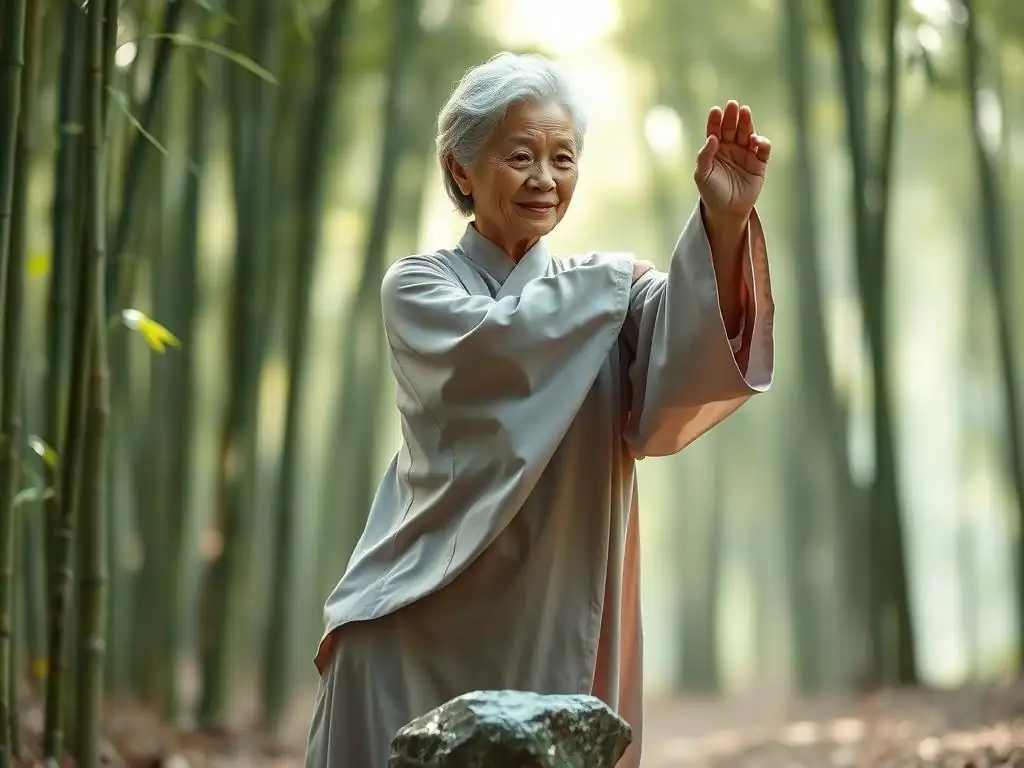
One of the most significant advantages of Tai Chi is its remarkable accessibility. Its gentle nature means it can be practiced by people of almost any age, from children to seniors, and by individuals with varying levels of physical fitness or mobility issues. Many forms can be adapted to be performed while seated, making it suitable for those with limited standing ability or chronic pain conditions.
Instructors are typically skilled at modifying movements to accommodate specific needs or limitations. There are also different styles of Tai Chi, some of which are specifically designed to be simpler and more accessible for health purposes rather than martial applications. This widespread adaptability ensures that nearly anyone seeking Tai chi anxiety relief through movement can find a way to participate, making it a truly inclusive practice.
Overcoming Challenges in Learning Tai Chi
Like learning any new skill, starting Tai Chi can present some challenges. Beginners might initially feel awkward or clumsy with the movements, or find it difficult to coordinate breath with motion. The focus required can also be challenging in a world of constant distractions. It's important to approach learning with patience and self-compassion, remembering that proficiency comes with consistent practice, not overnight.
Finding the right learning environment is also crucial. A supportive instructor and fellow students can make the process much more enjoyable and less intimidating. Breaking down complex forms into smaller, manageable steps and focusing on mastering the basic principles before attempting advanced movements can prevent frustration. Viewing challenges as part of the learning journey, rather than obstacles, helps maintain motivation and progress towards achieving Tai chi anxiety relief.
Dispelling Misconceptions About Tai Chi's Effectiveness
Some common misconceptions about Tai Chi include the idea that it's "too slow" to be effective or that it's merely a form of gentle exercise without significant therapeutic benefits. While the movements are slow, the practice involves deep internal work, focusing on balance, coordination, strength, and mindful awareness – all of which have profound physiological and psychological impacts. Its effectiveness for conditions like anxiety is supported by a growing body of scientific evidence, as discussed earlier.
Another misconception is that Tai Chi is purely mystical or requires belief in specific spiritual concepts. While it originates from Taoist philosophy, its health benefits are grounded in physiological and psychological principles that are universally applicable. The focus is on practical techniques for cultivating body-mind harmony, making it accessible and beneficial regardless of one's beliefs. Approaching Tai Chi with an open mind allows one to fully experience its potential for Tai chi anxiety relief.
Integrating Tai Chi with Complementary Mental Health Strategies
Combining Tai Chi with Therapy and Medication
Tai Chi can be a powerful complementary practice alongside traditional mental health treatments like therapy and medication. It is not intended to replace professional medical advice or treatment for anxiety disorders. Instead, it can enhance the effectiveness of these approaches by providing practical tools for managing symptoms, building resilience, and promoting overall well-being.
Therapy, such as Cognitive Behavioral Therapy (CBT), helps individuals identify and challenge anxious thought patterns. Tai Chi complements this by providing a physical and mindful practice that helps quiet the mind and reduce the physiological arousal associated with anxiety, making it easier to implement therapeutic strategies. For individuals taking medication, Tai Chi can help manage residual symptoms or improve overall quality of life. Discussing Tai Chi with your therapist or doctor can help integrate it safely and effectively into your overall treatment plan for Tai chi anxiety relief.
Lifestyle Adjustments to Support Tai Chi's Benefits
Maximizing the benefits of Tai Chi for anxiety relief involves integrating it within a broader healthy lifestyle. Making lifestyle adjustments can create a more supportive environment for managing anxiety and enhancing the positive effects of Tai Chi practice. This includes prioritizing sufficient sleep, maintaining a balanced diet, and incorporating other forms of gentle movement or exercise.
Reducing exposure to known stressors where possible and practicing stress-reducing techniques like journaling or spending time in nature can further complement the calming effects of Tai Chi. The principles learned in Tai Chi, such as mindfulness and gentle movement, can also be applied to other daily activities, extending the practice beyond formal sessions. These synergistic approaches work together to build resilience and promote long-term Tai chi anxiety relief.
The Importance of Nutrition and Sleep for Mental Well-being
Proper nutrition and adequate sleep are foundational pillars of mental health and significantly impact anxiety levels. A diet rich in whole foods, fruits, vegetables, lean proteins, and healthy fats provides the necessary nutrients for optimal brain function and mood regulation. Avoiding excessive caffeine, sugar, and processed foods can help stabilize energy levels and reduce anxiety triggers.
Similarly, consistent, quality sleep is crucial for emotional regulation and cognitive function. Chronic sleep deprivation can exacerbate anxiety symptoms. By supporting the body's ability to relax and regulate stress hormones, Tai Chi can indirectly improve sleep quality, which in turn positively impacts mental well-being. Prioritizing nutrition and sleep alongside Tai Chi practice creates a holistic approach that addresses multiple factors contributing to anxiety, enhancing overall Tai chi anxiety relief.
Conclusion: Embracing Tai Chi for Sustained Anxiety Management
Tai Chi's Transformative Impact on Mental Wellness
Tai Chi offers a gentle yet powerful path towards transforming an anxious mind. Its unique blend of mindful movement, deep breathing, and relaxation techniques addresses anxiety on multiple levels – physiological, psychological, and emotional. By calming the nervous system, fostering mindfulness, reducing rumination, and promoting overall physical health, Tai Chi provides a comprehensive approach to managing anxiety symptoms and improving mental wellness.
The practice cultivates resilience, self-awareness, and a sense of inner peace that extends beyond the time spent practicing forms. It empowers individuals with practical tools to navigate stress and anxious feelings in daily life. For those seeking a non-pharmacological, accessible, and holistic method for promoting calm and stability, the transformative impact of Tai chi anxiety relief is a journey well worth exploring.
Encouragement to Begin Your Tai Chi Journey
Starting Tai Chi is an invitation to embark on a journey of self-discovery and healing. Don't feel pressured to master complex forms immediately; simply begin with basic movements and focus on the principles of relaxation and mindful breathing. Even a few minutes of consistent practice each day can start to yield noticeable benefits in reducing stress and anxiety.
Find a beginner-friendly class, explore online resources, or simply start by practicing basic postures and breathing exercises. Be patient with yourself, celebrate small progress, and remember that the goal is not perfection, but consistency and cultivating a sense of ease in your body and mind. Taking this first step is a powerful act of self-care towards achieving greater Tai chi anxiety relief.
Resources for Continued Learning and Support
For those interested in continuing their Tai Chi journey for sustained anxiety management, numerous resources are available. Look for local Tai Chi schools or community centers offering classes, often structured for different levels. Many reputable online platforms and organizations provide high-quality video courses and instructional materials from experienced practitioners.
Connecting with a community of fellow practitioners, whether in person or online, can also provide valuable support and motivation. Remember to consult with your healthcare provider before starting any new exercise program, especially if you have underlying health conditions or are managing an anxiety disorder. Embracing Tai Chi as a regular practice can be a profound step towards finding lasting calm and well-being.
Frequently Asked Questions
What is Tai Chi and how can it help with anxiety?
Tai Chi is a gentle form of exercise that involves slow, flowing movements and focused breathing. It can help with anxiety by promoting relaxation, reducing stress hormones, and improving mind-body connection.
How often should I practice Tai Chi for anxiety relief to see results?
While individual results vary, most people experience benefits from practicing Tai Chi at least twice a week for 30-60 minutes each session. Consistency is key for sustained anxiety relief.
Can Tai Chi be practiced by anyone, regardless of age or physical condition?
Yes, Tai Chi is generally safe and adaptable for people of all ages and physical conditions. Modifications can be made to accommodate limitations, making it a low-impact and accessible practice.
Are there any potential risks or side effects associated with practicing Tai Chi?
Tai Chi is considered a very safe practice. However, individuals with pre-existing health conditions should consult their doctor before starting. The most common side effect is mild muscle soreness initially.
Besides anxiety, what other mental health benefits does Tai Chi offer?
Besides anxiety relief, Tai Chi can also improve mood, reduce symptoms of depression, enhance sleep quality, and increase overall well-being by promoting a sense of calm and control.
Final Reflection: Finding Stillness in a Restless World
The pervasive anxiety of modern life demands effective coping mechanisms, and Tai Chi offers a powerful, accessible antidote. Its gentle movements and mindful focus provide a tangible path towards inner peace, a stark contrast to the frenetic energy that often defines our daily experiences. This isn't just a fleeting trend; it's a timeless practice with profound implications for mental well-being in our increasingly stressful world.
The transformative power of Tai Chi extends far beyond mere physical exercise; it cultivates a deep sense of self-awareness and inner calm that ripples outwards, impacting our relationships, productivity, and overall quality of life. It's a practice that gently challenges the constant mental chatter, encouraging us to find stillness amidst the storm. As the ancient proverb states: The best fighter is never angry.
This principle, central to Tai Chi, highlights the power of inner peace in navigating life's challenges with grace and resilience.
You now hold the key to unlocking a calmer, more centered you. Consider incorporating even a few minutes of Tai Chi practice into your daily routine. Start small, focus on your breath, and allow the gentle movements to melt away tension and anxiety. Embrace the journey towards inner peace – it's a gift you owe yourself, and the rewards are immeasurable. Begin your practice today, and discover the transformative power of stillness within.
Unleash Your Inner Peace: Start Your Tai Chi Journey Today!
Thanks for taking the time to explore the calming power of Tai Chi with us! We hope you found valuable insights into how this ancient practice can transform your anxious mind. Ready to experience the benefits firsthand?
- Begin your Tai Chi practice: Even 10 minutes a day can make a difference. Find a quiet space, follow a beginner's video online, and feel the stress melt away. This is the key step to discovering inner peace.
- Share your experience: Tell us (or others!) about your first Tai Chi session. What did you notice? What surprised you? Sharing your journey can inspire others to find their own calm.
- Explore further: Dive deeper into Tai Chi by searching for local classes or exploring different styles online. This is a journey of self-discovery, and every step counts.
So, what small step will you take today to cultivate more inner peace in your life?