
The Profound Benefits of Daily Vipassana Practice


Welcome to Mind Care Guide, a safe space to nurture your inner peace. Feeling overwhelmed or simply seeking deeper clarity? You're not alone. Discover how the ancient practice of Vipassana meditation benefits mental health in our comprehensive guide. Prepare to unlock a powerful path towards well-being and explore the transformative potential of mindful awareness. Ready to begin your journey?
- Vipassana Meditation: Benefits for Mental and Physical Well-being
- Mental Health Benefits of Regular Vipassana Practice
- Physical Health Benefits Linked to Vipassana
- Practical Tips for Starting and Maintaining a Vipassana Practice
- Common Challenges and Solutions in Vipassana Practice
- Scientific Research Supporting Vipassana's Benefits
- Integrating Vipassana into Daily Life
- Long-Term Benefits of Sustained Vipassana Practice
-
Frequently Asked Questions
- What is Vipassana meditation, and how does it differ from other forms of meditation?
- How can Vipassana meditation benefit my mental health, specifically addressing anxiety and stress?
- How long should I practice Vipassana meditation daily to experience noticeable benefits for my mental well-being?
- Are there any potential challenges or difficulties someone might face when starting Vipassana meditation, and how can they be overcome?
- Where can I find resources or guidance to learn Vipassana meditation properly and ensure I'm practicing it effectively for mental health benefits?
- Final Reflection: Cultivating Inner Peace in a Turbulent World
- Unlock Your Inner Peace: Start Your Vipassana Journey Today!
Vipassana Meditation: Benefits for Mental and Physical Well-being
What is Vipassana Meditation? A Beginner's Guide
Vipassana, meaning "to see things as they really are," is one of India's most ancient techniques of meditation. It was rediscovered by Gotama Buddha more than 2500 years ago and was taught by him as a universal remedy for universal ills—an Art of Living. This non-sectarian technique aims at the total eradication of mental impurities, leading to the highest happiness of full liberation. The practice involves observing the physical sensations arising in the body, which are understood as manifestations of the mind, and using this observation to develop insight into the nature of reality, particularly the principle of impermanence.
The technique is typically introduced in ten-day residential courses, where participants learn the fundamentals under strict discipline. These courses are offered worldwide, often free of charge, supported by donations from past students. Participants are guided through a systematic process, starting with cultivating concentration (Anapana) by observing the breath, before moving on to Vipassana proper—observing bodily sensations systematically. This structured approach, emphasizing observation without reaction, is crucial for experiencing the profound Vipassana meditation benefits mental health and physical well-being.
The Core Principles: Mindfulness, Observation, and Impermanence
At the heart of Vipassana meditation lie three interconnected principles: mindfulness, observation, and impermanence. Mindfulness in Vipassana is a specific kind of attention – non-judgmental awareness of present-moment reality as experienced through the body and mind. Practitioners train themselves to simply notice what arises within their physical and mental landscape without wishing for it to be different. This keen, objective observation is applied to sensations, thoughts, and emotions, recognizing them merely as transient phenomena rather than solid, permanent entities.
The principle of impermanence (anicca) is the fundamental insight cultivated through this observation. By observing the continuous arising and passing away of sensations within the body, practitioners directly experience the truth that everything is constantly changing. A pleasant sensation arises and disappears; an unpleasant one does the same.
This direct understanding, not just intellectual acceptance, helps to weaken the habitual patterns of craving for pleasant experiences and aversion to unpleasant ones, which are seen as the root cause of suffering according to Vipassana teachings. Realizing the impermanence of all phenomena, including mental states, is key to unlocking the deep Vipassana meditation benefits mental health by reducing reactivity.
Vipassana vs. Other Meditation Styles: A Comparative Overview
While many meditation styles aim to calm the mind or cultivate specific positive states, Vipassana has a distinct focus on developing insight into the nature of reality. Unlike concentration (Samatha) meditation, which typically focuses on fixing the mind on a single object (like the breath or a mantra) to achieve stillness, Vipassana uses the breath initially to sharpen the mind but then expands the field of awareness to the entire body and mind, observing the constant flow of sensations. The goal is not just tranquility, but wisdom gained through direct experience of impermanence, suffering, and egolessness.
Compared to broader "mindfulness" practices that might focus on present moment awareness in daily activities, Vipassana is a more rigorous and systematic technique for training the mind through bodily sensations. While both emphasize non-judgmental observation, Vipassana specifically uses the body as a lens to understand deeper truths about existence. This specific methodology, emphasizing the observation of sensations and their impermanent nature, is what distinguishes it and contributes uniquely to the comprehensive Vipassana meditation benefits mental health, moving beyond simple relaxation to transformative insight.
Mental Health Benefits of Regular Vipassana Practice
Reducing Stress and Anxiety Through Vipassana
Regular Vipassana practice offers a powerful pathway to reducing stress and anxiety by fundamentally changing our relationship with difficult experiences. Instead of being overwhelmed by stressful thoughts or anxious feelings, practitioners learn to observe them with a degree of detachment, recognizing them as temporary mental formations accompanied by specific bodily sensations. This observational skill helps to interrupt the automatic chain reaction of worry and fear, allowing the nervous system to settle. Studies have shown that consistent meditation practice can lead to physiological changes associated with reduced stress, such as lower levels of the stress hormone cortisol.
Through the practice of observing sensations without judgment, individuals develop a greater capacity to tolerate discomfort, whether physical or emotional. Anxious feelings, often manifesting as tightness in the chest or a churning in the stomach, are met with calm observation rather than reactive struggle. This non-reactivity gradually weakens the power that anxiety holds over the mind. For example, research involving participants in Vipassana retreats has indicated significant decreases in self-reported stress levels and improvements in emotional well-being, highlighting the tangible Vipassana meditation benefits mental health in managing daily stressors and chronic anxiety.
The Relaxation Response: How Vipassana Calms the Nervous System
The practice of Vipassana meditation actively engages the body's relaxation response, counteracting the "fight or flight" stress response. By sitting quietly and focusing attention inward, particularly on the breath and bodily sensations, practitioners signal to the nervous system that there is no immediate threat.
This leads to a decrease in heart rate, blood pressure, and respiration rate, all physiological markers of a calmer state. The systematic scanning of the body for sensations, a core Vipassana technique, further anchors attention in the present moment, reducing the mind's tendency to ruminate on past worries or future fears, which are common triggers for the stress response.
Over time, regular engagement with this practice helps to reset the baseline activity of the nervous system, making individuals less susceptible to becoming easily overwhelmed by stressful situations. The ability to observe physical sensations associated with stress – such as a clenched jaw or tense shoulders – without immediately reacting allows the body to process and release tension more effectively. This consistent engagement with the present moment through sensory awareness is a key mechanism by which Vipassana cultivates a state of physiological calm, contributing significantly to the Vipassana meditation benefits mental health by building resilience against daily pressures.
Practical Applications: Vipassana for Daily Anxiety Management
Integrating Vipassana principles into daily life provides practical tools for managing anxiety as it arises. Beyond the formal sitting practice, the skill of observing sensations can be applied throughout the day. When faced with a stressful situation, such as a difficult conversation or a tight deadline, one can pause and simply notice the physical sensations present – perhaps a knot in the stomach or tension in the neck. This simple act of observation creates a space between the stimulus (the stressful event) and the reaction (panic or overwhelm).
Furthermore, understanding the impermanent nature of these sensations, cultivated during formal meditation, helps to reassure the anxious mind that the discomfort is temporary. Instead of identifying with the anxiety ("I am anxious"), the practitioner learns to see it as a passing phenomenon ("There is a sensation of anxiety arising").
This shift in perspective, grounded in direct experience of impermanence, significantly reduces the grip of anxiety. Applying the principle of equanimity – observing sensations without craving or aversion – allows individuals to navigate challenging moments with greater ease and less suffering, demonstrating the profound Vipassana meditation benefits mental health in real-time situations.
Enhancing Emotional Regulation with Vipassana
Vipassana meditation is highly effective in enhancing emotional regulation by fostering a deeper understanding of how emotions manifest within the body and mind. Emotions are not abstract concepts; they are experienced viscerally, accompanied by specific physical sensations. Through systematic observation of these sensations, practitioners learn to recognize the early warning signs of emotional shifts and understand the connection between thoughts, sensations, and feelings. This heightened awareness provides the opportunity to respond to emotions consciously rather than reacting habitually.
The practice teaches that emotions, like all phenomena, are impermanent. By observing anger, sadness, or fear arise, intensify, and eventually pass away, one directly experiences their transient nature. This experiential understanding helps to de-escalate intense emotional states. Instead of being swept away by a wave of emotion, the practitioner learns to ride the wave, observing its rise and fall without getting lost in its content or narrative. This capacity to witness emotions with equanimity is a fundamental aspect of the Vipassana meditation benefits mental health, enabling individuals to navigate their internal landscape with greater skill and less suffering.
Developing Emotional Awareness and Acceptance
A core outcome of consistent Vipassana practice is the development of profound emotional awareness. By training the mind to pay close attention to the subtle interplay of thoughts, feelings, and bodily sensations, individuals become much more attuned to their internal states. They learn to recognize emotions not just intellectually, but experientially, feeling them in the body. This includes acknowledging and identifying difficult or uncomfortable emotions that might have previously been suppressed or avoided.
Crucially, Vipassana emphasizes acceptance – observing whatever arises without judgment or resistance. This non-judgmental stance extends to emotional experiences. Instead of labeling emotions as "good" or "bad," practitioners learn to see them simply as mental and physical phenomena. This radical acceptance of one's emotional reality, cultivated through the practice of equanimity towards sensations, is a powerful antidote to the suffering often caused by resisting or fighting against unwanted feelings. This process of awareness and acceptance is foundational to unlocking the deep Vipassana meditation benefits mental health, allowing for healthier processing of complex emotions.
Transforming Negative Emotions Through Observation and Insight
Vipassana provides a method for transforming negative emotions not by suppressing them, but by understanding them at their root. The technique teaches that negative emotions are always accompanied by unpleasant sensations in the body. Our suffering arises not from the emotion itself, but from our reaction of aversion or resistance to these unpleasant sensations. By observing the sensations associated with anger, for instance, without reacting with further anger or judgment, the practitioner begins to dissolve the habitual link between the emotion and the reactive suffering.
Insight into impermanence plays a crucial role here. By observing that even the most intense unpleasant sensations are constantly changing and eventually pass, the practitioner gains confidence in their ability to endure and move through difficult emotional states. This direct experience undermines the fear associated with negative emotions.
Instead of being controlled by anger or fear, one learns to witness them rise and fall, weakening their power. This process of observing sensations with equanimity and gaining insight into their impermanent nature is a transformative pathway to reducing the impact of negative emotions, showcasing a significant aspect of the Vipassana meditation benefits mental health.
Improving Focus and Concentration Through Vipassana Practice
While the ultimate goal of Vipassana is insight, the practice inherently cultivates strong focus and concentration. The initial stage of Anapana meditation, focusing on the breath at the nostrils, is specifically designed to sharpen the mind and build concentration power (Samadhi). By repeatedly bringing attention back to the breath whenever the mind wanders, practitioners train their ability to sustain focus on a chosen object. This foundational training is essential before moving on to the more subtle observations of Vipassana proper, which requires a focused yet expansive awareness.
As the practice progresses to observing sensations throughout the body, the mind continues to be trained in maintaining a steady, non-distracted attention. The systematic scanning requires focused awareness to detect subtle sensations in different areas. When the mind inevitably wanders into thoughts, memories, or fantasies, the practitioner learns to recognize the distraction without judgment and gently bring their attention back to the physical sensations. This constant process of noting distraction and returning to the object of meditation significantly strengthens the muscles of attention and concentration, contributing to the cognitive Vipassana meditation benefits mental health.
Vipassana and Attention Training: Cultivating Present Moment Awareness
Vipassana is essentially a rigorous form of attention training, specifically aimed at cultivating present moment awareness. The entire practice revolves around paying close, non-judgmental attention to what is happening right now, whether it's the breath, a bodily sensation, a thought, or an emotion. The constant instruction is to observe the reality of the present moment as it is, without adding or subtracting from it. This continuous effort to anchor attention in the present, releasing identification with past regrets or future anxieties, is a fundamental skill developed through the practice.
The systematic observation of the body, moving from head to toe and back again, trains the mind to remain focused on the physical reality of the moment. Each sensation that arises becomes an opportunity to practice being present. When the mind drifts, the practitioner simply notes the distraction (e.g., "thinking") and returns attention to the sensation in the body. This repetitive process strengthens the prefrontal cortex's ability to manage attention and resist distractions. This enhanced capacity for sustained, present-moment focus is a significant cognitive Vipassana meditation benefits mental health, improving clarity and reducing mind-wandering.
Cognitive Benefits: Improved Memory and Mental Clarity
Beyond attention and focus, consistent Vipassana practice has been linked to broader cognitive benefits, including improved memory and mental clarity. By reducing mental clutter caused by excessive worry, rumination, and distraction, Vipassana helps to quiet the "noise" in the mind, allowing for clearer thinking. The practice of observing thoughts without getting entangled in them weakens the power of intrusive or distracting thought patterns, freeing up cognitive resources.
Furthermore, the training in present moment awareness enhances the ability to absorb and process information more effectively. When the mind is less scattered and more focused on the task at hand, learning and memory consolidation can improve. Research on long-term meditators has suggested structural changes in brain regions associated with attention, memory, and learning. While not exclusive to Vipassana, these cognitive enhancements are consistent with the outcomes of a practice that systematically trains focus, attention, and non-reactivity to mental phenomena, contributing positively to the range of Vipassana meditation benefits mental health.
Vipassana's Impact on Depression: Cultivating Inner Peace and Joy
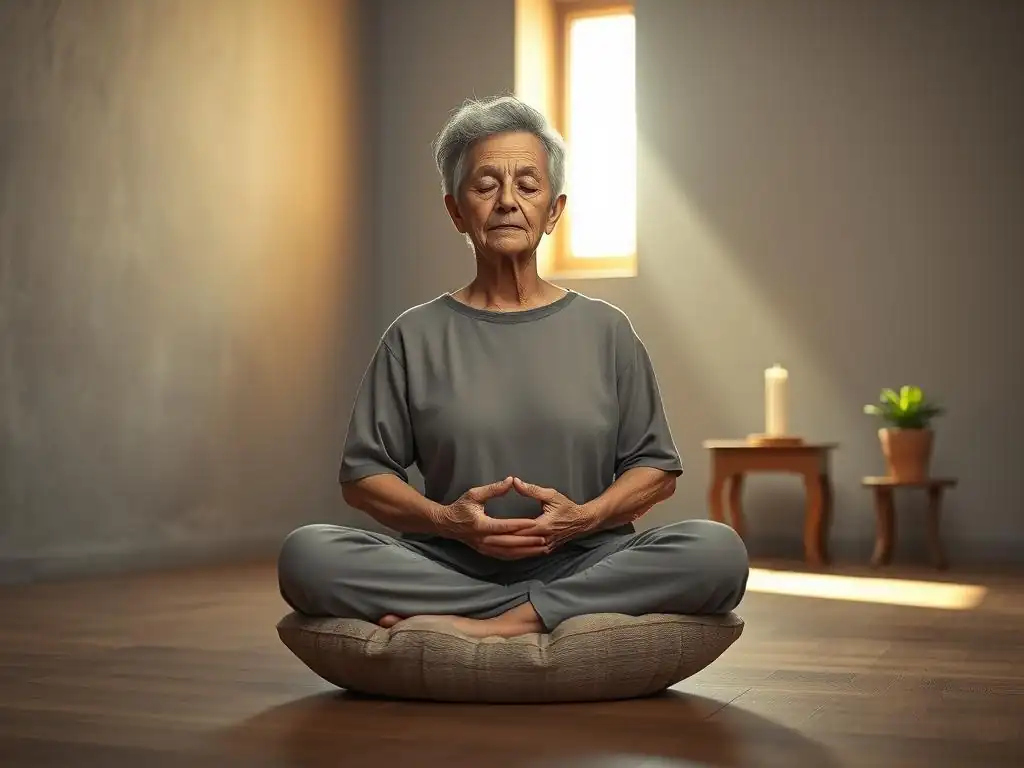
Vipassana meditation can be a valuable tool in managing depressive symptoms by addressing some of their underlying mechanisms, such as rumination, negative self-talk, and a sense of hopelessness. The practice teaches individuals to observe their thoughts and feelings without identifying with them, thereby creating distance from the negative mental narratives that often fuel depression. By recognizing thoughts as transient phenomena rather than absolute truths, the power of self-critical or despairing thinking begins to diminish.
Moreover, Vipassana cultivates a sense of acceptance towards present moment reality, including difficult emotional states. Instead of fighting against feelings of sadness or lethargy, practitioners learn to observe them with equanimity. This acceptance reduces the secondary suffering that often arises from resisting or judging one's own feelings. As the grip of negative thought patterns and resistance weakens, a natural sense of inner peace and even glimpses of joy can begin to surface, demonstrating a significant aspect of the Vipassana meditation benefits mental health for those experiencing depression.
Vipassana as an Adjunct Therapy for Managing Depressive Symptoms
Used alongside conventional medical and therapeutic approaches, Vipassana can serve as a powerful adjunct therapy for individuals managing depressive symptoms. Its emphasis on observing thoughts and sensations without judgment aligns well with cognitive behavioral techniques, helping individuals to identify and modify unhelpful thinking patterns. The practice provides a direct, experiential method for understanding the impermanent nature of moods, offering hope during periods of low affect.
Numerous studies have explored the impact of mindfulness-based interventions, including those incorporating Vipassana principles, on depression. Findings often indicate reductions in symptom severity and lower rates of relapse for individuals with recurrent depression. For instance, some research suggests that regular meditation practice can help individuals become more aware of the early signs of a depressive episode, allowing them to implement coping strategies sooner. This proactive approach, combined with the cultivation of equanimity towards challenging internal states, underscores the practical Vipassana meditation benefits mental health when integrated into a broader treatment plan.
Self-Compassion and Acceptance: A Path to Depression Relief
A key element cultivated through Vipassana that is particularly relevant for depression is self-compassion and acceptance. The practice encourages a gentle, non-judgmental attitude towards oneself and one's experiences, including difficult emotions and perceived failures. By observing the constant flow of sensations and mental phenomena with equanimity, practitioners learn to extend this same non-reactive acceptance towards their own internal states, moving away from self-criticism and shame that often accompany depression.
The understanding of impermanence also fosters self-compassion. Recognizing that difficult feelings and negative thoughts are temporary phenomena makes them less overwhelming and personal. Instead of feeling permanently flawed or broken, one sees these states as passing clouds. This shift in perspective, combined with the practice of observing sensations without aversion, helps to soften the internal struggle and cultivate a more compassionate relationship with oneself. This foundational self-acceptance is a vital component of the Vipassana meditation benefits mental health, providing a gentle pathway towards healing and relief from the heavy burden of depression.
Promoting Self-Awareness and Insight Through Consistent Practice
Consistent Vipassana practice is fundamentally a journey of self-discovery, leading to profound levels of self-awareness and insight. By systematically observing the physical sensations in the body and the stream of thoughts and emotions in the mind, practitioners gain direct, experiential knowledge of their own internal landscape. They begin to see the habitual patterns of craving and aversion that drive their reactions and behaviors, often unconsciously. This heightened awareness is not merely intellectual; it is a felt understanding of how one's own mind operates.
The insight cultivated in Vipassana goes beyond simple self-awareness; it is an understanding of the universal truths of impermanence, suffering, and egolessness as they manifest within one's own experience. Observing the constant change of sensations reveals the reality of impermanence. Observing the suffering caused by reacting with craving or aversion reveals the truth of suffering.
Observing the impersonal nature of phenomena (sensations, thoughts arising and passing) weakens the sense of a fixed, solid "self." This deep insight into one's own nature and the nature of reality is the ultimate goal of the practice and forms the basis for the transformative Vipassana meditation benefits mental health, leading to lasting change.
Understanding Your Thoughts, Feelings, and Sensations
Through the systematic training of attention in Vipassana, individuals develop a granular understanding of their internal experience. They learn to distinguish between a thought about anger and the actual sensation of heat or tension associated with that anger in the body. They observe how a particular thought might trigger a cascade of feelings and sensations. This detailed observation provides clarity about the interconnectedness of mind and body and how mental states are embodied experiences.
This process demystifies one's inner workings. Instead of feeling controlled by unpredictable moods or impulses, the practitioner begins to see the underlying mechanisms at play. For example, noticing that boredom (a feeling/sensation) often leads to a craving for distraction (a thought/impulse) allows for conscious intervention. This level of detailed self-understanding is a direct result of the practice's emphasis on observing the reality of the present moment as experienced through sensations, providing foundational self-awareness that supports many of the Vipassana meditation benefits mental health.
Breaking Free from Limiting Beliefs and Patterns
One of the most liberating aspects of Vipassana is its ability to help individuals break free from limiting beliefs and ingrained behavioral patterns. Many of our unhelpful patterns – procrastination, reactivity, perfectionism, etc. – are driven by unconscious cravings (for comfort, approval, control) and aversions (to discomfort, criticism, failure). These are rooted in deeply held beliefs about ourselves and the world. Vipassana helps to expose these underlying drivers by bringing awareness to the sensations and mental states associated with them.
By observing the sensations that arise when a limiting belief is triggered (e.g., tightness when thinking "I'm not good enough") and recognizing their impermanent nature, the practitioner weakens the automatic link between the belief and the reactive behavior. Insight into the impersonal nature of these mental formations further undermines their power; they are seen as mere patterns, not inherent truths about oneself. This process of observing, understanding, and dissolving reactive patterns through insight is a profound aspect of the Vipassana meditation benefits mental health, paving the way for genuine personal growth and freedom.
Physical Health Benefits Linked to Vipassana
Cardiovascular Health: Lowering Blood Pressure and Heart Rate
The calming effects of Vipassana meditation extend beyond the mind, positively impacting physical health, particularly the cardiovascular system. By activating the body's relaxation response, regular practice helps to mitigate the physiological stress that contributes to heart disease. Studies have indicated that consistent meditation can lead to reductions in resting heart rate and blood pressure, key indicators of cardiovascular health. For instance, research suggests that individuals who practice meditation regularly may experience a decrease in systolic blood pressure by several points.
This reduction is attributed to the practice's ability to lower overall stress levels and reduce the frequency and intensity of the body's stress response. Chronic stress is a known risk factor for hypertension and other heart-related issues.
By teaching the mind to remain calm and non-reactive in the face of internal and external stimuli, Vipassana helps to prevent the surges in adrenaline and cortisol that constrict blood vessels and elevate heart rate. While not a replacement for medical treatment, the inclusion of Vipassana practice can be a valuable complementary approach for supporting cardiovascular well-being, adding a physical dimension to the widespread Vipassana meditation benefits mental health.
Pain Management: Reducing Chronic Pain and Inflammation
Vipassana meditation can significantly influence the perception and management of chronic pain. The practice teaches individuals to observe physical sensations, including pain, with equanimity, breaking the habitual link between sensation and suffering. Pain is a sensation, but the suffering from pain often comes from our mental reaction – fear, aversion, frustration, and the narrative we build around it ("This pain is unbearable," "It will never go away"). By observing the pain sensation as just that – a sensation, composed of changing vibrations, pressure, or heat – the practitioner learns not to amplify it with mental resistance.
This observational approach helps to reduce the emotional component of pain, which is a major contributor to its perceived intensity. Furthermore, the stress-reducing effects of Vipassana can indirectly help manage chronic pain, as stress often exacerbates painful conditions and inflammation. While the pain sensation itself may still be present, the ability to observe it with equanimity, recognizing its impermanent nature, makes it much more manageable and reduces the overall suffering experienced. This transformative approach to physical discomfort adds a crucial physical benefit to the array of Vipassana meditation benefits mental health.
Improving Sleep Quality: Promoting Restful Sleep Through Vipassana
Sleep disturbances are often closely linked to stress, anxiety, and a racing mind – issues that Vipassana meditation directly addresses. By cultivating a calmer mind and reducing the tendency towards worry and rumination, Vipassana can significantly improve sleep quality. The practice of focusing on the breath and bodily sensations before sleep can help quiet the mental chatter that often prevents falling asleep or leads to restless nights.
Regular meditation throughout the day reduces overall stress levels, making it easier for the body and mind to relax when it's time for rest. The ability to observe thoughts and emotions without getting entangled in them means that late-night worries are less likely to spiral out of control.
Furthermore, the physical relaxation cultivated during meditation can help release tension that might interfere with comfortable sleep. Many practitioners report falling asleep more easily, experiencing deeper sleep, and waking up feeling more rested as a direct result of incorporating Vipassana into their routine, demonstrating a clear link between the practice and improved sleep, complementing the well-documented Vipassana meditation benefits mental health.
Practical Tips for Starting and Maintaining a Vipassana Practice
Creating a Conducive Meditation Environment
Establishing a dedicated space for your Vipassana practice can significantly support consistency and focus. While not strictly necessary (the practice can be done anywhere), having a quiet, clean, and comfortable area free from distractions signals to your mind that it's time to meditate. Choose a place where you are unlikely to be interrupted by people, phones, or other noises. This doesn't need to be elaborate; a quiet corner in a room is sufficient.
Ensure your seating arrangement supports sitting comfortably and alertly for your chosen duration. This might involve using a meditation cushion, a bench, or a straight-backed chair. The key is to maintain a posture that allows for wakefulness without strain, enabling you to focus on observing sensations without excessive physical discomfort becoming a major distraction. Creating this physical container for your practice reinforces your intention and makes it easier to settle into the meditative state, setting the stage to experience the many Vipassana meditation benefits mental health and physical well-being.
Establishing a Consistent Daily Meditation Schedule
Consistency is arguably the most critical factor in experiencing the benefits of Vipassana. It is far more effective to meditate for shorter periods daily than for long periods sporadically. Aim to establish a regular time each day for your practice, whether it's first thing in the morning, during a lunch break, or in the evening. Starting with a manageable duration, such as 15 or 20 minutes, is often advisable, gradually increasing the time as you become more comfortable.
Treat your meditation time as a non-negotiable appointment. Placing it on your calendar can help solidify its importance. Finding an accountability partner or joining a local meditation group can also provide support and motivation. The cumulative effect of daily practice, even for short periods, is powerful in gradually retraining the mind and observing the subtle shifts in your internal landscape, leading to the incremental realization of the profound Vipassana meditation benefits mental health over time.
Resources: Guided Meditations and Online Courses
While Vipassana as taught in the tradition of S.N. Goenka emphasizes learning through residential courses and self-practice, various resources can support your journey, especially in the beginning. Guided meditations, available through numerous apps and websites, can be helpful for beginners to understand the instructions and stay on track. Many centers also offer introductory talks and shorter courses or online sessions.
However, it's important to understand that these resources are typically supplementary to the core learning experience provided in a structured retreat setting. The full technique, particularly the systematic body scan and the development of equanimity towards sensations, is best absorbed under the guidance of a qualified teacher in a dedicated environment. Nonetheless, supplementary resources can help maintain momentum and deepen understanding between retreats, supporting your path towards realizing the full spectrum of Vipassana meditation benefits mental health.
Finding a Qualified Teacher or Retreat Center
Learning Vipassana meditation correctly, especially the specific technique focusing on bodily sensations and equanimity, is highly recommended under the guidance of a qualified teacher. The tradition emphasizes the purity and integrity of the teaching, passed down through a lineage. Attending a residential retreat, particularly a ten-day course as taught in the tradition of S.N. Goenka, is considered the foundational way to learn the technique. These courses provide a structured environment free from distractions, allowing for deep immersion.
Searching for Vipassana centers associated with reputable traditions or teachers ensures you are learning the technique authentically. These centers offer courses globally, often on a donation basis, making them accessible. A qualified teacher provides essential guidance, clarifies doubts, and helps navigate challenges that arise during practice. While self-help resources exist, the depth and clarity gained from learning directly in a retreat setting with experienced guidance are invaluable for establishing a strong foundation and unlocking the transformative Vipassana meditation benefits mental health.
Common Challenges and Solutions in Vipassana Practice
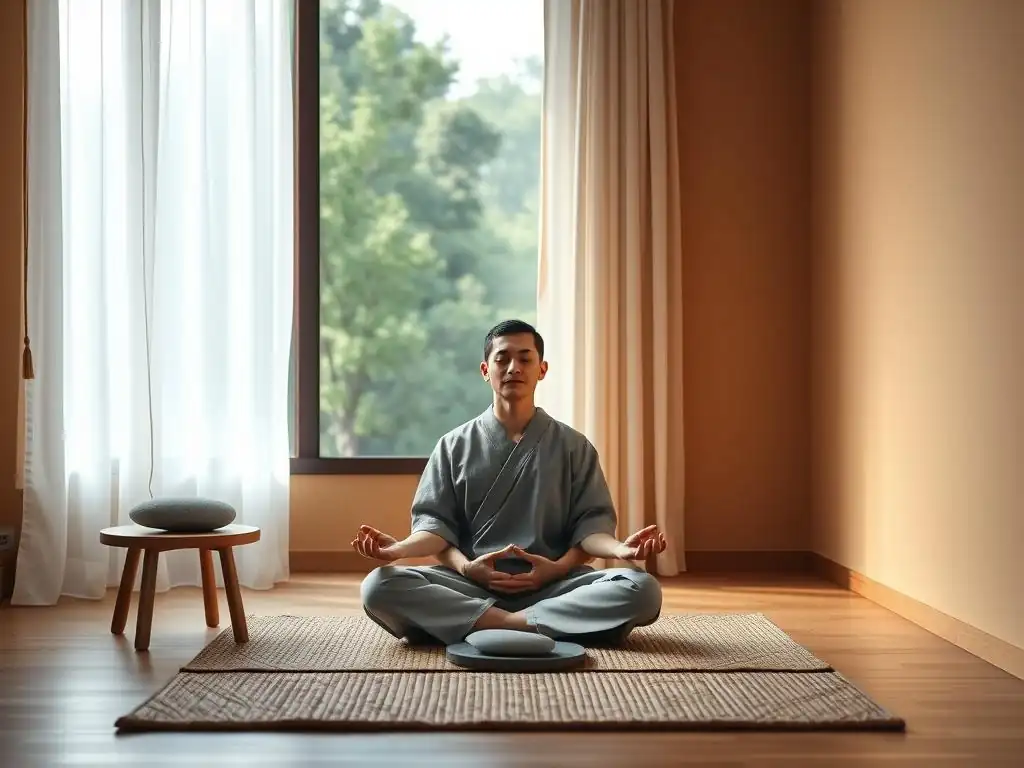
Managing Distractions and Racing Thoughts
One of the most common challenges faced by meditators, particularly beginners, is managing distractions and racing thoughts. The mind is naturally active, jumping from one thought to another. During meditation, this mental activity can seem even more pronounced. The key Vipassana technique for handling this is not to fight or suppress thoughts, but to observe them without judgment and gently return attention to the primary object of meditation – the breath or the bodily sensations.
When you notice your mind has wandered, simply acknowledge the thought (you can even mentally label it "thinking") without engaging with its content. Then, gently but firmly bring your awareness back to the sensation you were observing or the breath. This process of noting and returning is the core practice of developing concentration and present-moment awareness. It's not about having a completely empty mind, but about developing the skill to recognize when the mind has strayed and guide it back, a crucial step in realizing the Vipassana meditation benefits mental health by reducing mental clutter.
Addressing Physical Discomfort During Extended Sittings
Sitting still for extended periods in meditation can often lead to physical discomfort, such as pain, stiffness, or itching. This is another common challenge. In Vipassana, physical discomfort is not seen as an obstacle to be avoided, but as another object of observation. The instruction is to observe the sensation of discomfort itself with the same equanimity applied to any other sensation – noticing its quality (e.g., pressure, throbbing, heat), its intensity, and its location, without reacting with aversion or wishing it would go away.
By observing pain in this way, you gain insight into its impermanent nature; sensations are constantly changing, even intense ones. This practice helps to de-link the sensation of pain from the mental suffering caused by resisting it. While maintaining stillness is encouraged to cultivate equanimity, it's also important to listen to your body.
If the pain is genuinely unbearable or risks injury, adjust your posture gently and mindfully, observing the sensations of movement and the new sensations that arise. Learning to navigate physical discomfort with awareness is a powerful part of the Vipassana meditation benefits mental health, as it builds resilience and changes your relationship with pain.
Maintaining Motivation and Commitment to Your Practice
Maintaining consistent motivation and commitment to a daily meditation practice can be challenging amidst the demands of modern life. Initial enthusiasm might wane, or perceived lack of progress can be discouraging. It's helpful to remember that progress in Vipassana is not linear and is often subtle. The goal isn't necessarily dramatic experiences during meditation, but the gradual transformation of the mind and a change in how you relate to life's challenges.
Reconnecting with the reasons you started practicing – perhaps seeking greater peace, clarity, or reduced stress – can help rekindle motivation. Reflecting on the moments outside of meditation where you notice positive changes in your reactions or perspective reinforces the value of the practice. Joining a local group for group sittings or attending shorter courses or day-long events can provide support and a sense of community. Viewing the practice as a lifelong journey of self-discovery, rather than a quick fix, fosters patience and commitment, enabling you to continue experiencing the deep and lasting Vipassana meditation benefits mental health.
Scientific Research Supporting Vipassana's Benefits
Research Studies on Vipassana and Stress Reduction
A substantial body of scientific research has investigated the impact of meditation, including Vipassana, on stress reduction. Studies often utilize physiological markers, such as cortisol levels or heart rate variability, as well as psychological measures like self-reported stress questionnaires. For example, research involving participants before and after Vipassana retreats frequently shows significant decreases in perceived stress and negative affect.
Neuroimaging studies have also provided insights into how meditation affects brain regions associated with stress. Findings suggest that regular practice can lead to changes in the amygdala, the brain's fear center, potentially reducing its reactivity to stressors. Furthermore, studies indicate increased connectivity between the amygdala and the prefrontal cortex, the area responsible for executive functions and emotional regulation, suggesting improved ability to manage stress responses. This growing evidence base provides scientific backing for the well-documented Vipassana meditation benefits mental health in alleviating stress.
Scientific Evidence on Vipassana and Emotional Regulation
Research into meditation's effects on emotional regulation often examines how practitioners respond to emotional stimuli and their ability to recover from negative emotional states. Studies using fMRI scans have observed that experienced meditators show reduced activation in brain areas associated with processing negative emotions when presented with emotionally challenging images or situations, compared to non-meditators.
Vipassana's specific emphasis on observing the impermanent nature of emotions and sensations aligns with findings that meditation enhances the ability to detach from emotional content and view feelings as transient. Research suggests that this observational skill, cultivated through Vipassana, strengthens the capacity for non-reactivity and promotes a more balanced emotional state. This empirical evidence underscores the power of Vipassana in improving emotional regulation, a key aspect of the Vipassana meditation benefits mental health.
Cognitive Function: Evidence-Based Research on Vipassana's Impact
Scientific investigations into the cognitive effects of Vipassana and similar mindfulness practices have explored areas such as attention, working memory, and cognitive flexibility. Studies often use standardized cognitive tests and neuroimaging techniques to measure changes. Findings consistently show that regular meditation practice is associated with improvements in sustained attention and the ability to disengage from distractions.
Research has also indicated that meditation can lead to structural changes in the brain, such as increased gray matter density in areas related to attention, introspection, and emotional regulation. While specific studies focusing solely on Vipassana may be less numerous than those on broader mindfulness, the core practices of focused attention and open monitoring inherent in Vipassana align with the mechanisms studied in mindfulness research. This body of evidence supports the notion that Vipassana practice yields tangible cognitive benefits, adding another layer to the comprehensive Vipassana meditation benefits mental health.
Integrating Vipassana into Daily Life
Mindful Eating: Cultivating Awareness During Meals
Integrating Vipassana principles into daily life extends the benefits beyond the formal sitting practice. Mindful eating is an excellent example. Instead of rushing through meals or eating while distracted, mindful eating involves paying full attention to the experience of eating. This means noticing the colors, textures, and smells of the food, the sensations of chewing and swallowing, and the physical cues of hunger and fullness.
Applying the Vipassana principle of observation without judgment means simply noticing preferences or aversions to certain foods without getting carried away by craving or dislike. Observing the changing sensations of taste and texture reinforces the understanding of impermanence. This practice not only enhances the enjoyment of food but also fosters a healthier relationship with eating, potentially aiding in digestion and preventing overconsumption. Bringing this level of awareness to a simple daily activity demonstrates how the Vipassana meditation benefits mental health can permeate everyday experiences.
Mindful Movement: Bringing Awareness to Physical Activities
Mindful movement involves bringing conscious awareness to physical activities, whether it's walking, exercising, or performing household chores. Instead of letting the mind wander while the body is on autopilot, mindful movement focuses attention on the physical sensations of the body in motion – the feeling of feet on the ground while walking, the stretch of muscles during exercise, or the sensation of hands performing a task.
This practice can transform mundane activities into opportunities for meditation. It helps to cultivate a deeper connection with the body and can make physical activity more enjoyable. Observing physical sensations during movement, including any discomfort or fatigue, with equanimity, helps to build resilience and patience. Incorporating mindfulness into movement is a practical way to extend the principles learned in sitting meditation into active periods of the day, reinforcing the continuous nature of the Vipassana meditation benefits mental health and well-being.
Applying Vipassana Principles in Interpersonal Relationships
The insights gained through Vipassana practice, particularly the understanding of impermanence and non-reactivity, can profoundly impact interpersonal relationships. By observing the constant flux of thoughts, feelings, and sensations within oneself, one gains a deeper understanding that others are also experiencing this same impermanent reality. This recognition can foster greater empathy and patience.
When faced with challenging interactions or conflicts, the ability to observe one's own reactive sensations (anger, frustration, fear) without immediately acting on them provides a crucial pause. Instead of automatically reacting with harsh words or withdrawal, the practitioner can choose a more skillful response. Understanding that others' words and actions also arise from their own conditioned patterns, which are ultimately impermanent, can reduce taking things personally. This application of observational skills and equanimity to dynamic interactions showcases how the Vipassana meditation benefits mental health extend outwards, improving connection and reducing interpersonal suffering.
Long-Term Benefits of Sustained Vipassana Practice
Cultivating Inner Peace, Resilience, and Equanimity
Sustained Vipassana practice over months and years leads to profound, lasting changes in one's internal state, characterized by increased inner peace, resilience, and equanimity. As the habitual patterns of craving and aversion weaken through repeated observation of impermanence, the mind naturally becomes calmer and more settled. The constant internal struggle against reality diminishes.
Resilience is built through the repeated experience of observing difficult sensations, thoughts, or emotions arise and pass away. This teaches the practitioner that they can navigate discomfort without being overwhelmed. Equanimity, the ability to observe all phenomena with a balanced mind, neither clinging to pleasant experiences nor resisting unpleasant ones, becomes a natural state. This deep-seated peace and stability are among the most significant long-term Vipassana meditation benefits mental health, providing a solid foundation for navigating life's inevitable ups and downs with grace.
Developing Wisdom, Compassion, and Loving-Kindness
While Vipassana primarily focuses on developing insight into reality through observing sensations, sustained practice naturally fosters the growth of wisdom, compassion, and loving-kindness. Wisdom arises from the direct experience of impermanence, suffering, and egolessness; seeing things as they are reduces delusion and leads to more skillful action. Understanding that all beings share the same fundamental experience of suffering caused by craving and aversion naturally cultivates compassion for oneself and others.
As self-centeredness (the illusion of a fixed, separate self) weakens through insight, the heart opens more readily to others. The suffering observed within oneself is recognized as universal, fostering a deep sense of connection and empathy. While Vipassana isn't explicitly a loving-kindness (Metta) practice, the purification of the mind through insight creates fertile ground for Metta to flourish. This development of wisdom and compassion represents a profound transformation of the individual, highlighting the ultimate ethical and relational Vipassana meditation benefits mental health.
Transforming Your Life Through Insight and Self-Discovery
Ultimately, sustained Vipassana practice offers the potential for a fundamental transformation of one's life. It is a journey of profound self-discovery, peeling back layers of conditioning, illusion, and suffering. By seeing reality as it is, moment by moment, practitioners gain the wisdom and clarity to make conscious choices aligned with their deeper well-being, rather than being driven by blind reactions.
This transformation is not about becoming a different person, but about uncovering the peace and happiness that are already inherent within, obscured by mental impurities. The ability to observe thoughts, feelings, and sensations without being controlled by them provides genuine freedom. Breaking free from limiting patterns and beliefs, cultivating equanimity in the face of life's challenges, and developing genuine compassion lead to a life lived with greater awareness, peace, and purpose. This deep and lasting transformation is the culmination of the extensive Vipassana meditation benefits mental health and physical well-being.
Frequently Asked Questions
What is Vipassana meditation, and how does it differ from other forms of meditation?
Vipassana is an ancient Indian meditation technique focused on observing the breath and bodily sensations to cultivate self-awareness. Unlike some meditations that focus on concentration or visualization, Vipassana emphasizes mindfulness of the present moment.
How can Vipassana meditation benefit my mental health, specifically addressing anxiety and stress?
Vipassana can reduce anxiety and stress by fostering non-judgmental awareness of thoughts and feelings. This allows you to observe them without getting carried away, leading to increased emotional regulation and a sense of calm.
How long should I practice Vipassana meditation daily to experience noticeable benefits for my mental well-being?
While individual experiences vary, consistently practicing Vipassana for at least 20-30 minutes daily is often recommended to start noticing positive changes in mental well-being. Longer sessions may offer even greater benefits.
Are there any potential challenges or difficulties someone might face when starting Vipassana meditation, and how can they be overcome?
Common challenges include mind-wandering and discomfort. These can be overcome through patience, self-compassion, and consistent practice, gradually training the mind to stay present.
Where can I find resources or guidance to learn Vipassana meditation properly and ensure I'm practicing it effectively for mental health benefits?
Mind Care Guide offers information and resources. Look for qualified Vipassana teachers or guided meditation apps to learn the proper technique and deepen your practice.
Final Reflection: Cultivating Inner Peace in a Turbulent World
The profound benefits of daily Vipassana practice extend far beyond mere stress reduction; they offer a pathway to genuine mental well-being in our increasingly chaotic world. In a society constantly bombarded by information and demands, the ability to cultivate inner peace and clarity is not a luxury, but a necessity for navigating the complexities of modern life and fostering resilience. This practice, once considered esoteric, is now gaining widespread recognition for its transformative power.
The impact of Vipassana on the cultural landscape is undeniable. More and more people are seeking solace and stability in mindfulness practices, recognizing the limitations of solely relying on external solutions for inner peace. The mind is everything. What you think you become.
– Buddha. This ancient wisdom resonates deeply today, as we grapple with mental health challenges on a global scale. The growing acceptance of Vipassana reflects a societal shift towards prioritizing inner work and recognizing the interconnectedness of mental, emotional, and physical well-being.
Now, consider your own life. What areas feel strained, overwhelmed, or lacking in clarity? I invite you to explore the potential of daily Vipassana practice as a tool for self-discovery and transformation. Even a few minutes of dedicated practice can yield profound results, fostering self-awareness, compassion, and a deeper understanding of your own inner landscape. Begin with small steps, be patient with yourself, and allow the transformative power of Vipassana to gently guide you towards a more peaceful, fulfilling, and meaningful life.
Unlock Your Inner Peace: Start Your Vipassana Journey Today!
Thank you for taking the time to explore the profound benefits of daily Vipassana practice. We hope this article has illuminated the transformative power of this ancient technique. Ready to cultivate inner peace and enhance your well-being?
- Begin your Vipassana practice: Even 10 minutes a day can make a significant difference. Start with a guided meditation if needed, and gradually increase your practice time as you feel comfortable.
- Share your experience: Connect with others on their Vipassana journey. Discuss your progress, challenges, and insights on our Mind Care Guide community forums (Not a real link, for illustrative purposes).
- Explore different Vipassana techniques: Experiment with various approaches to find what resonates most with you – from body scans to breath awareness.
What unique insight from your Vipassana practice are you most excited to explore further?