
Tai Chi: Your Gentle SelfCare Ritual for a Balanced Mind

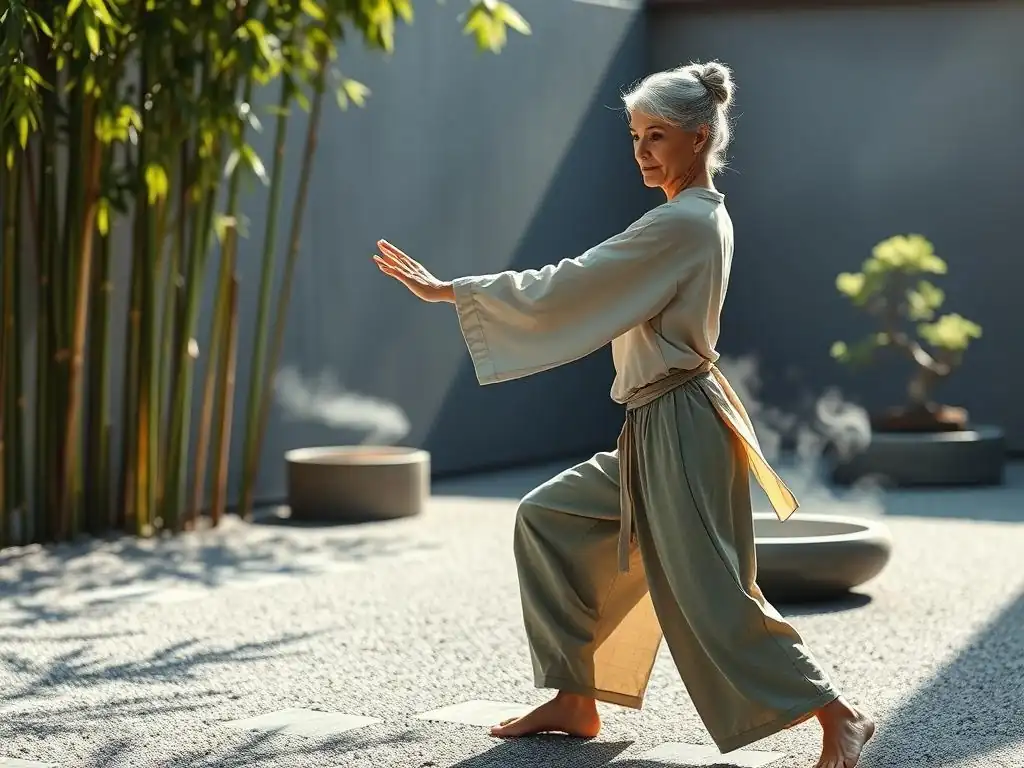
Welcome to Mind Care Guide.
Feeling overwhelmed? You're not alone. Discover how the ancient practice of Tai Chi can be your gentle path to reclaiming inner peace and finding lasting Tai Chi stress relief. Curious to learn how this mindful movement can unlock a more balanced and resilient you? Let's explore together...
- Tai Chi: Your Gentle Self-Care Ritual for a Balanced Mind - Mind Care Guide
- Benefits of Tai Chi for Mental Health: Beyond Stress Reduction
- Getting Started with Tai Chi for Stress Relief: A Beginner's Guide
- Integrating Tai Chi into Your Self-Care Routine: Practical Tips
- Deepening Your Tai Chi Practice: Advanced Techniques and Resources
- Tai Chi as a Long-Term Investment in Your Mental Health and Well-being
-
Frequently Asked Questions
- What exactly is Tai Chi, and how does it relate to stress relief?
- How often should I practice Tai Chi for noticeable stress reduction?
- What are some of the specific mental health benefits of practicing Tai Chi besides stress relief?
- Can I practice Tai Chi if I have physical limitations or injuries?
- Where can I find resources or classes to learn Tai Chi for stress relief?
- Final Reflection: Cultivating Inner Peace Through Tai Chi
- Unleash Your Inner Calm: Start Your Tai Chi Journey Today!
Tai Chi: Your Gentle Self-Care Ritual for a Balanced Mind - Mind Care Guide
What is Tai Chi and How Does it Promote Relaxation?
Tai Chi Chuan, often simply called Tai Chi, is an ancient Chinese martial art that has evolved into a graceful form of exercise used for stress reduction and a variety of other health conditions. It involves a series of slow, flowing movements, often described as a "moving meditation," performed with deep, mindful breathing. Unlike high-impact exercises, Tai Chi is gentle on the joints and accessible to people of almost any age and fitness level.
The focus is on smooth transitions between postures, coordinating movement with breath, and maintaining a state of relaxed awareness. This deliberate pace and focus on internal sensation help to calm the nervous system, reducing the physiological responses associated with stress.
The promotion of relaxation through Tai Chi is rooted in its emphasis on the parasympathetic nervous system. By encouraging slow, deep diaphragmatic breathing and fluid, unhurried movements, Tai Chi counteracts the "fight or flight" response triggered by chronic stress. Studies, such as those published in the Journal of Alternative and Complementary Medicine, have indicated that regular Tai Chi practice can lead to decreased levels of stress hormones like cortisol.
Participants often report feeling more centered and peaceful after a session, attributing it to the practice's ability to quiet the mental chatter and bring attention to the present moment through the physical form. This combination of gentle physical activity, focused breathing, and mindful presence makes Tai Chi a powerful tool for cultivating inner calm and achieving Tai Chi stress relief.
Tai Chi's Roots: A Brief History and Philosophy
Tai Chi originated in ancient China, with its precise origins debated among various legends and historical accounts, often traced back several centuries, perhaps even to the 12th or 13th century, though its more structured forms developed later. Initially conceived as a martial art incorporating principles of yielding, softness, and internal energy (Qi), it emphasized using an opponent's force against them rather than meeting force with force. This martial aspect is still present in many styles, but over time, its health benefits became increasingly recognized, leading to its widespread adoption as a practice primarily for wellness, longevity, and mental tranquility.
The philosophy underpinning Tai Chi is deeply rooted in Taoism and traditional Chinese medicine, particularly the concepts of Yin and Yang – the complementary forces that represent duality and balance in the universe. Tai Chi movements embody this principle, flowing between expansion and contraction, rootedness and movement, softness and underlying strength.
The practice seeks to harmonize the body's vital energy (Qi) and blood flow, believing that blockages or imbalances in Qi contribute to illness, including mental distress. By cultivating smooth, continuous movement and relaxed awareness, Tai Chi aims to remove these blockages, promoting overall balance and vitality, which directly contributes to its effectiveness for Tai Chi stress relief and mental well-being.
The Mind-Body Connection: Tai Chi's Impact on Mental Health
The concept of the mind-body connection is central to Tai Chi. The practice views the physical body and the mental state as inseparable and mutually influential. By engaging in the physical movements of Tai Chi, individuals are encouraged to cultivate a state of focused, relaxed awareness, which has profound effects on mental health. The slow, deliberate pace allows practitioners to become more attuned to their physical sensations and emotional states without judgment, fostering a greater sense of self-awareness and presence. This mindful engagement interrupts the cycle of negative rumination often associated with stress and anxiety.
Research consistently highlights Tai Chi's positive impact on various aspects of mental health. For instance, studies published in journals like Psychosomatic Medicine have shown that regular Tai Chi practice can lead to improvements in mood, reduced symptoms of anxiety and depression, and enhanced psychological well-being. The gentle, rhythmic movements, coupled with deep breathing, help regulate the autonomic nervous system, shifting it towards a more relaxed state. This physiological shift directly impacts emotional regulation and cognitive function, making Tai Chi a valuable component of a holistic approach to managing mental health challenges and providing effective Tai Chi stress relief.
Benefits of Tai Chi for Mental Health: Beyond Stress Reduction
Tai Chi for Anxiety: Calming the Nervous System
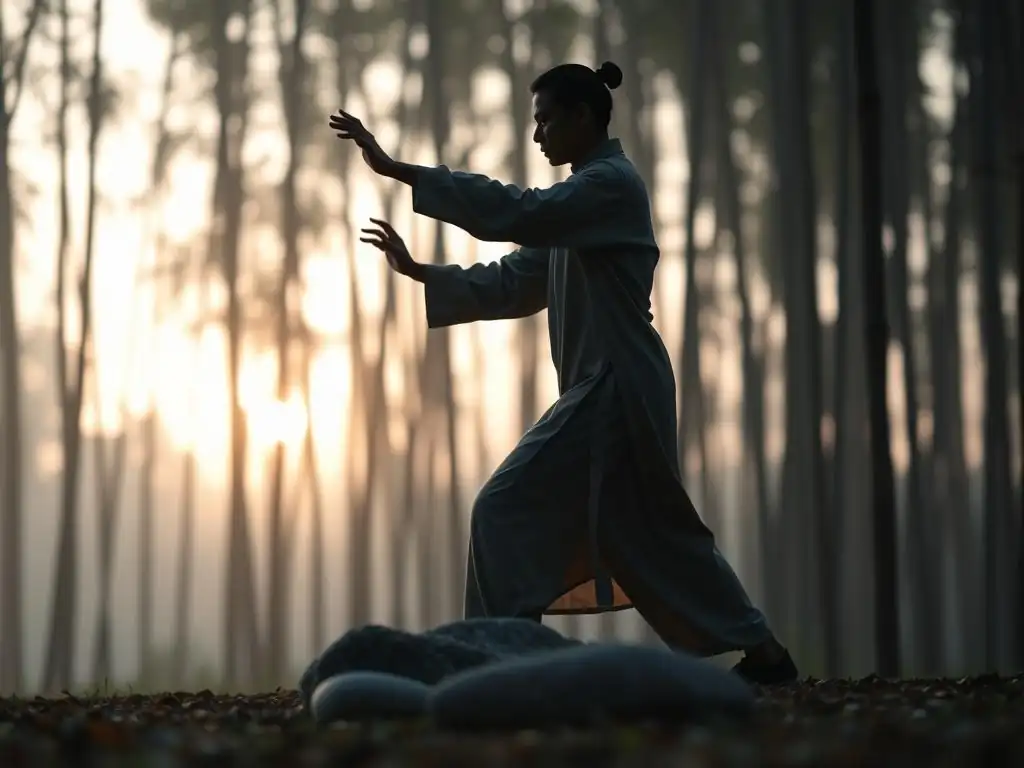
Tai Chi offers a powerful approach to managing anxiety by directly addressing the physiological and psychological components of the condition. The slow, deliberate movements and emphasis on deep, abdominal breathing help to activate the body's relaxation response. This counteracts the hyper-arousal state characteristic of anxiety, which is often marked by shallow breathing, muscle tension, and a rapid heart rate. By consciously slowing down the breath and movements, practitioners signal to their nervous system that they are safe and not in immediate danger, thus reducing the intensity of anxious feelings and promoting Tai Chi stress relief.
Numerous studies support Tai Chi's efficacy in reducing anxiety symptoms. For example, a meta-analysis of studies published in the Journal of Anxiety Disorders found that Tai Chi interventions were associated with significant reductions in anxiety levels across various populations. The practice teaches individuals how to stay present and grounded, skills that are crucial for interrupting anxious thought patterns. By focusing on the physical sensations and the flow of movement, the mind has less opportunity to dwell on worries about the future, fostering a sense of calm and control that can be particularly beneficial for those struggling with chronic anxiety.
Tai Chi and Depression: Lifting the Mood Through Gentle Movement
Engaging in physical activity is a well-established strategy for managing depression, and Tai Chi provides a gentle, accessible option that combines movement with mindfulness. The rhythmic, flowing nature of the practice can have a mood-lifting effect, similar to other forms of exercise, by releasing endorphins and reducing inflammatory markers linked to depression. Furthermore, the social aspect of practicing Tai Chi in a group setting can help combat feelings of isolation and withdrawal, which are common symptoms of depression, providing social support alongside physical activity.
Research, including studies published in the American Journal of Geriatric Psychiatry, has demonstrated that Tai Chi can be an effective complementary therapy for depression, particularly in older adults. Participants often report improved mood, increased energy levels, and a greater sense of well-being after incorporating Tai Chi into their routine. The practice encourages self-compassion and patience, as mastering the movements takes time and consistent effort. This process can help individuals build resilience and a sense of accomplishment, counteracting the feelings of hopelessness that can accompany depression and contributing to overall Tai Chi stress relief and improved mental outlook.
Improving Focus and Concentration with Tai Chi Practice
Tai Chi is often referred to as "moving meditation" because it requires a high degree of mental focus and concentration. As practitioners move through the forms, they must pay attention to their posture, balance, weight distribution, and the coordination of their breath with their movements. This intense, yet relaxed, focus trains the mind to stay present and engaged, reducing susceptibility to distractions and mind-wandering.
Regular Tai Chi practice can lead to significant improvements in cognitive function, including enhanced attention span and concentration. Studies utilizing neuroimaging techniques have suggested that Tai Chi may increase connectivity in brain regions associated with attention and executive function. The discipline required to learn and perform the complex sequences of movements builds mental stamina and improves the ability to sustain focus over time. This enhanced cognitive control is not only beneficial for managing daily tasks but also plays a role in effective Tai Chi stress relief by helping individuals stay grounded and less overwhelmed by external stimuli.
Tai Chi for Emotional Regulation: Finding Inner Peace
Emotional regulation is the ability to understand and manage one's emotions effectively. Tai Chi provides a safe and supportive environment for individuals to connect with their emotional landscape. As practitioners become more attuned to their internal state through mindful movement, they can begin to recognize and process emotions without being overwhelmed by them. The emphasis on gentle flow and acceptance within the practice encourages a non-judgmental attitude towards one's feelings.
Through consistent practice, Tai Chi helps individuals develop greater resilience and the capacity to navigate emotional challenges with more ease. The calming effect of the movements and breathing techniques can diffuse intense emotional responses, creating space for more thoughtful reactions rather than impulsive ones. This improved ability to regulate emotions contributes significantly to overall mental well-being and the experience of inner peace, reinforcing the value of Tai Chi for stress relief and emotional balance.
Getting Started with Tai Chi for Stress Relief: A Beginner's Guide
Finding a Qualified Tai Chi Instructor
Embarking on your Tai Chi journey for stress relief is best done under the guidance of a qualified instructor. While there are many online resources available, learning the subtle nuances of posture, alignment, and energy flow is greatly facilitated by in-person instruction and feedback. A good instructor can correct your form, explain the principles behind the movements, and help you understand how to tailor the practice to your specific needs and physical condition. Look for instructors certified by reputable Tai Chi organizations or those with extensive experience and a deep understanding of the health benefits of the practice.
When seeking an instructor, consider their teaching style and whether it resonates with you. Some instructors focus more on the martial aspects, while others emphasize the health and meditative benefits. For Tai Chi stress relief, you'll likely want someone who highlights the gentle, flowing nature of the practice and its connection to mindfulness and relaxation. Don't hesitate to observe a class or speak to current students to get a feel for the instructor's approach. Most communities offer Tai Chi classes through community centers, gyms, or specialized martial arts studios.
Essential Tai Chi Movements for Beginners: A Step-by-Step Introduction
Beginner Tai Chi forms often introduce fundamental movements that build the foundation for more complex sequences. While learning from an instructor is ideal, understanding some basic movements can help you appreciate the practice.
Here are a few foundational concepts and movements often taught to beginners:
- The Basic Stance: Legs shoulder-width apart, knees slightly bent, spine erect but relaxed, weight centered. This stance emphasizes rootedness and stability.
- Opening Form: Often a simple sequence of movements to begin the practice, perhaps involving lifting and lowering the hands slowly while breathing.
- Ward Off (Peng): A foundational movement involving gently pushing forward with the arms, embodying the principle of expanding energy outward while maintaining internal structure.
- Roll Back (Lu): A movement where you yield to an imagined force, drawing it in and redirecting it, embodying the principle of yielding and softness.
- Press (Ji): Bringing the hands together and pressing forward, combining the energies of both hands.
- Push (An): Pushing forward with the palms, extending energy outward.
These movements are typically performed slowly and continuously, focusing on smooth transitions and coordinated breathing. The goal is not speed or force, but rather fluidity, balance, and mindful awareness. Practicing these foundational elements helps build the physical coordination and mental focus necessary for deeper Tai Chi stress relief.
Creating a Tai Chi Practice Routine for Daily Stress Management
Consistency is key to reaping the full benefits of Tai Chi for stress relief. Aim to incorporate practice into your daily routine, even if it's just for 15-20 minutes. Mornings can be an excellent time to start the day with calm energy, while evenings can help unwind and release accumulated tension. Find a quiet space where you won't be interrupted, whether indoors or outdoors.
Consider integrating Tai Chi into your existing self-care practices. Perhaps you can do a short form after waking up, during a lunch break, or before going to bed. Even a few minutes of focused Tai Chi can help shift your state from stressed to centered. Use a task list to track your progress and motivate yourself:
- [ ] Practice 15 minutes of Tai Chi daily.
- [ ] Focus on coordinating breath with movement.
- [ ] Notice physical sensations and emotional state during practice.
- [ ] Reflect on how Tai Chi impacts daily stress levels.
Creating a dedicated time and space makes it easier to stick to your routine. Remember that Tai Chi is a gentle practice, so listen to your body and avoid pushing through pain. The goal is relaxation and flow, not exertion. Regular practice strengthens the mind-body connection, making Tai Chi stress relief a natural response.
Tai Chi Postures and Their Mental Health Benefits: [Cloud Hands, Single Whip, Wave Hands Like Clouds]
Specific Tai Chi postures and sequences are not just physical movements; they embody principles and cultivate specific internal states that contribute to mental well-being and Tai Chi stress relief.
- Cloud Hands (Yun Shou): This fundamental movement involves slow, circular arm movements, often performed while shifting weight from side to side. It promotes fluidity, coordination, and a sense of continuous flow. Mentally, Cloud Hands encourages letting go of rigidity and embracing change, like clouds drifting in the sky. This helps reduce mental fixation and promotes adaptability, essential for navigating stressful situations. The gentle, repetitive motion is deeply calming and centering.
- Single Whip (Dan Bian): This posture is characterized by one arm extending like a whip while the other hand forms a hook shape. It requires balance, focus, and coordinated energy release. Practicing Single Whip helps cultivate rootedness and internal power while maintaining relaxation. Mentally, it can foster a sense of grounded strength and directed intention. Mastering the coordination required for Single Whip enhances concentration and body awareness, contributing to a focused state of mind conducive to stress relief.
- Wave Hands Like Clouds (Yun Shou, also a broader category): While often synonymous with Cloud Hands, this can also refer to the overall feeling of light, flowing, and continuous movement throughout a form. The essence is the smooth, effortless transition between postures, like waves flowing or clouds drifting. Cultivating this feeling in practice fosters a sense of ease and grace. This mental state of flow and non-resistance is directly opposite to the tension and rigidity associated with stress, making "Waving Hands Like Clouds" a core principle for achieving profound Tai Chi stress relief.
Integrating Tai Chi into Your Self-Care Routine: Practical Tips
Combining Tai Chi with Mindfulness Meditation for Enhanced Results
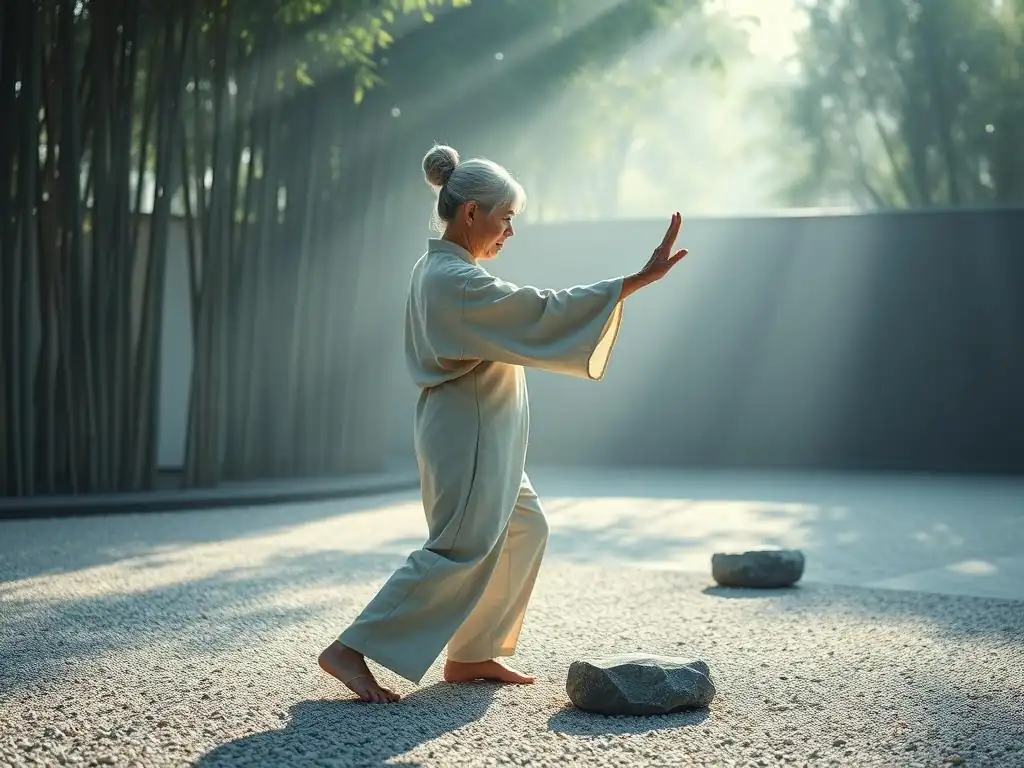
Tai Chi and mindfulness meditation are complementary practices that significantly enhance each other's benefits for mental well-being and Tai Chi stress relief. While Tai Chi is often described as "moving meditation," traditional seated mindfulness meditation focuses on cultivating present moment awareness through focused attention, typically on the breath. Combining these practices allows you to explore mindfulness in both stillness and movement.
You might begin your self-care session with 10-15 minutes of seated meditation to calm the mind and body, then transition into 20-30 minutes of Tai Chi practice. Alternatively, you can bring the principles of mindfulness – non-judgmental awareness, focus on the present, acceptance – into your Tai Chi movements.
Pay attention to the sensations in your body, the flow of your breath, and the subtle shifts in weight and balance without labeling them as good or bad. This integrated approach deepens the meditative aspect of Tai Chi, leading to more profound relaxation and emotional regulation, amplifying the effects of Tai Chi stress relief.
Using Tai Chi to Manage Stress in Daily Life
The skills developed through regular Tai Chi practice can be applied throughout your day to manage stress in real-time. The ability to stay present, breathe deeply, and maintain a sense of calm can be invaluable during challenging moments. For example, if you feel tension rising during a difficult conversation or while facing a tight deadline, you can consciously shift your awareness to your breath, ground your feet, and recall the feeling of fluidity from your Tai Chi practice.
Simple Tai Chi principles, like rooting yourself or maintaining a relaxed posture, can be used subtly in everyday situations. A brief pause to take a few deep, abdominal breaths, inspired by Tai Chi breathing techniques, can quickly lower your heart rate and calm your nervous system. Remembering the principle of "yielding" from Tai Chi can help you approach conflicts with less resistance and more adaptability. By consciously integrating these micro-practices, you turn Tai Chi from a scheduled activity into a continuous tool for managing stress throughout your day, making Tai Chi stress relief a constant companion.
Tai Chi for Specific Age Groups: Adapting the Practice
One of the remarkable aspects of Tai Chi is its adaptability, making it suitable for almost any age group, from children to seniors. For younger individuals, Tai Chi can help improve focus, coordination, and emotional regulation, providing a healthy outlet for energy and a foundation for mindful movement. Classes for children often incorporate playful elements while teaching basic postures and principles.
For older adults, Tai Chi is particularly beneficial for improving balance, flexibility, and strength, significantly reducing the risk of falls. Many studies, such as those conducted by the National Institute on Aging, highlight Tai Chi's positive impact on mobility and functional capacity in seniors. Modified or seated Tai Chi forms are available for those with limited mobility. The gentle nature of the practice means it can be safely performed even by individuals with chronic health conditions. This universal accessibility underscores Tai Chi's value as a lifelong practice for well-being and Tai Chi stress relief across the lifespan.
Tai Chi and Sleep: Improving Sleep Quality Through Gentle Exercise
Stress and anxiety are major contributors to sleep disturbances, including difficulty falling asleep and staying asleep. Tai Chi's ability to reduce stress and promote relaxation has a direct positive impact on sleep quality. The practice helps calm the nervous system, quiet the overactive mind, and release physical tension that can interfere with restful sleep.
Regular evening Tai Chi practice, performed in a relaxed manner, can act as a gentle wind-down routine before bed. Studies have shown that individuals who practice Tai Chi report improvements in sleep duration and quality, as well as reduced symptoms of insomnia. For instance, research published in Sleep journal found that Tai Chi improved sleep quality in older adults with moderate sleep disturbances. The combination of gentle movement, deep breathing, and mindfulness helps prepare the body and mind for sleep, making Tai Chi stress relief a pathway to a more restorative night's rest.
Deepening Your Tai Chi Practice: Advanced Techniques and Resources
Exploring Different Tai Chi Styles for Stress Reduction: [Yang Style, Chen Style, Sun Style]
As you become more comfortable with the basics, you might explore different styles of Tai Chi, each with its unique characteristics and emphasis. While all styles share common principles rooted in Yin and Yang and Qi cultivation, their forms, postures, and pace can vary.
- Yang Style: This is the most widely practiced style globally, known for its large, expansive, slow, and evenly paced movements. It is often recommended for beginners due to its accessible nature and emphasis on health benefits. Its gentle flow is highly effective for promoting relaxation and Tai Chi stress relief.
- Chen Style: Considered the oldest style, Chen is characterized by alternating slow, soft movements with bursts of power (fa jin). It includes more complex footwork and spiraling movements. While more physically demanding, the dynamic changes can also be a powerful way to release tension and cultivate internal energy, contributing to stress reduction through vigorous yet controlled movement.
- Sun Style: Developed later, Sun style features agile footwork, relatively higher stances, and smooth, flowing movements with a unique "opening and closing" hand technique. It is known for its emphasis on health and healing, making it particularly suitable for individuals seeking therapeutic benefits and gentle Tai Chi stress relief.
Exploring different styles can deepen your understanding of Tai Chi principles and allow you to find a practice that best suits your physical condition and personal preferences for achieving Tai Chi stress relief.
The Role of Breathing in Tai Chi for Mental Wellness
Breathing is a cornerstone of Tai Chi practice and is intrinsically linked to its effectiveness for mental wellness and Tai Chi stress relief. Tai Chi emphasizes deep, natural, abdominal (diaphragmatic) breathing, coordinated with the movements. Inhale as you expand or open, exhale as you contract or close. This deep breathing activates the parasympathetic nervous system, counteracting the shallow, rapid breathing often associated with stress and anxiety.
Conscious, relaxed breathing calms the mind, lowers heart rate, and increases oxygen flow throughout the body. By focusing on the breath, practitioners anchor themselves in the present moment, reducing mental clutter and worry. The smooth, continuous flow of breath mirrors the desired fluidity of movement and energy (Qi) within the body. Cultivating mindful breathing in Tai Chi trains the ability to regulate one's physiological response to stress, making breath a powerful tool for achieving immediate Tai Chi stress relief and long-term resilience.
Resources for Further Learning: Books, Websites, and Workshops on Tai Chi and Mental Health
To deepen your understanding and practice of Tai Chi for mental health, numerous resources are available. Books offer detailed explanations of Tai Chi philosophy, principles, and specific forms, often accompanied by diagrams or illustrations. Look for texts that specifically address the health and meditative aspects of Tai Chi.
Reputable websites and online platforms provide instructional videos, articles on Tai Chi's benefits, and directories of qualified instructors. Many Tai Chi schools and organizations have online resources. Attending workshops or retreats can provide intensive learning opportunities, allowing you to immerse yourself in the practice and receive personalized guidance from experienced masters. These resources can support your journey towards using Tai Chi as a powerful tool for mental wellness and consistent Tai Chi stress relief.
Tai Chi as a Long-Term Investment in Your Mental Health and Well-being
Maintaining a Consistent Tai Chi Practice for Lasting Stress Relief
The benefits of Tai Chi for stress relief and mental well-being are cumulative. While even a single session can induce relaxation, consistent, long-term practice yields the most profound and lasting results. Making Tai Chi a regular part of your routine, whether daily or several times a week, strengthens the mind-body connection, improves emotional regulation, and builds resilience to stress over time.
Think of Tai Chi not just as an exercise, but as a lifestyle practice. The skills of mindfulness, gentle movement, and deep breathing become integrated into your daily life, helping you navigate challenges with greater ease and presence. Even during busy periods, committing to a shorter practice session can help maintain the momentum and continue to provide essential Tai Chi stress relief. Over months and years, consistent practice can lead to significant improvements in overall quality of life and a more balanced, peaceful mind.
The Future of Tai Chi in Mental Health Care: Research and Applications
The growing body of scientific research on Tai Chi's benefits is increasingly positioning it as a valuable complementary therapy in mental health care. Studies are exploring its effectiveness not only for general stress, anxiety, and depression but also for conditions like PTSD, chronic pain-related stress, and even neurodegenerative disorders with psychological components. As research provides more concrete data on the physiological and neurological mechanisms behind Tai Chi's effects, its integration into clinical settings, wellness programs, and preventative mental health strategies is likely to expand.
Hospitals, clinics, and mental health centers are beginning to offer Tai Chi classes as part of their patient care programs. The low-impact nature and accessibility make it an ideal intervention for diverse populations, including those who may find more strenuous exercise challenging. The future holds promise for Tai Chi to become a more widely recognized and utilized tool for promoting mental wellness and providing accessible, non-pharmacological Tai Chi stress relief across healthcare systems.
Embracing Tai Chi: A Path to Inner Harmony and a Balanced Mind
Embracing Tai Chi is more than just learning a set of movements; it is adopting a philosophy of life centered around balance, flow, and mindful presence. It encourages patience, perseverance, and self-compassion, valuable qualities for navigating the complexities of modern life and finding inner harmony. The practice teaches you to move with challenges rather than against them, both physically and mentally.
By integrating Tai Chi into your life, you cultivate a deeper connection with yourself and develop a reliable method for managing stress and fostering emotional well-being. It is a continuous journey of self-discovery and refinement, offering a path towards a more balanced mind and a greater sense of peace. The gentle power of Tai Chi provides a sanctuary within yourself, accessible anytime, anywhere, making it a truly profound practice for achieving lasting Tai Chi stress relief and holistic mental health.
Frequently Asked Questions
What exactly is Tai Chi, and how does it relate to stress relief?
Tai Chi is a mind-body practice involving slow, gentle movements, meditation, and focused breathing. It promotes stress relief by reducing cortisol levels and increasing feelings of calm and relaxation.
How often should I practice Tai Chi for noticeable stress reduction?
Aim for at least three times a week, for 30-60 minutes each session, to experience significant stress reduction benefits. Consistency is key to reaping the rewards of regular Tai Chi practice.
What are some of the specific mental health benefits of practicing Tai Chi besides stress relief?
Beyond stress reduction, Tai Chi can improve mood regulation, reduce anxiety symptoms, and enhance overall mental well-being. It fosters a sense of inner peace and mindfulness.
Can I practice Tai Chi if I have physical limitations or injuries?
Yes, Tai Chi is adaptable to various fitness levels and physical conditions. Many styles offer modifications to accommodate limitations, making it a safe and accessible option for most people.
Where can I find resources or classes to learn Tai Chi for stress relief?
Look for certified Tai Chi instructors in your area, online instructional videos, or community centers offering classes. The Mind Care Guide website also provides helpful resources and information on Tai Chi for stress relief.
Final Reflection: Cultivating Inner Peace Through Tai Chi
The gentle art of Tai Chi is more than just a series of graceful movements; it's a powerful antidote to the relentless stress of modern life. In a world increasingly dominated by demands and deadlines, finding moments of calm and centeredness is not a luxury, but a necessity. This article explored the profound impact Tai Chi can have on stress reduction, highlighting its physical and mental benefits, from improved flexibility and balance to reduced anxiety and enhanced emotional regulation.
The enduring appeal of Tai Chi lies in its ability to connect us with our inner selves, fostering a sense of peace and resilience that transcends the external chaos. It's a practice that has resonated across cultures and centuries, offering a timeless pathway to well-being. As the ancient proverb states: The best fighter is never angry.
Tai Chi embodies this wisdom, teaching us to meet challenges with calm strength and inner harmony, rather than reacting with tension and anxiety. This resonates deeply with me personally, as I've witnessed firsthand the transformative power of this practice in managing stress and cultivating a more balanced life.
Now, consider your own life. What small steps can you take today to incorporate more mindful movement and self-care into your daily routine? Perhaps it's starting with just five minutes of Tai Chi each morning, or finding a local class to connect with others on a similar journey. Remember, the journey to inner peace is a personal one, and Tai Chi offers a gentle, yet powerful, guide along the way. Embrace the flow, find your balance, and discover the transformative power of this ancient art for yourself.
Unleash Your Inner Calm: Start Your Tai Chi Journey Today!
Thanks for taking the time to explore the world of Tai Chi with us! We hope you gained valuable insights into this ancient practice and its powerful benefits for your mind and body. Ready to take the next step?
- Begin your Tai Chi practice with a simple, guided video: Even 5 minutes a day can make a world of difference. Search online for "beginner Tai Chi videos" to find a routine that suits you.
- Share your experience: Tell us – or your friends! – about your first Tai Chi session. What did you find most surprising or rewarding?
- Explore local Tai Chi classes: Many communities offer introductory classes, allowing you to learn from experienced instructors and connect with fellow practitioners.
Ready to experience the transformative power of mindful movement? What small step will you take today to cultivate more inner peace?