
From Reactivity to Response: Advanced Mindfulness for Emotional Regulation


Welcome to Mind Care Guide, your sanctuary for nurturing inner peace.
Feeling overwhelmed by your emotions? You're not alone. Many struggle to navigate the turbulent waters of reactivity. In this guide, we'll explore Mindfulness for emotional regulation tips, moving beyond the basics to offer advanced techniques that empower you to respond thoughtfully, rather than react impulsively. Curious how mindfulness can truly transform your emotional landscape? Let's begin.
From Reactivity to Response: Advanced Mindfulness for Emotional Regulation
- Understanding Emotional Reactivity and the Role of Mindfulness
- Advanced Mindfulness Techniques for Enhanced Emotional Control
- Mindfulness for Emotional Regulation Tips: Practical Strategies
- Integrating Mindfulness into Daily Life for Sustained Emotional Balance
- Troubleshooting Common Challenges in Mindfulness Practice for Emotional Regulation
- Mindfulness and Emotional Regulation: A Long-Term Journey
-
Frequently Asked Questions
- What exactly is mindfulness in the context of emotional regulation?
- How does mindfulness help move from reactivity to response when dealing with difficult emotions?
- What are some advanced techniques in mindfulness for emotional regulation that go beyond basic meditation?
- How can I integrate mindfulness techniques into my daily life to improve my emotional well-being?
- Where can I find resources and support if I'm struggling to implement mindfulness for emotional regulation?
- Final Reflection: Cultivating Inner Peace Through Mindful Response
- Unleash Your Inner Calm: Master Your Emotions Today!
Understanding Emotional Reactivity and the Role of Mindfulness
Defining Emotional Reactivity: Recognizing Triggers and Patterns
Emotional reactivity is the tendency to respond automatically and intensely to internal or external stimuli, often without conscious thought or choice. It's characterized by a rapid surge of emotion, which can feel overwhelming and lead to impulsive actions or verbal responses that we might later regret. This automatic response is often rooted in past experiences, learned behaviors, and ingrained thought patterns.
For instance, a critical comment from a colleague might trigger an intense feeling of anger or defensiveness if past experiences have made you sensitive to criticism. Recognizing these triggers – the specific situations, people, thoughts, or feelings that reliably precede a strong emotional reaction – is the first step towards gaining control.
Identifying patterns in our emotional reactivity involves observing how we typically respond. Do certain situations always lead to anxiety? Does feeling misunderstood reliably trigger frustration? Are there physical sensations associated with particular emotions, like a tightening in the chest before anger or a knot in the stomach before fear? These patterns can be subtle and deeply ingrained. Understanding them allows us to anticipate potential reactions and create space to respond more intentionally. Without this awareness, we remain on autopilot, driven by immediate emotional surges rather than thoughtful consideration.
How Mindfulness Cultivates Emotional Awareness
Mindfulness is the practice of paying attention to the present moment, without judgment. It's about observing our thoughts, feelings, bodily sensations, and the surrounding environment as they arise, simply noticing them without getting swept away. When applied to emotions, mindfulness cultivates a heightened awareness of our internal landscape. It allows us to detect the subtle beginnings of an emotional state before it escalates into a full-blown reactive response. This early detection is crucial because it provides a window of opportunity to intervene.
Through consistent mindfulness practice, we learn to recognize emotions as transient experiences rather than absolute truths. We can observe anger, sadness, or fear as sensations in the body or thoughts in the mind, rather than identifying as angry, sad, or fearful. This creates a psychological distance from the emotion, allowing us to see it more clearly and choose how to respond.
For example, instead of immediately yelling when frustrated, mindfulness helps us notice the frustration arising, perhaps a tension in the jaw and a heat in the face, and gives us a moment to pause and consider a different action. This shift from automatic reaction to conscious response is a core benefit of mindfulness for emotional regulation.
The Science Behind Mindfulness and Emotional Regulation
Research into the neurological effects of mindfulness has provided compelling evidence for its role in enhancing emotional regulation. Studies using fMRI (functional magnetic resonance imaging) have shown that regular mindfulness practice can lead to changes in brain structure and function, particularly in areas associated with emotion processing and regulation. One key finding is the reduced activity in the amygdala, often referred to as the brain's "fear center," which is responsible for initiating our fight-or-flight response and processing strong emotions like fear and anger.
Simultaneously, mindfulness practice appears to strengthen connections to the prefrontal cortex, the area of the brain involved in higher-order functions such as decision-making, planning, and conscious emotional regulation. This increased connectivity suggests that the rational, executive part of the brain gains greater influence over the more primitive, reactive emotional responses originating in the amygdala. Furthermore, studies have indicated that mindfulness can reduce levels of stress hormones like cortisol.
For example, one study showed that participants who completed an 8-week mindfulness program exhibited significantly lower cortisol levels in response to a stressful task compared to a control group. These physiological and neurological changes underpin the ability of mindfulness to help individuals respond to emotional challenges with greater calm and intention.
Advanced Mindfulness Techniques for Enhanced Emotional Control
Body Scan Meditation for Emotional Regulation
The Body Scan is a foundational mindfulness technique that involves systematically bringing attention to different parts of the body, noticing physical sensations without judgment. While often introduced early in mindfulness training, it becomes an advanced tool for emotional regulation when used specifically to explore and understand the physical manifestations of emotions. Instead of just noting temperature or pressure, an advanced practitioner can use the body scan to locate where emotions are held physically – perhaps tension in the shoulders when stressed, a hollow feeling in the chest when sad, or warmth in the face when angry.
By mindfully observing these bodily sensations associated with emotions, we can deepen our understanding of how emotions manifest within us. This practice helps desensitize us to the discomfort that difficult emotions can bring, teaching us that while the sensations may be unpleasant, they are often temporary and manageable. For example, someone experiencing anxiety might notice a tight knot in their stomach during a body scan.
By simply observing this sensation with curiosity and acceptance, rather than trying to push it away or getting caught up in anxious thoughts, they can learn to tolerate the feeling and reduce its power over them. Consistent body scan practice builds a greater capacity to remain present with physical discomfort, which directly translates to an increased capacity to tolerate and regulate emotional discomfort.
Mindful Breathing Exercises for Emotional Stability
Mindful breathing, the simple act of paying non-judgmental attention to the sensation of the breath, is a cornerstone of mindfulness practice. While basic mindful breathing can calm the nervous system, advanced techniques leverage the breath more actively as an anchor and regulator during intense emotional states. When strong emotions arise, the breath often becomes shallow, rapid, or held. By consciously returning attention to the breath and gently deepening or slowing it, we can signal to the nervous system that there is no immediate threat, counteracting the physiological stress response triggered by the emotion.
Advanced practitioners might use specific breathing patterns, such as a longer exhale than inhale (e.g., inhaling for a count of 4, exhaling for a count of 6), which is known to activate the parasympathetic nervous system, promoting relaxation. Another technique involves using the breath as a container for the emotion, metaphorically breathing into the area where the emotion is felt in the body and breathing out the intensity.
These mindful breathing exercises for emotional stability provide an immediate, portable tool to ground oneself in the present moment when caught in an emotional storm, creating the necessary space to choose a response rather than react impulsively.
Loving-Kindness Meditation (Metta) for Emotional Resilience
Loving-Kindness Meditation, or Metta, is a practice focused on cultivating feelings of warmth, compassion, and kindness towards oneself and others. While it might seem less directly related to regulating difficult emotions like anger or fear, Metta is a powerful advanced technique for building emotional resilience. Resilience is the ability to bounce back from adversity, and a key component is our relationship with ourselves and our capacity for empathy towards others, even those who trigger difficult emotions in us.
Metta practice typically involves silently repeating phrases like "May I be happy, may I be healthy, may I be safe, may I live with ease" towards oneself, then extending these wishes outwards to loved ones, neutral people, difficult people, and finally all beings. By intentionally cultivating positive emotions like kindness and compassion, Metta helps to counterbalance negative emotional habits and reduce the tendency towards self-criticism or hostility towards others when things go wrong.
Practicing Metta towards someone who has triggered our anger, for example, doesn't condone their behavior but helps dissolve the rigid emotional wall we might build, allowing for a more flexible and less reactive internal state. This cultivation of inner warmth and compassion builds a robust emotional foundation, making us less susceptible to being overwhelmed by challenging feelings and enhancing our overall emotional well-being.
Mindfulness for Emotional Regulation Tips: Practical Strategies
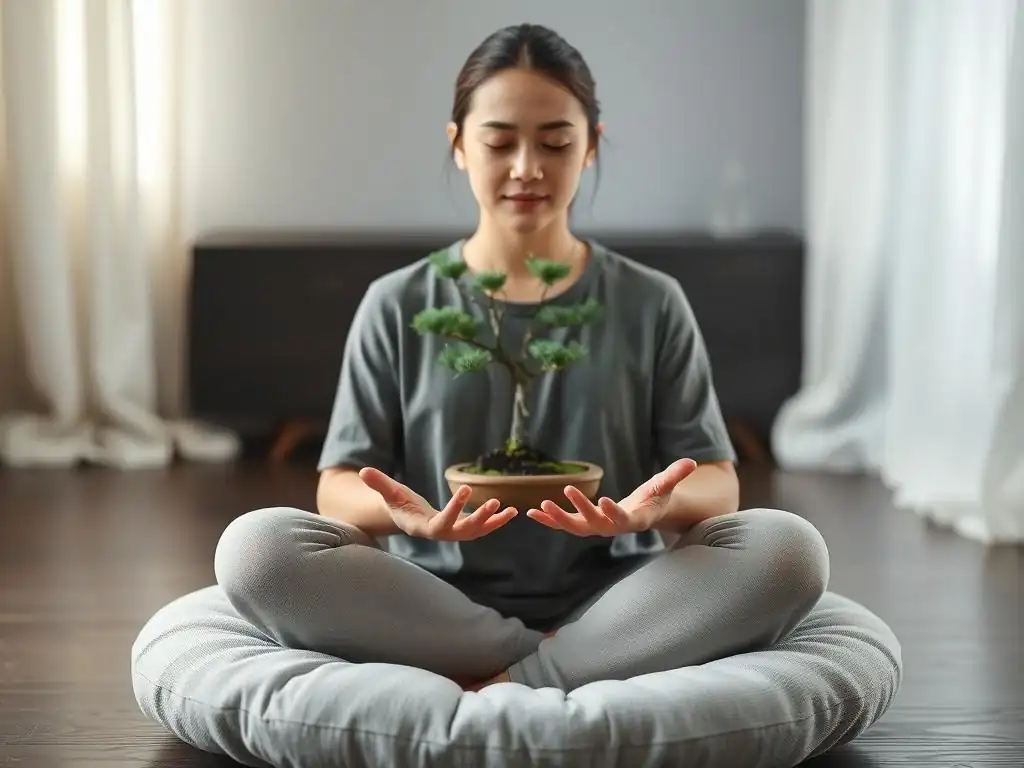
Tip #1: Cultivating Present Moment Awareness to Interrupt Reactivity
One of the most effective mindfulness for emotional regulation tips is learning to anchor yourself firmly in the present moment. Emotional reactivity often pulls us into ruminations about the past ("Why did they say that to me?") or anxieties about the future ("What will happen now?"). These thought patterns fuel the emotional fire. By intentionally bringing your attention back to what is happening right now – the sensations in your body, the sounds around you, the simple act of breathing – you interrupt the cascade of thoughts and feelings that lead to an automatic reaction.
This practice isn't about suppressing emotions but about creating a pause. When you notice the first signs of an emotional trigger – perhaps a tightness in your chest or a sudden surge of heat – consciously shift your attention to your breath or the feeling of your feet on the ground. Even a few seconds of focused present moment awareness can disrupt the automatic link between stimulus and reaction.
This mental pause provides the space needed to observe the emotion non-judgmentally and choose a more skillful response, rather than being swept away by the immediate urge to lash out or withdraw. It's a fundamental shift from being in the emotion to simply observing it.
Tip #2: Developing Self-Compassion During Emotional Distress
Self-compassion is a vital, often overlooked, aspect of mindfulness for emotional regulation tips. When we experience difficult emotions like shame, guilt, or intense sadness, our inner critic often goes into overdrive, adding layers of self-judgment ("I shouldn't feel this way," "What's wrong with me?"). This self-criticism only amplifies the distress and makes emotional regulation harder. Developing self-compassion means treating yourself with the same kindness, understanding, and acceptance you would offer a close friend experiencing a difficult time.
Practicing self-compassion involves recognizing that suffering and emotional challenges are part of the shared human experience, rather than personal failures. It means being mindful of your painful feelings without getting lost in them, acknowledging them with warmth and tenderness. Simple acts like placing a hand over your heart and offering yourself kind words ("This is difficult right now," "May I be kind to myself") can significantly reduce the intensity of emotional distress. This gentle approach fosters a sense of safety and acceptance within, creating a nurturing internal environment that supports healing and makes navigating challenging emotions much more manageable.
Tip #3: Practicing Acceptance of Difficult Emotions
Acceptance is another crucial strategy among mindfulness for emotional regulation tips. It does not mean resignation or liking the difficult emotion; rather, it is the willingness to acknowledge and allow the emotion to be present without fighting against it or wishing it were different. Resistance to emotions often makes them stronger and more persistent. Think of trying to push a beach ball underwater – the harder you push, the more forcefully it pops back up. Similarly, trying to suppress or deny difficult feelings often leads to them resurfacing with greater intensity later.
Mindful acceptance involves observing the emotion with curiosity, noticing its physical sensations, its intensity, and how it changes over time, much like watching clouds drift across the sky. You might say to yourself, "Ah, here is sadness," or "I notice frustration arising." This non-judgmental observation creates distance from the emotion, allowing you to experience it without being consumed by it. By accepting the reality of the emotion in the present moment, you reduce the secondary suffering caused by fighting it, freeing up energy that can then be used for skillful coping and choosing how to respond rather than react.
Tip #4: Using Mindfulness to Identify Underlying Emotional Needs
Beyond simply managing the surface emotion, advanced mindfulness for emotional regulation tips involve using awareness to uncover the underlying needs that the emotion might be signaling. Emotions are often messengers, pointing towards something we need or value. For example, anger might indicate a boundary has been violated, sadness could point to a need for connection or comfort, and anxiety might signal a need for safety or control. Reacting impulsively often bypasses these deeper needs.
By pausing mindfully to explore the emotion – where it's felt in the body, the thoughts associated with it, the context in which it arose – you can begin to discern what lies beneath. Ask yourself, "What is this feeling telling me I need right now?" Is it rest, reassurance, to assert yourself, to seek support, or simply to be heard?
Identifying the core need allows for a more constructive and fulfilling response than a mere reaction. For instance, recognizing that anger stems from a need for respect allows you to communicate that need calmly, rather than lashing out in a way that might further damage relationships. This deeper understanding empowers you to address the root cause, leading to more sustainable emotional well-being.
Integrating Mindfulness into Daily Life for Sustained Emotional Balance
Mindful Communication: Responding Instead of Reacting
Integrating mindfulness into communication practices is a powerful way to apply emotional regulation skills in real-time interactions. Reactive communication often involves interrupting, speaking impulsively out of anger or defensiveness, or shutting down completely. Mindful communication, conversely, is characterized by presence, active listening, and thoughtful responses. It begins with bringing awareness to your physical state and emotions before you speak, especially during challenging conversations. Noticing tension, rapid heartbeat, or rising heat can be signals to pause.
Instead of immediately formulating your reply while the other person is speaking, practice truly listening – paying attention to their words, tone, and body language without judgment or planning your counter-argument. When it's your turn to speak, take a conscious breath. This brief pause allows the prefrontal cortex to engage, giving you a moment to consider your words and their potential impact. For example, if someone criticizes you, instead of a reactive defense, a mindful response might be, "I hear you saying [paraphrase their point].
I feel [name your emotion, e.g., a bit stung] by that. Can we talk more about what you meant?" This demonstrates emotional regulation and opens the door for constructive dialogue, embodying the shift from reactivity to response. Consistent practice in everyday conversations gradually rewires your default communication patterns.
Mindful Self-Care: Nourishing Emotional Well-being
Mindful self-care is not just about occasional spa days; it's about consistently paying attention to your physical, mental, and emotional needs and responding to them with kindness. This is essential for maintaining emotional balance and resilience. When we neglect basic needs like sleep, nutrition, exercise, or rest, our emotional regulation capacities are diminished, making us more prone to reactivity. Mindful self-care involves checking in with yourself regularly throughout the day – "How am I feeling right now? What does my body need?" – and honoring those needs as much as possible.
This might involve taking short, mindful breaks during a busy workday to simply breathe and stretch, choosing nutritious foods and eating them slowly and attentively, ensuring adequate sleep (perhaps aiming for 7-9 hours per night for most adults, as recommended by sleep experts), or engaging in enjoyable activities that replenish your energy. It also includes setting healthy boundaries in relationships and work, saying "no" when necessary to protect your well-being.
Treating self-care as a non-negotiable part of your routine, rather than a luxury, builds a strong foundation that supports advanced mindfulness for emotional regulation tips and practices, enabling you to face life's challenges from a place of greater strength and stability.
Mindfulness in the Workplace: Reducing Stress and Improving Emotional Intelligence
The workplace is often a significant source of stress and emotional triggers, making it a prime environment for applying mindfulness for emotional regulation tips. Practicing mindfulness at work can lead to reduced stress levels, improved focus, and enhanced emotional intelligence – the ability to understand and manage your own emotions and recognize and influence the emotions of others. Simple practices can be integrated throughout the day without requiring significant time commitments.
This could involve taking a few mindful breaths before a stressful meeting or presentation, practicing mindful listening during conversations with colleagues or clients, or taking a walking meditation break during lunch. When faced with a challenging email or interaction, pause before responding to check in with your emotional state and choose your words carefully.
Research, such as studies published in the Journal of Applied Psychology, has shown that mindfulness training in the workplace can lead to decreased emotional exhaustion and increased job satisfaction among employees. By cultivating present moment awareness and emotional regulation skills in the professional setting, you not only reduce personal stress but also improve your interactions, collaboration, and overall effectiveness, demonstrating advanced emotional intelligence in action.
Troubleshooting Common Challenges in Mindfulness Practice for Emotional Regulation

Dealing with Distractions and Wandering Minds
A common challenge when practicing mindfulness for emotional regulation is dealing with distractions and a wandering mind. It's a universal experience; the mind is naturally prone to thinking, planning, and drifting. Many beginners become discouraged, believing they are "failing" at mindfulness if their thoughts constantly interrupt their focus on the breath or body. However, the practice isn't about stopping thoughts; it's about noticing when the mind has wandered and gently bringing it back to the chosen anchor (like the breath) without judgment.
Think of the mind as a puppy – it will inevitably stray, and your job isn't to punish it, but to patiently and repeatedly guide it back. Each time you notice your mind has wandered, that moment of recognizing the distraction is a moment of mindfulness. It strengthens the metacognitive muscle – the ability to observe your own thoughts. When practicing mindfulness for emotional regulation tips, distractions might involve getting caught up in the story surrounding an emotion.
For example, instead of just noticing the physical sensation of anxiety, the mind might wander into a loop of "what if" scenarios. The practice is to notice the story, acknowledge it ("Ah, thinking about the future"), and gently return attention to the current sensation or the breath. This repeated act of returning builds the capacity to disengage from unhelpful thought spirals that fuel emotional reactivity.
Overcoming Resistance to Difficult Emotions
Another significant hurdle in using mindfulness for emotional regulation is encountering resistance to difficult emotions. It's natural to want to avoid unpleasant feelings like sadness, fear, or anger. However, as mentioned earlier, resisting or suppressing emotions often gives them more power. When mindfulness practice brings you face-to-face with these uncomfortable feelings, the urge to check out, get distracted, or judge the experience can be strong. Overcoming this resistance is key to deepening your practice.
The strategy here is rooted in acceptance and gentle curiosity. Instead of turning away from the difficult emotion, turn towards it with a sense of gentle inquiry. Ask yourself: "Where do I feel this in my body? What is the quality of this sensation? Does it have a temperature, a texture, a shape?"
Approach the emotion not as an enemy to be vanquished, but as a temporary visitor to be observed. This doesn't mean wallowing in the emotion, but simply allowing it space to be present without adding layers of judgment or narrative. For instance, if you feel anger, instead of thinking "I shouldn't be angry," try noticing the heat in your face or the tightness in your fists with curiosity. Over time, this practice reduces the fear associated with difficult emotions, making them less overwhelming and easier to process.
Maintaining Consistency in Your Mindfulness Practice
Consistency is arguably the most challenging aspect of integrating mindfulness for emotional regulation into your life. Life is busy, and it's easy for practice to fall by the wayside amidst daily demands. However, just like building physical strength requires regular exercise, cultivating emotional resilience through mindfulness requires consistent effort. Sporadic practice yields limited results; daily, even short, practice yields cumulative benefits.
Finding ways to make mindfulness a regular habit is crucial. This could involve setting aside a specific time each day, even just 5-10 minutes, for formal meditation. It could also mean integrating informal mindfulness into daily activities – mindfully brushing your teeth, walking, or eating. Using reminders, joining a mindfulness group, or working with a teacher can also provide support and accountability.
Recognize that consistency doesn't mean perfection; some days practice will feel easy, others difficult. The key is to return to it again and again, without self-criticism. Research suggests that even brief, consistent mindfulness practice (e.g., 10 minutes daily) over several weeks can lead to measurable changes in brain function related to emotional regulation. Prioritizing consistency, even in small doses, is essential for experiencing the transformative power of mindfulness for emotional regulation tips.
Mindfulness and Emotional Regulation: A Long-Term Journey
Tracking Your Progress and Recognizing Milestones
Engaging with mindfulness for emotional regulation is a long-term commitment, not a quick fix. As with any skill development, tracking your progress and recognizing milestones is important for maintaining motivation and appreciating the subtle shifts that occur over time. Progress in emotional regulation isn't typically linear; there will be ups and downs. However, by paying attention, you can notice significant changes in how you relate to your emotions.
Milestones might include: recognizing an emotional trigger before you react impulsively, experiencing a difficult emotion without being completely overwhelmed by it, choosing a skillful response instead of a habitual reaction in a challenging situation, or noticing a reduced intensity or duration of negative emotions. Keeping a simple journal can be helpful – jotting down instances where you felt reactive and how mindfulness helped (or could have helped), or noting times you successfully navigated a tough emotional moment using your practice. Celebrate these small victories.
For example, perhaps six months ago, a critical comment would have ruined your entire day, but now, after mindful practice, you can experience the initial sting but recover within an hour. Recognizing these shifts reinforces the value of your commitment to mindfulness for emotional regulation tips and practice.
Seeking Guidance from Experienced Mindfulness Teachers
While many resources are available for self-guided mindfulness practice, seeking guidance from experienced mindfulness teachers can significantly deepen your journey, especially when working with complex emotional patterns. A qualified teacher can provide personalized instruction, clarify misunderstandings, and offer support when you encounter difficulties, such as intense emotions arising during meditation. They can introduce you to advanced techniques and help you tailor practices to your specific needs and challenges related to emotional regulation.
Participating in structured mindfulness programs, such as Mindfulness-Based Stress Reduction (MBSR) or Mindfulness-Based Cognitive Therapy (MBCT), led by certified instructors, provides a comprehensive and supported framework for developing these skills. These programs typically involve weekly group sessions and guided home practice over several weeks (e.g., 8 weeks for MBSR). While self-practice is valuable, the insights and feedback from an experienced teacher can accelerate your learning, help you navigate plateaus, and ensure you are practicing in a way that is safe and effective for cultivating mindfulness for emotional regulation.
The Ongoing Benefits of Mindfulness for Emotional Health
The commitment to mindfulness and emotional regulation yields ongoing and cumulative benefits for overall emotional health. It's not just about managing difficult emotions when they arise, but about cultivating a more stable, resilient, and positive emotional baseline. Consistent practice fosters a greater capacity for joy, contentment, and peace, even amidst life's inevitable challenges.
Beyond reduced reactivity, practitioners often report increased self-awareness, greater empathy towards others, improved relationships, and a stronger sense of inner peace. Mindfulness helps us appreciate positive emotions more fully when they are present and navigate negative emotions with greater wisdom and compassion. It equips us with the tools to meet life's ups and downs with more grace and resilience.
The journey of mindfulness for emotional regulation is one of continuous learning and growth, offering a path towards a more balanced, fulfilling, and emotionally intelligent life. The skills developed become integral to how you experience the world, transforming your relationship with your inner life and enhancing your capacity to live fully.
Frequently Asked Questions
What exactly is mindfulness in the context of emotional regulation?
Mindfulness, in this context, refers to paying attention to the present moment without judgment. It's a skill that helps us become more aware of our emotions and how they impact us, leading to better regulation. This awareness is the first step to managing emotions effectively.
How does mindfulness help move from reactivity to response when dealing with difficult emotions?
Mindfulness provides a pause between feeling an emotion and reacting to it. This pause allows us to observe the emotion without immediately acting, giving us the space to choose a more thoughtful and constructive response.
What are some advanced techniques in mindfulness for emotional regulation that go beyond basic meditation?
Advanced techniques might include practices like mindful self-compassion, which involves treating yourself with kindness during difficult times, or body scan meditations for increased body awareness. These tools help deepen your understanding of your emotional experience.
How can I integrate mindfulness techniques into my daily life to improve my emotional well-being?
Start small by incorporating mindful moments into everyday activities like eating or walking. You can also schedule dedicated mindfulness practice sessions, even if it's just for a few minutes each day, to build consistency.
Where can I find resources and support if I'm struggling to implement mindfulness for emotional regulation?
Websites like Mind Care Guide offer information and resources on mindfulness. Consider seeking guidance from a qualified therapist or mindfulness instructor for personalized support and techniques.
Final Reflection: Cultivating Inner Peace Through Mindful Response
The ability to shift from reactive emotional patterns to thoughtful responses is not merely a personal growth aspiration; it's a crucial skill for navigating the complexities of modern life. In a world saturated with information and stimulation, the capacity for mindful emotional regulation is more vital than ever before, impacting our relationships, productivity, and overall well-being. This article has explored practical techniques to cultivate this crucial skill, offering a pathway towards greater inner peace and resilience.
The journey from reactivity to response is a deeply personal one, a continuous process of self-discovery and refinement. It's a journey I've undertaken myself, and the rewards – a greater sense of control, reduced stress, and improved relationships – have been immeasurable. As the Dalai Lama wisely stated, The greatest weapon against stress is our ability to choose one thought over another.
This quote encapsulates the essence of mindful emotional regulation: the conscious choice to respond rather than react, to cultivate awareness, and to choose our emotional trajectory.
Now, I invite you to consider how these mindfulness techniques can be integrated into your daily life. Begin with small steps – a few minutes of mindful breathing each day, a conscious pause before reacting to a challenging situation. Observe your emotional landscape without judgment, and gradually cultivate the space to choose your response. This journey of self-mastery is not about perfection, but about progress. Embrace the process, celebrate your successes, and remember that the path to emotional regulation is a journey worth taking, leading to a more peaceful and fulfilling life.
Unleash Your Inner Calm: Master Your Emotions Today!
Thanks for taking the time to explore the power of advanced mindfulness techniques for emotional regulation. You've gained valuable insights into transforming your reactivity into a more conscious, responsive approach to life's challenges. Now it's time to put these insights into action!
- Prioritize one mindful practice: Choose one technique from the article (e.g., body scan meditation, mindful breathing) and dedicate just 5 minutes to it daily this week. This consistent practice will build a strong foundation.
- Share your experience: Tell a friend or family member about a situation where you successfully applied a mindfulness technique. Sharing your progress helps reinforce your learning and may inspire others.
- Explore a new sensory meditation: Try a guided meditation focusing on a specific sense, such as hearing or touch. This can open up new pathways for emotional regulation and deepen your practice.
What small step will you take today to cultivate a calmer, more responsive you?