
Is Your Sleep Quality Sabotaging Your Mental Health? Track It and Find Out How to Fix It


Welcome to Mind Care Guide, your trusted companion on the journey to mental well-being.
Are you tossing and turning, wondering if a restless night is more than just a bad dream? It might be impacting your mental health more than you realize. This week, we delve into the crucial link between sleep quality and mental health, exploring how wearable tech can help you track your sleep and uncover hidden patterns. Could improving your sleep be the key to unlocking a calmer, more resilient you? Let's find out.
Is Your Sleep Quality Sabotaging Your Mental Health? Track It and Find Out How to Fix It
- Understanding the Connection: Sleep Quality Impacts Mental Health
- Identifying the Problem: Recognizing the Signs of Poor Sleep Quality
- Tracking Your Sleep: Tools and Techniques for Monitoring Sleep Quality
- Solutions for Improved Sleep Quality and Enhanced Mental Health
- The Long-Term Benefits: Sustainable Sleep Habits for Lasting Mental Wellness
- Real Stories: How Improved Sleep Quality Transformed Mental Health
-
Frequently Asked Questions
- How does poor sleep quality specifically impact mental health?
- What are some common signs that my sleep quality is negatively affecting my mental well-being?
- How can tracking my sleep help me understand its impact on my mental health?
- What are some practical steps I can take to improve my sleep quality and, in turn, support my mental health?
- Where can I find additional resources and support for addressing both sleep issues and mental health concerns?
- Final Reflection: Reclaiming Your Mental Wellness Through Sleep
- Unlock Your Best Sleep & Sharpen Your Mind!
Understanding the Connection: Sleep Quality Impacts Mental Health
It's easy to view sleep as just downtime, a passive state we enter to recover from the day. However, sleep is a highly active process vital for both physical restoration and, critically, mental well-being. The quality of your sleep doesn't just affect how tired you feel; it profoundly influences your mood, cognitive function, and resilience to stress. When we talk about sleep quality impacts mental health, we're discussing a fundamental link that underpins overall psychological health.
Poor sleep quality is not merely an inconvenience; it's a significant stressor on the brain and body. It can disrupt neurotransmitter balance, impair emotional regulation, and weaken our ability to cope with daily challenges. Understanding this intricate relationship is the first step towards recognizing the importance of prioritizing restful sleep as a cornerstone of mental wellness.
The Vital Link Between Restful Sleep and Mental Well-being
Restful, high-quality sleep is essential for the brain's ability to process emotions, consolidate memories, and maintain cognitive function. During sleep, particularly REM sleep, the brain is active in processing emotional experiences from the day, which is thought to be crucial for emotional regulation and resilience. Studies have shown that even a single night of poor sleep can increase reactivity in the amygdala, the brain's emotional center, making individuals more susceptible to negative emotions like fear and anxiety.
Furthermore, sufficient sleep allows for the clearance of metabolic waste products from the brain, including beta-amyloid, a protein associated with Alzheimer's disease. This 'cleaning' process, primarily occurring during deep sleep, is vital for long-term brain health. When sleep quality suffers, this process is less efficient, potentially impacting cognitive function and increasing vulnerability to neurological and mental health issues over time. The direct link between sleep quality impacts mental health is evident in how easily our mood sours after a restless night.
How Poor Sleep Quality Contributes to Anxiety and Depression
The relationship between poor sleep quality and mental health conditions like anxiety and depression is bidirectional and complex. Lack of quality sleep can exacerbate symptoms of these conditions, and conversely, anxiety and depression often cause sleep disturbances. Research indicates that individuals with chronic insomnia have a significantly higher risk of developing depression and anxiety disorders compared to good sleepers. Some studies suggest this risk can be up to 10 times greater.
Poor sleep quality disrupts the body's stress response system, leading to elevated levels of cortisol, the primary stress hormone. Chronically high cortisol levels can negatively affect brain regions involved in mood regulation, such as the prefrontal cortex and hippocampus, further contributing to feelings of anxiety and hopelessness. Addressing sleep quality impacts mental health directly by targeting these physiological pathways.
The Ripple Effect: Sleep Deprivation and Its Impact on Cognitive Function
Sleep deprivation, often a direct consequence of poor sleep quality, has a widespread impact on cognitive function, affecting everything from concentration and problem-solving to decision-making and creativity. When you're sleep-deprived, your brain struggles to perform complex tasks, leading to errors, reduced productivity, and difficulty focusing. This cognitive impairment can be frustrating and further contribute to stress and low mood, creating a vicious cycle.
Specific cognitive abilities particularly hit by poor sleep include attention span, working memory, and executive functions. Tasks requiring sustained focus or quick thinking become noticeably harder. For instance, studies show that reaction times after significant sleep deprivation can be comparable to those of someone with a blood alcohol content above the legal limit. This highlights how severely sleep quality impacts mental health by undermining the very tools we use to navigate our daily lives.
Identifying the Problem: Recognizing the Signs of Poor Sleep Quality
Understanding that sleep quality impacts mental health is crucial, but how do you know if your sleep isn't as good as it could be? It's not just about the number of hours you spend in bed; it's about the depth and continuity of that sleep. Recognizing the signs of poor sleep quality involves paying attention to both your nighttime experience and how you feel during the day.
Many people underestimate the impact of fragmented or shallow sleep, assuming that if they slept for 7-8 hours, they must be fine. However, spending adequate time in different sleep stages – light, deep, and REM – is essential for restorative sleep. Identifying issues with these stages or other disturbances is key to addressing how sleep quality impacts mental health in your own life.
Are You Getting Enough Deep Sleep? Key Indicators to Watch For
Deep sleep, also known as slow-wave sleep, is the most physically restorative stage of sleep, crucial for muscle repair, immune system function, and growth hormone release. It's also important for certain types of memory consolidation. Typically, deep sleep constitutes about 15-20% of an adult's total sleep time. Signs you might not be getting enough deep sleep aren't always obvious but can manifest during the day.
One common indicator is feeling physically unrested despite sleeping for a seemingly adequate duration. You might wake up feeling groggy, sore, or just not refreshed. Difficulty concentrating, impaired athletic performance, and a weakened immune system (getting sick more often) can also suggest a deficit in deep sleep. While you can't measure deep sleep without technology, these daytime symptoms are strong clues that your sleep quality impacts mental health by lacking this crucial restorative phase.
The Telltale Signs: Recognizing Sleep Fragmentation and Its Effects
Sleep fragmentation refers to interruptions in your sleep cycle, even if you don't fully wake up. These brief awakenings, often lasting only seconds, pull you out of deeper sleep stages and prevent you from completing full sleep cycles. Causes can range from environmental noise and restless partners to underlying issues like sleep apnea or periodic limb movements.
The effects of sleep fragmentation are significant and often mimic those of outright sleep deprivation. Common signs include excessive daytime sleepiness, irritability, difficulty staying focused, and memory problems. Because these awakenings are often not consciously remembered, you might just feel inexplicably tired and moody without knowing why. This chronic disruption directly impacts how sleep quality impacts mental health, leaving you feeling constantly drained and on edge.
Beyond Insomnia: Other Sleep Disturbances Affecting Your Mental State
While insomnia (difficulty falling or staying asleep) is a well-known sleep disorder, several others can significantly impact sleep quality and, consequently, mental health. Sleep apnea, characterized by repeated pauses in breathing during sleep, leads to severe fragmentation and oxygen deprivation, strongly linked to increased risk of depression and anxiety. Restless Legs Syndrome (RLS), causing an irresistible urge to move the legs, particularly at night, can make falling asleep and staying asleep extremely difficult.
Other disturbances include Narcolepsy, a neurological disorder affecting sleep-wake cycles, and Circadian Rhythm Sleep Disorders, where the body's internal clock is misaligned with the external environment (common in shift workers or those with severe jet lag). Each of these conditions disrupts the natural sleep architecture, preventing restorative sleep and contributing to poor sleep quality impacts mental health. Recognizing these less common issues is vital for seeking appropriate diagnosis and treatment.
Tracking Your Sleep: Tools and Techniques for Monitoring Sleep Quality
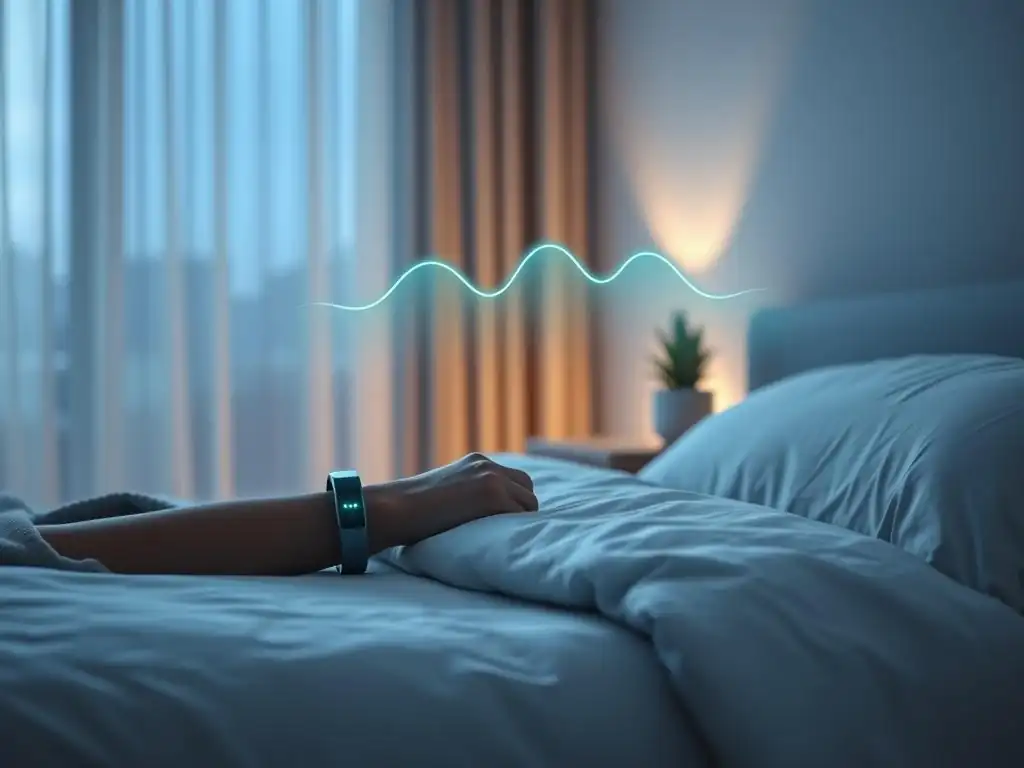
Given the significant way sleep quality impacts mental health, actively monitoring your sleep patterns can provide invaluable insights. You can't fix a problem you don't understand, and sleep tracking helps illuminate what's happening during the hours you're unconscious. Fortunately, a range of tools and techniques are available, from high-tech wearables to simple pen-and-paper journals.
Choosing the right method depends on your budget, desire for detail, and willingness to integrate technology into your routine. Whether you opt for a sophisticated device or a basic log, the goal is the same: gather data to identify patterns, pinpoint issues, and understand precisely how sleep quality impacts mental health in your unique situation.
The Power of Sleep Trackers: Measuring Sleep Metrics for Improved Mental Health
Wearable sleep trackers use sensors like accelerometers and heart rate monitors to estimate how long you sleep, how often you wake up, and the time spent in different sleep stages (light, deep, REM). While not as precise as a clinical sleep study (polysomnography), they offer a convenient way to gather data over time, revealing trends that can inform lifestyle changes or discussions with a healthcare provider. This objective data helps move beyond subjective feelings ("I think I slept okay") to a more informed understanding of how sleep quality impacts mental health.
Many trackers also measure metrics like heart rate variability (HRV), resting heart rate, and respiratory rate during sleep. These physiological markers can provide additional context about your recovery and stress levels, further linking sleep quality to overall well-being. Analyzing these trends can help you see the direct impact of certain behaviors (like late-night meals or alcohol) on your sleep architecture.
Exploring the Fitbit Sense 2: A Comprehensive Sleep Tracking Solution
The Fitbit Sense 2 is designed with health and wellness, including sleep, as a primary focus. It utilizes a combination of movement detection and heart rate monitoring to estimate sleep stages and duration. The Fitbit app provides a detailed "Sleep Score" each morning, along with insights into your sleep stages (time in deep, REM, and light sleep) and restlessness. It also tracks your sleeping heart rate and estimated oxygen variation.
A key feature relevant to mental health is the Sense 2's continuous electrodermal activity (cEDA) sensor, which can detect body responses to stress throughout the day and night. This data, combined with sleep metrics, can help users identify potential links between daily stress levels and sleep quality. The device typically offers several days of battery life, allowing for consistent tracking without frequent charging interruptions.
The Oura Ring: A Sleek and Accurate Option for Monitoring Sleep Patterns
The Oura Ring is a popular choice for those seeking discreet and detailed sleep tracking. Worn on the finger, it uses advanced sensors, including infrared LEDs, NTC temperature sensors, and a 3D accelerometer, to capture physiological data like body temperature, heart rate, HRV, and movement with potentially higher accuracy than wrist-based devices for certain metrics.
The Oura app provides comprehensive daily scores for "Sleep," "Readiness" (which incorporates sleep, activity, and recovery data), and "Activity." The Sleep Score breaks down metrics like total sleep time, time in bed, sleep efficiency, resting heart rate, HRV, and time spent in each sleep stage. Its focus on recovery metrics makes it particularly useful for understanding how sleep quality impacts mental health and physical readiness.
Apple Watch Series 8: A Versatile Sleep Tracking and Wellness Companion
The Apple Watch Series 8, when used with the native Sleep app, offers solid sleep tracking capabilities integrated into a broader health ecosystem. It tracks time asleep, sleep stages (estimated based on motion and heart rate), and can show trends over time. While perhaps not as granular in its sleep analysis as dedicated trackers like Oura or Fitbit, it provides essential data points for many users.
Beyond basic tracking, the Apple Watch integrates with other health features like heart rate monitoring, ECG capabilities, and blood oxygen sensing, some of which can indirectly provide context for sleep quality. Its versatility as a smartwatch means users get sleep tracking alongside notifications, fitness tracking, and other apps, making it a convenient all-in-one device for monitoring how sleep quality impacts mental health and overall wellness.
Sleep Apps: Affordable and Accessible Sleep Monitoring Options
If a dedicated wearable isn't within your budget or preference, several smartphone apps can track your sleep using the phone's accelerometer and microphone. While less precise than wearables that measure physiological signals directly from the body, these apps can still provide valuable insights into sleep duration, consistency, and potential disturbances like snoring or talking in your sleep.
These apps often use algorithms to estimate sleep stages based on detected movement and sounds. Placing the phone on your mattress or bedside table allows it to pick up vibrations and noises throughout the night. This accessible approach makes it easier for anyone to start exploring how sleep quality impacts mental health without significant investment.
Sleep Cycle: Analyzing Your Sleep Patterns Using Your Smartphone
Sleep Cycle is a popular app that uses your phone's microphone and accelerometer to track your sleep. It analyzes sounds and movement patterns during the night to estimate sleep cycles and stages. A unique feature is its "smart alarm," designed to wake you up during your lightest sleep phase within a set window, aiming to help you feel more refreshed.
The app provides daily statistics on your sleep duration, sleep quality percentage, and graphs showing your estimated time in different sleep stages. It also tracks factors like snoring and sleep talking. Over time, Sleep Cycle builds a history of your sleep patterns, allowing you to identify trends and see how various factors might affect your sleep quality.
Pillow: Personalized Sleep Insights and Recommendations
Pillow is another highly-rated sleep tracking app available for iOS devices, particularly effective when used with an Apple Watch but also functional using just the iPhone. It tracks sleep duration, stages, heart rate, and audio events (snoring, sleep talking). The app provides a detailed sleep analysis each morning with graphs and metrics.
Pillow offers personalized insights and recommendations based on your sleep data. It can correlate your sleep quality with factors you log, such as caffeine intake, alcohol consumption, or exercise. This helps users understand specific behaviors that positively or negatively impact how sleep quality impacts mental health.
ShutEye: Comprehensive Sleep Analysis and Personalized Recommendations
ShutEye is a sleep tracking app that offers a range of features aimed at improving sleep quality. Like other apps, it uses the phone's microphone and accelerometer to track sleep patterns, duration, and cycles. It provides analysis of sleep stages and records sleep sounds.
ShutEye distinguishes itself by offering a variety of features designed to help you fall asleep and stay asleep, such as ambient sleep sounds, binaural beats, and guided meditations. It provides daily and weekly reports on your sleep quality and can offer personalized recommendations based on your data, aiming to help you understand and improve how sleep quality impacts mental health.
The Importance of Sleep Journals: Documenting Your Sleep Experience
While technology provides objective data, a sleep journal offers crucial subjective context. A simple notebook and pen, or a notes app on your phone, can be an incredibly effective tool for understanding your sleep patterns and how sleep quality impacts mental health.
Each morning, record the time you went to bed, the estimated time you fell asleep, how many times you woke up and for how long, the time you woke up for good, and how you felt upon waking (e.g., refreshed, groggy, irritable). During the day, note factors that might influence sleep, such as caffeine or alcohol intake, exercise timing and intensity, stress levels, significant events, and what you ate before bed. Reviewing your journal after a week or two can reveal powerful correlations between your daily habits, your subjective sleep experience, and your daytime mood and energy levels.
Solutions for Improved Sleep Quality and Enhanced Mental Health
Understanding how sleep quality impacts mental health and identifying your specific sleep issues through tracking is just the first step. The next is implementing strategies to improve your sleep. Fortunately, many effective solutions exist, ranging from simple lifestyle adjustments to seeking professional help for underlying disorders.
Improving sleep quality often requires a multifaceted approach, addressing environmental factors, behavioral habits, and potential medical issues. By taking proactive steps, you can significantly enhance your restorative sleep and, as a direct result, bolster your mental resilience and well-being.
Optimizing Your Sleep Environment: Creating a Sanctuary for Rest
Your bedroom environment plays a critical role in your ability to fall asleep and stay asleep. Creating a space that is conducive to rest involves controlling factors like light, temperature, sound, and comfort. Think of your bedroom as a sanctuary dedicated solely to sleep and intimacy, free from work, screens, and clutter.
Even small adjustments to your sleep environment can make a significant difference in improving how sleep quality impacts mental health. A dark, quiet, and cool room signals to your brain that it's time to wind down and prepare for rest, facilitating the natural sleep process.
Investing in a Comfortable Mattress: The Importance of Support and Alignment (Saatva Classic Mattress)
A comfortable and supportive mattress is fundamental to achieving quality sleep. An old, sagging, or unsupportive mattress can lead to discomfort, tossing and turning, and pain, disrupting sleep cycles. Proper spinal alignment is crucial for preventing aches that can wake you up.
Consider a mattress like the Saatva Classic, known for its dual-coil system designed to provide both support and comfort. It comes in different firmness options to suit individual preferences and sleeping positions, aiming to reduce pressure points and promote healthy spinal alignment. Investing in a mattress that provides adequate support can minimize physical disturbances during the night, directly improving sleep quality impacts mental health by allowing for more continuous rest.
Blackout Curtains and White Noise Machines: Blocking Out Disruptions for Deeper Sleep
Light and noise are two of the most common environmental culprits for poor sleep. Even faint light from streetlights or electronic devices can interfere with melatonin production, the hormone that regulates sleep. Unexpected noises can cause micro-arousals that fragment sleep without you fully waking up.
Installing blackout curtains can block out external light entirely, creating a consistently dark environment ideal for sleep. Using a white noise machine or fan can create a steady, soothing background sound that masks sudden noises and helps maintain a peaceful auditory environment throughout the night, allowing for deeper, less interrupted sleep.
Coop Home Goods Original Pillow: Adjustable Loft for Personalized Comfort
Pillow comfort and support are just as important as your mattress for maintaining proper spinal alignment and preventing discomfort. The right pillow should support your head and neck in a neutral position, whether you sleep on your back, side, or stomach.
The Coop Home Goods Original Pillow is an example of an adjustable pillow, filled with a blend of memory foam and microfiber. Its fill can be added or removed to customize the loft and firmness, allowing you to tailor the pillow's support to your specific needs and sleeping position. Finding the perfect pillow can reduce neck pain and stiffness that might otherwise disrupt sleep, thus improving sleep quality impacts mental health by facilitating comfortable rest.
Establishing a Relaxing Bedtime Routine: Preparing Your Mind and Body for Sleep
Just as you prepare your body for waking with breakfast and coffee, your brain and body need a signal that it's time to wind down and transition into sleep. Establishing a consistent, relaxing bedtime routine helps lower stress levels, calm the nervous system, and cues your body that sleep is approaching. This routine should ideally start 30-60 minutes before your target bedtime.
A calming routine helps create a mental buffer between the day's stresses and the tranquility needed for sleep. Activities that promote relaxation signal to your brain that it's safe to switch off, directly addressing how stress and anxiety often contribute to poor sleep quality impacts mental health.
The Power of Meditation and Mindfulness: Calming Anxious Thoughts Before Bed (Headspace App)
A racing mind filled with worries about the day past or the day ahead is a major barrier to falling asleep. Practices like meditation and mindfulness can help quiet this mental chatter and bring your focus to the present moment, reducing anxiety and promoting relaxation.
Using a guided meditation app like Headspace before bed can be particularly helpful. These apps offer specific sessions designed for sleep, guiding you through breathing exercises and body scans to release tension and calm your thoughts. Regular practice can train your brain to become less reactive to stressful thoughts, making it easier to drift off and improving how sleep quality impacts mental health by reducing pre-sleep arousal.
Limiting Screen Time Before Bed: Blue Light and Its Impact on Melatonin Production
Electronic screens from phones, tablets, and computers emit blue light, which is particularly effective at suppressing melatonin production. Melatonin is the hormone that regulates your body's internal clock (circadian rhythm) and signals when it's time to sleep. Exposure to blue light in the hours before bed can make it harder to fall asleep and shift your sleep schedule later.
Aim to put away electronic devices at least an hour, preferably two, before your target bedtime. If you must use screens, utilize night mode settings that filter out blue light or wear blue light blocking glasses. Reducing this artificial light exposure helps your body's natural melatonin production kick in, smoothing the transition to sleep.
Traditional Medicinals Organic Chamomile Tea: A Soothing Herbal Remedy
Certain herbal teas have been traditionally used for their calming and sleep-promoting properties. Chamomile, in particular, contains an antioxidant called apigenin, which may bind to certain receptors in the brain that decrease anxiety and initiate sleep.
Sipping a warm cup of Traditional Medicinals Organic Chamomile Tea as part of your bedtime routine can be a soothing ritual that signals relaxation. Ensure the tea is caffeine-free. While not a substitute for addressing underlying sleep issues, incorporating a calming beverage into your routine can help you wind down and mentally prepare for sleep.
Addressing Underlying Sleep Disorders: Seeking Professional Help
Sometimes, poor sleep quality is a symptom of an underlying medical condition that requires professional diagnosis and treatment. Relying solely on lifestyle changes won't fully resolve issues caused by disorders like sleep apnea or chronic insomnia. Recognizing when to seek expert help is crucial for truly improving how sleep quality impacts mental health.
Consulting with a healthcare provider, particularly one specializing in sleep medicine, can lead to accurate diagnosis and effective treatment plans tailored to your specific needs. Ignoring persistent sleep problems can have serious long-term health consequences.
The Role of a Sleep Specialist: Diagnosing and Treating Sleep Apnea
A sleep specialist is a medical doctor with expertise in diagnosing and treating sleep disorders. If you suspect you have a condition like sleep apnea – symptoms often include loud snoring, gasping for air during sleep, and excessive daytime sleepiness – a sleep study (polysomnography), usually conducted in a sleep lab or at home, is necessary for diagnosis.
Sleep apnea treatment often involves using a Continuous Positive Airway Pressure (CPAP) machine, which keeps airways open during sleep. Effectively treating sleep apnea can dramatically improve sleep quality, reduce fragmentation, and alleviate associated symptoms like fatigue, irritability, and cognitive impairment, directly improving how sleep quality impacts mental health.
Cognitive Behavioral Therapy for Insomnia (CBT-I): A Non-Pharmacological Approach to Improving Sleep
Cognitive Behavioral Therapy for Insomnia (CBT-I) is considered the gold standard non-pharmacological treatment for chronic insomnia. It is a structured program that helps individuals identify and replace thoughts and behaviors that cause or worsen sleep problems with habits that promote sound sleep.
CBT-I typically involves several sessions with a trained therapist and focuses on components like sleep restriction (temporarily limiting time in bed to increase sleep drive), stimulus control (associating the bed and bedroom only with sleep and intimacy), cognitive restructuring (challenging unhelpful beliefs about sleep), and sleep hygiene education. Studies consistently show CBT-I is highly effective, with many patients achieving significant and lasting improvements in sleep quality.
Prescription Sleep Aids: Discussing the Risks and Benefits with Your Doctor
In some cases, short-term use of prescription sleep aids may be considered to help break a cycle of severe insomnia or during acute stressful periods. However, these medications are typically not recommended for long-term use due to potential side effects, risk of dependence, and the fact that they may not provide truly restorative sleep like natural sleep does.
It is essential to have an open and thorough discussion with your doctor about the potential risks and benefits of any sleep medication. They can help determine if medication is appropriate for your situation, monitor for side effects, and guide you on how to use them safely, often in conjunction with behavioral therapies like CBT-I, to improve sleep quality impacts mental health without relying solely on pills.
The Long-Term Benefits: Sustainable Sleep Habits for Lasting Mental Wellness

Making lasting improvements to how sleep quality impacts mental health requires more than just a quick fix; it involves cultivating sustainable sleep habits as an integral part of your daily life. Consistency and commitment are key to retraining your body's internal clock and establishing patterns that support restorative sleep night after night.
Viewing sleep as a non-negotiable pillar of health, alongside diet and exercise, is essential for long-term mental wellness. The effort you put into prioritizing quality sleep will yield significant dividends in your mood, energy levels, cognitive function, and overall resilience.
Maintaining a Consistent Sleep Schedule: Training Your Body's Natural Circadian Rhythm
One of the most powerful strategies for improving sleep quality is maintaining a consistent sleep schedule, even on weekends. Going to bed and waking up around the same time every day helps regulate your body's natural internal clock, the circadian rhythm. This rhythm governs your sleep-wake cycle, and keeping it consistent strengthens the signal for when it's time to be awake and when it's time to sleep.
Variations of more than an hour or two on weekends can disrupt this rhythm, leading to "social jet lag" and making it harder to fall asleep on Sunday night. Sticking to a regular schedule trains your body to naturally feel tired around bedtime and wake up refreshed, significantly improving overall sleep quality impacts mental health by stabilizing your energy and mood throughout the day.
The Importance of Exercise and Nutrition: Fueling Your Body for Optimal Sleep
Regular physical activity and a balanced diet are fundamental to overall health, including sleep quality. Moderate exercise can reduce stress and anxiety, both of which interfere with sleep. It also helps regulate body temperature, which drops slightly before sleep and rises upon waking. Aim for at least 150 minutes of moderate aerobic activity or 75 minutes of vigorous activity per week, but avoid intense exercise close to bedtime.
Nutrition also plays a role. Avoiding heavy meals, caffeine, and alcohol close to bedtime is crucial. Some nutrients, like magnesium and tryptophan, are associated with better sleep. A diet rich in fruits, vegetables, lean proteins, and whole grains provides the necessary fuel for your body's functions, including those that support healthy sleep patterns.
Monitoring Your Progress: Tracking Your Sleep and Mental Health Over Time
Improving sleep quality is an ongoing process, and monitoring your progress is essential for identifying what works and making adjustments. Continue using your chosen sleep tracking method (wearable, app, or journal) to observe how changes in your habits affect your sleep metrics over weeks and months.
Just as importantly, pay attention to how your mental health is influenced. Are you feeling less anxious? Is your mood more stable? Do you have more energy and better focus during the day? Correlating improvements in your sleep data with positive changes in your mental state reinforces the connection that sleep quality impacts mental health and motivates you to maintain healthy habits. Review your sleep logs and mental health notes periodically to see the tangible benefits of your efforts.
Real Stories: How Improved Sleep Quality Transformed Mental Health
Hearing about others' experiences can be incredibly motivating when addressing how sleep quality impacts mental health. Consider the case of "Sarah," a 35-year-old marketing manager who struggled with chronic anxiety and felt constantly on edge. Her sleep tracker data consistently showed high restlessness and very little deep sleep, averaging just 10% per night, significantly below the typical 15-20%. She often woke up feeling unrefreshed, which fueled her anxiety throughout the day.
Sarah started using blackout curtains and implementing a consistent bedtime routine involving reading and gentle stretching. Within a month, her sleep tracker showed an increase in deep sleep to about 14%, and her reported restlessness decreased by 25%. More importantly, she noticed a significant reduction in her baseline anxiety levels and felt better equipped to handle stressful situations at work. This real-world example illustrates the profound way improving sleep quality impacts mental health.
Frequently Asked Questions
How does poor sleep quality specifically impact mental health?
Poor sleep quality can significantly impact mental health by disrupting neurotransmitter regulation, increasing stress hormone levels, and impairing cognitive functions like memory and focus.
What are some common signs that my sleep quality is negatively affecting my mental well-being?
You might experience increased irritability, difficulty concentrating, heightened anxiety, or feelings of depression. These are all potential indicators that poor sleep is contributing to your mental health challenges.
How can tracking my sleep help me understand its impact on my mental health?
Tracking your sleep helps identify patterns and correlations between your sleep quality and your mood, energy levels, and overall mental state. This allows you to pinpoint specific sleep-related triggers affecting your well-being.
What are some practical steps I can take to improve my sleep quality and, in turn, support my mental health?
Establishing a consistent sleep schedule, creating a relaxing bedtime routine, and optimizing your sleep environment are crucial. Also, consider limiting screen time before bed and caffeine/alcohol consumption.
Where can I find additional resources and support for addressing both sleep issues and mental health concerns?
Mind Care Guide offers a wealth of information, support, and resources for various mental health challenges, including those related to sleep quality. Consulting with a healthcare professional or therapist is also recommended.
Final Reflection: Reclaiming Your Mental Wellness Through Sleep
The quality of our sleep isn't just about feeling rested; it's a fundamental pillar of our mental wellbeing. Ignoring the intricate connection between sleep and mental health is akin to ignoring a crucial warning sign, potentially leading to a cascade of negative consequences. This article has highlighted the undeniable link between poor sleep and a range of mental health challenges, from increased anxiety and depression to impaired cognitive function. Understanding this connection is the first step towards reclaiming control over our mental wellness.
The impact of sleep deprivation on our society is profound and far-reaching. We live in a culture that often glorifies "hustle culture" and prioritizes productivity over rest, inadvertently normalizing sleep deprivation. This pervasive societal pressure contributes to a cycle of poor sleep and declining mental health. Sleep is the golden chain that binds health and our bodies together.
– Thomas Dekker. This quote underscores the vital role sleep plays in our overall health, a role often underestimated and undervalued in our fast-paced world. The ongoing conversation surrounding mental health needs to explicitly include the critical role of sleep hygiene and quality.
You now possess the knowledge to take charge of your sleep and, consequently, your mental wellbeing. Start small: evaluate your current sleep habits, identify potential disruptors, and implement even one of the strategies discussed in this article. Don't underestimate the power of consistent, quality sleep. By prioritizing restorative rest, you're not just improving your sleep; you're investing in a healthier, happier, and more resilient you. Take that first step today – your mental health will thank you for it.
Unlock Your Best Sleep & Sharpen Your Mind!
Thanks for taking the time to explore the connection between sleep and mental well-being! We hope you gained valuable insights into improving your rest and boosting your mental health. Now it's time to put that knowledge into action.
Here's how to take the next steps:
- Start tracking your sleep: Use a sleep journal or app to monitor your sleep patterns for a week. This simple step is key to identifying any underlying issues.
- Share your experience: Discuss your sleep challenges and discoveries with a friend or family member. Talking about it can help you gain perspective and support.
- Consider a relaxing bedtime ritual: Experiment with a calming routine – a warm bath, meditation, or reading – to prepare your mind and body for restful sleep.
Ready to transform your sleep and unlock a brighter, more focused you? What small change will you make tonight to prioritize your sleep hygiene?