
Your Anxiety Toolkit: Adding a Home Biofeedback Device


Welcome to Mind Care Guide, your sanctuary for mental well-being.
Feeling overwhelmed by anxiety? You're not alone. Many are seeking effective, accessible solutions. Imagine having a tool at your fingertips to understand and control your body's response to stress. Our latest article dives deep into how biofeedback reduces anxiety symptoms, exploring the potential of wearable tech to empower you on your journey to calm. Curious to learn how this innovative approach could reshape your experience with anxiety? Let's explore the possibilities together.
Your Anxiety Toolkit: Adding a Home Biofeedback Device - Mind Care Guide
- Understanding Anxiety and the Need for Effective Solutions
- Biofeedback Reduces Anxiety Symptoms: How It Works
- Choosing the Right Home Biofeedback Device for Anxiety
- Integrating a Biofeedback Device into Your Anxiety Management Routine
- Maximizing Anxiety Reduction with Biofeedback: Tips and Tricks
- Is Biofeedback the Right Choice for Your Anxiety? Weighing the Pros and Cons
- Conclusion: Empowering Yourself with Biofeedback for Anxiety Management
-
Frequently Asked Questions
- What exactly is biofeedback, and how does it work to reduce anxiety?
- Can a home biofeedback device actually be effective, or is professional guidance necessary?
- How quickly can I expect to see a reduction in anxiety symptoms with a home biofeedback device?
- Are there any potential side effects or risks associated with using a home biofeedback device?
- What types of anxiety are best suited for treatment with a home biofeedback device?
- Final Reflection: Harnessing Inner Calm: The Biofeedback Revolution
- Unleash Your Inner Calm: Take Control of Your Anxiety
Understanding Anxiety and the Need for Effective Solutions
The Growing Prevalence of Anxiety Disorders and Their Impact
Anxiety disorders represent a significant public health challenge, affecting millions worldwide. These conditions are not merely transient worries but persistent and excessive fears that can severely disrupt daily life, relationships, and work. According to estimates from the World Health Organization (WHO), anxiety disorders are among the most common mental disorders globally, impacting approximately 4% of the world's population. In the United States alone, anxiety disorders are reported to affect around 19.1% of adults each year, making them highly prevalent.
The impact of chronic anxiety extends far beyond psychological distress. It can manifest physically through symptoms like muscle tension, headaches, rapid heartbeat, and digestive issues. Furthermore, anxiety is often comorbid with other conditions such as depression, sleep disorders, and substance abuse, complicating treatment and recovery. The economic burden is also substantial, including healthcare costs, lost productivity, and disability claims. Finding effective, accessible, and non-pharmacological methods to manage these symptoms is crucial for improving quality of life and reducing the societal impact of anxiety.
Traditional Anxiety Treatments: Limitations and Alternatives
Traditional approaches to managing anxiety typically include psychotherapy, such as Cognitive Behavioral Therapy (CBT) and Exposure Therapy, and pharmacological interventions, primarily anti-anxiety medications like benzodiazepines and antidepressants (SSRIs). While highly effective for many, these treatments are not without limitations. Psychotherapy requires significant time and commitment, and access can be a barrier due to cost or therapist availability. Medications, while providing relief for some, can have side effects, may require long-term use, and might not be suitable for everyone. Additionally, some individuals prefer non-pharmacological options to avoid potential side effects or dependency.
This has led to a growing interest in alternative and complementary therapies that empower individuals to take a more active role in managing their symptoms. Techniques like mindfulness, meditation, yoga, and exercise have gained traction. Alongside these, technological advancements have paved the way for tools that offer objective insights into one's physiological state, leading to the exploration of methods like biofeedback. These alternatives often focus on building self-regulation skills, offering a path towards sustainable anxiety management that complements or provides an alternative to traditional methods.
Introducing Biofeedback: A Non-Pharmacological Approach to Anxiety Relief
Biofeedback is a technique that trains individuals to improve their health by using signals from their own bodies. It involves using electronic sensors to measure physiological responses such as heart rate, skin temperature, muscle tension, and brainwave activity. This information is then fed back to the individual, often through visual or auditory cues, allowing them to become aware of bodily processes that are usually unconscious. The goal is to learn to consciously control these responses to improve health and well-being.
For those seeking non-pharmacological ways to manage stress and anxiety, biofeedback offers a promising avenue. By providing real-time data on how their body reacts to stress and relaxation, individuals can gain a deeper understanding of their physiological patterns associated with anxiety. This awareness is the first step towards learning techniques to alter these responses, such as slowing heart rate, relaxing muscles, or changing brainwave patterns, thereby reducing anxiety symptoms effectively. The ability to practice these techniques at home with accessible devices has made biofeedback an increasingly popular tool in the personal anxiety toolkit.
Biofeedback Reduces Anxiety Symptoms: How It Works
What is Biofeedback and How Does It Help Manage Anxiety?
Biofeedback is essentially a mind-body technique that teaches self-regulation. It uses instruments to provide immediate feedback on physiological functions that are typically outside conscious awareness, such as heart rate, skin temperature, muscle tension, or brain activity. Imagine seeing your heart rate displayed on a screen as you try to relax – biofeedback makes this possible. By observing these real-time signals, you learn how your thoughts, feelings, and behaviors influence your body's responses.
For anxiety management, biofeedback helps by showing you the physical manifestations of stress (like rapid heart rate or tense muscles) and then allowing you to experiment with different mental or physical techniques (like deep breathing or guided imagery) while observing how these techniques affect your physiological signals. Over time, through practice, you learn to intentionally shift your body's state towards relaxation, even without the biofeedback device. This learned ability to regulate your physiological responses is how biofeedback reduces anxiety symptoms, empowering you to calm your nervous system.
The Science Behind Biofeedback: Measuring and Controlling Physiological Responses
The scientific principle behind biofeedback lies in the intricate connection between the mind and body, mediated largely by the autonomic nervous system (ANS). The ANS controls involuntary functions like heart rate, breathing, digestion, and temperature regulation. When stressed or anxious, the sympathetic branch of the ANS activates the "fight or flight" response, leading to increased heart rate, muscle tension, and other physical changes. Relaxation activates the parasympathetic branch, promoting a state of "rest and digest." Biofeedback devices measure these physiological indicators using sensors.
For example, a sensor might detect tiny electrical signals from muscles (EMG), measure the electrical activity of the brain (EEG), or track the variability in the time between heartbeats (HRV). This data is processed and displayed in an understandable format. By seeing this feedback, individuals learn to associate certain internal states or relaxation techniques with desirable physiological changes (e.g., slower heart rate, reduced muscle tension).
With consistent practice, the brain and body learn to replicate these desired states voluntarily, effectively counteracting the physiological hyperactivity associated with anxiety. This process demonstrates how biofeedback reduces anxiety symptoms by training self-regulation of the ANS.
Different Types of Biofeedback Techniques for Anxiety Management
Several types of biofeedback can be effective for managing anxiety, each focusing on different physiological signals:
Heart Rate Variability (HRV) Biofeedback for Calming the Nervous System
HRV biofeedback measures the natural variation in the time interval between consecutive heartbeats. A healthy, resilient nervous system exhibits higher HRV, indicating flexibility and the ability to adapt to stress. Conversely, chronic stress and anxiety are often associated with lower HRV. HRV biofeedback devices, often using finger or earlobe sensors, guide users to breathe in a specific rhythm (typically slower than their usual rate) to synchronize heart rate patterns with breathing.
During an HRV biofeedback session, users see their real-time HRV data, often represented visually as a wave or graph, and receive prompts to adjust their breathing. By practicing paced breathing, individuals learn to increase their HRV, which reflects a shift towards parasympathetic nervous system dominance – the "rest and digest" state. Regular practice of HRV biofeedback has been shown in studies to improve emotional regulation, reduce stress reactivity, and significantly contribute to how biofeedback reduces anxiety symptoms.
Electromyography (EMG) Biofeedback for Reducing Muscle Tension
EMG biofeedback measures electrical activity in muscles, which is directly related to muscle tension. Stress and anxiety often lead to chronic muscle tension, particularly in areas like the shoulders, neck, and jaw, contributing to headaches and physical discomfort. EMG biofeedback uses sensors placed on the skin over specific muscle groups to detect this electrical activity.
The feedback is usually presented as a number, graph, or sound that increases as muscle tension rises and decreases as muscles relax. Users learn to identify areas of tension and practice relaxation techniques, such as progressive muscle relaxation or visualization, while monitoring their EMG levels. Seeing their muscle tension decrease in real-time motivates and guides them to achieve deeper states of physical relaxation. By learning to release chronic tension, EMG biofeedback effectively helps reduce the physical symptoms associated with anxiety.
Neurofeedback (EEG Biofeedback) for Brainwave Regulation and Anxiety Reduction
Neurofeedback, or EEG biofeedback, focuses on measuring and training brainwave activity. Brainwaves are electrical impulses in the brain that occur at different frequencies (e.g., alpha, beta, theta, delta), each associated with different states of consciousness (e.g., alert, relaxed, sleepy). Anxiety is often linked to imbalances in brainwave patterns, such as excessive high-beta activity (associated with racing thoughts) or insufficient alpha activity (associated with calm focus). Neurofeedback uses sensors placed on the scalp to detect these brainwave patterns.
During a neurofeedback session, brainwave activity is displayed on a screen, or translated into an activity like a video game or movie that progresses only when the brain produces the desired pattern (e.g., increasing alpha waves). Users learn to consciously shift their brainwave states towards patterns associated with calmness and focus and away from those linked to anxiety. While traditionally requiring a trained therapist, home neurofeedback devices are emerging. Consistent neurofeedback training helps regulate brain activity patterns, which in turn can significantly reduce anxiety symptoms and improve emotional regulation.
Choosing the Right Home Biofeedback Device for Anxiety
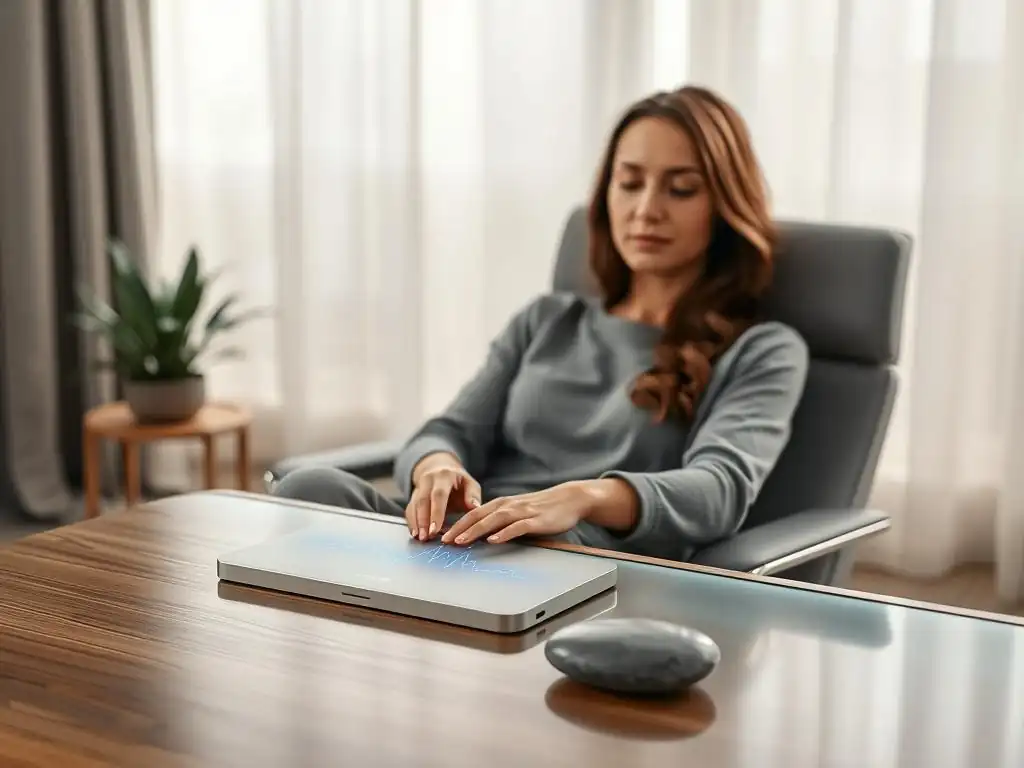
Factors to Consider When Selecting a Home Biofeedback Device
Choosing the right home biofeedback device depends on your specific needs, goals, and preferences. It's important to consider several factors to ensure the device you select will be effective and sustainable for your anxiety management routine. Think about what type of biofeedback you want to use, how technically savvy you are, and what your budget allows.
Considerations include the type of physiological signal measured (HRV, EMG, EEG), the device's design and comfort, the accompanying software or app's quality, and customer support. Reading reviews from other users can also provide valuable insights into real-world experiences. Taking the time to research these aspects will help you find a device that aligns with your lifestyle and therapeutic goals, maximizing the potential for biofeedback reduces anxiety symptoms for you.
Ease of Use and User-Friendliness
For a home biofeedback device to be effective, it must be easy to set up and use consistently. Devices with complex sensor placement, confusing interfaces, or unreliable connections can quickly become frustrating and deter regular practice. Look for devices that offer clear instructions, intuitive app design, and hassle-free sensor application.
- Is the device comfortable to wear or hold?
- Is the accompanying app easy to navigate and understand?
- How long does it take to set up a session?
- Are the feedback signals (visuals, sounds) clear and helpful?
A device that is simple to integrate into your daily routine will significantly increase your likelihood of sticking with your biofeedback practice, which is key to seeing improvements in anxiety symptoms.
Accuracy and Reliability of Measurements
The effectiveness of biofeedback relies on accurate measurement of your physiological signals. If the data is inconsistent or inaccurate, you won't be able to reliably learn how your body responds to different states or techniques. Research the device's specifications and look for information on its sensor technology and data processing.
While home devices may not have the same clinical-grade precision as professional equipment, reputable manufacturers prioritize accuracy. Reading reviews specifically addressing data reliability can be helpful. A device that provides consistent and accurate feedback will allow you to build confidence in your ability to influence your physiological responses and trust that your biofeedback reduces anxiety symptoms.
Features and Functionality
Different biofeedback devices offer a range of features that can enhance your training experience. These might include guided sessions, different feedback modes (e.g., visual scenes, sounds, games), tracking and progress reports, and integration with other health apps. Consider what features are important to you and how they might support your goals.
Some devices offer specific training programs tailored for stress or anxiety, while others provide more open-ended sessions. Data tracking is particularly valuable, allowing you to monitor your progress over time and identify patterns. Choose a device whose features align with your learning style and therapeutic needs, ensuring that the functionality supports your efforts to manage anxiety symptoms through biofeedback.
Cost and Budget Considerations
Home biofeedback devices vary widely in price, from under $100 to several hundred dollars. Determine your budget beforehand. Remember that the cost of the device itself is the primary expense, as most home biofeedback solutions do not require ongoing subscription fees for basic functionality, although some offer premium features or content via subscription.
While a higher price doesn't always guarantee better results, more expensive devices may offer more advanced features, better sensor technology, or higher build quality. Consider the potential long-term benefits for your mental well-being when evaluating the cost. Finding a device that is both effective and within your budget makes biofeedback a more accessible tool for reducing anxiety symptoms.
Top Home Biofeedback Devices for Anxiety Relief: A Comparative Analysis
Several devices are popular for home biofeedback practice, particularly for managing anxiety. While the market is evolving, some devices have established themselves as reliable options. Here, we'll look at a few prominent examples focusing on different types of biofeedback relevant to anxiety.
Muse 2: Features, Pros, Cons, and User Reviews
Muse 2 is a multi-sensor meditation and biofeedback device often referred to as a brain-sensing headband. It primarily focuses on EEG biofeedback but also incorporates PPG (photoplethysmography) for heart rate, accelerometer for body movement, and PPG for breath sensing. It's designed to provide real-time feedback during guided meditation sessions via an accompanying smartphone app.
Users wear the headband across their forehead and behind their ears. The app translates the sensor data into auditory feedback – often sounds of weather like calm winds, gentle rain, or stormy weather, which change based on the user's physiological state (e.g., brain activity, heart rate, stillness). The goal is to teach users to enter a calm state by rewarding them with peaceful sounds. Many users find that integrating Muse biofeedback reduces anxiety symptoms by helping them learn to quiet their minds and regulate their nervous system.
Key Features of Muse 2
- EEG Sensors: Measures brainwave activity (alpha, beta, theta, delta, gamma).
- PPG Sensor: Measures heart rate and pulse oxygenation.
- Accelerometer: Detects movement and posture.
- Guided Meditations: Access to various guided sessions focusing on mind, heart, body, and breath.
- Real-time Audio Feedback: Translates physiological data into ambient soundscapes (weather, music).
- Session Reports: Provides data summaries after each session on mind stillness, heart rate, focus, and recovery.
Pros and Cons of Using Muse 2 for Anxiety
Pros:
- Easy to set up and integrate into meditation practice.
- Provides feedback on multiple physiological signals.
- Gamified approach can make learning self-regulation engaging.
- Data reports help track progress over time.
- Widely available and popular, with a large user community.
Cons:
- Headband fit can be challenging for some users, affecting sensor contact.
- Primarily focused on meditation context; less suitable for general biofeedback training outside of sessions.
- Requires a subscription for access to the full library of guided content (basic functionality is free).
- Battery life can be a limitation for frequent, long sessions (typically around 5 hours).
Real User Experiences with Muse 2
Many users report that consistent practice with Muse helps them become more aware of their mental state and learn to quiet racing thoughts. For example, one user noted, "After a few weeks, I started noticing when my mind was wandering before the stormy weather sounds kicked in, and I could gently bring my focus back." Some find the gamified approach motivating, while others prefer more traditional biofeedback displays.
While results vary, a common theme in reviews is that Muse provides tangible feedback that validates their meditation efforts and helps them feel more in control of their anxiety symptoms over time. For many, Muse biofeedback reduces anxiety symptoms by making the abstract concept of meditation concrete and measurable.
Inner Balance by HeartMath: Features, Pros, Cons, and User Reviews
Inner Balance is a biofeedback device and app system developed by HeartMath, an organization specializing in HRV coherence training. The system uses a sensor (either a finger sensor that plugs into a phone or a Bluetooth ear sensor) to measure your heart rate and, more importantly, the variability between heartbeats (HRV). The app guides you through exercises designed to help you achieve a state of "coherence," which HeartMath defines as a state where the heart, mind, and emotions are in physiological sync.
The Inner Balance app provides real-time visual feedback, often showing a graph of your HRV patterns and indicating your coherence level. Guided breathing exercises are central to the practice, encouraging you to breathe slowly and deeply while focusing on positive emotions. The goal is to train your body to enter a high-coherence state more easily and maintain it, even during stressful situations. This focus on HRV coherence is a primary way Inner Balance biofeedback reduces anxiety symptoms by promoting a balanced autonomic nervous system state.
Key Features of Inner Balance by HeartMath
- HRV Measurement: Uses a sensor (finger or ear clip) to accurately measure Heart Rate Variability.
- Coherence Feedback: Provides real-time visual feedback on your physiological coherence level.
- Guided Sessions: Offers various guided meditations and coherence-building techniques.
- Session Tracking: Logs session data, including coherence scores, duration, and journaling notes.
- Emotional Focus: Emphasizes the role of positive emotions in achieving coherence.
Pros and Cons of Using Inner Balance by HeartMath for Anxiety
Pros:
- Strong scientific backing for HRV coherence training.
- Focuses specifically on a key physiological marker linked to stress and anxiety.
- Sensor provides reliable HRV data.
- App is user-friendly and provides clear feedback.
- Emphasis on emotions adds another dimension to stress management.
Cons:
- Requires consistent practice to see significant, lasting results.
- Some users find the focus on coherence score adds pressure.
- The sensor connection (especially the wired version) can be cumbersome.
- Less variety in biofeedback types compared to multi-sensor devices like Muse.
Real User Experiences with Inner Balance by HeartMath
Users frequently report feeling calmer and more centered after using Inner Balance consistently. Many appreciate the focus on HRV as a tangible metric for their stress levels. For instance, a review might state, "Seeing my coherence score improve over time motivated me, and I noticed I was less reactive to daily stressors after a month of daily practice."
Some find the emphasis on positive emotions initially challenging but ultimately beneficial. While some mention the sensor connection as a minor inconvenience, the overall sentiment is that Inner Balance provides an effective, evidence-based method that biofeedback reduces anxiety symptoms by training a key physiological response.
Sensate: Features, Pros, Cons, and User Reviews
Sensate is a unique biofeedback-like device designed to help users relax and manage stress by targeting the vagus nerve. While not strictly a multi-sensor biofeedback device in the traditional sense (it doesn't measure brainwaves, muscle tension, etc. ), it uses infrasonic sound waves and vibration delivered through a pebble-shaped device placed on the chest. This vibration is designed to resonate through the sternum to stimulate the vagus nerve, which plays a crucial role in regulating the parasympathetic nervous system and promoting relaxation.
The device works in conjunction with a companion app that provides timed sessions combining the vibration with specially composed soundscapes. Users typically lie down, place the Sensate device on their chest, and listen through headphones. The experience is designed to be immersive and calming, promoting a state of deep relaxation.
While it doesn't provide real-time feedback on your specific physiological state in the same way as HRV or EEG devices, the underlying principle is that stimulating the vagus nerve through this method can lead to measurable physiological changes associated with reduced stress and anxiety. Many find that using Sensate biofeedback reduces anxiety symptoms by inducing a state of calm relaxation.
Key Features of Sensate
- Vagal Nerve Stimulation: Delivers infrasonic sound waves and vibration through the chest.
- Guided Sessions: App provides timed sessions with synchronized soundscapes and vibration patterns.
- Immersive Experience: Designed for deep relaxation using sound and vibration.
- Portable Design: Small, pebble-shaped device is easy to use at home or while traveling.
- Session Library: Access to a growing library of sessions for different durations and moods.
Pros and Cons of Using Sensate for Anxiety
Pros:
- Unique approach targeting the vagus nerve, a key player in stress response.
- Easy to use – requires minimal setup beyond placing the device.
- Provides a deeply relaxing and immersive experience for many users.
- Requires passive participation, which can be easier than active self-regulation training for some.
- Portable and aesthetically pleasing design.
Cons:
- Less direct, real-time feedback on your specific physiological state compared to traditional biofeedback.
- Effectiveness may vary greatly from person to person.
- Relies heavily on the combination of vibration and audio; headphones are essential.
- Premium price point.
Real User Experiences with Sensate
Users often describe the Sensate experience as profoundly relaxing, sometimes even describing it as meditative without requiring active effort. Many report feeling a sense of calm wash over them during and after sessions. Comments often include phrases like, "It helps quiet my busy mind," or "I feel my body relax and my breathing deepen when I use it."
While some users find the effect subtle, others report significant reductions in daily stress and improved sleep. The general consensus among positive reviews is that Sensate provides a unique and effective tool that biofeedback reduces anxiety symptoms by inducing a state of relaxation rather than training active control.
Comparison Table: A Quick Overview of the Best Home Biofeedback Devices
| Feature | Muse 2 | Inner Balance by HeartMath | Sensate |
|---|---|---|---|
| Primary Biofeedback | EEG (Brainwaves) | HRV (Heart Rate Variability) | Vagal Nerve Stimulation (Infrasonic Sound/Vibration) |
| Measured Signals | EEG, HRV, Movement, Breath | HRV | N/A (Stimulation) |
| Sensor Type | Headband | Finger or Ear Clip | Chest Pebble |
| Feedback Method | Audio Soundscapes | Visual Graphs/Score | Audio Soundscapes + Vibration |
| User Interaction | Active (Meditation) | Active (Breathing) | Passive (Relaxation) |
| Portability | Moderate | High | High |
| Approx. Price Range | $$ | $$$ | |
| Subscription Needed? | For full content | No (for basic features) | For full content |
Note: Price ranges are approximate ($=under
This table provides a snapshot to help you compare the different approaches and features. Your choice will depend on whether you prefer to work with brainwaves, heart rhythms, or a more passive, immersive experience. Each offers a distinct pathway for how biofeedback reduces anxiety symptoms.
Integrating a Biofeedback Device into Your Anxiety Management Routine
Setting Realistic Goals and Expectations
Adding a biofeedback device to your anxiety management toolkit is a step towards self-empowerment, but it's important to approach it with realistic expectations. Biofeedback is a skill that requires practice, much like learning meditation or a musical instrument. You won't likely see dramatic results after just one session. Significant, lasting changes in anxiety symptoms typically emerge with consistent use over weeks or months.
Start by setting small, achievable goals. For example, aim for 10-15 minutes of practice three to five times a week. Your goal might be to increase your coherence score slightly, spend more time in a calm brainwave state, or simply feel a bit more relaxed after each session. Understand that progress might not be linear; some days will feel easier than others. Celebrating small victories and focusing on the process rather than immediate perfection will help maintain motivation and ensure that your biofeedback reduces anxiety symptoms gradually and sustainably.
Creating a Consistent Biofeedback Practice Schedule
Consistency is paramount when using a home biofeedback device for anxiety relief. Short, regular sessions are generally more effective than infrequent, long ones. Try to integrate biofeedback into your daily routine, perhaps in the morning before starting your day, during a lunch break, or in the evening to wind down.
Consider adding your biofeedback sessions to a daily planner or setting reminders on your phone. Find a quiet, comfortable space where you won't be interrupted. Treating your biofeedback practice as a non-negotiable part of your self-care routine, like brushing your teeth, can help build the habit. Even just 5-10 minutes of focused practice several times a week can start building the neural pathways necessary for self-regulation, reinforcing how biofeedback reduces anxiety symptoms with regular effort.
Combining Biofeedback with Other Anxiety Management Techniques
Biofeedback is a powerful tool, but it often works best when used in conjunction with other established anxiety management strategies. It can enhance the effectiveness of techniques you may already be using or provide a new dimension to explore. Combining approaches creates a comprehensive strategy that addresses anxiety from multiple angles.
For example, using biofeedback before a therapy session might help you enter a more receptive state, or using it after a stressful event can help you recover more quickly. Integrating it with other relaxation methods or therapeutic approaches can amplify their benefits and provide synergistic effects, further demonstrating how biofeedback reduces anxiety symptoms when part of a broader plan.
Mindfulness Meditation and Biofeedback: A Powerful Combination
Mindfulness meditation involves focusing attention on the present moment without judgment. It helps cultivate awareness of thoughts, feelings, and bodily sensations. Biofeedback can be an excellent complement to mindfulness, providing objective data on the physiological changes that occur as you become more present and relaxed.
Using biofeedback during mindfulness practice allows you to see, for instance, how focusing on your breath affects your heart rate variability or how letting go of distracting thoughts impacts your brainwave patterns. This real-time feedback can deepen your understanding of the mind-body connection and make the abstract concepts of mindfulness more tangible, accelerating your ability to enter calm states and reinforcing how biofeedback reduces anxiety symptoms by making mindfulness more effective.
Cognitive Behavioral Therapy (CBT) and Biofeedback: Enhancing Treatment Outcomes
CBT is a psychotherapy that helps individuals identify and change negative thought patterns and behaviors contributing to anxiety. While CBT works at the cognitive level, biofeedback works at the physiological level, and combining them can provide a holistic approach.
A therapist might use biofeedback in sessions to help a patient recognize the physical signs of anxiety they are discussing in CBT. For home practice, using biofeedback after challenging a negative thought or practicing a coping skill learned in CBT can help consolidate the learned response by showing the physiological shift towards calmness. This combination allows individuals to address both the mental and physical components of anxiety, enhancing the overall effectiveness of treatment and showcasing how biofeedback reduces anxiety symptoms when integrated with therapeutic interventions.
Deep Breathing Exercises and Biofeedback: Synergistic Anxiety Reduction
Deep, diaphragmatic breathing is a fundamental technique for activating the parasympathetic nervous system and promoting relaxation. Biofeedback, particularly HRV biofeedback, is specifically designed to guide and enhance breathing exercises.
By using an HRV biofeedback device while practicing deep breathing, you receive instant feedback on how your breath rate and depth are influencing your heart rate variability and coherence. This feedback helps you optimize your breathing technique to achieve the most beneficial physiological response. The device acts as a coach, guiding you to find the ideal breathing rhythm for relaxation. This synergistic combination makes breathing exercises more effective and provides a clear, measurable way that biofeedback reduces anxiety symptoms by improving physiological regulation through breath.
Tracking Your Progress and Making Adjustments
Most home biofeedback devices and apps provide session reports and track your progress over time. Regularly reviewing this data is crucial for understanding how you are progressing and identifying patterns. Look for trends in your coherence scores, time spent in desired brainwave states, or reductions in muscle tension.
- Review session summaries regularly.
- Note any correlation between your practice and how you felt during the day.
- Identify which types of sessions or techniques seem most effective for you.
- Don't be discouraged by fluctuations; progress is rarely a straight line.
Use this information to make informed adjustments to your practice schedule, session length, or the specific techniques you use. For example, if you notice your coherence scores are consistently higher in the morning, try scheduling more sessions then. Tracking progress provides tangible evidence of your efforts and helps you fine-tune your approach, reinforcing how biofeedback reduces anxiety symptoms through data-driven practice.
Maximizing Anxiety Reduction with Biofeedback: Tips and Tricks
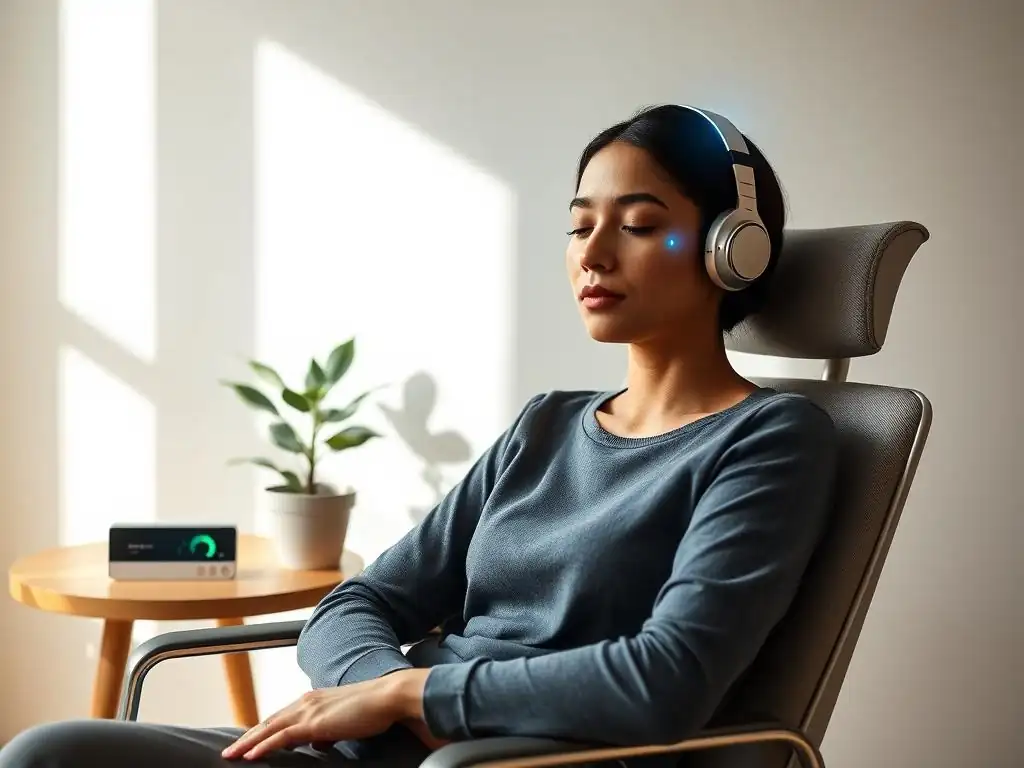
Understanding Your Data and Identifying Patterns
The data provided by your biofeedback device is a powerful tool for self-discovery. It offers objective insights into your body's stress response and your ability to regulate it. Take the time to understand what the numbers and graphs mean in the context of your own experience.
For example, if you're using an HRV device, learn what your average coherence score is and what it feels like when you achieve a higher score. With an EEG device, pay attention to the brainwave patterns associated with feeling calm versus feeling anxious. Note how different activities or states of mind preceding a session might influence your results. Recognizing these patterns helps you understand your triggers and identify the most effective strategies for managing your physiological state, which is key to how biofeedback reduces anxiety symptoms effectively.
Customizing Your Biofeedback Sessions for Optimal Results
Once you understand your data and patterns, you can customize your biofeedback sessions to be more effective. Most apps offer different session lengths, guided exercises, or focus areas (e.g., breath, focus, relaxation). Experiment with these options to find what works best for you.
Perhaps you find that shorter, more frequent sessions are more manageable, or maybe you discover that focusing on a specific type of guided imagery while doing HRV training helps you achieve coherence more quickly. Tailor the environment as well – finding a quiet, comfortable space free from distractions is essential. By actively experimenting and adjusting your practice based on your feedback and personal experience, you can optimize your sessions and maximize the potential for biofeedback reduces anxiety symptoms.
Avoiding Common Mistakes When Using a Home Biofeedback Device
To get the most out of your biofeedback practice, be aware of common pitfalls. One frequent mistake is approaching it with a mindset of trying too hard or "forcing" relaxation, which can paradoxically increase tension. Remember that biofeedback is about learning and gentle guidance, not performance.
Another mistake is inconsistency. Sporadic use yields limited results. Make a commitment to regular practice, even if it's just for a few minutes daily. Also, avoid getting overly fixated on perfect scores; the goal is progress and learning, not achieving a specific number every time. Finally, ensure your device is properly calibrated or positioned according to instructions, as poor sensor contact can lead to inaccurate readings. By avoiding these common errors, you enhance the likelihood that biofeedback reduces anxiety symptoms effectively for you.
When to Seek Professional Guidance and Support
While home biofeedback devices are excellent tools for self-management, they are not a substitute for professional medical or psychological care. If your anxiety is severe, persistent, or significantly impacting your life, it's crucial to consult with a healthcare provider or licensed mental health professional.
A therapist or doctor can help diagnose your condition, recommend appropriate treatments (which may include professional biofeedback therapy sessions), and provide personalized strategies. Home biofeedback can be a valuable adjunct to professional care, offering a way to practice self-regulation skills learned in therapy. If you feel overwhelmed, experience worsening symptoms, or are unsure how to interpret your device's feedback in the context of your overall mental health, don't hesitate to reach out for professional support. They can help ensure you are using biofeedback safely and effectively as part of a comprehensive treatment plan.
Is Biofeedback the Right Choice for Your Anxiety? Weighing the Pros and Cons
Benefits of Using Biofeedback to Manage Anxiety Symptoms
Using biofeedback offers several compelling benefits for individuals seeking to manage anxiety. Firstly, it provides objective, real-time data on your body's responses, offering concrete evidence of the mind-body connection and how different techniques affect your physiological state. This can be incredibly empowering, shifting the perception of anxiety from something uncontrollable to something you can actively influence.
Secondly, biofeedback is non-pharmacological, offering an alternative or complementary approach for those who wish to reduce reliance on medication or prefer drug-free options. It teaches a skill – self-regulation – that you can use anytime, anywhere, even without the device after sufficient practice. Regular biofeedback practice can lead to a reduction in the frequency and intensity of anxiety symptoms, improved stress resilience, better sleep, and a greater sense of control over your emotional and physical state. The evidence suggests that consistent biofeedback reduces anxiety symptoms for many users by training their autonomic nervous system.
Potential Drawbacks and Limitations of Biofeedback
Despite its benefits, biofeedback also has potential drawbacks and limitations. It requires consistent effort and practice; results are not instantaneous. Some individuals may find the initial learning curve steep or struggle with the technology. The effectiveness can vary from person to person, and not everyone will experience significant symptom reduction.
Home biofeedback devices, while more accessible, may not offer the same level of precision or range of measurements as clinical-grade equipment used by trained therapists. They also lack the guidance and personalized insights that a professional biofeedback practitioner can provide. For some, the cost of devices can be a barrier. It's also important to remember that biofeedback addresses the physiological response to anxiety but may not address the underlying psychological causes without being combined with therapy like CBT.
Alternatives to Biofeedback for Anxiety Relief
If biofeedback doesn't seem like the right fit, or if you're looking for other complementary approaches, numerous alternatives exist for anxiety relief. These include various forms of psychotherapy (CBT, ACT, exposure therapy), mindfulness and meditation practices, yoga, regular physical exercise, deep breathing techniques (even without a device), progressive muscle relaxation, guided imagery, and clinical hypnotherapy.
Pharmacological treatments prescribed by a doctor are also a common and effective option for many. Lifestyle changes such as improving sleep hygiene, reducing caffeine and alcohol intake, and ensuring a balanced diet can also play a significant role in managing anxiety. The best approach often involves combining several strategies tailored to your individual needs and preferences. Exploring these alternatives ensures you build a comprehensive and effective anxiety management plan.
Conclusion: Empowering Yourself with Biofeedback for Anxiety Management
Biofeedback: A Valuable Tool in Your Anxiety Toolkit
Anxiety can feel overwhelming, but having effective tools at your disposal can make a significant difference. Biofeedback, particularly with the advent of accessible home devices, has emerged as a valuable addition to the anxiety toolkit. It offers a unique approach by providing tangible feedback on your body's stress response, transforming abstract concepts like "relaxation" into measurable data you can work with.
By practicing with a biofeedback device, you gain insight into your physiological patterns associated with anxiety and learn techniques to consciously alter them. Whether through regulating heart rate variability, reducing muscle tension, or balancing brainwave activity, biofeedback empowers you to take an active role in calming your nervous system. It is not a magic bullet, but a skill-building practice that, with consistency, can lead to meaningful improvements in how you experience and manage anxiety.
Taking Control of Your Mental Well-being with Home Biofeedback Devices
Home biofeedback devices democratize access to this powerful technique, allowing you to practice self-regulation skills in the comfort and privacy of your own space. Devices like Muse 2, Inner Balance, and Sensate offer different pathways to achieving a calmer state, catering to various preferences and needs. By choosing a device that aligns with your goals and committing to regular practice, you are actively investing in your mental well-being.
These tools provide the data and guidance needed to understand your body's signals better and learn how to shift from states of stress to states of calm. Integrating biofeedback into your daily routine, perhaps alongside meditation, breathing exercises, or therapy, creates a robust strategy for tackling anxiety head-on and building resilience. Taking control starts with understanding yourself, and biofeedback offers a unique lens through which to do just that.
Final Thoughts on Reducing Anxiety Symptoms with Biofeedback
Ultimately, the goal of using biofeedback for anxiety is to build lasting skills that allow you to manage your physiological and emotional responses more effectively. While the devices provide the feedback, the real work is in the consistent practice and the learning that occurs over time. Many users find that regular biofeedback sessions lead to a noticeable reduction in the frequency and intensity of their anxiety symptoms, improved ability to cope with stress, and a greater sense of peace and control.
If you are exploring options for managing your anxiety and are interested in a non-pharmacological, data-driven approach that empowers you to learn self-regulation, biofeedback is definitely worth considering. Research the different types and devices, set realistic expectations, commit to consistent practice, and consider integrating it with other healthy habits and potentially professional support. By doing so, you can harness the power of biofeedback reduces anxiety symptoms and pave the way towards a calmer, more balanced life.
Frequently Asked Questions
What exactly is biofeedback, and how does it work to reduce anxiety?
Biofeedback is a technique that teaches you to control bodily functions like heart rate and muscle tension. By providing real-time feedback, it helps you become aware of these functions and learn to consciously regulate them, reducing anxiety symptoms.
Can a home biofeedback device actually be effective, or is professional guidance necessary?
While professional guidance is beneficial, home devices can be effective for managing mild to moderate anxiety. They offer convenience and affordability, allowing you to practice techniques independently after understanding the basics.
How quickly can I expect to see a reduction in anxiety symptoms with a home biofeedback device?
Results vary, but many users report experiencing a reduction in anxiety symptoms within a few weeks of consistent use. Regular practice and proper technique are crucial for achieving noticeable improvements.
Are there any potential side effects or risks associated with using a home biofeedback device?
Generally, biofeedback is considered safe. Some individuals may experience temporary muscle fatigue or slight discomfort. It's important to follow the device's instructions carefully and consult a healthcare professional if you have concerns.
What types of anxiety are best suited for treatment with a home biofeedback device?
Home biofeedback devices can be helpful for managing generalized anxiety, panic disorder, and social anxiety. They are often used as a complementary therapy alongside other treatments like therapy and medication, focusing on physical manifestations of anxiety.
Final Reflection: Harnessing Inner Calm: The Biofeedback Revolution
The integration of biofeedback technology into our daily lives is no longer a futuristic fantasy; it's a tangible pathway to managing anxiety in the present. This readily available tool, once confined to clinical settings, empowers individuals to actively participate in their mental well-being, offering a proactive approach to a pervasive modern challenge. The potential for widespread impact is immense, promising a future where anxiety management is personalized and accessible to all.
The shift towards self-managed mental health is profoundly significant, reflecting a growing awareness of the mind-body connection and a desire for holistic well-being. This journey of self-discovery, facilitated by biofeedback, is deeply personal. It's about understanding the subtle signals your body sends and learning to respond with conscious awareness. As the Dalai Lama wisely stated, The time to repair the roof is when the sun is shining.
Biofeedback offers us that opportunity – to proactively address anxiety before it escalates into overwhelming distress.
Consider the possibilities. Imagine a future where anxiety is not a debilitating force, but a manageable aspect of life. You, the reader, hold the key. By exploring the potential of home biofeedback devices, you are taking a proactive step towards a calmer, more centered existence. Embrace this opportunity for self-discovery, and begin building your own personalized toolkit for managing anxiety. The journey to inner peace begins with a single, conscious breath – and the right technology to support you along the way.
Unleash Your Inner Calm: Take Control of Your Anxiety
Thanks for taking the time to explore practical ways to manage your anxiety! We hope you found valuable insights into the benefits of home biofeedback. Now it's time to put that knowledge into action. Ready to feel more in control?
- Start your journey towards a calmer you by researching biofeedback devices. Consider factors like features, ease of use, and price to find the perfect fit for your needs. This is your first step to proactive anxiety management.
- Share your thoughts and experiences with our community in the comments below. Let's build a supportive space where we can learn from each other's journeys.
- Explore guided relaxation techniques to complement your biofeedback practice. These can amplify the benefits and help you build lasting relaxation skills.
What specific aspect of anxiety management are you most excited to work on today?