
Making Your Space Safe: Reducing Access to Means at Home

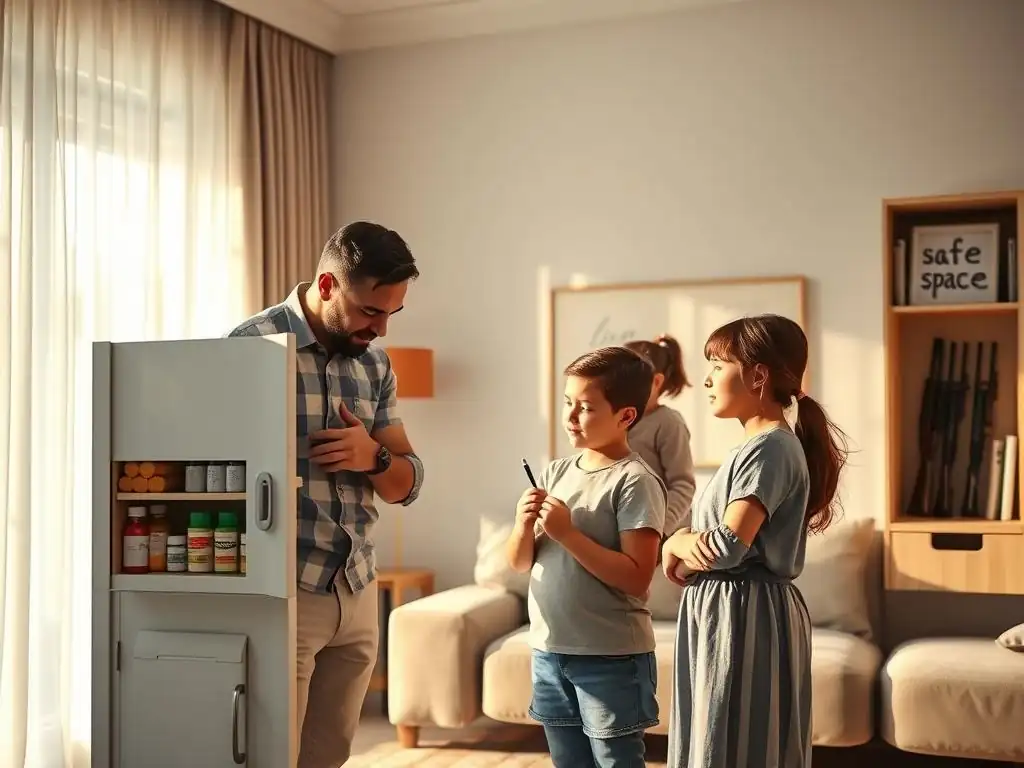
Welcome to Mind Care Guide, a sanctuary for your mental well-being.
Feeling overwhelmed by the thought of securing your home? You're not alone. This guide offers practical, empathetic steps towards safe home access reduction, a crucial aspect of crisis intervention. Discover how to create a safer environment for yourself or a loved one, and remember, taking these steps is a sign of strength, not weakness. Let's explore how we can make your space a haven of safety and support.
Creating a Suicide-Safer Home: Reducing Access to Means
- Understanding Means Restriction for Suicide Prevention
- Identifying Potential Hazards in Your Home
- Strategies for Reducing Access to Common Methods
- Fostering a Supportive Home Environment
- Practical Steps for Implementation
- Addressing Challenges and Concerns
- Maintaining Long-Term Safety
- Resources for Means Restriction and Suicide Prevention
- The Impact of Safer Homes on Suicide Prevention
-
Frequently Asked Questions
- What does "Safe Home Access Reduction" mean in the context of mental well-being?
- Why is reducing access to means at home considered a crucial step in suicide prevention?
- How can I identify potential risks in my home related to "Safe Home Access Reduction"?
- What are some practical steps I can take to implement "Safe Home Access Reduction" in my own home?
- Where can I find more information and resources about implementing "Safe Home Access Reduction" and supporting someone in crisis?
- Final Reflection: Reclaiming Safety: The Power of Prevention at Home
- Unlock a Safer Home: Take Control Now
Understanding Means Restriction for Suicide Prevention
Means restriction, also known as means reduction or lethal means safety, is a critical component of a comprehensive approach to suicide prevention. It involves limiting access to methods that could be used in a suicide attempt. The core principle is that by making it more difficult or impossible for someone in crisis to access highly lethal means, you create a vital window of time.
This time allows the intensity of a suicidal crisis to diminish, provides an opportunity for intervention, or enables the individual to seek help. Research consistently shows that the method used in a suicide attempt is a strong predictor of whether the attempt will be fatal. Therefore, reducing access to highly lethal means is a direct way to lower the likelihood of a fatal outcome during a crisis.
Implementing safe home access reduction strategies isn't about removing every single potentially harmful item from a home. It's about identifying and securing items that pose the highest risk, particularly firearms and large quantities of certain medications, which are unfortunately the most common methods used in fatal suicide attempts in many countries.
The goal is to create a physical environment that supports mental well-being and safety, especially for individuals who may be vulnerable due to mental health challenges, substance use issues, or recent stressful life events. This proactive step is a powerful way for individuals, families, and communities to contribute to suicide prevention efforts and establish a safer living space.
The Importance of Limiting Access to Lethal Methods
Limiting access to lethal methods is a cornerstone strategy in suicide prevention because it directly impacts the lethality of attempts. Studies have shown a strong correlation between the availability of specific, highly lethal means and suicide rates. For instance, in the United States, firearms account for approximately half of all suicide deaths, despite accounting for a much smaller percentage of non-fatal attempts.
This stark difference highlights the high lethality associated with this method. Similarly, certain medications, when taken in large doses, can be extremely dangerous. Restricting access to these specific means is not about preventing suicide attempts entirely, but about preventing suicide deaths.
The rationale behind this approach is supported by evidence suggesting that suicidal crises are often transient. While the underlying issues may persist, the intense impulse to act on suicidal thoughts can wax and wane. By implementing safe home access reduction measures, you introduce a physical barrier that can interrupt this impulse during its peak intensity.
This delay can be life-saving, providing crucial time for the person to reconsider, for the crisis to pass, or for help to arrive. This makes limiting access a practical and effective intervention, particularly when combined with other support strategies like mental health treatment and crisis support.
How Access to Means Influences Suicide Risk
The presence and easy accessibility of lethal means in a person's environment significantly increase the risk of a suicide attempt becoming fatal. This isn't just theoretical; it's supported by substantial research. For example, studies tracking individuals after they acquire a firearm have shown an elevated risk of suicide, particularly in the short term. Similarly, homes with unlocked firearms are associated with a higher risk of suicide death for residents. The ease with which someone can access a lethal method during a moment of intense distress can be the deciding factor between a non-fatal act and a tragedy.
Implementing safe home access reduction directly addresses this environmental risk factor. It acknowledges that while mental health is complex, the physical environment plays a role in the outcome of a crisis. Think of it like installing fences around swimming pools to prevent child drownings – it doesn't eliminate the risk of a child being near water, but it adds a layer of safety that makes a fatal accident less likely.
By making it harder to access highly lethal items, you reduce the likelihood that a suicidal impulse, no matter how strong, will result in a fatal outcome. This is a pragmatic and evidence-based approach to saving lives.
Identifying Potential Hazards in Your Home
Creating a suicide-safer home begins with a thorough and honest assessment of your living environment. This isn't about judgment or blame, but about taking proactive steps to identify items that could potentially be used in a suicide attempt, particularly those known to be highly lethal.
While almost any item could theoretically be used, the focus for safe home access reduction should be on the methods most frequently associated with suicide deaths: firearms, certain medications, and potentially other items depending on individual circumstances and history. This assessment should be conducted with a clear and compassionate perspective, prioritizing safety above all else.
It's important to approach this task systematically. Consider each room in your home and think about what is stored there. Where are medications kept? Are there firearms in the house, and if so, how are they stored?
What about sharp objects like knives or razors? Are there chemicals or other substances that could be harmful? The goal is to gain a clear picture of potential risks so that effective safe home access reduction strategies can be implemented. This process can feel daunting, but it's a necessary step towards creating a genuinely safe environment for everyone living in or visiting the home.
Common Household Items as Potential Suicide Methods
While many household items could be used in a suicide attempt, certain categories are associated with higher lethality and are more frequently used. As mentioned, firearms are the most common method in fatal suicides in many countries, including the United States, accounting for roughly half of all deaths. Medications, particularly prescription drugs, are also a significant concern. Overdoses involving prescription opioids, sedatives, and other substances can be highly lethal. Even common over-the-counter medications can be dangerous in large quantities.
Beyond firearms and medications, other items like sharp objects (knives, razor blades), ligatures (belts, ropes, cords), and chemicals (poisons, cleaning supplies) can also pose a risk. The specific items to focus on for safe home access reduction will depend on what is present in your home and the individual's history and preferences, if known. The key is to identify these potential hazards and understand that their presence, especially when easily accessible, increases risk during a crisis. Acknowledging these risks is the first step towards mitigating them effectively.
Conducting a Home Safety Assessment
A home safety assessment for suicide prevention should be a thoughtful and systematic process. It's often best done calmly, perhaps not during a moment of crisis. You might walk through your home with a safety checklist in mind, considering areas where potentially lethal items are stored. Ask yourself:
- Where are all firearms located, and how are they stored?
- Where are all prescription and over-the-counter medications kept?
- Are there large quantities of any medication?
- Where are knives, razor blades, or other sharp items stored?
- Are there ropes, cords, or belts that could be used as ligatures and are easily accessible?
- Where are chemicals, poisons, or cleaning supplies stored?
- Is alcohol or other substances readily available?
This assessment is not about removing items entirely in most cases, but about identifying what needs to be secured. For effective safe home access reduction, the focus is on making these items inaccessible during a crisis. This might involve using locks, storing items in separate locations, or temporarily removing them from the home. Documenting your findings can be helpful to ensure all areas are covered and plans are made for securing each identified risk.
Recognizing Suicide Warning Signs
Implementing safe home access reduction is most effective when combined with an awareness of suicide warning signs. Recognizing these signs allows for timely intervention and support, which can help prevent a crisis from escalating. Warning signs can vary but often include:
- Talking about wanting to die or kill oneself.
- Looking for a way to kill oneself, such as searching online or obtaining means.
- Talking about feeling hopeless or having no reason to live.
- Talking about feeling trapped or in unbearable pain.
- Talking about being a burden to others.
- Increasing the use of alcohol or drugs.
- Acting anxious, agitated, or reckless.
- Sleeping too little or too much.
- Withdrawing or feeling isolated.
- Showing rage or talking about seeking revenge.
- Displaying extreme mood swings.
These signs are not always obvious, and sometimes a person may hide their distress. However, being aware of these potential indicators allows you to reach out, express concern, and connect the person with help. Combining this awareness with safe home access reduction creates a layered approach to safety, addressing both the internal struggle and the environmental risks. If you observe these signs, especially a sudden worsening or the appearance of new behaviors, take them seriously and seek help immediately.
Strategies for Reducing Access to Common Methods
Once potential hazards have been identified, the next crucial step is implementing practical strategies for safe home access reduction. These strategies focus on creating physical barriers that make it significantly more difficult for someone in distress to access lethal means. The methods used will vary depending on the type of item being secured, but the principle remains the same: increase the time and effort required to access the item, thereby creating an opportunity for intervention or for the crisis to pass. This is a concrete way to translate the intention of safety into tangible actions within the home.
Effective strategies are often simple but require consistency and commitment. They are most powerful when discussed openly (if appropriate and safe) with family members or housemates, ensuring everyone understands the importance of these measures for safe home access reduction. Remember, the goal is not to eliminate the items themselves, but to store them in a way that prioritizes safety during a potential crisis. This might involve securing items off-site temporarily or using robust locking mechanisms at home.
Safe Firearm Storage: Locking Devices and Secure Cabinets
For homes with firearms, safe storage is arguably the most critical aspect of safe home access reduction. Unsecured firearms are a major risk factor for suicide. The most effective methods involve storing firearms unloaded, locked, and separate from ammunition, which should also be locked.
- Locking Devices: Cable locks, trigger locks, and chamber locks can prevent a firearm from being fired. These are relatively inexpensive and can be used in conjunction with other methods.
- Gun Safes or Cabinets: These provide a higher level of security. Firearms should be stored in a locked safe or cabinet that is difficult to move.
- Storing Ammunition Separately: Ammunition should be stored in a separate, locked location from the firearm itself.
According to the Centers for Disease Control and Prevention (CDC), using safe storage practices, such as locking firearms and storing ammunition separately, can reduce the risk of firearm-related suicide. A 2019 study published in the American Journal of Preventive Medicine found that secure firearm storage practices were associated with a significantly lower risk of self-inflicted firearm injury among household members. Implementing these measures is a fundamental part of safe home access reduction in gun-owning households.
Medication Security: Proper Storage and Disposal Guidelines
Medications, both prescription and over-the-counter, can be lethal in overdose. Proper storage and disposal are key components of safe home access reduction. This is especially important for pain medications (like opioids), sedatives, tranquilizers, and certain antidepressants or other psychiatric medications, which can be particularly dangerous in large quantities.
- Secure Storage: Medications should be kept in a locked cabinet or lockbox. This prevents easy access, especially during impulsive moments. A simple lockbox can be purchased for a relatively low cost.
- Monitoring Quantities: Be mindful of the quantity of medication on hand, particularly for high-risk prescriptions. If possible, request smaller prescription fills if there are concerns about misuse or overdose risk.
- Safe Disposal: Unused or expired medications should be disposed of properly. Do not simply flush them down the toilet or throw them in the trash where they could be retrieved. Many pharmacies and local law enforcement agencies offer medication take-back programs. The U.S. Drug Enforcement Administration (DEA) often hosts National Prescription Drug Take Back Days.
These steps significantly reduce the risk of intentional overdose and are vital for comprehensive safe home access reduction. Ensuring medications are secure removes a readily available means during a crisis.
Securing Sharp Objects and Other Potential Implements
While less lethal than firearms or certain medications, sharp objects like knives, razors, and blades, as well as ligatures (belts, ropes, cords) and chemicals, can also be used in suicide attempts. Safe home access reduction should consider these items as well, especially if they have been identified as potential risks for a specific individual.
- Sharp Objects: Kitchen knives can be stored in a locked drawer or cabinet, or using knife blocks that are difficult to access quickly. Razor blades and other sharp tools can be kept in locked toolboxes or medicine cabinets.
- Ligatures: While it's impossible to secure every cord or belt, be mindful of easily accessible items that could be used. In situations of high risk, temporarily removing excess cords or belts from immediate reach might be considered.
- Chemicals/Poisons: Cleaning supplies, pesticides, and other toxic chemicals should always be stored in locked cabinets, ideally high up and out of reach.
These measures, while perhaps seeming less critical than firearm or medication safety, contribute to a layered approach to safe home access reduction, addressing multiple potential methods and increasing overall safety within the home environment.
Limiting Access to Alcohol and Other Substances
Substance use, particularly alcohol and drug intoxication, is a significant risk factor for suicidal behavior. Intoxication can lower inhibitions, increase impulsivity, and intensify feelings of hopelessness or despair. Therefore, limiting access to alcohol and other substances is an important part of safe home access reduction, especially for individuals struggling with substance use disorders or those known to be at risk of suicide.
- Reducing Availability: Keep limited quantities of alcohol in the home, or consider making the home alcohol-free if there is a high level of risk.
- Securing Substances: If prescription or recreational drugs are present, they should be stored securely, ideally in a locked box, similar to medications.
- Addressing Substance Use: For individuals struggling with substance use, connecting them with treatment and support services is a critical prevention strategy that complements physical safe home access reduction measures.
Addressing substance availability directly tackles a factor that can exacerbate suicidal ideation and increase the likelihood of impulsive, lethal behavior.
Fostering a Supportive Home Environment

Implementing physical safe home access reduction measures is most effective when combined with efforts to create a supportive and emotionally safe home environment. A home where individuals feel understood, connected, and able to openly discuss their struggles provides a protective buffer against suicidal crises. Safety isn't just about locks and storage; it's also about the quality of relationships and communication within the household.
Building a supportive environment involves active listening, validation of feelings, and a willingness to engage in potentially difficult conversations about mental health. It means reducing stigma around seeking help and making it clear that it's okay not to be okay. This emotional safety net complements the physical safety measures, creating a comprehensive approach to well-being and suicide prevention within the home.
Open Communication About Mental Health
Creating an environment where open and honest communication about mental health is encouraged is fundamental to fostering a supportive home. This means talking about feelings, stress, and mental health challenges without fear of judgment or shame. For families, this might involve:
- Initiating conversations about how everyone is feeling regularly.
- Sharing age-appropriate information about mental health.
- Validating feelings, even when they are difficult or uncomfortable.
- Expressing care and concern directly.
Open communication helps identify distress early, long before a crisis point is reached. It allows individuals to voice suicidal thoughts or feelings, giving others an opportunity to intervene and implement safe home access reduction strategies if necessary. According to the National Alliance on Mental Illness (NAMI), open dialogue reduces the stigma associated with mental illness and encourages help-seeking behavior.
Creating a Crisis Plan
For individuals with known mental health challenges or a history of suicidal ideation, creating a crisis plan together can be a vital step. A crisis plan is a set of pre-determined steps to take if a mental health crisis occurs. It typically includes:
- Warning signs of a worsening crisis.
- Coping strategies that have worked in the past.
- Contact information for support people (friends, family).
- Contact information for mental health professionals (therapist, psychiatrist).
- Contact information for crisis hotlines or emergency services.
- Specific instructions regarding safe home access reduction during a crisis (e.g., who will hold keys to lockboxes, where someone can go for temporary safety).
Having a plan in place removes the need to make difficult decisions during a moment of intense distress. It empowers the individual and their support system to act quickly and effectively, including ensuring that safe home access reduction measures are strictly followed when the risk is highest. This collaborative process itself can be empowering and reinforce feelings of support.
Building Connection and Belonging
Feelings of isolation and lack of connection are significant risk factors for suicide. Conversely, strong social connections and a sense of belonging are protective factors. Within the home, fostering connection means spending quality time together, engaging in shared activities, and ensuring each person feels valued and loved.
This could involve simple things like:
- Eating meals together regularly.
- Spending time on shared hobbies or interests.
- Checking in with each other daily.
- Offering unconditional support.
Creating a home environment where individuals feel deeply connected and know they are not alone in their struggles strengthens their resilience and reduces the likelihood of reaching a point of despair. Combined with safe home access reduction, this creates a powerful defense against suicidal crises. A sense of belonging provides the emotional foundation upon which physical safety measures can effectively operate.
Practical Steps for Implementation
Putting safe home access reduction strategies into practice requires concrete actions. It's not enough to know what needs to be done; the measures must be physically implemented and maintained. This section outlines practical steps for securing common hazards and integrating these practices into daily life. Consistency is key for these measures to be effective.
Using Lockboxes for Medications and Firearms
One of the most straightforward and effective ways to implement safe home access reduction is by using lockboxes or safes. These provide a secure barrier that requires a key or combination to access the contents, significantly delaying or preventing impulsive access.
- Medications: Small, inexpensive lockboxes are widely available online or at pharmacies. All prescription medications, especially those with high-risk profiles, and large quantities of over-the-counter drugs should be stored in a locked box. The key or combination should be kept by a trusted individual who is not currently in crisis.
- Firearms: Gun safes range from small portable cases to large, heavy cabinets. The choice depends on the number and type of firearms. Ensure the safe is secured to the floor or wall if possible to prevent it from being easily removed. As noted, storing firearms unloaded and separate from locked ammunition is a best practice for safe home access reduction.
Implementing these physical barriers is a critical step in ensuring that lethal means are not readily available during a moment of crisis.
Removing or Securing Hazards
Beyond lockboxes, safe home access reduction involves identifying and securing other potential hazards. This might mean:
- Storing sharp kitchen knives in a locked drawer or cabinet when not in use, especially in high-risk situations.
- Keeping razors, blades, and sharp tools in a locked medicine cabinet or toolbox.
- Ensuring all chemicals, poisons, and cleaning supplies are stored in locked cabinets, ideally high up.
- Considering temporary removal of certain items from the home altogether if the risk is extremely high and other methods are insufficient. This might involve a trusted friend or family member holding onto items like firearms or medications temporarily.
Each home is different, and the specific hazards will vary. A thorough home safety assessment, as discussed earlier, will guide which items need to be secured as part of your safe home access reduction plan.
Regular Safety Measure Reviews
Implementing safe home access reduction isn't a one-time task. It requires ongoing attention. Regularly review your safety measures to ensure they are still effective and being consistently followed.
- Check that lockboxes and safes are functioning correctly and are consistently used.
- Ensure keys or combinations are known only by designated trusted individuals.
- Review medication quantities and dispose of expired drugs promptly and safely.
- Reassess potential hazards if there are changes in household members, their mental health status, or the items present in the home.
Making safe home access reduction a routine part of home maintenance helps ensure that the environment remains safe over time and that these crucial practices don't fall by the wayside.
Addressing Challenges and Concerns
Implementing safe home access reduction can sometimes present challenges. Discussions about securing potentially sensitive items like firearms or medications can be difficult, and individuals experiencing suicidal ideation may resist these measures. Addressing these challenges with empathy, patience, and a focus on safety is crucial.
Overcoming Resistance to Safety Measures
Resistance to safe home access reduction can stem from various places – a feeling of being distrusted, a perceived loss of autonomy, or denial of the severity of the risk. Approaching these conversations with compassion and focusing on the shared goal of safety is essential.
- Emphasize Safety, Not Mistrust: Frame the measures as being about creating a safe environment for everyone, not about not trusting a specific individual.
- Focus on Temporary Nature (if applicable): If measures like temporary removal of means are being considered during a crisis, emphasize that this is a temporary step to get through a difficult period.
- Involve the Individual (if safe and appropriate): Whenever possible, involve the person at risk in the safety planning process to give them a sense of agency.
- Seek Professional Guidance: Mental health professionals can provide strategies for having these difficult conversations and gaining cooperation.
According to a study published in Suicide and Life-Threatening Behavior in 2017, involving firearm owners in the conversation about lethal means safety and framing it as a way to protect their families is more effective than purely clinical approaches. This highlights the importance of tailoring the conversation to the individual's perspective. Overcoming resistance is a key part of successful safe home access reduction.
Talking about suicide and safe home access reduction is inherently difficult. These conversations can be emotionally charged and uncomfortable. It's important to approach them with sensitivity and preparedness.
- Choose the Right Time and Place: Have the conversation when everyone is calm and has time to talk without interruption.
- Be Direct but Kind: Clearly express your concerns about their safety without being accusatory. Use "I" statements (e.g., "I am concerned about your safety") rather than "You" statements ("You are putting yourself at risk").
- Listen Actively: Pay attention to their feelings and perspectives. Validate their emotions, even if you don't agree with their thoughts.
- Focus on Support: Reiterate that you are there to help and support them through this.
- Have Resources Ready: Be prepared to provide information about crisis hotlines, mental health professionals, and support groups.
Navigating these conversations effectively is paramount to gaining cooperation and successfully implementing safe home access reduction strategies. It requires patience, empathy, and a steadfast focus on the person's well-being.
Finding Support for Safe Home Planning
You don't have to undertake safe home access reduction efforts alone. Support is available from various sources.
- Mental Health Professionals: Therapists, counselors, and psychiatrists can provide guidance on assessing risk, having difficult conversations, and developing a comprehensive safety plan that includes means restriction.
- Suicide Prevention Organizations: Many national and local organizations offer resources, guides, and support specifically on lethal means safety and safe home access reduction.
- Support Groups: Connecting with others who have navigated similar challenges can provide emotional support and practical advice.
- Trained Crisis Counselors: Crisis hotlines and text lines can offer immediate support and guidance on safety planning during a crisis.
Seeking support not only helps you implement safe home access reduction effectively but also provides you with the emotional resilience needed to navigate this challenging process.
Maintaining Long-Term Safety

Safe home access reduction is not a one-time fix but an ongoing commitment. Maintaining a suicide-safer home requires regular attention, check-ins, and a willingness to adapt strategies as circumstances change. Long-term safety is built on consistency and vigilance.
Regular Check-ins
For individuals with known risk factors, regular check-ins are vital. This involves checking in on their emotional well-being and ensuring that safety measures, including safe home access reduction, are still in place and effective.
- Scheduled Conversations: Set aside regular time to talk openly about how they are feeling.
- Checking Safety Measures: Periodically verify that firearms are still locked and stored separately from ammunition, medications are secured, and other hazards remain inaccessible. This should be done respectfully and ideally with the individual's awareness and consent, if appropriate.
- Assessing Risk Changes: Be aware of life events or changes in mental health status that might increase risk and necessitate a review or strengthening of safe home access reduction measures.
These check-ins reinforce the message of care and support while also ensuring the physical environment remains safe.
Staying Informed on Best Practices
The field of suicide prevention is constantly evolving, with new research and best practices emerging. Staying informed about the most effective strategies for safe home access reduction is important.
- Follow Reputable Organizations: Subscribe to newsletters or follow social media of organizations like the American Foundation for Suicide Prevention (AFSP), Everytown for Gun Safety (for firearm safety), and the Jed Foundation.
- Read Current Research: Look for information from sources like the CDC, the National Institute of Mental Health (NIMH), and academic journals.
- Attend Workshops or Webinars: Many organizations offer educational opportunities on lethal means safety.
Keeping up-to-date ensures that the safe home access reduction strategies you employ are based on the latest evidence and recommendations.
Seeking Professional Help
Ongoing professional support is crucial for individuals with persistent suicidal ideation or mental health conditions. Therapists, psychiatrists, and counselors can provide continuous care, help manage underlying conditions, and support the maintenance of safety plans, including safe home access reduction.
- Regular Therapy Sessions: Consistent therapy provides a space to process feelings and develop coping skills.
- Medication Management: A psychiatrist can manage medications, ensuring they are effective and addressing any risks associated with them, sometimes suggesting less lethal alternatives if appropriate and possible.
- Involving Professionals in Safety Planning: Professionals can assist in refining and maintaining the crisis plan and safe home access reduction strategies over time.
Professional guidance is an invaluable resource for maintaining long-term safety and well-being.
Resources for Means Restriction and Suicide Prevention
Access to information and support is critical when implementing safe home access reduction and addressing suicidal ideation. Numerous organizations offer resources, helplines, and guidance.
National Suicide Prevention Lifeline and Crisis Text Line
These are immediate resources for anyone in crisis or concerned about someone else. They provide free, confidential support 24/7.
- National Suicide Prevention Lifeline: Available via phone. They can provide immediate support and connect callers with local resources.
- Crisis Text Line: Available via text. Texting may feel more accessible for some individuals. They provide support and resources via text message.
These services are crucial for getting immediate help and guidance, including advice related to safety planning and safe home access reduction during a crisis.
Substance Abuse and Mental Health Services Administration (SAMHSA)
SAMHSA is a U.S. government agency that leads public health efforts to advance the behavioral health of the nation. They offer resources and information on mental health and substance use disorders, which are often linked to suicide risk.
- SAMHSA National Helpline: Provides confidential treatment referrals and information.
- Publications and Resources: SAMHSA publishes guides and information on various mental health topics, including suicide prevention and finding treatment.
SAMHSA's resources can help individuals find professional support and treatment, which is a key component of comprehensive suicide prevention alongside safe home access reduction.
The Trevor Project (LGBTQ Youth)
The Trevor Project is a leading national organization providing crisis intervention and suicide prevention services to lesbian, gay, bisexual, transgender, queer & questioning (LGBTQ) young people.
- Crisis Lifeline: Offers phone, text, and chat support specifically for LGBTQ youth.
- Resources and Community: Provides information tailored to the unique challenges faced by LGBTQ young people and fosters online community.
Given that LGBTQ youth face disproportionately higher rates of suicidal ideation and attempts, specialized resources like The Trevor Project are vital for providing targeted support and safety planning, which would include discussions around safe home access reduction.
The Impact of Safer Homes on Suicide Prevention
The cumulative effect of widespread safe home access reduction efforts can have a significant impact on overall suicide rates. While individual actions are powerful, collective efforts within communities and broader societal changes in attitudes towards safety and mental health amplify this impact. Creating safer physical environments is a tangible way to contribute to a culture of prevention.
Case Studies of Successful Interventions
Numerous examples highlight the effectiveness of safe home access reduction. For instance, studies following programs that promote safe firearm storage among gun owners have shown positive results in increasing the adoption of these practices. One often-cited example is the impact of changes in the availability of specific substances in certain countries. When highly lethal substances used in suicide attempts were restricted or made less accessible (e.g., changes in packaging or availability of certain pesticides or medications), national suicide rates using those methods often declined significantly. These real-world examples underscore the life-saving potential of limiting access to lethal means.
Another powerful example comes from military settings. Programs promoting safe firearm storage on military bases have been implemented as part of broader suicide prevention strategies, recognizing the high rate of firearm suicides among service members. While complex factors are at play, these initiatives are based on the evidence that reducing access to lethal means during a crisis is a vital intervention. These case studies provide compelling evidence that safe home access reduction is a practical and effective suicide prevention strategy.
Community Roles in Promoting Safety
Communities play a vital role in promoting safe home access reduction. This can involve public health campaigns, educational initiatives, and partnerships between various community stakeholders.
- Public Health Campaigns: Raising awareness about the importance of safe storage of firearms and medications through public service announcements and community events.
- Partnerships: Collaborations between healthcare providers, pharmacies, gun shops, law enforcement, and mental health services to distribute safety information and resources (like gun locks or medication disposal kits).
- Community Education: Offering workshops or training sessions on suicide prevention, including lethal means safety, for community members.
A community-wide effort helps normalize the conversation around safe home access reduction and provides resources and support beyond the individual household, creating a broader safety net.
Creating a Culture of Support and Prevention
Ultimately, safe home access reduction is part of a larger effort to create a culture that prioritizes mental well-being and actively prevents suicide. This involves reducing stigma, promoting help-seeking, and looking out for one another.
- Reducing Stigma: Openly discussing mental health and suicide challenges helps reduce the shame that prevents people from seeking help.
- Promoting Help-Seeking: Encouraging individuals to reach out to professionals or support networks when they are struggling.
- Learning Gatekeeper Skills: Training community members to recognize warning signs and know how to respond and connect people to help.
By combining these cultural shifts with practical steps like safe home access reduction, communities can build a more resilient and safer environment where individuals feel supported and protected during times of vulnerability. This holistic approach acknowledges that preventing suicide requires both individual action and collective responsibility.
Frequently Asked Questions
What does "Safe Home Access Reduction" mean in the context of mental well-being?
It refers to reducing access to potentially lethal means in the home, such as firearms, medications, and sharp objects, to prevent impulsive acts during a mental health crisis. This is a proactive measure for safety.
Why is reducing access to means at home considered a crucial step in suicide prevention?
Limiting immediate access to dangerous items gives individuals in crisis time and space to reconsider, allowing for intervention and support. It reduces the risk of a fatal outcome during a vulnerable period.
Look for items that could be used for self-harm, such as unlocked firearms, excess medication, sharp objects, and toxic substances. Consider how easily accessible these items are.
What are some practical steps I can take to implement "Safe Home Access Reduction" in my own home?
Lock up firearms securely, store medications in a locked cabinet, dispose of unused medications properly, and remove or secure sharp objects and toxic substances. Consider involving trusted family members.
Where can I find more information and resources about implementing "Safe Home Access Reduction" and supporting someone in crisis?
Mind Care Guide offers resources on mental well-being, including information on crisis support, mental health challenges, and strategies for creating a safe environment. Contact mental health professionals for guidance.
Final Reflection: Reclaiming Safety: The Power of Prevention at Home
The alarming rise in self-harm and accidental injuries highlights the urgent need to proactively address access to potentially harmful means within our homes. Creating a safe home environment isn't just about locking doors; it's about a conscious and ongoing commitment to minimizing risks and fostering a culture of preventative care. This proactive approach is not about fear, but about empowerment and control.
The impact of readily available means on vulnerable individuals is profound and far-reaching. It underscores the critical role we all play in creating supportive and protective spaces. The responsibility extends beyond immediate family to encompass friends, neighbors, and community members. As we strive to build more resilient communities, we must prioritize the creation of environments that actively reduce harm. The best way to prevent a problem is to remove the opportunity for it to occur.
This simple truth underpins the core message of this article – that proactive safety measures are not restrictive, but liberating.
You now have the tools and knowledge to assess your own home environment and make informed decisions about reducing access to potentially harmful means. Take the time to reflect on the information presented, and consider what small changes you can implement today. Remember, even seemingly insignificant adjustments can make a significant difference in creating a safer, more nurturing space for yourself and those you love. Let's work together to build a future where preventable tragedies are a thing of the past.
Unlock a Safer Home: Take Control Now
Thanks for taking the time to learn about creating a safer home environment. We hope you found practical steps to reduce access to means of self-harm. Now, let's turn knowledge into action!
- Prioritize one safety modification: Choose one item from the article you feel most comfortable implementing today – whether it's securing medication, removing sharp objects, or creating a support plan. Small steps make a big difference.
- Share this vital information: Forward this article to a friend or family member who might find it helpful. Starting a conversation is a powerful first step towards a supportive community.
- Explore our resources: Consider visiting our website for more in-depth information on creating a supportive and safe living space (MindCareGuide.org - this should not be a clickable link).
What’s one small change you can make in your home to enhance your safety and well-being?