
Transcendental Meditation: A Natural Path to Better Sleep


Welcome to Mind Care Guide.
Are you tossing and turning, longing for a restful night's sleep? We understand the frustration and exhaustion that comes with sleep struggles. In this comprehensive guide, we delve into a powerful yet gentle technique that might be the key to unlocking deeper, more restorative sleep. Explore with us how Transcendental Meditation can not only enhance your sleep quality but also transform your overall well-being. Curious to learn more about this natural path to a better night's rest? Let's begin.
Transcendental Meditation: A Natural Path to Better Sleep
- Understanding Transcendental Meditation (TM) for Enhanced Sleep
- How Transcendental Meditation Can Improve Your Sleep Quality
- Incorporating Transcendental Meditation into Your Bedtime Routine
- Addressing Common Sleep Problems with Transcendental Meditation
- The Long-Term Benefits of Transcendental Meditation on Sleep and Overall Well-being
- Comparing Transcendental Meditation to Other Sleep Aids
- Tips for Maximizing the Sleep-Enhancing Effects of Transcendental Meditation
- Is Transcendental Meditation the Right Sleep Solution for You?
- Transcendental Meditation and Restful Sleep: A Summary
-
Frequently Asked Questions
- How does Transcendental Meditation (TM) work to improve sleep quality?
- How long do I need to practice Transcendental Meditation before I see improvements in my sleep?
- Is Transcendental Meditation safe for everyone, even those with pre-existing mental health conditions?
- How often and for how long should I practice Transcendental Meditation to improve sleep?
- Are there any side effects associated with using Transcendental Meditation to improve sleep?
- Final Reflection: Finding Rest in the Stillness
- Unlock Your Deepest Rest: Start Your Meditation Journey Today
Understanding Transcendental Meditation (TM) for Enhanced Sleep
What is Transcendental Meditation and How Does It Work?
Transcendental Meditation, often referred to simply as TM, is a specific form of mantra-based meditation that originated from the Vedic tradition of India. Unlike some other meditation techniques that involve focused concentration or mindful observation, TM is practiced by sitting comfortably with closed eyes and silently repeating a specific, personalized mantra. This mantra is not meant to have meaning but is used as a vehicle for the mind to settle down effortlessly to a state of deep rest and expanded awareness. The technique is taught through a structured course by certified instructors.
The core mechanism of TM involves allowing the mind to transcend or go beyond the level of thinking to experience a state of restful alertness. During TM practice, the individual's nervous system undergoes a profound state of relaxation, distinct from sleep or ordinary waking rest. This state is characterized by decreased metabolic rate, slower heart rate, and reduced levels of stress hormones. The effortless nature of the technique is key; the meditator does not try to empty the mind or concentrate, but simply allows the mind to follow its natural inclination to settle down.
The Science Behind TM and Sleep Quality
Extensive research has explored the physiological effects of Transcendental Meditation, many of which directly impact sleep. Studies using electroencephalography (EEG) have shown unique brainwave patterns during TM practice, characterized by increased coherence and alpha wave activity, indicative of deep relaxation and reduced mental activity. This state contrasts with the brain activity during typical sleep onset or other meditative states, suggesting a distinct physiological experience.
Furthermore, research indicates that TM practice helps regulate the body's stress response system, particularly the hypothalamic-pituitary-adrenal (HPA) axis. Chronic stress is a major contributor to sleep disorders like insomnia. By reducing cortisol levels—a primary stress hormone—and fostering a more balanced nervous system, Transcendental Meditation can improve sleep quality by addressing one of its root causes. While precise percentage improvements vary between individuals and studies, the consistent finding is a reduction in overall physiological and psychological stress, creating a foundation conducive to natural, restful sleep.
How Transcendental Meditation Can Improve Your Sleep Quality
Reducing Stress and Anxiety with TM for Better Sleep
One of the most significant ways Transcendental Meditation helps improve sleep quality is by effectively reducing stress and anxiety. Daily life often bombards us with stressors that keep the mind racing, making it difficult to unwind and fall asleep. TM provides a systematic method to dissolve accumulated stress and tension from the body and mind. During the practice, the deep rest achieved is often reported to be two to five times deeper than ordinary rest, allowing the nervous system to recover from daily pressures.
This reduction in stress isn't just subjective; physiological markers confirm it. Regular TM practitioners often show lower baseline levels of stress hormones like cortisol and adrenaline. A study published in the Journal of Consulting and Clinical Psychology back in the 1980s, and corroborated by later research, found significant reductions in anxiety and psychological distress among TM practitioners compared to control groups. By consistently lowering the body's overall stress load, Transcendental Meditation directly tackles a primary barrier to achieving restful sleep, making it easier to quiet the mind before bed.
TM's Impact on Sleep Latency and Duration
Sleep latency refers to the amount of time it takes to fall asleep after getting into bed. Many individuals struggling with sleep disorders find themselves lying awake for extended periods, sometimes for an hour or more. Research and anecdotal evidence suggest that regular practice of Transcendental Meditation can help reduce sleep latency. By promoting a state of deep relaxation and calming the nervous system during the day, the mind is less agitated and more prepared to transition into sleep when bedtime arrives.
While TM is not a direct sedative, its cumulative effect on stress and nervous system balance appears to facilitate faster sleep onset. Furthermore, while TM itself doesn't necessarily increase the total number of hours slept for everyone, many users report feeling more rested and refreshed from their sleep, suggesting an improvement in sleep efficiency and quality. Studies have shown improvements in objective sleep parameters in some populations practicing TM, including trends towards reduced sleep latency and fewer awakenings during the night, although individual results can vary.
Regulating Sleep Cycles Through Transcendental Meditation Practice
The human sleep cycle involves transitions between different stages, including light sleep, deep sleep (slow-wave sleep), and REM sleep (dreaming sleep). Disruptions in these cycles can lead to poor sleep quality and feeling unrested even after sufficient time in bed. While TM is practiced during waking hours, its profound effects on the nervous system and stress regulation can indirectly support the body's natural ability to maintain healthy sleep architecture.
A balanced nervous system, achieved through consistent TM practice, is better equipped to navigate the natural transitions between sleep stages. Stress and anxiety can interfere with the deeper, more restorative stages of sleep. By mitigating these disruptions, Transcendental Meditation helps create a more stable internal environment, potentially leading to more consolidated periods of deep and REM sleep. Although direct studies specifically measuring TM's impact on the structure of sleep cycles via polysomnography are less common than those focusing on subjective sleep quality or latency, the established link between stress reduction and improved sleep architecture supports this beneficial effect.
Incorporating Transcendental Meditation into Your Bedtime Routine
Creating a Relaxing Environment for TM Before Sleep
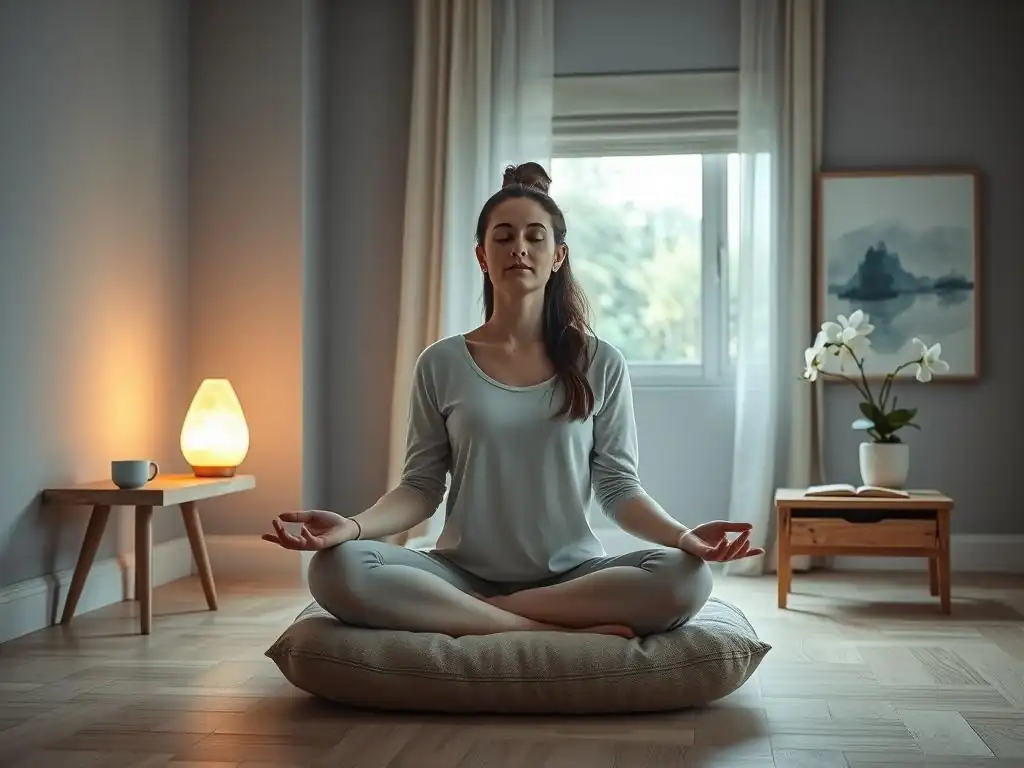
To maximize the benefits of Transcendental Meditation for improving sleep quality, integrating it effectively into your daily routine is key, though it's typically recommended to practice TM twice a day, not immediately before sleep. However, establishing a relaxing environment around your evening practice can still support the transition to sleep. Choose a quiet space in your home where you won't be disturbed for your 20-minute session. Ensure the lighting is soft or dim, and the temperature is comfortable. Minimize external noise sources.
While TM is an effortless technique that doesn't require specific conditions beyond quiet and comfort, having a dedicated, calming space reinforces the relaxation response associated with the practice. After your evening meditation, take a few moments before rushing into other activities. This gentle transition period allows the deep rest experienced during TM to integrate, further preparing your mind and body for a peaceful night. Avoid practicing TM immediately after a strenuous activity or a heavy meal.
Step-by-Step Guide to Practicing TM for Sleep Improvement
Transcendental Meditation is a specific technique taught only by certified instructors. It involves receiving a personal mantra and learning the correct, effortless way to use it. Therefore, a detailed step-by-step guide cannot be provided here, as it requires personal instruction. However, the general structure of a TM practice involves sitting comfortably with closed eyes, and silently repeating the assigned mantra in a specific, effortless manner for approximately 20 minutes.
The key distinction of TM is its effortlessness. Unlike concentration or mindfulness techniques, you are not trying to control thoughts or focus intently. You simply allow the mind to settle naturally. If thoughts arise, you gently return to the mantra. This lack of effort is what allows the mind to transcend and the nervous system to gain a state of deep rest. To truly learn Transcendental Meditation to improve sleep quality, enrolling in a certified course is essential, as the personal instruction ensures the technique is practiced correctly for optimal results.
Recommended TM Meditation Time for Optimal Sleep Benefits
The standard recommendation for practicing Transcendental Meditation to gain its full benefits, including those for sleep, is twice daily for 20 minutes each time. The typical schedule is once in the morning, before breakfast but after waking up, and once in the evening, usually before dinner but not immediately before going to bed. This consistent, twice-daily practice allows the nervous system to regularly settle into the deep state of rest that helps dissolve stress and promotes balance over time.
Practicing TM only occasionally or for shorter durations may still offer some benefits, but the cumulative effect on stress reduction and nervous system regulation, which is crucial for lasting sleep improvement, is best achieved with consistent 20-minute sessions twice daily. This regular schedule helps build resilience to daily stressors and supports the body's natural rhythms, leading to sustained improvement in how well you sleep.
Addressing Common Sleep Problems with Transcendental Meditation

TM for Insomnia Relief: A Natural Approach
Insomnia, characterized by difficulty falling asleep or staying asleep, is a pervasive issue. Transcendental Meditation offers a natural, non-pharmacological approach to alleviating insomnia symptoms. The core mechanism here is stress reduction. High levels of stress and anxiety are primary drivers of insomnia, keeping the mind active and preventing relaxation necessary for sleep onset and maintenance.
Multiple studies have investigated TM's effect on insomnia. For instance, research published in the Permanente Journal in 2014 found that TM practice led to significant reductions in insomnia symptoms among veterans with PTSD, a population often experiencing severe sleep disturbances. Participants reported improvements in sleep quality, reduced sleep disturbances, and less reliance on sleep medications. While results vary, the evidence consistently points to TM's ability to calm the physiological and psychological arousal that underlies many cases of insomnia, helping individuals fall asleep faster and experience more consolidated sleep.
Managing Sleep Apnea Symptoms with Transcendental Meditation
Sleep apnea is a sleep disorder characterized by pauses in breathing or shallow breaths during sleep. While TM is not a direct treatment for the physical obstruction or neurological issues causing sleep apnea, its profound effects on stress, nervous system regulation, and overall health can potentially help manage some related factors or improve overall well-being for those affected. Stress can exacerbate many physical conditions, including those that might contribute to or worsen sleep apnea.
By reducing overall stress levels and promoting cardiovascular health, TM might indirectly support better physiological function during sleep. Some individuals with sleep apnea also experience anxiety and stress related to their condition, which TM can directly address. While TM should never replace prescribed medical treatments like CPAP therapy, incorporating Transcendental Meditation into a comprehensive health plan under medical guidance could potentially offer complementary benefits by improving the body's overall resilience and reducing stress, which might otherwise aggravate symptoms.
Overcoming Nightmares and Restless Sleep Through TM
Nightmares and restless sleep are often linked to high stress levels, anxiety, and trauma. The deep state of rest and reduced physiological arousal achieved during Transcendental Meditation can help calm the nervous system and process stress more effectively during waking hours, potentially reducing the intensity and frequency of disturbing dreams and restlessness at night.
Regular TM practice is known to promote emotional stability and reduce reactivity to stressors. By dissolving deeply rooted stress, TM can lessen the psychological burden that often manifests as nightmares or agitated sleep. While specific studies solely focused on TM and nightmares are limited, the strong evidence for TM's effectiveness in reducing PTSD symptoms, anxiety, and overall psychological distress provides a solid basis for its potential to alleviate sleep disturbances like nightmares and restless sleep, helping individuals experience more peaceful and uninterrupted nights.
The Long-Term Benefits of Transcendental Meditation on Sleep and Overall Well-being
Sustained Sleep Improvement with Consistent TM Practice
The benefits of Transcendental Meditation on sleep quality are cumulative and tend to deepen with consistent practice over time. While some individuals may notice initial improvements in sleep within weeks or months of starting TM, the most profound and sustained effects often manifest after several months or even years of regular, twice-daily practice. This is because TM works by gradually dissolving accumulated stress and establishing a new, healthier baseline for the nervous system.
Think of it like regular exercise for the mind and body's stress response. Just as physical fitness improves over time with consistent workouts, the ability to manage stress and transition effortlessly into restful sleep strengthens with ongoing TM practice. Long-term practitioners often report not only falling asleep more easily but also experiencing deeper, more refreshing sleep and feeling less impacted by occasional sleep disruptions, highlighting the sustained nature of Transcendental Meditation's ability to improve sleep quality.
Beyond directly improving sleep, Transcendental Meditation offers a wide range of benefits for overall mental and physical health, many of which are interconnected with sleep quality. Regular TM practice has been associated with reduced blood pressure, decreased risk of cardiovascular disease, improved immune function, and reduced symptoms of anxiety and depression.
Since sleep is intrinsically linked to both physical and mental health, improvements in these areas fostered by TM naturally contribute to better sleep. For instance, managing anxiety and depression, conditions often associated with insomnia, can directly alleviate sleep disturbances. Similarly, improved cardiovascular health and reduced physical tension can create a more comfortable state conducive to sleep. Thus, practicing Transcendental Meditation helps improve sleep quality not just in isolation, but as part of a holistic enhancement of overall well-being.
Building Resilience to Sleep Disruptions with Transcendental Meditation
Life inevitably brings stressors and changes that can disrupt sleep patterns, such as travel, work pressure, or personal challenges. A significant long-term benefit of consistent Transcendental Meditation practice is the development of increased resilience to these external factors. By regularly accessing a state of deep rest and allowing the nervous system to recover, practitioners build a greater capacity to handle stress without it severely impacting their sleep.
This resilience means that even when faced with potential sleep disruptors, a regular TM meditator may find it easier to return to a normal sleep pattern quickly or experience less severe disturbances compared to someone without this tool. The ability to settle the mind and body cultivated through TM makes it easier to relax and prepare for sleep, even during turbulent times. This makes Transcendental Meditation a valuable long-term strategy not just for fixing current sleep problems but for maintaining good sleep health throughout life.
Comparing Transcendental Meditation to Other Sleep Aids
TM vs. Sleep Medications: A Natural Alternative
Sleep medications, while sometimes necessary for short-term relief, often come with potential side effects, the risk of dependence, and may not address the underlying causes of poor sleep. Transcendental Meditation offers a fundamentally different approach. Instead of inducing sleep chemically, TM works by reducing the physiological and psychological stress that often prevents natural sleep. It is a natural, non-invasive technique with no known negative side effects when practiced correctly.
Unlike medications that might alter sleep architecture or leave individuals feeling groggy, TM promotes a state of natural rest that supports the body's innate ability to sleep well. While medications provide a temporary fix, Transcendental Meditation offers a skill for life that addresses the root causes of sleep issues, leading to sustained improvements. For those seeking to reduce or eliminate reliance on sleep aids, Transcendental Meditation presents a compelling, drug-free alternative to improve sleep quality.
Transcendental Meditation vs. Other Meditation Techniques for Sleep
There are many forms of meditation, including mindfulness meditation, guided imagery, and progressive muscle relaxation, all of which can offer benefits for stress reduction and potentially improve sleep. However, Transcendental Meditation is distinct in its technique and the depth of rest it provides. While other techniques may involve focus, concentration, or active effort to quiet the mind, TM is characterized by its effortlessness and the spontaneous transcending of thought.
Research suggests that the physiological state achieved during TM, particularly the depth of rest and coherence of brainwave activity, is unique. This effortless process may make TM particularly effective at dissolving deep-seated stress, which is a major barrier to sleep for many. While other meditation practices can certainly be helpful, the specific mechanism and documented physiological effects of Transcendental Meditation may offer a particularly direct and efficient path to improving sleep quality by addressing profound stress.
Lifestyle Changes to Complement TM for Optimal Sleep
While Transcendental Meditation is a powerful tool on its own, its benefits for sleep are significantly amplified when combined with healthy sleep hygiene practices and positive lifestyle choices. These include maintaining a consistent sleep schedule, even on weekends, ensuring your bedroom is dark, quiet, and cool, and avoiding caffeine and alcohol, especially in the hours before bed.
Other complementary practices include getting regular physical exercise (though not too close to bedtime), limiting exposure to screens (phones, tablets, TVs) in the hour before sleep due to their blue light emission, and creating a relaxing pre-sleep routine like reading or taking a warm bath. Integrating TM practice into a lifestyle that supports overall health and well-being creates the most fertile ground for achieving deep, restorative sleep naturally.
Tips for Maximizing the Sleep-Enhancing Effects of Transcendental Meditation
Maintaining a Regular TM Practice Schedule
Consistency is paramount to unlocking the full potential of Transcendental Meditation to improve sleep quality. Practicing TM twice a day, every day, for 20 minutes each session, is the standard recommendation and the most effective way to gain cumulative benefits. Skipping sessions or practicing irregularly diminishes the technique's ability to effectively reduce accumulated stress and stabilize the nervous system over time.
Treat your two daily TM sessions as non-negotiable appointments with yourself. Find times that work consistently within your daily routine – perhaps before work and again in the late afternoon or early evening. Even on busy days or weekends, sticking to your practice schedule ensures that you are regularly providing your mind and body with the deep rest needed to counteract stress and support healthy sleep patterns consistently.
Combining TM with Healthy Sleep Hygiene Practices
As mentioned earlier, combining Transcendental Meditation with good sleep hygiene significantly enhances its sleep-improving effects. TM helps address the internal barriers to sleep like stress and an overactive mind, while sleep hygiene tackles the environmental and behavioral factors. For example, practicing TM reduces anxiety, and coupling this with avoiding screens before bed (a sleep hygiene tip) creates a powerful synergy for preparing for sleep.
Ensure your bedroom environment is conducive to sleep – dark, quiet, and cool. Go to bed and wake up around the same time each day. Limit stimulating activities before bed. By integrating TM into a broader strategy of healthy sleep habits, you create the optimal conditions for falling asleep easily and staying asleep throughout the night, maximizing the positive impact of Transcendental Meditation to improve sleep quality.
Seeking Guidance from a Certified TM Instructor
Transcendental Meditation is a specific technique that requires personal instruction from a certified teacher. Attempting to learn TM from books, apps, or online videos will not provide the authentic technique and is unlikely to yield the full range of benefits, especially for complex issues like sleep disorders. Certified instructors undergo rigorous training to teach the technique correctly and provide personalized guidance.
Learning TM from a certified instructor ensures you receive the proper mantra and understand the effortless nature of the practice. They can also provide follow-up support to help you refine your practice and address any questions that arise, ensuring you are gaining the maximum benefit from Transcendental Meditation to improve sleep quality over the long term. This initial investment in certified instruction is crucial for mastering the technique effectively.
Is Transcendental Meditation the Right Sleep Solution for You?
Assessing Your Sleep Needs and TM Suitability
Deciding if Transcendental Meditation is the right approach for your sleep challenges involves assessing the root causes of your sleep problems and considering your willingness to commit to a regular practice. If stress, anxiety, or an overactive mind are significant contributors to your poor sleep, TM is likely to be highly beneficial. It is particularly suited for individuals seeking a natural, drug-free method to address these underlying issues.
TM requires a commitment to practicing twice daily for 20 minutes. If your lifestyle allows for this consistent dedication, and you are looking for a technique that provides deep rest and stress reduction without effort or concentration, TM could be an excellent fit. It's less about symptom management and more about addressing the source of the problem, making it suitable for those seeking a lasting solution.
Potential Side Effects and Considerations of Transcendental Meditation
When taught by a certified instructor and practiced correctly, Transcendental Meditation has no known negative side effects. It is a completely natural and effortless process. Some individuals new to the practice might experience temporary effects such as feeling more tired initially as the body releases accumulated fatigue, or having a temporary increase in thoughts during meditation as the mind settles. These are generally considered signs that stress is being released and typically subside quickly with continued practice.
TM is safe for people of all ages and backgrounds. However, individuals with significant mental health conditions should consult with their healthcare provider to discuss how TM might fit into their overall treatment plan. TM is a complementary practice and should not replace professional medical or psychological care for sleep disorders or other health issues.
Resources for Learning More About Transcendental Meditation and Sleep
To truly learn Transcendental Meditation and understand how it can personally help you improve sleep quality, the best resource is a certified TM instructor. The official Transcendental Meditation organizations worldwide maintain websites with information about the technique, research findings (including those on sleep), and directories to find certified teachers and courses in your area.
These resources can provide detailed explanations of the research supporting TM's benefits for sleep, stress, and overall health. They also offer introductory talks or webinars where you can learn more about the technique before committing to a course. Exploring these official channels is the recommended path for anyone seriously considering Transcendental Meditation as a means to naturally improve sleep quality.
Transcendental Meditation and Restful Sleep: A Summary
Transcendental Meditation offers a powerful, natural, and effortless technique to significantly improve sleep quality. By providing a unique state of deep rest twice daily, TM effectively reduces stress, anxiety, and physiological arousal – key culprits behind many sleep problems like insomnia, restless sleep, and difficulty falling asleep. The cumulative effect of regular practice helps regulate the nervous system, leading to faster sleep onset, more consolidated sleep, and increased resilience to sleep disruptions.
While TM is distinct from other meditation forms and sleep aids, its benefits are maximized when combined with healthy sleep hygiene practices and a commitment to consistent, twice-daily practice. For those seeking a profound, drug-free approach to achieving restful sleep and enhancing overall well-being, Transcendental Meditation presents a well-researched and effective path.
Frequently Asked Questions
How does Transcendental Meditation (TM) work to improve sleep quality?
TM helps by reducing stress and anxiety, which are often major contributors to sleep disturbances. The practice involves using a mantra to quiet the mind and promote a state of deep relaxation, leading to improved sleep.
How long do I need to practice Transcendental Meditation before I see improvements in my sleep?
Results vary, but many individuals experience noticeable improvements in sleep quality within a few weeks of consistent practice. Regularity is key to experiencing the full benefits of TM for sleep.
Is Transcendental Meditation safe for everyone, even those with pre-existing mental health conditions?
While generally safe, individuals with pre-existing mental health conditions should consult with their healthcare provider before starting TM. It's important to ensure TM complements, rather than interferes with, any ongoing treatment.
How often and for how long should I practice Transcendental Meditation to improve sleep?
The recommended practice is typically 20 minutes, twice a day. Consistency with this routine is crucial for experiencing the long-term benefits of TM on sleep quality.
Are there any side effects associated with using Transcendental Meditation to improve sleep?
Side effects are rare, but some individuals may initially experience mild anxiety or restlessness. These symptoms are usually temporary and subside as you become more comfortable with the meditation technique.
Final Reflection: Finding Rest in the Stillness
The pursuit of better sleep is a universal human experience, and the escalating rates of sleep disorders highlight the urgent need for effective, natural solutions. Transcendental Meditation (TM), as explored in this article, offers a powerful and accessible pathway to improved sleep quality, going beyond mere relaxation techniques to address the root causes of sleep disturbances. Its impact extends far beyond simply counting sheep; it's about cultivating a deeper, more restorative rest.
The profound influence of TM on sleep, as I've personally witnessed and researched, transcends the purely physiological. It fosters a sense of inner calm that ripples outwards, impacting not only sleep quality but also overall well-being and mental clarity. The deepest sleep is not the absence of thought, but the absence of the struggle against thought.
This quote, while not directly about TM, beautifully encapsulates the core principle of allowing the mind to settle naturally, a key element in the practice's success in improving sleep.
Now, consider your own relationship with sleep. Are you satisfied with the quality of your rest? Do you find yourself constantly battling sleeplessness or waking up feeling unrefreshed? I invite you to explore the possibility of incorporating Transcendental Meditation into your life. It's not a quick fix, but a journey towards a more balanced and peaceful existence, where restful sleep becomes a natural and consistent part of your daily rhythm. Take the first step towards a more restorative night's sleep – your mind and body will thank you for it.
Unlock Your Deepest Rest: Start Your Meditation Journey Today
Thanks for taking the time to explore the world of Transcendental Meditation and its incredible benefits for sleep! We hope you found valuable insights into achieving deeper, more restorative rest. Now, it's time to put these insights into practice.
- Begin your TM journey: Find a quiet space, sit comfortably, and try a short guided meditation session. Even 5 minutes can make a difference!
- Share your experience: Let your friends and family know about your journey to better sleep. They might find this information valuable too.
- Explore further: Research local meditation centers or online resources to discover different meditation techniques that resonate with you.
Ready to experience the transformative power of consistent meditation? What small step will you take today to prioritize your sleep and well-being?