
The Wearable Edge: How Sleep Data Supports Your Mental Health Journey Effectively


Welcome to Mind Care Guide, a safe space dedicated to nurturing your mental well-being.
Are you curious about how technology can be harnessed to better understand your inner world? Dive into our latest exploration of sleep data mental health, and discover how wearable tech can be a powerful ally in your journey towards a healthier, more balanced you. Uncover the surprising connections between your sleep patterns and your mental state, and learn how to unlock valuable insights that can empower you to take control. What secrets does your sleep hold? Let's find out together...
The Wearable Edge: How Sleep Data Supports Your Mental Health Journey Effectively
- Understanding the Connection: Sleep and Mental Well-being
- Decoding Your Sleep Data: What to Look For
- Implementing Data-Driven Strategies for Mental Wellness
- Maximizing Mental Health Benefits with Specific Sleep Trackers
- Beyond the Data: Holistic Approaches to Sleep and Mental Health
- Turning Sleep Insights into Actionable Mental Health Improvements
-
Frequently Asked Questions
- How can wearable devices track sleep data and how reliable is this data in relation to mental health?
- What specific mental health conditions can be better understood or managed using sleep data from wearables?
- How can I use the sleep data from my wearable device to improve my mental well-being?
- Are there any limitations or potential drawbacks to relying solely on wearable devices for sleep data related to mental health?
- What resources are available if I want to learn more about the connection between sleep data, wearables, and mental health?
- Final Reflection: Weaving the Threads of Sleep and Mental Wellbeing
- Unlock Your Restful Potential: Take Charge of Your Mental Wellbeing
Understanding the Connection: Sleep and Mental Well-being
Why Quality Sleep is Crucial for Mental Health
Quality sleep is not merely a period of rest; it's a vital process during which the brain consolidates memories, processes emotions, and clears metabolic waste. During deep sleep phases, crucial for physical restoration, the body releases growth hormones and repairs tissues. Equally important, REM (Rapid Eye Movement) sleep is strongly linked to emotional regulation and processing daily experiences, helping us cope with stress and maintain a balanced mood. Consistent, restorative sleep ensures these processes occur optimally, providing a strong foundation for robust mental health.
Studies consistently show that adequate sleep significantly impacts cognitive function, mood stability, and resilience to stress. Adults typically require 7 to 9 hours of sleep per night. Falling below this range, or experiencing fragmented sleep, can impair decision-making, increase irritability, and make individuals more susceptible to anxiety and depression. Conversely, prioritizing quality sleep can enhance problem-solving skills, improve emotional control, and boost overall psychological well-being, highlighting its non-negotiable role in mental health.
The Detrimental Effects of Sleep Deprivation on Mental State
Chronic sleep deprivation has profound negative effects on mental health. When sleep is consistently insufficient or poor quality, the brain's ability to regulate emotions is compromised. The amygdala, the brain region responsible for processing fear and threat, becomes hyperactive, while the prefrontal cortex, involved in rational thinking and emotional control, is impaired. This imbalance can lead to heightened anxiety, increased stress reactivity, and difficulty managing frustration.
Furthermore, prolonged sleep deprivation is a significant risk factor for developing mood disorders. Research indicates that individuals with insomnia are ten times more likely to develop depression and seventeen times more likely to experience anxiety compared to those with healthy sleep patterns. Even partial sleep loss over time can accumulate, leading to a state of chronic sleep debt that exacerbates existing mental health conditions and makes individuals more vulnerable to new ones. Utilizing sleep data mental health insights can be crucial in identifying these detrimental patterns early.
How Wearable Sleep Trackers Can Bridge the Gap
Wearable sleep trackers offer a practical way to gain objective insight into personal sleep patterns, bridging the gap between subjective feelings of rest and the reality of sleep quality. Devices worn on the wrist or finger can monitor various physiological signals throughout the night, such as heart rate, movement, body temperature, and even blood oxygen saturation. This data is then processed to estimate sleep duration, time spent in different sleep stages, sleep latency (time taken to fall asleep), and instances of wakefulness.
By providing concrete sleep data, these wearables empower individuals to move beyond simply feeling tired or rested and understand the underlying patterns of their sleep architecture. This objective information can help identify potential issues like insufficient sleep duration, fragmented sleep, or lack of crucial deep or REM sleep. Analyzing this sleep data mental health connection allows users and professionals to make informed decisions about lifestyle adjustments or interventions necessary to improve sleep quality and, consequently, support mental well-being.
Decoding Your Sleep Data: What to Look For
Key Metrics to Monitor: Sleep Duration, Sleep Stages (REM, Deep Sleep), Sleep Latency, and Sleep Efficiency
Understanding the key metrics reported by wearable sleep trackers is essential for leveraging sleep data mental health benefits.
- Sleep Duration: This is the total time spent asleep. While the recommended range is 7-9 hours, consistently sleeping less than 6 hours or more than 10 hours might indicate underlying issues.
- Sleep Stages: Trackers typically estimate time spent in Light Sleep, Deep Sleep, and REM Sleep. Deep sleep is crucial for physical restoration and cognitive function, while REM sleep is vital for emotional processing and memory consolidation. Typical percentages are around 50% Light, 13-23% Deep, and 20-25% REM for adults. Significant deviations from these ranges can impact mental state.
- Sleep Latency: This is the time it takes to fall asleep after getting into bed. Ideally, it should be between 10 and 20 minutes. Taking significantly longer could indicate insomnia or anxiety.
- Sleep Efficiency: This is the percentage of time spent asleep while in bed. An efficiency of 85% or higher is generally considered good. Lower percentages indicate fragmented sleep or excessive time spent awake in bed.
Monitoring these metrics over time provides a comprehensive picture of sleep health. For example, consistently low deep sleep percentage might correlate with feeling physically drained and mentally foggy during the day, impacting concentration and mood. Similarly, reduced REM sleep could align with increased irritability or difficulty processing emotions. Tracking these patterns using sleep data mental health insights can highlight areas needing attention.
Understanding Sleep Stages and Their Impact on Mental Clarity
Each sleep stage plays a unique and critical role in maintaining mental clarity and emotional balance. Light sleep, the initial stage, is a transition phase. Deep sleep (also known as slow-wave sleep) is the most physically restorative stage; during this time, the brain clears metabolic waste products, including beta-amyloid, which is linked to cognitive decline. Sufficient deep sleep is associated with improved learning, memory consolidation, and physical recovery, all of which contribute to feeling mentally sharp and less fatigued.
REM sleep, characterized by vivid dreaming and increased brain activity resembling wakefulness, is crucial for cognitive functions such as creativity, problem-solving, and emotional regulation. It's during REM sleep that the brain processes emotional experiences from the day, effectively 'filing away' memories and reducing the emotional intensity of difficult events. A deficit in REM sleep can lead to increased emotional reactivity, difficulty concentrating, and impaired decision-making, directly impacting mental clarity and resilience. Analyzing sleep data mental health connections, particularly focusing on REM and deep sleep duration, can offer valuable insights into the root causes of daytime cognitive or emotional struggles.
Identifying Sleep Patterns with Fitbit Sense 2 for Proactive Mental Health Management
Wearables like the Fitbit Sense 2 are designed with features that go beyond basic step counting, offering advanced sleep tracking capabilities that are particularly useful for proactive mental health management. The Sense 2 tracks sleep stages (Light, Deep, REM) and provides a daily "Sleep Score" that summarizes sleep quality based on duration, restfulness, and restoration. It also includes features like a daily Readiness Score (based on activity, sleep, and heart rate variability) and all-day body response tracking, identifying moments of stress.
By consistently wearing a device like the Fitbit Sense 2, users can identify recurring sleep patterns and correlate them with their mental state throughout the day. For example, a user might notice that days following nights with low Deep Sleep scores correlate with feelings of lethargy and poor concentration.
Or perhaps low REM sleep nights precede days where they feel more anxious or emotionally volatile. This objective sleep data mental health correlation allows individuals to recognize triggers, understand their body's responses to different sleep patterns, and take proactive steps, such as adjusting bedtime or incorporating relaxation techniques, before mental health challenges escalate.
Implementing Data-Driven Strategies for Mental Wellness
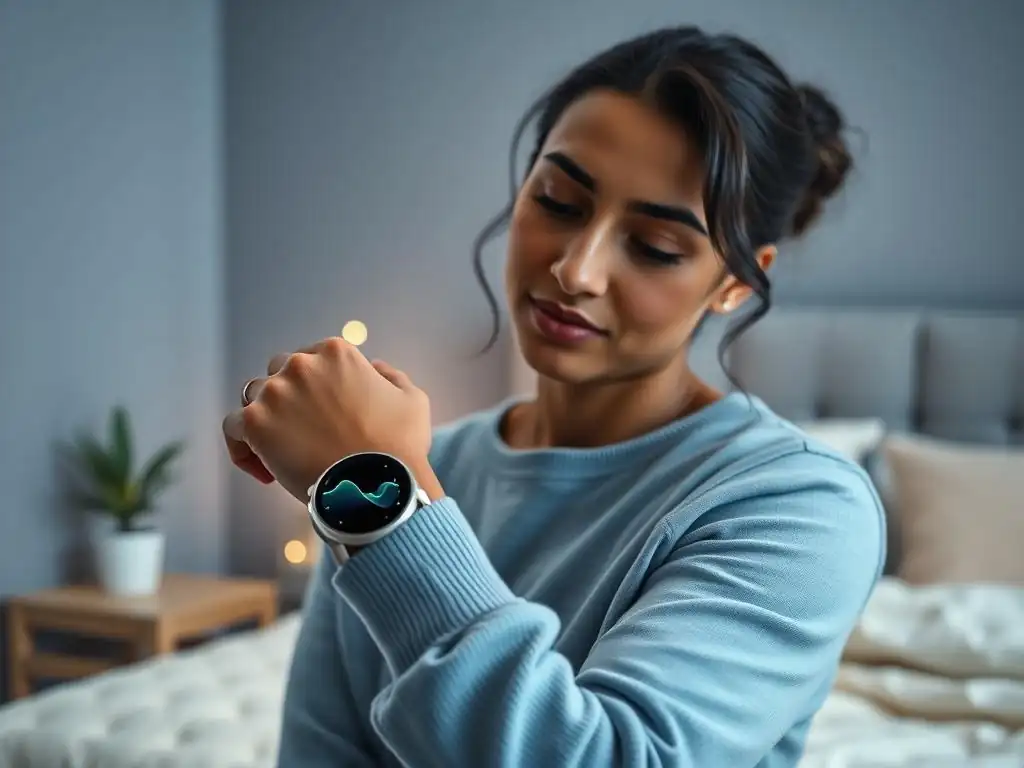
Step 1: Choosing the Right Sleep Tracker for Your Needs
Selecting the appropriate wearable is the first step in leveraging sleep data mental health benefits effectively. Different devices offer varying levels of sleep tracking sophistication and integration with other health metrics. Consider what specific data points are most important to you (e.g., detailed sleep stages, heart rate variability, stress tracking, temperature sensing) and how you prefer to wear the device (wrist, finger). Researching reviews and comparing features relevant to both sleep and mental well-being tracking is crucial.
Some devices excel in comprehensive health ecosystems that include stress and activity tracking alongside sleep, providing a more holistic view. Others focus primarily on highly accurate sleep metrics. Your choice should align with your personal goals, whether it's simply understanding sleep duration, diving deep into sleep architecture, or connecting sleep patterns with other physiological and mental state indicators.
Comparing Apple Watch Series 9 vs. Garmin Venu 3: Features and Benefits for Mental Health Tracking
The Apple Watch Series 9 and Garmin Venu 3 are popular choices offering robust sleep tracking, each with unique strengths for mental health support. The Apple Watch Series 9 provides detailed sleep stage tracking and features like wrist temperature sensing, which can help monitor overall health trends potentially impacting sleep. Its integration with the Apple Health ecosystem allows for correlation with mindfulness app usage and other health data. The Breath app encourages relaxation, a direct benefit for mental calm that supports better sleep.
The Garmin Venu 3, on the other hand, is renowned for its comprehensive health metrics, including advanced sleep tracking with sleep stages, Pulse Ox (blood oxygen saturation) monitoring, and detailed insights into sleep quality. Crucially for mental health, Garmin's Body Battery feature uses heart rate variability and sleep data to show energy levels, helping users understand their capacity for daily activities and stress. It also offers stress tracking and guided breathing exercises. For users prioritizing detailed physiological data and a holistic view of readiness and stress alongside sleep data mental health correlations, the Venu 3 offers compelling features.
Feature Spotlight: Stress Tracking Integration with Whoop 4.0
The Whoop 4.0 wearable stands out for its focus on recovery and strain, integrating sleep data seamlessly with other physiological markers, particularly stress. Whoop doesn't just track sleep duration and stages; it provides a "Sleep Performance" score based on time in bed vs. sleep needed. More uniquely, it heavily emphasizes Heart Rate Variability (HRV) and resting heart rate, key indicators of the body's recovery state and stress levels.
The Whoop platform uses this data to provide a daily "Recovery" score. A low recovery score, often influenced by poor sleep or high physiological stress, serves as a clear signal to the user that their body and mind may be less resilient that day.
By correlating sleep data with HRV and activity strain, Whoop helps users understand how their sleep directly impacts their ability to handle physical and mental stress, providing actionable insights to adjust their day, training, or recovery practices to better support their mental well-being. This deep dive into physiological data makes the sleep data mental health link particularly evident.
Step 2: Tracking Your Sleep Patterns Consistently
Once you have your chosen wearable, consistency is key to gathering meaningful sleep data. Wear the device every night, including weekends, to capture your true sleep patterns across different days. Avoid taking it off during the night unless absolutely necessary. Ensure the device fits properly according to the manufacturer's instructions to maximize data accuracy.
Consistent tracking over several weeks or months allows you to build a robust dataset. This long-term perspective helps distinguish between occasional poor nights and persistent sleep issues. It also makes it easier to identify trends and correlations between your sleep data and your daily experiences, including mood, energy levels, and stress.
Setting Up Your Oura Ring for Optimal Sleep Tracking
The Oura Ring is worn on the finger and is known for its accuracy in sleep and recovery tracking. To set it up for optimal sleep tracking, ensure you select the correct finger (index, middle, or ring finger are recommended) and hand for the best fit, ensuring the sensors are snug against the skin. Calibrate the ring according to the app's instructions, which often involves wearing it for a few nights to establish a baseline.
Within the Oura app, ensure your bedtime and wake-up goals are set, and consider utilizing features like the "Moment" tag to log activities that might impact sleep, such as exercise or caffeine intake. Consistently syncing the ring each morning is vital for getting your daily scores and insights. The Oura Ring tracks sleep stages, heart rate variability, resting heart rate, respiratory rate, and body temperature deviation, providing a comprehensive "Sleep Score" and "Readiness Score" that directly inform your sleep data mental health analysis.
Using the Sleep Cycle App in Conjunction with Your Wearable
While wearables provide physiological data, apps like Sleep Cycle can complement this by tracking sleep using your phone's microphone (listening for sounds indicating sleep stages or disturbances) and accelerometer (detecting movement). While not directly linked to a wearable's physiological sensors, using Sleep Cycle in conjunction can offer a different perspective or backup data.
Some users find the Sleep Cycle app's smart alarm feature, which wakes you during your lightest sleep phase, helps them feel more refreshed, regardless of their wearable's data. The app also allows manual logging of factors like caffeine, stress levels, or exercise, which can be cross-referenced with your wearable's sleep data. This dual-layer approach can enrich your understanding of how various daily factors influence your sleep patterns and subsequent mental state, enhancing the value of your sleep data mental health insights.
Step 3: Interpreting Your Sleep Data and Identifying Potential Issues
Raw sleep data from a wearable is just numbers; the real value lies in interpretation and identifying patterns or potential issues. Review your daily and weekly summaries. Look for consistency or variability in your key metrics. Are you consistently getting less than 7 hours of sleep? Is your sleep efficiency regularly below 85%? Are your Deep or REM sleep percentages consistently lower than average ranges?
Pay attention to trends rather than single nights. For instance, if your average time to fall asleep has increased significantly over the past month, or if your average REM sleep has dropped from 22% to 15%, these are potential indicators of underlying stress, lifestyle factors, or even a developing sleep disorder. Connecting these objective data points with how you feel mentally each day is where the power of sleep data mental health analysis truly lies. Keep a simple journal noting your mood, energy levels, and stress each day to help identify these correlations.
Recognizing Sleep Disturbances: Apnea, Insomnia, and Restless Leg Syndrome
While wearables are not medical devices and cannot diagnose sleep disorders, the sleep data they collect can provide clues that suggest the presence of conditions like sleep apnea, insomnia, or restless leg syndrome. For example, frequent or prolonged periods of wakefulness logged by your tracker throughout the night, especially if you don't recall waking up, could potentially indicate sleep apnea or periodic limb movement disorder. Some advanced wearables track blood oxygen saturation (SpO2) and significant drops during the night are a strong indicator for potential sleep apnea.
Persistent difficulty falling asleep (high sleep latency, say over 30-45 minutes) or staying asleep (low sleep efficiency, multiple awakenings) are hallmarks of insomnia. While wearables can't diagnose RLS, excessive movement detected during sleep could potentially be linked to it. If your sleep data consistently shows these types of disturbances, especially when combined with daytime symptoms like excessive fatigue, difficulty concentrating, or irritability, it's a strong signal to seek professional medical evaluation.
Identifying Correlations Between Sleep Data and Mood Changes: A Case Study
Consider a user, Alex, who felt increasingly anxious and irritable during their work week. Using their wearable's sleep tracking feature over several months, Alex noticed a pattern: on nights before days they felt particularly anxious, their sleep data consistently showed significantly less REM sleep (averaging 14% compared to their usual 20-23%) and higher levels of 'restlessness' (more detected movement).
Conversely, on weekends when Alex slept longer and their tracker showed higher REM percentages, their mood was generally calmer and more stable. This sleep data mental health correlation allowed Alex to understand that their shortened weeknight sleep, particularly the lack of REM, was directly impacting their emotional regulation. This insight empowered Alex to prioritize getting adequate sleep, especially REM sleep, even during the week, and to use relaxation techniques on nights when their sleep data indicated poor REM quality, leading to a noticeable improvement in their anxiety levels over time.
Step 4: Adjusting Your Lifestyle Based on Sleep Insights
Interpreting your sleep data is only valuable if you use it to inform lifestyle adjustments. Based on the patterns and potential issues identified, make conscious changes to your daily habits. If your data consistently shows late sleep onset, evaluate your evening routine. If low deep sleep is a pattern, consider factors like alcohol consumption or late-night exercise. If low sleep efficiency is common, focus on creating a more conducive sleep environment.
Small, consistent changes based on objective sleep data can yield significant improvements. For instance, if your REM sleep is consistently low, and you correlate this with increased stress, incorporating a 20-minute wind-down routine involving mindfulness or reading before bed might help you relax enough to achieve better REM sleep. The goal is to use your sleep data mental health insights to build healthier sleep habits that support your overall well-being.
Optimizing Your Sleep Environment: Light, Temperature, and Noise Control
Your sleep environment plays a critical role in sleep quality, and optimizing it can directly address issues highlighted by your sleep data. If your data shows frequent awakenings or difficulty reaching deep sleep, assess your bedroom. Ensure it's as dark as possible; even small amounts of light can disrupt melatonin production. Use blackout curtains if necessary.
Maintain a cool temperature, typically between 60-67°F (15-19°C), as this range is optimal for promoting sleep. Use earplugs or a white noise machine to minimize disruptive sounds, especially if your sleep efficiency data indicates frequent brief awakenings. A calm, dark, cool, and quiet environment creates the best conditions for achieving the restorative deep and REM sleep crucial for mental health, often leading to improvements reflected in your wearable's data.
Implementing a Consistent Sleep Schedule: The Power of Circadian Rhythm
One of the most impactful adjustments based on sleep data is establishing and adhering to a consistent sleep schedule. Your body's internal clock, the circadian rhythm, thrives on regularity. Going to bed and waking up around the same time every day, even on weekends, helps regulate this rhythm, making it easier to fall asleep and wake up naturally.
If your sleep data shows variable sleep onset or wake times, or if your sleep latency is high on nights you go to bed later, this indicates a disrupted circadian rhythm. Commit to a consistent schedule that allows for 7-9 hours of sleep based on your data. This regularity reinforces the body's natural sleep-wake cycle, improving sleep efficiency, increasing time in restorative sleep stages, and ultimately contributing to better mood stability and mental resilience – benefits that will become evident in your sleep data mental health trends.
Step 5: Seeking Professional Help When Needed
Wearable sleep data is a powerful tool for personal insight and lifestyle adjustment, but it is not a substitute for professional medical advice. If your sleep data consistently points to significant disturbances (e.g., very low SpO2, prolonged severe insomnia, suspected apnea events), or if you are experiencing significant daytime impairment in mood, concentration, or energy that you suspect is linked to sleep, it is crucial to consult a healthcare professional.
A doctor or sleep specialist can properly diagnose sleep disorders, which often require medical or therapeutic intervention beyond lifestyle changes. Sharing your wearable sleep data with your doctor can provide them with objective information to aid in diagnosis and treatment planning. Recognizing when self-management with sleep data mental health insights is insufficient and seeking professional help is a sign of proactive self-care.
When to Consult a Doctor or Sleep Specialist
Consult a doctor or sleep specialist if your wearable sleep data consistently shows concerning patterns, such as:
- Average nightly sleep duration significantly outside the 7-9 hour range despite efforts to adjust.
- Persistent sleep latency exceeding 30 minutes most nights (a sign of chronic insomnia).
- Regularly low sleep efficiency (below 85%) indicating fragmented sleep.
- Frequent or significant drops in blood oxygen saturation (SpO2) during the night, especially if combined with symptoms like loud snoring or daytime sleepiness (potential sleep apnea).
- Excessive movement during sleep that disrupts rest.
- Any sleep issues that significantly impact your daytime functioning, mood, or physical health.
Even without alarming data points, if you suspect a sleep disorder or if your sleep issues are negatively affecting your mental health, professional evaluation is warranted. Sleep specialists have diagnostic tools and treatments that wearables cannot provide, ensuring you get the most effective help.
Leveraging Teletherapy Platforms like Talkspace or BetterHelp for Sleep-Related Mental Health Concerns
Mental health challenges and sleep problems are often intertwined. Anxiety can make it hard to fall asleep, and sleep deprivation can worsen anxiety. If your sleep data mental health journey reveals correlations between poor sleep and exacerbated mental health symptoms, teletherapy platforms can be a valuable resource. Services like Talkspace or BetterHelp connect you with licensed therapists remotely.
These platforms offer convenient access to therapy that can address underlying mental health issues contributing to sleep problems, such as anxiety, depression, or stress. A therapist can provide coping strategies, cognitive restructuring techniques (like CBT-I, Cognitive Behavioral Therapy for Insomnia), and emotional support. Discussing your sleep data with your therapist can also help them understand the objective patterns impacting your mental state, allowing for more targeted therapeutic approaches. This integrated approach, combining wearable insights with professional mental health support, can be highly effective.
Maximizing Mental Health Benefits with Specific Sleep Trackers
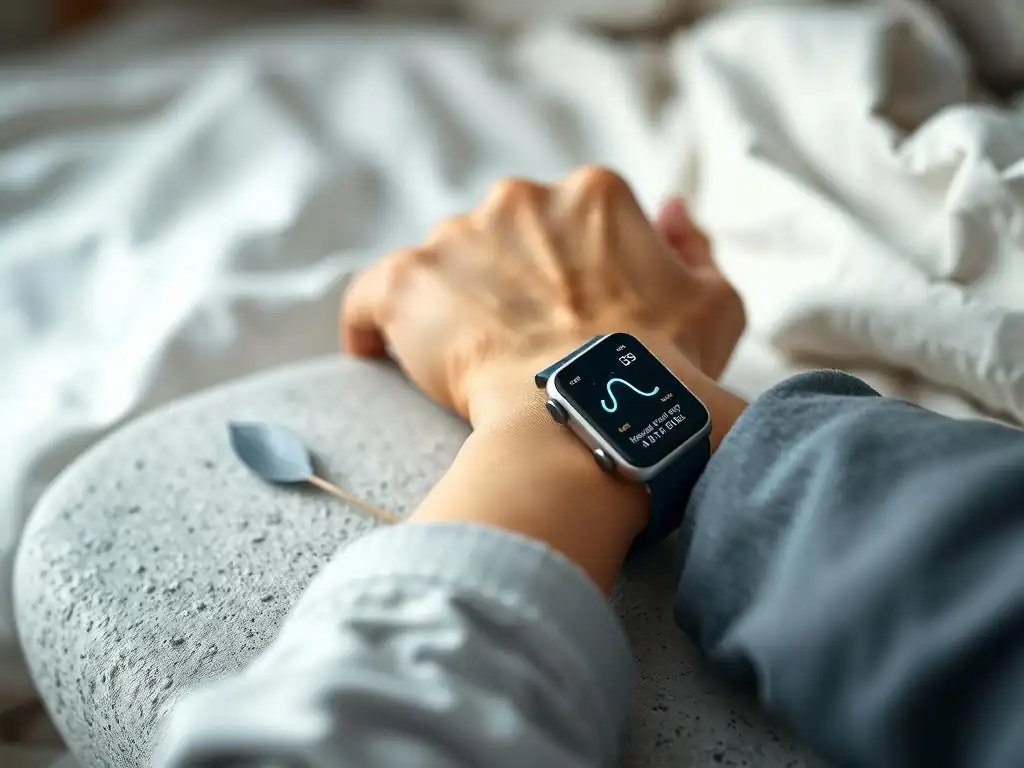
Using Fitbit Inspire 3 for Stress Management and Mindfulness
The Fitbit Inspire 3, a more accessible wearable, still offers valuable features for supporting mental health through sleep data. It tracks essential sleep metrics like duration and stages. Importantly, it includes stress management tools. The device tracks heart rate variability and can provide a daily "Stress Management Score," which is influenced by sleep quality, activity levels, and heart rate.
The Inspire 3 also offers guided breathing exercises and mindfulness sessions directly on the device or through the accompanying app. By using the Inspire 3, individuals can see how their sleep patterns influence their stress levels (via the Stress Management Score) and actively use the mindfulness features to potentially improve both stress and sleep quality. This direct link between tracking stress, using mindfulness tools, and observing changes in sleep data mental health metrics empowers users to take daily action.
Leveraging Garmin Forerunner 965 for Comprehensive Sleep and Activity Tracking
While primarily a running watch, the Garmin Forerunner 965 offers advanced health tracking that significantly benefits mental well-being by providing a comprehensive view of sleep, recovery, and physical activity. It features detailed sleep analysis, including stages, Pulse Ox, respiratory rate, and sleep score. Beyond sleep, it tracks training load, recovery time, and offers the Body Battery energy monitor.
The Forerunner 965's strength lies in integrating these data points. Users can see how intense training affects their sleep recovery or how poor sleep impacts their Body Battery and readiness for physical or mental challenges. This comprehensive data helps users understand the interconnectedness of physical health, sleep, and mental resilience. By optimizing training and recovery based on sleep data, users can avoid overtraining which can negatively impact mood and increase stress, thus leveraging sleep data mental health benefits through a holistic approach.
Exploring Withings ScanWatch Horizon's Advanced Sleep Analysis Features
The Withings ScanWatch Horizon combines the look of a traditional analog watch with sophisticated health tracking, including advanced sleep analysis. It automatically tracks sleep cycles (Light, Deep, REM), duration, and awakenings. A standout feature is its ability to measure blood oxygen levels (SpO2) and scan for breathing disturbances during the night, which can be crucial indicators of potential sleep apnea – a condition significantly linked to mental health issues like depression and anxiety.
The ScanWatch Horizon also tracks heart rate variability during sleep, providing insights into the autonomic nervous system's balance, which is affected by stress and recovery. By offering medical-grade features like ECG (electrocardiogram) and SpO2 monitoring alongside detailed sleep stage analysis, the ScanWatch provides a more in-depth look at physiological factors potentially impacting sleep quality and, by extension, mental health. This detailed sleep data mental health analysis helps users and potentially their doctors identify underlying physical causes for poor sleep.
Beyond the Data: Holistic Approaches to Sleep and Mental Health
Combining Sleep Data with Mindfulness Practices
While sleep data provides objective insights, combining it with subjective practices like mindfulness can create a powerful synergy for mental well-being. Mindfulness techniques, such as meditation or deep breathing exercises, can help calm the nervous system, reduce racing thoughts, and prepare the mind for sleep. By incorporating a 10-15 minute mindfulness practice into your bedtime routine, you may find it easier to fall asleep (reflected in lower sleep latency data) and experience more consolidated sleep (higher sleep efficiency).
Using your sleep data mental health insights can inform your mindfulness practice. For example, if your data shows high sleep latency, focus on mindfulness techniques that promote relaxation and letting go of thoughts. If you experience frequent awakenings, use mindfulness to gently observe thoughts without engaging with them when you wake up. Conversely, paying attention to how you feel mentally after nights with good sleep versus poor sleep can reinforce the value of both sleep and mindfulness in maintaining emotional balance.
The Role of Diet and Exercise in Improving Sleep Quality and Mental Well-being
Diet and exercise are foundational pillars that significantly impact both sleep quality and mental health, working in tandem with insights from sleep data. Regular physical activity, particularly moderate aerobic exercise, can improve sleep duration and quality, increase time spent in deep sleep, and reduce symptoms of insomnia and restless legs syndrome. However, intense exercise too close to bedtime can be disruptive. Your sleep data can help you identify the optimal timing and intensity of exercise for your sleep.
Similarly, dietary choices affect sleep. Avoiding caffeine and alcohol, especially in the hours before bed, can improve sleep latency and reduce nighttime awakenings. Consuming a balanced diet rich in fruits, vegetables, and whole grains supports overall physical and mental health, indirectly benefiting sleep. Monitoring your sleep data after making dietary changes (e.g., reducing evening sugar intake) or adjusting exercise timing can provide objective feedback on their effectiveness, strengthening the sleep data mental health connection.
Creating a Personalized Sleep Routine for Enhanced Mental Resilience
Using sleep data to create a personalized sleep routine is one of the most effective ways to enhance mental resilience. Your data reveals your unique sleep patterns, chronotype (whether you're a morning lark or night owl), and sensitivities (e.g., how late-night meals affect you). Based on this, design an evening routine that prepares your body and mind for rest. This might involve dimming lights an hour before bed, avoiding screens, taking a warm bath, reading, or practicing relaxation techniques.
Ensure your routine is consistent with the ideal bedtime suggested by your data and your desired wake-up time, maintaining consistency even on non-workdays. A personalized routine, informed by objective sleep data, helps regulate your circadian rhythm, improves sleep predictability, and increases your likelihood of achieving the restorative sleep necessary for emotional stability, cognitive function, and overall mental resilience.
Turning Sleep Insights into Actionable Mental Health Improvements
Using Sleep Data to Build a Stronger Mental Foundation
Harnessing the power of sleep data allows you to move from passively experiencing sleep issues to actively building a stronger mental foundation. By understanding your personal sleep patterns and how they correlate with your mood, energy, and stress levels, you gain agency. Instead of just feeling overwhelmed by anxiety, you might recognize it often follows nights with poor REM sleep and can take steps to improve REM sleep. Instead of battling fatigue, you can identify if insufficient deep sleep is the culprit and adjust your evening habits.
This objective insight provided by sleep data mental health analysis empowers you to make targeted lifestyle changes, seek appropriate professional help when needed, and build consistent habits that directly address sleep deficits impacting your mental state. It transforms sleep from a mysterious nightly event into a quantifiable aspect of health that you can actively manage to support your psychological well-being.
The Future of Sleep Tracking and Mental Wellness: Emerging Technologies
The field of sleep tracking is rapidly evolving, promising even greater support for mental wellness. Future wearables and sleep technology are likely to offer more accurate sleep stage detection, potentially incorporating EEG (electroencephalography) sensors for clinical-grade data outside of a lab. Integration with smart home devices could lead to environments that automatically adjust light, temperature, and sound based on your real-time sleep stage.
Emerging technologies are also focusing on personalized interventions. AI-powered coaching within apps could analyze your sleep data and suggest specific, timely interventions, such as prompting a relaxation exercise if high sleep latency is detected or recommending a specific bedtime based on your recent patterns and upcoming schedule. Deeper integration of sleep data with mental health apps and teletherapy platforms will further solidify the sleep data mental health connection, offering more holistic and personalized support for individuals navigating both challenges.
Empowering Your Mental Health Journey Through Informed Sleep Management
Ultimately, the wearable edge in supporting mental health lies in empowering individuals through informed sleep management. Sleep data demystifies a fundamental biological process that profoundly impacts our psychological state. By tracking, understanding, and acting upon your sleep insights, you take control of a crucial variable influencing your mental well-being.
This data-driven approach enables you to identify triggers, measure the effectiveness of interventions (whether lifestyle changes, mindfulness, or therapy), and communicate more effectively with healthcare professionals. Leveraging sleep data mental health insights is not a quick fix, but a sustainable strategy for building resilience, managing stress, and fostering a healthier mind. It transforms sleep from a potential obstacle into a powerful ally on your journey towards comprehensive mental wellness.
Frequently Asked Questions
How can wearable devices track sleep data and how reliable is this data in relation to mental health?
Wearable devices use sensors like accelerometers and heart rate monitors to estimate sleep stages. This data provides insights into sleep duration, sleep efficiency, and sleep disturbances, which can be helpful in identifying potential links to mental health conditions. While not a substitute for clinical diagnosis, the data offers a valuable starting point.
What specific mental health conditions can be better understood or managed using sleep data from wearables?
Conditions such as anxiety, depression, and bipolar disorder often present with sleep disturbances. Tracking sleep data can help individuals and their healthcare providers identify patterns and correlations between sleep quality and mood fluctuations, leading to more targeted interventions.
How can I use the sleep data from my wearable device to improve my mental well-being?
Start by identifying any consistent patterns or anomalies in your sleep. If you notice persistent poor sleep quality, insomnia, or irregular sleep schedules, consult with a mental health professional or sleep specialist. They can help you interpret the data and develop strategies to improve both your sleep and mental health.
Yes. Wearable data can be affected by factors like device placement, movement, and individual variations. It's crucial to remember that wearable data is not a diagnostic tool and should be used in conjunction with professional assessments. Over-reliance can also lead to anxiety about sleep itself.
What resources are available if I want to learn more about the connection between sleep data, wearables, and mental health?
Mind Care Guide offers a wealth of information on mental well-being, including articles and resources related to sleep and technology. Consult with your doctor or mental health provider for personalized guidance and treatment options that address both sleep issues and mental health challenges.
Final Reflection: Weaving the Threads of Sleep and Mental Wellbeing
The seamless integration of sleep data into mental health management is no longer a futuristic concept; it's a vital tool readily available to improve our lives today. Understanding our sleep patterns, through readily accessible technology, offers a powerful window into our mental and emotional landscapes, providing crucial insights often missed through traditional methods. This data, when interpreted correctly, empowers us to take proactive steps towards better mental wellbeing.
The impact of sleep on our mental health is profound and far-reaching, influencing everything from our mood and cognitive function to our resilience in the face of stress. Sleep is the golden chain that ties health and our bodies together.
This quote, while not explicitly about data, perfectly encapsulates the vital role sleep plays in our overall wellbeing, a role that sleep data analysis helps us understand and manage more effectively. The ongoing conversation surrounding mental health is increasingly recognizing the importance of this connection, leading to more personalized and effective treatment plans.
Now, consider your own sleep patterns. Are you consistently getting enough restorative sleep? Do you notice correlations between your sleep quality and your mood or energy levels? This article has provided you with the tools to begin exploring this connection. Take the time to reflect on your own sleep data, or start tracking it today. Use this knowledge to advocate for your mental wellbeing, to make informed choices about your lifestyle, and to build a healthier, happier future. The journey to better mental health is a personal one, and understanding your sleep is a crucial step along the way.
Unlock Your Restful Potential: Take Charge of Your Mental Wellbeing
Thanks for taking the time to explore the powerful connection between sleep and mental health! We hope you gained valuable insights into how tracking your sleep can support your overall wellbeing. Now it's time to put that knowledge into action.
- Prioritize your sleep hygiene: Start by making small, consistent changes to improve your sleep habits. Even 15 minutes of mindfulness before bed can make a difference.
- Experiment with a sleep tracker: Download a sleep tracking app or invest in a wearable device to monitor your sleep patterns and identify areas for improvement. This is your first step to personalized sleep optimization!
- Share your journey: Connect with others in our Mind Care Guide community and discuss your experiences and tips. Let's create a supportive space to learn from each other!
What simple step will you take today to improve your sleep and support your mental health?