
The Purpose of Mindfulness: Finding Peace in a Busy World

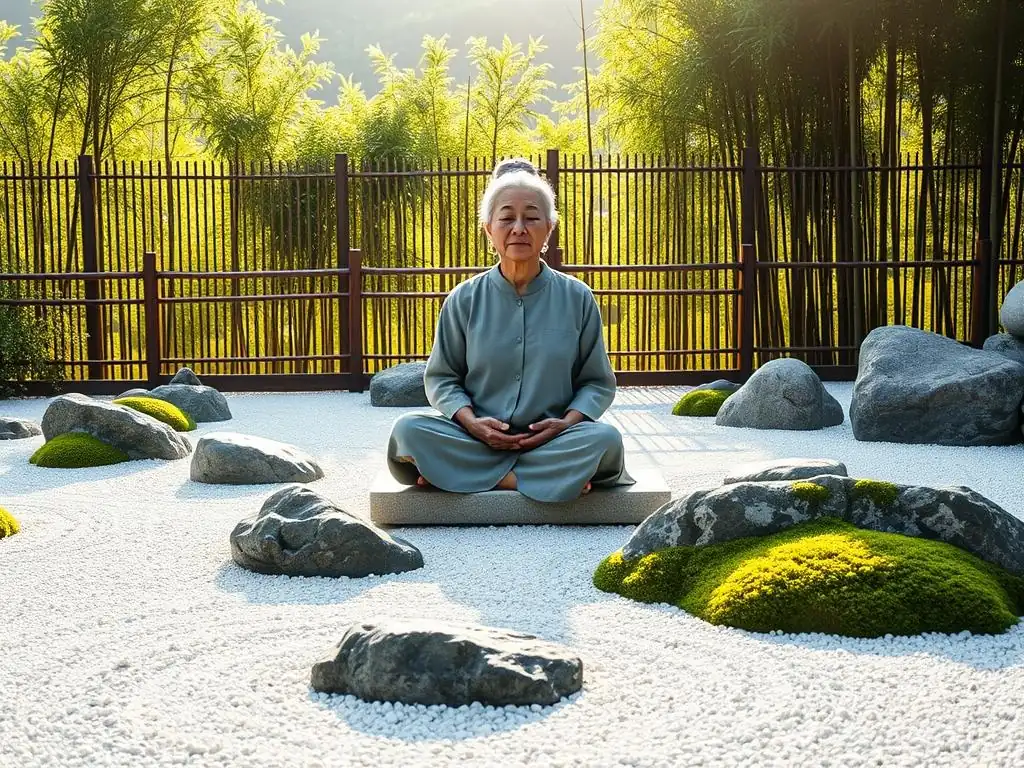
Welcome to Mind Care Guide, a sanctuary for your mental well-being.
Feeling overwhelmed? You're not alone. In today's relentless world, finding inner peace can seem like an impossible task. Our latest guide delves into the transformative power of mindfulness for reducing anxiety, offering practical techniques and compassionate support. Curious how to quiet the noise and reclaim your calm? Let's explore the path to a more peaceful you...
- Understanding Mindfulness: An Introduction to Inner Peace
- The Benefits of Mindfulness for Mental Well-being
- The Purpose of Mindfulness: Beyond Relaxation
- Practical Mindfulness Techniques for Daily Life
- Overcoming Challenges in Mindfulness Practice
- Mindfulness for Reducing Anxiety: A Deeper Dive
- Mindfulness and Other Mental Health Practices
- Conclusion: Embracing Mindfulness for a More Peaceful Life
-
Frequently Asked Questions
- What exactly is mindfulness, and how does it relate to mental well-being?
- How can mindfulness specifically help with reducing anxiety?
- What are some simple mindfulness exercises I can start practicing today?
- How often should I practice mindfulness to see a noticeable difference in my anxiety levels?
- Where can I find additional resources and support if I'm struggling to implement mindfulness effectively?
- Final Reflection: Embracing Mindfulness to Alleviate Anxiety
- Embrace Mindfulness and Transform Your Life Today!
Understanding Mindfulness: An Introduction to Inner Peace
What is Mindfulness? Defining the Core Concepts
Mindfulness is often described as the practice of intentionally bringing one's attention to the present moment without judgment. It involves observing thoughts, feelings, bodily sensations, and the surrounding environment with an open and accepting attitude. This practice isn't about emptying the mind or achieving a state of bliss; rather, it's about cultivating a specific way of relating to one's experience as it unfolds, second by second.
At its core, mindfulness is about awareness – a non-reactive awareness of what is happening here and now. It's about noticing the breath flowing in and out, feeling the texture of the chair, hearing the sounds around you, or observing a thought without getting carried away by it. This simple act of noticing, practiced consistently, can gradually shift our relationship with difficult experiences, including the persistent worry and physical tension often associated with anxiety.
The Essence of Mindfulness: Present Moment Awareness
The fundamental principle underlying mindfulness is the focus on the present moment. Our minds frequently wander to the past, dwelling on regrets or analyzing events, or they project into the future, anticipating problems or creating elaborate plans. While reflecting and planning have their place, excessive time spent away from the present can fuel stress and anxiety. Mindfulness gently redirects this wandering attention back to what is happening right now.
Cultivating present moment awareness is a skill, much like learning to play a musical instrument. It requires practice and patience. By anchoring ourselves in the immediate reality – through the breath, bodily sensations, or sensory input – we create a space between ourselves and the often overwhelming narratives our minds generate. This space is crucial when practicing mindfulness for reducing anxiety, as it allows us to observe anxious thoughts without automatically believing or reacting to them as urgent threats.
Mindfulness vs. Meditation: Exploring the Differences
While often used interchangeably, mindfulness and meditation are related but distinct concepts. Mindfulness is the quality of present moment awareness, a state of being that can be cultivated. Meditation, particularly mindfulness meditation, is a practice or a set of techniques used to develop this quality of awareness. Meditation is one of the primary ways people learn and strengthen their capacity for mindfulness.
Think of mindfulness as the destination or the skill you are building, and meditation as the gym where you go to train. Other activities can also be done mindfully, such as walking, eating, or doing chores, extending the practice beyond formal seated meditation sessions. While meditation often involves dedicated time set aside for practice (e.g., 10-20 minutes daily), mindfulness can be integrated into any moment of the day, making it a flexible tool for managing the challenges of a busy world, including the pervasive feelings of anxiety.
The Benefits of Mindfulness for Mental Well-being
Mindfulness for Reducing Anxiety: A Key Application
One of the most widely researched and significant applications of mindfulness is its effectiveness in reducing anxiety. Anxiety often involves excessive worry about future events, catastrophic thinking, and heightened physical tension. Mindfulness directly addresses these components by training the mind to stay grounded in the present, thus reducing the mental energy spent on future-oriented fears.
Studies have consistently shown that regular mindfulness practice can lead to measurable reductions in self-reported anxiety levels. For instance, participants in 8-week Mindfulness-Based Stress Reduction (MBSR) programs often report a decrease in anxiety symptoms, sometimes showing reductions in standardized scores by 20-30% or more. This isn't just about feeling calmer in the moment; it's about building a long-term capacity to respond to anxious feelings with greater awareness and less reactivity. The practice helps individuals recognize the physical sensations of anxiety without becoming overwhelmed, and to observe anxious thoughts as temporary mental events rather than absolute truths.
How Mindfulness Helps Manage Stress and Overwhelm
Stress is a common companion to anxiety, and mindfulness offers powerful tools for managing both. Stress often arises from feeling overwhelmed by demands and pressures, leading to a state of chronic activation. Mindfulness helps by increasing awareness of the early signs of stress in the body and mind, allowing for intervention before stress becomes overwhelming.
By regularly checking in with the present moment, individuals can notice tension in their shoulders, a tightening in their chest, or a racing mind. This awareness allows them to pause and choose a skillful response, such as taking a few mindful breaths or stepping away for a moment, rather than automatically pushing through in a state of heightened stress.
Furthermore, mindfulness cultivates a sense of perspective, helping to differentiate between actual threats and perceived pressures, thereby reducing the overall feeling of being overwhelmed. Research indicates that mindfulness practitioners often show lower levels of stress hormones like cortisol compared to non-practitioners.
Cultivating Emotional Regulation Through Mindfulness Practices
Mindfulness significantly enhances emotional regulation – the ability to understand and manage one's emotional responses. Instead of being swept away by intense emotions like anger, sadness, or fear (which is often intertwined with anxiety), mindfulness teaches us to observe these feelings with curiosity and acceptance.
Through mindful awareness, we learn that emotions are temporary states, not permanent aspects of our identity. We can notice the physical sensations and thoughts associated with an emotion without getting stuck in rumination or impulsive reactions. This practice builds resilience, enabling us to navigate challenging emotional landscapes with greater ease and less distress. For example, someone practicing mindfulness for reducing anxiety might notice the fear arising before a presentation but can observe it without letting it dictate their behavior, choosing instead to focus on their breath and the task at hand.
Improving Focus and Concentration with Mindfulness Techniques
In our increasingly distracted world, the ability to focus and concentrate is a valuable asset, and mindfulness is an excellent training ground for this skill. The core practice of returning attention to a chosen anchor, such as the breath, repeatedly throughout a meditation session directly strengthens the neural pathways associated with focus.
Regular mindfulness practice helps reduce mind-wandering, which is often linked to reduced productivity and increased stress. By training the mind to stay present, even for short periods, individuals can improve their ability to concentrate on tasks, leading to enhanced performance and a greater sense of accomplishment. This improved focus can also be beneficial in managing anxiety, as it helps redirect attention away from worrying thoughts and towards the current activity or sensory experience.
The Purpose of Mindfulness: Beyond Relaxation
Finding Meaning and Purpose Through Mindful Living
While relaxation is a pleasant byproduct, the ultimate purpose of mindfulness extends far beyond simply feeling calm. Mindful living encourages us to engage more fully with our lives, paying attention to the details, the moments of connection, and the activities that bring us joy and fulfillment. This deeper engagement can help illuminate what truly matters to us.
By cultivating present moment awareness, we become more attuned to our values and aspirations. We might notice patterns in our thoughts and behaviors that are not serving us, or conversely, recognize activities that align with our deepest sense of purpose. This clarity can guide us in making choices that lead to a more meaningful and directed life, moving beyond simply surviving stress or anxiety to thriving and contributing in ways that resonate with our authentic selves.
Mindfulness and Self-Discovery: Exploring Your Inner Landscape
Mindfulness practice provides a unique opportunity to explore our inner landscape – our thoughts, emotions, beliefs, and habitual patterns – without judgment. By simply observing what arises in our awareness, we gain valuable insights into the workings of our own minds. This process of self-discovery is central to personal growth and well-being.
Through consistent practice, we can identify limiting beliefs that may be holding us back, recognize emotional triggers that lead to distress, and understand the roots of our reactions. This non-judgmental observation fosters self-compassion and acceptance, essential components of mental health. For someone practicing mindfulness for reducing anxiety, this might involve noticing the specific thought patterns that precede anxious feelings or understanding the physical sensations that signal rising fear, leading to a deeper understanding of their personal experience with anxiety.
Cultivating Compassion and Kindness with Mindfulness
A natural outgrowth of mindfulness practice is the cultivation of compassion and kindness, both towards oneself and others. As we become more aware of our own struggles and inner experiences with acceptance, it becomes easier to extend that same understanding and empathy towards others.
Mindfulness helps us recognize our shared humanity and the universality of suffering. Practices like loving-kindness meditation, often integrated into mindfulness training, specifically focus on sending well wishes and warmth to ourselves and others. This cultivation of compassion can soften our internal self-criticism, which often fuels anxiety, and improve our relationships with others, creating a more supportive and connected life.
Practical Mindfulness Techniques for Daily Life
Mindfulness Exercises for Beginners: A Step-by-Step Guide
Starting a mindfulness practice doesn't require special equipment or a lot of time. Simple exercises can be integrated into your day. Here's a basic guide:
- Mindful Breathing (3 minutes): Find a comfortable seat. Gently close your eyes or soften your gaze. Bring your attention to your breath as it enters and leaves your body. Notice the sensations – the cool air entering the nostrils, the rise and fall of the abdomen or chest. When your mind wanders (which it will! ), gently notice the thought and guide your attention back to the breath without judgment.
- Body Scan (5-10 minutes): Lie down or sit comfortably. Bring your attention to different parts of your body, starting with your toes and slowly moving up to the top of your head. Notice any sensations – tingling, warmth, tension, absence of sensation – without trying to change them. This helps ground you in your physical body, which is particularly helpful for managing the physical symptoms of anxiety.
- Mindful Observation (1 minute): Choose an everyday object – a pen, a cup, a plant. Examine it closely as if you've never seen it before. Notice its color, texture, shape, weight, smell. Engage your senses fully in exploring the object.
These simple practices build the foundation for greater awareness throughout your day.
Incorporating Mindfulness into Your Daily Routine: Simple Strategies
Integrating mindfulness into daily life doesn't mean adding hours to your schedule. It's about bringing mindful awareness to activities you're already doing.
Mindful Breathing Exercises for Stress Relief
Even just one minute of focused, mindful breathing can interrupt the stress response. Try taking three conscious breaths before answering the phone, starting a meeting, or reacting to a challenging situation. Inhale deeply, exhale slowly, noticing the physical sensations. This simple act can create a pause, providing immediate relief and helping with mindfulness for reducing anxiety in the moment.
Mindful Walking: Connecting with Your Body and Environment
When walking, instead of letting your mind race, bring your attention to the physical sensations of walking – the feeling of your feet hitting the ground, the movement of your legs, the swing of your arms. Notice the sights, sounds, and smells around you. If your mind wanders, gently return your attention to the physical experience of walking. This transforms a simple commute or stroll into an opportunity for practice.
Mindful Eating: Savoring Each Moment and Nourishing Yourself
Before eating, pause for a moment. Notice the appearance and aroma of your food. As you eat, chew slowly, paying attention to the textures, flavors, and temperatures. Notice the sensation of swallowing and how your body feels as you eat. Mindful eating can improve digestion and foster a healthier relationship with food, moving away from hurried, unconscious consumption.
Mindfulness Apps and Resources: Tools for Your Journey
Numerous resources are available to support your mindfulness journey. Mobile applications like Calm, Headspace, and Insight Timer offer guided meditations of various lengths, body scans, mindful movement sessions, and talks on mindfulness topics. Many are free or offer free content.
Additionally, websites and local centers often provide free guided meditations, articles, and information about mindfulness courses like MBSR or MBCT (Mindfulness-Based Cognitive Therapy). Exploring these resources can provide structure, guidance, and a sense of community as you develop your practice, especially when using mindfulness for reducing anxiety.
Overcoming Challenges in Mindfulness Practice
Addressing Common Difficulties in Mindfulness
Beginning a mindfulness practice can present challenges. It's common for the mind to feel busier than ever when you try to focus, or for physical discomfort to arise during seated meditation. Many people report feeling frustrated or like they are "doing it wrong."
It's important to approach these difficulties with patience and self-compassion. Mind-wandering is not a failure; it's simply what the mind does. The practice is in gently noticing the wandering and returning to your anchor. If physical discomfort is an issue, adjust your posture or choose a different practice like mindful walking. Recognizing these common hurdles helps normalize your experience and encourages perseverance. Remember, the goal isn't to stop thinking or feel perfectly calm immediately, but to build awareness and a different relationship with your internal experience, which is key to effective mindfulness for reducing anxiety.
Staying Motivated and Consistent with Your Mindfulness Practice
Consistency is key to experiencing the full benefits of mindfulness, but staying motivated can be difficult amidst a busy life. Life happens – schedules change, unexpected events occur, and sometimes you just don't feel like practicing.
To maintain consistency, try starting small, perhaps with just 5 minutes a day. Schedule your practice like any other important appointment. Find a specific time and place that works for you. Joining a mindfulness group or finding a practice buddy can provide accountability and support. Reflecting on the benefits you've already noticed, even small ones like feeling slightly calmer during a stressful moment or having a moment of clarity, can also reinforce motivation. Remember that some practice is always better than no practice, and you can always begin again if you miss a day or two.
Mindfulness for Reducing Anxiety: A Deeper Dive
The Science Behind Mindfulness and Anxiety Relief
The effectiveness of mindfulness for reducing anxiety is supported by a growing body of scientific research. Neuroimaging studies have shown that regular mindfulness practice can lead to changes in brain structure and function. For instance, studies often indicate a decrease in the size and activity of the amygdala, the brain region associated with fear and the fight-or-flight response.
Simultaneously, there's evidence of increased thickness in areas of the prefrontal cortex, which is involved in attention, decision-making, and emotional regulation. Physiologically, mindfulness has been linked to reductions in stress hormones like cortisol and changes in heart rate variability, indicating a shift towards a more relaxed state. These changes suggest that mindfulness doesn't just mask anxiety; it helps retrain the brain and nervous system to respond differently to perceived threats and stressors.
Mindfulness-Based Stress Reduction (MBSR) for Anxiety
Mindfulness-Based Stress Reduction (MBSR), developed by Jon Kabat-Zinn, is one of the most well-known and empirically supported mindfulness programs. This structured, 8-week course involves weekly group sessions, daily home practice (including mindful meditation, body scan, and gentle yoga), and a day-long retreat.
MBSR has been extensively studied and proven effective in reducing symptoms associated with various conditions, including chronic pain, stress, and significantly, anxiety disorders. Participants learn to observe their thoughts, feelings, and sensations without judgment, increasing their capacity to handle difficult internal states. The program provides a comprehensive framework for cultivating mindfulness skills specifically aimed at reducing reactivity to stress and anxiety triggers. Studies often show clinically significant improvements in anxiety scores post-MBSR.
Long-Term Benefits of Mindfulness for Anxiety Management
Engaging in regular mindfulness practice over the long term offers sustained benefits for anxiety management. It's not a one-time fix but a skill that deepens with continued effort. Over months and years, individuals can develop a greater capacity to tolerate uncertainty, navigate challenging emotions with more ease, and reduce the frequency and intensity of anxious episodes.
The long-term practice helps build resilience, enabling individuals to bounce back more quickly from stressful situations. It fosters a fundamental shift in how one relates to anxiety – moving from a place of fear and avoidance to one of awareness and acceptance. This doesn't mean anxiety disappears entirely, but its grip often loosens, allowing for a fuller, more engaged life despite its presence. This enduring capacity for present moment awareness is the lasting gift of mindfulness for reducing anxiety.
Mindfulness and Other Mental Health Practices
Mindfulness and Cognitive Behavioral Therapy (CBT): A Synergistic Approach
Mindfulness and Cognitive Behavioral Therapy (CBT) are distinct approaches to mental health but can be highly complementary, offering a synergistic path to well-being, particularly for anxiety. CBT focuses on identifying and changing negative thought patterns and behaviors that contribute to distress. Mindfulness, on the other hand, emphasizes non-judgmental awareness of thoughts and feelings without necessarily trying to change them immediately.
When combined, mindfulness can enhance CBT by helping individuals become more aware of their automatic negative thoughts in the moment they occur, rather than just analyzing them later. This present-moment awareness, cultivated through mindfulness, provides the raw material for CBT techniques to work with. It helps individuals see thoughts as just thoughts, making it easier to challenge their validity and develop alternative perspectives. Similarly, the structured approach of CBT can provide practical strategies for applying the awareness gained through mindfulness to specific anxious situations.
Mindfulness and Self-Care: Prioritizing Your Mental Wellbeing
Mindfulness is inherently a form of self-care. It encourages pausing, checking in with oneself, and attending to inner needs with kindness. In a world that often prioritizes productivity over well-being, making time for mindfulness is a powerful act of self-compassion.
Integrating mindfulness into a broader self-care routine reinforces its benefits. This might involve combining mindful practice with adequate sleep (mindfulness can improve sleep quality), nutritious eating (mindful eating), regular physical activity (mindful movement), and setting healthy boundaries. Prioritizing these aspects of well-being, supported by a foundation of mindful awareness, creates a robust framework for managing stress and anxiety and fostering overall mental health. Viewing mindfulness for reducing anxiety within this larger self-care context highlights its role not just as a technique, but as a way of being that supports holistic well-being.
Conclusion: Embracing Mindfulness for a More Peaceful Life
The Ongoing Journey of Mindfulness: Continued Growth and Discovery
Embracing mindfulness is embarking on a journey, not arriving at a fixed destination. There will be days when practice feels easy and beneficial, and days when it feels challenging and unproductive. The key is consistency and approaching each moment with patience and curiosity.
The ongoing practice of mindfulness offers continuous opportunities for growth, self-discovery, and deepening one's capacity for peace, even amidst life's inevitable challenges. As you continue to cultivate present moment awareness, you may find yourself responding to stress and anxiety with greater skill and less reactivity. This journey is about learning to be fully present in your life, finding moments of peace and clarity, and building resilience one mindful breath at a time. The benefits of mindfulness for reducing anxiety and enhancing overall well-being are cumulative, unfolding over time with dedicated and compassionate practice.
Frequently Asked Questions
What exactly is mindfulness, and how does it relate to mental well-being?
Mindfulness is the practice of paying attention to the present moment without judgment. It's a core component of mental well-being by cultivating awareness and reducing reactivity to stressful thoughts and feelings.
How can mindfulness specifically help with reducing anxiety?
Mindfulness helps reduce anxiety by training the mind to focus on the present rather than dwelling on worries about the future or regrets about the past. This cultivates a sense of calm and detachment from anxious thoughts.
What are some simple mindfulness exercises I can start practicing today?
Begin with mindful breathing, focusing on the sensation of each inhale and exhale. You could also try a body scan meditation, bringing awareness to different parts of your body, or simply paying attention to your senses while doing everyday tasks.
How often should I practice mindfulness to see a noticeable difference in my anxiety levels?
Consistency is key. Aim for at least 10-15 minutes of daily practice to start noticing a reduction in anxiety. Regular practice will lead to greater emotional resilience over time.
Where can I find additional resources and support if I'm struggling to implement mindfulness effectively?
The Mind Care Guide website offers a wealth of information, including articles, guided meditations, and links to qualified mental health professionals. You can also find mindfulness apps and workshops to support your practice.
Final Reflection: Embracing Mindfulness to Alleviate Anxiety
In today's fast-paced world, the practice of mindfulness has emerged as a beacon of hope for those grappling with anxiety. As we navigate through our daily lives filled with distractions and stressors, the principles of mindfulness offer us a powerful tool to cultivate inner peace and resilience. The urgency to prioritize mental well-being has never been more pressing, and embracing mindfulness can be a transformative step toward reducing anxiety and enhancing our overall quality of life.
The influence of mindfulness extends beyond individual practice; it has woven itself into the fabric of our cultural and social landscape. As we collectively recognize the importance of mental health, mindfulness serves as a bridge connecting us to our inner selves and to each other. The growing acceptance of mindfulness in schools, workplaces, and therapy underscores its significance in fostering a supportive environment for mental well-being. Mindfulness is a way of befriending ourselves and our experience.
— Jon Kabat-Zinn. This quote encapsulates the essence of mindfulness, reminding us that by nurturing our relationship with ourselves, we can effectively manage anxiety and cultivate a sense of peace.
As you reflect on the insights shared in this article, I invite you to consider how you can integrate mindfulness into your daily routine. Take a moment to pause, breathe, and reconnect with the present. Whether through meditation, mindful walking, or simply being aware of your thoughts and feelings, each small step can lead to profound changes in your mental landscape. Embrace the journey of mindfulness, and allow it to guide you toward a more peaceful and fulfilling life, free from the burdens of anxiety.
Embrace Mindfulness and Transform Your Life Today!
Thank you for taking the time to explore the remarkable benefits of mindfulness with us! We hope you've gained insights that will help you navigate life’s chaos with a sense of calm and clarity. Now, it’s time to put these valuable lessons into action.
Here are a few practical steps you can take right now:
- Start a Daily Mindfulness Practice: Set aside just 5-10 minutes each day to meditate or simply observe your surroundings. This small commitment can lead to significant changes in your perspective and emotional well-being.
- Share Your Journey: Talk about mindfulness with friends or family. Invite them to join you in your practice and foster a supportive community that values mental wellness.
- Experiment with New Techniques: Try different mindfulness methods, such as mindful walking or journaling. You might discover a surprising practice that resonates deeply with you!
How will you incorporate mindfulness into your daily routine to create a more peaceful and fulfilling life? We’d love to hear your thoughts!