
Healthy Fats for a Healthy Mind: Choosing the Right Fats for Anxiety.


Welcome to Mind Care Guide, your compassionate companion on the journey to mental well-being. Feeling overwhelmed by anxiety? You're not alone. We understand the challenges, and we're here to help you explore effective strategies for finding relief. Dive into our comprehensive guide and discover how something as simple as incorporating Omega3s into your diet might be the key to reducing your anxiety symptoms. But how exactly do these healthy fats work, and which sources are most effective? Let's unravel the science and empower you with the knowledge to nurture a calmer, healthier mind.
Healthy Fats for a Healthy Mind: Choosing the Right Fats for Anxiety
- Understanding the Link Between Diet, Brain Health, and Anxiety
- Omega-3 Fatty Acids: Your Ally Against Anxiety Symptoms
- Identifying Healthy Fats Beyond Omega-3s for Anxiety Relief
- Best Food Sources of Omega-3 Fatty Acids to Reduce Anxiety
- How to Incorporate Healthy Fats into Your Diet for Anxiety Relief
- The Role of Omega-6 Fatty Acids: Maintaining a Healthy Balance
- Fats to Avoid: Trans Fats and Their Negative Impact on Mental Health
- Personalized Dietary Strategies for Anxiety Management
- Beyond Diet: Holistic Approaches to Anxiety Management
-
Frequently Asked Questions
- Can Omega-3 fatty acids really help reduce anxiety?
- What types of fats are considered "healthy fats" that benefit mental health?
- How much Omega-3 should I consume to potentially reduce anxiety?
- Are there any risks or side effects associated with taking Omega-3 supplements?
- Besides Omega-3s, what other lifestyle changes can support mental well-being and reduce anxiety?
- Final Reflection: The Untapped Power of Healthy Fats for Anxiety Relief
- Unlock Your Mind's Potential: Nourish Your Way to Calm
Understanding the Link Between Diet, Brain Health, and Anxiety
Our diet plays a profound role in overall health, and this extends significantly to our mental well-being. The foods we consume provide the building blocks for brain cells, influence neurotransmitter production, and impact inflammation levels throughout the body, including the brain. Recognizing this intricate connection is the first step in harnessing the power of nutrition to support mental health, particularly when managing conditions like anxiety.
Emerging research continues to highlight the bidirectional relationship between what we eat and how we feel. Nutritional deficiencies or imbalances can exacerbate anxiety symptoms, while a diet rich in essential nutrients can help stabilize mood, improve cognitive function, and build resilience against stress. Focusing on nutrient-dense foods, including specific types of fats, is a key strategy in a holistic approach to mental wellness.
The Gut-Brain Connection: How Food Impacts Mental Well-being
The gut and the brain are in constant communication through a complex network of nerves, hormones, and immune pathways, often referred to as the gut-brain axis. This connection means that the health of your digestive system directly influences your mental state. The trillions of microorganisms living in your gut, known as the gut microbiota, play a crucial role in this communication.
What you eat significantly shapes the composition and function of your gut microbiota. A diet rich in fiber, fermented foods, and healthy fats can promote a diverse and beneficial microbial community. These microbes produce various compounds, including short-chain fatty acids (SCFAs) and neurotransmitters like serotonin, which can influence mood, stress response, and anxiety levels. Conversely, a diet high in processed foods, sugar, and unhealthy fats can disrupt the gut microbiota, potentially leading to inflammation and negatively impacting brain function and mental health.
Why Fatty Acids Are Crucial for Brain Function
Fatty acids are not just energy sources; they are fundamental components of brain tissue. The brain is composed of about 60% fat, making dietary fat intake critically important for its structure and function. Specific fatty acids are essential for building cell membranes, particularly in neurons, influencing their fluidity and ability to transmit signals effectively.
Different types of fatty acids play distinct roles. Omega-3 fatty acids, for instance, are vital for synaptic plasticity – the brain's ability to reorganize itself by forming new neural connections – which is important for learning and memory. They also contribute to the synthesis of myelin, the fatty sheath that insulates nerve fibers and allows for rapid electrical signal transmission. Adequate intake of the right fats supports optimal brain development, cognitive performance, and emotional regulation.
Omega-3 Fatty Acids: Your Ally Against Anxiety Symptoms
Among the various types of fats, Omega-3 fatty acids have garnered significant attention for their potential benefits on mental health. These polyunsaturated fats are considered "essential" because the human body cannot produce them on its own and must obtain them from the diet. There are three main types: Alpha-linolenic acid (ALA), Eicosapentaenoic acid (EPA), and Docosahexaenoic acid (DHA). While ALA is found in plant sources, EPA and DHA, primarily found in fatty fish, are the forms most directly linked to brain health benefits.
Research into the impact of Omega-3s on mood and anxiety has been promising. These fatty acids are believed to influence various biological pathways involved in stress response and emotional regulation. Incorporating sufficient Omega-3s into your diet may serve as a valuable complementary strategy for managing anxiety, supporting overall mental well-being alongside other therapeutic approaches.
Omega-3s Reduce Anxiety Symptoms: The Scientific Evidence
Numerous studies have investigated the link between omega-3 intake and anxiety levels, with a growing body of evidence suggesting a positive correlation. A meta-analysis published in JAMA Network Open in 2018 reviewed 19 clinical trials involving over 2,200 participants and found that omega-3 supplementation was associated with a significant reduction in anxiety symptoms compared to placebo. The effect was particularly noticeable in individuals with higher levels of anxiety.
Further research supports the idea that Omega3s reduce anxiety symptoms by modulating stress reactivity and improving resilience. For example, a study involving medical students, a population often experiencing high stress, found that those who received Omega-3 supplements showed reduced anxiety scores and lower levels of the inflammatory marker interleukin-6 compared to a control group. While the exact mechanisms are complex, these findings underscore the potential therapeutic role of Omega-3s.
EPA and DHA: Two Key Omega-3s and Their Role in Anxiety Reduction
EPA (Eicosapentaenoic acid) and DHA (Docosahexaenoic acid) are the most biologically active forms of Omega-3 fatty acids in the human body, particularly in the brain. DHA is a major structural component of brain cell membranes, making up a significant percentage of the fatty acids in the cerebral cortex. Its presence is crucial for cell membrane fluidity and the efficient communication between neurons.
EPA, while present in lower concentrations in the brain than DHA, is thought to have more pronounced anti-inflammatory effects and may be particularly important for mood regulation. Some studies suggest that higher ratios of EPA to DHA in supplements or diet may be more effective for certain mental health conditions, including depression and anxiety. Both EPA and DHA contribute to the benefits observed when using Omega3s reduce anxiety symptoms strategies, working synergistically to support brain health and emotional balance.
How Omega-3s Influence Neurotransmitter Function
Neurotransmitters are chemical messengers that play a vital role in regulating mood, stress, and anxiety. Omega-3 fatty acids, particularly EPA and DHA, are believed to influence the synthesis, release, and function of several key neurotransmitters, including serotonin, dopamine, and norepinephrine. These neurotransmitters are often targeted by conventional anxiety treatments.
Studies suggest that adequate levels of Omega-3s can enhance the sensitivity of neurotransmitter receptors and improve signal transmission. For instance, research indicates that Omega-3s can increase serotonin levels in the brain, potentially contributing to improved mood and reduced anxiety. By supporting healthy neurotransmitter function, Omega-3s provide a nutritional foundation that can help regulate the brain's response to stress and promote feelings of calm.
The Impact of Omega-3s on Inflammation and Anxiety
Chronic low-grade inflammation in the body and brain is increasingly recognized as a potential contributor to various mental health disorders, including anxiety and depression. Omega-3 fatty acids, especially EPA, possess potent anti-inflammatory properties. They can help reduce the production of pro-inflammatory molecules, such as cytokines and eicosanoids, which can negatively impact brain function and exacerbate anxiety symptoms.
By mitigating inflammation, Omega-3s can help protect brain cells from damage and support overall brain health. This anti-inflammatory action is one of the key mechanisms through which Omega3s reduce anxiety symptoms. Research has shown that individuals with higher levels of Omega-3s tend to have lower levels of inflammatory markers, and this is often correlated with better mood and reduced anxiety scores. Managing inflammation through diet, including sufficient Omega-3 intake, is a promising avenue for anxiety relief.
Identifying Healthy Fats Beyond Omega-3s for Anxiety Relief
While Omega-3s are stars for their direct impact on brain health and potential to reduce anxiety symptoms, other types of healthy fats are also crucial for overall well-being and can indirectly support mental health. A balanced intake of various beneficial fats contributes to hormonal balance, nutrient absorption, and maintaining stable energy levels, all of which can influence mood and anxiety.
Focusing on a diverse diet that includes monounsaturated and some saturated fats from healthy sources, in addition to polyunsaturated Omega-3s, provides a comprehensive approach to nutritional support for anxiety management. It's about choosing quality fat sources and incorporating them mindfully into daily meals.
Monounsaturated Fats: Benefits for Cognitive Function and Mood
Monounsaturated fats (MUFAs) are found in foods like avocados, olive oil, nuts, and seeds. They are known for their heart-health benefits, but research also suggests they play a role in cognitive function and may positively influence mood. MUFAs are components of cell membranes throughout the body, including brain cells, contributing to their structure and flexibility.
Studies have linked diets rich in MUFAs, such as the Mediterranean diet, to a lower risk of depression and improved cognitive performance. While not directly shown to reduce anxiety symptoms in the same way as Omega-3s, their contribution to overall brain health, reduced inflammation (compared to diets high in unhealthy fats), and metabolic health creates a supportive environment for mental well-being. Including MUFAs in your diet is a delicious way to nourish your brain.
Saturated Fats: Understanding the Nuances and Moderation
Saturated fats, found in animal products like meat and dairy, as well as tropical oils like coconut oil, have often been viewed negatively in dietary guidelines. While excessive intake of saturated fats, particularly from processed sources, can have negative health consequences, including potentially impacting brain health and inflammation, the picture is more nuanced.
Some saturated fats, like those found in coconut oil (medium-chain triglycerides or MCTs), are metabolized differently and can provide a quick energy source for the brain. However, the general recommendation remains to consume saturated fats in moderation and prioritize unsaturated fats. The key is sourcing saturated fats from whole, unprocessed foods and balancing them within a diet rich in fruits, vegetables, lean proteins, and healthy unsaturated fats. High intake of saturated fats from unhealthy sources is linked to increased inflammation, which can negatively impact mental health.
Healthy Fat Sources for Anxiety Management
Incorporating a variety of healthy fat sources into your diet is key to supporting brain health and potentially reducing anxiety symptoms.
- Omega-3s: Fatty fish (salmon, mackerel, sardines, anchovies), flaxseeds, chia seeds, walnuts.
- Monounsaturated Fats: Avocados, olive oil (extra virgin), nuts (almonds, cashews, pecans), seeds (pumpkin seeds, sesame seeds).
- Saturated Fats (in moderation from healthy sources): Coconut oil, grass-fed butter, full-fat dairy (preferably fermented like yogurt or kefir).
Focusing on these sources helps ensure you are getting the right balance of fats needed for optimal brain function and a calmer mind.
Best Food Sources of Omega-3 Fatty Acids to Reduce Anxiety
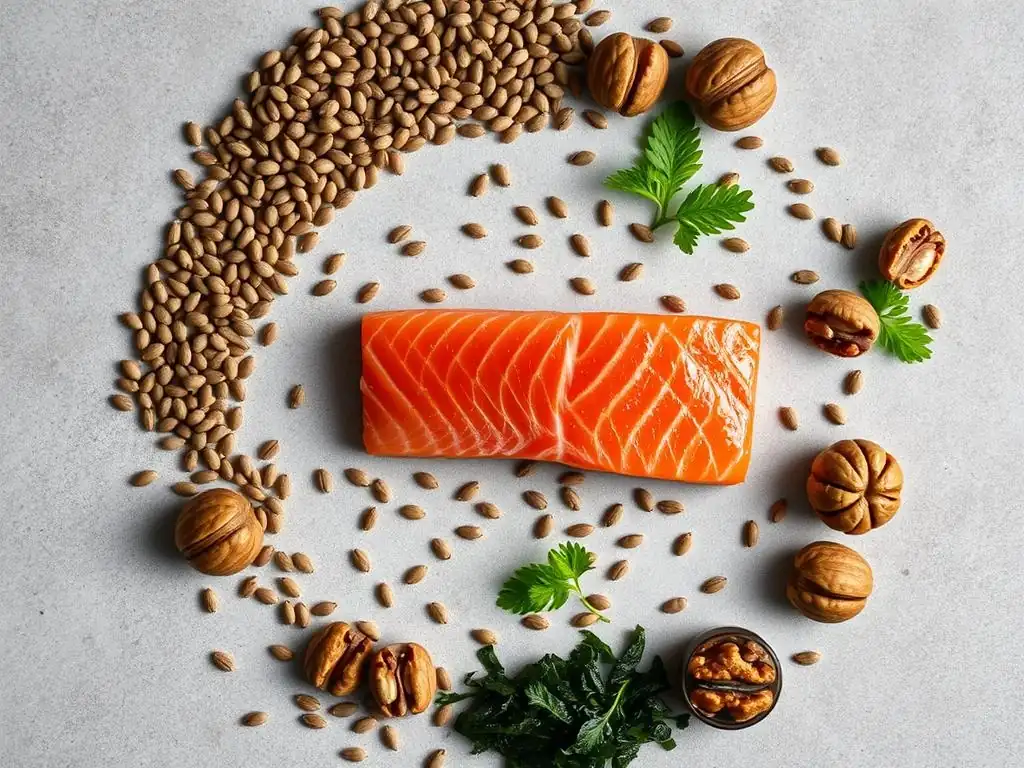
To effectively use Omega3s reduce anxiety symptoms as a dietary strategy, it's important to know where to find these crucial fatty acids in your food. While ALA is available in plant sources, the most potent forms, EPA and DHA, are predominantly found in marine life. Aiming for a balanced intake from both plant and animal sources ensures a broad spectrum of fatty acids.
Including these foods regularly in your meals can contribute significantly to your overall Omega-3 status, supporting brain health and potentially alleviating anxiety. Consistency is key when relying on dietary sources for therapeutic benefits.
Fatty Fish: Salmon, Mackerel, and Sardines - A Powerhouse of Omega-3s
Fatty fish are arguably the richest and most bioavailable sources of EPA and DHA. Consuming fish like salmon, mackerel, herring, sardines, and anchovies provides a direct supply of the forms of Omega-3s most readily used by the brain to reduce anxiety symptoms.
For example, a 3-ounce serving of wild-caught salmon can contain over 1,500 mg of combined EPA and DHA. Mackerel and sardines also offer impressive amounts, often exceeding 1,000 mg per serving. Aiming for at least two servings of fatty fish per week is a widely recommended dietary goal to ensure adequate Omega-3 intake for general health and potential mental health benefits. Choosing smaller fish like sardines and anchovies can also help minimize exposure to potential contaminants.
Plant-Based Omega-3 Sources: Flaxseeds, Chia Seeds, and Walnuts
For vegetarians, vegans, or those who prefer plant-based options, sources like flaxseeds, chia seeds, and walnuts provide ALA, which the body can convert into EPA and DHA, albeit inefficiently. While the conversion rate is low (estimated to be around 5-10% for EPA and even less for DHA), these foods still offer valuable nutrients, including fiber and other beneficial compounds.
A tablespoon of chia seeds or ground flaxseeds contains roughly 2,000-2,500 mg of ALA. A quarter cup of walnuts provides about 2,500 mg of ALA. While relying solely on ALA might not provide the same levels of EPA and DHA as fatty fish, incorporating these plant sources regularly is beneficial and can contribute to overall fatty acid balance. Combining them with other dietary strategies or considering an algae-based DHA/EPA supplement might be necessary for optimal intake.
Fortified Foods: An Alternative for Omega-3 Intake
In addition to natural sources, some foods are fortified with Omega-3 fatty acids, offering another way to increase intake. These can include certain brands of eggs, milk, yogurt, bread, and orange juice. Fortified foods typically add ALA, EPA, or DHA, often derived from algae or fish oil.
While fortified foods can contribute to your daily Omega-3 intake, the amounts added can vary significantly between products. It's important to check the nutrition labels to understand how much Omega-3 you are actually getting. These can be a convenient option, especially for those who struggle to consume enough fatty fish or plant-based sources, but they should ideally complement, rather than replace, whole food sources.
How to Incorporate Healthy Fats into Your Diet for Anxiety Relief
Making dietary changes to support mental health doesn't have to be complicated. Small, consistent steps can significantly impact your overall nutrient intake, including essential fatty acids that help Omega3s reduce anxiety symptoms. The goal is to build sustainable habits that nourish your body and mind.
Integrating healthy fats into your daily meals can be simple and delicious. It involves conscious choices at the grocery store and mindful preparation at home. Remember that dietary changes are part of a broader approach to anxiety management and work best when combined with other healthy lifestyle practices.
Simple Dietary Changes to Boost Omega-3 Intake
Boosting your Omega-3 intake can be achieved through straightforward adjustments to your eating habits. Start by aiming to include fatty fish in your meals twice a week. If fish isn't your preference, consider incorporating plant-based sources daily.
- Add a tablespoon of chia seeds or ground flaxseeds to your morning oatmeal, yogurt, or smoothie.
- Snack on a handful of walnuts instead of processed snacks.
- Use olive oil as your primary cooking oil and for salad dressings.
- Include avocado slices in salads or on toast.
- Choose eggs or dairy products that are fortified with Omega-3s if available and within your dietary preferences.
These small changes can collectively increase your intake of beneficial fats over time.
Recipes Rich in Healthy Fats for Anxiety Management
Creating meals rich in healthy fats can be both enjoyable and beneficial for managing anxiety. Think about incorporating sources of Omega-3s, MUFAs, and healthy saturated fats (in moderation) into your cooking.
- Baked Salmon with Roasted Vegetables: A simple yet powerful meal combining fatty fish (Omega-3s) with vegetables drizzled in olive oil (MUFAs).
- Chia Seed Pudding: Mix chia seeds with milk (dairy or plant-based), a touch of sweetener, and fruit. This provides ALA and fiber.
- Walnut and Spinach Salad: Combine fresh spinach, walnuts (ALA), sliced avocado (MUFAs), and a dressing made with olive oil (MUFAs) and lemon juice.
- Guacamole: A dip made from avocados (MUFAs), lime juice, onion, and cilantro, perfect with vegetable sticks or whole-grain crackers.
- Sardines on Whole-Grain Toast: A quick and easy way to get a concentrated dose of EPA and DHA.
Experimenting with different recipes can make incorporating healthy fats a regular and enjoyable part of your diet.
Supplementing with Omega-3s: Dosage and Considerations
While dietary sources are ideal, supplementation can be a convenient way to ensure adequate Omega-3 intake, especially if you don't consume fatty fish regularly or have higher needs. When considering supplements, look for high-quality fish oil, krill oil, or algae-based supplements (for vegans/vegetarians). These typically provide concentrated amounts of EPA and DHA.
Dosage recommendations vary, but many studies showing benefits for mood and anxiety have used doses ranging from 1,000 mg to 2,000 mg of combined EPA and DHA per day. It's crucial to choose supplements from reputable brands that are tested for purity and free from heavy metals like mercury. Always consult with a healthcare provider or a registered dietitian before starting any new supplement regimen, especially if you have existing health conditions or take medications, as Omega-3s can interact with blood thinners.
The Role of Omega-6 Fatty Acids: Maintaining a Healthy Balance
While Omega-3 fatty acids are beneficial, another group of polyunsaturated fats, Omega-6 fatty acids, also plays essential roles in the body. They are involved in cell growth, blood clotting, and inflammation. Like Omega-3s, Omega-6s are essential and must be obtained through the diet. Common sources include vegetable oils (like soybean, corn, and sunflower oil), nuts, and seeds.
The challenge in modern diets is not a lack of Omega-6s, but rather an excessive intake relative to Omega-3s. This imbalance can contribute to chronic inflammation, which, as discussed, is linked to anxiety and other health issues. Therefore, managing your intake of Omega-6s and improving the ratio of Omega-6 to Omega-3 is crucial for optimizing health and potentially reducing anxiety symptoms.
The Omega-6 to Omega-3 Ratio: Why It Matters
Historically, human diets had a much lower ratio of Omega-6 to Omega-3 fatty acids, estimated to be around 1:1 to 4:1. The typical Western diet, however, often has ratios ranging from 10:1 to 20:1 or even higher, primarily due to the widespread use of vegetable oils high in Omega-6s in processed foods and cooking.
A high Omega-6 to Omega-3 ratio can promote a pro-inflammatory state in the body. While Omega-6s are necessary for inflammatory responses (which are vital for fighting infections and healing injuries), an excess shifts the balance towards chronic inflammation. Conversely, Omega-3s have anti-inflammatory effects. Maintaining a healthier ratio, closer to 4:1 or less, helps balance inflammatory pathways and supports overall health, including brain function and mental well-being, reinforcing how Omega3s reduce anxiety symptoms by modulating inflammation.
Reducing Omega-6 Intake: Minimizing Processed Foods
Given the prevalence of Omega-6 rich vegetable oils in processed and fast foods, one of the most effective ways to improve your Omega-6 to Omega-3 ratio is to reduce your consumption of these items. This doesn't mean eliminating all Omega-6s, as they are essential, but rather reducing the excessive amounts often found in unhealthy foods.
Focus on cooking at home using healthier fats like olive oil (lower in Omega-6s than many other vegetable oils) or coconut oil. Limit your intake of fried foods, baked goods, and snack foods that are often made with high-Omega-6 oils. Choosing whole, unprocessed foods naturally helps balance your intake of essential fatty acids. This conscious effort towards reducing excessive Omega-6s complements the strategy of increasing beneficial Omega-3s.
Fats to Avoid: Trans Fats and Their Negative Impact on Mental Health

While we've focused on healthy fats, it's equally important to identify and avoid unhealthy fats that can negatively impact both physical and mental health. Among these, artificial trans fats are particularly detrimental. These fats are created through a process called hydrogenation, which solidifies liquid vegetable oils. They were widely used in processed foods to improve texture, shelf life, and flavor.
Artificial trans fats have no known health benefits and are strongly linked to an increased risk of heart disease, stroke, and type 2 diabetes. Mounting evidence also suggests a link between trans fat consumption and negative mental health outcomes, including an increased risk of depression and potentially anxiety.
Trans Fats and Inflammation: A Vicious Cycle
One of the primary ways artificial trans fats harm health is by promoting widespread inflammation throughout the body, including the brain. Like an excessive intake of Omega-6s, trans fats can shift the body's inflammatory balance towards a pro-inflammatory state. Chronic inflammation in the brain can disrupt neurotransmitter function, damage brain cells, and interfere with neural pathways involved in mood regulation and stress response.
This creates a vicious cycle where consuming trans fats contributes to inflammation, which in turn can exacerbate anxiety symptoms and negatively impact overall mental well-being. Avoiding these fats is a critical step in reducing inflammatory load and supporting a healthier brain.
Identifying and Eliminating Trans Fats from Your Diet
Fortunately, due to increasing awareness of their harmful effects, artificial trans fats have been largely removed from many food products in several countries. However, they may still be present in some items, especially imported goods or older formulations. Food manufacturers in the United States are largely prohibited from adding partially hydrogenated oils (the primary source of artificial trans fats) to foods.
To be sure, check the ingredient list for "partially hydrogenated oil." Even if a product is labeled "0 grams of trans fat," it can still contain small amounts (up to 0.5 grams per serving) if partially hydrogenated oils are listed in the ingredients. Minimizing consumption of commercially baked goods, fried foods, and certain margarines is a good strategy to avoid hidden trans fats. Focusing on whole, unprocessed foods naturally eliminates the risk of consuming these harmful fats.
Personalized Dietary Strategies for Anxiety Management
While general guidelines about healthy fats for anxiety are helpful, individual responses to dietary changes can vary. Factors such as genetics, metabolism, gut health, and lifestyle all play a role in how your body utilizes nutrients and how your diet impacts your mental state. Therefore, a personalized approach to dietary strategies for anxiety management is often the most effective.
Working with a qualified professional can help you tailor your fat intake and overall diet to your specific needs and circumstances. Additionally, monitoring your own progress is key to understanding what works best for you.
Consulting a Nutritionist or Dietitian: Tailoring Your Fat Intake
A registered dietitian or nutritionist specializing in mental health or integrative nutrition can provide invaluable guidance on optimizing your diet for anxiety relief. They can assess your current eating habits, identify potential nutrient deficiencies or imbalances (including fatty acid status), and help you create a personalized meal plan.
A professional can help you determine the appropriate balance of different types of fats for your individual needs, advise on specific food sources, and recommend appropriate dosages for Omega-3 supplements if necessary. They can also help you navigate potential dietary restrictions or allergies while ensuring you get adequate amounts of beneficial fats that help Omega3s reduce anxiety symptoms. This personalized guidance ensures your dietary strategy is safe, effective, and sustainable.
Monitoring Your Progress: Keeping a Food Journal and Tracking Anxiety Levels
Paying attention to how different foods affect your mood and anxiety levels is a powerful tool for personalization. Keeping a food journal can help you identify patterns between your diet and your anxiety symptoms. Note down what you eat and drink, along with your anxiety levels (perhaps on a scale of 1 to 10) and any specific symptoms you experience throughout the day.
Over time, reviewing your journal can reveal correlations. You might notice, for example, that days when you include fatty fish or take your Omega-3 supplement coincide with lower anxiety levels, or that consuming processed foods high in unhealthy fats seems to worsen your symptoms. This self-monitoring allows you to make informed adjustments to your diet based on your unique response, reinforcing the understanding that specific nutrients like Omega3s reduce anxiety symptoms for you.
Beyond Diet: Holistic Approaches to Anxiety Management
While optimizing your intake of healthy fats, particularly ensuring sufficient Omega-3s reduce anxiety symptoms, is a valuable strategy, it's important to remember that diet is just one piece of the puzzle. Anxiety is a complex condition influenced by multiple factors, and the most effective approaches typically involve a combination of strategies addressing various aspects of well-being.
Integrating nutritional changes with other evidence-based therapies and lifestyle modifications provides a comprehensive and powerful approach to managing anxiety. Focusing solely on diet without addressing other contributing factors may limit the potential for significant improvement.
Combining Nutrition with Therapy and Lifestyle Changes
For many individuals, therapy, such as Cognitive Behavioral Therapy (CBT) or Acceptance and Commitment Therapy (ACT), is a cornerstone of anxiety treatment. These therapies provide tools and techniques to challenge anxious thoughts and behaviors. Combining therapy with dietary changes, like increasing intake of fats where Omega3s reduce anxiety symptoms are known to be beneficial, can create a synergistic effect, supporting both brain function and psychological coping mechanisms.
Lifestyle changes, including regular physical activity, sufficient sleep, and stress management techniques (like mindfulness, meditation, or yoga), are also crucial components of a holistic anxiety management plan. Exercise, for instance, releases endorphins and can reduce stress hormones, while adequate sleep is essential for emotional regulation and cognitive function.
The Importance of Exercise, Sleep, and Stress Management for Mental Well-being
Physical activity has been shown to significantly reduce anxiety symptoms. Aiming for at least 150 minutes of moderate-intensity aerobic exercise per week is a common recommendation, but even shorter, regular bursts of activity can be beneficial. Exercise also supports metabolic health, which is linked to brain function.
Sleep is equally vital. Chronic sleep deprivation can exacerbate anxiety and impair the ability to cope with stress. Prioritizing 7-9 hours of quality sleep per night is essential. Establishing a regular sleep schedule and creating a relaxing bedtime routine can help.
Stress management techniques provide tools to calm the nervous system and build resilience. Mindfulness, deep breathing exercises, progressive muscle relaxation, and spending time in nature are just a few examples. By integrating healthy fats, including those where Omega3s reduce anxiety symptoms are known to help, with therapy, exercise, sleep, and stress management, you create a powerful, multi-faceted approach to nurturing your mental health and finding lasting relief from anxiety.
Frequently Asked Questions
Can Omega-3 fatty acids really help reduce anxiety?
Yes, some studies suggest that Omega-3s may indeed help reduce anxiety symptoms. They are believed to impact brain function related to mood regulation.
What types of fats are considered "healthy fats" that benefit mental health?
Healthy fats include Omega-3s found in fish oil and flaxseed, as well as monounsaturated fats like those in olive oil and avocados. These are associated with improved brain health.
How much Omega-3 should I consume to potentially reduce anxiety?
The recommended dosage varies, but many studies use between 1-3 grams of EPA and DHA (types of Omega-3) per day. It's best to consult with a doctor for personalized advice.
Are there any risks or side effects associated with taking Omega-3 supplements?
While generally safe, Omega-3 supplements can sometimes cause mild side effects like fishy burps or digestive upset. High doses may also interact with blood-thinning medications.
Besides Omega-3s, what other lifestyle changes can support mental well-being and reduce anxiety?
Beyond diet, crucial changes include regular exercise, sufficient sleep, mindfulness practices, and seeking professional support when needed. A holistic approach is often most effective.
Final Reflection: The Untapped Power of Healthy Fats for Anxiety Relief
The connection between diet and mental health is undeniable, and the role of healthy fats, specifically Omega-3s, in alleviating anxiety symptoms is increasingly recognized as a crucial piece of the puzzle. Ignoring this powerful link means missing out on a potentially transformative approach to managing anxiety, an approach that goes beyond medication and therapy alone. We are only beginning to understand the full extent of the impact dietary choices can have on our mental well-being.
The exploration of healthy fats and their influence on anxiety has profoundly shifted my understanding of holistic wellness. It's not just about what we think or feel, but also about what we fuel our bodies with. This understanding underscores the interconnectedness of physical and mental health, a concept often overlooked in our fragmented approach to wellness. The body is your temple. Keep it pure and clean for the soul to reside in.
This quote, while not directly about nutrition, perfectly encapsulates the profound relationship between our physical and mental states. The more I learn, the more I realize how crucial this connection is, and how often we neglect the power of simple dietary adjustments.
Now, it's your turn. Consider your own diet. Are you prioritizing healthy fats, particularly Omega-3s, in your daily intake? Take a moment to reflect on your current eating habits and identify areas where you can incorporate more of these beneficial fats. Small changes can lead to significant improvements in your mental well-being. Don't underestimate the power of nourishing your body and mind with the right fuel. Start today, and discover the transformative potential of healthy fats for a calmer, more resilient you.
Unlock Your Mind's Potential: Nourish Your Way to Calm
Thanks for taking the time to learn about the powerful connection between healthy fats and anxiety relief! We hope you gained valuable insights into choosing the right fats for a calmer, more focused you. Now it's time to put this knowledge into action:
- Prioritize your fat intake: Start by incorporating more sources of omega-3 fatty acids (like fatty fish, flaxseeds, or walnuts) and monounsaturated fats (like avocados and olive oil) into your daily meals this week. Notice how you feel!
- Share your journey: Tell us (or a friend!) about your experience trying new healthy fats. What are you most excited to try?
- Explore further: Dive deeper into the world of nutrition by searching for "anxiety-reducing recipes" online and finding delicious, healthy meals that support your mental well-being.
What small change will you make today to nourish your mind and reduce your anxiety?