
Unlock MicroMindfulness: Tiny Moments, Big Impact

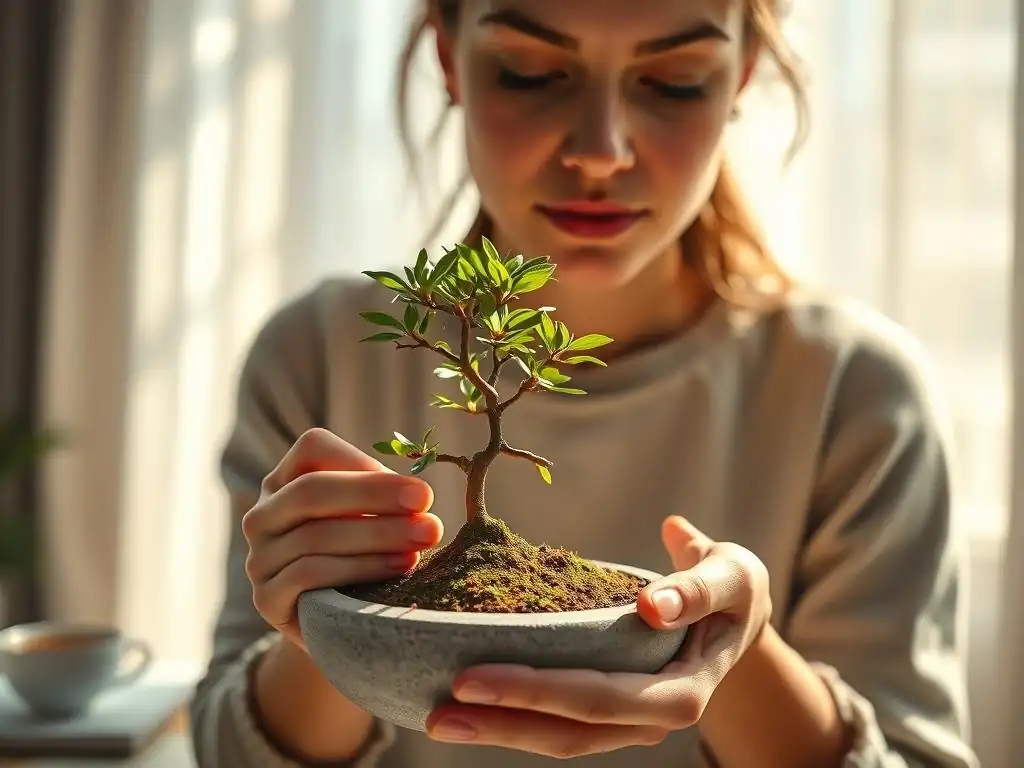
Welcome to Mind Care Guide, your trusted companion on the journey to mental well-being. Feeling overwhelmed? What if tiny, almost imperceptible shifts in your awareness could unlock a profound sense of calm? Delve into our exploration of micromindfulness techniques for anxiety and discover how incorporating these small practices into your daily life can lead to significant and lasting positive change. Eager to learn how these simple moments can make a big difference? Let's begin...
Unlock MicroMindfulness: Tiny Moments, Big Impact
- Introduction to MicroMindfulness: Finding Calm in the Chaos
- The Science Behind MicroMindfulness and Anxiety Reduction
- Practical MicroMindfulness Techniques for Anxiety
- Integrating MicroMindfulness into Your Daily Life
- Overcoming Challenges in Practicing MicroMindfulness
- Real-Life Examples of MicroMindfulness in Action
- Benefits of Consistent MicroMindfulness Practice
- Advanced MicroMindfulness Techniques for Deeper Relaxation
- Resources for Learning More About MicroMindfulness
- Conclusion: Embracing MicroMindfulness for a Calmer Life
-
Frequently Asked Questions
- What exactly are micromindfulness techniques, and how do they differ from traditional mindfulness practices?
- How can micromindfulness help with anxiety management?
- What are some examples of micromindfulness exercises that I can easily incorporate into my routine?
- How frequently should I practice micromindfulness to experience its benefits for anxiety?
- Is micromindfulness a replacement for professional mental health treatment for anxiety?
- Final Reflection: Cultivating Calm in a Chaotic World
- Unlock Your Micro-Mindfulness Potential Now!
Introduction to MicroMindfulness: Finding Calm in the Chaos
Stress and anxiety are increasingly common companions in our fast-paced world. The constant demands of work, family, and technology can leave us feeling overwhelmed and disconnected. Traditional mindfulness practices, like lengthy meditation sessions, are incredibly beneficial but can feel daunting or inaccessible for those with limited time or who are new to the concept. This is where micromindfulness steps in, offering a powerful alternative that fits into the cracks of a busy day. It's about finding peace not by adding more to your schedule, but by transforming the moments you already have.
Micromindfulness is particularly relevant today because it provides practical, bite-sized micromindfulness techniques for anxiety that can be deployed instantly. These techniques don't require a quiet room or dedicated time; they can be practiced waiting in line, commuting, or during a brief pause between tasks. By focusing on cultivating awareness in these fleeting moments, individuals can build resilience, reduce reactivity, and significantly lower their overall anxiety levels throughout the day. It's a subtle yet profound shift that empowers you to reclaim your inner calm, one tiny moment at a time.
What is MicroMindfulness? A Definition for Beginners
Micromindfulness can be defined as the practice of intentionally bringing your attention to the present moment for a very short duration, typically ranging from a few seconds to a couple of minutes. Unlike traditional mindfulness, which often involves longer, formal meditation or dedicated practice time, micromindfulness is designed to be integrated seamlessly into the flow of daily life. It's about spotting opportunities throughout the day to pause, notice, and connect with your immediate experience, even amidst chaos.
The core principle is that even brief moments of focused awareness can interrupt the cycle of anxious thoughts and bring a sense of grounding. Instead of needing to set aside 20 minutes for meditation, you might practice micromindfulness for 30 seconds while washing your hands or for one minute before opening an email. These short, frequent bursts of mindfulness accumulate over time, building the capacity for presence and reducing the grip of worry, making it an accessible and effective approach for anyone seeking micromindfulness techniques for anxiety relief.
The Growing Need for Anxiety Relief: Why MicroMoments Matter
Anxiety disorders are among the most common mental health concerns globally. Statistics consistently show high prevalence rates; for instance, estimates often place the number of adults experiencing anxiety in the millions in many countries. The impact extends beyond emotional distress, affecting physical health, relationships, and productivity. Traditional methods like therapy and medication are vital, but many people also seek practical, self-managed strategies they can use in the moment to cope with rising anxiety.
This is precisely why micromoments of mindfulness are so crucial. Anxiety often stems from dwelling on the past or worrying about the future. Micromindfulness pulls you back to the present, which is the only place where anxiety doesn't fully exist.
By anchoring yourself, even for a few seconds, you create a small buffer zone between you and the anxious thoughts. These repeated buffers throughout the day act like tiny anchors, preventing the anxiety from escalating and helping to regulate the nervous system in real-time. The accessibility of these micromindfulness techniques for anxiety makes them a powerful tool in the ongoing effort to manage daily stress.
MicroMindfulness vs. Traditional Mindfulness: Key Differences
The primary distinction between micromindfulness and traditional mindfulness lies in duration and structure. Traditional mindfulness often involves structured practices like sitting meditation, walking meditation, or body scans that typically last for 10 minutes or more. These practices encourage sustained attention and a deeper exploration of inner experience, often requiring a dedicated space and time commitment. They are foundational for developing a strong mindfulness practice.
Micromindfulness, on the other hand, is characterized by its brevity and flexibility. It integrates into existing activities rather than requiring separate time slots. While traditional mindfulness builds a strong base through longer sessions, micromindfulness provides practical application and immediate relief throughout the day. Think of traditional mindfulness as building the muscle in a gym, and micromindfulness as using that muscle strength in everyday tasks. Both are valuable and can complement each other, but micromindfulness offers a more accessible entry point and immediate utility for managing moments of anxiety.
The Science Behind MicroMindfulness and Anxiety Reduction
Understanding how micromindfulness impacts the brain and body provides a compelling rationale for its practice. Even brief moments of focused attention trigger specific physiological and neurological responses that counteract the stress response. This isn't just a feeling; it's a measurable shift in how your system operates, offering a scientific basis for why micromindfulness techniques for anxiety are effective.
Research into mindfulness, including shorter practices, points towards its ability to influence brain regions associated with stress and emotional regulation. The simple act of pausing and focusing on your breath or a sensory experience, even for 30 seconds, can begin to interrupt the amygdala's fear response and activate the prefrontal cortex, which is involved in higher-level cognitive functions and emotional control. This subtle neurological shift, repeated throughout the day via micromindfulness, gradually strengthens your capacity to respond to stressors more calmly.
How MicroMindfulness Impacts the Brain: A Neuroscientific Perspective
Neuroscientific studies using fMRI and other imaging techniques have shown that regular mindfulness practice, including shorter forms, can lead to changes in brain structure and function. Specifically, areas like the amygdala, the brain's alarm center, tend to show decreased activity in mindful individuals when exposed to stressful stimuli. Simultaneously, activity in the prefrontal cortex, which helps regulate emotions and decision-making, tends to increase.
This means that practicing micromindfulness techniques for anxiety helps to dampen the immediate "fight or flight" reaction triggered by the amygdala and enhances your brain's ability to process information calmly and make deliberate choices. Even a few seconds of mindful breathing or sensory focus can initiate this shift, helping to prevent the anxious spiral from taking hold. Over time, consistent micromindfulness can contribute to long-lasting neural changes that support greater emotional resilience.
The Link Between Micro-Moments and Reduced Stress Hormones
Anxiety is closely linked to the body's stress response, which involves the release of hormones like cortisol. Chronic anxiety can lead to elevated cortisol levels, contributing to various physical and mental health issues. Engaging in mindful practices, even brief ones, has been shown to help regulate the Hypothalamic-Pituitary-Adrenal (HPA) axis, which controls the release of these stress hormones.
While a single micromindfulness moment won't eliminate cortisol, the cumulative effect of incorporating these practices throughout the day can be significant. Studies on mindfulness interventions often report reductions in cortisol levels among participants. By offering frequent opportunities to downregulate the stress response, micromindfulness techniques for anxiety provide a powerful tool for keeping stress hormones in check. Even pausing for 60 seconds to notice your surroundings can signal to your body that you are not in immediate danger, helping to lower the physiological stress response.
Research Supporting MicroMindfulness for Anxiety Management
While much of the research focuses on traditional mindfulness, a growing body of evidence supports the effectiveness of shorter, integrated practices for stress and anxiety. Studies on brief mindfulness interventions, some lasting only a few minutes per day, have demonstrated improvements in self-reported stress, mood, and even physiological markers like heart rate variability, which is an indicator of nervous system regulation.
For example, research involving short mindfulness exercises (as little as 3 minutes) has shown immediate reductions in negative affect and increased positive affect. While specific large-scale studies solely on "micromindfulness" as a distinct category are still emerging, the findings from brief mindfulness interventions strongly suggest that incorporating micromindfulness techniques for anxiety into daily life can provide measurable benefits. Anecdotal evidence from countless individuals further supports its power in providing on-the-spot relief from anxious feelings.
Practical MicroMindfulness Techniques for Anxiety
Implementing micromindfulness is about weaving simple, intentional pauses into your day. These techniques are designed to be quick, discreet, and effective at bringing you back to the present moment when anxiety starts to bubble up. Here are some accessible micromindfulness techniques for anxiety you can start using immediately.
The key is not perfection, but consistency. Don't worry if your mind wanders; simply notice it and gently guide your attention back to the chosen anchor. Start with just one or two techniques that resonate with you and practice them throughout the day. Even 10-20 seconds of focused attention can make a difference in how you feel.
Anchoring in the Present: The Sensory Awareness Technique
This technique involves focusing intently on one or more of your five senses for a brief period. It's a direct way to pull your attention out of anxious thoughts and ground it in your immediate physical reality. You can practice this anywhere, anytime.
For instance, take 30 seconds to focus on what you can see. Look around and notice five distinct things you hadn't fully registered before – the texture of your desk, the specific shade of blue on a book cover, the way light hits a surface. Another variation is to focus on touch: feel the pressure of your feet on the ground, the texture of the clothes on your skin, or the warmth of a mug in your hands for just 15-20 seconds.
This simple act disrupts the mental loop of anxiety by redirecting your brain's processing power to sensory input rather than worry. Many people report feeling more grounded and less overwhelmed within seconds of engaging this micromindfulness technique for anxiety.
Mindful Breathing Exercises: Quick and Effective
Focusing on your breath is one of the most fundamental and accessible micromindfulness techniques for anxiety. Your breath is always with you and always happening in the present moment. Even a few mindful breaths can regulate your nervous system.
Try this: Inhale slowly through your nose, feeling your belly or chest rise slightly. Exhale slowly through your mouth, letting go of tension. Repeat this just three to five times. You can do this waiting at a traffic light, before a meeting, or when you feel a wave of anxiety approaching. Simply noticing the sensation of the breath entering and leaving your body for a few seconds can interrupt the anxiety cycle. Some find it helpful to mentally count breaths ( inhale 1, exhale 1, inhale 2, exhale 2...) for added focus. This technique can often provide noticeable relief within 60 seconds.
Body Scan in Brief: A Micro-Version for Instant Relief
A traditional body scan can take 20 minutes or more, but a micro-version can be done in less than a minute. This involves quickly bringing your awareness to different parts of your body.
When feeling anxious, take 30-60 seconds to quickly scan your body for areas of tension. Start at your head and quickly move down to your toes, noticing any tightness in your shoulders, jaw, or stomach without trying to change it. Alternatively, choose just one or two areas to focus on intensely, like the feeling of your shoulders or the sensation in your hands.
Simply acknowledging these physical sensations anchors you to the present and can diffuse some of the physical manifestations of anxiety. This micromindfulness technique for anxiety helps you connect with your physical self, interrupting the purely mental experience of worry.
Mindful Observation: Noticing Details to Calm the Mind
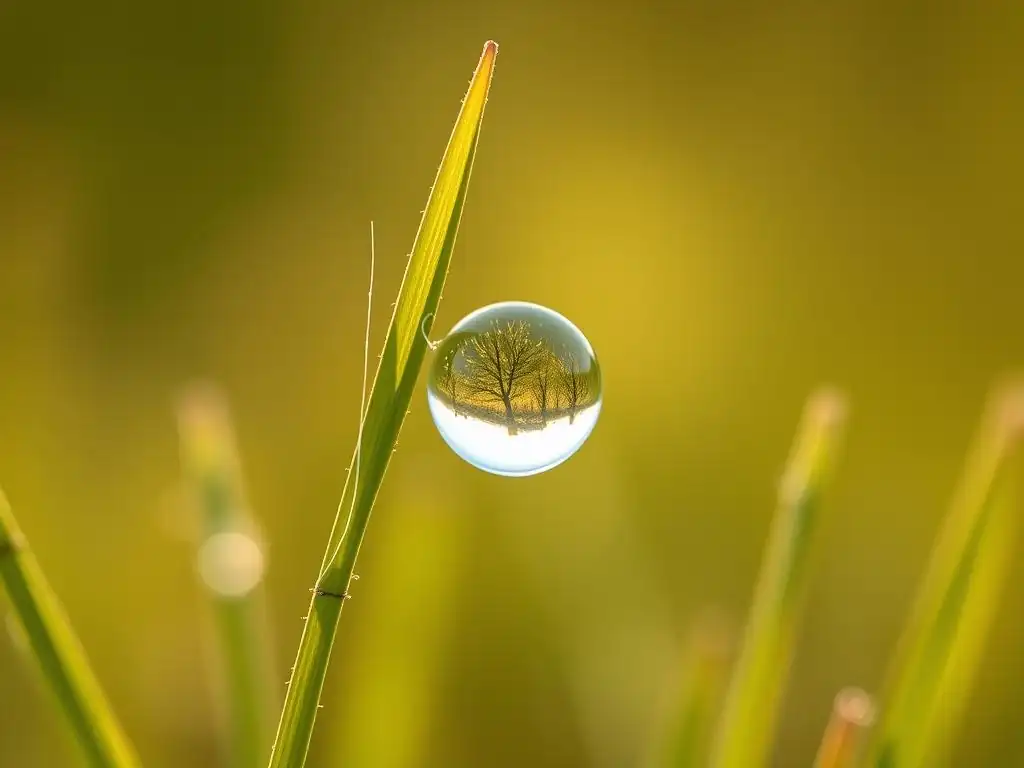
This technique involves paying close, non-judgmental attention to something in your immediate environment for a short period. It shifts your focus outward, away from internal anxious chatter.
Pick an object near you – a plant, a pen, a piece of fruit. Spend 20-30 seconds observing it as if you've never seen it before. Notice its color variations, its shape, its texture, how light reflects off it. Engage your curiosity about this simple object. This focused observation occupies the mind in a way that distracts from anxious thoughts and grounds you in the concrete reality of the present moment. It's a simple yet effective micromindfulness technique for anxiety that can be done almost anywhere without drawing attention.
Gratitude in Small Doses: Cultivating Appreciation
Brief moments of gratitude can shift your perspective and counteract negative thought patterns often associated with anxiety. It's about finding small things to appreciate right now.
Take 10-15 seconds to think of one thing you are grateful for in this exact moment. It could be the warmth of the sun on your skin, the comfort of your chair, the taste of your coffee, or simply the fact that you are breathing. Hold that feeling of appreciation for a few seconds.
This isn't about ignoring difficulties, but about intentionally acknowledging positive aspects of your present experience. Regularly practicing this micromindfulness technique for anxiety helps train your brain to notice the good, building a more positive mental landscape over time. Even fleeting gratitude can create a momentary shift in mood.
Integrating MicroMindfulness into Your Daily Life
The power of micromindfulness lies in its ability to be woven into the existing fabric of your day. It's not about finding extra time, but about using the moments you already have – transitions, waits, and routine activities – as opportunities for mindful awareness. Successfully integrating micromindfulness techniques for anxiety requires identifying these opportunities and making a conscious choice to pause.
Start by identifying 3-5 moments in your typical day where you could insert a micromindfulness practice. This might be while your computer boots up, waiting for the elevator, or brushing your teeth. By associating the practice with an existing trigger, you build a habit more easily. Remember, consistency in tiny moments is more impactful than occasional long sessions.
MicroMindfulness at Work: Reducing Workplace Anxiety
The workplace is often a significant source of anxiety, with deadlines, meetings, and interpersonal dynamics creating stress. Micromindfulness offers discreet ways to cope throughout the day.
For example, before checking email or starting a difficult task, take 30 seconds to sit up straight, place your feet flat on the floor, and feel the sensation of your body in the chair. Take three slow, deep breaths, noticing the rise and fall of your chest.
Another opportunity is during walking between meetings or to the breakroom; instead of rushing, notice the sensation of your feet on the floor and the movement of your body for 60 seconds. These brief pauses can interrupt the stress response and help you approach tasks with more clarity and less tension, making them effective micromindfulness techniques for anxiety in a professional setting.
MicroMindfulness at Home: Finding Peace in Your Personal Space
Home should be a sanctuary, but it can also be filled with chores, family demands, and personal worries. Micromindfulness helps create pockets of peace amidst the domestic rush.
Try practicing mindful washing of hands: pay attention to the temperature of the water, the scent of the soap, the feeling of bubbles, and the sensation of rubbing your hands together for 20 seconds. Or, while waiting for your coffee or tea to brew, simply stand still and notice the sounds around you – the hum of the refrigerator, the ticking clock, birds outside – for 30-45 seconds.
These small moments transform mundane tasks into opportunities for grounding and presence, helping to reduce the overall feeling of overwhelm that can contribute to anxiety at home. Implementing these micromindfulness techniques for anxiety into your home routine can foster a greater sense of calm.
MicroMindfulness During Commutes: Transforming Travel Time
Commuting, whether by car, train, or bus, can be a stressful and anxiety-inducing experience. Micromindfulness can turn this often-dreaded time into an opportunity for practice.
If driving, focus mindfully on the feeling of your hands on the steering wheel, the pressure of your foot on the pedal, and the visual details of the road ahead (while remaining safe and attentive to traffic). If using public transport, instead of getting lost in anxious thoughts or phone scrolling, spend 60 seconds focusing on the physical sensations of sitting, the gentle rocking motion of the vehicle, or the sounds of the journey (without headphones).
These brief moments of focused attention can alleviate impatience and stress, making the commute less taxing on your nervous system. These micromindfulness techniques for anxiety during travel can make a significant difference in how you start or end your day.
MicroMindfulness and Technology: Using Apps and Tools Wisely
While micromindfulness is inherently non-tech, technology can sometimes support the development of a consistent practice. However, it's important to use tools mindfully themselves.
Some apps offer short guided meditations or prompts for mindful moments throughout the day. Using a gentle reminder on your phone to pause for 30 seconds of mindful breathing can be helpful when starting out. However, be mindful of how you interact with the technology itself; avoid getting pulled into endless scrolling or notifications immediately after your micromoment. The goal is to use technology as a tool for mindfulness, not a distraction from it. Many apps specifically offer brief, guided micromindfulness techniques for anxiety designed to fit into busy schedules.
Overcoming Challenges in Practicing MicroMindfulness
Like any new habit, incorporating micromindfulness can present challenges. It's easy to forget, feel like you're not doing it "right," or get discouraged by distractions. Recognizing these common hurdles is the first step to overcoming them and consistently applying micromindfulness techniques for anxiety.
Remember that the goal is progress, not perfection. There will be days when you forget or feel too overwhelmed to pause. Be kind to yourself and simply start again when you remember. The practice is in the attempt to be present, not in achieving a perfectly calm or empty mind.
Dealing with Distractions: Staying Focused in Micro-Moments
Distractions are a natural part of life and practice, especially during short micromindfulness moments. Your mind will wander to thoughts, worries, or external stimuli.
When you notice your mind has wandered during a 30-second mindful breath or observation, simply acknowledge the distraction without judgment and gently guide your attention back to your chosen anchor (breath, sensation, object). The act of noticing the distraction and returning is actually the core practice itself. It strengthens your ability to redirect your focus. Don't view wandering as a failure; it's an opportunity to practice bringing yourself back. This repeated gentle redirection is key to developing the focus needed for effective micromindfulness techniques for anxiety.
Making Time for MicroMindfulness: Integrating it into a Busy Schedule
The beauty of micromindfulness is that it doesn't require making time; it requires using the time you already have. The challenge is remembering to do it amidst the rush.
Identify specific, unavoidable transition moments in your day – waiting for the elevator, standing in line, the first minute after sitting down at your desk, waiting for your computer to load. Link the micromindfulness practice to these triggers. For example, tell yourself, "Every time I wait for the kettle to boil, I will take three mindful breaths."
Or "Before I unlock my phone, I will feel my feet on the ground for 10 seconds." Stacking the new habit onto an existing one makes it much easier to remember and integrate micromindfulness techniques for anxiety into a packed day. Start small, maybe 3-5 moments per day, and gradually add more.
Common Mistakes to Avoid When Starting
One common mistake is expecting immediate, dramatic results. Micromindfulness builds resilience over time; while you might feel momentary relief, the significant benefits come from consistent practice. Don't get discouraged if a single 15-second pause doesn't magically dissolve all your anxiety.
Another mistake is striving for a completely "empty" mind. Micromindfulness is about awareness of what is present, including thoughts and feelings, without getting swept away by them. Don't try to stop thinking; just notice the thoughts and return your attention to your anchor. Also, avoid self-criticism if you miss a planned micromoment. Simply resume the practice at the next opportunity. Focusing on gentle consistency rather than rigid perfection is crucial for making micromindfulness techniques for anxiety a sustainable part of your life.
Real-Life Examples of MicroMindfulness in Action
Hearing about how others have used micromindfulness techniques for anxiety can be incredibly motivating and provide practical ideas for your own practice. These examples illustrate how brief moments of awareness can make a tangible difference in managing challenging situations.
While specific, verifiable case studies require detailed documentation and consent, we can look at common scenarios and how micromindfulness might be applied effectively. These examples are illustrative of experiences many people have when incorporating brief mindfulness into their lives.
Case Study 1: Using MicroMindfulness to Manage Panic Attacks
Consider Alex, who experienced sudden, intense panic attacks often triggered by crowded spaces or anticipation of stressful events. The physical symptoms – racing heart, shortness of breath, dizziness – would quickly escalate, leading to overwhelming fear.
Alex began practicing a simple micromindfulness technique for anxiety: focusing on the sensation of his feet on the ground. Whenever he felt the first hint of panic or entered a potentially triggering situation, he would pause for 30-60 seconds, close his eyes if possible (or soften his gaze), and pour all his attention into the feeling of his feet inside his shoes, the pressure against the soles, the contact with the floor.
This grounding technique, practiced repeatedly in short bursts, helped interrupt the escalating physical symptoms by anchoring him firmly in physical reality, making the panic feel less overwhelming and sometimes preventing full-blown attacks.
Sarah struggled with social anxiety, feeling intense nervousness before and during social interactions, leading to avoidance or discomfort. Simple tasks like ordering coffee or making small talk felt incredibly daunting.
Sarah started incorporating brief mindful breathing before entering social situations or initiating conversations. Before walking into a room or picking up the phone, she would take three slow, mindful breaths, focusing purely on the sensation of the air entering and leaving her lungs. This 15-second pause helped regulate her nervous system, reducing the immediate physiological symptoms of anxiety like a pounding heart or shaky voice. Over time, this micromindfulness technique for anxiety became a signal to her body that she could handle the situation, reducing the intensity of her social anxiety and allowing her to engage more comfortably.
Case Study 3: Micro-Mindfulness in Overcoming Insomnia
David often experienced anxiety about not being able to sleep, which ironically made it harder to fall asleep. His mind would race with worries about the next day or past events whenever he lay down.
David adopted a micromindfulness practice upon getting into bed: a brief, 2-minute body scan focusing only on the feeling of his body sinking into the mattress and the weight of the blankets. He wouldn't try to relax or fall asleep, just mindfully notice these physical sensations. If his mind started racing, he would gently bring his attention back to the physical contact with the bed.
This simple micromindfulness technique for anxiety before sleep helped disconnect from the anxious thought loop and anchored him in the physical reality of his resting body, making it easier for sleep to eventually come. It wasn't a guaranteed fix every night, but it significantly reduced the anxiety about sleep, which was a major barrier.
Benefits of Consistent MicroMindfulness Practice

Regularly incorporating micromindfulness techniques for anxiety into your daily life yields significant and cumulative benefits that extend far beyond momentary calm. These small acts of intentional presence build upon each other, creating a foundation of greater well-being and resilience.
The key is consistency. Even a few minutes spread throughout the day can retrain your brain and nervous system over time. The benefits aren't just about feeling less anxious in specific moments, but about cultivating a more peaceful and focused state of being overall.
Long-Term Anxiety Reduction Through Micro-Moments
While individual micromoments provide immediate relief, the cumulative effect of consistent practice is a significant reduction in overall anxiety levels. By repeatedly bringing your attention back to the present and disengaging from anxious thought loops, you weaken the brain's habit of dwelling on worries.
Over weeks and months of practicing micromindfulness techniques for anxiety, you build new neural pathways that favor presence and calm over reactivity and worry. This doesn't mean anxiety disappears entirely, but its frequency, intensity, and duration are often significantly reduced. Many individuals report feeling generally calmer and less easily triggered by stressors after consistent practice.
Improved Focus and Concentration
Anxiety often fragments attention, making it difficult to concentrate. The practice of gently redirecting your attention during micromindfulness moments directly trains your ability to focus.
Each time you notice your mind wandering and bring it back to your chosen anchor (breath, sensation, etc. ), you are strengthening the neural circuits responsible for attention control. This improved focus extends beyond your mindfulness practice, helping you to concentrate better on tasks at work, engage more fully in conversations, and generally feel less scattered – a valuable benefit for anyone struggling with the cognitive effects of anxiety. These micromindfulness techniques for anxiety indirectly boost cognitive function.
Enhanced Emotional Regulation
Micromindfulness helps you become more aware of your emotions without being overwhelmed by them. By pausing and noticing feelings like anxiety in a brief, non-judgmental way, you create space between yourself and the emotion.
This practice teaches you that you are not your emotions and that feelings are temporary. With consistent practice of micromindfulness techniques for anxiety, you develop the capacity to observe strong emotions like anxiety without immediately reacting to them. This enhanced emotional regulation allows you to respond to challenging situations more skillfully and less impulsively, reducing the likelihood of getting caught in emotional spirals.
Increased Self-Awareness
Regularly checking in with yourself, even for brief moments, cultivates greater self-awareness. You become more attuned to your physical sensations, emotional states, and thought patterns in real-time.
This heightened self-awareness is crucial for managing anxiety because it allows you to recognize the early warning signs of rising stress or worry before they become overwhelming. By noticing these signs in their subtle beginnings through micromindfulness techniques for anxiety, you can apply a calming technique proactively rather than waiting until anxiety is at its peak. This deeper understanding of your internal landscape is a powerful tool for self-management and well-being.
Advanced MicroMindfulness Techniques for Deeper Relaxation
Once you are comfortable with basic micromindfulness techniques for anxiety, you might explore slightly more involved practices that still fit within a short timeframe but can offer deeper levels of relaxation and presence. These techniques build upon the foundational skills of anchoring and awareness.
These advanced techniques might take slightly longer, perhaps 2-5 minutes, but are still far shorter than traditional mindfulness sessions. They offer ways to deepen your connection to the present moment and cultivate specific positive states.
Micro-Meditation: Short Guided Practices
While micromindfulness often involves unguided, spontaneous moments, short guided meditations (2-5 minutes) can serve as advanced micromindfulness practices. Many apps and online resources offer these brief sessions.
These micro-meditations might guide you through a quick body scan, a focused breathing exercise, or a loving-kindness practice specifically condensed into a few minutes. Following a gentle voice can help maintain focus and introduce you to different types of mindfulness practices in a digestible format. Incorporating a 3-minute guided micromindfulness technique for anxiety during a work break can be a powerful reset button for your nervous system.
Mindful Walking: A Micro-Approach to Movement
Traditional mindful walking involves paying attention to the sensation of walking for an extended period. A micro-approach applies this same principle to shorter durations of movement.
When walking from one place to another (e.g., to the kitchen, to the printer, to your car), dedicate 60-90 seconds to mindfully noticing the experience of walking. Pay attention to the sensation of your feet lifting and falling, the swing of your arms, the rhythm of your steps. Feel the air against your skin or the ground beneath your feet. This transforms a simple transition into a moving meditation, grounding you in your body and surroundings. This micromindfulness technique for anxiety integrates movement with awareness, offering a dynamic way to find presence.
Micro-Affirmations: Positive Reinforcement in Tiny Bursts
While not strictly traditional mindfulness, combining a brief moment of presence with a positive affirmation can be a powerful micromindfulness technique for anxiety reduction.
After taking a mindful breath or two, silently repeat a simple, positive statement related to calm or resilience, such as "I am okay in this moment," "I can handle this," or "I am breathing deeply." Hold the feeling of the affirmation for a few seconds. This technique combines the grounding of mindfulness with the positive reframing power of affirmations, offering a dual approach to managing anxious thoughts. Doing this for 20-30 seconds can help shift your internal dialogue towards self-compassion and strength.
Resources for Learning More About MicroMindfulness
Exploring additional resources can deepen your understanding and provide structured ways to learn and practice micromindfulness techniques for anxiety. While this article provides a solid foundation, books, courses, and apps offer further guidance and support.
Remember that the most effective resources are those you actually use. Start with one that seems accessible and engaging, and commit to exploring it consistently. Building a library of resources can support your journey towards greater calm and presence.
Recommended Books on Mindfulness and Anxiety
Many excellent books delve into the principles of mindfulness and its application for anxiety. While not all may use the specific term "micromindfulness," they often include principles and practices that can be adapted into short moments.
Look for titles by authors renowned in the field of mindfulness and stress reduction. These books often provide detailed explanations of the science, practical exercises, and personal stories that can inspire and inform your practice. Many offer exercises that can easily be condensed into 1-5 minute micromindfulness techniques for anxiety.
Online Courses and Workshops on MicroMindfulness Techniques
Online platforms offer a wealth of courses and workshops, some specifically focused on brief mindfulness or integrating mindfulness into daily life. These can provide structured learning and guided practice.
Searching for courses on "mindfulness for anxiety," "brief mindfulness," or "mindfulness in daily life" can yield options ranging from short introductory workshops to more comprehensive programs. These resources often break down micromindfulness techniques for anxiety into easy-to-follow steps and provide audio or video guidance, which can be helpful for beginners.
Links to Mindfulness Apps and Websites
Numerous smartphone apps are designed to support mindfulness practice, including features for short guided meditations and timely reminders. Many reputable organizations and mindfulness centers also offer free resources on their websites.
While specific links cannot be provided here, searching app stores for "mindfulness," "meditation," or "anxiety relief" will reveal many options. Look for apps that offer short session lengths (under 5 minutes) and customizable reminders. Websites from established mindfulness organizations often provide articles, audio guides, and information about micromindfulness techniques for anxiety and general well-being.
Conclusion: Embracing MicroMindfulness for a Calmer Life
In a world that constantly pulls your attention in countless directions, the simple act of pausing for a few seconds can be revolutionary, especially when navigating the challenges of anxiety. Micromindfulness isn't about adding another task to your list; it's about finding moments of peace and presence within the life you already live. It offers practical, accessible micromindfulness techniques for anxiety that empower you to respond to stress with greater calm and clarity.
By consistently weaving these tiny moments of awareness into your day – whether it's a mindful breath while waiting, a sensory check-in while walking, or a 30-second observation of an object – you build resilience, enhance focus, improve emotional regulation, and cultivate a deeper connection with yourself and the present moment. The cumulative effect of these small practices is profound, leading to a significant reduction in overall anxiety and a greater sense of well-being.
The Power of Tiny Moments: A Recap of MicroMindfulness Benefits
We've explored how these brief practices, these tiny moments of intentional presence, can have a big impact. From a neuroscientific perspective, they help regulate the stress response by influencing brain activity and hormone levels. Practically, they provide on-the-spot tools to interrupt anxious spirals and ground you in the present.
The consistent application of micromindfulness techniques for anxiety contributes to long-term benefits, including reduced overall anxiety, improved ability to focus amidst distractions, enhanced capacity to manage emotions, and a greater understanding of your inner experience. These benefits demonstrate the remarkable power held within just a few seconds or minutes of mindful attention each day.
Taking the First Step: Starting Your MicroMindfulness Journey Today
Embarking on your micromindfulness journey doesn't require a major life overhaul or a significant time commitment. It begins with a single step: choosing one simple micromindfulness technique for anxiety and committing to practicing it just a few times today.
Perhaps you'll start by taking three mindful breaths before your next meeting, or by mindfully feeling your feet on the ground while brushing your teeth. Choose a technique that feels easy and a moment that is unavoidable. Don't strive for perfection, just presence. Be patient and compassionate with yourself as you build this new habit. Each tiny moment of mindfulness is an act of self-care, a step towards a calmer, more centered life. Your journey to unlocking the big impact of micromindfulness starts now, with just one mindful breath.
Frequently Asked Questions
What exactly are micromindfulness techniques, and how do they differ from traditional mindfulness practices?
Micromindfulness techniques are short, focused exercises aimed at bringing awareness to the present moment. Unlike traditional mindfulness, which often involves longer meditation sessions, these techniques are designed to be integrated into daily life in tiny bursts.
How can micromindfulness help with anxiety management?
Micromindfulness can interrupt the cycle of anxious thoughts by shifting your attention to the immediate sensory experience. This helps to reduce overthinking and promote a sense of calm in stressful situations.
What are some examples of micromindfulness exercises that I can easily incorporate into my routine?
Examples include focusing on your breath for a few seconds, paying attention to the taste of your food, or noticing the sensations as you walk. These small, intentional acts of awareness can significantly impact your anxiety levels.
How frequently should I practice micromindfulness to experience its benefits for anxiety?
Consistency is key. Aim to integrate micromindfulness techniques multiple times throughout the day, even for just a few seconds each time. Regular practice will lead to greater awareness and improved emotional regulation.
Is micromindfulness a replacement for professional mental health treatment for anxiety?
No, micromindfulness is a complementary tool and should not replace professional treatment. If you are struggling with significant anxiety, seek guidance from a qualified mental health professional.
Final Reflection: Cultivating Calm in a Chaotic World
The relentless pace of modern life often leaves us feeling overwhelmed, but the simple practice of micromindfulness offers a powerful antidote to anxiety. It's not about grand gestures or lengthy meditations, but about harnessing the transformative power of tiny, intentional moments throughout our day. This article explored practical techniques, from mindful breathing exercises to savoring sensory experiences, demonstrating how even seconds of focused attention can significantly impact our overall well-being.
The exploration of micromindfulness has profoundly shifted my own perspective on stress management. It's not about eliminating anxiety entirely, but about developing a resilience to its effects. The present moment is filled with joy and happiness. If you are attentive, you will see it.
– Thich Nhat Hanh. This quote perfectly encapsulates the essence of micromindfulness: finding peace and contentment in the seemingly insignificant moments that make up our lives. The ongoing influence of this practice is evident in the growing interest in mindfulness techniques, reflecting a collective yearning for inner peace in an increasingly demanding world.
Now, I invite you to integrate these micromindfulness techniques into your own life. Start small; choose one technique from the article and dedicate just a few minutes each day to practicing it. Notice the subtle shifts in your mood, your energy levels, and your overall sense of calm. Remember, the journey to a more peaceful mind begins with a single, mindful breath. Embrace the power of the present moment, and unlock the transformative potential within you.
Unlock Your Micro-Mindfulness Potential Now!
Thanks for taking the time to explore the power of micro-mindfulness with us! We hope you've discovered new ways to find calm and focus in even the busiest of days. Ready to integrate these practices into your life?
- Start your micro-mindfulness journey today: Dedicate just five minutes to one of the techniques discussed—notice your breath, savor a mindful cup of tea, or simply observe the world around you.
- Share your "aha!" moment: Tell us about your most impactful micro-mindfulness experience in the comments below! Let's build a supportive community of mindful practitioners.
- Explore more mindful practices: Delve deeper into the resources mentioned in the article to further enhance your journey to calm.
What small step will you take today to cultivate more peace and presence in your life?