
Debunking the Myth: Your Brain Isn't Stuck, It's Plastic – And You Can Change It

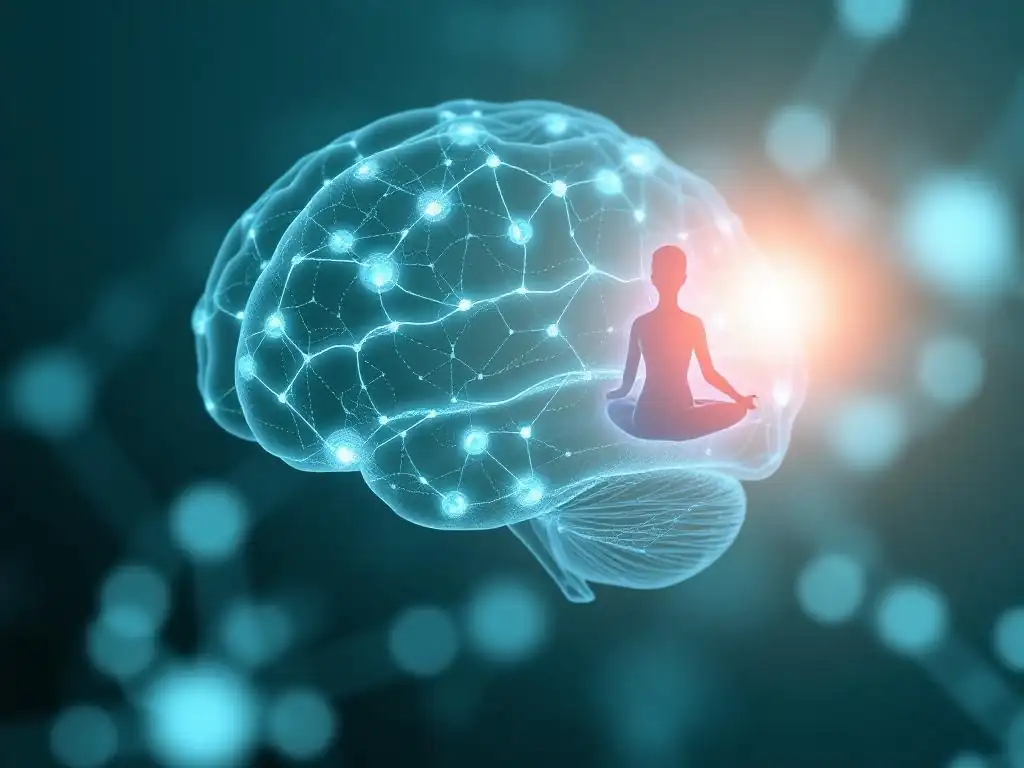
Welcome to Mind Care Guide, a space dedicated to nurturing your mental well-being. Feeling trapped in old patterns? Perhaps you believe your brain is fixed, unchangeable. But what if we told you that's simply not true? Dive into our latest article and discover the groundbreaking science of neuroplasticity – and how its benefits can revolutionize your mental health, offering real hope and tangible strategies for a happier, healthier you. Curious to learn how your brain can adapt and heal? Let's explore together...
- Neuroplasticity Benefits Mental Health: Rewiring for Anxiety Relief
- Practical Applications of Neuroplasticity for Mental Health
- Overcoming Challenges in Harnessing Neuroplasticity
- Real-Life Examples: Neuroplasticity Success Stories in Mental Health
- Maximizing Neuroplasticity Benefits: Tips and Strategies
- Conclusion: Embracing Neuroplasticity for a Healthier Mind
-
Frequently Asked Questions
- What exactly is neuroplasticity, and how does it relate to mental health?
- How can understanding neuroplasticity help me overcome mental health struggles?
- What are some practical ways to harness neuroplasticity to improve my mental health?
- Are there any risks or downsides to trying to change my brain through neuroplasticity?
- How long does it typically take to see noticeable improvements in mental health through neuroplasticity-based practices?
- Final Reflection: Unlocking Your Brain's Untapped Potential
- Unlock Your Brain's Untapped Potential
Neuroplasticity Benefits Mental Health: Rewiring for Anxiety Relief
Neuroplasticity and Anxiety Disorders: Breaking the Cycle of Fear
Chronic anxiety is often characterized by the strengthening of neural pathways associated with fear and threat detection, particularly within the amygdala. This can create a cycle where the brain becomes hypersensitive to potential dangers, leading to an exaggerated or persistent stress response. Neuroplasticity offers a pathway out of this cycle by enabling the brain to weaken these overactive fear circuits and build stronger connections associated with calmness, rational assessment, and emotional regulation. It means that the anxious brain is not a fixed entity but one capable of significant adaptation and change through targeted effort.
This adaptability is crucial because anxiety disorders, such as generalized anxiety disorder or social anxiety disorder, often involve ingrained patterns of thought and behavior supported by specific neural network activity. For example, individuals with social anxiety might have heightened activity in the amygdala when anticipating social situations. Through repeated experiences and therapeutic interventions, neuroplasticity allows for the gradual reduction of this heightened activity. The brain can learn to respond differently, forming new habits of thought and emotional processing that are less dominated by fear, demonstrating how harnessing neuroplasticity benefits mental health.
How Neuroplasticity Can Reduce Anxiety Symptoms: Modulation of the Amygdala and Prefrontal Cortex
The amygdala, a key region involved in processing emotions like fear, and the prefrontal cortex (PFC), responsible for executive functions, decision-making, and regulating emotions, play critical roles in anxiety. In anxiety disorders, the amygdala can become overly active, while the connection to the PFC, which helps dampen fear responses, may be weakened. Neuroplasticity allows for changes in the structure and function of these areas, offering a direct mechanism for reducing anxiety symptoms.
Through consistent practice of calming techniques or therapeutic strategies, the brain can strengthen the neural pathways that connect the PFC to the amygdala. This enhanced connection allows the PFC to exert more control over the amygdala's fear response, effectively turning down the volume on anxiety signals.
Studies using brain imaging have shown that interventions like mindfulness or cognitive therapy can lead to observable changes, such as decreased amygdala reactivity and increased activity or even structural changes (like increased gray matter volume in certain PFC areas) over time. These changes underscore how neuroplasticity benefits mental health by directly impacting the brain regions underlying anxiety.
Brain Rewiring Techniques for Managing Anxiety: Mindfulness, CBT, Exposure Therapy
Specific therapeutic techniques are effective in managing anxiety precisely because they leverage the principles of neuroplasticity to facilitate brain rewiring. Mindfulness meditation, for instance, trains individuals to observe their thoughts and feelings without judgment. This practice can lead to structural and functional changes in areas like the prefrontal cortex and hippocampus (involved in memory and emotional regulation) and a reduction in amygdala size and activity over time, as suggested by some research. By consistently practicing non-reactivity to anxious thoughts, individuals build new neural habits that bypass the automatic fear response.
Cognitive Behavioral Therapy (CBT) works by helping individuals identify and challenge negative thought patterns and develop more realistic and helpful ways of thinking. This process of actively changing thought habits creates new neural pathways and weakens the old, unhelpful ones. Similarly, Exposure Therapy, a common treatment for phobias and anxiety disorders, involves gradually confronting feared situations in a safe environment.
Each successful exposure without the feared outcome helps to extinguish the fear response in the brain by weakening the neural connections associated with the phobic reaction and building new ones based on safety and mastery. These techniques are powerful tools for leveraging neuroplasticity benefits mental health.
Practical Applications of Neuroplasticity for Mental Health
Cognitive Behavioral Therapy (CBT) and Neuroplasticity: A Powerful Combination
Cognitive Behavioral Therapy (CBT) is a cornerstone of modern psychotherapy, and its effectiveness is deeply rooted in the principles of neuroplasticity. CBT operates on the premise that our thoughts, feelings, and behaviors are interconnected. By identifying and modifying unhelpful thought patterns (cognitive restructuring) and changing problematic behaviors, individuals can fundamentally alter their emotional responses. This isn't just a mental shift; it's a process that literally changes how the brain's neural networks are wired.
When a person learns through CBT to challenge a catastrophic thought like "If I make a mistake at work, I'll be fired and ruined," and replaces it with a more balanced perspective, they are reinforcing new neural pathways associated with realistic appraisal and resilience. Repeatedly practicing these new thought and behavior patterns strengthens these beneficial pathways through a process known as Hebbian learning – "neurons that fire together, wire together." This consistent practice of cognitive and behavioral change directly facilitates brain rewiring, demonstrating how CBT harnesses neuroplasticity benefits mental health by creating more adaptive neural habits.
Mindfulness Meditation and Brain Changes: Enhancing Emotional Regulation
Mindfulness meditation involves focusing attention on the present moment without judgment. Regular mindfulness practice has been shown through various studies to induce significant neuroplastic changes in the brain. Areas particularly affected include the prefrontal cortex, which is involved in attention, awareness, and emotional regulation, and the insula, which plays a role in body awareness and interoception. Some research indicates that sustained mindfulness practice can lead to increased gray matter density in these regions.
Beyond structural changes, mindfulness also impacts functional connectivity between brain regions. It can strengthen the connection between the prefrontal cortex and the amygdala, improving the brain's ability to regulate emotional responses and reduce reactivity to stressors. It can also decrease activity in the Default Mode Network (DMN), which is often overactive in individuals prone to rumination and worry. By training the brain to stay present and less caught up in negative thought loops, mindfulness actively rewires the brain for better emotional regulation and reduced anxiety, showcasing how this practice leverages neuroplasticity benefits mental health.
Physical Exercise and Neuroplasticity: Boosting Mental Resilience
Physical exercise is not only vital for physical health but is also a potent driver of neuroplasticity, offering significant benefits for mental health. Aerobic exercise, in particular, increases blood flow to the brain and stimulates the production of neurotrophic factors, such as Brain-Derived Neurotrophic Factor (BDNF). BDNF is often referred to as "Miracle-Gro" for the brain because it supports the growth, survival, and differentiation of neurons and synapses. Higher levels of BDNF are associated with improved cognitive function and resilience against neurological and psychiatric conditions.
Regular exercise promotes neurogenesis (the birth of new neurons) in the hippocampus, a brain region crucial for learning, memory, and mood regulation, which is often reduced in size in individuals with depression and chronic stress. Exercise also influences neurotransmitter levels, including serotonin, dopamine, and norepinephrine, which play key roles in mood and motivation. By fostering new neural connections, increasing brain volume in key areas, and optimizing neurochemistry, physical activity provides a powerful way to enhance neuroplasticity benefits mental health, improving mood, reducing anxiety, and boosting cognitive function.
Learning New Skills and Neuroplasticity: Expanding Cognitive Abilities
Engaging in novel and challenging activities is a powerful way to stimulate neuroplasticity and expand cognitive abilities. Whether learning a new language, mastering a musical instrument, or acquiring a complex technical skill, the brain responds by forming new neural connections and strengthening existing ones. This process involves creating new synapses, reorganizing existing neural networks, and potentially even generating new neurons in certain brain areas.
The benefits of learning extend beyond the specific skill acquired. The very act of engaging in challenging learning tasks enhances overall cognitive flexibility, problem-solving abilities, and memory. For example, studies have shown that learning a new language can lead to increased gray matter density in areas related to language processing and even in the hippocampus. This highlights how actively challenging your brain through continuous learning contributes significantly to neuroplasticity benefits mental health by keeping the brain adaptable, resilient, and functionally robust throughout life.
Overcoming Challenges in Harnessing Neuroplasticity

Common Misconceptions About Neuroplasticity and Mental Health Treatment
While the concept of neuroplasticity offers immense hope, it's important to address common misconceptions. One frequent misunderstanding is that brain change is instant or effortless once you understand the concept. In reality, neuroplasticity requires consistent, targeted effort over time. It's not a magic bullet but a biological capacity that must be actively engaged. Simply knowing your brain can change isn't enough; you must actively do the things that facilitate change.
Another misconception is that neuroplasticity means the brain is infinitely malleable in any direction. While highly adaptable, change is guided by experience and is often incremental. Furthermore, negative experiences, trauma, and chronic stress can also induce maladaptive neuroplastic changes, strengthening pathways associated with fear, withdrawal, or negative self-belief. Understanding that neuroplasticity is a process that can work for or against mental well-being underscores the importance of actively choosing positive, growth-oriented experiences and strategies to steer brain changes in a beneficial direction.
The Role of Effort and Consistency in Brain Rewiring
Harnessing neuroplasticity for mental health requires significant effort and, crucially, consistency. Just as building physical muscle requires repeated workouts over time, rewiring the brain requires consistent practice of new thoughts, behaviors, and skills. A single meditation session or one positive affirmation is unlikely to produce lasting structural or functional brain changes. However, daily meditation or consistently challenging negative thoughts over weeks and months can lead to measurable alterations in neural pathways.
Think of it like forging a new path through a dense forest. Initially, it's difficult, and the old, overgrown path is much easier to follow. But with repeated use, the new path becomes clearer and easier, while the old one starts to fade. Similarly, consistently practicing new, adaptive responses strengthens the new neural pathways, making them the brain's preferred route, while the old, maladaptive pathways weaken through lack of use (a process sometimes referred to as synaptic pruning). This consistent effort is key to unlocking neuroplasticity benefits mental health.
When to Seek Professional Help: Integrating Neuroplasticity into Therapy
While understanding neuroplasticity empowers individuals to take an active role in their mental health, it is not a substitute for professional help, especially when dealing with moderate to severe mental health challenges like chronic anxiety or depression. Therapists, counselors, and psychiatrists are trained to identify specific maladaptive patterns and guide individuals through evidence-based techniques (like CBT, Exposure Therapy, or EMDR) that are specifically designed to leverage neuroplasticity effectively.
A mental health professional can provide a structured approach, personalized strategies, and crucial support and accountability. They can help navigate the challenges of brain rewiring, which can sometimes involve confronting uncomfortable emotions or situations. Furthermore, in some cases, medication may be necessary to manage symptoms and create a physiological state where therapeutic work and the resulting neuroplastic changes are more achievable. Integrating the understanding of neuroplasticity into a treatment plan developed with a professional maximizes the potential for positive, lasting change.
Real-Life Examples: Neuroplasticity Success Stories in Mental Health
Consider a young adult, let's call her Sarah, who struggled with severe social anxiety. Her fear of judgment was so intense that she avoided social gatherings, public speaking, and even eating in front of others. This avoidance reinforced neural pathways associated with fear and safety behaviors, preventing her brain from learning that these situations were often safe. Her amygdala likely showed heightened reactivity to social cues.
Working with a therapist, Sarah began a course of exposure therapy. Initially, this involved small steps, like making eye contact with a stranger or ordering coffee at a busy shop. Gradually, she moved to more challenging situations, like giving a short presentation to a small group.
Each successful exposure, where her feared outcome didn't occur, provided her brain with corrective feedback. Over time, the neural pathways connecting her prefrontal cortex (rational assessment) to her amygdala (fear response) strengthened, allowing her to better regulate her anxiety in social situations. Her amygdala reactivity decreased, and she reported feeling significantly less dread before social events, illustrating how neuroplasticity benefits mental health through targeted behavioral change.
Case Study 2: Depression Symptoms Reduced Through Exercise and Neuroplasticity
Take the example of Mark, who experienced persistent low mood, lack of motivation, and fatigue associated with depression. His brain scans might have shown reduced volume in areas like the hippocampus and potentially lower levels of neurotrophic factors. Starting an exercise routine felt incredibly difficult due to his symptoms, but he committed to short, regular walks.
As he consistently engaged in physical activity, even for 20-30 minutes most days, his body began producing more BDNF. This increase in BDNF supported the health and growth of neurons, particularly in the hippocampus, potentially counteracting some of the volume loss associated with depression. The exercise also influenced his neurotransmitter levels, contributing to improved mood and increased energy over several weeks.
While not a sole cure, the consistent exercise facilitated neuroplastic changes that supported his recovery, making other therapeutic interventions more effective. Mark's story demonstrates the tangible way physical activity leverages neuroplasticity benefits mental health by directly influencing brain structure and chemistry.
The Power of Positive Change: Inspiring Stories of Brain Transformation
These examples, while illustrative, reflect the countless real-life experiences of individuals who have used various methods to foster positive neuroplastic change. From recovering stroke patients who regain function by rewiring brain areas, to individuals with PTSD who process traumatic memories and reduce symptom severity through therapies like EMDR (which also relies on neuroplasticity), the evidence is compelling.
These stories are powerful because they shift the perspective from viewing mental health conditions as static or solely determined by fixed brain chemistry to understanding the brain as a dynamic organ capable of healing and adaptation. They inspire hope by showing that through deliberate action – whether it's therapy, lifestyle changes, or dedicated practice of new skills – individuals can actively participate in reshaping their brains for better mental well-being. This emphasizes that neuroplasticity benefits mental health by offering a biological basis for hope and recovery.
Maximizing Neuroplasticity Benefits: Tips and Strategies

Creating a Brain-Friendly Environment: Healthy Diet, Sufficient Sleep, Stress Management
Optimizing your environment and lifestyle provides the essential foundation for maximizing neuroplasticity. A nutrient-rich diet, for instance, provides the building blocks and energy your brain needs to create and maintain neural connections. Omega-3 fatty acids, antioxidants, and B vitamins are particularly important for brain health and cognitive function, supporting the processes underlying neuroplasticity.
Sufficient sleep is also critical. During sleep, the brain consolidates memories, clears metabolic waste products, and undergoes important processes like synaptic pruning, which refines neural networks. Chronic sleep deprivation impairs cognitive function and hinders neuroplasticity. Managing stress is equally vital, as chronic stress releases cortisol, which can damage neurons and impair neurogenesis, particularly in the hippocampus. Creating an environment that prioritizes good nutrition, adequate rest (aim for 7-9 hours per night for most adults), and effective stress reduction techniques (like deep breathing or yoga) provides the optimal conditions for your brain to rewire effectively.
Keeping your brain active and challenged is a direct way to promote neuroplasticity. Engaging in mentally stimulating activities creates new neural connections and strengthens existing ones. This could include:
- Learning a new language or skill
- Playing musical instruments
- Doing puzzles or brain games
- Reading complex material
- Engaging in creative pursuits like painting or writing
Social interaction is another powerful stimulus for brain health and neuroplasticity. Meaningful social connections activate various brain regions involved in language, emotion processing, and reward. Positive social engagement can buffer against stress and loneliness, which are detrimental to brain health. Regularly challenging your brain with novel activities and maintaining strong social ties are enjoyable and effective strategies to enhance neuroplasticity benefits mental health.
The Importance of Positive Reinforcement: Rewarding Progress and Celebrating Success
Positive reinforcement plays a significant role in strengthening desired behaviors and the neural pathways associated with them. When you successfully practice a new coping skill, challenge a negative thought, or achieve a small goal related to your mental health journey, acknowledging and celebrating that progress helps solidify the new pattern in your brain. This could be as simple as a moment of self-acknowledgment, a small treat, or sharing your success with a supportive friend.
The brain's reward system, involving neurotransmitters like dopamine, is highly influential in learning and habit formation. By associating positive feelings or rewards with beneficial actions (like completing an exercise session or successfully navigating a slightly anxiety-provoking situation), you increase the likelihood that your brain will repeat those actions. This deliberate use of positive reinforcement leverages the brain's natural reward mechanisms to accelerate the process of beneficial neuroplasticity, making the journey towards better mental health more rewarding and sustainable.
Conclusion: Embracing Neuroplasticity for a Healthier Mind
Neuroplasticity: A Hopeful Future for Mental Well-being
The scientific understanding of neuroplasticity has revolutionized our approach to mental health. It replaces the outdated, limiting belief of a fixed brain with the empowering knowledge that our brains are dynamic, capable of significant change and adaptation throughout life. This inherent flexibility offers a profound sense of hope for individuals facing mental health challenges, including anxiety, depression, and trauma. It provides a biological basis for the effectiveness of therapeutic interventions and lifestyle changes, confirming that recovery and improved well-being are not just possible but are supported by our brain's natural capacity for rewiring.
This understanding shifts the focus from simply managing symptoms to actively participating in the process of healing and growth. It highlights that our experiences, our actions, and our environment continuously shape our neural landscape. Embracing the concept of neuroplasticity benefits mental health by framing it as an achievable goal – one that can be pursued through dedicated effort and the right strategies. It points towards a future where mental health treatments are increasingly personalized and focused on harnessing this incredible capacity for positive brain transformation.
The Power is in Your Hands: Taking Control of Your Brain's Plasticity
Understanding neuroplasticity places a degree of power and agency back into your hands. While genetic predispositions and past experiences certainly play a role in shaping neural pathways, the ongoing plasticity of the brain means you are not passively controlled by your history or initial wiring. Every time you learn something new, practice a coping skill, challenge a negative thought, engage in physical activity, or cultivate a positive relationship, you are actively influencing your brain's structure and function.
This doesn't mean the journey is easy or that you are to blame for past struggles. It means that the capacity for change is inherent within you. By making conscious choices about your thoughts, behaviors, and lifestyle, you can actively steer your brain towards greater resilience, emotional regulation, and overall mental well-being. Taking control of your brain's plasticity involves commitment and patience, but the potential for positive transformation is immense.
Further Resources for Exploring Neuroplasticity and Mental Health
For those interested in delving deeper into how neuroplasticity benefits mental health, a wealth of resources are available. You can find books written by neuroscientists and mental health professionals that explain the science in accessible terms and offer practical strategies. Many reputable mental health organizations and websites provide articles and guides on topics like the brain-changing effects of mindfulness, exercise, and therapy.
Educational videos and online courses from universities or specialized platforms also offer opportunities to learn about the mechanisms of neuroplasticity and its applications in various fields, including mental health recovery. Engaging with these resources can provide a more comprehensive understanding of your brain's potential and equip you with further tools and inspiration for your own journey of brain rewiring and improved mental well-being.
Frequently Asked Questions
What exactly is neuroplasticity, and how does it relate to mental health?
Neuroplasticity refers to the brain's ability to reorganize itself by forming new neural connections throughout life. This adaptability is crucial for learning, memory, and recovery from mental health challenges.
How can understanding neuroplasticity help me overcome mental health struggles?
Knowing your brain can change empowers you to actively participate in your mental well-being journey. It highlights that negative thought patterns and behaviors aren't permanent and can be modified.
What are some practical ways to harness neuroplasticity to improve my mental health?
Engaging in activities like mindfulness meditation, learning new skills, and challenging negative thoughts can stimulate neuroplasticity. These actions create new neural pathways, leading to positive mental health outcomes.
Are there any risks or downsides to trying to change my brain through neuroplasticity?
While generally safe, pushing too hard or using unproven methods might lead to frustration or even anxiety. It's important to approach neuroplasticity with realistic expectations and under the guidance of a professional.
How long does it typically take to see noticeable improvements in mental health through neuroplasticity-based practices?
The timeline varies depending on the individual and the specific practice, but consistent effort over weeks or months is usually required. Patience and persistence are key to rewiring your brain for improved mental well-being.
Final Reflection: Unlocking Your Brain's Untapped Potential
The power of neuroplasticity isn't just a scientific curiosity; it's a revolutionary truth with the potential to reshape our understanding of mental health and well-being. This understanding, that our brains are not fixed entities but dynamic, ever-changing landscapes, offers a beacon of hope and empowerment to anyone struggling with mental health challenges or simply seeking to optimize their cognitive function. This isn't about quick fixes or magic pills; it's about harnessing the inherent capacity within each of us to cultivate a healthier, more resilient mind.
The implications of neuroplasticity extend far beyond the clinical setting; it's a fundamental shift in how we perceive ourselves and our capabilities. It challenges the limiting beliefs that often accompany mental health struggles, replacing them with a sense of agency and control. This understanding empowers us to actively participate in shaping our own mental landscapes, fostering growth and resilience in the face of adversity. As Dr. Norman Doidge eloquently stated in his book The Brain That Changes Itself, The brain is not a machine to be fixed, but a garden to be cultivated.
This metaphor perfectly encapsulates the ongoing, dynamic nature of neuroplasticity and the potential for positive change it offers.
Consider the profound impact this knowledge can have on your life. What limiting beliefs are you holding onto? What new habits could you cultivate to foster positive change in your brain and, consequently, your mental well-being?
Take this opportunity to embrace the plasticity of your brain; commit to learning, growing, and actively shaping the neural pathways that define your experience. Start small, be consistent, and witness the remarkable transformation that unfolds as you unlock your brain's untapped potential. Your journey towards a healthier, happier you begins with the understanding that your brain is not fixed – it's waiting to be reshaped by you.
Unlock Your Brain's Untapped Potential
Thanks for taking the time to explore the incredible plasticity of your brain! You've just uncovered powerful insights into how you can actively shape your cognitive abilities. Now it's time to put that knowledge into action.
Here's how you can start harnessing your brain's amazing potential:
- Implement one new brain-boosting activity this week. This could be anything from learning a new language to trying a mindful meditation practice. Start small and build from there!
- Share this article with someone who could benefit from this information. Let's spread the word about brain plasticity and empower others to unlock their potential.
- Consider journaling about your progress. Reflect on how you feel mentally and physically as you incorporate new brain-enhancing practices into your life.
So, what small step will you take today to nurture your incredible brain?