
OCD and Neurotransmitters: Unpacking the Brain's Repetitive Loops and Chemistry

Welcome to Mind Care Guide.
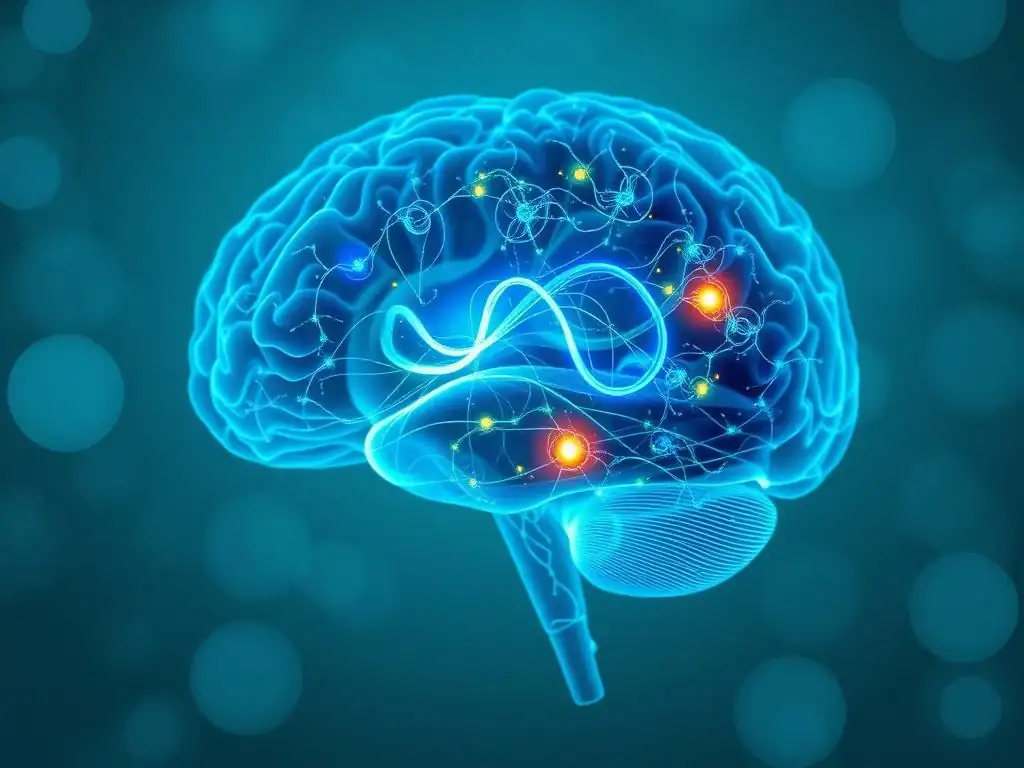
Ever felt trapped in a cycle of unwanted thoughts and behaviors? We understand. Delve into the neuroscience behind Obsessive-Compulsive Disorder in our exploration of OCD neurotransmitter imbalances treatment. Discover how understanding your brain's chemistry can unlock new paths towards reclaiming control and finding lasting peace. Ready to break free from the repetitive loops? Let's begin.
OCD and Neurotransmitters: Unpacking the Brain's Repetitive Loops and Chemistry
- Understanding OCD: A Neuroscience Perspective
- Key Neurotransmitters Involved in OCD
- Neurotransmitter Imbalances in OCD: A Deeper Dive
- OCD Treatment Options Targeting Neurotransmitters
- The Future of OCD Treatment: Targeting Neurotransmitters
- Diagnosing OCD and Assessing Neurotransmitter Function
- Living with OCD: Managing Neurotransmitter Imbalances
- The Impact of Stress on Neurotransmitters and OCD
- The Link Between OCD, Neurotransmitters, and Co-occurring Mental Health Conditions
-
Frequently Asked Questions
- What role do neurotransmitters play in OCD?
- How are neurotransmitter imbalances typically treated in OCD?
- Can neurotransmitter imbalances be directly measured to diagnose OCD?
- Besides medication, what other options exist to address neurotransmitter function in OCD?
- How does understanding neurotransmitters help with OCD treatment?
- Final Reflection: Rewiring the Brain: Hope and Healing in OCD
- Unleash Your Mind's Potential: Take Control of Your Thoughts
Understanding OCD: A Neuroscience Perspective
Defining Obsessive-Compulsive Disorder (OCD)
Obsessive-Compulsive Disorder (OCD) is a complex mental health condition characterized by two primary components: obsessions and compulsions. Obsessions are persistent, intrusive, and unwanted thoughts, urges, or images that cause significant anxiety or distress. Common themes include fears of contamination, aggressive impulses, a need for symmetry or order, or forbidden thoughts. These obsessions are not simply excessive worries about real-life problems but are often recognized by the individual as products of their own mind, though they feel uncontrollable and distressing.
Following the distress caused by obsessions, individuals with OCD often engage in compulsions. Compulsions are repetitive behaviors or mental acts that the person feels driven to perform in response to an obsession or according to rigid rules. These acts are aimed at preventing or reducing anxiety or distress, or preventing a dreaded event or situation.
Examples include excessive washing, checking, ordering, counting, or repeating words silently. While offering temporary relief, compulsions are often not realistically connected to the feared outcome or are clearly excessive, perpetuating a cycle that consumes significant time – often more than an hour per day – and interferes with daily functioning. Understanding the underlying biological factors, such as OCD neurotransmitter imbalances treatment, is crucial for effective management of this condition.
The Role of Brain Chemistry in OCD
Emerging research in neuroscience points strongly towards the involvement of specific brain regions and chemical messengers, known as neurotransmitters, in the development and maintenance of OCD symptoms. Unlike simpler models of mental illness, OCD appears to involve complex interactions within specific brain circuits, particularly those linking the cortex (responsible for thinking and planning) to the striatum (involved in habits and movement) and the thalamus (a relay center). This cortico-striato-thalamo-cortical (CSTC) circuit is hypothesized to be overactive or dysregulated in individuals with OCD, potentially contributing to the repetitive thoughts and behaviors.
Within these circuits, the activity of various neurotransmitters plays a critical role. Neurotransmitters are chemicals that transmit signals between nerve cells (neurons). Key players implicated in OCD include serotonin, dopamine, glutamate, and gamma-aminobutyric acid (GABA). Imbalances or dysfunction in the signaling of these chemicals within the CSTC circuit and other brain areas are thought to contribute to the characteristic symptoms of obsessions and compulsions. For instance, treatments targeting these OCD neurotransmitter imbalances treatment strategies are often the first line of defense in managing the disorder.
Exploring the Connection Between Neuroscience and OCD Symptoms
The connection between neuroscience and OCD symptoms is multifaceted. For example, the repetitive nature of compulsions might be linked to dysfunction in brain areas associated with habit formation and reward processing, such as the striatum, where dopamine signaling is prominent. Obsessive thoughts, on the other hand, could relate to altered activity in prefrontal cortical regions involved in inhibitory control and filtering irrelevant information, potentially influenced by serotonin and glutamate systems. Studies using neuroimaging techniques like fMRI have shown altered activity patterns in these brain regions when individuals with OCD are exposed to triggers for their obsessions.
Furthermore, the rigid, rule-bound nature of many compulsions might reflect a disruption in the brain's ability to flexibly switch between tasks or inhibit unwanted actions, functions also mediated by the CSTC circuit and influenced by neurotransmitter balance. Research suggests that individuals with OCD may have difficulty disengaging from certain thought patterns or behaviors once initiated. Understanding these neurological underpinnings helps explain why willpower alone is often insufficient to overcome OCD and highlights the need for interventions that directly address the brain's altered functioning, including OCD neurotransmitter imbalances treatment approaches.
Key Neurotransmitters Involved in OCD
Serotonin's Role in OCD: The Serotonin Hypothesis
Serotonin is perhaps the most widely studied neurotransmitter in the context of OCD, leading to the prominent "serotonin hypothesis" of the disorder. This hypothesis posits that a dysfunction in the serotonin system contributes significantly to OCD symptoms. Serotonin is involved in regulating mood, anxiety, sleep, appetite, and impulse control. In the brain circuits implicated in OCD, serotonin is thought to modulate activity, and disruptions here could lead to the intrusive thoughts and repetitive behaviors characteristic of the condition.
Evidence supporting the serotonin hypothesis comes primarily from the effectiveness of certain medications that target serotonin reuptake. Selective Serotonin Reuptake Inhibitors (SSRIs), which increase serotonin levels in the synaptic cleft, are the first-line pharmacological treatment for OCD.
While not all individuals respond, a significant percentage, often cited as around 60-80%, experience a reduction in symptom severity with SSRIs, although typically at higher doses and with a longer onset period compared to their use in depression. This clinical response strongly suggests that modulating serotonin activity can help restore balance in the brain circuits affected by OCD, offering a key OCD neurotransmitter imbalances treatment.
Dopamine's Influence on OCD: Reward and Compulsion
While serotonin often takes center stage, research increasingly highlights the involvement of dopamine in OCD, particularly concerning compulsions and the reinforcement of repetitive behaviors. Dopamine is a neurotransmitter crucial for reward, motivation, habit formation, and motor control. Dysfunction in dopamine pathways, especially those connecting the midbrain to the striatum, could contribute to the difficulty individuals with OCD have in inhibiting compulsive actions and the feeling of reward or relief (however temporary) associated with performing them.
Studies using neuroimaging have shown altered dopamine receptor binding in certain brain regions in individuals with OCD compared to healthy controls. Furthermore, medications that affect dopamine signaling, such as antipsychotics (which block dopamine receptors), are sometimes used as augmentation strategies in treating severe or treatment-resistant OCD, particularly when added to SSRIs. This suggests that addressing dopamine system dysregulation can be a valuable component of OCD neurotransmitter imbalances treatment, especially when serotonin-focused therapies are insufficient.
Glutamate and GABA: Excitatory and Inhibitory Balance in OCD
Glutamate is the brain's primary excitatory neurotransmitter, facilitating communication between neurons, while gamma-aminobutyric acid (GABA) is the main inhibitory neurotransmitter, dampening neuronal activity. A delicate balance between glutamate and GABA signaling is essential for healthy brain function, including the proper functioning of the CSTC circuit implicated in OCD. Disruptions in this excitatory-inhibitory balance can lead to excessive neuronal firing and contribute to the hyperconnectivity observed in certain brain areas in individuals with the disorder.
Research suggests potential alterations in glutamate and GABA levels or receptor function in the brains of people with OCD. For instance, some studies using Magnetic Resonance Spectroscopy (MRS) have indicated altered concentrations of glutamate or related metabolites in specific brain regions. Therapies targeting the glutamate system are an area of active research for OCD. The complex interplay between glutamate and GABA underscores that OCD neurotransmitter imbalances treatment needs to consider the broader neurochemical environment, not just individual neurotransmitter systems in isolation.
Neurotransmitter Imbalances in OCD: A Deeper Dive
Identifying Serotonin Imbalances in OCD Brains
Identifying precise "imbalances" in serotonin levels in living human brains is complex, as measuring neurotransmitter concentrations directly is challenging. Instead, research infers serotonin system function by studying serotonin transporters (which remove serotonin from the synapse), receptors (where serotonin binds), and the effects of medications that target these components. Studies have reported findings such as altered serotonin transporter binding density in certain brain regions like the thalamus and striatum in individuals with OCD compared to control groups.
While the exact nature of the "imbalance" (whether it's too little serotonin, problems with how it's transported or received, or issues in specific pathways) is still being fully elucidated, the consistent finding that increasing serotonin availability via SSRIs improves symptoms strongly supports the idea of a functional deficit or dysregulation in serotonin signaling in key OCD-related circuits. This empirical evidence forms the basis for serotonin-focused OCD neurotransmitter imbalances treatment.
Dopamine Dysregulation and its Impact on OCD Behaviors
Dopamine dysregulation in OCD is thought to affect circuits involved in habit learning, motivation, and inhibitory control. Altered dopamine signaling, potentially leading to either excessive or insufficient activity in specific pathways, could contribute to the difficulty in suppressing unwanted thoughts and actions. For example, a hyperactive dopamine system in certain parts of the striatum might reinforce compulsive behaviors, making them feel automatic and difficult to stop.
Conversely, altered dopamine function could also impact the ability to initiate goal-directed behavior or experience pleasure, contributing to the distress and functional impairment associated with severe OCD. The observation that some individuals with OCD also experience tic disorders, which are strongly linked to dopamine system dysfunction, further supports the role of dopamine in the neurobiology of OCD. Addressing this dopamine dysregulation is sometimes necessary alongside serotonin modulation for effective OCD neurotransmitter imbalances treatment.
The Significance of Glutamate and GABA Imbalance in OCD
The balance between the excitatory effects of glutamate and the inhibitory effects of GABA is critical for fine-tuning neuronal activity. In the context of OCD, an imbalance tilting towards excessive excitation (perhaps too much glutamate signaling or too little GABA signaling) could lead to the observed hyperconnectivity and overactivity in the CSTC circuit. This could manifest as intrusive, persistent thoughts that the brain cannot filter out and repetitive behaviors that cannot be inhibited.
Research exploring glutamate and GABA in OCD is ongoing, with some studies finding altered levels of these neurotransmitters or their metabolites in specific brain regions using advanced neuroimaging. The development of potential new treatments targeting glutamate receptors or transporters reflects the growing recognition of the significance of this excitatory-inhibitory balance in the pathophysiology of OCD and the potential for new OCD neurotransmitter imbalances treatment strategies.
OCD Treatment Options Targeting Neurotransmitters
SSRIs (Selective Serotonin Reuptake Inhibitors) for OCD
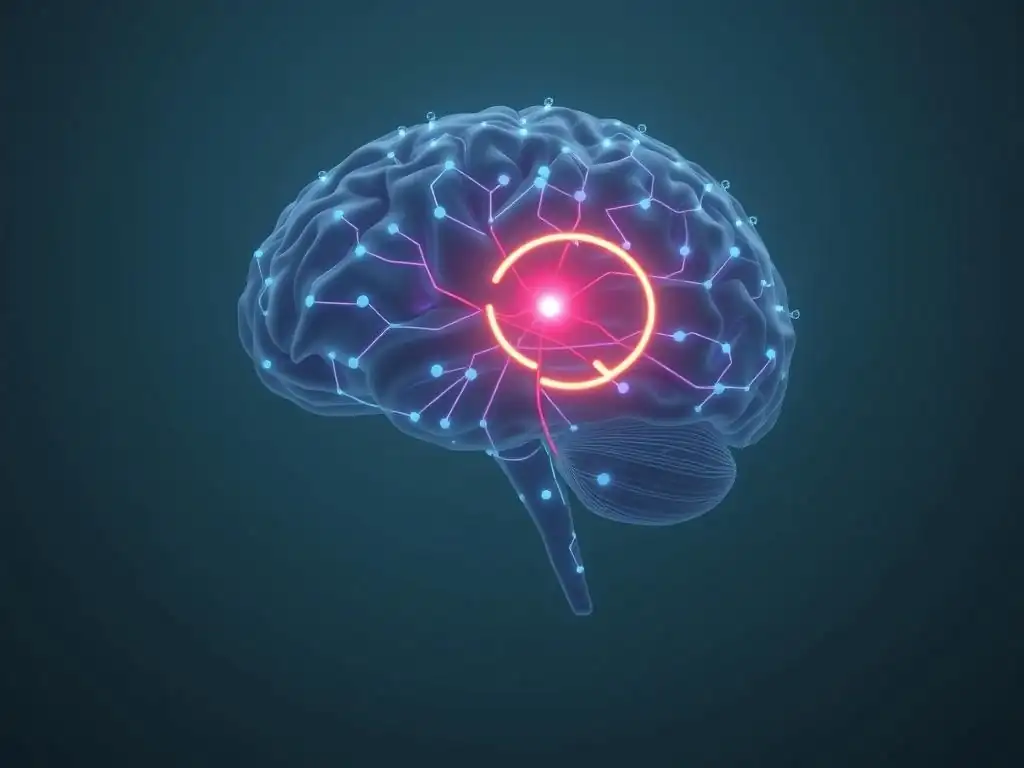
Selective Serotonin Reuptake Inhibitors (SSRIs) are the cornerstone of pharmacological OCD neurotransmitter imbalances treatment. These medications work by blocking the reabsorption (reuptake) of serotonin by neurons in the brain. This action increases the concentration of serotonin in the synaptic cleft, the space between neurons, allowing serotonin to bind to receptors and transmit signals more effectively. Over time, this increased serotonin activity is thought to help normalize the function of the brain circuits involved in OCD.
Commonly prescribed SSRIs for OCD include fluoxetine (Prozac), sertraline (Zoloft), paroxetine (Paxil), fluvoxamine (Luvox), and citalopram (Celexa) or escitalopram (Lexapro). It's important to note that treating OCD often requires higher doses of SSRIs than are typically used for depression, and it can take 8 to 12 weeks, or even longer, to see significant improvement. Approximately 40-60% of individuals with OCD respond well to an adequate trial of an SSRI, experiencing a meaningful reduction in symptom severity, although complete remission is less common. Patience and adherence to the prescribed regimen are crucial when using SSRIs for OCD neurotransmitter imbalances treatment.
Other Medications for OCD Relief: Clomipramine and Augmentation Strategies
While SSRIs are the first line, other medications are used in the treatment of OCD, particularly for individuals who do not respond adequately to SSRi monotherapy. Clomipramine (Anafranil), a tricyclic antidepressant, was historically one of the first medications shown to be effective for OCD and is still used today. It works by inhibiting the reuptake of both serotonin and norepinephrine, though its potent effect on serotonin is thought to be key to its anti-OCD properties. Clomipramine can be effective but often has a greater side effect burden than SSRIs.
For individuals with partial or no response to SSRIs or clomipramine, augmentation strategies may be employed. This involves adding a second medication to the primary antidepressant. A common augmentation approach involves adding a low dose of an atypical antipsychotic medication, such as risperidone (Risperdal) or aripiprazole (Abilify). These medications have effects on dopamine and sometimes serotonin receptors and can help improve symptoms in some individuals, particularly those with co-occurring tics. These strategies represent attempts to target multiple OCD neurotransmitter imbalances treatment pathways for more comprehensive relief.
Combining Medication with Therapy: An Integrated Approach
While medication targeting neurotransmitters is a vital tool, the most effective OCD neurotransmitter imbalances treatment often involves a combination of medication and psychotherapy, specifically Exposure and Response Prevention (ERP). ERP is a type of cognitive-behavioral therapy (CBT) that helps individuals gradually confront their fears (exposures) while refraining from performing their usual compulsive behaviors (response prevention). This process helps to break the link between obsessions and compulsions and teaches the brain that the feared outcomes do not occur or can be tolerated without resorting to rituals.
Combining medication, which helps modulate the brain's neurochemical environment, with ERP, which helps retrain brain circuits and behavioral responses, typically yields better outcomes than either approach alone. Medication can help reduce the intensity of anxiety and obsessions, making it easier for individuals to engage in ERP exercises. This integrated approach addresses both the neurobiological underpinnings and the learned behavioral patterns of OCD, providing a more robust path to recovery and managing OCD neurotransmitter imbalances treatment.
The Future of OCD Treatment: Targeting Neurotransmitters
Emerging Research on Novel Neurotransmitter-Based Treatments
The quest for more effective and faster-acting OCD neurotransmitter imbalances treatment continues, with significant research focusing on novel ways to modulate neurotransmitter systems beyond serotonin. Given the implication of glutamate in OCD, medications targeting glutamate receptors (such as NMDA or metabotropic receptors) or transporters are being investigated. For instance, studies are exploring the potential of drugs like memantine or riluzole, which affect glutamate signaling, either alone or as augmentation agents.
Another area of research involves targeting the GABA system to enhance inhibitory signaling and dampen hyperactive circuits. Additionally, the role of other neurotransmitters and neuromodulators, such as norepinephrine, opioids, and even the endocannabinoid system, is being explored for their potential influence on OCD pathology. This ongoing research aims to develop more targeted and personalized treatments that address the specific neurochemical profiles contributing to an individual's OCD symptoms, moving beyond the primary focus on serotonin.
Deep Brain Stimulation (DBS) and OCD: Potential for Severe Cases
For a small subset of individuals with severe, treatment-refractory OCD that has not responded to conventional pharmacological and psychotherapeutic interventions, Deep Brain Stimulation (DBS) is an approved therapeutic option. DBS involves surgically implanting electrodes in specific brain regions, typically within the basal ganglia (part of the CSTC circuit), and delivering continuous electrical impulses. While not a direct OCD neurotransmitter imbalances treatment in the same way as medication, DBS is thought to work by modulating the activity within these dysfunctional brain circuits, thereby influencing neurotransmitter release and signaling patterns.
The precise mechanisms by which DBS alleviates OCD symptoms are still being researched, but it is believed to help normalize the pathological activity patterns within the CSTC loop. Studies have shown significant symptom reduction in a percentage of severely affected patients receiving DBS targeting areas like the ventral capsule/ventral striatum. This invasive but potentially life-changing procedure represents an advanced intervention for the most challenging cases of OCD, highlighting the importance of directly modulating brain circuit activity when other neurotransmitter-based approaches have failed.
Lifestyle Modifications to Support Neurotransmitter Balance in OCD
While not direct substitutes for medical or therapeutic OCD neurotransmitter imbalances treatment, certain lifestyle modifications can play a supportive role in promoting overall brain health and potentially influencing neurotransmitter balance. Regular physical exercise has been shown to impact various neurotransmitter systems, including serotonin, dopamine, and endorphins, and can help reduce anxiety and improve mood, which often co-occur with OCD.
Adequate sleep is also crucial, as sleep deprivation can negatively affect neurotransmitter function and exacerbate anxiety and stress, potentially worsening OCD symptoms. A balanced diet rich in nutrients that support brain health, such as omega-3 fatty acids and certain vitamins and minerals, may also be beneficial. While these lifestyle factors are not standalone treatments for OCD, incorporating them can support overall well-being and potentially create a more favorable neurochemical environment when combined with evidence-based OCD neurotransmitter imbalances treatment.
Diagnosing OCD and Assessing Neurotransmitter Function
Neuroimaging Techniques: PET and fMRI Studies in OCD Research
Neuroimaging techniques have been invaluable tools in advancing our understanding of the brain basis of OCD, including potential neurotransmitter dysfunctions. Positron Emission Tomography (PET) and functional Magnetic Resonance Imaging (fMRI) allow researchers to visualize brain structure and activity in living individuals. PET scans can be used with radioactive tracers that bind to specific neurotransmitter transporters or receptors, providing insights into the density and distribution of these targets in different brain regions. For example, PET studies have investigated serotonin transporter availability or dopamine receptor binding in individuals with OCD.
fMRI measures brain activity by detecting changes in blood flow. Studies using fMRI have consistently shown altered activity and connectivity patterns within the CSTC circuit in individuals with OCD, particularly during symptom provocation or when attempting to inhibit compulsions. While neuroimaging has provided strong evidence for brain circuit dysfunction and implicated specific neurotransmitter systems, these techniques are primarily research tools at present and are not typically used for routine clinical diagnosis of OCD or for assessing individual neurotransmitter imbalances in a way that directly guides OCD neurotransmitter imbalances treatment decisions for a specific patient.
Biomarkers and Neurotransmitter Testing: Research Applications and Limitations
The search for biomarkers that could aid in diagnosing OCD or predicting treatment response is an active area of research. Biomarkers could potentially include genetic markers, specific proteins, or neurochemical indicators. While studies have explored various potential biomarkers, including those related to neurotransmitter systems, none have yet been established as reliable or validated for routine clinical use in diagnosing OCD or determining the most appropriate OCD neurotransmitter imbalances treatment for an individual.
Directly measuring neurotransmitter levels in the brain of a living person is generally not feasible or clinically useful for diagnosing OCD. Blood or urine tests can measure neurotransmitter metabolites, but these do not accurately reflect levels or activity within specific brain circuits involved in OCD. Therefore, while research continues to explore potential neurochemical biomarkers, current clinical practice relies on detailed clinical interviews and standardized rating scales for diagnosing OCD and assessing symptom severity, rather than neurotransmitter tests.
The Importance of Accurate Diagnosis for Effective Treatment
An accurate diagnosis of OCD is paramount because it guides the selection of appropriate and evidence-based OCD neurotransmitter imbalances treatment. OCD symptoms can sometimes overlap with other conditions, such as other anxiety disorders, phobias, or tic disorders, leading to potential misdiagnosis. A thorough clinical evaluation by a mental health professional experienced in diagnosing OCD is essential to differentiate it from other conditions and identify any co-occurring disorders.
Receiving an accurate diagnosis allows individuals to access treatments specifically proven effective for OCD, such as ERP and SSRIs. Without a correct diagnosis, a person might receive treatments that are ineffective or even counterproductive for OCD, delaying recovery and increasing distress. Therefore, the diagnostic process, though not relying on direct neurotransmitter testing, is the critical first step towards implementing effective OCD neurotransmitter imbalances treatment strategies tailored to the individual's needs.
Living with OCD: Managing Neurotransmitter Imbalances
Coping Strategies for Managing Symptoms
Living with OCD requires developing effective coping strategies to manage the persistent obsessions and compulsions that are thought to stem, in part, from underlying OCD neurotransmitter imbalances treatment. While medication and therapy address the root causes and mechanisms, daily coping skills help individuals navigate challenging moments. Mindfulness techniques, for instance, can help individuals observe their intrusive thoughts without judgment and without feeling compelled to act on them, creating psychological distance from the obsession.
Stress management techniques, such as deep breathing exercises, progressive muscle relaxation, or engaging in hobbies, are also vital. Stress can often exacerbate OCD symptoms, potentially influencing neurotransmitter activity. Learning to manage stress effectively can help mitigate symptom flares. Additionally, developing healthy routines, ensuring sufficient sleep, and maintaining a balanced diet support overall mental and physical health, contributing to a more stable neurochemical environment alongside prescribed OCD neurotransmitter imbalances treatment.
Support Groups and Resources for Individuals with OCD
Connecting with others who understand the challenges of living with OCD can be incredibly beneficial. Support groups, whether in-person or online, offer a safe space for individuals to share experiences, coping strategies, and encouragement. Hearing from others who are also navigating the complexities of the disorder, including the journey with OCD neurotransmitter imbalances treatment, can reduce feelings of isolation and provide practical advice.
Various organizations dedicated to OCD provide valuable resources, including educational materials, directories of mental health professionals specializing in ERP, and information about ongoing research. These resources empower individuals and their families with knowledge and connect them to evidence-based support and treatment options. Accessing these networks is an important component of managing OCD effectively and advocating for one's own care.
The Role of Family and Friends in Supporting OCD Recovery
Family members and friends play a crucial role in supporting an individual's journey towards recovery from OCD. Understanding the nature of the disorder, including the biological factors like OCD neurotransmitter imbalances treatment, helps loved ones avoid enabling compulsive behaviors and instead offer constructive support. Education about OCD is key for family members to learn how to respond helpfully to symptoms and encourage engagement in treatment.
Supportive communication, patience, and celebrating small victories in managing symptoms are invaluable. Family accommodation of OCD symptoms (e.g., participating in rituals, providing reassurance) can inadvertently maintain the disorder, so learning to reduce accommodation in a supportive way is often part of family involvement in treatment. Encouraging adherence to medication regimens and participation in therapy sessions are concrete ways family and friends can contribute positively to managing OCD neurotransmitter imbalances treatment and promoting recovery.
The Impact of Stress on Neurotransmitters and OCD
How Stress Exacerbates OCD Symptoms
Stress is a well-known trigger and exacerbating factor for many mental health conditions, including OCD. While the exact mechanisms are complex, stress hormones, such as cortisol, interact with neurotransmitter systems, including serotonin, dopamine, and glutamate, which are implicated in OCD. Chronic stress can disrupt the delicate balance of these neurochemicals and alter activity in brain circuits associated with anxiety, fear, and habit formation.
For individuals with OCD, increased stress often leads to a worsening of both obsessions and compulsions. The heightened anxiety associated with stress can make intrusive thoughts more frequent and intense, while the urge to perform compulsions to alleviate that anxiety becomes stronger. This creates a vicious cycle where stress worsens OCD symptoms, and the effort of managing severe OCD symptoms increases stress levels. Understanding this link highlights the importance of stress management as a component of overall OCD neurotransmitter imbalances treatment.
Stress Management Techniques for OCD
Implementing effective stress management techniques is crucial for individuals with OCD to help mitigate symptom exacerbation. Techniques such as deep breathing exercises activate the body's relaxation response, counteracting the physiological effects of stress. Progressive muscle relaxation involves tensing and then releasing different muscle groups, which can help reduce physical tension associated with anxiety and stress.
Mindfulness and meditation practices can also be powerful tools, helping individuals cultivate awareness of their thoughts and feelings without getting overwhelmed by them. Regular physical activity is another excellent stress reliever that also positively impacts neurotransmitter function. Incorporating these techniques into a daily routine can help individuals with OCD build resilience to stress and better manage their symptoms, complementing pharmacological OCD neurotransmitter imbalances treatment.
Building Resilience to Stress in OCD
Building long-term resilience to stress involves developing a repertoire of coping skills and maintaining healthy habits that support mental and physical well-being. This includes ensuring adequate and consistent sleep, as sleep deprivation significantly impairs stress tolerance and can disrupt neurotransmitter balance. A balanced diet and limiting stimulants like caffeine and nicotine can also help stabilize mood and anxiety levels.
Engaging in enjoyable activities, maintaining social connections, and setting realistic expectations for oneself are also important components of building resilience. Therapy, particularly CBT and ERP, not only addresses OCD symptoms directly but also equips individuals with coping skills that improve their ability to handle stress and anxiety in general. By proactively managing stress and building resilience, individuals can reduce the impact of stress on their OCD neurotransmitter imbalances treatment journey and overall quality of life.
The Link Between OCD, Neurotransmitters, and Co-occurring Mental Health Conditions
OCD and Anxiety Disorders: A Neurochemical Connection
OCD frequently co-occurs with other anxiety disorders, such as generalized anxiety disorder (GAD), social anxiety disorder, and panic disorder. The high rate of co-occurrence suggests shared underlying neurobiological vulnerabilities, potentially involving overlapping neurotransmitter system dysfunctions. Serotonin and norepinephrine systems, for instance, are implicated in both OCD and various anxiety disorders. The brain circuits involved in processing fear and anxiety, such as the amygdala and related pathways, also interact with the CSTC circuit involved in OCD.
The neurochemical connections mean that treatments targeting certain neurotransmitters, particularly serotonin, can be effective for both OCD and co-occurring anxiety. However, the specific patterns of dysregulation or the involvement of different brain sub-regions may vary, which is why the approach to OCD neurotransmitter imbalances treatment needs to be tailored and often includes therapies specifically designed for OCD like ERP, in addition to potentially broader anxiety treatments. Addressing both conditions simultaneously is crucial for comprehensive care.
OCD and Depression: Exploring the Neurotransmitter Overlap
Depression is another highly prevalent co-occurring condition in individuals with OCD, with estimates suggesting that a significant percentage experience a major depressive episode at some point in their lives. The link between OCD and depression is likely multifaceted, involving the immense burden and isolation that chronic OCD can cause, as well as potential shared neurobiological pathways. Neurotransmitters like serotonin, norepinephrine, and dopamine are centrally involved in the regulation of mood and are also implicated in OCD.
The overlap in neurotransmitter involvement helps explain why SSRIs are often effective for both conditions. However, the specific brain circuits primarily affected may differ, with depression more strongly linked to areas involved in mood regulation and reward, while OCD involves circuits related to habits and inhibitory control. When depression co-occurs with OCD, it can complicate OCD neurotransmitter imbalances treatment and recovery, often requiring a more intensive or multi-modal approach that addresses both sets of symptoms.
Addressing Co-occurring Conditions for Comprehensive OCD Treatment
Given the strong link between OCD and co-occurring anxiety and depressive disorders, comprehensive treatment must address all presenting conditions. Treating only OCD without addressing severe co-occurring depression, for example, may limit recovery and worsen the individual's overall well-being. Similarly, treating only depression might not alleviate the specific symptoms of obsessions and compulsions.
An integrated treatment plan often involves selecting medications that can effectively target the neurotransmitter imbalances contributing to both conditions, such as certain SSRIs. Psychotherapy may also need to incorporate elements that address both OCD (like ERP) and the co-occurring condition (like CBT for depression or anxiety). A holistic approach that considers the complex interplay of symptoms and underlying neurochemical factors is essential for providing the most effective OCD neurotransmitter imbalances treatment and supporting long-term recovery and improved quality of life.
Frequently Asked Questions
What role do neurotransmitters play in OCD?
Neurotransmitters are chemical messengers in the brain. In OCD, imbalances in neurotransmitters like serotonin, dopamine, and glutamate are believed to contribute to obsessive thoughts and compulsive behaviors.
How are neurotransmitter imbalances typically treated in OCD?
Treatment often involves medications that regulate neurotransmitter levels, such as Selective Serotonin Reuptake Inhibitors (SSRIs), which increase serotonin availability. Therapy, like Cognitive Behavioral Therapy (CBT), is usually combined with medication for optimal results.
Can neurotransmitter imbalances be directly measured to diagnose OCD?
Currently, there isn't a simple test to directly measure neurotransmitter imbalances for diagnosing OCD. Diagnosis relies on clinical evaluation of symptoms and behavior, not a specific lab result.
Besides medication, what other options exist to address neurotransmitter function in OCD?
While medication is common, some research explores dietary changes and supplements that may influence neurotransmitter production. However, these should be used with caution and under professional guidance, never as a replacement for standard treatments.
How does understanding neurotransmitters help with OCD treatment?
Understanding the role of neurotransmitters provides a biological basis for OCD, reducing stigma. It also helps patients and doctors make informed decisions about treatment strategies aimed at restoring chemical balance in the brain.
Final Reflection: Rewiring the Brain: Hope and Healing in OCD
The intricate dance between neurotransmitters and obsessive-compulsive disorder (OCD) is not merely a scientific curiosity; it's the key to unlocking effective treatments and fostering genuine hope for millions. Understanding the imbalances in serotonin, dopamine, and glutamate, as explored throughout this article, is no longer a theoretical exercise. It's the foundation upon which we build more targeted, personalized approaches to managing this debilitating condition.
The impact of this research extends far beyond the clinical setting. It's reshaping our understanding of mental health, moving away from simplistic narratives of personal failings towards a more nuanced appreciation of the complex biological processes at play. The mind is its own place, and in itself can make a Heaven of Hell, a Hell of Heaven.
- John Milton, Paradise Lost. This quote, while not directly about OCD, speaks to the power of internal experience, highlighting the profound impact that neurochemical imbalances can have on an individual's perception of reality and their ability to find peace. The ongoing research into neurotransmitter imbalances offers a path towards reclaiming that internal heaven, a path paved with scientific understanding and compassionate care.
Now, consider your own experiences, your own understanding of mental health. What does this exploration of OCD and neurotransmitters mean to you? Perhaps it validates your own struggles, or perhaps it sheds light on the struggles of someone you know.
More importantly, I urge you to use this knowledge as a catalyst for action. Reach out to a mental health professional, advocate for better research funding, or simply share this information with others who may benefit. The journey towards healing from OCD is a personal one, but it's a journey we can navigate together, armed with the knowledge of the brain's intricate chemistry and the unwavering power of hope.
Unleash Your Mind's Potential: Take Control of Your Thoughts
Thanks for taking the time to explore the complex relationship between OCD and neurotransmitters with us! We hope you gained valuable insights into the biological underpinnings of this condition. Now it's time to put that knowledge into action.
- Prioritize self-compassion: Acknowledge the challenges you face and practice self-kindness. This is often the most crucial first step in managing OCD.
- Explore mindfulness techniques: Consider trying simple meditation exercises or mindful breathing to help regulate your thoughts and emotions. Even five minutes a day can make a significant difference.
- Share your experience (optional): Connecting with others who understand can be incredibly powerful. If you feel comfortable, share your thoughts and experiences in the comments below—you might inspire someone else.
What small step will you take today to nurture your mental well-being?