
Neurotransmitters and Executive Function: Serotonin, Dopamine, and the PFC in Depression

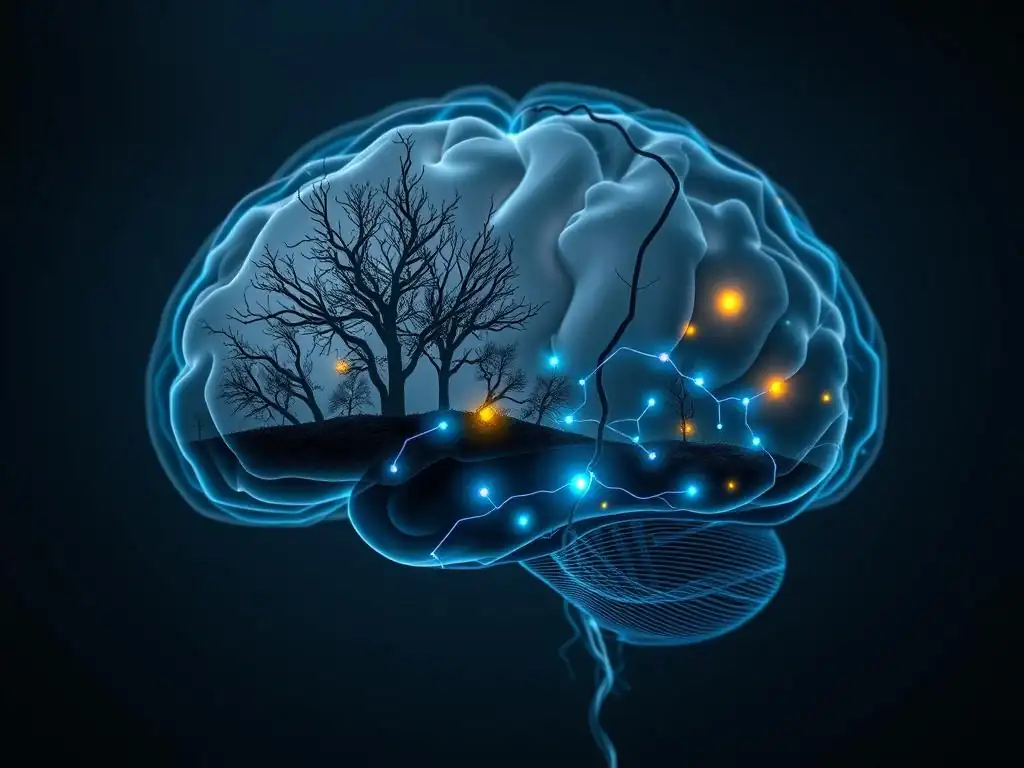
Welcome to Mind Care Guide, your sanctuary for navigating the complexities of mental well-being. Feeling lost in the intricate landscape of your mind? We understand. This week, we delve into the crucial connection between serotonin, depression, and executive function, exploring how neurotransmitters like serotonin and dopamine impact the prefrontal cortex (PFC) and influence your cognitive abilities. Curious to learn how these tiny chemical messengers can significantly affect your mood and focus? Let's unravel the science together...
- Neurotransmitters and Executive Function: Serotonin, Dopamine, and the PFC in Depression - Mind Care Guide
- Serotonin, Dopamine, and Executive Function: A Detailed Look
- The Role of Neurotransmitter Imbalances in Depression
- Serotonin, Dopamine, and the Prefrontal Cortex in Depression: A Deeper Dive
- Addressing Neurotransmitter Imbalances to Improve Executive Function in Depression
- The Future of Research: Neurotransmitters and Executive Function in Depression
- Conclusion: Optimizing Neurotransmitter Function for Improved Executive Function and Mental Well-being
-
Frequently Asked Questions
- How does serotonin specifically relate to executive function in the context of depression?
- What is the connection between the prefrontal cortex (PFC) and the neurotransmitters serotonin and dopamine?
- Besides serotonin, how does dopamine impact executive function within the context of depression?
- How can understanding the role of neurotransmitters like serotonin help in treating depression?
- Can interventions targeting executive function directly improve serotonin and dopamine levels in the brain?
- Final Reflection: Reclaiming Executive Function Through Neurochemical Understanding
- Unlock Your Brain's Potential: Boosting Executive Function
Neurotransmitters and Executive Function: Serotonin, Dopamine, and the PFC in Depression - Mind Care Guide
Introduction to Neurotransmitters and Mental Health
Neurotransmitters are the body's chemical messengers, transmitting signals from nerve cells to target cells throughout the body, including other nerve cells, muscles, and glands. These tiny molecules play a fundamental role in regulating countless physiological processes, from sleep and digestion to mood, motivation, and cognitive function. In the context of mental health, imbalances or dysregulation in key neurotransmitter systems are strongly implicated in the development and persistence of conditions like depression, anxiety disorders, and schizophrenia.
Among the most studied neurotransmitters in relation to mental health are serotonin and dopamine. Serotonin is often associated with mood regulation, sleep, appetite, and social behavior, while dopamine is critical for motivation, reward processing, pleasure, and motor control. While over 100 different neurotransmitters have been identified, the intricate balance and interaction between systems like the serotonergic and dopaminergic pathways are essential for healthy brain function. Disruptions in these systems can profoundly impact not only emotional states but also higher-level cognitive abilities.
What is Executive Function and its Role in Daily Life?
Executive function (EF) refers to a set of cognitive processes that are necessary for controlling and regulating one's thoughts, actions, and emotions. These functions act like the brain's command and control center, enabling individuals to plan, focus attention, remember instructions, and juggle multiple tasks successfully. Core components of executive function include working memory (holding and manipulating information), inhibitory control (resisting impulses and distractions), and cognitive flexibility (switching perspectives or approaches).
These abilities are not abstract concepts; they are vital for navigating daily life effectively. Consider simple tasks like planning a meal, managing finances, completing a work project, or even having a complex conversation – all rely heavily on executive function skills. Difficulties in this area can manifest as problems with organization, time management, decision-making, problem-solving, and the ability to initiate or complete tasks. Such deficits can significantly impair an individual's capacity to function independently and achieve personal goals.
The Prefrontal Cortex (PFC): The Brain's Executive Center
The prefrontal cortex (PFC) is the foremost part of the frontal lobe of the brain, situated just behind the forehead. This region is widely recognized as the primary neural substrate for executive function. It acts as a central hub, receiving input from various brain areas and integrating this information to guide goal-directed behavior, regulate emotions, and make complex decisions. Different subregions of the PFC are specialized for different aspects of executive function; for instance, the dorsolateral PFC is crucial for working memory and planning, while the ventromedial PFC is involved in decision-making and emotional regulation.
Developmentally, the PFC is one of the last brain regions to fully mature, with significant development continuing into a person's early to mid-twenties. Its extensive connections to other brain areas, including the limbic system (involved in emotion) and reward pathways, highlight its critical role in linking cognitive control with emotional and motivational states. Damage or dysfunction in the PFC, whether due to injury, developmental issues, or mental health conditions, can lead to pronounced deficits in executive function, severely impacting an individual's capacity for reasoned thought and action.
Serotonin, Dopamine, and Executive Function: A Detailed Look
Serotonin's Impact on Executive Function in the PFC
Serotonin, while widely known for its role in mood, also exerts significant influence over cognitive processes mediated by the prefrontal cortex. Serotonin receptors are densely distributed throughout the PFC, modulating the activity of neurons involved in various executive functions. Research suggests that serotonin plays a key role in aspects like response inhibition, decision-making under uncertainty, and cognitive flexibility – the ability to switch between different tasks or thought processes. Proper serotonergic signaling is thought to be necessary for efficient communication within PFC circuits.
Studies using neuroimaging techniques, such as PET scans that measure serotonin transporter availability or receptor binding, have shown correlations between altered serotonin system function and performance on executive function tasks. For example, reduced serotonin activity in certain PFC areas has been linked to increased impulsivity or difficulty inhibiting inappropriate responses. This indicates that serotonin is not just a "feel-good" chemical but is actively involved in the complex neural computations required for effective cognitive control.
How Serotonin Deficiency Affects Cognitive Control
A deficiency or dysregulation in the serotonin system can significantly impair cognitive control, a core component of executive function. This impact is particularly noticeable in tasks requiring inhibition and cognitive flexibility. For instance, individuals with lower serotonin availability may struggle more with suppressing distracting information or inhibiting prepotent (habitual) responses that are no longer appropriate, leading to increased errors in performance.
Furthermore, serotonin is involved in the brain's ability to adapt to changing circumstances and switch strategies. When serotonin signaling is compromised, individuals may become more rigid in their thinking, finding it difficult to shift attention or change problem-solving approaches when faced with new information or failed outcomes. This reduced cognitive flexibility directly hinders effective executive function, making it challenging to adjust behavior in dynamic environments.
Serotonin and Emotional Regulation: Implications for Executive Function
Serotonin plays a crucial role in emotional regulation, particularly in modulating the response of the amygdala (the brain's fear center) and facilitating communication between the amygdala and the prefrontal cortex. The PFC's ability to regulate emotional responses is a critical aspect of executive function, enabling individuals to manage distress, control impulses driven by emotion, and maintain focus despite emotional distractions.
When serotonin levels are low or its signaling is impaired, the PFC's capacity to dampen amygdala activity and regulate emotional reactivity is diminished. This can lead to heightened emotional responses, increased rumination on negative thoughts, and difficulty disengaging from emotionally charged stimuli. Since executive functions require cognitive resources and stability, being overwhelmed by intense or poorly regulated emotions can consume these resources, thereby impairing performance on tasks requiring planning, decision-making, and working memory.
Dopamine's Role in Motivation, Reward, and Executive Function
Dopamine is intimately linked to the brain's reward system, driving motivation, pleasure, and learning based on reinforcement. However, dopamine's influence extends far beyond simple pleasure; it plays a critical role in various aspects of executive function, particularly those related to goal-directed behavior, working memory, and attention. Dopaminergic pathways project from midbrain areas like the ventral tegmental area (VTA) to the prefrontal cortex, where dopamine modulates neuronal activity and synaptic plasticity.
Within the PFC, dopamine is essential for maintaining information in working memory and for flexibly updating this information as needed. It also contributes to the ability to focus attention on relevant stimuli and ignore distractions. The motivational aspect of dopamine is also key to executive function; it provides the drive needed to initiate and persist in effortful tasks, even when they are challenging or lack immediate reward. Without sufficient dopamine signaling, initiating and sustaining goal-directed actions becomes significantly harder.
Dopamine and Goal-Directed Behavior: A Key Aspect of Executive Function
Goal-directed behavior is a cornerstone of executive function, requiring the ability to formulate a goal, plan steps to achieve it, initiate the plan, monitor progress, and adjust strategies as necessary. Dopamine is fundamentally involved in this process by signaling the value of potential rewards associated with a goal and providing the motivational impetus to pursue it. Dopamine release is often triggered by cues predicting reward, helping to direct attention and effort towards goal-relevant actions.
Dysfunction in dopaminergic pathways can severely disrupt goal-directed behavior. Conditions characterized by low motivation, such as depression, often show alterations in dopamine system activity. When the brain's ability to process rewards or anticipate future pleasure is impaired due to dopamine deficiency, individuals may lose the drive to initiate actions, even those that were previously enjoyable or important. This lack of motivation directly undermines the ability to engage in and complete tasks requiring sustained effort, a hallmark of executive dysfunction.
The Dopamine-Executive Function Connection in the Prefrontal Cortex
The prefrontal cortex is a major target of dopaminergic projections, and dopamine's influence on PFC activity is crucial for several executive functions. Within the dorsolateral PFC, dopamine is thought to stabilize the neural representation of information in working memory, allowing us to hold and manipulate thoughts over short periods. Optimal levels of dopamine are needed; too little or too much can impair working memory performance.
Dopamine also modulates the excitability of PFC neurons, influencing their firing patterns and the efficiency of information processing. This modulation is critical for tasks requiring sustained attention, cognitive flexibility, and inhibiting distracting stimuli. For example, dopamine agonists (drugs that mimic dopamine) are sometimes used to improve attention and focus in conditions like ADHD, highlighting dopamine's direct role in enhancing PFC-mediated executive skills. The intricate interplay between dopamine levels and PFC neuronal activity underlies much of our capacity for complex thought and controlled behavior.
The Role of Neurotransmitter Imbalances in Depression
Depression and Reduced Executive Function: A Common Symptom
Depression is a complex mood disorder characterized by persistent feelings of sadness, loss of interest or pleasure (anhedonia), and a range of physical and cognitive symptoms. While mood disturbances are central, cognitive deficits, particularly in executive function, are remarkably common and often debilitating symptoms of depression. Studies indicate that a significant majority of individuals experiencing a depressive episode – perhaps as high as 60-70% in moderate to severe cases – exhibit measurable impairments in executive function.
These executive function deficits in depression can manifest in various ways, including difficulty concentrating, impaired decision-making, poor planning and organization, reduced problem-solving abilities, and psychomotor retardation (slowed thought and movement). These cognitive symptoms can significantly impact daily functioning, making it hard to maintain employment, manage household tasks, or engage in social activities. They contribute substantially to the overall burden of the illness and can persist even after mood symptoms improve, increasing the risk of relapse.
The Serotonin-Depression Connection: Impact on the PFC
The hypothesis that low serotonin levels are involved in depression has been influential, largely due to the effectiveness of Selective Serotonin Reuptake Inhibitors (SSRIs) in treating the disorder. While the relationship is more complex than a simple deficiency, alterations in serotonin system function are clearly implicated. In depression, changes in serotonin synthesis, release, receptor sensitivity, and reuptake mechanisms can disrupt neural signaling, including within the prefrontal cortex.
Reduced serotonergic input to the PFC in depression can impair the function of neural circuits responsible for emotional regulation and cognitive control. This impaired signaling contributes to the difficulty depressed individuals experience in regulating negative emotions, shifting attention away from negative thoughts (rumination), and engaging in effortful cognitive tasks. The impact of serotonin depression executive function is substantial, contributing to symptoms like impaired concentration, indecisiveness, and cognitive slowness observed in many patients.
Dopamine Deficiency in Depression: Effects on Motivation and Executive Skills
Dopamine dysfunction is also strongly implicated in certain symptoms of depression, particularly those related to anhedonia, lack of motivation, and psychomotor retardation. While serotonin is often the primary target of antidepressant medication, research points to alterations in dopamine signaling in the reward pathways and the prefrontal cortex in depressed individuals. This can involve reduced dopamine release, fewer dopamine receptors, or altered receptor sensitivity.
A deficiency in dopamine signaling, particularly in mesolimbic and mesocortical pathways projecting to the PFC, directly impacts the brain's ability to process reward and generate motivation. This contributes to the profound loss of interest and pleasure (anhedonia) characteristic of depression. Furthermore, reduced dopamine in the PFC impairs its role in initiating goal-directed behavior, maintaining focus, and exerting effort, thereby contributing significantly to executive function deficits like apathy, procrastination, and difficulty completing tasks. The link between dopamine depression executive function is particularly relevant for understanding motivational deficits.
Serotonin, Dopamine, and the Prefrontal Cortex in Depression: A Deeper Dive
The Interplay of Serotonin and Dopamine in PFC Function
While often discussed separately, the serotonin and dopamine systems are highly interconnected and interact significantly within the prefrontal cortex to regulate mood, motivation, and executive function. Serotonin can modulate dopamine release and receptor activity in various brain regions, including the PFC. For instance, certain serotonin receptors located on dopamine neurons can either increase or decrease dopamine firing, creating a complex regulatory loop.
Disruption in one system can therefore have cascading effects on the other, contributing to the multifaceted symptoms of depression, including impaired Serotonin depression executive function. For example, low serotonin levels might indirectly affect dopamine signaling in reward pathways, contributing to anhedonia. Conversely, dopamine dysfunction might impair the motivational drive needed to engage in activities that would normally boost serotonin levels, such as social interaction or exercise. Understanding this intricate interplay is key to developing more effective treatments.
How Neurotransmitter Imbalances Disrupt Executive Function in Depressed Individuals
Neurotransmitter imbalances in depression disrupt executive function through several mechanisms within the prefrontal cortex and its connected circuits. Firstly, altered serotonin and dopamine signaling can impair synaptic plasticity – the ability of synapses to strengthen or weaken over time – which is essential for learning and memory, including working memory. Secondly, these imbalances can affect the overall excitability and firing patterns of PFC neurons, making it harder for these neural circuits to process information efficiently.
Furthermore, neurotransmitter dysregulation can weaken the functional connectivity between the PFC and other brain regions involved in executive function and emotion, such as the anterior cingulate cortex (involved in error detection and conflict monitoring) and the amygdala. For example, reduced connectivity between the PFC and amygdala, often observed in depression, can impair the PFC's ability to regulate emotional responses, thereby consuming cognitive resources needed for executive tasks. The combined effect of altered signaling and connectivity contributes significantly to the observed Serotonin depression executive function deficits.
The Impact of Chronic Stress on Neurotransmitters and PFC Activity
Chronic stress is a significant risk factor for developing depression and is known to have detrimental effects on both neurotransmitter systems and prefrontal cortex function. Prolonged exposure to stress hormones like cortisol can impair the synthesis and signaling of both serotonin and dopamine. For example, chronic stress has been shown in animal models to reduce dopamine levels in the PFC and impair working memory performance.
Moreover, chronic stress can lead to structural changes in the brain, including atrophy (shrinkage) of dendrites in PFC neurons and reduced neurogenesis (the birth of new neurons) in areas like the hippocampus, which is connected to the PFC. These structural and functional changes impair the PFC's ability to regulate stress responses, manage emotions, and perform executive functions. The interplay between chronic stress, neurotransmitter dysregulation, and PFC impairment creates a vicious cycle that contributes significantly to the persistence of depression and its associated cognitive deficits.
Addressing Neurotransmitter Imbalances to Improve Executive Function in Depression
Pharmaceutical Interventions: SSRIs, SNRIs, and Dopamine Agonists
Pharmaceutical interventions are a cornerstone of depression treatment and primarily work by targeting neurotransmitter systems. Selective Serotonin Reuptake Inhibitors (SSRIs), such as fluoxetine or sertraline, increase serotonin levels in the synaptic cleft by blocking its reabsorption, aiming to restore more balanced signaling. Serotonin-Norepinephrine Reuptake Inhibitors (SNRIs), like venlafaxine or duloxetine, target both serotonin and norepinephrine, another neurotransmitter involved in mood and attention.
While SSRIs primarily target serotonin, they can indirectly influence dopamine activity. Some studies suggest that SSRIs may enhance dopamine release in certain brain regions over time, potentially contributing to improvements in motivation and executive function.
Dopamine agonists or reuptake inhibitors are less commonly used as primary treatments for depression but may be considered in specific cases, particularly for symptoms like severe anhedonia or psychomotor retardation, often as an adjunct therapy. While these medications can be effective for mood symptoms in a significant portion of patients (e.g., response rates around 40-60%), improvements in executive function may be slower or less complete, highlighting the complexity of Serotonin depression executive function interactions.
Lifestyle Modifications to Boost Serotonin and Dopamine Levels
Beyond medication, various lifestyle modifications can positively influence neurotransmitter levels and support prefrontal cortex function, potentially improving executive function in depression. These strategies are often used as complementary approaches to standard medical and psychological treatments.
Diet and Nutrition for Neurotransmitter Optimization
Nutrition plays a role in synthesizing neurotransmitters. Serotonin is synthesized from the amino acid tryptophan, found in foods like poultry, nuts, seeds, and dairy. While simply eating these foods may not drastically alter brain serotonin, ensuring adequate intake is necessary for synthesis. Dopamine is synthesized from tyrosine, an amino acid found in protein-rich foods such as meats, eggs, and legumes. A balanced diet rich in these protein sources, complex carbohydrates, and healthy fats provides the building blocks and energy needed for optimal brain function and neurotransmitter production.
Furthermore, gut health is increasingly recognized as influencing brain function and neurotransmitter production, as a significant portion of serotonin is produced in the gut. Consuming fiber-rich foods and fermented foods containing probiotics can support a healthy gut microbiome, which may indirectly benefit mood and cognitive function.
Exercise and its Effects on Neurotransmitter Production
Regular physical exercise is a powerful tool for improving mood and cognitive function in depression, partly through its effects on neurotransmitters. Aerobic exercise, even moderate intensity like brisk walking for 30-45 minutes several times a week, has been shown to increase the synthesis and release of serotonin, dopamine, and norepinephrine in the brain. These increases can contribute to improved mood, increased energy, and enhanced cognitive performance.
Exercise also promotes neurogenesis and increases levels of brain-derived neurotrophic factor (BDNF), a protein that supports the growth, survival, and function of neurons, including those in the prefrontal cortex. By boosting neurotransmitter activity and supporting brain plasticity, exercise can help counteract the negative impacts of depression on PFC function and improve Serotonin depression executive function.
Mindfulness and Stress Reduction Techniques
Chronic stress significantly impacts neurotransmitter balance and PFC function. Practices like mindfulness meditation, deep breathing exercises, and yoga can help regulate the body's stress response system, reducing levels of cortisol. Lower stress hormone levels can help protect neurotransmitter systems and mitigate their negative effects on PFC structure and function.
Mindfulness practices specifically train attention regulation, a core executive function. By practicing focusing on the present moment and gently redirecting attention when the mind wanders, individuals can strengthen neural circuits involved in attention control, primarily located in the prefrontal cortex. This can lead to improved focus, reduced rumination, and enhanced cognitive control, contributing to better executive function in individuals with depression.
Cognitive Behavioral Therapy (CBT) and Executive Function Training
Cognitive Behavioral Therapy (CBT) is a widely effective psychotherapy for depression that helps individuals identify and challenge negative thought patterns and behaviors. While not directly targeting neurotransmitters, CBT can significantly impact the neural circuits they modulate, including those in the prefrontal cortex. By helping individuals restructure negative beliefs and develop more adaptive coping strategies, CBT can improve emotional regulation and problem-solving skills, both of which rely on executive function.
Furthermore, specific therapeutic approaches or exercises can directly target executive function deficits. This might involve strategies for improving planning and organization, practicing working memory tasks, or engaging in activities that require cognitive flexibility. For example, behavioral activation, a component often used in CBT for depression, encourages engaging in rewarding activities, which can indirectly stimulate dopamine pathways and improve motivation and goal-directed behavior. Combining therapeutic strategies that address both emotional regulation and cognitive skills can be particularly beneficial for improving Serotonin depression executive function.
The Future of Research: Neurotransmitters and Executive Function in Depression
Emerging Therapies Targeting Neurotransmitter Pathways
Research into the neurobiology of depression continues to uncover new insights into the complex interplay of neurotransmitters and brain circuits, paving the way for novel therapies. Beyond targeting serotonin and dopamine, future treatments may focus on other neurotransmitters involved in mood and cognition, such as glutamate or GABA. For example, ketamine, a drug that primarily affects the glutamate system, has shown rapid antidepressant effects and may also improve cognitive symptoms, offering clues about alternative pathways.
Furthermore, research is exploring treatments that target specific receptor subtypes or modulate neurotransmitter release in a more localized or precise manner. This could lead to medications with fewer side effects and greater efficacy for specific symptom clusters, including executive dysfunction. The goal is to move towards therapies that not only alleviate mood symptoms but also restore the complex cognitive abilities impacted by conditions like Serotonin depression executive function deficits.
Personalized Medicine Approaches for Depression and Executive Dysfunction
The understanding that depression is a heterogeneous disorder, with varying underlying biological profiles, is driving research towards personalized medicine. This approach aims to tailor treatment strategies based on an individual's specific genetic makeup, biological markers (like neurotransmitter levels or receptor profiles), brain imaging patterns, and symptom presentation, including the severity of executive function deficits.
For instance, future diagnostic tools might use neuroimaging or genetic testing to identify individuals whose depression is more strongly linked to dopamine dysfunction versus serotonin dysfunction, guiding the choice of medication or other interventions. Understanding an individual's specific profile of Serotonin depression executive function issues could lead to more targeted and effective treatment plans, improving both mood and cognitive outcomes.
The Importance of Early Intervention and Prevention
Given the significant impact of depression on brain function, including the potential for long-term changes in neurotransmitter systems and prefrontal cortex structure/function, early intervention is paramount. Addressing depressive symptoms promptly can help mitigate the negative effects on brain plasticity and cognitive development, potentially preventing the consolidation of executive function deficits.
Preventative strategies that promote brain health and resilience are also gaining importance. This includes advocating for healthy lifestyles (diet, exercise, sleep), stress management techniques, and fostering strong social connections, all of which support healthy neurotransmitter function and PFC activity. Educating individuals about the link between Serotonin depression executive function can empower them to seek help early and adopt lifestyle changes that protect their mental and cognitive well-being.
Conclusion: Optimizing Neurotransmitter Function for Improved Executive Function and Mental Well-being
The intricate relationship between neurotransmitters like serotonin and dopamine, the prefrontal cortex, executive function, and depression is a key area of neuroscience research. Disruptions in serotonergic and dopaminergic signaling within the PFC significantly contribute to the common and debilitating executive function deficits experienced by individuals with depression. These impairments affect motivation, planning, decision-making, and cognitive control, profoundly impacting daily life.
Fortunately, interventions targeting these neurotransmitter systems and supporting PFC function offer pathways to recovery. Pharmaceutical treatments, lifestyle modifications, and psychotherapies like CBT work through various mechanisms to restore neurotransmitter balance, enhance neural communication in the PFC, and improve executive skills.
While the link between Serotonin depression executive function is complex, a comprehensive approach that addresses both mood and cognitive symptoms, potentially tailored to individual needs, holds the greatest promise for improving overall mental well-being and restoring the capacity for effective executive function. Continued research will further refine our understanding and lead to even more effective strategies for managing this challenging aspect of depression.
Frequently Asked Questions
How does serotonin specifically relate to executive function in the context of depression?
Serotonin plays a crucial role in regulating mood and influencing cognitive processes. Lower serotonin levels can impair executive functions like planning, decision-making, and impulse control, which are often affected in depression.
What is the connection between the prefrontal cortex (PFC) and the neurotransmitters serotonin and dopamine?
The PFC heavily relies on serotonin and dopamine for optimal function. These neurotransmitters modulate PFC activity, influencing executive functions and emotional regulation. Dysfunction in these systems contributes to depressive symptoms.
Besides serotonin, how does dopamine impact executive function within the context of depression?
Dopamine is critical for motivation, reward processing, and attention. In depression, reduced dopamine levels can lead to difficulties with focus, decreased motivation, and impaired decision-making, further impacting executive function.
How can understanding the role of neurotransmitters like serotonin help in treating depression?
Understanding the role of serotonin allows for targeted treatments. Serotonin-based therapies, such as SSRIs, aim to increase serotonin levels in the brain, potentially improving mood and executive function in individuals with depression.
Can interventions targeting executive function directly improve serotonin and dopamine levels in the brain?
While medications directly impact neurotransmitter levels, interventions like cognitive behavioral therapy (CBT) and exercise can indirectly influence serotonin and dopamine. These activities can promote neuroplasticity and improve cognitive function, potentially affecting neurotransmitter systems.
Final Reflection: Reclaiming Executive Function Through Neurochemical Understanding
The intricate dance between serotonin, dopamine, and the prefrontal cortex profoundly impacts our ability to navigate daily life, and understanding this relationship is crucial in addressing the debilitating effects of depression. A malfunction in this delicate neurochemical ballet can lead to significant impairments in executive function, highlighting the urgent need for further research and improved treatment strategies. The consequences of these imbalances extend far beyond simple sadness; they impact our capacity for planning, decision-making, and emotional regulation – the very cornerstones of a fulfilling life.
The ongoing exploration of the neurochemical underpinnings of depression is not merely an academic pursuit; it's a vital step towards fostering empathy and developing more effective interventions. The sheer number of individuals struggling with depression underscores the importance of this research. Depression is more than sadness; it's a complex illness that affects every aspect of a person's life.
This quote encapsulates the far-reaching impact of this condition, and understanding the role of neurotransmitters like serotonin and dopamine in its manifestation is key to unlocking more effective treatments and support systems. The personal stories of those affected, their resilience, and their journeys towards recovery serve as a constant reminder of the urgency and importance of this work.
You, the reader, now possess a deeper understanding of the complex interplay between neurotransmitters and executive function in depression. Consider how this knowledge might inform your own self-care practices, your interactions with those struggling with mental health challenges, or even your advocacy for improved mental health resources.
Take a moment to reflect on the power of neurochemical balance and its influence on your own cognitive abilities and emotional well-being. By fostering a greater awareness of this crucial connection, we can collectively work towards a future where individuals experiencing depression receive the support and understanding they deserve, empowering them to reclaim their executive function and live fulfilling lives.
Unlock Your Brain's Potential: Boosting Executive Function
Thanks for exploring the fascinating connection between neurotransmitters and executive function! You've now gained valuable insights into how serotonin and dopamine impact your prefrontal cortex and contribute to depression. Ready to take control?
- Prioritize a mood-boosting activity today: Even a small step, like a walk in nature or mindful breathing, can make a difference. This directly addresses the neurochemical imbalances discussed in the article.
- Share this knowledge: Spread awareness about the link between neurotransmitters and mental well-being with your friends and family. Together, we can break the stigma surrounding depression.
- Explore Mind Care Guide's resources on improving mental health: Discover further actionable steps and practical strategies to enhance your cognitive function and overall well-being on our site.
What small step will you take today to nurture your brain's executive function and improve your mental health?