
Mindfulness Made Simple: Understanding the Core Practice

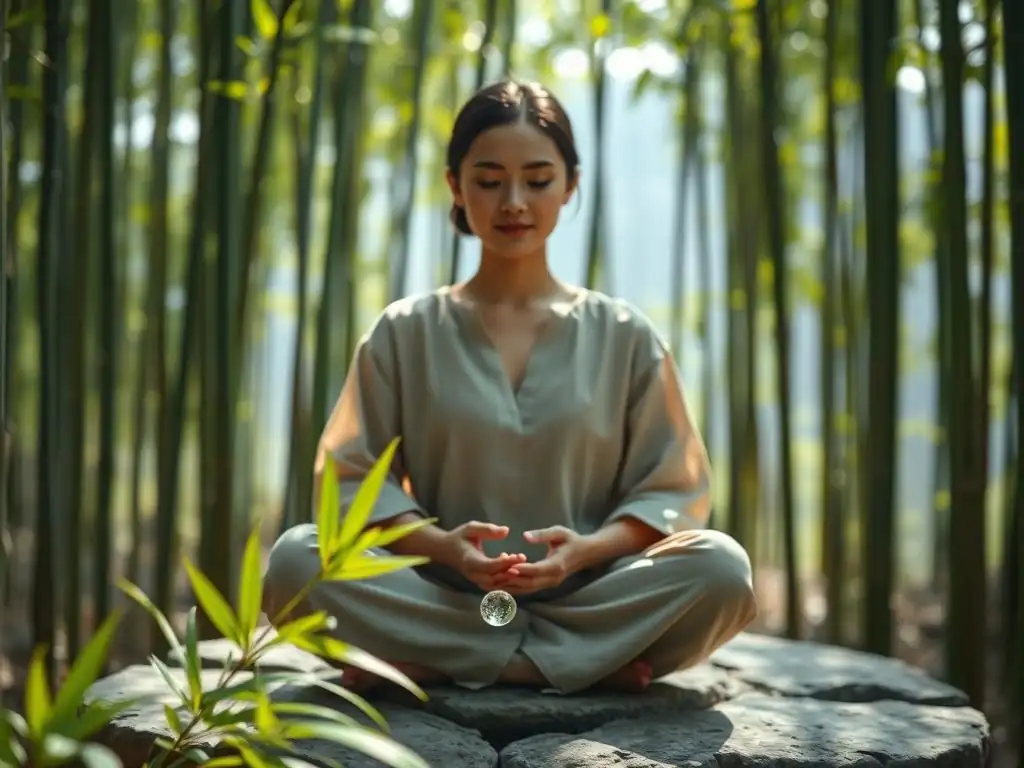
Welcome to Mind Care Guide, a safe space dedicated to nurturing your mental well-being.
Feeling overwhelmed by anxiety? You're not alone. In this guide, we'll explore a powerful tool that can help you find calm amidst the storm: Mindfulness for anxiety relief. But what exactly is mindfulness, and how can it truly make a difference? Let's unravel the core practices together and discover how to integrate them into your daily life, starting with a simple understanding of what "Mindfulness Made Simple" really means. Are you ready to begin your journey towards a more peaceful you?
Mindfulness Made Simple: Understanding the Core Practice
- Introduction to Mindfulness: Your Path to Inner Peace
- The Core Principles of Mindfulness: A Deep Dive
- Mindfulness for Anxiety Relief: Practical Techniques
- The Benefits of Mindfulness: Beyond Anxiety Reduction
- Overcoming Challenges in Mindfulness Practice
- Mindfulness Resources and Further Learning
-
Frequently Asked Questions
- What is mindfulness and how can it help with anxiety?
- How does mindfulness relate to the concept of mental well-being?
- What are some simple mindfulness exercises I can try to relieve anxiety?
- Is mindfulness a quick fix for anxiety, or does it require consistent practice?
- Where can I find more resources and support for learning and practicing mindfulness for anxiety relief?
- Final Reflection: Cultivating Inner Peace in a Frantic World
- Unlock Your Inner Calm: Start Practicing Mindfulness Today
Introduction to Mindfulness: Your Path to Inner Peace
What is Mindfulness? A Beginner's Guide
Mindfulness is a state of active, open attention on the present moment. When you're mindful, you observe your thoughts and feelings without judgment. It's about being fully aware of what is happening right now, inside and outside of yourself. This practice involves paying attention to your breath, sensations in your body, thoughts, and emotions as they arise, without getting caught up in them or trying to change them. It's not about emptying your mind or achieving a state of bliss, but rather about cultivating a gentle, curious awareness of your moment-to-moment experience.
The origins of mindfulness can be traced back thousands of years to contemplative traditions, but its application in modern Western psychology and healthcare has grown significantly over the last few decades. Pioneering figures like Jon Kabat-Zinn helped bring mindfulness into clinical settings with his Mindfulness-Based Stress Reduction (MBSR) program, demonstrating its tangible benefits for chronic pain and stress. Today, mindfulness is recognized as a valuable tool for enhancing mental well-being, improving focus, and providing a pathway to greater emotional resilience, including significant potential for mindfulness for anxiety relief.
The Growing Need for Mindfulness in Today's World
In our fast-paced, hyper-connected society, many people experience high levels of stress, burnout, and anxiety. We are constantly bombarded with information, deadlines, and distractions, often leading to a feeling of being overwhelmed and disconnected from ourselves. This environment fosters a tendency to live in the past (regretting or replaying events) or the future (worrying about what might happen), rather than engaging with the present.
The increasing prevalence of mental health challenges, such as anxiety disorders and depression, highlights the urgent need for accessible and effective coping strategies. Reports from organizations like the World Health Organization show a significant rise in anxiety and depressive disorders globally, particularly exacerbated by recent global events. Mindfulness offers a practical antidote to this modern malaise by training our minds to focus on the here and now, reducing rumination about the past and apprehension about the future, which are key drivers of anxiety. Embracing mindfulness for anxiety relief is becoming an increasingly popular and evidence-backed approach.
How Mindfulness Differs from Meditation
While often used interchangeably, mindfulness is actually a quality or state of being, while meditation is a practice used to cultivate that state. Meditation is the formal exercise – like sitting meditation, walking meditation, or body scan – where you dedicate specific time to train your attention. Mindfulness, on the other hand, is the result of that training and can be applied informally to any activity in your day, such as washing dishes mindfully or listening mindfully.
Think of it this way: going to the gym is a practice (meditation), and being physically fit is the resulting state (mindfulness). You can practice meditation to become more mindful, and then bring that quality of mindfulness into all aspects of your life.
While many meditation techniques aim to cultivate mindfulness, not all meditation is strictly mindfulness meditation (e.g., some meditations focus on concentration on a single point, or specific visualizations, which differ from non-judgmental awareness of whatever arises). Understanding this distinction is crucial for effectively using mindfulness for anxiety relief, as it emphasizes bringing present moment awareness into daily anxious moments, not just during formal practice.
The Core Principles of Mindfulness: A Deep Dive
Paying Attention Intentionally: The Foundation of Mindfulness
At its heart, mindfulness is about directing your attention with purpose. Instead of letting your mind wander aimlessly or be pulled in countless directions by external stimuli and internal chatter, you consciously choose where to place your awareness. This could be on the sensation of your breath entering and leaving your body, the feeling of your feet on the ground as you walk, or the taste and texture of the food you are eating. It requires a deliberate effort to anchor yourself in the present moment, even for just a few seconds.
This intentional focus is not about forcing your mind to be blank or suppressing thoughts. It's about noticing where your attention is, and gently bringing it back to your chosen anchor when it inevitably drifts. This gentle redirection is the core training of the mind in mindfulness practice. Through consistently choosing to pay attention to present experience, you build the mental muscle needed to stay grounded and less reactive, which is fundamental for using mindfulness for anxiety relief.
Non-Judgmental Awareness: Observing Without Criticism
Perhaps one of the most challenging, yet transformative, aspects of mindfulness is cultivating a non-judgmental attitude towards your experience. This means observing your thoughts, feelings, and sensations as they are, without labeling them as "good" or "bad," "right" or "wrong." When you experience a difficult emotion, like anxiety, the natural tendency is to judge it ("I shouldn't feel this way," "This is terrible") or judge yourself for having it ("I'm weak," "Something is wrong with me").
Non-judgmental awareness encourages you to simply notice the physical sensations associated with anxiety (perhaps tightness in the chest, butterflies in the stomach) and the thoughts that accompany it ("What if...? ", "I can't handle this"), without adding layers of criticism or evaluation. By practicing this, you create space between yourself and your reactions, reducing the intensity of difficult experiences. This principle is vital for mindfulness for anxiety relief, as it helps break the cycle of judging anxiety, which often fuels more anxiety.
Acceptance and Letting Go: Embracing the Present Moment
Acceptance in mindfulness does not mean resignation or approval of difficult circumstances. It means acknowledging reality as it is in the current moment, without resisting it or wishing it were different. If you are feeling anxious, acceptance is recognizing, "Right now, I am experiencing feelings of anxiety." It's about dropping the struggle against what is already happening. Resistance often amplifies suffering; acceptance allows you to meet the moment with greater ease.
Coupled with acceptance is the practice of letting go. This involves releasing the need to control outcomes, letting go of ruminative thoughts about the past, and releasing worries about the future. It's about understanding that thoughts and feelings are transient – they arise and they pass.
By practicing acceptance and letting go, you free up mental and emotional energy that was tied up in resistance and control, making space for peace and clarity. This is a powerful mechanism by which mindfulness for anxiety relief works – by accepting the presence of anxiety without letting it consume you and letting go of the struggle against it.
Cultivating Patience: The Art of Waiting Mindfully
Patience is a cornerstone of mindfulness practice. The benefits of mindfulness, especially using mindfulness for anxiety relief, don't appear overnight. It's a skill that is developed gradually through consistent practice, much like learning a musical instrument or a new language. There will be days when your mind feels particularly busy, or when practicing feels difficult or unproductive. Patience allows you to meet these challenges with kindness and perseverance.
Cultivating patience involves trusting the process and understanding that growth happens in its own time. It means being patient with yourself when your mind wanders a hundred times during a short meditation, or when anxiety symptoms don't immediately disappear. Recognizing that each moment of returning your attention is a success, regardless of how often you get distracted, embodies this principle. Patience fosters resilience and encourages a sustainable approach to integrating mindfulness into your life.
Trusting Your Inner Wisdom: Intuition and Mindfulness
Mindfulness practice can deepen your connection to your inner experience, including your intuition or gut feelings. By paying close attention to your body sensations, emotions, and subtle shifts in your mental state, you can become more attuned to your own innate wisdom. This inner wisdom isn't necessarily a loud voice telling you what to do, but often a quiet knowing that arises from a place of clarity and presence, rather than fear or reactivity.
As you become more mindful, you may find it easier to discern between thoughts driven by anxiety or fear and insights that come from a deeper, more grounded place. Trusting this inner wisdom involves honoring your own experience and insights gained through mindful awareness, rather than solely relying on external opinions or habitual reactions. This self-trust is empowering and contributes to a sense of agency in managing challenges, including leveraging mindfulness for anxiety relief.
Mindfulness for Anxiety Relief: Practical Techniques
Mindfulness Exercises for Anxiety Reduction: A Step-by-Step Approach
Mindfulness offers tangible techniques that can be used directly to address feelings of anxiety. These practices help ground you in the present moment, interrupting the cycle of anxious thoughts and physical tension. Regular engagement with these exercises can significantly reduce the frequency and intensity of anxiety symptoms.
Implementing mindfulness exercises for anxiety reduction involves setting aside dedicated time, even just a few minutes, to focus your attention. It's important to approach these practices with kindness and curiosity, without expecting to eliminate anxiety entirely, but rather to change your relationship with it. The goal is to build familiarity with your anxious experience in a safe, contained way, which is a core aspect of using mindfulness for anxiety relief effectively.
Mindful Breathing for Calming Anxiety
Mindful breathing is one of the most accessible and effective techniques for immediate anxiety relief.
- Find a comfortable seated position.
- Gently close your eyes or soften your gaze.
- Bring your attention to your breath. Notice the physical sensations of breathing – the air entering and leaving your nostrils, the rise and fall of your chest or abdomen.
- Simply observe the breath without trying to change it. If your mind wanders (which it will), gently notice where it went and guide your attention back to the breath.
- Continue for a few minutes, focusing on the rhythm and sensation of each inhale and exhale.
This simple practice anchors you in the present moment, diverting attention away from anxious thoughts. Focusing on the physical process of breathing can also help regulate the nervous system, potentially slowing a racing heart and calming the fight-or-flight response often triggered by anxiety. Practicing mindful breathing regularly strengthens your ability to return to a state of calm when anxiety arises unexpectedly.
Body Scan Meditation for Anxiety Awareness
The body scan is a practice that involves systematically bringing mindful attention to different parts of the body.
- Lie down on your back or sit comfortably.
- Close your eyes.
- Bring your awareness to your feet. Notice any sensations there – warmth, coolness, tingling, pressure.
- Gently move your attention up through your body, section by section (ankles, calves, knees, thighs, pelvis, abdomen, back, chest, shoulders, arms, hands, neck, head).
- As you focus on each area, simply notice the sensations present without judgment. If you encounter an area with tension or discomfort, simply acknowledge it with gentle awareness before moving on.
- If your mind wanders, gently guide it back to the part of the body you intended to focus on.
The body scan helps you become more aware of where anxiety manifests physically in your body. By tuning into these physical sensations without judgment, you can learn to observe them without getting overwhelmed, which is a key skill in using mindfulness for anxiety relief. It also helps release physical tension often held unconsciously due to stress and anxiety.
Mindful Walking for Grounding and Stress Relief
Mindful walking is a practice that brings mindful awareness to the simple act of walking. It can be done indoors or outdoors.
- Begin by standing and feeling the contact of your feet with the ground.
- As you start walking, bring your attention to the sensations in your feet and legs. Notice the lifting of one foot, the movement forward, the placing of the foot back down, the shifting of weight.
- Pay attention to the rhythm of your steps, the swing of your arms (if any), and the feeling of your body moving through space.
- If you are walking outdoors, you can also mindfully notice the sights, sounds, and smells around you, but always anchor your primary attention back to the physical sensations of walking.
- If your mind drifts into thoughts or worries, gently acknowledge them and return your attention to the sensations of walking.
Mindful walking is an excellent way to ground yourself when feeling anxious or overwhelmed. The repetitive motion combined with focused attention on physical sensations helps interrupt the cycle of anxious thoughts and provides a sense of stability. It's a practical way to integrate mindfulness into your daily routine and actively use movement for stress and anxiety relief.
Integrating Mindfulness into Daily Life for Lasting Anxiety Relief
Formal meditation practices are powerful, but integrating mindfulness into everyday activities is where its true potential for lasting change, particularly for mindfulness for anxiety relief, is realized. It's about bringing that quality of present moment awareness to ordinary tasks, transforming routine moments into opportunities for grounding and peace. This informal practice helps maintain the benefits gained during formal sessions throughout the day.
Making mindfulness a part of your daily life doesn't require large blocks of time. It can be woven into the fabric of your day in short moments – while brushing your teeth, waiting in line, or commuting. These small acts of intentional awareness build consistency and make mindfulness a natural response to the stresses of life, including moments of anxiety.
Mindful Eating: Savoring Each Bite
Mindful eating involves bringing full awareness to the experience of eating.
- Before eating, take a moment to observe your food – its colors, textures, and smells.
- As you eat, pay attention to the sensations in your mouth – the taste, texture, and temperature of the food.
- Notice the physical act of chewing and swallowing.
- Pay attention to your body's signals of hunger and fullness.
- Eat slowly, savoring each bite, rather than rushing through the meal.
This practice slows you down, helps you appreciate your food, and can improve digestion. For individuals prone to stress-related eating or those who eat quickly due to anxiety, mindful eating provides a calming anchor and helps build a healthier relationship with food and your body. It turns a necessary daily activity into a practice for present moment awareness and self-care.
Mindful Listening: Enhancing Communication and Reducing Conflict
Mindful listening is about paying full, non-judgmental attention to another person when they are speaking.
- When someone is talking, set aside distractions (like your phone or formulating your response).
- Focus your attention entirely on the speaker – their words, tone of voice, and body language.
- Listen with the intention to understand, rather than to reply or evaluate.
- Notice your own internal reactions (thoughts, judgments, emotions) as they arise, but try not to get caught up in them.
- Allow pauses in the conversation without feeling the need to immediately fill them.
Practicing mindful listening improves communication, deepens connections with others, and can reduce misunderstandings and conflict, which are common sources of stress and anxiety. It shifts the focus from your own internal state of worry or anticipation to the present interaction, providing a break from anxious rumination.
Mindful Movement: Yoga and Tai Chi for Anxiety Management
Engaging in mindful movement practices like yoga or Tai Chi combines gentle physical activity with present moment awareness.
- As you move through postures or forms, pay close attention to the sensations in your body.
- Notice the feeling of muscles stretching, joints moving, and your breath coordinating with the movement.
- Observe any areas of tension or ease in your body without judgment.
- If your mind wanders, gently return your attention to the physical sensations of movement.
- Focus on the flow and rhythm of the practice.
Yoga and Tai Chi are widely recognized for their benefits in reducing stress and anxiety. A systematic review published in the Journal of Anxiety Disorders in 2010, pooling data from multiple studies, indicated that yoga practices can significantly reduce anxiety symptoms. The mindful aspect of these activities enhances their therapeutic effect by promoting body awareness, releasing physical tension, and providing a moving meditation that calms the nervous system, making them excellent tools for using mindfulness for anxiety relief.
The Benefits of Mindfulness: Beyond Anxiety Reduction
Improved Focus and Concentration Through Mindfulness
Regular mindfulness practice trains your attention muscle. By repeatedly noticing when your mind has wandered and gently bringing it back to your chosen anchor (like the breath), you strengthen your ability to concentrate and stay focused. This improved focus isn't limited to meditation sessions; it extends to daily tasks, work, and studies.
Studies have shown that individuals who practice mindfulness demonstrate improved performance on tasks requiring sustained attention and working memory. For instance, research published in Psychological Science demonstrated that just a few weeks of mindfulness training could lead to improvements in working memory capacity and standardized test performance. This enhanced ability to focus can reduce the feeling of being scattered or overwhelmed, which in turn can indirectly contribute to mindfulness for anxiety relief by making tasks feel more manageable.
Enhanced Emotional Regulation and Resilience with Mindfulness Practice
Mindfulness helps you become more aware of your emotions as they arise, without immediately being swept away by them. By observing emotions with non-judgmental awareness, you create space between the feeling and your reaction. This allows you to respond to difficult emotions, such as anxiety or anger, more skillfully rather than reacting impulsively.
Developing this capacity for emotional regulation builds resilience – the ability to bounce back from challenges and stressors. When faced with adversity, a mindful individual is better equipped to acknowledge their feelings without getting stuck in them, allowing them to navigate difficulties with greater clarity and composure. This enhanced resilience is a significant outcome of practicing mindfulness for anxiety relief, as it helps individuals cope more effectively with stressful situations that might otherwise trigger intense worry.
Reduced Stress and Improved Sleep Quality Through Regular Mindfulness
Chronic stress is a major contributor to both physical and mental health problems, including anxiety and insomnia. Mindfulness practices have been shown to reduce physiological markers of stress, such as cortisol levels, and decrease subjective feelings of stress. By helping you become more aware of stress signals in your body and mind, mindfulness allows you to address stress more effectively before it becomes overwhelming.
The calming effect of mindfulness on the nervous system also has a positive impact on sleep. Many people with anxiety struggle with sleep disturbances. Research indicates that mindfulness meditation interventions can improve sleep quality by reducing rumination and promoting relaxation. A study published in JAMA Internal Medicine found that a mindfulness awareness program improved sleep quality in older adults compared to a sleep hygiene education control group. This highlights another indirect yet powerful way mindfulness supports anxiety relief by addressing a common co-occurring issue.
Increased Self-Awareness and Compassion Through Mindfulness Training
Mindfulness cultivates a deeper understanding of yourself – your thoughts, feelings, habits, and patterns of reaction. By paying attention to your inner landscape with curiosity and kindness, you gain valuable insights into what drives your behavior and triggers your stress or anxiety. This increased self-awareness is the first step towards making conscious choices for your well-being.
Furthermore, mindfulness practice often fosters self-compassion and compassion for others. As you learn to meet your own difficulties with kindness and non-judgment, it becomes easier to extend that same understanding and empathy towards others. This shift from self-criticism to self-compassion is particularly important for individuals struggling with anxiety, who often experience harsh self-judgment. Cultivating compassion creates a more supportive inner environment, which is crucial for healing and sustained mindfulness for anxiety relief.
Overcoming Challenges in Mindfulness Practice
Common Obstacles to Mindfulness and How to Address Them
Embarking on a mindfulness journey, especially when seeking mindfulness for anxiety relief, is not always smooth sailing. It's completely normal to encounter challenges that can make practice feel difficult or discouraging. Recognizing these common obstacles is the first step in navigating them effectively and maintaining consistency.
Approaching these difficulties with the same non-judgmental awareness and patience that you cultivate in practice is key. Instead of viewing challenges as failures, see them as opportunities to deepen your understanding of your own mind and strengthen your commitment to your well-being.
Dealing with a Wandering Mind
One of the most frequent challenges is a wandering mind. It's a common misconception that mindfulness is about stopping thoughts. In reality, the mind is designed to think, and it will inevitably wander. The practice is not about eliminating thoughts, but about noticing when your mind has strayed and gently bringing your attention back to your chosen anchor.
- Acknowledge the wandering without judgment: "Ah, my mind is thinking about dinner."
- Gently redirect your attention: "Now, back to the breath."
- Treat it as part of the practice: Each time you notice and return, you are building your attention muscle.
It's estimated that the mind wanders nearly 50% of the time during daily activities, and this tendency doesn't magically disappear during meditation. Be patient with yourself; the process of noticing and returning is the practice itself.
Managing Difficult Emotions During Mindfulness
Sometimes, practicing mindfulness can bring difficult emotions, like anxiety, sadness, or restlessness, to the surface. This can be uncomfortable and might lead you to want to avoid the practice. However, mindfulness offers a way to be with these emotions without being overwhelmed by them.
- Acknowledge the emotion: "I am feeling anxiety."
- Notice where you feel it in your body: Is there tightness, heat, trembling?
- Breathe with the sensation: Don't try to push it away, just allow it to be there as you breathe.
- Remember it is temporary: Emotions are like waves; they rise and fall.
This process, sometimes called "R.A.I.N." (Recognize, Allow, Investigate, Nurture), is a structured way to approach difficult emotions mindfully. By practicing being with discomfort in a safe setting, you build tolerance and resilience, making it easier to manage these emotions when they arise in daily life, significantly aiding mindfulness for anxiety relief.
Finding Time for Mindfulness in a Busy Schedule
In today's demanding world, feeling like you don't have enough time is a major barrier to starting or maintaining a mindfulness practice. Many people feel that if they can't commit to a 30 or 45-minute session, there's no point in practicing at all.
- Start small: Even 2-5 minutes of focused breathing or mindful awareness can make a difference.
- Integrate into daily routines: Practice while commuting, showering, or waiting in line.
- Schedule it: Treat mindfulness like any other important appointment in your calendar.
- Combine with other activities: Mindful walking or mindful eating can be done during existing activities.
Remember that consistency is more important than duration. A few minutes of mindful presence each day is far more beneficial than infrequent long sessions. Finding creative ways to weave mindfulness into the nooks and crannies of your day makes it sustainable, especially for busy individuals seeking mindfulness for anxiety relief.
Tips for Staying Consistent with Your Mindfulness Practice
Maintaining a regular mindfulness practice requires intention and effort, but it doesn't have to be a struggle. Several strategies can help you stay consistent and reap the ongoing benefits, particularly for managing anxiety.
- [ ] Set realistic goals for practice duration.
- [ ] Choose a consistent time and place for formal practice.
- [ ] Use reminders (phone alarms, notes).
- [ ] Find a practice buddy or join a group.
- [ ] Explore different types of mindfulness practices.
- [ ] Be flexible and kind to yourself if you miss a session.
- [ ] Reflect on the benefits you've noticed (e.g., reduced anxiety).
Consistency is built through habit. By setting achievable goals (like 5 minutes daily), integrating practice into your schedule, and being adaptable, you increase the likelihood of sticking with it. Remembering why you started – perhaps seeking mindfulness for anxiety relief – can be a powerful motivator during challenging times.
Mindfulness Resources and Further Learning
Guided Mindfulness Meditations for Beginners
Guided meditations are an excellent way to start your mindfulness journey, especially if you find it difficult to focus on your own or prefer instruction. These recordings, led by experienced teachers, walk you through the steps of various practices, such as body scans, breathing meditations, and loving-kindness meditations.
Guided sessions remove the guesswork and help you stay on track when your mind wanders. Many are specifically designed to address stress, anxiety, or sleep issues, making them highly relevant for those seeking mindfulness for anxiety relief. They offer a structured yet gentle introduction to the practice, building confidence and familiarity with the process.
Books and Articles on Mindfulness and Anxiety
There is a vast body of literature available on mindfulness, its principles, and its application for various conditions, including anxiety. Reading books and articles can deepen your understanding of the 'why' behind the practice and provide different perspectives and techniques.
Look for resources written by pioneers in the field like Jon Kabat-Zinn, Sharon Salzberg, or Tara Brach. Many publications detail the scientific evidence supporting the use of mindfulness for anxiety relief, offering validation and encouragement. Exploring different authors can help you find approaches and insights that resonate most with you.
Mindfulness Apps and Online Programs for Continued Growth
Technology has made mindfulness more accessible than ever. Numerous smartphone apps offer guided meditations, timers, progress tracking, and educational content. These apps can be convenient tools for fitting practice into a busy schedule and exploring a variety of meditation styles.
Online mindfulness programs, such as Mindfulness-Based Stress Reduction (MBSR) or Mindfulness-Based Cognitive Therapy (MBCT), offer more in-depth, structured learning experiences. These programs typically involve weekly sessions and home practice, providing a comprehensive introduction to mindfulness and its application for stress, anxiety, and depression. While not a substitute for professional therapy, these resources offer valuable support for cultivating a consistent and effective mindfulness practice for anxiety relief and overall well-being.
Frequently Asked Questions
What is mindfulness and how can it help with anxiety?
Mindfulness is the practice of paying attention to the present moment without judgment. It can help with anxiety by reducing overthinking and fostering a sense of calm. It allows you to observe your thoughts and feelings without getting carried away by them.
How does mindfulness relate to the concept of mental well-being?
Mindfulness is a key tool in promoting overall mental well-being. By cultivating awareness of our thoughts and emotions, we can better manage stress, improve emotional regulation, and foster self-compassion.
What are some simple mindfulness exercises I can try to relieve anxiety?
Try focusing on your breath, paying attention to the sensation of each inhale and exhale. You can also try a body scan meditation, focusing on different parts of your body. Another option is mindful walking, noticing the sensations of your feet on the ground.
Is mindfulness a quick fix for anxiety, or does it require consistent practice?
Mindfulness is not a quick fix; it requires consistent practice to see significant benefits. Like any skill, the more you practice, the better you become at using it to manage anxiety. The benefits compound over time.
Where can I find more resources and support for learning and practicing mindfulness for anxiety relief?
Mind Care Guide offers a range of articles, guided meditations, and resources on mindfulness. You can also explore mindfulness apps, local workshops, or consult with a mental health professional trained in mindfulness-based techniques.
Final Reflection: Cultivating Inner Peace in a Frantic World
The pursuit of mindfulness isn't a fleeting trend; it's a vital tool for navigating the anxieties of modern life. In a world saturated with constant stimulation and relentless demands, the ability to find stillness and presence within ourselves is more crucial than ever. The practices explored in this article – from mindful breathing to body scans – offer accessible pathways to a calmer, more centered existence, directly combating the pervasive anxieties that plague so many.
The impact of mindfulness on our cultural landscape is undeniable, shifting from a niche practice to a widely recognized approach to stress management and mental well-being. We are increasingly recognizing the limitations of solely relying on external solutions to alleviate anxiety. The internal work of mindfulness, however, empowers us to cultivate resilience from within. The present moment is filled with joy and happiness. If you are attentive, you will see it.
– Thich Nhat Hanh. This quote beautifully encapsulates the transformative power of focusing on the present, releasing the grip of anxious thoughts about the future or regrets about the past.
Now, consider how you can integrate these simple yet profound practices into your daily life. Start small – perhaps with just five minutes of mindful breathing each day. Observe the subtle shifts in your awareness, the lessening of tension in your body, and the increased clarity in your mind. This journey toward inner peace is a personal one, a continuous unfolding of self-discovery. Embrace the process, be patient with yourself, and allow the transformative power of mindfulness to gently reshape your relationship with anxiety and the world around you.
Unlock Your Inner Calm: Start Practicing Mindfulness Today
Thanks for taking the time to explore the world of mindfulness with us! We hope you gained valuable insights into this powerful practice. Ready to integrate these techniques into your daily life?
- Begin a short daily mindfulness session: Even 5 minutes of focused breathing can make a significant difference. Try it first thing in the morning or before bed.
- Share your mindfulness journey: Tell a friend or family member about your experience and encourage them to join you.
- Explore different mindfulness techniques: Experiment with guided meditations, mindful walking, or body scans to find what resonates best with you.
What small step will you take today to cultivate more presence and peace in your life?