
Mindful Educators, Thriving Students: Cultivating a Positive School Environment

Welcome to Mind Care Guide.
Are you a teacher, administrator, or parent yearning to create a school environment where every student thrives? We understand the immense pressures facing young minds today. This article, " Mindful Schools Student Wellbeing," delves into practical strategies for educators to foster mindfulness in the classroom, leading to happier, healthier, and more engaged students. Discover how simple techniques can transform your school into a sanctuary of calm and focus. Ready to unlock the power of mindfulness for your students' wellbeing? Let's begin.
Mindful Educators, Thriving Students: Cultivating a Positive School Environment
- Introduction: The Power of Mindfulness in Education for Student Wellbeing
- Understanding the Benefits of Mindfulness for Educators and Students
-
Implementing Mindfulness Programs in Schools: A Step-by-Step Guide
- Assessing Your School's Needs and Readiness for Mindfulness Integration
- Choosing the Right Mindfulness Curriculum and Resources
- Training Educators in Mindfulness Techniques: Key Considerations
- Integrating Mindfulness Activities into the School Day: Practical Examples
- Creating a Mindful School Culture: From Policy to Practice
- Addressing Challenges and Overcoming Obstacles to Mindfulness Implementation
- The Role of School Leaders in Championing Mindfulness
- Real-World Examples of Successful Mindful Schools
- Resources for Educators and Parents: Supporting Mindfulness at Home and School
- Conclusion: Building a Brighter Future Through Mindful Education
-
Frequently Asked Questions
- How can mindful practices specifically benefit students in a school setting?
- What role do educators play in fostering a mindful school environment?
- What are some practical strategies schools can implement to promote "Mindful schools student wellbeing"?
- How does a focus on "Mindful schools student wellbeing" impact academic performance?
- Where can schools find resources and support to implement a "Mindful schools student wellbeing" program?
- Final Reflection: The Ripple Effect of Mindfulness in Education
- Unlock Your School's Potential: Cultivate Calm and Connection
Introduction: The Power of Mindfulness in Education for Student Wellbeing
Why Mindful Schools are Essential for Academic Success and Emotional Health
In today's educational landscape, students face unprecedented pressures, from academic expectations to social dynamics and the constant influx of digital information. This environment can significantly impact their emotional health and, consequently, their ability to learn effectively. Research consistently demonstrates a strong correlation between student wellbeing and academic performance. Schools that prioritize mental and emotional health often see improvements not only in student happiness and resilience but also in engagement and achievement. Mindful schools student wellbeing initiatives are becoming increasingly recognized as a powerful approach to address these challenges holistically.
Implementing mindfulness in schools helps create an environment where students feel safe, supported, and equipped to navigate complex emotions. Studies have shown that integrating mindfulness practices can lead to a reduction in anxiety and depression symptoms among adolescents. For instance, one review of school-based mindfulness programs indicated that participants reported feeling less stressed and more capable of managing difficult situations.
This emotional foundation is crucial for unlocking academic potential, allowing students to focus better, retain information, and approach learning with curiosity rather than apprehension. Ultimately, fostering student wellbeing in mindful schools is not a distraction from academics, but a vital prerequisite for success.
Defining Mindful Schools: Creating a Supportive Learning Environment
A mindful school is far more than just a place where meditation happens occasionally. It is an institution that intentionally cultivates an environment of awareness, presence, and compassion among all members of the community – students, educators, and staff. It involves integrating mindfulness principles into the school's culture, curriculum, and daily routines. This means fostering open communication, promoting emotional literacy, and providing opportunities for everyone to practice self-awareness and self-regulation. The goal is to create a supportive learning environment where individuals feel valued, understood, and empowered to manage their inner experiences and interactions with others effectively.
Creating such an environment involves systemic change, starting with leadership buy-in and extending to classroom practices and interactions in the hallways. It's about teaching students how to be present and engaged, not just what to learn. It often includes explicit instruction in mindfulness techniques, but also implicitly models mindful behavior through the interactions of adults within the school. This comprehensive approach ensures that the benefits of mindfulness extend beyond individual practice sessions and permeate the entire school climate, significantly enhancing mindful schools student wellbeing across the board.
Understanding the Benefits of Mindfulness for Educators and Students
Reduced Stress and Burnout for Teachers Through Mindfulness Practices
Teaching is a demanding profession, often cited as one with high levels of stress and burnout. Educators are constantly juggling diverse student needs, curriculum requirements, administrative tasks, and communication with parents, often leading to emotional exhaustion. Mindfulness practices offer tangible tools for teachers to manage this stress effectively. By regularly engaging in mindfulness, such as focused breathing or body scans, educators can develop greater self-awareness regarding their stress triggers and reactions, allowing them to respond more skillfully rather than react impulsively.
Research supports the positive impact of mindfulness on teacher wellbeing. Studies have shown that teachers who participate in mindfulness training report reduced levels of stress, anxiety, and burnout. For example, a program implemented in a large school district found that teachers who completed an 8-week mindfulness course reported a significant decrease in perceived stress levels compared to a control group. Furthermore, improved teacher wellbeing often translates into a more positive and patient classroom presence, which directly benefits students and contributes to a more supportive learning environment, underpinning effective mindful schools student wellbeing initiatives.
Improved Student Focus and Attention Through Mindfulness Training
In classrooms increasingly filled with distractions, from digital devices to busy schedules, cultivating student focus and attention is a significant challenge. Mindfulness training provides students with practical strategies to quiet their minds, tune into the present moment, and direct their attention more effectively. Simple exercises, like mindful listening or focusing on the breath, help students train their attention muscles, making it easier for them to concentrate on lessons and tasks.
Numerous studies have investigated the link between mindfulness and cognitive functions in students. Findings often indicate improvements in attention span, working memory, and cognitive control among students who regularly practice mindfulness. For instance, a study involving elementary school children showed that those who participated in a brief mindfulness program demonstrated enhanced performance on tasks requiring sustained attention compared to their peers. These cognitive benefits are fundamental to academic learning and are a key outcome of successful mindful schools student wellbeing programs.
Enhancing Emotional Regulation and Self-Awareness in the Classroom
Emotional regulation is a critical skill for students of all ages, impacting everything from their ability to handle frustration with homework to resolving conflicts with peers. Mindfulness practices teach students to recognize their emotions without judgment, understand their physical sensations, and choose how to respond rather than being overwhelmed by feelings. This increased self-awareness is the first step towards effective emotional regulation.
By regularly checking in with their internal state through mindfulness, students become more attuned to their feelings before they escalate. This can lead to fewer disruptive outbursts, reduced anxiety in stressful situations like tests, and improved social interactions. Programs that integrate mindfulness into the curriculum often see students reporting feeling more in control of their emotions. For example, students participating in a mindfulness program in one school district reported feeling better equipped to handle anger and frustration, leading to fewer disciplinary incidents in the classroom. This focus on inner emotional landscape is central to promoting mindful schools student wellbeing.
Fostering Empathy and Compassion Among Students and Educators
Mindfulness practices, particularly those focusing on connection and kindness, naturally cultivate empathy and compassion. By becoming more aware of their own inner experiences, individuals often develop a greater understanding and sensitivity towards the experiences of others. This extends to both student-to-student interactions and the relationships between educators and students.
Activities like loving-kindness meditation, even in adapted forms for children, encourage wishing well to oneself and others, fostering a sense of shared humanity. In schools that embrace mindfulness, there is often a noticeable shift towards a more compassionate and supportive community culture. Students may become more inclined to help peers who are struggling, and educators may approach challenging student behaviors with greater patience and understanding. Reports from schools implementing comprehensive mindfulness programs often highlight improvements in peer relationships and a reduction in bullying, demonstrating the powerful ripple effect of cultivating empathy for overall mindful schools student wellbeing.
Implementing Mindfulness Programs in Schools: A Step-by-Step Guide
Assessing Your School's Needs and Readiness for Mindfulness Integration
Before embarking on a mindfulness program, it's crucial to understand your school's unique context, existing challenges, and level of readiness. This involves gathering input from various stakeholders, including teachers, administrators, students, and parents. Surveys, focus groups, and informal discussions can help identify specific areas where mindfulness might be most beneficial, such as reducing test anxiety, improving classroom behavior, or supporting teacher stress management.
Consider existing initiatives and resources within the school. Does the school already have a focus on social-emotional learning (SEL)? Are there staff members who already practice mindfulness or have an interest in leading such efforts? Assessing readiness also involves evaluating potential obstacles, such as time constraints, funding limitations, or skepticism among staff or parents. A thorough needs assessment provides a clear picture of where to start and helps tailor the program for maximum impact on mindful schools student wellbeing.
Choosing the Right Mindfulness Curriculum and Resources
A wide variety of mindfulness curricula and resources are available for schools, designed for different age groups and implementation models. Selecting the right one requires careful consideration of the school's needs assessment, budget, and the level of training required for educators. Some programs are comprehensive, offering structured lessons for daily or weekly practice, while others provide toolkits of exercises that can be integrated flexibly.
Look for curricula that are evidence-based, age-appropriate, and culturally sensitive. Consider whether the program includes resources for both students and educators, as teacher training is paramount for successful implementation. Many programs offer pilot phases or introductory workshops, which can be a good way to evaluate suitability before a full commitment. Researching programs used successfully in similar school settings and consulting with mindfulness experts can guide the selection process, ensuring the chosen resources effectively promote mindful schools student wellbeing.
Training Educators in Mindfulness Techniques: Key Considerations
Effective implementation of mindfulness in schools hinges on well-trained and confident educators. Teachers are the primary facilitators of student mindfulness practices, and their own understanding and experience are crucial. Training should not only cover how to teach mindfulness exercises but also provide teachers with their own personal practice, enabling them to teach from a place of embodied understanding and authenticity.
Comprehensive training programs often involve a multi-day workshop or a series of sessions covering the science behind mindfulness, personal practice techniques, and pedagogical strategies for teaching mindfulness to children and adolescents. Ongoing support, such as follow-up sessions, peer learning communities, or access to expert consultation, is also vital for sustaining the program and addressing challenges as they arise. Investing adequately in teacher training is perhaps the most critical factor in ensuring the long-term success and impact of mindful schools student wellbeing initiatives.
Integrating Mindfulness Activities into the School Day: Practical Examples
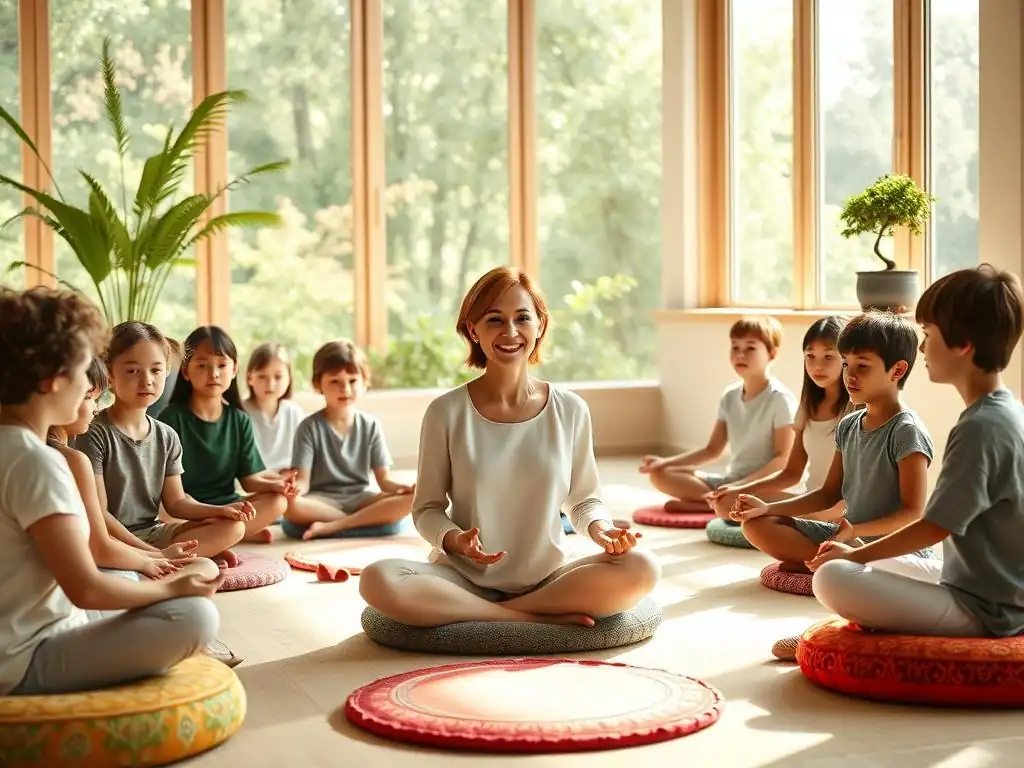
Integrating mindfulness doesn't necessarily require dedicated, lengthy class periods. Many effective practices can be woven seamlessly into the existing school day. The key is consistency and making mindfulness a regular, predictable part of the routine, even if only for short periods.
-
Mindfulness Exercises for the Classroom
Simple exercises can be used at transition times, such as the beginning of the day, before a test, or after recess. A "mindful minute" of focused breathing can help students transition from activity to learning. A brief body scan can help students notice how their bodies feel and settle into their seats. Mindful listening activities can improve concentration and respect for others during discussions. These small, consistent practices build students' capacity for present moment awareness and contribute positively to mindful schools student wellbeing.
-
Mindful Movement and Breathing Techniques for Students
Incorporating movement and breath awareness can be particularly helpful for younger students or those with excess energy. Simple stretching exercises combined with conscious breathing can be done at desks or in a designated area. Guided breathing techniques, like "balloon breathing" (imagining the belly as a balloon inflating and deflating) or "five-finger breathing" (tracing fingers while inhaling and exhaling), provide concrete methods for students to calm their nervous systems. These techniques are portable tools students can use anytime they feel overwhelmed or stressed, empowering them to manage their emotions.
Creating a Mindful School Culture: From Policy to Practice
A truly mindful school culture goes beyond individual practices and becomes embedded in the school's policies, communication, and overall ethos. This involves reviewing existing policies through a lens of compassion and awareness, considering how they impact student and staff wellbeing. It might mean adapting disciplinary approaches to be more restorative or creating dedicated quiet spaces for reflection.
Furthermore, mindful communication among staff, students, and parents is essential. Encouraging active listening, speaking with intention, and handling conflicts constructively model the principles of mindfulness in action. School-wide initiatives, like designated mindfulness weeks or incorporating mindful moments into school assemblies, can reinforce the importance of these practices. When mindfulness is supported from the top down and integrated into the fabric of daily school life, it creates a sustainable environment that nurtures mindful schools student wellbeing for everyone.
Addressing Challenges and Overcoming Obstacles to Mindfulness Implementation
Common Concerns about Mindfulness in Schools
Implementing mindfulness programs is not without its challenges, and it's important to address common concerns proactively and empathetically. Some stakeholders may express skepticism about the effectiveness of mindfulness, viewing it as a "fad" or unrelated to core academic objectives. Others may worry about the time commitment required or potential religious or cultural sensitivities associated with meditation practices.
Addressing these concerns requires clear communication, providing evidence-based information about the benefits of mindfulness for cognitive function, emotional regulation, and academic readiness. Emphasizing that school-based mindfulness is typically secular and focuses on universal skills like attention and emotional awareness can alleviate concerns about religious affiliation. Open dialogue, opportunities for questions, and providing introductory experiences can help build understanding and buy-in from hesitant individuals, paving the way for successful mindful schools student wellbeing initiatives.
Overcoming Time Constraints and Scheduling Challenges
One of the most frequently cited obstacles to implementing mindfulness in schools is the perceived lack of time in already packed schedules. Teachers often feel pressure to cover extensive curriculum content, leaving little room for new activities. However, mindfulness doesn't require lengthy sessions; even short, consistent practices can yield significant benefits.
Strategies for overcoming time constraints include integrating mindfulness into existing routines rather than adding separate blocks. For example, a two-minute breathing exercise can be done before a lesson, or a mindful walking practice can be incorporated into transitions between classes. Administrators can support this by building flexibility into the school day where possible or dedicating brief, school-wide moments of mindfulness. Highlighting how mindfulness improves focus and reduces time lost to disruptions can also help demonstrate that time spent on mindfulness is an investment, not a loss, ultimately supporting mindful schools student wellbeing.
Ensuring Inclusivity and Accessibility in Mindfulness Programs
For mindfulness programs to be truly effective, they must be inclusive and accessible to students and staff from diverse backgrounds and with varying needs. This means considering cultural differences, potential language barriers, and adapting practices for students with disabilities or specific learning needs. Using inclusive language and ensuring representations in materials reflect the school's diverse population are crucial steps.
Accessibility also involves adapting practices for different abilities, such as seated or standing options for movement exercises, or using visual cues for students who benefit from them. Providing options for practice and allowing students to engage in ways that feel comfortable for them fosters a sense of safety and autonomy. Working with cultural advisors or experts in special education can help tailor programs to meet the needs of all students, ensuring that mindful schools student wellbeing is a reality for every child.
Measuring the Impact of Mindfulness Initiatives on Student Wellbeing and School Climate
Demonstrating the impact of mindfulness programs is essential for securing continued support and funding. Measuring success requires identifying clear goals at the outset and using appropriate methods to track progress. This can involve collecting data on student and teacher stress levels (e.g., through surveys), monitoring attendance and disciplinary referrals, and assessing changes in academic engagement or performance.
Qualitative data, such as student reflections, teacher anecdotes, and parent feedback, also provides valuable insights into the program's effects on school climate and individual wellbeing. Pre- and post-program assessments using standardized scales for anxiety, attention, or social-emotional skills can offer more objective measures. Regularly reviewing data and sharing findings with the school community helps celebrate successes, identify areas for improvement, and build a strong case for the ongoing value of mindful schools student wellbeing programs.
The Role of School Leaders in Championing Mindfulness
Creating a Vision for a Mindful School Community
School leaders – principals, administrators, and district officials – play a pivotal role in the success of mindfulness initiatives. Their vision and commitment set the tone for the entire school community. Leaders can articulate a clear vision for what a mindful school looks like and communicate its importance for student wellbeing and academic success. This vision should align with the school's overall mission and values, framing mindfulness not as an add-on, but as an integral component of a supportive learning environment.
Leaders who openly support and participate in mindfulness activities model its value to staff and students. Sharing personal experiences with mindfulness, dedicating resources, and prioritizing wellbeing in school-wide communications reinforces the message that mindfulness is a valued part of the school culture. A strong leadership vision provides the necessary direction and motivation to build a thriving, mindful school community focused on mindful schools student wellbeing.
Providing Support and Resources for Educators
For teachers to effectively implement mindfulness in their classrooms, they need adequate support and resources from school leadership. This includes allocating funds for high-quality training programs and providing access to ongoing professional development opportunities. It also means ensuring teachers have the necessary materials, such as guided meditation scripts, lesson plans, or access to relevant technology if used.
Beyond tangible resources, leaders can provide crucial non-tangible support by protecting time for teacher training and practice, acknowledging and celebrating their efforts in implementing mindfulness, and fostering a culture where it's safe to experiment and learn. Reducing administrative burdens where possible can also free up teacher energy to focus on integrating new practices. When educators feel supported and resourced, they are more likely to embrace and sustain mindfulness practices, which directly benefits mindful schools student wellbeing.
Fostering Collaboration and Communication Among Stakeholders
Building a mindful school community requires collaboration and open communication among all stakeholders. School leaders can facilitate this by creating platforms for teachers to share experiences and challenges, encouraging peer support networks, and involving parents and community members in the initiative. Regular communication about the goals, activities, and observed benefits of the mindfulness program helps keep everyone informed and engaged.
Inviting parents to workshops or providing resources for practicing mindfulness at home can extend the positive impact beyond the school day. Collaborating with local mindfulness experts or organizations can bring additional expertise and support to the school. By fostering a collaborative environment where ideas and feedback are welcomed, leaders ensure that the mindfulness initiative is a shared effort, strengthening the foundation for sustainable mindful schools student wellbeing.
Real-World Examples of Successful Mindful Schools
Case Study 1: Inner Kids - Improved Emotional Regulation and Focus
The Inner Kids program, developed by Susan Kaiser Greenland, is an example of a mindfulness-based program successfully implemented in various school settings. While specific school data varies, reports from schools using the Inner Kids framework consistently highlight improvements in students' ability to manage difficult emotions and maintain focus. For instance, teachers in pilot programs reported seeing students become more aware of their feelings and better able to pause before reacting impulsively.
Through engaging, age-appropriate exercises, Inner Kids helps children develop skills in attention, emotional regulation, and compassion. Anecdotal evidence from educators suggests a decrease in classroom disruptions and an increase in students' capacity to concentrate on academic tasks. The program's focus on playful, accessible practices makes mindfulness relatable for young learners, contributing significantly to mindful schools student wellbeing where it has been adopted.
Case Study 2: Holistic Life Foundation - Decreased Suspensions and Improved Attendance
The Holistic Life Foundation (HLF) provides mindfulness and yoga programs, primarily in underserved communities in Baltimore, Maryland. Their work in schools has demonstrated remarkable outcomes, particularly in behavioral indicators. Reports from schools partnering with HLF have shown notable decreases in student suspensions and improvements in school attendance rates.
By providing students with tools to manage stress, resolve conflicts peacefully, and develop self-awareness, HLF's programs help create a more positive and predictable school environment. Teachers and administrators have reported seeing students utilize breathing techniques learned in HLF sessions to de-escalate conflicts or calm themselves down when feeling overwhelmed. The tangible improvements in school climate and student behavior underscore the profound impact that comprehensive mindfulness programs can have on mindful schools student wellbeing, especially in challenging environments.
Resources for Educators and Parents: Supporting Mindfulness at Home and School
Recommended Books and Websites on Mindfulness for Children and Adolescents
A wealth of resources exists for those looking to learn more about mindfulness for young people. Many excellent books offer guidance for both educators and parents on introducing mindfulness concepts and practices in age-appropriate ways. These resources often include practical exercises, scripts for guided meditations, and insights into the benefits of mindfulness for child development.
Numerous websites are dedicated to providing information and resources on mindfulness in education. These sites often feature articles, research summaries, lesson plans, and free or low-cost materials. Exploring these online resources can provide valuable support for integrating mindfulness into daily routines at school and reinforcing practices at home, enhancing mindful schools student wellbeing.
Mindfulness Apps and Online Resources for Educators and Students
Technology offers convenient ways to access guided mindfulness practices. A variety of mindfulness apps are designed specifically for children and adolescents, offering guided meditations, breathing exercises, and body scans in engaging formats. Some apps also include features for tracking practice or setting reminders.
Additionally, many websites provide online audio or video recordings of guided mindfulness sessions suitable for different age groups. These online resources can be particularly helpful for educators looking for ready-to-use practices or for students wanting to practice mindfulness independently. While not a replacement for embodied practice and skilled instruction, these tools can supplement learning and make mindfulness more accessible, supporting mindful schools student wellbeing.
Connecting with Local Mindfulness Experts and Organizations
Building a strong mindfulness program can be significantly enhanced by connecting with local experts and organizations specializing in mindfulness or social-emotional learning. These individuals and groups often offer workshops, training programs, and ongoing support tailored to the needs of schools.
Local experts can provide valuable guidance on selecting appropriate curricula, training staff, and navigating implementation challenges. Partnering with local organizations can also offer opportunities for sustained support, community building, and accessing resources. Establishing these connections creates a network of support that can help schools successfully integrate and sustain mindful practices, ultimately benefiting mindful schools student wellbeing.
Conclusion: Building a Brighter Future Through Mindful Education
The Long-Term Benefits of Investing in Mindfulness for School Communities
Investing time, effort, and resources into establishing mindful schools yields significant long-term benefits for the entire school community. Beyond immediate improvements in student focus and reduced stress, mindfulness cultivates foundational life skills that extend far beyond the classroom. Students learn resilience, emotional intelligence, and empathy – qualities essential for navigating the complexities of adulthood and contributing positively to society.
For educators, a mindful school environment reduces burnout, increases job satisfaction, and fosters a more positive and sustainable teaching career. Over time, embedding mindfulness into the school culture can lead to a fundamental shift in the school climate, characterized by increased kindness, understanding, and a shared sense of purpose. This enduring positive impact on both individuals and the collective environment underscores the profound value of prioritizing mindful schools student wellbeing.
Empowering Students to Thrive in a Mindful and Supportive Environment
Ultimately, the goal of creating mindful schools is to empower students. By providing them with the tools of mindfulness, we equip them to better understand themselves, manage challenges, build positive relationships, and approach learning with curiosity and presence. A supportive, mindful environment validates their experiences and teaches them that their emotional and mental health are just as important as their academic performance.
In a world that often feels overwhelming, the skills learned in a mindful school offer a pathway to greater inner peace and resilience. As students carry these practices forward, they are better prepared to face future obstacles with confidence and compassion. Cultivating mindful schools student wellbeing today is an investment in a brighter, more compassionate future for individuals and communities alike.
Frequently Asked Questions
How can mindful practices specifically benefit students in a school setting?
Mindful practices can significantly improve student wellbeing by reducing stress and anxiety, enhancing focus and concentration, and promoting emotional regulation within the school environment. This contributes directly to a more positive learning experience.
What role do educators play in fostering a mindful school environment?
Educators are crucial in modeling and teaching mindfulness. By incorporating mindful practices into their teaching, and demonstrating self-awareness, they create a supportive atmosphere conducive to student wellbeing and positive mental health.
What are some practical strategies schools can implement to promote "Mindful schools student wellbeing"?
Schools can implement mindfulness through meditation sessions, mindful movement exercises, and integrating mindfulness into the curriculum. Creating a calming space within the school is also beneficial.
How does a focus on "Mindful schools student wellbeing" impact academic performance?
A focus on mindful practices often improves academic performance. By reducing stress and enhancing focus, students can better retain information and improve their learning outcomes, leading to greater academic success.
Where can schools find resources and support to implement a "Mindful schools student wellbeing" program?
Resources and support are available through organizations specializing in mindfulness education and mental health support. Mind Care Guide offers information, resources, and guidance for schools seeking to implement mindful practices.
Final Reflection: The Ripple Effect of Mindfulness in Education
The cultivation of mindful practices in schools isn't just a trend; it's a crucial step towards creating truly thriving learning environments. A generation grappling with unprecedented levels of stress and anxiety needs educators equipped to foster resilience and emotional intelligence, and mindful education provides the tools to do just that. The impact extends far beyond the classroom, shaping healthier, more empathetic individuals prepared to navigate the complexities of the modern world.
The shift towards mindful schools is more than just a pedagogical approach; it's a fundamental change in how we understand the student experience. It acknowledges the interconnectedness of academic success and emotional wellbeing, recognizing that a student's mental state profoundly impacts their learning capacity. This resonates deeply with my own belief that education should nurture the whole child, not just their intellect. The purpose of education is to replace an empty mind with an open one.
– Malcolm Forbes. This quote perfectly encapsulates the spirit of mindful education: fostering openness, curiosity, and self-awareness in young minds.
Now, consider your own role in this evolving landscape. Are you ready to embrace the power of mindfulness in your interactions with students, colleagues, and even yourself? Perhaps it's time to explore mindfulness techniques, participate in professional development focused on mindful education, or simply integrate moments of quiet reflection into your daily routine. The journey towards creating a more mindful school environment begins with each of us, one conscious breath at a time. Let's work together to build a future where every student feels seen, heard, and empowered to flourish.
Unlock Your School's Potential: Cultivate Calm and Connection
Thanks for taking the time to explore the power of mindfulness in education! We hope you gained valuable insights into creating a more positive and supportive learning environment. Ready to put these ideas into practice?
- Prioritize a short mindfulness exercise: Start your day with a 5-minute breathing exercise, or incorporate mindful moments into your lesson plans. This is your first step towards a calmer classroom.
- Share this article with your colleagues: Let's build a network of mindful educators together! Discuss the strategies and share your own experiences.
- Challenge yourself to one new mindfulness technique this week: Experiment with a guided meditation, mindful walking, or even a simple gratitude practice.
What small change will you implement first to nurture a more peaceful and productive school atmosphere?