
The GutBrain Connection: Separating Fact from Fiction


Welcome to Mind Care Guide, your trusted haven for navigating the complexities of mental well-being.
Ever feel like your anxiety is tied to your stomach? You're not alone. We delve into the fascinating gut brain connection, exploring whether it truly holds the key to unlocking a calmer, more balanced you. Discover the potential gut brain connection benefits anxiety relief and separate the facts from the fiction in this burgeoning field. Start your journey towards a healthier mind and body by reading on...
The Gut-Brain Connection: Separating Fact from Fiction
- Introduction to the Gut-Brain Axis and Mental Wellbeing
- Unveiling the Truth: Gut Health and Mental Health
- Gut Microbiome: The Key Player in the Gut-Brain Dialogue
- Anxiety and the Gut: Exploring the Link
- Dietary Strategies for a Healthier Gut and Reduced Anxiety
- Lifestyle Factors Impacting the Gut-Brain Axis
- Beyond Diet: Other Therapies for Gut-Brain Health
- The Future of Gut-Brain Research and Mental Health Treatment
- Practical Tips for Nurturing Your Gut-Brain Connection
- Conclusion: Harnessing the Power of the Gut-Brain Connection for Anxiety Relief
-
Frequently Asked Questions
- How is the gut connected to the brain?
- What is the role of gut bacteria in mental health?
- What are the potential benefits of targeting the gut-brain connection for anxiety?
- What are some practical steps someone can take to improve their gut health for mental well-being?
- Is the gut-brain connection a proven cure for anxiety?
- Final Reflection: Unlocking the Mind-Gut Axis for Anxiety Relief
- Unlock Your Gut's Wisdom: Take Control of Your Wellbeing
Introduction to the Gut-Brain Axis and Mental Wellbeing
Understanding the Gut-Brain Connection: An Overview
The gut-brain axis is a complex bidirectional communication system that links the central nervous system (brain) and the enteric nervous system (gut). This intricate network involves neural, hormonal, and immunological pathways, creating a constant dialogue between your digestive system and your brain. It's far more than just the "butterflies in your stomach" feeling; it's a sophisticated biological partnership influencing everything from digestion and nutrient absorption to mood, stress response, and cognitive function.
Billions of bacteria, fungi, and other microorganisms reside in your gut, collectively known as the gut microbiome. This microbiome plays a critical role in regulating the gut-brain axis. They produce neuroactive compounds, influence immune responses, and even communicate directly with brain cells via the vagus nerve. Understanding this fundamental connection is key to appreciating how our internal environment significantly impacts our mental state and overall well-being.
Why the Gut-Brain Axis Matters for Mental Health
The profound connection between the gut and the brain has significant implications for mental health. Research increasingly shows that imbalances in the gut microbiome, often referred to as dysbiosis, can contribute to the development or exacerbation of various mental health conditions, including anxiety, depression, and stress-related disorders. The gut is sometimes called the "second brain" due to its vast network of neurons, roughly 100 million, which can function independently of the brain but constantly interact with it.
This bidirectional communication means that not only can stress and anxiety affect your gut (think upset stomach before a big event), but the state of your gut can also significantly influence your mood and mental resilience. For individuals seeking strategies to manage or alleviate anxiety, exploring the gut-brain connection benefits anxiety management by offering novel approaches beyond traditional psychological interventions. Addressing gut health can be a powerful, complementary strategy in a holistic mental wellness plan.
Unveiling the Truth: Gut Health and Mental Health
Debunking Myths About the Gut-Brain Relationship
One common myth is that the gut-brain connection is purely psychological, simply a manifestation of stress on digestion. While psychological stress certainly impacts the gut, the relationship is far more complex and biochemical. The gut microbiome actively produces neurotransmitters like serotonin and dopamine, which are crucial for mood regulation. In fact, an estimated 90% of the body's serotonin is produced in the gut, not the brain, highlighting its significant role.
Another misconception is that simply taking a random probiotic supplement will solve all mental health issues. While probiotics can be beneficial, the effectiveness depends heavily on the specific strains, the individual's unique microbiome composition, and the underlying cause of the imbalance. The science is nuanced; it's not a one-size-fits-all solution, and a healthy gut-brain axis requires a comprehensive approach involving diet, lifestyle, and sometimes targeted interventions based on specific needs.
The Real Science Behind the Gut-Brain Connection and Anxiety
The scientific evidence linking the gut-brain axis to anxiety is robust and growing. Studies have shown that individuals with anxiety disorders often exhibit different gut microbiome compositions compared to healthy individuals. For instance, research has identified correlations between reduced diversity of gut bacteria and increased anxiety levels in human populations. This suggests that the type and balance of microorganisms in your gut can directly influence your propensity for feeling anxious.
Furthermore, the gut microbiome can influence anxiety through several mechanisms. They can produce short-chain fatty acids (SCFAs) like butyrate, which have anti-inflammatory effects and can cross the blood-brain barrier, influencing brain function. They also modulate the immune system; chronic low-grade inflammation, often originating in the gut due to dysbiosis, has been strongly linked to anxiety and other mood disorders. The gut-brain connection benefits anxiety relief by offering targets for intervention, such as modifying the microbiome or reducing gut inflammation.
Gut Microbiome: The Key Player in the Gut-Brain Dialogue
Understanding the Role of Gut Bacteria in Mental Health
The trillions of microbes in our gut are not just passive residents; they are active participants in maintaining our health, including our mental well-being. These bacteria produce a vast array of compounds, many of which can interact with the nervous system. For example, certain bacteria can produce Gamma-Aminobutyric Acid (GABA), a major inhibitory neurotransmitter in the brain known for its calming effects. Others can produce precursors to neurotransmitters like tryptophan, which is converted to serotonin.
Beyond producing neurochemicals, the gut microbiome also influences the maturation and function of the immune system. A healthy gut barrier prevents harmful substances from entering the bloodstream, reducing systemic inflammation. When this barrier is compromised, often due to dysbiosis, inflammatory molecules can travel throughout the body and even reach the brain, contributing to neuroinflammation, which is implicated in anxiety and depression. The composition of your gut bacteria directly impacts these processes.
How Gut Microbiome Imbalance Affects Brain Function
An imbalance in the gut microbiome, characterized by a reduction in beneficial bacteria and an increase in potentially harmful ones, can disrupt the delicate gut-brain dialogue. This dysbiosis can lead to several issues that negatively impact brain function and mental health. One major consequence is increased gut permeability, often referred to as "leaky gut," allowing toxins and inflammatory molecules to cross the gut barrier and enter circulation.
These circulating inflammatory factors can cross the blood-brain barrier, triggering neuroinflammation. Neuroinflammation can impair the function of neurons and glial cells, affecting areas of the brain involved in mood regulation, stress response, and cognitive processing, such as the amygdala and prefrontal cortex. Dysbiosis can also alter the production of SCFAs and other microbial metabolites, further disrupting neurotransmitter balance and signaling pathways between the gut and brain, thus contributing to symptoms of anxiety.
Anxiety and the Gut: Exploring the Link
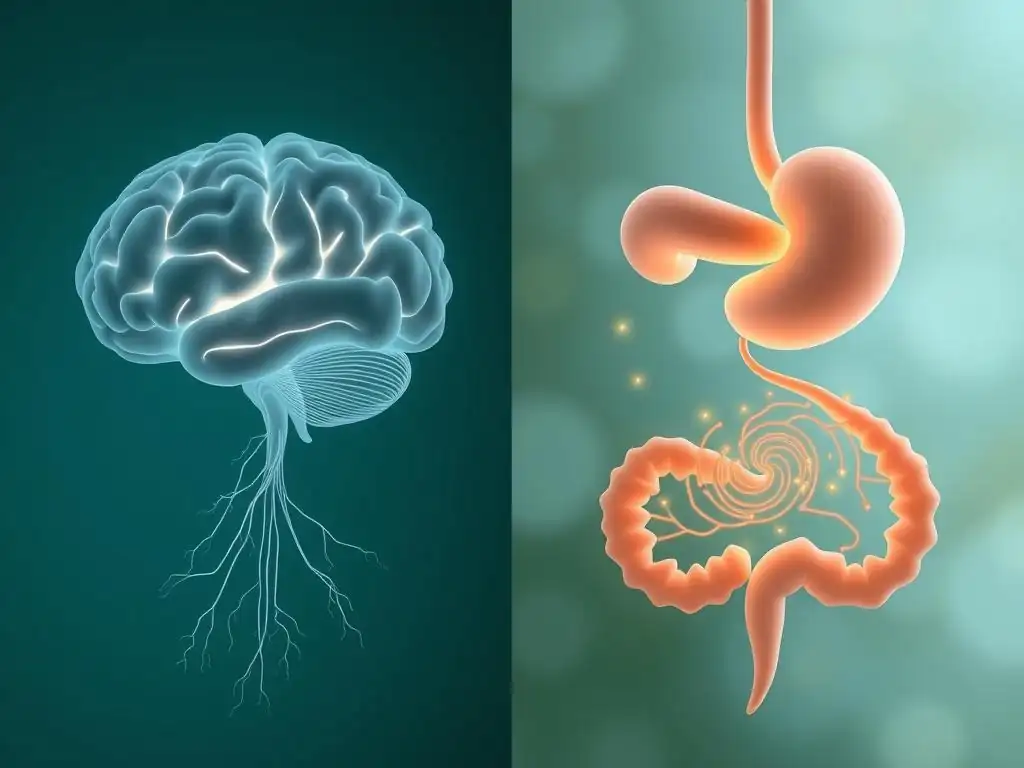
Gut Inflammation and Anxiety: What's the Connection?
Chronic low-grade inflammation in the gut is increasingly recognized as a significant contributor to anxiety. When the gut lining is compromised or the balance of gut bacteria is disrupted, it can trigger an inflammatory response. This inflammation isn't just confined to the gut; inflammatory markers can travel via the bloodstream and the vagus nerve to the brain. Once in the brain, these inflammatory molecules can activate glial cells and disrupt neuronal circuits involved in mood regulation and stress response.
Studies have shown elevated levels of inflammatory cytokines, such as IL-6 and TNF-alpha, in individuals with anxiety disorders. These same cytokines are often found to be elevated in conditions associated with gut inflammation, like Irritable Bowel Syndrome (IBS). The co-occurrence of IBS and anxiety is common, with estimates suggesting that 50-90% of people with IBS also experience anxiety or depression. This strong correlation underscores the intricate link between inflammation originating in the gut and the manifestation of anxiety symptoms.
The Vagus Nerve: The Highway Between Gut and Brain
The vagus nerve is a major neural pathway that serves as a direct communication link between the gut and the brain. It is the longest cranial nerve, extending from the brainstem down to the abdomen, innervating many internal organs, including the stomach and intestines. This nerve allows signals to travel in both directions: from the brain to the gut (influencing digestion, motility, and secretion) and, importantly, from the gut to the brain (relaying information about the gut's state, including distension, inflammation, and the presence of microbial metabolites).
Gut bacteria can influence the vagus nerve directly or indirectly. They can produce compounds that stimulate vagal nerve endings in the gut wall. For example, certain SCFAs can activate receptors on vagal afferent neurons. Changes in the gut microbiome composition or activity due to dysbiosis can alter vagal signaling, potentially sending distress signals to the brain that contribute to increased anxiety or altered mood states. The vagus nerve is a critical component of the gut-brain connection benefits anxiety management by acting as a conduit for signals that influence emotional processing.
Dietary Strategies for a Healthier Gut and Reduced Anxiety
Probiotics and Prebiotics: Fueling a Healthy Gut-Brain Axis
Incorporating probiotics and prebiotics into your diet is a key strategy for supporting a healthy gut microbiome and, consequently, the gut-brain axis. Probiotics are live beneficial bacteria that, when consumed in adequate amounts, confer health benefits. Certain probiotic strains, often referred to as "psychobiotics," have shown promise in studies for their ability to positively influence mood and reduce anxiety symptoms. Examples include specific strains of Lactobacillus and Bifidobacterium.
Prebiotics are non-digestible fibers that serve as food for beneficial gut bacteria, helping them to grow and thrive. Good sources of prebiotics include garlic, onions, leeks, asparagus, bananas, and oats. By selectively feeding beneficial microbes, prebiotics help shift the gut microbiome towards a healthier composition, which in turn supports the production of beneficial metabolites like SCFAs and reduces inflammation. Combining probiotics and prebiotics (a synbiotic approach) can be particularly effective for optimizing gut health.
The Anti-Inflammatory Diet: A Gut-Friendly Approach to Anxiety Relief
An anti-inflammatory diet focuses on foods that reduce systemic inflammation, which, as discussed, is closely linked to anxiety. This type of diet is inherently gut-friendly as it promotes a diverse and healthy microbiome. Key components include plenty of fruits and vegetables, which are rich in fiber and antioxidants, feeding beneficial bacteria and reducing oxidative stress.
Omega-3 fatty acids, found in fatty fish like salmon, flaxseeds, and walnuts, are powerful anti-inflammatory agents that can also positively influence brain health. Avoiding processed foods, excessive sugar, unhealthy fats, and artificial additives is crucial, as these can promote inflammation and dysbiosis. Embracing a whole-foods, plant-rich diet, similar to the Mediterranean diet, can significantly improve gut health, reduce inflammation, and potentially lessen anxiety symptoms by strengthening the gut-brain connection benefits anxiety sufferers.
Lifestyle Factors Impacting the Gut-Brain Axis
Stress Management Techniques for Gut and Mental Health
Chronic stress is detrimental to both gut health and mental well-being, creating a vicious cycle within the gut-brain axis. Stress hormones, like cortisol, can directly alter gut motility, increase gut permeability, and change the composition of the gut microbiome, often favoring less beneficial bacteria. This disruption can then exacerbate anxiety symptoms, highlighting the need to manage stress effectively.
Implementing stress management techniques is therefore vital. Practices such as mindfulness meditation, deep breathing exercises, yoga, and spending time in nature have been shown to lower cortisol levels and activate the parasympathetic nervous system (the "rest and digest" system), which has a calming effect on both the gut and the brain. Regular physical activity is also a powerful stress reliever and has been shown to positively influence gut microbiome diversity. Prioritizing stress reduction is a direct way to support the gut-brain connection benefits anxiety reduction.
The Importance of Sleep for a Healthy Gut-Brain Connection
Sufficient and quality sleep is another critical, yet often overlooked, factor influencing the gut-brain axis. Sleep deprivation and irregular sleep patterns can negatively impact gut health by altering the circadian rhythms of gut bacteria and disrupting the gut barrier function. Studies have shown that even just a few nights of insufficient sleep can lead to changes in the gut microbiome composition, potentially increasing the risk of dysbiosis and related issues.
Poor sleep is also strongly linked to increased anxiety and stress. The bidirectional nature of the gut-brain axis means that sleep disturbances can negatively impact gut health, which in turn can worsen anxiety and further disrupt sleep. Aiming for 7-9 hours of quality sleep per night is essential for maintaining a healthy gut microbiome and supporting optimal brain function, thereby contributing positively to the gut-brain connection benefits anxiety management. Establishing a consistent sleep schedule and creating a relaxing bedtime routine can significantly improve both sleep and gut health.
Beyond Diet: Other Therapies for Gut-Brain Health
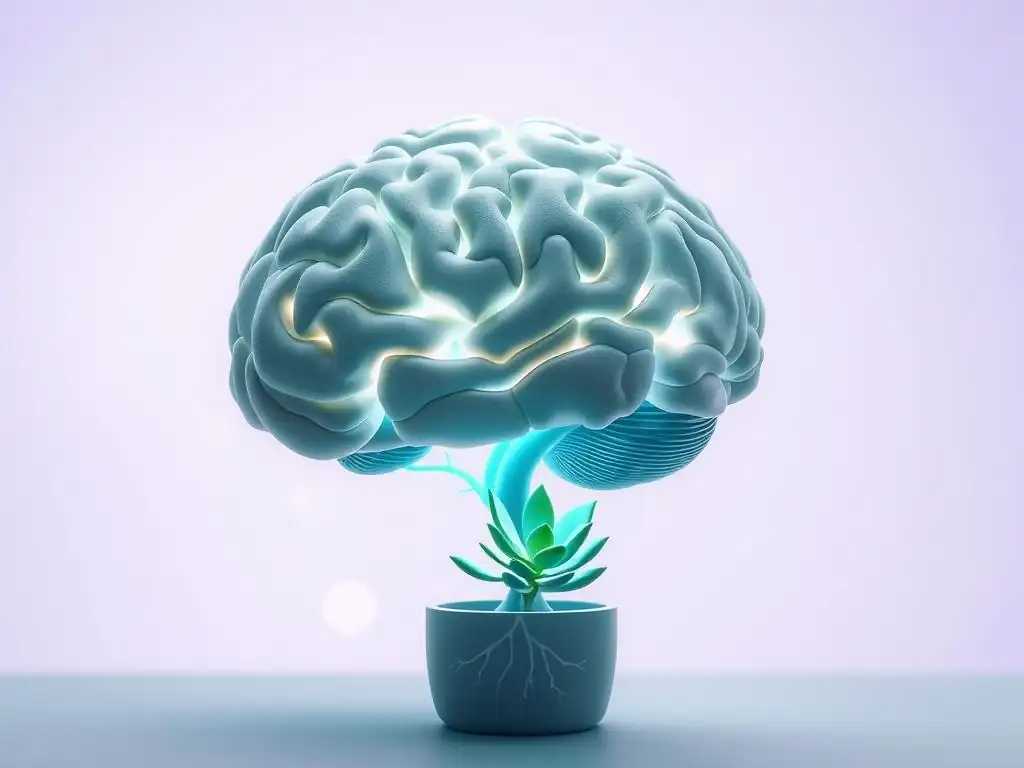
While the gut significantly influences the brain, psychological interventions remain crucial, especially when anxiety is intertwined with gut issues like IBS. Cognitive Behavioral Therapy (CBT) is a well-established therapeutic approach that helps individuals identify and challenge negative thought patterns and behaviors contributing to anxiety. When applied to gut-related anxiety, CBT can help individuals cope with symptoms, reduce fear and avoidance behaviors related to their gut issues, and manage the stress that exacerbates both gut symptoms and anxiety.
Gut-directed hypnotherapy is another behavioral therapy that has shown particular effectiveness for conditions like IBS. It involves guided relaxation and suggestion to help control gut function and alleviate symptoms. By addressing the psychological component of the gut-brain interaction, these therapies can help regulate the stress response, which in turn can positively influence gut motility, sensitivity, and potentially even the gut microbiome, demonstrating how psychological approaches also contribute to the gut-brain connection benefits anxiety relief.
Alternative Therapies for Supporting the Gut-Brain Connection [Acupuncture, Meditation]
Several alternative therapies are explored for their potential to influence the gut-brain axis and support mental well-being. Acupuncture, for instance, involves stimulating specific points on the body, which some research suggests can modulate the nervous system and reduce inflammation. While more research is needed, some studies indicate potential benefits for gut motility and stress reduction, indirectly influencing the gut-brain dialogue.
Meditation, particularly mindfulness meditation, directly impacts the brain's response to stress and can promote relaxation, influencing the vagus nerve and reducing cortisol levels. Regular meditation practice has been associated with changes in brain structure related to emotional regulation and stress processing. By calming the nervous system, meditation can create a more favorable environment for gut health, illustrating another pathway through which practices can support the gut-brain connection benefits anxiety reduction. These therapies often work by reducing stress and promoting relaxation, which are key to a healthy gut-brain axis.
The Future of Gut-Brain Research and Mental Health Treatment
Emerging Research on the Gut-Brain Axis
Research into the gut-brain axis is a rapidly evolving field, constantly uncovering new insights into its complexities. Future studies are exploring more specific mechanisms by which individual bacterial strains or metabolites influence brain function and behavior. Techniques like fecal microbiota transplantation (FMT), which involves transferring stool from a healthy donor to a recipient, are being investigated for their potential to treat conditions like depression and anxiety by fundamentally altering the recipient's microbiome.
Scientists are also developing more sophisticated methods to analyze the gut microbiome, including metagenomics and metabolomics, to understand the functional capacity of the microbial community and the specific compounds they produce. This advanced understanding could lead to highly targeted probiotic or prebiotic interventions, or even entirely new classes of psychobiotic drugs designed to modulate specific pathways within the gut-brain axis for therapeutic effect.
Personalized Approaches to Gut-Brain Health for Anxiety Management
One of the most exciting prospects in gut-brain research is the potential for personalized interventions. Since each individual's gut microbiome is unique, future treatments for anxiety and other mental health conditions might be tailored based on a person's specific microbial profile. Instead of broad recommendations, individuals might receive targeted dietary advice, specific probiotic strains, or prebiotic fibers identified through microbiome testing as most likely to benefit their particular gut ecosystem and address their specific symptoms.
This personalized approach could revolutionize how we manage anxiety. By understanding the specific imbalances in an individual's gut microbiome or the unique inflammatory pathways involved, clinicians could develop highly effective, targeted strategies that leverage the gut-brain connection benefits anxiety management more effectively than generalized approaches. This moves towards a more holistic and individualized model of mental healthcare, recognizing the profound interplay between our internal microbial world and our mental state.
Practical Tips for Nurturing Your Gut-Brain Connection
Simple Steps to Improve Gut Health and Reduce Anxiety
Improving your gut health doesn't require drastic changes overnight. Start with simple, sustainable steps.
- [ ] Increase dietary fiber: Aim for 25-30 grams of fiber daily from diverse sources like fruits, vegetables, legumes, and whole grains. This feeds beneficial gut bacteria.
- [ ] Incorporate fermented foods: Regularly consume foods like yogurt with live active cultures, kefir, sauerkraut, kimchi, or kombucha. These are natural sources of probiotics.
- [ ] Stay hydrated: Drink plenty of water throughout the day, as hydration is essential for digestive function and overall gut health.
- [ ] Manage stress: Practice relaxation techniques like deep breathing or short meditations daily, even for just 5-10 minutes.
- [ ] Prioritize sleep: Aim for consistent bedtime and wake-up times, even on weekends, to regulate your body's natural rhythms.
- [ ] Move your body: Engage in regular physical activity; it benefits both your gut and your mood.
Implementing these steps consistently can gradually shift your gut microbiome towards a healthier state, supporting a stronger gut-brain connection benefits anxiety reduction over time.
Monitoring Your Gut Health: What to Look For [Bloating, Constipation, Diarrhea]
Paying attention to your body's signals is crucial for understanding your gut health. Common signs of potential gut imbalance or distress include:
- Bloating: Persistent or excessive gas and abdominal distension after eating.
- Constipation: Having fewer than three bowel movements per week, or difficulty passing stools.
- Diarrhea: Loose, watery stools occurring frequently.
- Changes in stool consistency or frequency.
- Abdominal pain or discomfort.
- Unexplained fatigue.
- Skin issues like acne or eczema.
While occasional symptoms are normal, chronic digestive issues can be indicative of underlying gut problems that might be impacting your mental health. If you experience persistent symptoms, it's important to consult a healthcare professional to rule out medical conditions and discuss potential strategies for improving your gut health, potentially leveraging the gut-brain connection benefits anxiety relief.
Conclusion: Harnessing the Power of the Gut-Brain Connection for Anxiety Relief
The Importance of a Holistic Approach to Mental Wellbeing
Understanding the gut-brain connection fundamentally shifts our perspective on mental health. It moves beyond viewing anxiety solely as a brain-based disorder and highlights the critical role of the body, particularly the gut, in influencing our emotional state. A holistic approach to mental wellbeing acknowledges this intricate interplay, recognizing that true wellness requires addressing both the mind and the body in tandem.
This means integrating strategies that support gut health—through diet, lifestyle, and targeted interventions—with traditional psychological therapies and stress management techniques. By nurturing a healthy gut ecosystem, we can positively influence neurotransmitter production, reduce inflammation, and strengthen the vital communication pathways between the gut and the brain. This integrated approach offers a more comprehensive and potentially more effective path towards managing and reducing anxiety.
Moving Forward: Empowering Yourself Through Gut-Brain Awareness
Empowering yourself with knowledge about the gut-brain connection is the first step towards taking proactive control of your mental health. Recognize that your daily choices regarding diet, sleep, stress, and activity levels have a profound impact not only on your physical health but also on the trillions of microbes living within you, and consequently, on your mood and anxiety levels.
By making conscious choices to support your gut health, you are directly investing in your mental resilience. Explore different dietary strategies, experiment with stress reduction techniques, prioritize sleep, and pay attention to how your body responds. Consulting with healthcare professionals, including dietitians or gut health specialists, alongside mental health practitioners, can provide personalized guidance on leveraging the gut-brain connection benefits anxiety management tailored to your specific needs. Embracing this perspective opens up new avenues for enhancing your overall well-being.
Frequently Asked Questions
How is the gut connected to the brain?
The gut and brain are connected through the gut-brain axis, a complex bidirectional communication network involving the nervous system, endocrine system, and immune system. This axis allows the gut and brain to constantly exchange information.
What is the role of gut bacteria in mental health?
Gut bacteria produce neurotransmitters like serotonin and dopamine, which influence mood and behavior. Imbalances in gut bacteria, called dysbiosis, have been linked to anxiety and depression.
What are the potential benefits of targeting the gut-brain connection for anxiety?
Targeting the gut-brain connection may offer new avenues for anxiety management. Strategies like probiotics, prebiotics, and dietary changes could potentially reduce anxiety symptoms by improving gut health.
What are some practical steps someone can take to improve their gut health for mental well-being?
Focus on a balanced diet rich in fiber, fruits, and vegetables. Incorporate fermented foods like yogurt and kimchi to promote beneficial gut bacteria. Consider consulting a healthcare professional before making significant dietary changes.
Is the gut-brain connection a proven cure for anxiety?
While promising, the gut-brain connection is not a guaranteed cure for anxiety. It's a complex area of research, and more studies are needed. Consider it as a supportive strategy within a comprehensive mental health plan.
Final Reflection: Unlocking the Mind-Gut Axis for Anxiety Relief
The burgeoning field of gut-brain research offers a powerful, and often overlooked, pathway to managing anxiety. Understanding the intricate communication between our gut microbiome and our brain is no longer a niche scientific pursuit; it's a crucial piece of the puzzle in addressing the pervasive issue of anxiety disorders. This knowledge holds the potential to revolutionize how we approach mental health, moving beyond solely pharmaceutical interventions to embrace a holistic, personalized approach.
The impact of this connection on our cultural understanding of anxiety is profound. We're shifting from a purely psychological model to one that recognizes the significant role of our gut health. This paradigm shift is empowering individuals to take a more active role in their mental well-being, moving beyond simply managing symptoms to addressing the root causes. The gut is the second brain,
a phrase often used, highlights the growing awareness of this powerful connection, but it's crucial to remember that it's a complex interplay, not a simple cause-and-effect relationship. This understanding allows for a more nuanced and effective approach to anxiety treatment.
Consider the implications of this research for your own life. Are you actively nurturing your gut health? Are you paying attention to the signals your body sends you?
This isn't about quick fixes or miracle cures; it's about cultivating a mindful relationship with your body and understanding the intricate dance between your mind and your gut. By making conscious choices about your diet, lifestyle, and stress management, you can actively participate in fostering a healthier gut microbiome and, in turn, a calmer, more resilient mind. Take the time to learn more, explore the research, and discover how you can harness the power of the gut-brain connection to alleviate anxiety and improve your overall well-being.
Unlock Your Gut's Wisdom: Take Control of Your Wellbeing
Thanks for exploring the fascinating world of the gut-brain connection with us! You've now armed yourself with valuable insights into how your gut health impacts your overall wellbeing. Let's put this knowledge into action.
- Prioritize gut-friendly foods: Start incorporating more fiber-rich fruits, vegetables, and fermented foods into your diet this week. Notice how you feel!
- Track your progress (and celebrate!): Keep a simple food diary noting any changes in your energy levels, mood, or digestion. Share your wins in the comments below—let's build a supportive community!
- Consider a mindful eating practice: Try paying close attention to your meals without distractions. This helps improve digestion and allows you to truly appreciate your food.
What small step will you take today to nurture your gut-brain connection?