
Best Mental Wellness Apps
Discover the best mental wellness apps designed to transform your daily routine into a powerful tool for emotional balance, resilience, and self-care. Whether you're seeking guided CBT therapy programs, expert-led meditation, or reliable anxiety relief techniques, our curated reviews help you navigate free and paid options with confidence. From mood tracking insights to sleep improvement solutions, these top-rated apps combine science-backed methods with user-friendly design—so you can build healthier habits anytime, anywhere. Start your journey toward calmer days and restful nights with the perfect digital companion for your mind.
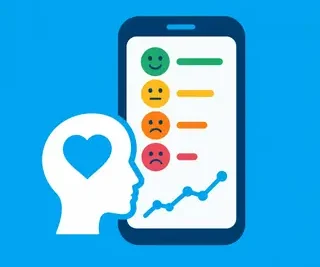 Mood Tracking Apps - Finding the Right One for You
 Top Anxiety Relief Apps - Features and Pricing
 Best Sleep Improvement Apps - Reviews and Comparisons
 Best Meditation Apps for Beginners - Free and Paid Options
 Apps for CBT Therapy - Guided Programs
Best Mental Wellness Apps: Your Digital Path to Better Mental Health
Welcome to Mind Care Guide’s comprehensive hub for the best mental wellness apps available today. Whether you are battling stress, seeking structured therapy, improving sleep, or learning to meditate, we have curated in-depth reviews, feature comparisons, and honest pricing breakdowns. Our goal is to help you find the perfect digital companion for your unique journey toward emotional resilience and well-being. Explore our specialized subcategories below to discover expert-backed recommendations tailored to your specific needs.
🧠 Apps for CBT Therapy - Guided Programs
Dive into our top picks for Cognitive Behavioral Therapy (CBT) apps that offer structured, guided programs. These apps provide evidence-based techniques to help you identify and reframe negative thought patterns, manage depression, and reduce anxiety. Expect detailed reviews of platforms like BetterHelp and Talkspace that combine professional human support with interactive CBT exercises, alongside self-led tools such as Woebot and Youper. We analyze session quality, therapist credentials, and program effectiveness so you can choose a solution that fits your lifestyle and budget.
🧘 Best Meditation Apps for Beginners - Free and Paid Options
New to mindfulness? Our meditation app reviews highlight beginner-friendly options like Calm, Headspace, and Insight Timer, breaking down their free tiers versus premium subscriptions. We cover key features such as guided sessions, breathing exercises, and sleep stories, plus guidance on how to build a sustainable daily practice. Discover which app offers the most supportive onboarding, clear voice guidance, and practical progress tracking to help you cultivate calm and focus without feeling overwhelmed or spending unnecessarily.
😴 Best Sleep Improvement Apps - Reviews and Comparisons
Restful sleep is foundational to mental health, and our sleep app comparisons focus on tools that genuinely help. We review apps like Sleep Cycle, Pzizz, and Slumber that use smart alarms, white noise, and progressive relaxation audio. Look for our side-by-side analysis of features like sleep tracking accuracy, customizable soundscapes, and integration with wearable devices. We also provide practical tips on using these apps to combat insomnia and anxiety-related sleep disturbances, ensuring you wake up refreshed and ready to face the day.
🌿 Top Anxiety Relief Apps - Features and Pricing
Our curated list of anxiety relief apps targets immediate stress reduction and long-term coping strategies. Features we prioritize include breathing exercises, grounding techniques, crisis support, and daily check-ins. We compare premium versus free versions of apps such as Rootd, Sanvello, and MindShift, with transparent pricing details. Each review explains how the app handles panic attacks, general worry, and social anxiety, helping you select a reliable digital tool that provides quick relief during tough moments while building your resilience over time.
📊 Mood Tracking Apps - Finding the Right One for You
Understanding your emotional patterns is key to mental wellness. Our mood tracker app guides explore tools like Daylio, Moodnotes, and Journey that let you log daily feelings, identify triggers, and visualize trends with charts. We discuss ease of use, privacy policies, and advanced features such as journaling prompts, habit tracking, and exportable reports for therapists. Whether you prefer a simple tap-to-log interface or a comprehensive digital diary, our comparisons help you find the right balance of simplicity and depth to suit your personal needs.
Frequently Asked Questions
Are mental wellness apps effective for treating clinical anxiety or depression?
Yes, many mental wellness apps are effective as complementary tools, especially those based on CBT or mindfulness. Research shows they can reduce mild to moderate symptoms. However, they are not a substitute for professional therapy or medication. Always consult a healthcare provider for severe conditions. Apps can help you build coping skills, track symptoms, and provide daily support between sessions.
What is the average cost of premium mental wellness app subscriptions?
Premium subscriptions typically range from $5 to $15 per month when billed annually, or $10 to $30 on a monthly basis. Many apps offer free versions with limited features. Some therapy-based apps like BetterHelp charge per session (often $60–$90 weekly). Always check for student discounts, free trials, or hardship programs. Companies like Headspace and Calm frequently have promotional offers.
How do I choose between a self-guided app and one with human therapists?
Choose a self-guided app (like Moodnotes or Woebot) if you prefer privacy, affordability, and flexibility to work at your own pace. Opt for a therapy-included app (like Talkspace) if you need personalized guidance, crisis support, or have complex issues. Assess your budget, comfort sharing deep emotions digitally, and whether you need medication management, which typically requires a live psychiatrist.
Can meditation apps really help a complete beginner with no prior experience?
Absolutely. Top apps like Calm and Headspace are designed specifically for beginners, offering short 3-to-5-minute sessions, clear instructions, and gentle cues. They teach foundational techniques like focused breathing and body scanning. Consistency matters more than session length. Many users report reduced stress and better sleep within two weeks of daily use. Free trials let you test different styles before committing.
Do mood tracking apps share my personal mental health data with third parties?
Reputable apps prioritize privacy, but not all are equal. Read each app's privacy policy carefully. Most premium apps encrypt data and avoid selling your health information. However, some free apps may share anonymized data for research or advertising. Always disable optional data sharing in settings. For maximum privacy, choose apps like Daylio that store data locally on your device, without cloud sync unless you enable it.