Mindfulness, CBT & More: Exploring Features in Leading Anxiety Apps (Pricing)
🌟 Discover how top anxiety apps for mindfulness integrate CBT techniques and innovative features to support mental well-being, helping users manage anxiety…
Read article

Discover the best-in-class solutions for calming your mind with our curated selection of top anxiety relief apps, where we break down essential features and pricing to help you choose the perfect digital companion for your mental wellness journey. Whether you’re seeking guided meditations, cognitive behavioral therapy (CBT) tools, or breathing exercises, these apps are designed to reduce stress, manage panic attacks, and improve sleep—all from your smartphone. We compare free trials, subscription costs, and premium upgrades, ensuring you get transparent value without hidden fees. From award-winning platforms like Calm and Headspace to specialized tools like Woebot and Sanvello, our analysis highlights user-friendly interfaces, evidence-based techniques, and personalization options. Prioritize your peace of mind by finding an app that fits your budget and lifestyle, backed by expert reviews and real user feedback—because effective anxiety management should be accessible, practical, and sustainable. Start exploring today to transform your daily routine into a calmer, more resilient experience.
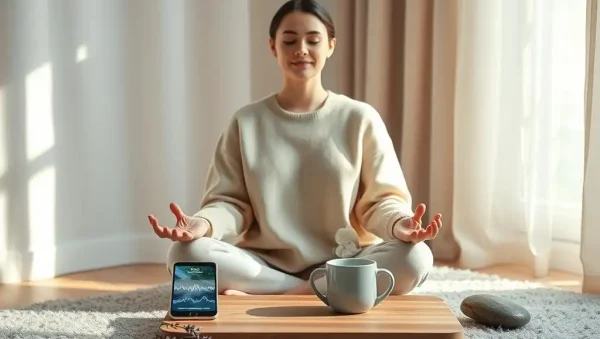
🌟 Discover how top anxiety apps for mindfulness integrate CBT techniques and innovative features to support mental well-being, helping users manage anxiety…
Read article
🌟 Discover how different anxiety app pricing options impact your mental well-being journey. Our comprehensive anxiety app pricing comparison helps you find…
Read article
🌟 Discover how anxiety apps for better health can transform your mental well-being. This guide explores key features, pricing options, and proven…
Read article
🌙 Discover the best anxiety apps for better sleep, featuring key tools like guided meditations, calming sounds, and personalized relaxation plans. Explore…
Read article
🌟 Discover how anxiety apps for personalized support can empower you to manage your mental health effectively. Learn to choose features that…
Read article
🌟 Discover the best anxiety apps for better health, carefully curated for their features, effectiveness, and affordability. This essential guide helps you…
Read article
🌟 Discover the top free anxiety apps through our comprehensive Free Anxiety Apps Benefits Review, exploring features that support mental well-being. Learn…
Read article
🌟 Discover which features in anxiety apps for relief truly make a difference. This guide reveals essential tools, pricing insights, and how…
Read article
😊 Explore our detailed anxiety app pricing comparison to help you find the best features and value. This comprehensive guide simplifies choosing…
Read article
🌟 Discover how top anxiety apps for phone can provide immediate relief through personalized exercises, calming techniques, and affordable pricing options—empowering you…
Read article
🌟 Discover essential anxiety relief app features that can transform your mental health journey. Learn what to look for in pricing and…
Read article
🌟 Discover the top anxiety apps for beginners that offer simple features and affordable pricing, making mental health support accessible. This guide…
Read articleNavigating anxiety can feel overwhelming, but the right digital companion can make a world of difference. In this subcategory, we dive deep into the top anxiety relief apps, breaking down their standout features, real-world pricing, and how they fit into your daily self-care routine. Whether you’re seeking guided meditations, cognitive behavioral therapy (CBT) tools, or breathing exercises, our curated comparisons help you choose an app that aligns with your budget and emotional needs. Let’s explore the landscape of mental wellness technology together.
When evaluating anxiety relief apps, look beyond flashy interfaces. The most effective platforms combine evidence-based techniques like CBT, mindfulness, and biofeedback with user-friendly design. Features such as mood tracking, personalized coping strategies, and progress analytics empower you to understand triggers and patterns. Many apps also offer SOS tools for panic moments, including grounding exercises and crisis hotline access, which are vital for immediate relief.
Premium apps often include structured programs, like sleep stories, journaling prompts, and community support forums. Free versions typically provide basic meditations and daily check-ins, while paid tiers unlock advanced analytics and unlimited content. We recommend testing free trials to assess if the app’s tone and pace resonate with you. Remember, the best app is one you’ll consistently use, so prioritize features that integrate seamlessly into your lifestyle.
Anxiety app pricing varies widely, from fully free tools to premium subscriptions costing $10–$20 per month. Free apps like Sanvello (limited) or MindShift CBT offer solid basics, but may include ads or restricted content. Subscription models, such as Calm or Headspace, provide comprehensive libraries, offline access, and expert-led courses. Some apps also offer lifetime purchase options or sliding-scale fees for students and low-income users—always check for these.
Annual plans often slash costs by 40–60% compared to monthly billing, and many services offer a 7–14 day free trial. Be cautious of auto-renewal terms and cancellation policies. For budget-conscious users, apps like Wysa (AI chatbot) have generous free tiers, while others like BetterHelp focus on therapy sessions at higher price points. Our detailed breakdowns compare value-for-money, ensuring you invest wisely in your mental health.
Meditation apps dominate the anxiety relief space, with Calm and Headspace leading in popularity. Calm excels with sleep stories, nature sounds, and celebrity-narrated content, while Headspace shines with structured “Basics” courses and playful animations. Both offer daily reminders and progress tracking, but Calm’s premium price (~$70/year) is slightly higher than Headspace (~$70/year, often discounted). For free alternatives, try Insight Timer, which offers thousands of guided meditations without paywalls.
These apps focus on reducing physiological arousal through breathwork and body scans. They’re ideal for mild to moderate anxiety, but not a replacement for professional therapy. If you prefer a more secular approach, check out Ten Percent Happier, which combines meditation with practical, no-nonsense coaching. Our reviews highlight user satisfaction scores, app store ratings, and real-world usability to help you pick a mindful companion that fits your daily rhythm.
For those seeking structured therapeutic techniques, CBT-based apps like Moodpath and Youper offer daily check-ins, thought reframing exercises, and behavioral activation plans. These tools use algorithms to identify cognitive distortions and suggest actionable coping strategies. Youper, an AI chatbot, provides conversational support 24/7, making it accessible for sudden anxiety spikes. Pricing ranges from free to $15/month for premium insights and personalized reports.
Clinical studies show that digital CBT can effectively reduce anxiety symptoms, especially when combined with human support. However, these apps are not a substitute for a licensed therapist. They work best as a supplement to ongoing care. Many apps also allow you to export mood logs to share with your counselor, enhancing continuity. We evaluate data privacy policies, ease of use, and scientific backing to ensure you’re choosing a credible, ethical tool.
Some anxiety apps specialize in acute relief, such as Rootd, which features a “Panic Button” with visual and audio guidance for grounding. Breathwrk and Prana Breath offer customizable breathing exercises based on yogic practices, while Breathe2Relax provides clinically validated diaphragmatic breathing training. These apps are typically low-cost (free–$10) and focus on rapid symptom management, making them great additions to your emergency toolkit.
Niche apps often lack comprehensive tracking or long-term program features, but they excel in simplicity and immediacy. For example, Rootd’s calm line guides you through a 10-step process during a panic attack, while Breathwrk includes science-backed patterns for sleep or focus. We recommend pairing a niche app with a broader wellness platform for holistic care. Our tests simulate real-world usage scenarios to assess reliability and user-friendliness under stress.
Start by identifying your primary anxiety symptoms—is it social anxiety, generalized worry, or panic attacks? If you need cognitive restructuring, choose a CBT-based app; for sleep troubles, prioritize meditation apps with sleep content. Consider your tech comfort level: older adults may prefer voice-guided apps over AI chatbots. Also, evaluate data privacy—ensure the app complies with GDPR or HIPAA where applicable.
Set a realistic budget and try free trials before committing. Many apps offer lifetime deals through platforms like AppSumo, so watch for discounts. Read the latest user reviews on app stores and trust pilot, but remember that individual responses vary. Ultimately, the perfect app should feel like a supportive friend—not another source of stress. Our detailed feature-by-feature comparisons and pricing tables make this choice simpler, guiding you toward a tool you’ll genuinely enjoy using.
Yes, but they are best used as a complement to professional treatment, not a standalone cure. Research shows that apps offering CBT or mindfulness techniques can reduce symptoms, but severe anxiety often requires therapy or medication. Always consult a mental health professional for a comprehensive plan.
Absolutely. Free versions typically provide core features like breathing exercises, basic meditations, and mood tracking. They lack advanced personalization and unlimited content, but they can still be highly effective for mild anxiety. Try free tiers first to gauge the app’s fit.
Yes, but avoid overload. Many users combine a meditation app with a panic-specific tool. Just ensure you don’t spend too much time managing apps rather than practicing techniques. Start with one primary app, then add a secondary if needed.
Some apps, like Headspace and Calm, now offer partnerships with employers or insurance providers—check with your insurer. However, most subscriptions are not reimbursable. However, you can use a Health Savings Account (HSA) for eligible apps with a prescription.
Read the privacy policy carefully. Choose apps that encrypt data, allow anonymous usage, and do not sell your information. Look for apps that comply with GDPR or HIPAA. Avoid sharing identifying details in community forums, and use a pseudonym if possible.