Quick Calm: Apps with Short Meditation Sessions for Busy Beginners
🌟 Discover the best meditation apps for beginners offering quick, effective sessions designed for busy schedules. These user-friendly tools help newcomers cultivate…
Read article

Starting a meditation practice can feel overwhelming, but the right app makes it simple, approachable, and even enjoyable for absolute beginners. Whether you’re seeking free guided sessions to dip your toes in or ready to invest in a premium, structured program, our curated picks cover the best meditation apps for beginners—balancing ease of use, science-backed techniques, and realistic pricing. From calming breathing exercises to sleep-focused tracks and daily mindfulness reminders, these tools are designed to fit seamlessly into your busy life. No prior experience needed; just a few minutes a day can unlock lasting calm, focus, and emotional resilience. Explore both no-cost starters and affordable paid upgrades to find your perfect mindful companion today.
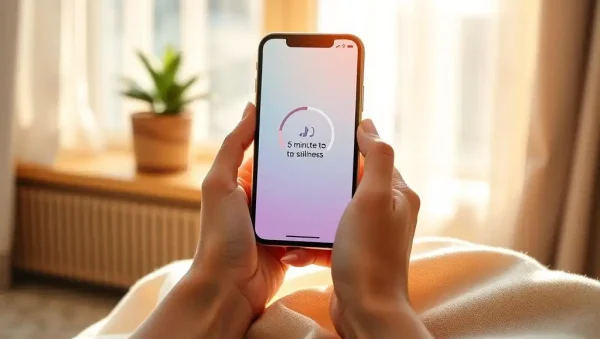
🌟 Discover the best meditation apps for beginners offering quick, effective sessions designed for busy schedules. These user-friendly tools help newcomers cultivate…
Read article
🌟 Discover how evidence-based meditation apps for beginners can transform your mental well-being, providing accessible, scientifically-supported tools to reduce stress, enhance focus,…
Read article
🌟 Discover how meditation apps for beginners foster community support, making mental well-being accessible and encouraging through beginner groups and features that…
Read article
🌅 Discover the best meditation apps for anxiety relief to start your mornings peacefully. Our guide offers top beginner-friendly tools to cultivate…
Read article
🌿 Discover the power of relaxing apps for anxiety, featuring calming backgrounds and gentle animations designed for beginners. These tools can help…
Read article
🌿 Discover how nature sounds meditation apps can transform your mental wellness routine, providing calming soundscapes that foster relaxation, reduce stress, and…
Read article
🌟 Discover the best anxiety apps for beginners that simplify meditation and promote mental well-being. This guide offers essential tools and resources…
Read article
🌟 Discover the top meditation apps for beginners to effortlessly build a daily practice, enhance mental clarity, and foster emotional well-being. These…
Read article
🌟 Discover how paid meditation apps for beginners might accelerate your journey toward mental well-being, offering structured guidance and support. Explore whether…
Read article
🌟 Discover how beginner-friendly meditation apps for focus can transform your mental clarity. This guide explores essential tools to enhance concentration, reduce…
Read article
🌟 Discover the best free meditation apps for beginners to kickstart your mental well-being journey. These accessible, budget-friendly tools offer guided sessions…
Read article
🌙 Discover the best meditation apps for sleep beginners to help you unwind and improve your nightly rest. This guide offers essential…
Read articleStarting a meditation practice can feel overwhelming, but the right app makes all the difference. On Mind Care Guide, we’ve curated the best meditation apps for beginners, balancing free and paid options to suit every budget and lifestyle. Whether you’re seeking stress relief, better sleep, or focused mindfulness, these apps offer guided sessions, breathing exercises, and progress tracking. Our subcategory breaks down user-friendly interfaces, expert-led content, and trial structures, so you can choose confidently. From popular giants like Calm and Headspace to lesser-known gems, we emphasize evidence-based techniques and accessibility. Explore our top picks, compare features, and start your journey toward calmer days—no experience required.
Free meditation apps are perfect for testing the waters without financial commitment. Apps like Insight Timer and Smiling Mind provide hundreds of free guided meditations, beginner courses, and community features. These platforms focus on accessibility, offering daily reminders, basic sleep stories, and introductory breathing tools—all without paywalls. For true beginners, the lack of cost removes pressure, letting you experiment with different styles—from body scans to loving-kindness—until you find what resonates.
Expect practical benefits: offline listening, customizable session lengths (5 to 30 minutes), and simple progress stats. Free versions often include ads or limited advanced content, but the core mindfulness education remains robust. We highlight apps that respect your privacy and avoid aggressive upselling. Many free options also integrate with health trackers, syncing your meditation minutes with Apple Health or Google Fit. This makes building a daily habit easier, especially if you’re motivated by visual milestones. Start with a 7-day beginner challenge in any free app to see immediate changes in stress levels.
Paid meditation apps typically offer richer content, personalized coaching, and premium sleep libraries. Headspace and Calm lead the market, featuring celebrity-narrated sleep stories, masterclasses, and structured 30-day programs. Prices range from $12.99 to $69.99 annually, but many offer lifetime purchase options. The investment pays off through higher-quality audio, scientific backing, and exclusive series on anxiety, focus, and chronic pain. For beginners, paid apps often provide adaptive learning paths that evolve with your progress.
Look for free trials—most paid apps offer 7 to 14 days, letting you test premium features before paying. Some apps, like Ten Percent Happier, include daily coaching videos and access to meditation teachers. Others, like Balance, offer a full-year free subscription for new users. We evaluate each paid option on value: does unlimited content, offline mode, and multi-profile support justify the cost? If you meditate daily, the per-day cost drops to pennies. Additionally, paid apps often have better customer support and no interruptive advertising, ensuring a seamless, immersive experience that beginners find less distracting.
For beginners, app design can make or break the habit. The best meditation apps feature clutter-free homescreens, large buttons, and intuitive navigation. Look for apps that ask about your experience level (’never meditated’ to ‘daily’) during onboarding, then tailor recommendations. Clear audio controls, adjustable volume, and optional background music are critical. Also, check for a ’start now’ button that requires no setup—instant access reduces friction, especially during stressful moments.
We prioritize apps with subtitles for hearing-impaired users and haptic feedback for silent mode. A valuable feature is ’beginner mode’, which hides advanced settings and presents only 10-minute sessions initially. Progress tracking, like streaks or badges, provides gentle motivation without turning meditation into a competition. Many top apps also offer widget or watch compatibility, allowing you to start a session from your wrist. We test every app on both iOS and Android, noting any glitches, loading times, or confusing subscription prompts. The ultimate goal: an app you open without hesitation, even when your mind is racing.
Beyond basic meditation, many apps include specialized modules targeting common beginner concerns. For sleep, apps like Calm offer ’Sleep Stories’ narrated by Matthew McConaughey or Stephen Fry, plus white noise and nature soundscapes. Anxiety-specific programs in apps like Sanvello use cognitive behavioral therapy techniques alongside breathing exercises. For focus and productivity, Headspace’s ’Focus’ mode includes timed sessions with background noises like rain or café chatter, perfect for work breaks.
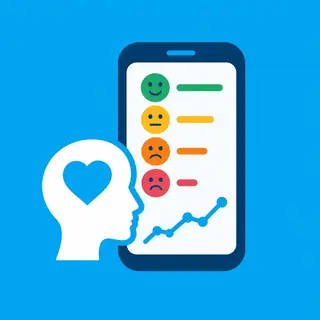
Expect guided visualizations, body relaxation scripts, and emotional check-ins. Some free apps, like MyLife (formerly Stop, Breathe & Think), let you log your feelings, then recommend matching meditations. Others, like Simple Habit, offer 5-minute ‘mini meditations’ designed for busy schedules. We highlight apps that include educational videos explaining the science behind meditation, helping you understand why you feel calmer. Always check if these features require a premium subscription—sometimes sleep stories are free, but anxiety courses cost extra. Our reviews list exactly what’s included in free versus paid tiers, so you never face surprise charges.
Meditation apps aren’t just solo experiences—many foster community support. Insight Timer has global group meditations and discussion boards, where beginners can ask questions and share progress. Headspace offers ’Buddy System’ where you can invite friends to meditate together remotely. Smiling Mind provides teacher-led modules for schools and workplaces, but also has peer support forums. Social features like these increase commitment, as you feel part of a larger mindful movement.
Expect daily reminders that are gentle, not nagging, and shareable progress cards for social media. Some apps, like Meditopia, include monthly challenges with community leaderboards, while others feature live Q&A sessions with meditation experts. For accountability, set up notifications that align with your existing routine—like after brushing your teeth—to trigger habit formation. Our recommended apps respect your data, never spamming your contacts. If community isn’t your style, choose apps with a ’private mode’ that hides social features. We also note which apps offer family plans, allowing one subscription for multiple users—ideal for beginners who want to practice with a partner or teenager.
Calm is often easiest due to its ultra-simple design and one-tap start. The onboarding asks just one question—‘What brings you here?’—then offers a 3-minute session. Headspace is also beginner-friendly, but its playful graphics might feel busier. Both have excellent free trials, so test them to see which feels more natural.
Yes, free apps can be equally effective for beginners if you use them consistently. Insight Timer and Smiling Mind have research-backed content. However, paid apps often offer more structured programs and expert feedback, which may accelerate progress. The key is consistency, not cost—choose an app you’ll actually open daily.
No, meditation apps are complementary tools, not replacements for professional mental health care. They help manage stress and mild anxiety, but if you have severe symptoms, consult a therapist. Some apps like Sanvello include crisis resources, but they don’t diagnose or treat disorders. Always follow your doctor’s advice.
Start with 5 to 10 minutes per day. This duration is achievable and builds a sustainable habit. Apps often suggest 10 minutes, but even 2 minutes of mindful breathing helps. Gradually increase to 20 minutes after a few weeks. Consistency matters more than length—a 5-minute daily practice beats a 30-minute session once a week.
Most paid apps allow offline downloads of guided sessions, while many free apps require internet. Check the app’s download feature. For privacy, avoid apps that sell data—review their policy. Insight Timer and Balance have strong privacy commitments. Always turn off microphone access if you don’t use voice features, and select apps with encrypted login.