Mood Tracking Apps – Finding the Right One for You
Tracking your emotional patterns is a powerful step toward better mental wellness, and mood tracking apps have become essential tools for millions seeking clarity and self-awareness. On Mind Care Guide, we dive deep into the best mental wellness apps, and this subcategory focuses specifically on helping you choose the perfect mood tracker for your lifestyle, personality, and mental health goals. Whether you’re managing anxiety, depression, or simply want to understand your daily emotional rhythms, the right app can transform raw data into actionable insights, improve therapy sessions, and build resilience over time. Let’s explore what makes a mood tracking app truly effective and how to match one to your unique needs.
📊 Core Features to Look for in Mood Tracking Apps
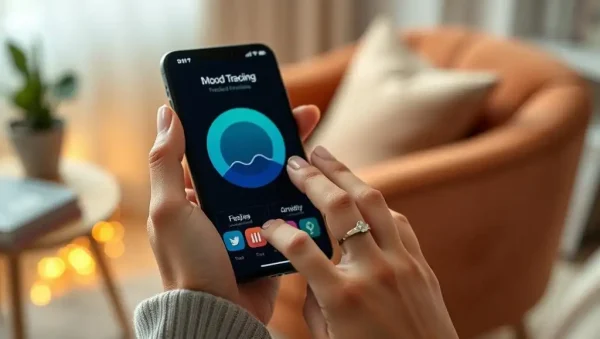
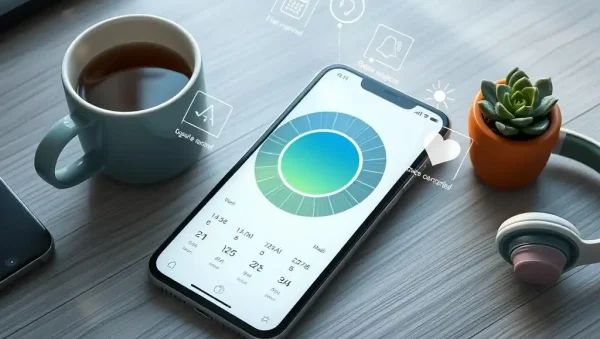
When evaluating mood tracking apps, not all are created equal. A high-quality app should offer more than just a daily emoji selector—it needs robust logging options, customizable tags (like sleep, social interactions, or medication), and the ability to add notes for context. The best ones include visual graphs and trend analysis so you can spot triggers, patterns, and correlations over weeks or months. Look for apps that support multiple daily check-ins, because your mood can shift dramatically, and one snapshot often misses the bigger picture. Also, prioritize privacy: your emotional data is sensitive, so choose apps with end-to-end encryption and clear data policies.
Another critical feature is integration with other health data, such as sleep tracking, physical activity, or menstrual cycles, since these often influence mood. Apps that offer passive tracking (via wearables) or automatic journaling prompts are more likely to keep you engaged long-term. Finally, consider the user interface—if it’s cluttered or confusing, you’ll abandon it quickly. A clean, calming design with no ads is non-negotiable for sustained use. Read user reviews in app stores and check if the developer actively updates the app, as mood tracking is a fast-evolving niche. Prioritize apps that align with your technical comfort level and offer both simplicity and depth where needed.
🧠 Science-Backed Mood Tracking vs. Simple Journaling
Some apps lean heavily on psychological frameworks like CBT (Cognitive Behavioral Therapy) or DBT (Dialectical Behavior Therapy), providing integrated exercises, coping strategies, and mood-based insights. These are excellent if you’re actively working through mental health challenges with a therapist or independently. For example, apps like Daylio and Moodnotes offer cognitive distortions checklists and guided reflections, turning raw mood entries into teachable moments. On the other hand, simple journaling apps like Day One or Bear offer total freedom but lack analytical power—you get what you write, with no pattern recognition. If you’re data-driven, choose a science-backed app that quantifies trends and offers monthly reports; if you prefer narrative expression, a minimal journal might feel more authentic.
There’s also a middle ground: hybrid apps that combine quick mood ratings with voice memos or photo prompts. These are perfect for people who struggle with writing every day but still want structure. The key is to define your primary purpose—is it to identify triggers, track medication efficacy, or simply build a self-care habit? For actionable insights, science-backed apps win; for emotional release, journaling wins. Many users start with a simple tracker and graduate to a more complex one as they become more attentive to their inner world. Test free versions first to see which methodology resonates with your daily routine before committing to a subscription.
📱 Top Mood Tracking Apps Compared (2025 Edition)
Based on our in-depth reviews, the current leaders are Daylio (best for simplicity and habit correlation), Moodpath (excellent for depression screening and daily questions), and Bearable (the most comprehensive for tracking multiple health factors). Each has unique strengths: Daylio allows micro-tagging and offline use, Moodpath provides clinically validated questionnaires and crisis resources, while Bearable syncs with Apple Health and offers customizable symptom trackers. Two others worth mentioning are Stoic (integrates journaling with positive psychology) and eMoods (designed for bipolar disorder with detailed rating scales). For users who prefer voice-based logging, Pixels Daily has become a favorite due to its voice-to-text feature and mood history graphs.
However, the “best” app is subjective—it depends on your comfort with data entry and your current mental health state. For instance, someone with severe depression might prefer the gentle, check-in-only style of Moodpath, while someone with anxiety might benefit from the triggers correlations in Daylio. We strongly recommend reading our full individual reviews for each app, but this comparison gives you a baseline for what to expect. Always test an app for at least two weeks before making a judgment, as mood tracking requires time to reveal its value. Beware of apps that offer “mood scores” without explanations—a good app should teach you, not just label you.
🔒 Privacy, Data Security, and Ethical Considerations
Your emotional data is arguably the most intimate data you can store on your phone, so privacy must be a top concern. Many free mood tracking apps monetize by selling anonymized data to third parties or using it for targeted advertising—this is often buried in their terms of service. We recommend always reading the privacy policy and looking for apps that store data locally on your device (like Daylio) or offer end-to-end encrypted cloud backups (like Bearable). Avoid apps that ask for unnecessary permissions (e.g., contacts, location) unless the feature genuinely requires it. Also, check if the app complies with GDPR or HIPAA if you’re in the EU or US healthcare sector.
Ethical considerations extend to how the app handles crises. Reputable apps like Moodpath include immediate crisis hotline buttons and safety plans, while others simply ignore mental health emergencies. That’s a dealbreaker if you’re in a vulnerable state. Also, be mindful of apps that gamify mood tracking to an extreme—daily streaks and rewards can create pressure to log even when you’re not okay, which undermines authenticity. Look for an app that encourages honesty, not just regular use. Finally, consider the company’s background: apps developed by mental health professionals (like MoodTools) tend to be more responsible than those built purely by tech entrepreneurs. Your trust should be earned by clear data policies and human-designed features, not just slick UI.
🔄 How to Integrate Mood Tracking Into Your Daily Routine
The biggest challenge with mood tracking is consistency, not the app itself. To succeed, set a specific time each day for logging—many users find morning check-ins helpful after waking (which predicts the day’s tone) and evening reviews (to reflect on overall satisfaction). Pair logging with an existing habit, like brushing your teeth or having your morning coffee, to keep it automatic. Use reminder notifications, but avoid overwhelming yourself with multiple mandatory check-ins; one or two is enough for most people. The key is to keep entries brief (under 30 seconds) so they feel effortless. Also, review your weekly or monthly reports to see your average mood, variability, and top triggers—this is where the real benefit emerges.
Don’t treat tracking as a chore; treat it as a gentle curiosity practice. If you miss a few days, don’t try to backfill—just start fresh. Many apps allow you to log “no entry today” which preserves your streak without forcing a fake emotion. For deeper integration, share your reports with a therapist or coach to enrich your sessions; they can spot patterns you might miss. If you’re doing CBT, use the app’s built-in exercises right after logging a negative emotion to practice reframing in real-time. Over time, you’ll notice that tracking itself reduces anxiety by giving you a sense of control and self-knowledge. Consistency matters more than perfection—a six-month simple log teaches you more than a week of elaborate annotations.
Frequently Asked Questions
Are mood tracking apps scientifically accurate?
No app can diagnose mental illness, but they’re effective for self-monitoring and pattern recognition. Studies show that consistent mood tracking increases emotional awareness and can help track treatment progress. However, you must pair it with professional care for clinical decisions. Apps like Moodpath use validated questionnaires, but they’re screening tools, not diagnostic ones. Always treat the data as one source of truth, not the only one.
Can mood tracking apps replace therapy or medication?
They are supportive tools, not replacements. They can complement therapy by providing objective data for your therapist, but they don’t offer personalized treatment plans or crisis intervention. If you have severe depression, bipolar disorder, or suicidal thoughts, seek professional help immediately. Apps are best used in conjunction with an existing care plan, never as a substitute.
How long should I use a mood tracker before noticing benefits?
Most users see value after 2–4 weeks of daily logging, as you start to see repeating patterns and triggers. However, deeper insights like seasonal affect or medication response may take 2–3 months. The key is regularity—using it sporadically diminishes its usefulness. Set a 90-day commitment and then reassess whether the app is helping you grow.
What if I forget to log my mood for several days?
That’s perfectly normal—it happens to everyone. Never backfill old entries as you’ll likely misremember your emotions. Most good apps have a “skip” or “missed day” function that keeps your streak alive without forcing an entry. Just resume on the next day with a fresh check-in. The data is still useful even with gaps, as long as you don’t try to invent past feelings.
Do I need to pay for a premium version to get a good experience?
Not always. Many free versions (like Daylio’s basic tier or Moodpath’s daily journal) offer core mood tracking with charts for free. Premium features usually include unlimited tags, advanced reports, export options, and personalized insights. If you’re serious about long-term tracking, a one-time purchase (like Bearable’s lifetime option) is often better than a subscription. Start free, test for a month, then decide if paid features are worth it for you.