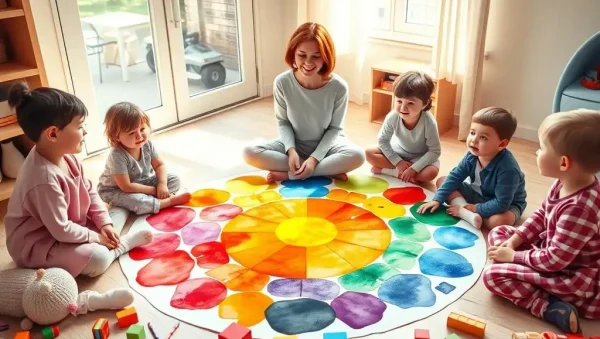
Parenting and Mental Health: Raising Resilient Children
Welcome to our dedicated guide on parenting and mental health, focused specifically on raising resilient children. Here at Mind Care Guide, we understand that nurturing a child’s emotional strength is as vital as their physical health. This subcategory offers evidence-based strategies, practical tools, and compassionate advice to help you foster adaptability, emotional regulation, and a positive mindset in your kids, from toddlers to teens. Discover how to build a family environment that thrives on connection, communication, and courage, turning everyday challenges into opportunities for growth.
🌱 Building Emotional Intelligence from an Early Age
Emotional intelligence (EQ) is the foundation of resilience. In this section, you’ll learn how to help your child identify, name, and express their feelings constructively. Start with simple practices like "feeling check-ins" during meals and using emotion cards for younger kids. We explain how validating emotions—without immediately fixing them—teaches children that their feelings are manageable and temporary.
Expect step-by-step scripts for handling tantrums, anxiety, and frustration, plus age-appropriate activities like mood journals and breathing exercises. Research shows that children with high EQ perform better academically and socially. By prioritizing emotional vocabulary at home, you equip your child with a lifelong toolkit for stress management, empathy, and healthy relationships—key pillars of mental resilience.
🛡️ Teaching Problem-Solving and Adaptability Skills
Resilient children don’t avoid problems; they learn to navigate them. This section focuses on a practical four-step model: Stop, Think, Choose, Act. You’ll learn how to guide your child through challenges without solving everything for them, fostering independence and confidence. We cover real-life scenarios like school conflicts, homework struggles, and friendship issues.
Adaptability also means embracing change, from moving to a new school to dealing with parental separation. We provide simple "change rituals" that normalize transitions, and "what-if" games that build cognitive flexibility. By modeling your own problem-solving out loud, you show your child that mistakes are stepping stones, not dead ends. The result: a child who faces setbacks with curiosity rather than fear.
💬 Fostering Open Communication and Active Listening
Conversation is the bridge to resilience. Here, we delve into how to create a judgment-free zone where your child feels safe sharing their worries. Learn the power of active listening—making eye contact, nodding, and reflecting back their words—which validates their experience and reduces anxiety. We also cover how to ask open-ended questions that move beyond "How was school?" to "What was the hardest part of your day?"
Discover how to navigate difficult topics like bullying, peer pressure, and self-harm with honesty and calm. Our guides include "start sentences" that lower defensive walls, and digital communication tips for teens who prefer texting. Consistent, open dialogue builds trust, which is the single strongest protective factor against mental health struggles in children. When kids know they’re heard, they’re more likely to seek help early.
🧘 Mindfulness and Stress-Reduction for Kids
Stress is inevitable, but its impact can be buffered. This section introduces child-friendly mindfulness practices that lower cortisol and boost focus. Expect guided meditations, "spider-man breathing" (deep belly breaths), and sensory grounding exercises (5-4-3-2-1 method) that are perfect for anxious moments. We also share how to create a "calm corner" at home with fidget tools, calming jars, and books about feelings.
Beyond exercises, we discuss modeling mindfulness—how your own regulated nervous system teaches your child self-soothing. Research links regular mindfulness to improved sleep, better emotional control, and reduced symptoms of depression in youth. Start with just two minutes a day; our resources help you weave practice into chaotic mornings and bedtime routines. The result is a family culture that values stillness and self-awareness.
🤝 Building a Supportive Family Ecosystem
Resilience grows in community. Here, we explore how to strengthen sibling bonds, involve extended family, and collaborate with teachers and counselors. Learn to create family rituals like weekly "gratitude circles" or "wins and struggles" dinners that reinforce a sense of belonging. We also address the importance of parents’ own mental health—how your self-care directly impacts your child’s resilience.
Expect practical checklists for talking to teachers about emotional support, and when to seek professional help (therapists, school psychologists). We demystify therapy, reducing stigma, and offer guidance on building an "emotional first aid kit" for your home. A child who knows they have multiple adults in their corner is far more likely to rebound from adversity. This section empowers you to be both a resource and a role model.
📱 Navigating Digital Resilience and Screen Time
Today’s children face unique digital pressures—cyberbullying, social comparison, and information overload. This section equips you with strategies to build digital resilience, not just limits. Learn how to co-create family media agreements that balance safety and freedom, and teach critical thinking about online content. We cover recognizing signs of online distress and fostering a healthy digital identity.
Our guides include "tech-free zones" (mealtimes, bedrooms) and "digital detox challenges" that encourage offline play and hobbies. We also discuss how to handle exposure to disturbing news or inappropriate content, using age-appropriate explanations. By empowering your child to be a savvy digital citizen, you reduce anxiety and increase their ability to disconnect and recharge. Resilience now includes the skill of navigating virtual worlds with confidence.
Frequently Asked Questions
What age should I start teaching resilience to my child?
You can begin as early as infancy by responding sensitively to your baby’s cries, building secure attachment. Toddlers learn through simple choices and comforting phrases. Formal problem-solving skills take root around age 4-5, but the foundation is always a safe, predictable environment. Start now with small, consistent practices.
How do I help my child cope with failure or disappointment?
Normalize failure as a learning step. Say "That didn’t work—what can we try next?" instead of overpraising. Encourage reflection without blame. Share your own failures and what you learned. Model a growth mindset by focusing on effort, not outcome. This teaches perseverance and reduces fear of trying.
What are signs my child might need professional mental health support?
Persistent sadness, withdrawal, sleep or appetite changes, drop in grades, or frequent physical complaints lasting over two weeks warrant a consultation. Also watch for self-harm talk or intense anxiety. Early intervention is key. Start with your pediatrician or school counselor; they can refer you to a child therapist.
Can screen time actually affect my child’s resilience?
Yes. Excessive screen time, especially passive scrolling, is linked to higher anxiety and lower self-esteem. It reduces opportunities for face-to-face problem-solving and creative play. Set limits, but more importantly, curate high-quality content. Teach mindful consumption—discuss what they watch and how it makes them feel.
How do I balance being supportive without being overprotective?
Give your child age-appropriate responsibilities and let them face natural consequences (within safety limits). Use the "scaffolding" approach: do it with them, then let them try alone. Ask "What do you think you could do?" before jumping in. Your role is to be a safety net, not a helicopter.