Discover the Transformative Power of Solo Wellness Travel for Mental Health
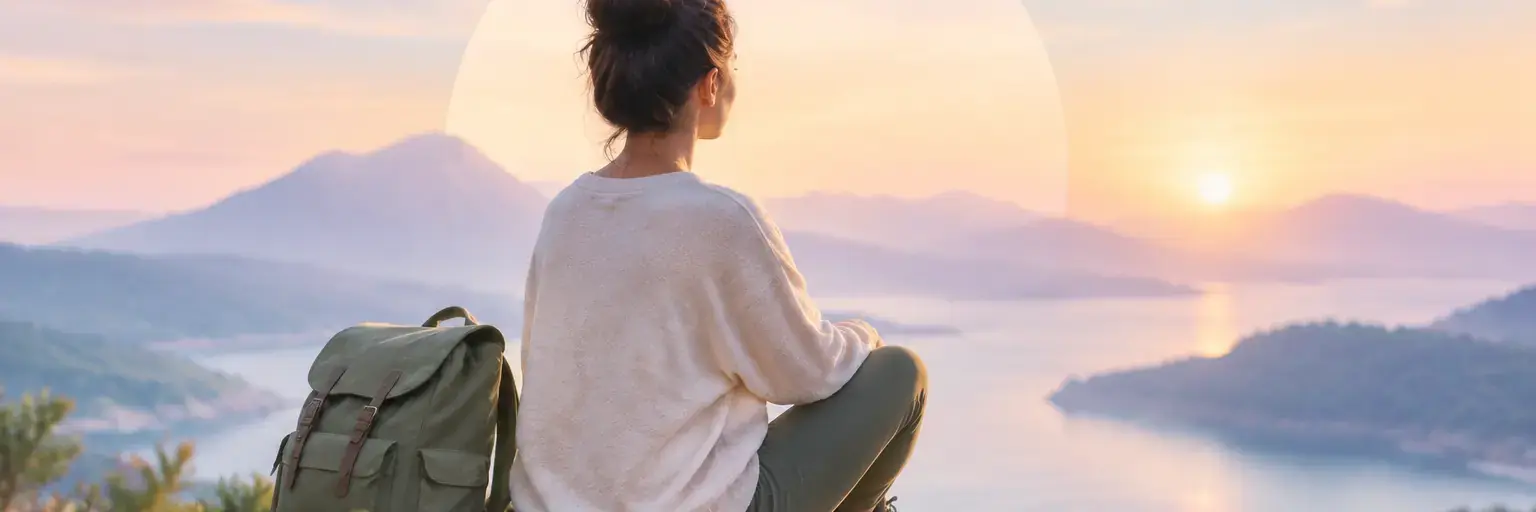
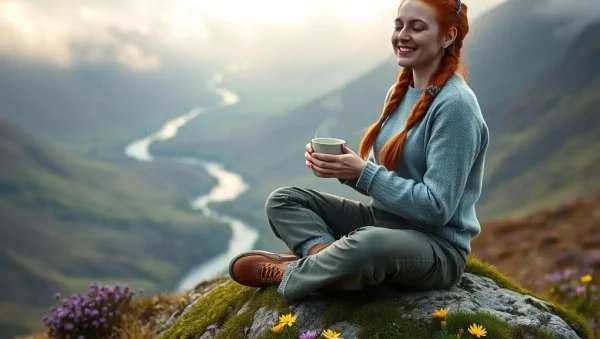
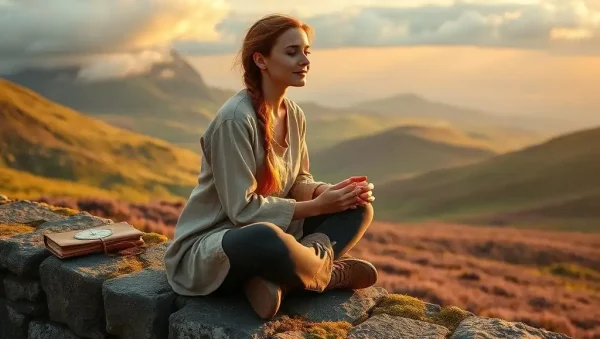
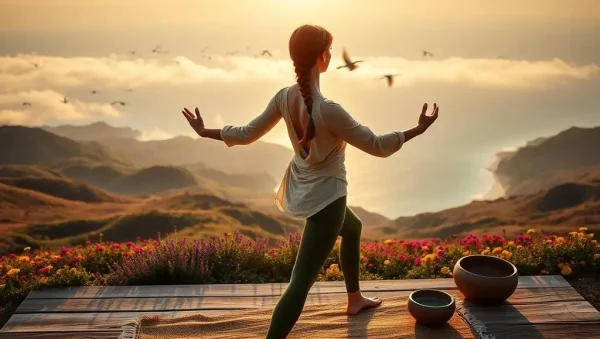
Embarking on a solo wellness journey is one of the most courageous and rewarding steps you can take for your mental health. This subcategory of Mental Wellness Retreats & Experiences focuses on the unique benefits of traveling alone to find peace, reset your nervous system, and reconnect with your inner self. Whether you’re seeking solitude, guided meditation, or nature-based therapy, solo wellness travel offers a personalized path to emotional healing without the distractions of daily life. Below, we explore the key dimensions of this life-changing practice.
🌿 Why Solo Travel Amplifies Mental Health Benefits
Traveling alone removes social pressures and external expectations, allowing your mind to shift from constant doing to simply being. Research shows that solo travel reduces cortisol levels, boosts creativity, and fosters self-reliance—all essential for managing anxiety, depression, and burnout. When you choose a wellness-focused destination, you integrate restorative practices like yoga, journaling, and forest bathing into your daily rhythm, creating a sustainable mental health toolkit that lasts long after you return home.
Unlike group retreats, solo wellness travel lets you set your own pace. You can wake at dawn for a silent beach walk, spend an entire afternoon in a meditation garden, or simply rest without guilt. This autonomy is therapeutic in itself: it rebuilds trust in your own decisions and cultivates self-compassion. For those who struggle with people-pleasing or chronic stress, this freedom is not just a luxury—it’s a profound healing mechanism.
🧘♀️ Best Destinations for Solo Mental Health Retreats
From the tranquil rice terraces of Bali to the rugged coastlines of Portugal, the world is full of spaces designed for introspection and renewal. Top choices include Esalen Institute in California for hot springs and Gestalt therapy, Chiva-Som in Thailand for holistic wellness, and Finca de Arrieta in Lanzarote for digital detox and surf therapy. Each location offers structured programs—like breathwork, sound healing, and cognitive behavioral coaching—while leaving ample time for solitude.
When selecting a destination, consider factors like climate, accessibility, and the type of support you need. Some travelers thrive in eco-lodges with daily group meditation, while others prefer self-guided retreats where they can hike alone and cook their own meals. Use platforms like Mind Care Guide to filter retreats by therapeutic focus, accommodation style, and budget. Remember, the goal is not just sightseeing but self-discovery—so prioritize places that offer quiet reflection and professional mental health support if needed.
📝 Crafting a Personalized Solo Wellness Itinerary
A successful solo wellness trip begins with intention setting. Before you book, ask yourself: What do I want to release or cultivate? Write down three emotional goals—such as reducing anxiety, processing grief, or boosting self-esteem. Then design your days around activities that support those goals: morning meditation, therapeutic art classes, nature hikes, or even volunteering at a local animal sanctuary. The structure should feel nourishing, not overwhelming.
Include built-in flexibility for rest and spontaneity. Overpacking your schedule defeats the purpose of decompression. Instead, plan one anchor activity per morning and leave afternoons free for journaling, napping, or exploring without a map. Many solo travelers find that digital detoxes—no phone, no social media—accelerate mental clarity. If that feels too extreme, set specific "unplugged" hours each day. Your itinerary is a living document; let your mood guide adjustments, not a rigid checklist.
💪 Overcoming Loneliness and Fear of Solo Travel
It’s normal to feel a mix of excitement and dread before your first solo wellness trip. Many people fear loneliness or safety concerns, especially when traveling to unfamiliar places. The key is to prepare emotionally and practically. Start with a shorter domestic retreat or a weekend wellness escape to build confidence. Choose accommodations with 24/7 front desk staff, in-room safety features, and positive solo traveler reviews. Join online forums to connect with other solo wellness travelers who can share tips and encouragement.
To combat loneliness, schedule one “social touchpoint” per day—a group yoga class, a cooking workshop, or a shared dinner at a communal table. These interactions are low-pressure and often lead to meaningful connections, yet you retain the freedom to retreat into solitude whenever you wish. Remind yourself that discomfort is part of growth. Journal each evening about your feelings, and soon you’ll discover that being alone with yourself is not scary—it’s liberating and deeply grounding.
🌙 Post-Trip Integration: Turning Travel into Lasting Change
The real challenge begins when you return home. Without a plan, the peace you found on retreat can evaporate quickly. Dedicate your first week back to integration: maintain a simplified morning routine, limit social obligations, and schedule weekly “mini-retreats” like a long bath with meditation music or a solo hike. Create a vision board or a digital journal with photos, insights, and promises to yourself. This tangible reminder keeps the experience alive and motivates ongoing mental health practices.
Consider ongoing support options, such as a therapist who specializes in somatic experiencing, or an online mindfulness group for solo travelers. Some retreats offer alumni coaching sessions—take advantage of these! Track your mood daily for a month using a simple app or paper chart; this data reveals what habits made the most impact. Ultimately, solo wellness travel is not a vacation from reality but a training ground for a healthier mind. By embedding its lessons into your daily life, you turn a temporary escape into a permanent transformation.
Frequently Asked Questions
Is solo wellness travel safe for a first-timer?
Yes, if you choose reputable destinations and take basic precautions. Start with a domestic retreat, book through verified platforms, and inform your hotel of your solo status. Many wellness centers offer airport pickup and 24/7 staff. Trust your instincts—if a location feels unsafe, leave. Read recent solo traveler reviews and pack essential safety items like a door alarm and personal locator.
How much does a solo mental health retreat cost?
Costs range widely, from budget-friendly $100 per night at simple eco-lodges to $1,000+ at luxury spas. Most mid-range retreats cost $200–$400 daily, including meals and activities. To save money, choose shoulder seasons, book glamping or shared cabins, and look for retreats that include free therapy sessions. Many centers offer scholarships or sliding-scale fees for mental health participants—always ask.
Can I travel solo if I have severe anxiety or depression?
Yes, but proceed with professional guidance. Consult your therapist or doctor before booking, and choose destinations with on-site mental health professionals. Keep your medication with you and share your itinerary with a trusted friend. Start with a 3-day retreat near home to ease your nervous system. The structured yet flexible environment of wellness travel often boosts resilience, but it’s not a substitute for ongoing treatment.
What should I pack for a solo wellness trip?
Pack light and functional: comfortable activewear, a journal, a water bottle, earplugs, and an eye mask. Bring any supplements or medications, plus a light rain jacket and layers for temperature changes. Include a calming essential oil and a face mask for evening self-care. Leave valuables at home—the goal is simplicity. Additionally, pack a book about mindfulness or mental health for quiet reading time.
How do I choose between a guided retreat and a self-guided solo trip?
Guided retreats suit those who want structure, licensed therapists, and built-in group support—ideal for beginners or those with deeper emotional needs. Self-guided trips offer full freedom, lower costs, and complete solitude—great for experienced travelers who prefer DIY meditation and nature therapy. Consider your tolerance for planning and your comfort with unstructured time. Many combine both: a few guided days followed by solo exploration.