
The Role of Elders: Wisdom and Support in Indigenous Mental Health Journeys

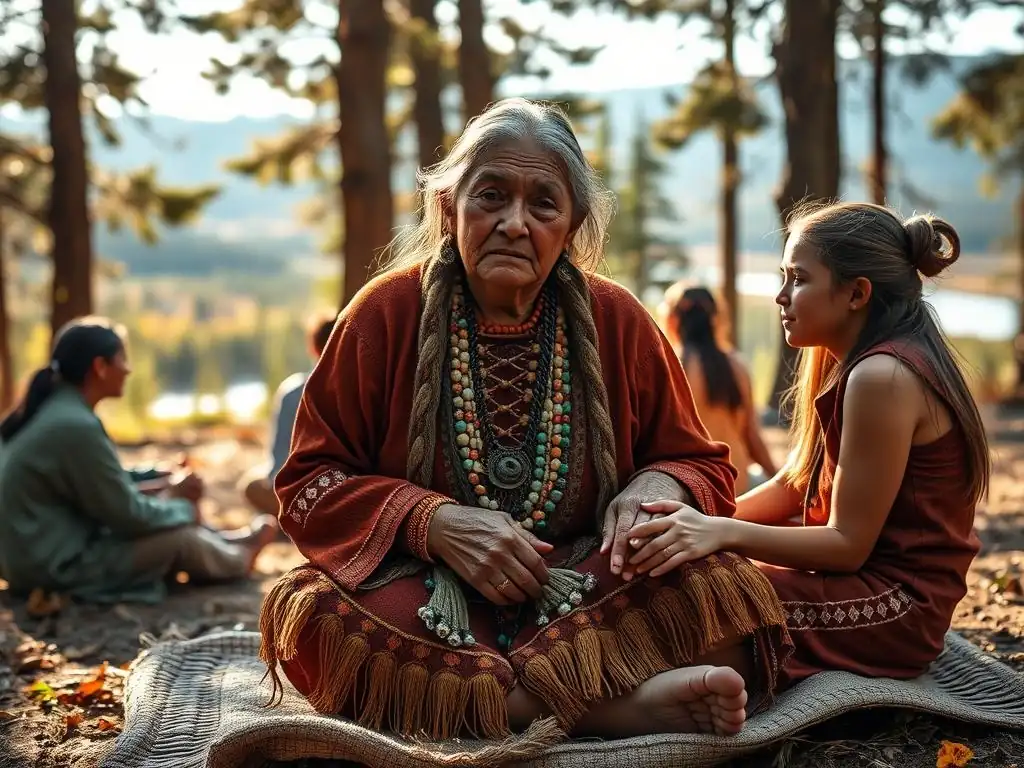
Welcome to Mind Care Guide, a sanctuary for your mental well-being journey.
Feeling lost or uncertain about how to support Indigenous elders in their mental health journeys? You're not alone. Delve into our comprehensive guide, " The Role of Elders: Wisdom and Support in Indigenous Mental Health Journeys," and discover vital insights into this crucial area. We'll explore the unique challenges and the profound ways elders contribute to healing and resilience. Keep reading to unlock a deeper understanding and find practical steps to make a difference.
The Role of Elders: Wisdom and Support in Indigenous Mental Health Journeys
-
Understanding Indigenous Mental Health and the Importance of Cultural Connection
- The Unique Mental Health Challenges Faced by First Nations, Inuit, and Métis Communities in Canada
- The Power of Culture in Healing and Well-being: Language, Traditions, and Connection to Land
- Recognizing the Role of Indigenous Knowledge Systems: Traditional Medicines, Spirituality, and Holistic Approaches
-
The Vital Role of Indigenous Elders in Mental Health
- Indigenous Elders as Keepers of Traditional Knowledge and Healing Practices: Stories, Teachings, and Ceremonies
- Providing Spiritual Guidance and Emotional Support: Wisdom, Comfort, and a Sense of Belonging
- Bridging the Gap Between Traditional Practices and Modern Mental Health Care: Collaboration and Understanding
- How Indigenous Elders Support Mental Health Journeys
- Benefits of Indigenous Elder Involvement in Mental Health Care
-
Overcoming Barriers to Accessing Elder Support for Mental Health
- Addressing Stigma and Misconceptions Surrounding Mental Health in Indigenous Communities: Education and Awareness
- Improving Access to Traditional Healers and Resources: Funding, Transportation, and Cultural Sensitivity
- Fostering Collaboration Between Elders and Mental Health Professionals: Training, Communication, and Mutual Respect
-
Strategies for Supporting Indigenous Elder Mental Health Support Initiatives
- Community-Based Mental Health Programs Led by Elders: Culturally Relevant Services and Support
- Funding and Resources for Traditional Healing Practices: Medicines, Ceremonies, and Training
- Training and Education for Mental Health Professionals on Cultural Competency: Indigenous Perspectives and Protocols
-
Promoting Intergenerational Healing Through Elder Involvement
- Connecting Youth with Elders for Cultural Transmission and Support: Language, Traditions, and Identity
- Addressing Historical Trauma and its Impact on Mental Health: Residential Schools, Colonialism, and Intergenerational Effects
- Building Stronger, More Resilient Indigenous Communities: Cultural Pride, Self-Governance, and Well-being
- Resources for Indigenous Mental Health and Elder Support
- Conclusion: Honoring the Wisdom of Elders for Mental Well-being in Indigenous Communities
-
Frequently Asked Questions
- What unique role do Indigenous Elders play in mental health support within their communities?
- How can families and individuals access Indigenous Elder mental health support?
- What are some of the traditional healing practices that Elders may offer in mental health support?
- How does intergenerational trauma impact Indigenous mental health and how can Elders help?
- Why is it important to prioritize culturally sensitive approaches when addressing Indigenous mental health?
- Final Reflection: Honoring the Circle of Elders, Healing the Future
- Uncover Your Role in Indigenous Wellness
Understanding Indigenous Mental Health and the Importance of Cultural Connection
The Unique Mental Health Challenges Faced by First Nations, Inuit, and Métis Communities in Canada
First Nations, Inuit, and Métis communities across Canada face significant and unique mental health challenges, largely stemming from the enduring impacts of colonization, including residential schools, forced displacement, and systemic discrimination. These historical traumas have created intergenerational effects that manifest in various ways, such as higher rates of anxiety, depression, substance use disorders, and tragically, suicide, particularly among youth.
The Truth and Reconciliation Commission of Canada highlighted the profound and lasting damage inflicted by residential schools on the mental and emotional well-being of Indigenous peoples, a legacy that continues to impact families and communities today. Addressing these complex issues requires an understanding of their historical roots and a commitment to culturally appropriate and trauma-informed approaches.
Furthermore, contemporary issues like poverty, inadequate housing, lack of access to clean water, and ongoing discrimination exacerbate existing mental health burdens. Many communities, especially those in remote areas, also face significant barriers to accessing mainstream mental health services, including geographical isolation, lack of culturally competent practitioners, and language barriers. These factors contribute to a disparity in mental health outcomes compared to the general Canadian population, underscoring the urgent need for accessible and effective Indigenous elder mental health support and culturally grounded interventions that recognize and validate the unique experiences and histories of Indigenous peoples.
The Power of Culture in Healing and Well-being: Language, Traditions, and Connection to Land
Culture plays a profoundly vital role in the healing and well-being journeys of Indigenous individuals and communities. Language, traditions, and a deep connection to the land are not merely cultural elements; they are foundational pillars of identity, resilience, and recovery.
Revitalizing Indigenous languages, many of which were suppressed or lost due to colonial policies, is crucial as language carries traditional knowledge, worldviews, and healing concepts that cannot be fully translated into other languages. Engaging in traditional practices such as drumming, dancing, singing, and ceremonies provides a sense of belonging, continuity, and cultural pride, countering the isolation and shame often associated with historical trauma.
The inherent connection to the land is another powerful source of healing. For many Indigenous peoples, the land is considered a relation, a teacher, and a provider, offering spiritual grounding and physical sustenance. Spending time on the land, engaging in traditional harvesting, hunting, fishing, or simply being in nature, can have significant positive impacts on mental and emotional health.
This connection fosters a sense of place and purpose, reinforcing identity and resilience. Integrating these cultural elements into mental wellness strategies, including through Indigenous elder mental health support programs, is essential for fostering holistic healing that addresses the spiritual, emotional, physical, and mental aspects of a person's well-being.
Recognizing the Role of Indigenous Knowledge Systems: Traditional Medicines, Spirituality, and Holistic Approaches
Indigenous knowledge systems offer rich and comprehensive frameworks for understanding health and healing that are inherently holistic. Unlike Western models that often separate mind, body, and spirit, Indigenous approaches view these as interconnected facets of a person's being, deeply integrated with family, community, and the natural world. This holistic perspective is crucial for addressing mental health challenges in a way that resonates with Indigenous worldviews. Traditional medicines, including plant-based remedies and ceremonial practices, are integral to these systems, used not just for physical ailments but also for emotional and spiritual healing.
Spirituality, often expressed through ceremonies, prayer, and connection to ancestral ways, provides a foundation for resilience, hope, and meaning. Elders and traditional healers hold deep knowledge of these practices and their application in supporting well-being.
Recognizing and valuing these Indigenous knowledge systems is paramount for effective mental health support. It means moving beyond simply acknowledging culture to actively incorporating traditional healing practices and spiritual guidance, often facilitated through Indigenous elder mental health support initiatives, into mental wellness programs, ensuring that care is not only culturally safe but also culturally effective and rooted in the strengths and wisdom of Indigenous traditions.
The Vital Role of Indigenous Elders in Mental Health
Indigenous Elders as Keepers of Traditional Knowledge and Healing Practices: Stories, Teachings, and Ceremonies
Indigenous Elders are revered figures within their communities, holding a vital role as the keepers of traditional knowledge, histories, and healing practices. Their wisdom, accumulated over lifetimes, is passed down through oral traditions, including stories, teachings, and participation in ceremonies. These narratives often contain profound lessons about resilience, coping with adversity, and the interconnectedness of all life, offering guidance and perspective to those facing mental health challenges. Elders understand the historical context of current struggles and can share ancestral wisdom that has sustained communities through difficult times, providing strength and hope.
Furthermore, Elders are often knowledgeable in traditional healing methods, such as the use of specific plants for medicinal purposes, the protocols for cleansing ceremonies like smudging, and the significance of various rituals aimed at restoring balance and harmony. Access to this traditional knowledge, facilitated by Indigenous elder mental health support, provides culturally relevant pathways to healing that may be more effective and comforting for many Indigenous individuals than Western-only approaches. Their guidance ensures that these practices are carried out correctly and respectfully, maintaining their integrity and power.
Providing Spiritual Guidance and Emotional Support: Wisdom, Comfort, and a Sense of Belonging
Beyond their role as knowledge keepers, Indigenous Elders provide invaluable spiritual guidance and emotional support. They offer a source of comfort, non-judgmental listening, and a sense of belonging for those struggling with mental health issues. In many Indigenous cultures, seeking guidance from an Elder is a natural and respected way to navigate life's difficulties, including emotional and spiritual distress. Elders can help individuals connect with their spirituality, find meaning in their experiences, and strengthen their sense of identity, which are crucial components of mental well-being.
Their presence alone can be grounding and reassuring. Elders often hold a deep understanding of the spiritual dimensions of illness and wellness, offering perspectives that resonate deeply within Indigenous worldviews. This Indigenous elder mental health support provides a culturally safe space where individuals can express their feelings, fears, and hopes without fear of stigma. Their wisdom offers solace and practical advice rooted in cultural values, helping individuals feel connected to their community and heritage, which is a powerful protective factor against mental health challenges.
Bridging the Gap Between Traditional Practices and Modern Mental Health Care: Collaboration and Understanding
Indigenous Elders play a critical role in bridging the gap between traditional healing practices and modern mental health care systems. As communities increasingly seek integrated approaches to wellness, Elders can collaborate with mental health professionals to ensure that services are culturally sensitive and effective. They can help non-Indigenous practitioners understand cultural nuances, communication styles, and the significance of traditional healing methods, fostering a more respectful and effective therapeutic relationship. This collaboration is essential for building trust and increasing the likelihood that Indigenous individuals will access and benefit from mental health services.
This bridging role also involves advocating for the inclusion of traditional healing within mainstream health services. Elders can guide the development of programs that blend Western therapeutic techniques with Indigenous cultural practices, such as incorporating talking circles, ceremonies, or land-based healing into treatment plans. Successful collaboration requires mutual respect, open communication, and a willingness from both sides to learn from each other. Supporting initiatives that facilitate this partnership is key to enhancing Indigenous elder mental health support within a broader healthcare context, ultimately leading to more holistic and effective care for Indigenous peoples.
How Indigenous Elders Support Mental Health Journeys
Traditional Healing Practices Guided by Elders
Elders are central to the facilitation of traditional healing practices that support mental health journeys. These practices are deeply embedded in Indigenous cultures and offer powerful ways to address trauma, emotional distress, and spiritual imbalance. They provide a culturally safe and familiar environment for healing, drawing on centuries of accumulated wisdom about well-being.
Smudging and Ceremony for Emotional Cleansing: Sage, Sweetgrass, and Sacred Rituals
Smudging is a sacred ritual involving the burning of traditional medicines like sage, sweetgrass, cedar, or tobacco. Guided by Elders, smudging is used for cleansing negative energy, purifying spaces, and promoting emotional and spiritual balance. The smoke is traditionally fanned over a person, object, or area with a feather or hand, intended to cleanse the mind, body, and spirit.
This practice is widely used before important meetings, ceremonies, or when someone is feeling overwhelmed or distressed. It provides a tangible, culturally significant way to release emotional burdens and create a sense of calm and renewal, serving as a form of Indigenous elder mental health support.
Other ceremonies, such as sweat lodge ceremonies or healing circles, also guided by Elders, offer profound opportunities for emotional release, spiritual connection, and community support. These rituals are designed to promote healing on multiple levels, using elements like heat, steam, prayer, and shared vulnerability within a sacred space. Participation under the guidance of an Elder ensures these powerful experiences are conducted safely and respectfully, maximizing their therapeutic benefits for mental well-being.
Storytelling as a Tool for Healing and Resilience: Sharing Experiences and Lessons from the Past
Storytelling is a cornerstone of Indigenous oral traditions and a powerful tool for healing and building resilience. Elders share traditional stories, creation myths, historical accounts, and personal narratives that carry cultural values, life lessons, and coping strategies. These stories can help individuals understand their place in the world, connect with their ancestors, and gain perspective on their own struggles. Listening to stories of survival, resilience, and overcoming adversity can be incredibly empowering for someone dealing with mental health challenges.
Elders also facilitate sharing circles, where individuals are encouraged to share their own stories in a safe and supportive environment. This process of giving voice to one's experiences, particularly those related to trauma or distress, can be deeply cathartic. The Elder's role is to hold the space, listen with respect, and sometimes offer gentle guidance or connect the personal story to broader cultural teachings. This form of Indigenous elder mental health support validates individual experiences within a collective context, fostering connection and reducing feelings of isolation.
Connecting with the Land for Grounding and Well-being: Nature Walks, Traditional Harvesting, and Land-Based Learning
Connection to the land is fundamental to Indigenous well-being and is actively facilitated by Elders. Land-based activities, such as nature walks, traditional harvesting (berries, medicines, etc. ), fishing, hunting, or simply spending time outdoors, provide grounding and a sense of peace. The land itself is seen as a source of healing energy and wisdom. Elders teach about the interconnectedness of all living things and the importance of respecting and caring for the environment, a teaching that extends to caring for oneself.
Land-based learning programs, often led by Elders, offer opportunities to reconnect with cultural practices tied to the land, such as learning about traditional plants and medicines, tracking animals, or navigating by natural signs. These activities promote physical activity, reduce stress, and strengthen cultural identity. For individuals struggling with mental health issues, spending time on the land under the guidance of an Elder can offer a profound sense of calm, perspective, and connection to something larger than themselves, serving as a vital form of Indigenous elder mental health support.
Elder-Led Support Groups and Community Programs: Sharing Circles and Cultural Activities
Elder-led support groups and community programs are essential components of Indigenous mental health support. These initiatives provide culturally safe spaces for individuals to connect with peers who share similar experiences and cultural backgrounds, reducing feelings of isolation and fostering a sense of community. Sharing circles, a common format for these groups, are facilitated by Elders who create an environment of trust and respect where participants can speak openly about their challenges and triumphs.
These programs often incorporate cultural activities such as drumming, singing, traditional crafts, or preparing traditional foods. These activities are not just recreational; they are therapeutic, promoting cultural connection, skill-building, and social interaction. Elder involvement ensures that these programs are rooted in cultural values and protocols, making them highly relevant and effective for Indigenous participants. The consistent presence and guidance of Elders provide stability and a deep sense of cultural safety, making these programs vital sources of Indigenous elder mental health support within communities.
Mentorship and Guidance for Younger Generations: Role Modeling, Cultural Transmission, and Life Skills
Elders play a critical role as mentors and guides for younger generations, a form of intergenerational Indigenous elder mental health support that is invaluable. They serve as positive role models, embodying resilience, wisdom, and cultural pride. Through informal interactions and structured mentorship programs, Elders pass on traditional knowledge, language, and life skills, helping young people develop a strong sense of identity and belonging. This cultural transmission is crucial for countering the negative impacts of historical trauma and promoting positive youth development.
Mentorship from Elders can provide young people with a trusted adult figure outside of the immediate family, offering a safe space to discuss challenges, seek advice, and learn about their heritage. Elders can share teachings on healthy relationships, conflict resolution, and coping mechanisms rooted in traditional wisdom. This guidance helps youth navigate the complexities of adolescence and young adulthood with greater confidence and cultural grounding, significantly contributing to their mental and emotional well-being and acting as a preventative measure against mental health crises.
Benefits of Indigenous Elder Involvement in Mental Health Care
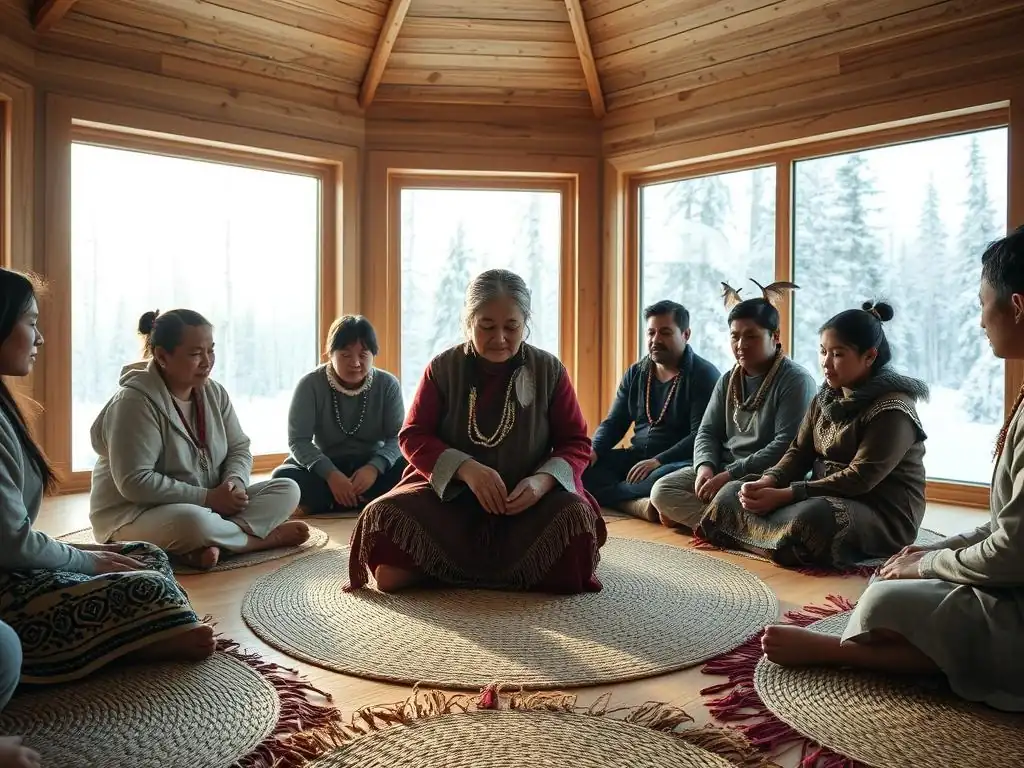
Increased Trust and Engagement in Mental Health Services: Cultural Safety and Respect
One of the most significant benefits of incorporating Indigenous elder mental health support into mental health care is the resulting increase in trust and engagement from Indigenous individuals. Many Indigenous peoples have historical reasons to distrust mainstream institutions, including healthcare systems, due to past experiences of discrimination and cultural insensitivity. The presence and involvement of Elders create a bridge of trust. Elders are respected within their communities, and their endorsement or involvement in services signals that the care is being delivered in a culturally safe and respectful manner.
When Elders are present, individuals are more likely to feel understood and validated, as Elders inherently grasp the cultural context of their experiences, including the impacts of intergenerational trauma. This cultural safety is paramount; it means feeling secure and respected within a healthcare setting, knowing that one's cultural identity and history are acknowledged and honoured. Increased trust leads to greater willingness to seek help, attend appointments, and engage fully in treatment, ultimately improving mental health outcomes.
Culturally Sensitive Approaches to Treatment and Recovery: Holistic Care and Traditional Practices
Indigenous elder mental health support facilitates the implementation of truly culturally sensitive approaches to treatment and recovery. Rather than simply adapting Western models, the involvement of Elders allows for the integration of Indigenous worldviews, healing practices, and spiritual dimensions into care plans. This results in holistic care that addresses the interconnectedness of mind, body, spirit, and community, which is fundamental to Indigenous concepts of wellness.
Elders can guide practitioners on how to incorporate traditional practices such as smudging, storytelling, land-based healing, or ceremonial components into therapeutic interventions where appropriate and desired by the individual. This integration makes treatment more relevant and meaningful for Indigenous clients, enhancing their engagement and motivation for recovery. Culturally sensitive care, informed and guided by Elders, moves beyond mere tolerance of cultural differences to actively incorporating and valuing Indigenous ways of knowing and healing, leading to more effective and sustainable recovery journeys.
Promoting Resilience and Hope Within Indigenous Communities: Strength, Identity, and Self-Determination
The active involvement of Indigenous elders in mental health support plays a crucial role in promoting resilience and instilling hope within Indigenous communities. Elders embody the strength and survival of their people, having navigated immense historical and contemporary challenges. Their presence and teachings remind community members of their inherent resilience, drawing upon centuries-old traditions of overcoming adversity.
By sharing cultural knowledge and values, Elders help individuals strengthen their sense of identity and cultural pride. A strong cultural identity is a powerful protective factor against mental health issues, providing a foundation of belonging and self-worth. Furthermore, Elder-led initiatives and their involvement in mental health services contribute to community self-determination, empowering communities to define and address their own wellness needs using their own cultural resources. This focus on inherent strength, cultural identity, and self-determination, facilitated by Indigenous elder mental health support, fosters a collective sense of hope and capacity for healing and positive change.
Overcoming Barriers to Accessing Elder Support for Mental Health
Addressing Stigma and Misconceptions Surrounding Mental Health in Indigenous Communities: Education and Awareness
Stigma and misconceptions surrounding mental health pose significant barriers to accessing support, including Indigenous elder mental health support, within Indigenous communities. Historical trauma and cultural factors can contribute to reluctance to discuss mental health issues openly or seek help, sometimes viewing struggles as personal failings rather than health challenges. Misconceptions about traditional healing or fear of judgment can also prevent individuals from reaching out to Elders or participating in cultural healing practices.
Addressing this requires ongoing education and awareness initiatives within communities. These efforts, often led by Elders and community health workers, aim to normalize conversations about mental wellness, destigmatize mental health challenges, and highlight the effectiveness and cultural safety of seeking support, including from Elders. Sharing stories of recovery and emphasizing the strength found in traditional ways can help shift perceptions. Creating safe spaces for dialogue and providing accurate information about mental health and available resources are crucial steps in breaking down these barriers.
Improving Access to Traditional Healers and Resources: Funding, Transportation, and Cultural Sensitivity
Accessing traditional healers and resources, including Indigenous elder mental health support, can be challenging due to practical barriers. Many Elders and traditional healers live in remote locations, and transportation can be a significant issue for individuals needing to travel to see them or attend ceremonies. Funding for traditional healing practices and the support of Elders is often inadequate compared to mainstream health services, limiting availability.
Improving access requires dedicated funding for traditional healing programs, including resources for Elder honoraria, travel support for individuals, and the maintenance of ceremonial grounds or healing spaces. Healthcare systems need to develop culturally sensitive protocols for connecting clients with traditional healers, recognizing their expertise and integrating them into care pathways where appropriate and requested. This includes ensuring that non-Indigenous staff understand and respect traditional protocols and practices, removing systemic barriers that hinder access to culturally relevant care.
Fostering Collaboration Between Elders and Mental Health Professionals: Training, Communication, and Mutual Respect
Effective Indigenous elder mental health support often requires collaboration between Elders and Western-trained mental health professionals. However, historical power imbalances and differing worldviews can sometimes create barriers to this collaboration. Lack of understanding of each other's roles, knowledge systems, and protocols can lead to miscommunication and mistrust.
Fostering successful collaboration requires intentional effort, including cultural competency training for mental health professionals specifically focused on Indigenous histories, cultures, and the role of Elders. Training should emphasize mutual respect, active listening, and a willingness to learn from Indigenous knowledge keepers.
Establishing clear communication channels and protocols for how Elders and professionals can work together, such as co-facilitating groups or consulting on care plans (with client consent), is essential. Building relationships based on trust and mutual respect is key to creating integrated models of care that effectively combine the strengths of both traditional and contemporary approaches, enhancing the overall quality of Indigenous elder mental health support.
Strategies for Supporting Indigenous Elder Mental Health Support Initiatives
Community-Based Mental Health Programs Led by Elders: Culturally Relevant Services and Support
[] Establish funding streams specifically for Elder-led mental health programs. [] Support the development of community-specific wellness plans that prioritize Elder involvement. [] Provide resources for traditional medicines, ceremonial supplies, and space for cultural activities. [] Ensure programs are accessible, including transportation support and flexible scheduling.
Community-based mental health programs led by Elders are vital for providing culturally relevant services and support. These programs are designed by and for the community, ensuring they reflect local needs, cultural practices, and protocols. Elders are not just participants but are in leadership roles, guiding the program's philosophy and activities. This approach ensures that mental wellness initiatives are deeply rooted in cultural values and are delivered in a manner that is safe and comfortable for community members.
Funding and resources are critical for the sustainability and effectiveness of these programs. This includes providing adequate honoraria for Elders' time and expertise, covering the costs of traditional medicines and ceremonial items, and securing appropriate spaces for gatherings and activities. Supporting communities in developing their own mental wellness strategies, with Elders at the forefront, empowers them to take ownership of their healing journeys and build resilient systems of Indigenous elder mental health support tailored to their unique contexts.
Funding and Resources for Traditional Healing Practices: Medicines, Ceremonies, and Training
[] Allocate dedicated government and organizational funding for traditional healing practices. [] Create mechanisms for communities to access resources for traditional medicines and ceremonial items. [] Support the training of apprentices under Elders to ensure knowledge transmission. [] Recognize traditional healers as legitimate care providers within health systems.
Adequate funding and resources for traditional healing practices are essential for making Indigenous elder mental health support widely available. Traditional medicines, such as sage, sweetgrass, cedar, and tobacco, are fundamental to many healing ceremonies but require resources for harvesting, preparation, and distribution. Ceremonies themselves often involve significant preparation and require specific items and locations. Without dedicated financial support, access to these vital healing modalities is limited.
Furthermore, supporting the transmission of traditional healing knowledge to younger generations is critical for the long-term sustainability of these practices. Funding for mentorship and apprenticeship programs, where Elders can train future healers, is an investment in the future of Indigenous mental wellness. Recognizing traditional healers as legitimate and valuable care providers within broader health systems, and compensating them appropriately for their services, is a crucial step towards integrating traditional healing and ensuring robust Indigenous elder mental health support is available.
Training and Education for Mental Health Professionals on Cultural Competency: Indigenous Perspectives and Protocols
[] Develop mandatory cultural competency training for all mental health staff working with Indigenous clients. [] Include modules on Indigenous history, the impacts of colonialism, and intergenerational trauma. [] Provide training on the role of Elders, traditional healing practices, and cultural protocols. [] Foster opportunities for non-Indigenous professionals to learn directly from Elders and community members.
Comprehensive training and education for mental health professionals on cultural competency are non-negotiable for improving Indigenous mental health care. This training must go beyond a superficial understanding of cultural differences to deeply explore Indigenous histories, the devastating impacts of colonization and residential schools, and the resulting intergenerational trauma that affects mental health today. Professionals need to understand how these factors shape the experiences and needs of Indigenous clients.
Crucially, training must include specific education on the vital role of Elders in healing, the significance of traditional healing practices, and appropriate cultural protocols when working with Indigenous individuals and communities. This includes understanding how to respectfully engage with Elders, how to support clients who wish to incorporate traditional healing into their care, and how to navigate potential differences between Western and Indigenous approaches to wellness.
Providing opportunities for non-Indigenous professionals to learn directly from Elders and community members through workshops, cultural events, or mentorship programs can build empathy, understanding, and the capacity to provide effective Indigenous elder mental health support collaboratively.
Promoting Intergenerational Healing Through Elder Involvement
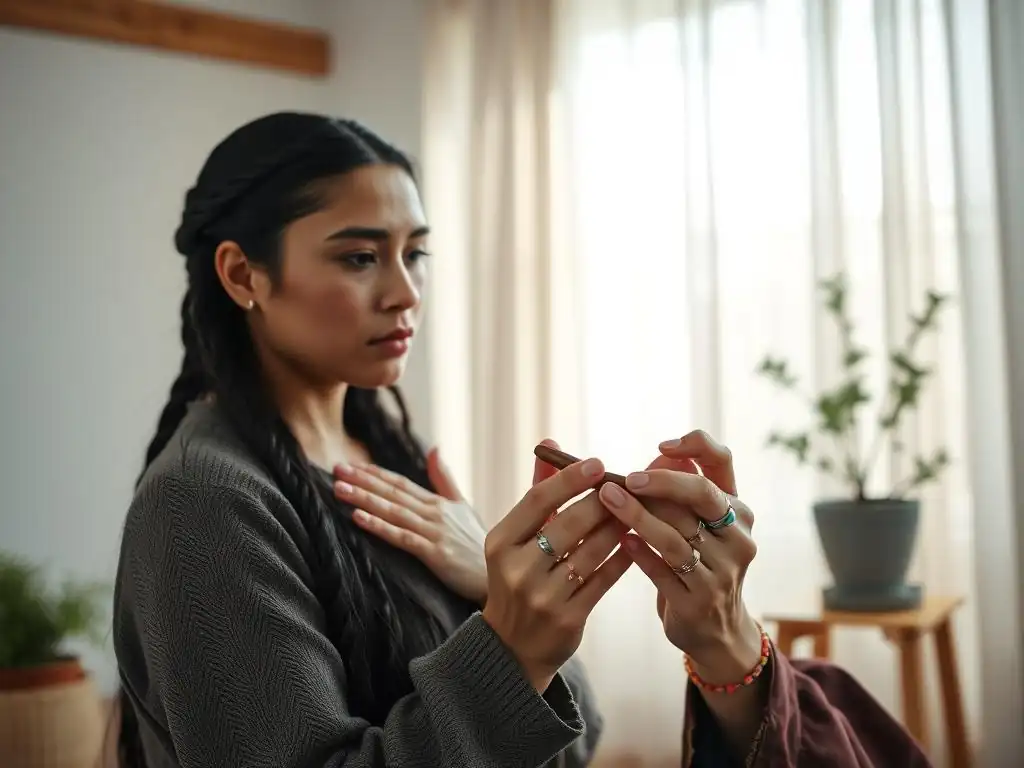
Connecting Youth with Elders for Cultural Transmission and Support: Language, Traditions, and Identity
Connecting Indigenous youth with Elders is a powerful strategy for promoting intergenerational healing and strengthening mental well-being. Colonial policies actively sought to sever the links between generations, particularly through residential schools, disrupting the transmission of language, culture, and traditional knowledge. Rebuilding these connections is vital for healing from this historical trauma. Elders serve as living links to the past, embodying cultural resilience and offering guidance rooted in ancestral wisdom.
Programs that facilitate interactions between youth and Elders, such as language camps, cultural workshops, storytelling sessions, or land-based learning trips, provide invaluable opportunities for cultural transmission. Learning traditional languages, participating in ceremonies, and hearing ancestral stories from Elders helps young people connect with their identity and heritage, fostering a strong sense of belonging and cultural pride. This intergenerational Indigenous elder mental health support strengthens cultural identity, which acts as a protective factor against mental health challenges and provides a foundation for resilience.
Addressing Historical Trauma and its Impact on Mental Health: Residential Schools, Colonialism, and Intergenerational Effects
Historical trauma, particularly the legacy of residential schools and ongoing colonialism, has had a devastating and intergenerational impact on the mental health of Indigenous peoples. The trauma experienced by one generation can be passed down to the next through various mechanisms, including family dynamics, community dysfunction, and continued exposure to systemic inequities. This manifests as complex mental health challenges that require culturally informed and trauma-specific approaches.
Elders play a crucial role in addressing historical trauma. They often carry their own experiences of trauma but also possess deep knowledge of their people's resilience and healing traditions. They can help individuals and communities understand the historical context of their struggles, validating their experiences and providing a framework for healing that acknowledges the collective nature of the trauma. Through ceremonies, storytelling, and cultural practices, Elders facilitate processes of grieving, healing, and reclaiming cultural strength, offering essential Indigenous elder mental health support in the face of intergenerational pain.
Building Stronger, More Resilient Indigenous Communities: Cultural Pride, Self-Governance, and Well-being
Ultimately, promoting intergenerational healing through Elder involvement contributes to building stronger, more resilient Indigenous communities. When youth are connected to their culture and Elders, they develop a stronger sense of identity and purpose. When communities embrace traditional healing practices and the wisdom of their Elders, they reclaim their inherent capacity for wellness and self-determination.
This focus on cultural pride, self-governance, and community-led initiatives, with Indigenous elder mental health support at its core, empowers communities to heal from the past and build a healthier future. It reinforces the idea that healing is not solely an individual journey but a collective one, deeply intertwined with cultural revitalization and the strength of community bonds. By honouring the wisdom of Elders and investing in culturally grounded approaches, communities can foster resilience, improve mental well-being, and move towards self-determined futures.
Resources for Indigenous Mental Health and Elder Support
These national and regional Indigenous organizations are key resources for information, support, and services related to Indigenous mental health and wellness in Canada.
- The First Nations Health Authority (FNHA) in British Columbia, for example, works to reform and build a health and wellness system that is self-determining for First Nations people, often supporting community-led initiatives that include Elder involvement.
- Inuit Tapiriit Kanatami (ITK) is the national representational organization for Inuit in Canada, advocating for Inuit rights and well-being, including mental health initiatives that respect Inuit culture and traditions, often involving Inuit Elders.
- The Métis National Council (MNC) represents the Métis Nation in Canada, working to advance Métis rights and self-government, including advocating for culturally appropriate health services and supports for Métis citizens, recognizing the role of Métis Elders.
These organizations provide valuable information, advocate for policy changes, and often fund or support community-level programs that incorporate Indigenous elder mental health support.
Local Indigenous Organizations and Cultural Centers
Local Indigenous organizations and cultural centers are invaluable community-based resources. They often run programs that directly involve Elders, such as sharing circles, cultural workshops, language classes, and traditional healing sessions. These centers provide safe and culturally relevant spaces for community members to connect, learn, and access support. They are often the first point of contact for individuals seeking culturally specific mental health resources and Indigenous elder mental health support within their immediate area.
Hope for Wellness Help Line (1-855-242-3310)
The Hope for Wellness Help Line is a national service that provides immediate mental health counselling and crisis intervention for all Indigenous peoples across Canada. Available 24/7, this service offers culturally competent support from trained counsellors. While not exclusively Elder-led, the service is designed to be culturally sensitive and can connect callers with resources in their community, potentially including access to local Indigenous elder mental health support where available.
Conclusion: Honoring the Wisdom of Elders for Mental Well-being in Indigenous Communities
The journey towards mental well-being in Indigenous communities is deeply intertwined with the revitalization of culture and the wisdom of Elders. As keepers of traditional knowledge, healers, guides, and connectors, Elders provide essential Indigenous elder mental health support that is culturally safe, relevant, and profoundly effective. Their involvement bridges historical divides, strengthens cultural identity, and fosters resilience in the face of ongoing challenges. Honouring their wisdom and actively supporting their role in mental health initiatives is not just beneficial; it is essential for holistic healing and building stronger, healthier, and more resilient Indigenous communities for generations to come.
Frequently Asked Questions
What unique role do Indigenous Elders play in mental health support within their communities?
Indigenous Elders provide culturally relevant guidance, serving as knowledge keepers and offering traditional healing practices that are often absent in mainstream mental health services. Their wisdom is vital for intergenerational healing.
How can families and individuals access Indigenous Elder mental health support?
Accessing Elder support often involves connecting with local Indigenous community centers, tribal councils, or organizations dedicated to Indigenous health and well-being. Word of mouth and referrals are also common.
What are some of the traditional healing practices that Elders may offer in mental health support?
Elders might offer practices such as smudging ceremonies, talking circles, traditional medicines, and storytelling to promote healing and connect individuals with their cultural heritage.
How does intergenerational trauma impact Indigenous mental health and how can Elders help?
Intergenerational trauma, stemming from historical injustices, significantly affects Indigenous mental health. Elders can facilitate healing by providing a safe space for sharing stories and promoting cultural revitalization, strengthening identity.
Why is it important to prioritize culturally sensitive approaches when addressing Indigenous mental health?
Culturally sensitive approaches acknowledge the unique historical and social contexts impacting Indigenous communities. They ensure that mental health support is respectful, relevant, and effective in addressing specific needs and challenges.
Final Reflection: Honoring the Circle of Elders, Healing the Future
The wisdom of Indigenous elders is not merely a historical artifact; it is a vital, life-saving resource in addressing the ongoing mental health crisis within Indigenous communities. The devastating impact of colonialism, coupled with systemic inequities, continues to inflict profound trauma, and the healing process demands a holistic approach that centers Indigenous knowledge and practices. Ignoring this crucial element is not only a disservice but a profound injustice.
The strength and resilience demonstrated by Indigenous elders, in the face of unimaginable adversity, is a testament to the enduring power of community and cultural connection. Their role extends far beyond providing traditional healing; they are keepers of history, storytellers, and mentors who guide younger generations through the complexities of life and the lingering wounds of the past. The elders are the keepers of the fire; they keep the traditions alive, and they pass on the knowledge to the next generation.
This quote encapsulates the profound responsibility and the immeasurable value of their contributions to mental wellness.
The journey towards healing is ongoing, and it requires collective action. You, the reader, can play a vital role in supporting this crucial work. Consider how you can amplify Indigenous voices, learn about traditional healing practices, and advocate for policies that prioritize culturally appropriate mental health services for Indigenous communities. Let us all commit to building a future where the wisdom and support of elders are not only honored but actively integrated into the fabric of mental health care, ensuring a path towards healing and well-being for generations to come.
Uncover Your Role in Indigenous Wellness
Thanks for taking the time to explore the vital role elders play in supporting Indigenous mental health. You've gained valuable insights into a powerful system of healing and resilience. Now, let's take action!
- Connect with your local Indigenous community: Learn about resources and opportunities to support elders and their crucial work. This might involve volunteering your time or simply reaching out to learn more about their initiatives.
- Share this knowledge: Spread awareness about the importance of respecting and valuing the wisdom of elders within Indigenous communities. Discuss this article with friends and family.
- Explore traditional healing practices: Research and learn more about culturally appropriate mental health approaches within Indigenous communities. This could involve seeking out information on relevant resources or attending a workshop.
What steps will you take to contribute to a more supportive and healing environment for Indigenous communities?