
Adding Tai Chi to Your Mental Wellness Toolkit: A Practical Guide

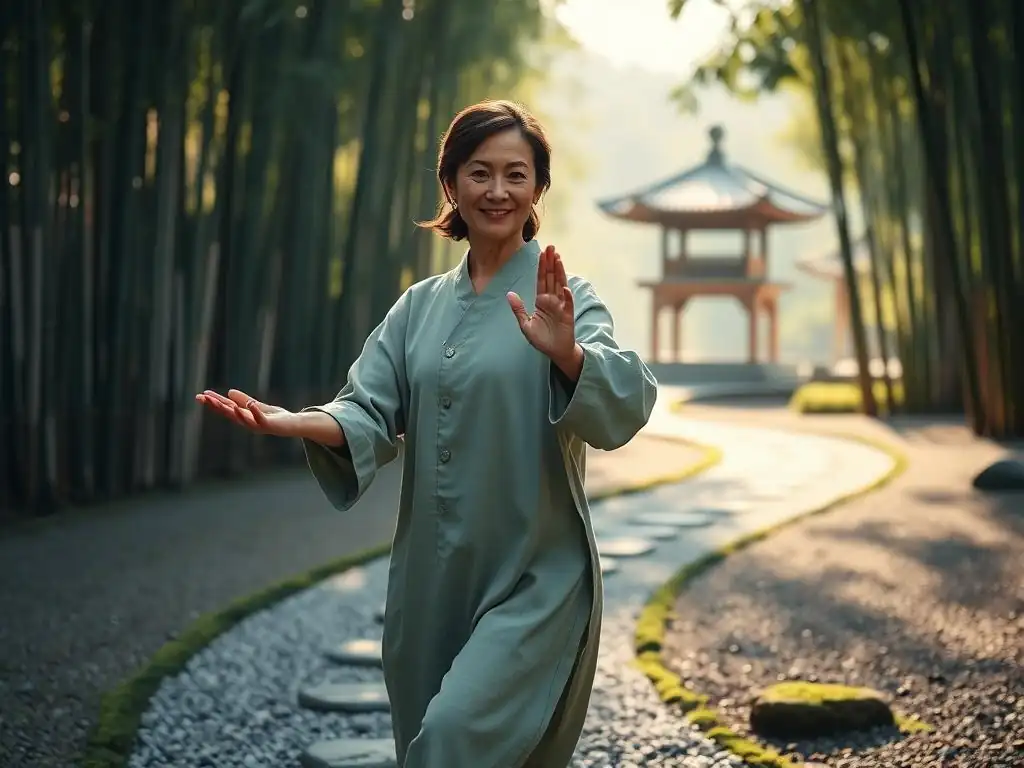
Welcome to Mind Care Guide, a sanctuary for your mental well-being journey.
Feeling overwhelmed? You're not alone. At Mind Care Guide, we understand the challenges of navigating mental health. This week, we delve into a powerful, ancient practice with profound implications for modern well-being: Tai Chi. Discover how this gentle art can unlock surprising Tai Chi mental wellness benefits and become a valuable tool in your self-care arsenal. Ready to explore a path towards inner peace and improved mental clarity? Let's begin.
Adding Tai Chi to Your Mental Wellness Toolkit: A Practical Guide
- Introduction: Unlocking Mental Wellness with Tai Chi
- What are the Tai Chi Mental Wellness Benefits?
- Getting Started with Tai Chi for Mental Wellness
- Practical Tai Chi Exercises for Mental Clarity
- Deepening Your Tai Chi Practice for Long-Term Mental Wellness
- Tai Chi for Specific Mental Health Challenges
- Combining Tai Chi with Other Mental Wellness Strategies
- Overcoming Challenges and Staying Motivated in Your Tai Chi Practice
- Conclusion: Embracing Tai Chi for a Healthier Mind and Body
-
Frequently Asked Questions
- How does Tai Chi improve mental wellness, according to Mind Care Guide?
- What specific mental health challenges can Tai Chi help with, based on information from Mind Care Guide?
- Does Mind Care Guide recommend Tai Chi for everyone seeking mental wellness benefits?
- How often does Mind Care Guide suggest practicing Tai Chi to experience mental wellness benefits?
- Beyond stress reduction, what other psychological benefits does Mind Care Guide associate with Tai Chi?
- Final Reflection: Cultivating Inner Peace Through Movement
- Unleash Your Inner Calm: Start Your Tai Chi Journey Today!
Introduction: Unlocking Mental Wellness with Tai Chi
Why Tai Chi is More Than Just Exercise: A Mind-Body Connection
Tai Chi Chuan, often simply called Tai Chi, is an ancient Chinese martial art that has evolved into a gentle form of exercise widely practiced for its health benefits. Unlike strenuous workouts aimed purely at physical fitness, Tai Chi emphasizes a deep connection between the mind and body. It involves slow, deliberate movements, controlled breathing, and focused attention, creating a moving meditation that calms the nervous system and promotes internal balance. This integrated approach means that while the body is engaged in gentle motion, the mind is simultaneously trained to be present and relaxed, directly impacting mental states.
The core philosophy of Tai Chi centers on the concept of 'Qi' (pronounced 'chee'), often translated as life force or vital energy, and its smooth flow throughout the body. Blockages or imbalances in Qi are believed to contribute to both physical ailments and emotional distress. Through its flowing movements and deep breathing techniques, Tai Chi aims to remove these blockages, restoring harmony. This focus on internal energy and mindfulness distinguishes it from purely physical exercise and highlights its potential as a powerful tool for addressing psychological challenges and enhancing overall Tai Chi mental wellness benefits.
Understanding the Growing Interest in Tai Chi for Mental Health
In recent years, there has been a significant surge in interest regarding the mental health benefits of Tai Chi, moving it from a niche practice to a recognized complementary therapy. This growing recognition is fueled by increasing scientific research exploring its effects on stress, anxiety, depression, and cognitive function. Healthcare professionals and individuals alike are seeking holistic approaches to mental well-being that go beyond traditional methods, and Tai Chi fits this need perfectly by offering a non-pharmacological, low-impact intervention accessible to people of varying fitness levels and ages.
The appeal of Tai Chi for mental health also stems from its inherent accessibility and gentle nature. Unlike some forms of exercise that can be intimidating or physically demanding, Tai Chi is often described as "meditation in motion," making it approachable for those who may be recovering from illness, managing chronic conditions, or simply new to physical activity. This ease of access, combined with accumulating evidence demonstrating positive outcomes on psychological markers, underscores why Tai Chi is becoming a popular addition to personal mental wellness toolkits and integrated health programs.
What are the Tai Chi Mental Wellness Benefits?
Stress Reduction and Anxiety Relief Through Tai Chi
One of the most widely reported Tai Chi mental wellness benefits is its profound effect on reducing stress and alleviating anxiety. The slow, deliberate movements, combined with deep, diaphragmatic breathing, activate the body's parasympathetic nervous system, often referred to as the "rest and digest" system. This counteracts the "fight or flight" response triggered by chronic stress, leading to a reduction in stress hormones like cortisol. Studies have indicated that regular Tai Chi practitioners often exhibit lower levels of stress markers compared to sedentary individuals or those engaging in more strenuous exercise.
Furthermore, the mindful aspect of Tai Chi practice encourages practitioners to remain present in the moment, focusing on the sensations in their body and the flow of their breath. This presence helps to quiet the incessant "chatter" of the anxious mind, pulling attention away from worrying thoughts about the past or future.
By training the mind to stay anchored in the present, Tai Chi builds resilience against stressful triggers and helps individuals develop healthier coping mechanisms for managing anxious feelings in daily life. Research involving participants with generalized anxiety disorder has shown significant reductions in anxiety symptoms after consistent Tai Chi practice over several weeks or months.
Tai Chi and Improved Mood: Combating Depression
Tai Chi has demonstrated potential in improving mood and serving as a complementary approach for combating symptoms of depression. The gentle physical activity itself can stimulate the release of endorphins, natural mood elevators. Beyond this, the structured yet flowing movements provide a sense of accomplishment and mastery, which can be particularly beneficial for individuals experiencing the low motivation and feelings of helplessness often associated with depression. The social aspect of practicing Tai Chi in a group setting also provides valuable connection, combating the isolation that can exacerbate depressive states.
Research has explored the impact of Tai Chi on depressive symptoms, often using standardized scales like the Beck Depression Inventory (BDI) or the Hamilton Rating Scale for Depression (HAM-D). While not a standalone cure, studies have shown that regular Tai Chi practice can lead to statistically significant reductions in symptom severity, sometimes comparable to or augmenting the effects of other interventions. For example, some studies have reported average improvements in mood scores of 15-25% in participants practicing Tai Chi consistently for 8-12 weeks, offering a gentle pathway toward emotional uplift.
Enhancing Focus and Concentration with Tai Chi Practice
The practice of Tai Chi inherently requires focused attention, making it an excellent discipline for enhancing concentration and cognitive function. Each movement flows seamlessly into the next, demanding mindful awareness of posture, balance, and the coordination of breath with motion. This continuous requirement for present-moment awareness trains the mind to resist distractions and maintain focus, skills that are directly transferable to daily tasks and responsibilities.
Over time, regular Tai Chi practice can strengthen neural pathways associated with attention and executive function. Studies using cognitive assessments have shown improvements in areas such as sustained attention, working memory, and task switching among practitioners. This heightened mental clarity and improved ability to concentrate are significant Tai Chi mental wellness benefits, particularly in an age of constant digital distraction, helping individuals feel more centered and effective in their personal and professional lives.
The Role of Tai Chi in Emotional Regulation
Tai Chi plays a crucial role in enhancing emotional regulation, the ability to understand and manage one's emotions effectively. The practice encourages a non-judgmental observation of internal states—both physical sensations and emotional fluctuations—without getting swept away by them. By cultivating this mindful awareness during the slow, deliberate movements, individuals learn to recognize emotional responses as they arise and respond with greater calm and clarity rather than reactivity.
This process of mindful observation within the safe, structured environment of Tai Chi practice helps build emotional resilience. It provides a practical framework for navigating difficult emotions by teaching acceptance and gentle processing, rather than suppression or amplification. Regular engagement with Tai Chi fosters a greater sense of inner peace and emotional stability, allowing individuals to handle life's inevitable challenges with increased equanimity and a deeper understanding of their own emotional landscape.
Getting Started with Tai Chi for Mental Wellness
Finding a Qualified Tai Chi Instructor for Mental Health
Embarking on your Tai Chi journey for mental wellness is best done under the guidance of a qualified instructor. While many resources exist online, the nuances of posture, movement flow, and the integration of breath and intention are most effectively learned through direct instruction. A good instructor can provide personalized feedback, correct form to prevent injury, and help you understand the deeper principles that contribute to the mental health benefits. Look for instructors who have experience teaching beginners and who emphasize the health and mindfulness aspects of Tai Chi, rather than just the martial applications.
When searching for an instructor, consider their training lineage, years of experience, and teaching philosophy. Many instructors are certified through reputable Tai Chi organizations. It's also helpful to inquire if they have experience working with individuals seeking Tai Chi specifically for stress reduction or mental health support. Attending a trial class or observing a session can give you a feel for the instructor's style and the overall atmosphere of the class, ensuring it's a good fit for your personal goals for Tai Chi mental wellness.
Exploring Different Tai Chi Styles and Their Benefits
Tai Chi encompasses several distinct styles, each with its own emphasis and characteristics, though all share the core principles of slow movement, breathing, and mindfulness. The most common styles include Yang, Wu, Chen, and Sun. Yang style is perhaps the most widely practiced globally, known for its expansive, slow, and graceful movements, making it very accessible for beginners and highly effective for promoting relaxation and balance. Wu style is characterized by smaller, more subtle movements and a focus on internal energy.
Chen style is the oldest style and incorporates more dynamic movements, including occasional bursts of power (fa jin), and can be more physically demanding. Sun style includes unique stepping methods and is often adapted for health purposes, sometimes incorporated into programs like Tai Chi for Arthritis. While all styles offer Tai Chi mental wellness benefits, beginners often start with Yang or Wu due to their gentle nature. Exploring descriptions or even watching short videos of different styles can help you decide which might resonate most with you before committing to a class.
Essential Equipment and Clothing for Your Tai Chi Journey
One of the appealing aspects of starting Tai Chi is the minimal need for specialized equipment. Essentially, all you need is comfortable clothing that allows for a full range of motion and flat, comfortable shoes. Loose-fitting trousers or leggings and a comfortable top are ideal. Avoid anything restrictive around the waist or shoulders. The key is to feel completely uninhibited in your movements.
For footwear, choose shoes with flat soles and good grip, such as dedicated Tai Chi shoes, comfortable sneakers, or even thick socks if practicing on a non-slippery indoor surface. The flat sole helps maintain balance and allows you to feel grounded. Avoid shoes with elevated heels or significant arch support, as these can interfere with proper weight distribution and foot alignment crucial to Tai Chi postures. Ultimately, the focus is on comfort and freedom of movement, allowing you to fully immerse yourself in the practice and reap the Tai Chi mental wellness benefits.
Practical Tai Chi Exercises for Mental Clarity
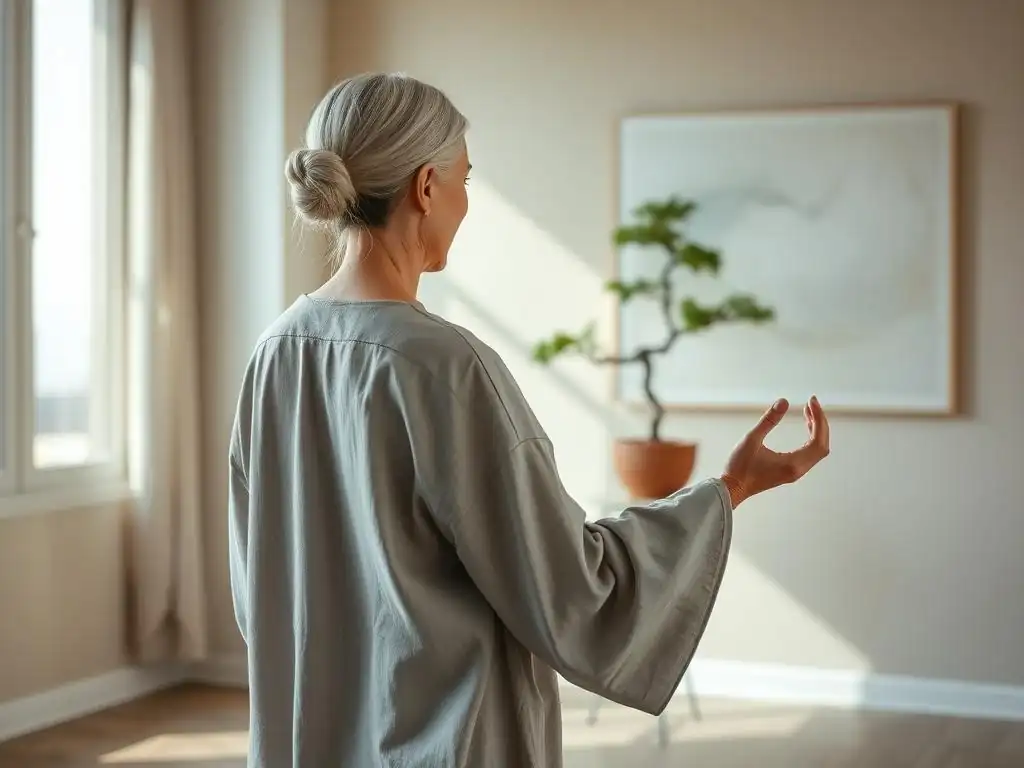
Simple Tai Chi Movements for Beginners: Abdominal Breathing
Before diving into complex forms, beginners in Tai Chi often start with foundational exercises like abdominal breathing, which is crucial for cultivating the mind-body connection and achieving Tai Chi mental wellness benefits. This involves breathing deeply into the lower abdomen (below the navel) rather than shallowly into the chest. To practice, sit or stand comfortably with a relaxed posture. Place one hand gently on your abdomen. Inhale slowly through your nose, feeling your abdomen expand outward. Exhale slowly through your mouth, feeling your abdomen contract inward. The chest should remain relatively still.
This type of deep, slow breathing calms the nervous system, reduces heart rate, and increases oxygen flow, all of which contribute to reduced stress and improved mental clarity. Practicing abdominal breathing regularly, even for just a few minutes each day, helps train your body to default to a more relaxed state. It's a simple yet powerful technique that forms the basis for integrating breath with movement in more advanced Tai Chi forms, enhancing the practice's effectiveness for emotional regulation and focus.
Tai Chi Postures for Stress Management: Single Whip, Cloud Hands
Certain Tai Chi postures are particularly effective for stress management due to their flowing nature, balance requirements, and coordination with breath. Two classic examples are "Single Whip" and "Cloud Hands." Single Whip involves shifting weight, turning the waist, and extending one arm like a whip while the other forms a hook shape. This posture requires coordination and balance, demanding focus and pulling the mind away from stressors. The slow, deliberate execution promotes a sense of calm control.
Cloud Hands is a continuous, flowing movement where the hands move in circles at chest level as the body shifts weight from side to side. This repetitive, rhythmic motion is deeply meditative and calming. The focus on smooth, continuous movement and coordinating hand and body motion while shifting weight creates a moving meditation that effectively melts away tension. Practicing these postures, even in isolation from a full form, can provide immediate relief from stress and contribute significantly to Tai Chi mental wellness benefits.
Integrating Tai Chi into Your Daily Routine for Enhanced Mental Well-being
To truly experience the profound Tai Chi mental wellness benefits, consistency is key. Integrating Tai Chi into your daily routine, even for short periods, is more effective than infrequent long sessions. Consider starting with just 10-15 minutes each morning to set a calm tone for the day, or in the evening to unwind before sleep. This could involve practicing basic breathing exercises, a few fundamental movements, or a short segment of a form you are learning.
Finding a dedicated space where you can practice undisturbed helps establish a routine. It doesn't need to be large, just enough room to move freely. By making Tai Chi a non-negotiable part of your day, like brushing your teeth, you build a habit that consistently supports your mental well-being. Over time, these small, consistent practices accumulate, leading to noticeable improvements in stress levels, mood, and overall mental resilience.
Deepening Your Tai Chi Practice for Long-Term Mental Wellness
Meditation in Motion: Mindfulness and Tai Chi
At its heart, Tai Chi is a form of meditation in motion, seamlessly blending physical movement with mindfulness. As you move through the forms, the practice encourages you to bring full awareness to your body's sensations, your breath, and the present moment. This active engagement of the mind in the physical process is what distinguishes it from simply performing exercises. You learn to notice thoughts and feelings as they arise without judgment, gently redirecting your attention back to the movement and breath.
This cultivated mindfulness is one of the most potent Tai Chi mental wellness benefits, extending far beyond the practice session itself. By training your mind to be present and non-reactive during movement, you build the capacity to bring that same calm awareness to challenging situations in daily life. This ability to observe thoughts and emotions without being overwhelmed by them is fundamental to managing stress, anxiety, and promoting emotional regulation for long-term mental health.
Connecting with Your Inner Self Through Tai Chi Principles
Deepening your Tai Chi practice involves more than just mastering the physical movements; it's about embodying the underlying principles. Concepts like yielding, rootedness, centeredness, and effortless power (Song) are not just physical techniques but metaphors for navigating life. Yielding, for example, teaches flexibility and non-resistance, applicable to dealing with difficult people or situations. Rootedness fosters stability and grounding, providing a sense of security.
By contemplating and applying these principles both within the Tai Chi form and in your daily life, you cultivate a deeper connection with your inner self. The practice becomes a mirror reflecting your habitual physical and mental patterns. Through gentle correction and mindful attention, you learn to release tension, both physical and emotional, fostering a sense of inner peace and authenticity. This journey of self-discovery is a profound aspect of the long-term Tai Chi mental wellness benefits.
Setting Realistic Goals and Tracking Your Progress
Setting realistic goals is essential for sustaining a long-term Tai Chi practice aimed at mental wellness. Instead of focusing solely on mastering complex forms quickly, set goals related to consistency, presence, and how you feel. For instance, a goal might be to practice for 15 minutes daily, or to focus on maintaining abdominal breathing throughout an entire short form, or simply to notice moments of calm during practice.
Tracking your progress can be informal, such as keeping a simple journal where you note how you feel before and after practicing, or specific insights you gain about your body or mind. Pay attention to subtle shifts in your stress levels, sleep quality, mood, and ability to focus over weeks and months. Recognizing these incremental improvements reinforces motivation and highlights the cumulative Tai Chi mental wellness benefits you are gaining from consistent effort.
Tai Chi for Specific Mental Health Challenges
Tai Chi for Managing Anxiety Disorders: Generalized Anxiety Disorder
Tai Chi has shown promise as a valuable complementary therapy for managing symptoms associated with anxiety disorders, such as Generalized Anxiety Disorder (GAD). Individuals with GAD often experience persistent worry, restlessness, difficulty concentrating, and physical tension. The slow, predictable movements and emphasis on deep breathing in Tai Chi directly counter these symptoms by activating the relaxation response and calming the nervous system.
Studies have explored the impact of Tai Chi on GAD symptoms, often finding statistically significant reductions in worry, tension, and restlessness after several weeks of consistent practice. For example, some research involving older adults with GAD reported improvements on anxiety scales comparable to or exceeding those seen with standard exercise programs. The non-strenuous nature of Tai Chi makes it particularly suitable for individuals whose anxiety might make more vigorous exercise intimidating or difficult, providing an accessible pathway to alleviate distress and enhance Tai Chi mental wellness.
Tai Chi for Combating Symptoms of Depression: Anhedonia
Tai Chi can be particularly helpful in combating specific symptoms of depression, such as anhedonia—the inability to feel pleasure or interest in activities that were once enjoyable. Depression often leads to withdrawal, low energy, and a lack of engagement with the world. The gentle, flowing movements of Tai Chi, even when initially performed without enthusiasm, provide a structured activity that encourages physical engagement and present-moment awareness.
As individuals consistently participate in Tai Chi, the physical activity and mindful focus can gradually help reactivate the body's systems and gently reintroduce sensory awareness and connection. The sense of flow and accomplishment from learning movements, combined with potential social interaction in a class setting, can slowly chip away at feelings of apathy and disinterest. While not a substitute for professional treatment, Tai Chi offers a gentle, embodied path towards regaining vitality and finding simple pleasures in movement and presence, contributing to overall Tai Chi mental wellness.
Tai Chi for Improving Sleep Quality and Reducing Insomnia
Sleep disturbances, including insomnia, are common companions to many mental health challenges like anxiety and depression. Tai Chi's ability to reduce stress, calm the nervous system, and promote relaxation makes it an effective tool for improving sleep quality. By practicing Tai Chi regularly, individuals can lower their baseline stress levels and quiet the racing thoughts that often interfere with falling asleep and staying asleep.
Research has investigated the effects of Tai Chi on sleep patterns, often finding significant improvements in sleep duration, sleep efficiency, and reductions in nighttime awakenings among practitioners compared to control groups. For instance, a study on older adults with moderate sleep complaints found that Tai Chi practice resulted in improvements in sleep quality scores similar to those achieved with cognitive behavioral therapy for insomnia (CBT-I).
Incorporating a short Tai Chi session, perhaps focusing on gentle movements and breathing, into an evening routine can signal the body and mind to prepare for rest, enhancing overall Tai Chi mental wellness through better sleep.
Combining Tai Chi with Other Mental Wellness Strategies
Integrating Tai Chi with Therapy and Counseling
Tai Chi serves as an excellent complement to traditional mental health interventions like therapy and counseling. While therapy provides a space to explore thoughts, feelings, and behavioral patterns verbally, Tai Chi offers an embodied practice that reinforces therapeutic concepts. For example, individuals learning coping mechanisms for anxiety in therapy can use the grounding and breathing techniques learned in Tai Chi during moments of distress. Similarly, the principles of acceptance and non-judgment practiced in mindfulness-based therapies are directly mirrored and strengthened through the mindful movement of Tai Chi.
Discussing your Tai Chi practice with your therapist can also be beneficial. They may be able to help you connect the physical and mental experiences of Tai Chi to the issues you are working on in therapy, deepening insights and reinforcing positive changes. Integrating Tai Chi provides an active, self-empowering component to your mental wellness journey, working in synergy with professional guidance to achieve more holistic and lasting results. The combined benefits of Tai Chi and therapy can lead to more significant improvements in managing symptoms and building resilience.
Complementing Tai Chi with a Healthy Lifestyle: Diet and Sleep
Maximizing the Tai Chi mental wellness benefits involves integrating the practice within a broader healthy lifestyle. Nutrition plays a vital role; a balanced diet rich in whole foods, lean proteins, and healthy fats supports brain health and energy levels, enhancing your capacity to engage fully in Tai Chi. Avoiding excessive caffeine or sugar, especially later in the day, can also complement Tai Chi's calming effects and improve sleep quality.
Similarly, prioritizing sufficient and restful sleep is crucial. As mentioned earlier, Tai Chi can improve sleep, but maintaining consistent sleep hygiene—sticking to a regular sleep schedule, creating a relaxing bedtime routine, and ensuring your sleep environment is conducive to rest—amplifies these benefits. When the body and mind are well-nourished and rested, your Tai Chi practice will feel more grounded and effective, creating a positive feedback loop where each healthy habit reinforces the others, leading to enhanced overall mental well-being.
Building a Support System for Your Mental Wellness Journey
Embarking on a journey towards improved Tai Chi mental wellness is often more sustainable and rewarding when supported by others. Sharing your experiences with friends, family, or fellow Tai Chi practitioners can provide encouragement, perspective, and a sense of community. Joining a Tai Chi class offers a built-in support system, allowing you to connect with others who share similar goals and challenges.
Consider finding a practice partner or forming a small group to practice with outside of formal classes. This can help maintain motivation and provide a shared experience. Beyond Tai Chi specifically, building a general support network of understanding individuals is vital for overall mental health. Having people you can talk to about your struggles and successes creates a safety net and reinforces the positive changes you are making, amplifying the personal and social Tai Chi mental wellness benefits.
Overcoming Challenges and Staying Motivated in Your Tai Chi Practice
Addressing Common Obstacles in Tai Chi Learning
Learning Tai Chi, while gentle, can present obstacles, particularly for beginners. Common challenges include feeling awkward with the slow, unfamiliar movements, difficulty coordinating breath and movement, or frustration with remembering the sequence of a form. It's important to approach these challenges with patience and self-compassion, embodying the yielding principle of Tai Chi itself. Recognize that progress is gradual, and mastery is a lifelong journey, not a destination.
Focus on one aspect at a time—perhaps just the footwork, or just the hand movements, or simply the breathing. Don't strive for perfection; instead, aim for mindful engagement. If you forget a movement, pause, take a breath, and rejoin when you can, or simply repeat a movement you remember. A good instructor can break down complex movements into simpler steps and provide encouragement. Remembering that the goal is the process and the Tai Chi mental wellness benefits, rather than flawless execution, helps manage frustration.
Maintaining Consistency and Avoiding Burnout
Consistency is vital for reaping the long-term Tai Chi mental wellness benefits, but maintaining it can be challenging amidst life's demands. To avoid burnout, be flexible with your practice schedule. If you can't manage a full session, commit to just 5-10 minutes of breathing or a few favorite movements. Short, regular practices are more effective than infrequent long ones.
Varying your practice can also help keep it fresh. Some days focus on the physical form, others on the breathing, and others purely on the meditative aspect. Practice outdoors when weather permits. Connect with your Tai Chi community for shared practice or motivation. Most importantly, listen to your body and mind; if you're feeling overwhelmed, it's okay to take a short break, but try to return to the practice as soon as you can to maintain momentum and continue experiencing the positive effects on your mental well-being.
Celebrating Your Progress and Enjoying the Journey
Recognizing and celebrating your progress, no matter how small, is crucial for staying motivated in your Tai Chi practice. This isn't just about mastering a difficult posture; it's about noticing improvements in your balance, your ability to stay focused, your reduced reactivity to stress, or simply feeling a greater sense of peace after practice. Acknowledge these shifts and give yourself credit for the effort you are putting in.
Enjoying the process itself is perhaps the most sustainable form of motivation. Find joy in the movement, the feeling of your body connecting with the earth, the rhythm of your breath, and the quiet moments of presence.
Tai Chi is a practice that nourishes the spirit as well as the body and mind. By focusing on the inherent pleasure and sense of calm it brings, you reinforce the positive association with the practice, making it something you want to do, rather than something you feel you should do, ensuring you continue to gain the valuable Tai Chi mental wellness benefits over time.
Conclusion: Embracing Tai Chi for a Healthier Mind and Body
The Future of Tai Chi in Mental Health Care
The future of Tai Chi in mental health care appears promising. As research continues to validate the numerous Tai Chi mental wellness benefits, it is increasingly being recognized by healthcare providers and integrated into wellness programs, clinics, and even hospitals. Its accessibility, low impact, and holistic nature make it an ideal complementary therapy for a wide range of mental health conditions, from stress and anxiety to depression and trauma recovery.
Expect to see more evidence-based guidelines supporting Tai Chi as an adjunct treatment, potentially leading to greater insurance coverage and wider availability of programs specifically tailored for mental health populations. The emphasis on self-care and embodied mindfulness aligns perfectly with contemporary approaches to mental well-being, positioning Tai Chi as a gentle yet powerful tool for fostering resilience, emotional balance, and overall psychological health in the years to come.
Resources for Further Learning About Tai Chi and Mental Wellness
To delve deeper into the world of Tai Chi and its profound impact on mental wellness, numerous resources are available. Look for reputable Tai Chi organizations that offer directories of certified instructors and schools in your area. Websites and books by respected Tai Chi masters and authors can provide valuable insights into the philosophy, principles, and health applications of the practice.
Additionally, seek out research articles and publications from academic institutions that explore the scientific evidence behind the Tai Chi mental wellness benefits. Many mental health organizations and wellness centers also offer information or programs that incorporate Tai Chi. Connecting with a local Tai Chi community can provide ongoing support and opportunities for continued learning and practice, enriching your journey towards a healthier mind and body through this ancient art.
Frequently Asked Questions
How does Tai Chi improve mental wellness, according to Mind Care Guide?
Mind Care Guide suggests Tai Chi improves mental wellness through its combination of mindful movement, deep breathing, and meditative qualities, reducing stress and promoting relaxation.
What specific mental health challenges can Tai Chi help with, based on information from Mind Care Guide?
Tai Chi may offer benefits for individuals experiencing anxiety, depression, and stress-related disorders, according to Mind Care Guide, by fostering a sense of calm and control.
Does Mind Care Guide recommend Tai Chi for everyone seeking mental wellness benefits?
While generally safe, Mind Care Guide advises consulting with a healthcare professional before starting Tai Chi, especially for individuals with pre-existing health conditions or physical limitations.
How often does Mind Care Guide suggest practicing Tai Chi to experience mental wellness benefits?
Mind Care Guide doesn't provide a specific frequency, but recommends regular practice, even for short periods, to experience the cumulative Tai Chi mental wellness benefits.
Beyond stress reduction, what other psychological benefits does Mind Care Guide associate with Tai Chi?
Mind Care Guide implies that Tai Chi can enhance self-awareness, improve focus, and cultivate a greater sense of inner peace, contributing to overall psychological well-being.
Final Reflection: Cultivating Inner Peace Through Movement
The integration of Tai Chi into modern life is not merely a trend; it's a vital step towards reclaiming our mental wellbeing in an increasingly demanding world. The gentle movements, mindful breathing, and meditative focus described throughout this guide offer a powerful antidote to the pervasive stress and anxiety of the 21st century. This isn't just about physical exercise; it's about cultivating a deeper connection with ourselves and finding a sustainable path to inner peace.
The profound impact of Tai Chi on my own life, and the countless testimonials I've encountered during my research, underscore the transformative power of this ancient practice. It's not just about reducing stress levels; it's about fostering a resilience that allows us to navigate life's challenges with greater grace and equanimity. As Bruce Lee eloquently stated, Be like water making its way through cracks. Do not be assertive, but adjust to the object, and you shall find a way around or through it.
This philosophy, inherent in the fluidity of Tai Chi, offers a valuable lesson in adaptability and inner strength.
Now, I invite you to take the first step. Don't just read about the benefits of Tai Chi; experience them. Find a local class, watch a tutorial online, or simply dedicate a few minutes each day to practicing the basic movements. Embrace the journey of self-discovery and allow the gentle power of Tai Chi to weave its way into your life, enriching your mental wellbeing and empowering you to live with greater presence and peace. The path to inner harmony begins with a single, mindful breath.
Unleash Your Inner Calm: Start Your Tai Chi Journey Today!
Thanks for taking the time to explore the powerful benefits of Tai Chi for mental wellness! We hope you found practical strategies to integrate this ancient practice into your life. Now it's time to put your newfound knowledge into action.
- Begin your Tai Chi practice: Even 10 minutes a day can make a significant difference. Find a quiet space, follow a beginner's video online, and simply start moving. This is your key step to experiencing the calming power of Tai Chi firsthand.
- Share your experience: Tell a friend or family member about your newfound interest in Tai Chi. Sharing your journey can strengthen your commitment and inspire others to explore this practice for themselves.
- Explore local Tai Chi classes: Search online for classes in your area. Learning from an experienced instructor can enhance your understanding and refine your technique.
Ready to embrace a calmer, more centered you? What small step will you take towards incorporating Tai Chi into your daily routine?