
The MoodBoosting Power of AntiInflammatory Spices and Herbs

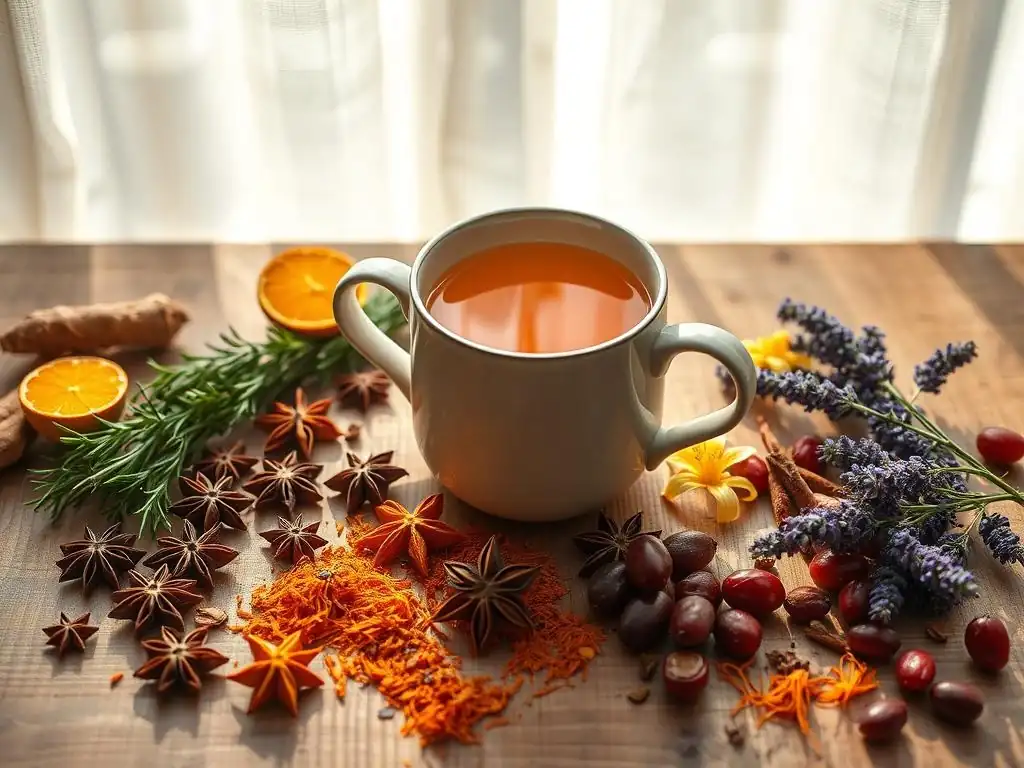
Welcome to Mind Care Guide, a space dedicated to nurturing your mental well-being.
Feeling weighed down by the everyday? You're not alone. We believe that caring for your mind is as important as caring for your body. This month, we're diving deep into the fascinating connection between what you eat and how you feel, specifically exploring how antiinflammatory spices boost mood. Could the secret to a brighter outlook be hiding in your spice rack? Read on to discover the surprising science and practical tips to naturally elevate your mood and well-being. Let's unlock the power of nature together!
- The Mood-Boosting Power of Anti-Inflammatory Spices and Herbs: A Mind Care Guide
- Understanding the Link Between Inflammation and Mood Disorders
- Top Anti-Inflammatory Spices for Enhanced Mood
- Potent Anti-Inflammatory Herbs for a Happier Mind
- Maximizing the Mood-Boosting Effects of Anti-Inflammatory Spices and Herbs
- Precautions and Considerations When Using Anti-Inflammatory Spices and Herbs
- The Future of Anti-Inflammatory Therapies for Mental Health
- Conclusion: Embrace the Power of Anti-Inflammatory Spices to Boost Your Mood
-
Frequently Asked Questions
- How do anti-inflammatory spices and herbs potentially boost mood?
- Which specific anti-inflammatory spices are most commonly linked to improved mood?
- Can incorporating anti-inflammatory spices replace traditional mental health treatments?
- How much of these spices should I consume to potentially experience mood-boosting effects?
- Are there any potential side effects or interactions to be aware of when consuming anti-inflammatory spices?
- Final Reflection: Unlocking Joy Through Culinary Alchemy
- Unlock Your Inner Radiance: Spice Up Your Well-being!
The Mood-Boosting Power of Anti-Inflammatory Spices and Herbs: A Mind Care Guide
Navigating the complexities of mental well-being often involves exploring various avenues, from therapy and medication to lifestyle adjustments. A growing body of research points to the crucial connection between physical health, particularly inflammation, and our emotional state. Understanding how antiinflammatory spices boost mood can be a powerful step in a holistic approach to mental care. These natural ingredients, often found in our kitchens, hold potential benefits that extend beyond flavor, offering a gentle yet effective way to support a balanced mind.
Integrating anti-inflammatory spices and herbs into your daily routine is not just about adding zest to your meals; it's about nurturing your body's internal environment in a way that can positively impact your emotional landscape. This guide explores the scientific link between inflammation and mood, highlights specific spices and herbs known for their anti-inflammatory properties, and provides practical ways to incorporate them into your life for enhanced mental wellness. Discover how harnessing the power of antiinflammatory spices boost mood and contributes to a brighter outlook.
Understanding the Link Between Inflammation and Mood Disorders
Recent scientific discoveries have illuminated a significant connection between chronic inflammation in the body and the development and exacerbation of mood disorders like depression and anxiety. Inflammation is a natural immune response intended to protect the body from harm, such as infections or injuries. However, when this response becomes prolonged or chronic, it can have detrimental effects on various systems, including the brain. Low-grade, persistent inflammation can disrupt neurochemical pathways and damage brain cells, contributing to the symptoms associated with mental health challenges.
Research indicates that individuals suffering from depression often exhibit higher levels of inflammatory markers in their blood, such as C-reactive protein (CRP) and pro-inflammatory cytokines like IL-6 and TNF-alpha. For instance, studies have shown that patients with major depressive disorder can have CRP levels up to 50% higher than healthy individuals.
This suggests that inflammation isn't just a consequence of mood disorders but may play a causal role, potentially by interfering with neurotransmitter function and neurogenesis, the growth of new brain cells. Addressing this underlying inflammation is key, and exploring how antiinflammatory spices boost mood offers a promising dietary strategy.
How Chronic Inflammation Impacts Mental Well-being
Chronic inflammation acts as a silent aggressor, releasing inflammatory molecules that can cross the blood-brain barrier. Once inside the brain, these molecules, like cytokines, can interfere with the synthesis and metabolism of neurotransmitters critical for mood regulation, such as serotonin, dopamine, and norepinephrine. For example, inflammatory cytokines can activate enzymes that break down tryptophan, a precursor to serotonin, potentially leading to lower serotonin levels in the brain. This disruption in neurochemistry is strongly implicated in the pathophysiology of depression and anxiety.
Furthermore, chronic inflammation can impair the brain's ability to adapt and change, a process known as neuroplasticity. It can hinder neurogenesis, particularly in areas like the hippocampus, which is vital for memory and mood regulation. Studies have shown that reduced hippocampal volume is often observed in individuals with chronic stress and depression.
By damaging neurons and disrupting their communication networks, chronic inflammation creates an environment in the brain that is less resilient to stress and more susceptible to mood disturbances. Understanding this mechanism underscores the importance of dietary interventions, such as incorporating antiinflammatory spices boost mood, to mitigate these effects.
The Gut-Brain Axis: Inflammation's Pathway to Mood Regulation
The gut-brain axis is a complex bidirectional communication system linking the central nervous system and the enteric nervous system of the gastrointestinal tract. It's a critical pathway through which inflammation can influence mood. The gut microbiome, the vast community of microorganisms living in our digestive system, plays a significant role in this axis. An imbalance in the gut microbiome (dysbiosis) or inflammation in the gut lining can lead to increased permeability, allowing inflammatory molecules and microbial products to enter the bloodstream.
These substances can then travel to the brain, either directly via the vagus nerve or indirectly via the bloodstream, triggering neuroinflammation. Research suggests that gut dysbiosis and gut inflammation are frequently observed in individuals with mood disorders. For instance, studies have found different bacterial compositions in the gut of depressed individuals compared to healthy controls. By reducing gut inflammation and promoting a healthy microbiome, antiinflammatory spices boost mood by positively influencing this crucial axis, potentially improving neurotransmitter production and reducing the passage of inflammatory compounds to the brain.
Top Anti-Inflammatory Spices for Enhanced Mood
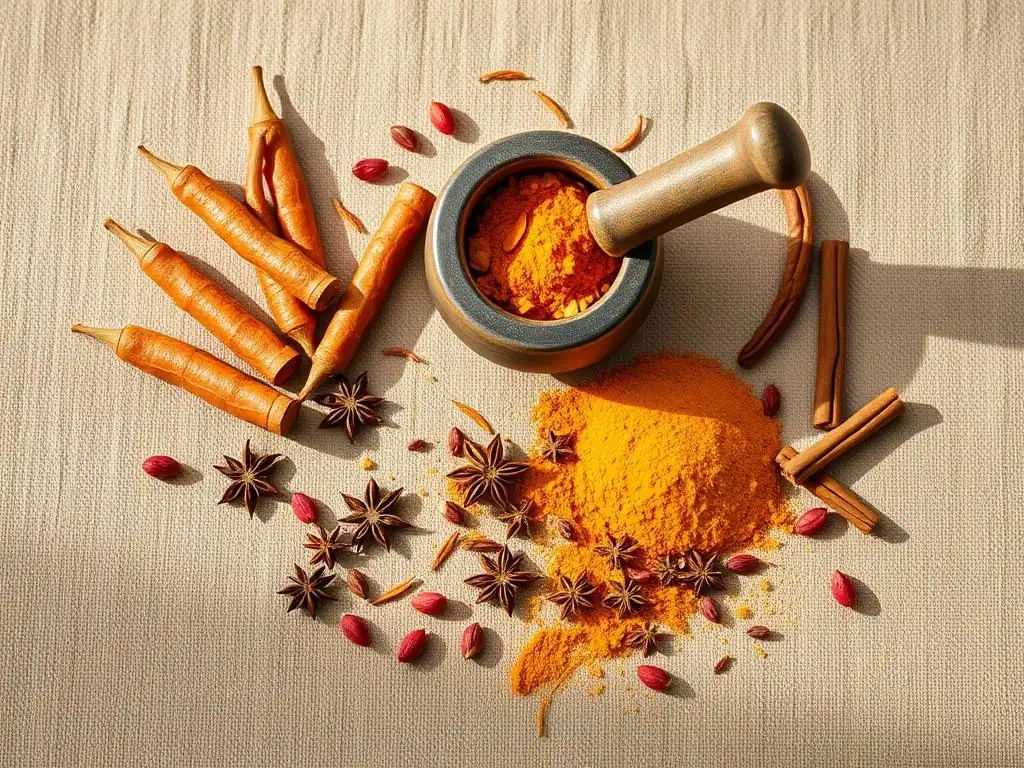
Incorporating specific anti-inflammatory spices into your diet is a flavorful and effective way to potentially support your mental well-being. These spices contain powerful compounds known for their ability to combat inflammation and influence neurological pathways related to mood. Exploring how these antiinflammatory spices boost mood involves looking at their unique properties and how they interact with the body's systems.
From vibrant turmeric to warming ginger and aromatic cinnamon, the spice rack holds potential allies in the quest for a balanced mood. Saffron, often considered a luxury spice, also boasts notable mood-enhancing capabilities supported by scientific evidence. By understanding the specific benefits of each and finding creative ways to use them, you can harness the natural power of these ingredients to support your mental health journey.
Turmeric: The Golden Spice and its Mood-Elevating Curcumin
Turmeric, a vibrant yellow spice commonly used in South Asian cuisine, is celebrated for its potent anti-inflammatory and antioxidant properties. The primary active compound in turmeric is curcumin, which is responsible for its distinctive color and most of its health benefits. Curcumin has been extensively studied for its ability to modulate inflammatory pathways in the body, inhibiting the production of pro-inflammatory cytokines and enzymes.
Beyond its anti-inflammatory actions, curcumin also demonstrates neuroprotective effects. It can cross the blood-brain barrier and influence various targets involved in mood regulation. Research suggests that curcumin may increase levels of brain-derived neurotrophic factor (BDNF), a protein crucial for the growth, survival, and function of neurons. Low levels of BDNF are often observed in individuals with depression and anxiety, making curcumin's potential to elevate BDNF particularly relevant for mental health. This is a key mechanism by which antiinflammatory spices boost mood.
Benefits of Curcumin for Depression and Anxiety
Numerous studies, including clinical trials, have investigated the effects of curcumin supplementation on symptoms of depression and anxiety. A meta-analysis published in the Journal of Affective Disorders in 2017 reviewed several randomized controlled trials and concluded that curcumin may be an effective and acceptable intervention for depression, often comparable to standard antidepressant treatments in efficacy for reducing depressive symptoms. For example, one study found that 1000 mg of curcumin daily for 6 weeks significantly reduced symptoms in patients with major depressive disorder compared to a placebo group.
Another meta-analysis focusing on anxiety symptoms, published in Phytotherapy Research in 2020, also found evidence suggesting that curcumin may be beneficial in reducing anxiety levels. While the exact mechanisms are still being explored, the combination of its anti-inflammatory, antioxidant, and neurotrophic effects likely contributes to these positive outcomes. These findings strongly support the idea that antiinflammatory spices boost mood, specifically highlighting curcumin's potential.
How to Incorporate Turmeric into Your Diet for Mental Wellness
Incorporating turmeric into your daily diet is relatively easy, although maximizing curcumin absorption requires a little know-how. Curcumin has low bioavailability on its own, but combining it with black pepper significantly enhances absorption due to the piperine content in pepper. Adding a source of healthy fat also helps. Consider adding turmeric and black pepper to curries, soups, stews, and roasted vegetables.
A popular method is making "golden milk," a warm beverage combining milk (dairy or non-dairy), turmeric, black pepper, and often ginger, cinnamon, and a sweetener. You can also add a pinch of turmeric to scrambled eggs, smoothies, or salad dressings. Aim for about 1/4 to 1/2 teaspoon of turmeric powder per day in cooking, or consider a standardized curcumin supplement after consulting with a healthcare professional, especially if targeting therapeutic doses. Consistent use of turmeric in these ways helps antiinflammatory spices boost mood over time.
Ginger: Soothing Inflammation and Boosting Serotonin Levels
Ginger, known for its pungent flavor and warming properties, has been used for centuries in traditional medicine to treat a variety of ailments, including digestive issues and inflammation. The primary bioactive compounds in ginger, such as gingerols and shogaols, possess potent anti-inflammatory and antioxidant effects. They work by inhibiting the production of pro-inflammatory markers in the body, similar to how many anti-inflammatory medications function, but often with fewer side effects.
Beyond its direct impact on inflammation, ginger may also influence neurotransmitter systems involved in mood regulation. Preliminary research suggests that ginger could potentially affect serotonin receptors and pathways. Serotonin, often referred to as the "feel-good" neurotransmitter, plays a crucial role in regulating mood, sleep, and appetite. By modulating serotonin activity, ginger could contribute to improved emotional balance and a reduction in anxiety. This dual action on inflammation and neurotransmitters explains why ginger is considered one of the antiinflammatory spices boost mood effectively.
Ginger's Anti-Inflammatory Properties and their Impact on Neurotransmitters
Ginger's main anti-inflammatory effect comes from its ability to suppress the synthesis of prostaglandins and leukotrienes, molecules that promote inflammation. It also inhibits the activity of enzymes like COX-2, which are targets for many anti-inflammatory drugs. By reducing systemic inflammation, ginger can indirectly benefit brain health and mood, as chronic inflammation is linked to neuroinflammation and neurotransmitter dysfunction.
While direct evidence of ginger's impact on human neurotransmitter levels is still emerging, animal studies have shown that ginger extract can increase serotonin levels in certain brain regions. For example, a study on rats found that ginger extract administration led to increased serotonin concentrations in the hippocampus. More human research is needed, but the existing evidence suggests a potential synergistic effect where ginger's anti-inflammatory action reduces neuroinflammation, creating a healthier environment for neurotransmitter function, thus helping antiinflammatory spices boost mood.
Delicious Ways to Add Ginger to Your Daily Routine
Incorporating ginger into your diet is both easy and delicious. Fresh ginger can be grated or finely chopped and added to stir-fries, soups, curries, and sauces. It pairs wonderfully with garlic and other aromatic ingredients. Ginger tea is a popular and soothing way to consume it; simply steep sliced fresh ginger in hot water, optionally adding lemon and honey.
You can also add grated ginger to smoothies or juices for a spicy kick. Pickled ginger is a common accompaniment to sushi and can be enjoyed in moderation. For baked goods, ground ginger adds warmth to cookies, cakes, and bread. Aim to use fresh ginger whenever possible for maximum potency, or use high-quality dried ginger. Regular consumption of ginger in these forms helps antiinflammatory spices boost mood as part of a balanced diet.
Cinnamon: Stabilizing Blood Sugar and Reducing Inflammation for Improved Mood
Cinnamon, a fragrant spice derived from the bark of Cinnamomum trees, is well-known for its ability to help regulate blood sugar levels. This effect is particularly relevant for mood because fluctuations in blood sugar can significantly impact energy levels, concentration, and emotional stability. Cinnamon contains compounds like cinnamaldehyde, which are thought to improve insulin sensitivity, helping cells absorb glucose more efficiently from the bloodstream.
Beyond its metabolic effects, cinnamon also possesses notable anti-inflammatory and antioxidant properties. It can help reduce levels of inflammatory markers and protect cells from oxidative damage. Chronic low-grade inflammation and poor blood sugar control are often intertwined and both contribute to mental health challenges. By addressing both aspects, cinnamon provides a multi-faceted approach to supporting mood and is considered one of the antiinflammatory spices boost mood by tackling these underlying issues.
The Connection Between Blood Sugar Fluctuations and Mood Swings
Rapid rises and falls in blood sugar can trigger a cascade of physiological responses that impact mood. When blood sugar drops too low (hypoglycemia), symptoms like irritability, anxiety, difficulty concentrating, and fatigue can occur. Conversely, high blood sugar (hyperglycemia) can lead to feelings of sluggishness, brain fog, and irritability over time. Maintaining stable blood sugar provides a more consistent energy supply to the brain and helps prevent these mood fluctuations.
Research has shown that dietary patterns that lead to unstable blood sugar, such as those high in refined sugars and processed carbohydrates, are associated with an increased risk of depression and anxiety. By helping to smooth out blood sugar responses after meals, cinnamon contributes to greater emotional stability and can reduce the frequency and intensity of mood swings. This regulatory effect highlights how antiinflammatory spices boost mood not just through inflammation but also metabolic health.
Using Cinnamon to Regulate Blood Sugar and Support Emotional Stability
Incorporating cinnamon into your diet is simple and adds a pleasant flavor to many dishes. Sprinkle cinnamon on your morning oatmeal, yogurt, or fruit. Add it to smoothies or coffee. Cinnamon is a classic addition to baked goods like muffins, bread, and cookies, but be mindful of added sugars in these items.
You can also add cinnamon to savory dishes, such as chili, stews, and curries, where its warmth complements other spices. Aim for about 1/2 to 1 teaspoon of cinnamon powder per day to potentially benefit from its blood sugar-regulating effects. Cassia cinnamon is the most common variety and contains coumarin, which can be harmful in large amounts, so moderation is key. Ceylon cinnamon has much lower coumarin levels and is often preferred for regular, higher-dose consumption. Using cinnamon regularly is a practical way how antiinflammatory spices boost mood through metabolic balance.
Saffron: A Powerful Spice for Combating Depression Symptoms
Saffron, derived from the stigmas of the Crocus sativus flower, is one of the most expensive spices in the world, prized for its distinct flavor, color, and medicinal properties. It contains several bioactive compounds, including crocin, crocetin, and safranal, which are believed to be responsible for its therapeutic effects. Saffron has been used in traditional medicine for centuries to treat mood disorders.
Modern research has begun to validate these traditional uses, focusing on saffron's potential antidepressant and anxiolytic effects. While its exact mechanisms are still being studied, saffron is thought to influence neurotransmitter systems, particularly serotonin, by inhibiting its reuptake, similar to how some antidepressant medications work. It also exhibits antioxidant and anti-inflammatory properties, which may contribute to its mood-enhancing benefits. The evidence for saffron is compelling when considering how antiinflammatory spices boost mood directly impacting brain chemistry.
Clinical Studies on Saffron's Efficacy in Treating Depression
Numerous randomized controlled trials have investigated saffron's effectiveness in treating mild to moderate depression. A comprehensive meta-analysis published in the Journal of Integrative Medicine in 2013 reviewed 12 studies and concluded that saffron supplementation significantly reduced depressive symptoms compared to placebo. Several studies included in the analysis found saffron to be as effective as commonly prescribed antidepressants like fluoxetine (Prozac) and imipramine, often with fewer side effects.
For example, one study involved participants with mild to moderate depression receiving either 30 mg of saffron extract per day or 20 mg of fluoxetine per day for 6 weeks. Both groups showed similar improvements in depression scores, but the saffron group reported fewer adverse effects. While these results are promising, more large-scale studies are needed, particularly comparing saffron to a wider range of antidepressants and investigating its effects on severe depression. Nevertheless, the existing data strongly support saffron's role among antiinflammatory spices boost mood.
Safe and Effective Ways to Use Saffron for Mood Enhancement
Saffron can be used in cooking, but therapeutic doses for mood benefits are typically higher than what's used for flavor. Standardized saffron extracts used in clinical trials are often dosed at 30 mg per day, usually divided into two doses of 15 mg. Obtaining this amount through culinary use alone is difficult and costly. Therefore, supplementation with a high-quality, standardized saffron extract is often recommended for targeting mood benefits.
When using saffron in cooking, a few threads are usually sufficient to impart color and flavor to dishes like paella, risotto, and rice puddings. To maximize its impact, steep saffron threads in warm liquid (water, broth, or milk) for 10-15 minutes before adding to your dish. If considering saffron supplementation for mood, it is crucial to consult with a healthcare professional, especially if you are currently taking antidepressant medications, as potential interactions are possible. Using saffron thoughtfully is another way antiinflammatory spices boost mood.
Potent Anti-Inflammatory Herbs for a Happier Mind
Just as spices offer powerful anti-inflammatory benefits that can impact mood, certain herbs also possess remarkable properties that support mental well-being. These herbs, often used in traditional medicine and modern herbalism, provide compounds that help the body manage stress, reduce inflammation, and support cognitive function. Exploring these herbs alongside antiinflammatory spices boost mood by offering a broader spectrum of natural support.
From aromatic rosemary known for its cognitive benefits to calming chamomile and adaptogenic holy basil, these botanical allies can be incorporated into various forms – teas, tinctures, supplements, or culinary uses – to leverage their mood-supporting effects. Understanding the unique properties of each herb allows for targeted use to address specific aspects of mental health, whether it's stress reduction, improved focus, or calming anxiety.
Rosemary: Enhancing Cognitive Function and Reducing Inflammation
Rosemary (Rosmarinus officinalis) is a fragrant evergreen herb native to the Mediterranean region, widely used in cooking and traditional medicine. It is rich in antioxidant and anti-inflammatory compounds, particularly rosmarinic acid and carnosic acid. These compounds help protect brain cells from oxidative stress and reduce inflammation in neural tissues, which is implicated in cognitive decline and mood disorders.
Beyond its anti-inflammatory effects, rosemary is historically associated with memory and concentration. This traditional use is supported by modern research suggesting that inhaling the aroma of rosemary essential oil or consuming rosemary extract can improve cognitive performance and alertness. This cognitive enhancement aspect, combined with its anti-inflammatory properties, makes rosemary a valuable herb for supporting overall brain health and potentially lifting mood by improving mental clarity. It's a prime example of how antiinflammatory spices boost mood and cognitive function simultaneously.
Rosemary's Role in Improving Memory and Focus
Research into rosemary's cognitive benefits suggests several potential mechanisms. Carnosic acid, one of its key compounds, has been shown to protect neurons from damage and promote the survival of brain cells. It may also increase levels of acetylcholine, a neurotransmitter crucial for memory and learning. Studies have demonstrated that exposure to the aroma of rosemary can increase performance on tasks requiring attention and memory. For instance, a study found that participants exposed to rosemary aroma performed better on prospective memory tasks (remembering to do something in the future).
Oral consumption of rosemary extract has also shown positive effects. A study published in Psychopharmacology found that participants who consumed rosemary powder performed better on cognitive tasks and experienced reduced anxiety levels compared to a placebo group. While more research is needed to fully understand the optimal dosage and long-term effects, the existing evidence supports rosemary's potential as a natural cognitive enhancer that can indirectly support mood by improving mental function. This cognitive link is a unique way how antiinflammatory spices boost mood.
Incorporating Rosemary into Your Diet and Lifestyle
Rosemary is a versatile herb that can be easily incorporated into your diet. Fresh or dried rosemary is excellent in roasted meats, potatoes, and vegetables. It adds a fragrant depth to soups, stews, and bread. Infuse olive oil with rosemary for a flavorful cooking oil or dipping oil.
Beyond culinary uses, the aroma of rosemary is often used in aromatherapy for its purported effects on focus and mood. You can diffuse rosemary essential oil in your home or office, or add a few drops to a warm bath. Rosemary tea can also be brewed by steeping fresh or dried sprigs in hot water. Regular inclusion of rosemary in your diet and environment is a simple way how antiinflammatory spices boost mood and cognitive vitality.
Holy Basil (Tulsi): An Adaptogen for Stress Reduction and Mood Support
Holy Basil, also known as Tulsi (Ocimum sanctum), is a sacred herb in India, revered in Ayurvedic medicine as an adaptogen. Adaptogens are natural substances that are believed to help the body adapt to stress and restore balance. Holy Basil contains compounds such as eugenol, rosmarinic acid, and ursolic acid, which contribute to its anti-inflammatory, antioxidant, and stress-reducing properties.
Chronic stress is a major contributor to inflammation and is strongly linked to the development and worsening of mood disorders. By helping the body manage stress responses, Holy Basil can indirectly reduce the inflammatory burden and support mental resilience. Its adaptogenic qualities make it particularly beneficial for individuals experiencing stress-related anxiety, fatigue, and low mood. Understanding its role as an adaptogen highlights another pathway through which antiinflammatory spices boost mood.
How Holy Basil Helps the Body Adapt to Stress
Holy Basil works by modulating the body's stress response system, particularly the hypothalamic-pituitary-adrenal (HPA) axis. The HPA axis regulates the release of stress hormones like cortisol. Chronic stress can lead to dysregulation of the HPA axis and elevated cortisol levels, which in turn can contribute to inflammation, immune system dysfunction, and changes in brain chemistry associated with mood disorders.
Studies have shown that Holy Basil extract can help normalize cortisol levels and improve symptoms related to stress, such as fatigue, sleep disturbances, and irritability. For example, a study published in the Journal of Ayurveda and Integrative Medicine found that participants taking 500 mg of Holy Basil leaf extract twice daily reported significant improvements in symptoms of stress, anxiety, and depression compared to a placebo group after 60 days. This ability to buffer the effects of stress makes it a powerful herb among those considered antiinflammatory spices boost mood.
Benefits of Holy Basil for Anxiety and Depression
Clinical research on Holy Basil has demonstrated its potential benefits for anxiety and depression, often linked to its stress-reducing effects. By mitigating the physiological impact of chronic stress, Holy Basil can help alleviate the symptoms of stress-related mood disturbances. Its antioxidant and anti-inflammatory properties may also contribute by protecting brain cells from damage caused by chronic stress and inflammation.
A review of human studies on Holy Basil published in the Journal of Evidence-Based Complementary & Alternative Medicine concluded that it can be useful in treating generalized anxiety disorder and has antidepressant properties. While more research is needed to fully elucidate the mechanisms and optimal dosages, the existing evidence suggests that Holy Basil is a valuable herbal ally for supporting mental well-being, particularly for those struggling with stress. Adding Holy Basil to a routine is another way antiinflammatory spices boost mood by targeting stress pathways.
Chamomile: Calming Inflammation and Promoting Relaxation
Chamomile (Matricaria chamomilla) is a gentle herb widely recognized for its calming and sleep-inducing properties, most commonly consumed as a tea. However, chamomile also possesses significant anti-inflammatory and antioxidant compounds, including flavonoids like apigenin. These compounds contribute to its therapeutic effects, extending beyond simple relaxation.
Inflammation and anxiety often go hand-in-hand. Chronic inflammation can contribute to feelings of unease and worry, while anxiety can, in turn, exacerbate inflammatory processes in the body. Chamomile's ability to reduce inflammation offers a potential mechanism through which it can alleviate anxiety symptoms, providing a sense of calm that stems from both its direct effects on the nervous system and its systemic anti-inflammatory action. This makes chamomile a soothing option among antiinflammatory spices boost mood.
Chamomile's Anti-Inflammatory and Anxiolytic Properties
Chamomile's anti-inflammatory effects are attributed to its ability to inhibit the production of pro-inflammatory mediators. Apigenin, a key flavonoid in chamomile, has been shown to exert anti-inflammatory effects in various studies. By reducing systemic inflammation, chamomile can contribute to a healthier internal environment that is less conducive to anxiety and stress.
In terms of its effects on anxiety (anxiolytic properties), chamomile is thought to interact with certain receptors in the brain, including GABA receptors, which are involved in reducing neural excitability. Apigenin has been shown to bind to benzodiazepine receptors, which are part of the GABA receptor complex, leading to a calming effect. Clinical studies have supported chamomile's use for anxiety.
For instance, a randomized controlled trial published in the Journal of Clinical Psychopharmacology found that chamomile extract significantly reduced symptoms of generalized anxiety disorder (GAD) compared to placebo over 8 weeks. This evidence highlights chamomile's role as a calming herb within the context of how antiinflammatory spices boost mood.
Enjoying Chamomile Tea for a Relaxing and Mood-Boosting Experience
The most popular way to consume chamomile is as a tea. Steeping dried chamomile flowers in hot water releases its beneficial compounds. Drinking chamomile tea before bedtime can promote relaxation and improve sleep quality, which is crucial for mood regulation. A cup of chamomile tea can also be enjoyed during the day to help manage feelings of stress or anxiety.
Chamomile can also be found in supplement form, such as capsules or tinctures, which may offer more standardized doses of its active compounds. However, for general relaxation and mild anxiety relief, a few cups of tea throughout the day can be beneficial. Ensure you use high-quality chamomile flowers for the best results. Regular enjoyment of chamomile tea is a simple yet effective way how antiinflammatory spices boost mood through relaxation and inflammation reduction.
Maximizing the Mood-Boosting Effects of Anti-Inflammatory Spices and Herbs
To truly harness the power of anti-inflammatory spices and herbs for enhanced mental well-being, a strategic approach is necessary. Simply sprinkling a little turmeric here and there might offer some benefits, but integrating these ingredients thoughtfully into a broader, anti-inflammatory lifestyle can yield more significant results. Understanding how to combine them for synergistic effects and recognizing their place within a holistic health framework is key.
Maximizing the impact of how antiinflammatory spices boost mood involves more than just adding them to your plate; it's about creating a dietary and lifestyle pattern that supports mental resilience. This section explores how combining these ingredients can amplify their effects, emphasizes the importance of a holistic perspective, and provides practical tips for building an anti-inflammatory diet plan that nourishes both body and mind.
Combining Spices and Herbs for Synergistic Benefits
Many anti-inflammatory spices and herbs contain different bioactive compounds that work through complementary mechanisms. Combining them can potentially lead to synergistic effects, where the combined impact is greater than the sum of their individual effects. For example, as mentioned earlier, combining turmeric with black pepper significantly enhances the absorption of curcumin.
Beyond absorption, combining spices like turmeric, ginger, and cinnamon in dishes can provide a broader spectrum of anti-inflammatory and antioxidant compounds, targeting different inflammatory pathways. For instance, ginger and turmeric both reduce inflammation but may do so via slightly different routes. Using Holy Basil alongside chamomile could offer both stress adaptation and immediate calming effects. Experimenting with combinations in cooking or potentially in multi-herb supplements (under professional guidance) can be a powerful strategy to maximize how antiinflammatory spices boost mood.
The Importance of a Holistic Approach: Diet, Lifestyle, and Mental Health
While anti-inflammatory spices and herbs are powerful allies, they are most effective when part of a comprehensive, holistic approach to mental health. Diet plays a crucial role; reducing the intake of pro-inflammatory foods (like refined sugars, processed foods, unhealthy fats, and excessive red meat) while increasing anti-inflammatory foods (fruits, vegetables, whole grains, lean proteins, fatty fish) creates an environment where spices and herbs can thrive.
Lifestyle factors are equally important. Regular physical activity has been shown to reduce inflammation and improve mood. Adequate sleep (typically 7-9 hours per night) is essential for regulating inflammatory processes and supporting brain function. Stress management techniques, such as mindfulness, meditation, or yoga, can also significantly lower inflammation and improve emotional resilience. Integrating these elements alongside the use of antiinflammatory spices boost mood more effectively than relying on any single strategy alone.
Creating an Anti-Inflammatory Diet Plan for Improved Mental Well-being
Developing a consistent anti-inflammatory diet plan is fundamental to leveraging the benefits of spices and herbs. Focus on whole, unprocessed foods. Build meals around colorful vegetables, fruits, and lean protein sources. Incorporate healthy fats from sources like olive oil, avocados, nuts, and seeds. Choose whole grains over refined grains.
Regularly include sources of omega-3 fatty acids, such as fatty fish (salmon, mackerel, sardines), chia seeds, and flaxseeds, as omega-3s are potent anti-inflammatory agents. Then, generously use anti-inflammatory spices and herbs in your cooking daily. Think of them not just as flavor enhancers but as integral components of your meals designed to nourish your body and mind. This consistent dietary pattern is key to how antiinflammatory spices boost mood over the long term.
Anti-Inflammatory Meal Ideas
Here are a few simple meal ideas that incorporate anti-inflammatory spices and herbs:
- Breakfast: Oatmeal topped with berries, chopped nuts, cinnamon, and a sprinkle of turmeric and black pepper.
- Lunch: A large salad with mixed greens, colorful vegetables, chickpeas or grilled chicken, drizzled with an olive oil dressing infused with rosemary and garlic.
- Dinner: Baked salmon with roasted broccoli and sweet potatoes, seasoned generously with ginger, turmeric, and black pepper.
- Snack: Greek yogurt with honey, cinnamon, and a few saffron threads steeped in warm water.
- Beverage: Golden milk (turmeric, ginger, cinnamon, black pepper, milk) or chamomile tea.
These examples demonstrate how easily antiinflammatory spices boost mood when integrated into daily meals.
Precautions and Considerations When Using Anti-Inflammatory Spices and Herbs
While anti-inflammatory spices and herbs are natural and generally safe for most people when used in culinary amounts, it's important to be aware of potential precautions and considerations, especially when using them in higher, potentially therapeutic doses or in supplement form. What works for one person might not be suitable for another, and individual health conditions and medications play a significant role.
Navigating the use of these powerful botanicals requires mindful attention to potential interactions and appropriate dosages. Consulting with qualified healthcare professionals is a crucial step to ensure safety and efficacy, particularly for individuals with pre-existing health conditions or those taking medications. Understanding these considerations is vital for safely harnessing how antiinflammatory spices boost mood.
Potential Interactions with Medications
Some anti-inflammatory spices and herbs can interact with prescription or over-the-counter medications. For example:
- Turmeric (Curcumin): May have blood-thinning effects and could potentially interact with anticoagulant or antiplatelet medications (like warfarin, aspirin, clopidogrel). It might also affect the absorption or metabolism of certain other drugs.
- Ginger: Can also have mild blood-thinning properties and might interact with blood thinners. It could potentially affect blood sugar levels, requiring caution for individuals taking diabetes medications.
- Cinnamon: Primarily Cassia cinnamon, can interact with blood sugar-lowering medications, potentially leading to hypoglycemia if not monitored.
- Saffron: Due to its potential effects on serotonin, it might interact with antidepressant medications (SSRIs, SNRIs, MAOIs) or other medications affecting serotonin levels, potentially increasing the risk of serotonin syndrome. It may also have blood-thinning effects.
- Chamomile: Can have a mild sedative effect and might interact with sedatives, anti-anxiety medications (like benzodiazepines), or sleep medications, potentially increasing drowsiness.
This is not an exhaustive list, and interactions can vary depending on the specific herb, dosage, and individual. Always inform your doctor or pharmacist about all supplements and herbs you are taking to avoid potential issues. Being aware of these potential interactions is crucial when considering how antiinflammatory spices boost mood alongside conventional treatments.
Recommended Dosages and Safety Guidelines
Recommended dosages for anti-inflammatory spices and herbs vary widely depending on the specific herb, the form (whole spice, extract, tea, supplement), the concentration of active compounds, and the intended use (culinary vs. therapeutic). Culinary amounts are generally safe for most people.
For therapeutic effects, dosages are often higher and should be guided by research and professional advice. For example, studies on curcumin for depression often use doses of 500-1000 mg of standardized extract daily. Saffron studies commonly use 30 mg of extract daily. These doses are much higher than what is typically consumed in food.
It is essential to purchase supplements from reputable manufacturers that provide standardized extracts to ensure consistent potency. Always follow label instructions or the advice of a healthcare provider. Excessive consumption of certain herbs, like high doses of Cassia cinnamon due to coumarin content, can be harmful. Using antiinflammatory spices boost mood safely requires attention to dosage.
Consulting with a Healthcare Professional
Given the potential interactions and the variability in dosages and individual responses, consulting with a healthcare professional is highly recommended before using anti-inflammatory spices and herbs, especially in supplement form or therapeutic doses, for mental health purposes. This is particularly important if you:
- Have a pre-existing medical condition (e.g., diabetes, bleeding disorders, liver disease).
- Are pregnant or breastfeeding.
- Are taking any medications, including over-the-counter drugs and other supplements.
- Have a history of allergies.
A doctor, registered dietitian, or a qualified herbalist can provide personalized advice based on your health status, current medications, and specific needs. They can help you determine if incorporating anti-inflammatory spices and herbs is appropriate for you, recommend safe dosages, and monitor for any potential side effects or interactions. This step ensures that your efforts to have antiinflammatory spices boost mood are safe and effective.
The Future of Anti-Inflammatory Therapies for Mental Health
The recognition of the link between inflammation and mental health is a rapidly evolving area of research. Scientists are continually uncovering the intricate ways that inflammatory processes influence the brain and contribute to conditions like depression, anxiety, and neurodegenerative disorders. This growing understanding is paving the way for new therapeutic approaches that target inflammation as a means to improve mental well-being.
Future research is expected to further elucidate the specific mechanisms by which anti-inflammatory interventions, including dietary components like spices and herbs, impact the gut-brain axis and neuroinflammation. This could lead to more targeted nutritional recommendations and the development of novel therapies. The increasing focus on the role of diet and nutrition underscores the potential for leveraging simple, natural approaches like using antiinflammatory spices boost mood as part of mainstream mental health care.
Emerging Research on the Gut-Brain Axis and Inflammation
Ongoing research is delving deeper into the complex interplay between the gut microbiome, gut inflammation, and mental health outcomes. Scientists are exploring how specific gut bacteria influence immune responses and produce metabolites that can affect brain function and mood. Studies are investigating the potential of probiotics, prebiotics, and dietary interventions to modulate the gut microbiome and reduce gut inflammation, thereby improving symptoms of depression and anxiety.
The gut-brain axis is seen as a promising target for therapeutic intervention. Research is exploring how compounds found in anti-inflammatory spices and herbs, such as polyphenols, can influence the composition and activity of the gut microbiome and strengthen the gut barrier, reducing the passage of inflammatory substances to the brain. This emerging science provides a stronger foundation for understanding exactly how antiinflammatory spices boost mood through this vital connection.
The Role of Nutrition in Preventing and Treating Mood Disorders
The accumulating evidence on inflammation and the gut-brain axis highlights the profound role of nutrition in both preventing and treating mood disorders. A diet rich in anti-inflammatory foods and beneficial compounds is increasingly recognized as a cornerstone of mental health support. Nutritional psychiatry is an emerging field that focuses specifically on the impact of diet on mental health.
Future research is likely to provide more specific dietary guidelines and personalized nutritional recommendations for mental well-being, potentially including precise recommendations for the intake of specific anti-inflammatory spices and herbs. As our understanding grows, integrating nutritional strategies, including the strategic use of antiinflammatory spices boost mood, is likely to become a more central component of comprehensive mental health care plans, complementing traditional therapeutic approaches.
Conclusion: Embrace the Power of Anti-Inflammatory Spices to Boost Your Mood
The connection between inflammation and mental well-being is undeniable. Chronic low-grade inflammation can significantly impact brain function, neurotransmitter balance, and the delicate gut-brain axis, contributing to symptoms of depression and anxiety. Fortunately, nature offers powerful allies in the fight against inflammation and for improved mood: anti-inflammatory spices and herbs.
From the golden power of turmeric and the warming comfort of ginger to the calming influence of chamomile and the stress-busting properties of holy basil, these natural ingredients possess potent compounds that can help reduce inflammation, support neurotransmitter function, and promote overall brain health. While they are not a magic bullet and should complement, not replace, professional medical care, incorporating antiinflammatory spices boost mood as part of a holistic, anti-inflammatory lifestyle can be a delicious and effective strategy.
Embrace the vibrant flavors and potential benefits of these incredible botanicals to nourish your body, calm inflammation, and support a happier, more resilient mind.
Frequently Asked Questions
How do anti-inflammatory spices and herbs potentially boost mood?
Anti-inflammatory spices and herbs may improve mood by reducing inflammation in the brain, which can impact neurotransmitter function and overall mental well-being. Lowering inflammation can therefore positively affect mood.
Which specific anti-inflammatory spices are most commonly linked to improved mood?
Turmeric, ginger, saffron, and rosemary are often cited for their anti-inflammatory properties and potential to enhance mood. These spices contain compounds that may reduce anxiety and depression.
Can incorporating anti-inflammatory spices replace traditional mental health treatments?
No, these spices are not a replacement for professional mental health treatment. They can be a complementary addition to a comprehensive plan, alongside therapy and/or medication, but should not be used as a substitute.
How much of these spices should I consume to potentially experience mood-boosting effects?
There is no universal dosage recommendation. It's best to start with small amounts integrated into your diet and consult with a healthcare professional for personalized guidance, especially if you have existing health conditions or take medications.
Are there any potential side effects or interactions to be aware of when consuming anti-inflammatory spices?
While generally safe, some individuals may experience digestive upset or allergic reactions. Certain spices can also interact with medications, such as blood thinners, so consulting a doctor before making significant dietary changes is crucial.
Final Reflection: Unlocking Joy Through Culinary Alchemy
The potent link between anti-inflammatory spices and improved mood isn't just a culinary trend; it's a pathway to a brighter, more vibrant life. We've explored the scientific evidence behind this connection, revealing how the compounds in turmeric, ginger, cinnamon, and others can directly impact brain chemistry and reduce inflammation throughout the body, leading to significant improvements in mental well-being. This isn't about fleeting happiness; it's about cultivating a sustainable approach to emotional resilience.
The impact of these simple yet powerful ingredients extends far beyond the individual. By incorporating anti-inflammatory spices into our diets, we participate in a collective shift towards a healthier, happier society. The very act of preparing meals with these vibrant additions becomes a mindful practice, a small act of self-care that ripples outwards. As Michael Pollan wisely stated, Food is an essential part of a culture, and it's a powerful way to connect with our history and our heritage.
By understanding the mood-boosting potential of these spices, we deepen our connection to both our inner selves and the rich culinary traditions that nourish us.
Consider your own plate. What spices are you incorporating into your daily meals? Are you consciously choosing ingredients that support your physical and mental health? I invite you to embark on a culinary journey of self-discovery, experimenting with these mood-boosting spices and herbs, and noticing the subtle yet profound shifts in your emotional landscape. Let the vibrant colors and aromatic scents guide you towards a more balanced and joyful existence. The power to enhance your mood lies within your reach, one flavorful spice at a time.
Unlock Your Inner Radiance: Spice Up Your Well-being!
Thanks for taking the time to explore the amazing mood-boosting power of anti-inflammatory spices and herbs! We hope you discovered some delicious and effective ways to nourish your mind and body. Now it's time to put your newfound knowledge into action:
- Integrate one new spice or herb into your cooking this week. Start small – maybe add turmeric to your morning smoothie or sprinkle some ginger on your evening tea. Notice how it makes you feel!
- Share your favorite anti-inflammatory recipe with friends and family – let's spread the word about healthy and delicious eating!
- Explore the Mind Care Guide website for more articles on natural ways to improve your mood and overall well-being. We've got plenty more healthy tips waiting for you!
What simple change will you make today to boost your mood with the power of nature?