
The Soothing Secrets of Aromatherapy for Stress Relief

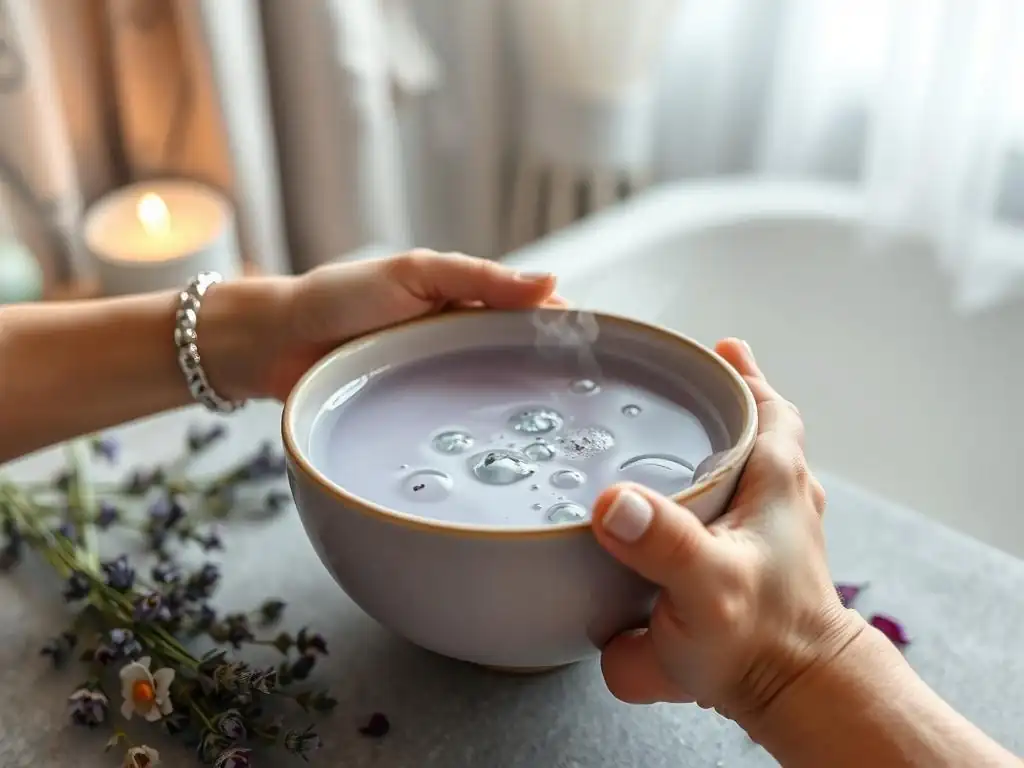
Welcome to Mind Care Guide!
Feeling overwhelmed? You're not alone. We understand the daily pressures that can weigh heavily on your mind. Discover a gentle path towards tranquility with The Soothing Secrets of Aromatherapy for Stress Relief. Uncover effective aromatherapy stress relief techniques that can help you navigate life's challenges with a renewed sense of calm. Intrigued to learn how scents can unlock inner peace? Let's begin your journey to a more balanced and peaceful you...
- The Soothing Secrets of Aromatherapy for Stress Relief: A Mind Care Guide
-
Top Aromatherapy Stress Relief Techniques You Can Try at Home
- Diffuser Blends for Calming the Mind and Reducing Anxiety
- Aromatherapy Massage for Deep Relaxation and Tension Relief
- Aromatherapy Baths: Creating a Spa-Like Experience for Stress Relief
- Aromatherapy Inhalers: Quick and Convenient Stress Relief on the Go
- Aromatherapy Compresses: Targeted Relief for Muscle Tension and Stress Headaches
- Choosing the Right Essential Oils for Your Stress Relief Needs
-
Creating Your Own Aromatherapy Stress Relief Blends
- DIY Recipes for Diffusers, Massage Oils, and Bath Blends
- Safety Precautions When Using Essential Oils: A Guide to Dilution and Application
- Energizing Citrus Blend: Enhancing Focus and Alertness
- Tranquil Lavender and Cedarwood Blend: Promoting Sleep and Relaxation
- Grounding Earth Blend: Alleviating General Anxiety and Panic
- Integrating Aromatherapy into Your Daily Stress Management Routine
- Advanced Aromatherapy Techniques for Managing Chronic Stress
- Aromatherapy Stress Relief: Cautions and Considerations
- Conclusion: Embracing Aromatherapy for a Calmer, More Balanced Life
-
Frequently Asked Questions
- What exactly is aromatherapy and how does it work for stress relief?
- Which essential oils are most effective for aromatherapy stress relief techniques?
- What are some common aromatherapy stress relief techniques that I can easily try at home?
- Are there any potential side effects or precautions I should be aware of when using aromatherapy for stress relief?
- How often should I practice aromatherapy stress relief techniques to experience noticeable benefits?
- Final Reflection: Unwinding the Power of Scent for Modern Wellbeing
- Unlock Your Inner Calm: Aromatherapy Action Plan
The Soothing Secrets of Aromatherapy for Stress Relief: A Mind Care Guide
What is Aromatherapy and How Does it Work for Stress?
Aromatherapy is a holistic healing treatment that uses natural plant extracts, known as essential oils, to promote health and well-being. It's often employed as one of several complementary therapies aimed at improving physical and emotional health. The practice involves inhaling the aroma of these "liquid gold" essential oils or applying them topically, typically diluted in a carrier oil.
The fundamental idea is that the scents can trigger responses in the brain, particularly in the limbic system, which is connected to emotions, memory, and motivation. When you engage in aromatherapy stress relief techniques, the aromatic molecules travel from your nose directly to the olfactory bulb, which then transmits signals to the brain's limbic system.
This direct pathway to the brain's emotional control center is key to how aromatherapy can influence mood and stress levels. For instance, inhaling certain scents is thought to stimulate the release of neurotransmitters like serotonin and endorphins, which can help alleviate feelings of stress and anxiety. Conversely, other scents might promote alertness or relaxation.
The specific chemical compounds within each essential oil are believed to interact with the body's systems in different ways, influencing everything from heart rate and blood pressure to brain activity and hormone release. Understanding these mechanisms helps explain why incorporating aromatherapy into your routine can be a powerful tool for managing daily stressors and enhancing mental well-being.
The Science Behind Aromatherapy and Relaxation
Scientific research into aromatherapy's effects on stress and relaxation has explored various mechanisms. One prominent theory involves the interaction of essential oil compounds with receptors in the olfactory system, leading to signals being sent to the central nervous system.
Studies using brain imaging techniques, like fMRI, have shown changes in brain activity patterns when individuals inhale certain essential oils known for their calming properties, such as lavender. For example, some research indicates that inhalation of lavender oil may increase alpha wave activity in the brain, which is associated with a relaxed yet alert state, while also potentially decreasing beta wave activity, linked to stress and anxiety.
Beyond the brain, the chemical components of essential oils can also enter the bloodstream when inhaled or applied topically (with proper dilution). Once in the circulation, they can interact with various physiological systems.
For instance, certain compounds, like linalool found in lavender, have been shown in some studies to have sedative effects and potentially influence the parasympathetic nervous system, promoting a "rest and digest" state and reducing the physiological symptoms of stress, such as elevated heart rate and blood pressure. While research is ongoing and results can vary, the cumulative evidence suggests that specific essential oils possess properties that can indeed contribute to relaxation and stress reduction through both neurological and physiological pathways.
Key Essential Oils for Stress Reduction: A Beginner's Guide
Embarking on your journey with aromatherapy stress relief techniques can start with a few widely recognized essential oils known for their calming properties. These oils are often considered staples for beginners due to their gentle nature and well-documented effects on mood and stress.
- Lavender (Lavandula angustifolia): Perhaps the most famous oil for relaxation, lavender is widely used to promote sleep, reduce anxiety, and calm the nervous system.
- Chamomile (Matricaria recutita or Chamaemelum nobile): Available in Roman and German varieties, chamomile is known for its soothing properties, helping to ease tension and promote tranquility.
- Frankincense (Boswellia carterii or serrata): Often used in meditation, frankincense has grounding properties that can help calm the mind and reduce feelings of overwhelm.
- Bergamot (Citrus bergamia): A citrus oil with a sweet, uplifting scent, bergamot is known for its ability to reduce anxiety and improve mood, often used to combat stress-related depression.
- Ylang-Ylang (Cananga odorata): This exotic floral oil is powerful for easing tension, slowing down a racing heart, and promoting a sense of peace and well-being.
Each of these oils offers unique benefits for managing stress. Lavender, for instance, is frequently cited in studies showing a significant reduction in perceived stress levels and improved sleep quality among participants. Chamomile is often recommended for its gentle, calming effect, making it suitable for sensitive individuals. Frankincense's earthy aroma can help anchor the mind during moments of anxiety or panic.
Bergamot's bright scent provides a mental lift, which can be particularly helpful during stressful periods that lead to feelings of sadness or lethargy. Ylang-ylang's rich fragrance can act as a sedative, helping to calm the nervous system and alleviate physical symptoms of stress like muscle tension. Experimenting with these foundational oils is a great way to discover which scents resonate most with you for effective aromatherapy stress relief.
Top Aromatherapy Stress Relief Techniques You Can Try at Home
Diffuser Blends for Calming the Mind and Reducing Anxiety
Using an essential oil diffuser is one of the simplest and most popular aromatherapy stress relief techniques. Diffusers disperse essential oil molecules into the air, allowing you to inhale their beneficial aromas passively while you go about your day or relax in the evening.
This continuous exposure to calming scents can create a peaceful atmosphere and help regulate your mood over time. For example, diffusing a blend of 3 drops of lavender and 2 drops of bergamot in the evening can help signal to your brain that it's time to wind down, potentially reducing cortisol levels and preparing you for restful sleep.
Creating custom diffuser blends allows you to tailor the aromatherapy experience to your specific needs. If you're feeling anxious, a blend focusing on grounding oils like frankincense and cedarwood might be beneficial. For general daily stress reduction, a simple blend of lavender and chamomile is often effective. Many people find that diffusing essential oils while working or studying helps maintain focus while keeping stress at bay. Remember to use a good quality diffuser and pure essential oils for the best results, and always follow the manufacturer's instructions for your specific device.
Aromatherapy Massage for Deep Relaxation and Tension Relief
Aromatherapy massage combines the therapeutic power of touch with the beneficial properties of essential oils, making it a deeply effective aromatherapy stress relief technique. During an aromatherapy massage, essential oils are diluted in a carrier oil (like jojoba, almond, or coconut oil) and applied to the skin.
The massage itself helps to release muscle tension, improve circulation, and promote relaxation, while the essential oils are absorbed through the skin and their aromas are inhaled, providing a dual-action approach to stress reduction. A common dilution ratio for adults is 1-3% essential oil in the carrier oil, meaning about 6-18 drops of essential oil per ounce of carrier oil.
Using specific essential oils known for their muscle-relaxant or calming properties can significantly enhance the massage experience. For instance, a blend of marjoram, lavender, and chamomile diluted in a carrier oil can be particularly effective for easing tense shoulders and neck muscles often associated with stress. A gentle self-massage on your temples, neck, or feet with a calming oil blend can provide quick relief during a stressful day. For a more comprehensive experience, consider seeking a professional aromatherapy massage from a certified therapist who can customize the oils and techniques to your specific stress-related concerns.
Aromatherapy Baths: Creating a Spa-Like Experience for Stress Relief
An aromatherapy bath is a luxurious and effective way to unwind and practice aromatherapy stress relief techniques at home. The warm water itself is relaxing, and adding essential oils allows you to inhale their aromas in a steamy environment while the diluted oils can also have a gentle effect on the skin. It's important to note that essential oils do not mix with water and need to be properly dispersed to avoid skin irritation.
A safe way to add essential oils to a bath is to first mix them with a dispersant like Epsom salts, a carrier oil (like jojoba or fractionated coconut oil), or a small amount of milk before adding the mixture to the running bathwater. A typical bath blend might use 5-10 drops of essential oil mixed with about a cup of Epsom salts or a tablespoon of carrier oil.
Choosing the right oils can transform your bath into a sanctuary for stress relief. Lavender, Roman chamomile, and frankincense are excellent choices for promoting deep relaxation and easing mental tension. For a more uplifting yet calming experience, consider adding bergamot or clary sage (though clary sage should be avoided if pregnant). Soaking in an aromatherapy bath for 15-30 minutes can help soothe frayed nerves, relax tense muscles, and promote a sense of calm and well-being.
Aromatherapy Inhalers: Quick and Convenient Stress Relief on the Go
Aromatherapy inhalers are discreet, portable tools that offer immediate access to the benefits of essential oils, making them perfect for aromatherapy stress relief techniques when you're away from home. These small devices typically consist of a cotton wick inside a plastic tube; you add essential oils to the wick and then simply bring the inhaler to your nose and inhale deeply. This method delivers a concentrated dose of aroma directly to your olfactory system, providing rapid relief from stress or anxiety.
Creating your own inhaler is simple and allows for personalized blends. You can add 5-15 drops of your chosen essential oils to a cotton wick, insert it into the inhaler tube, and cap it. For public situations where you need to remain calm, a blend of equal parts lavender and frankincense can be very grounding.
If you need a quick pick-me-up to combat stress-induced fatigue, a blend with peppermint and lemon might be more suitable. Inhalers are ideal for use in the office, during commutes, before stressful meetings, or any time you need a moment of calm and focus without needing a diffuser or topical application.
Aromatherapy Compresses: Targeted Relief for Muscle Tension and Stress Headaches
Aromatherapy compresses are a simple yet effective method for applying essential oils topically to specific areas experiencing tension or pain, often linked to stress. This technique involves adding essential oils to hot or cold water, soaking a cloth in the mixture, wringing it out, and applying it to the body part needing relief. A warm compress is excellent for soothing tense muscles in the neck, shoulders, or lower back, while a cold compress can help alleviate stress headaches or reduce inflammation.
Use caution with hot water to avoid burns, and always ensure essential oils are properly diluted. A typical ratio might be 3-6 drops of essential oil per cup of water, with the oils first mixed with a teaspoon of carrier oil or dispersant before adding to the water.
For a warm compress targeting neck and shoulder tension, a blend of marjoram, lavender, or eucalyptus (use eucalyptus sparingly and avoid near the face) can be very effective. Apply the warm compress for 10-15 minutes. For a stress headache, a cold compress applied to the forehead or back of the neck with a drop or two of peppermint or lavender oil (properly diluted) can provide significant relief.
The targeted application allows the beneficial compounds to potentially penetrate the skin locally, while the aroma is inhaled, providing a combined therapeutic effect. This is one of the practical aromatherapy stress relief techniques for acute physical symptoms of stress.
Choosing the Right Essential Oils for Your Stress Relief Needs
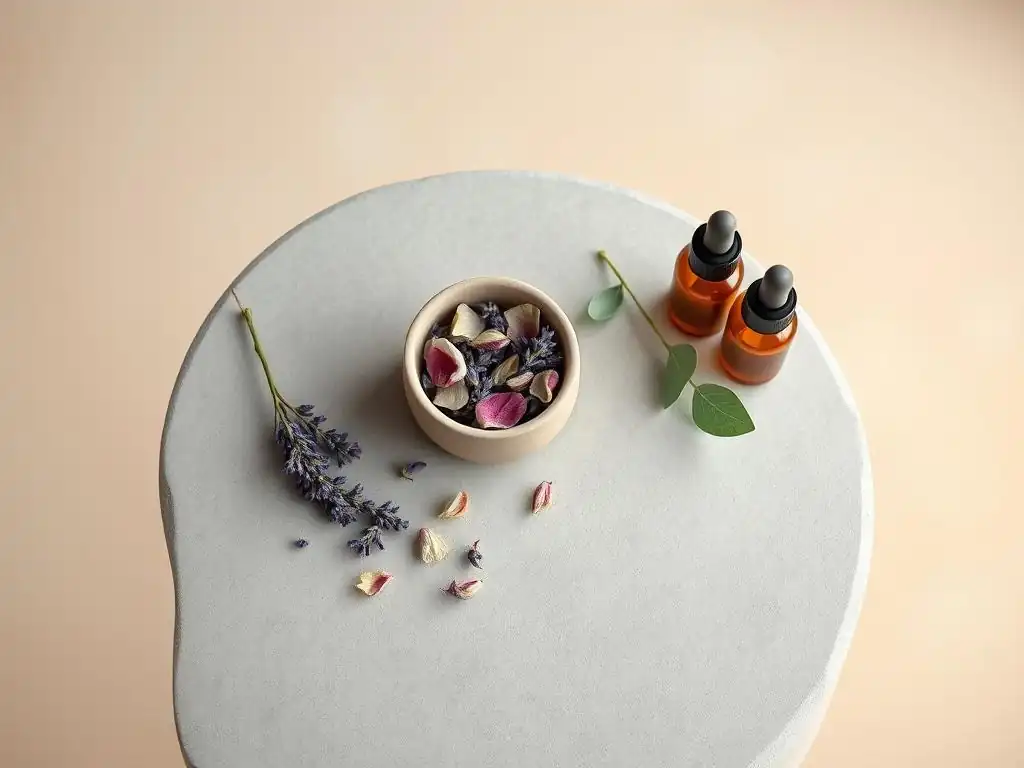
Lavender Oil: The Classic Choice for Relaxation and Sleep
Lavender essential oil ( Lavandula angustifolia) is arguably the most widely recognized and used oil for relaxation and stress relief, and for good reason. Its calming properties are supported by numerous studies and anecdotal evidence. The main chemical components, linalool and linalyl acetate, are believed to interact with the nervous system to produce sedative and anxiety-reducing effects. Inhalation of lavender has been shown in some studies to reduce blood pressure and heart rate, physiological indicators of stress.
Using lavender oil as part of your aromatherapy stress relief techniques is simple and versatile. Diffusing lavender in your bedroom before sleep is a popular method to improve sleep quality. Adding a few drops (diluted) to a warm bath or applying a diluted blend to pulse points can help calm anxiety during the day. A 2015 review of studies suggested that inhaling lavender oil may be beneficial for reducing anxiety symptoms in various populations, reinforcing its status as a go-to oil for promoting tranquility and restful sleep.
Chamomile Oil: Soothing Anxiety and Promoting Calmness
Chamomile essential oil, particularly Roman chamomile ( Chamaemelum nobile), is highly valued for its gentle yet powerful ability to soothe anxiety and promote a sense of calm. It contains esters like isobutyl angelate and isoamyl angelate, which are thought to contribute to its relaxing and anti-inflammatory properties. Chamomile is often recommended for individuals who experience stress-related digestive upset or tension headaches due to its calming influence on both the mind and body.
Incorporating chamomile into your aromatherapy stress relief techniques can be particularly helpful during moments of acute stress or before bedtime. Diffusing chamomile in the evening or adding a few drops (diluted) to a warm bath can create a peaceful atmosphere conducive to relaxation. It's also gentle enough for use in diluted massage blends for children experiencing anxiety or difficulty sleeping. While perhaps less studied than lavender for stress specifically, its traditional use and chemical profile make it a valuable oil for promoting serenity and easing nervous tension.
Frankincense Oil: Grounding and Balancing the Mind
Frankincense essential oil, derived from the resin of Boswellia trees, has been used for centuries in spiritual and medicinal practices. Its rich, earthy, and slightly citrusy aroma is deeply grounding and calming, making it an excellent choice for aromatherapy stress relief, especially when stress manifests as feeling scattered, anxious, or overwhelmed. Frankincense is known for its ability to deepen breathing and promote a sense of peace and centeredness.
Using frankincense in your stress management routine can help quiet a busy mind and promote mental clarity. Diffusing frankincense during meditation or mindfulness practices can enhance the experience and help you feel more anchored. Applying a diluted blend to your pulse points or the base of your neck can provide a sense of calm throughout the day. Frankincense is also known for its potential anti-inflammatory properties, which might indirectly help with stress-related physical discomfort. Its unique ability to promote a feeling of stillness makes it a valuable addition to your collection of aromatherapy stress relief techniques.
Bergamot Oil: Uplifting Your Mood and Reducing Stress
Bergamot essential oil ( Citrus bergamia), cold-pressed from the rind of the bergamot orange, possesses a bright, uplifting, and complex citrus-floral aroma. It's often used in aromatherapy to combat stress-related depression, anxiety, and fatigue. While many citrus oils are energizing, bergamot has a unique quality that is both uplifting and calming, helping to balance mood and reduce nervous tension. The presence of limonene, a common compound in citrus oils, is believed to contribute to its mood-elevating effects.
Incorporating bergamot into your aromatherapy stress relief techniques can be particularly beneficial during the day when stress leaves you feeling down or lethargic. Diffusing bergamot in your workspace or home can create a more positive and relaxed atmosphere. You can also add a drop or two (diluted) to a tissue and inhale periodically. Some studies have indicated that inhaling bergamot essential oil can reduce cortisol levels and improve mood in participants experiencing stress. Caution: Bergamot essential oil is highly phototoxic. Avoid sun exposure on skin where diluted bergamot has been applied topically.
Ylang-Ylang Oil: Easing Tension and Promoting a Sense of Well-being
Ylang-ylang essential oil ( Cananga odorata) is extracted from the flowers of the tropical ylang-ylang tree and has a rich, sweet, and intensely floral aroma. It is well-regarded in aromatherapy for its potent ability to reduce tension, lower blood pressure, and promote feelings of joy and relaxation. Ylang-ylang is often used to calm rapid breathing and heart rate caused by stress and anxiety.
Using ylang-ylang as part of your aromatherapy stress relief techniques can provide significant relief during moments of intense stress or panic. Diffusing a small amount (its scent is potent) can help create a tranquil environment. Adding a drop or two (diluted) to a warm bath or using it in a massage blend can help ease physical tension and promote a sense of peacefulness. Some research suggests that inhaling ylang-ylang can have a positive impact on mood and reduce physiological stress responses. Its powerful relaxing effect makes it a valuable oil for calming the nervous system and fostering emotional balance.
Creating Your Own Aromatherapy Stress Relief Blends
DIY Recipes for Diffusers, Massage Oils, and Bath Blends
Creating your own aromatherapy blends allows for a personalized approach to managing stress. You can combine essential oils based on their synergistic properties and your preferred scents. Always remember to properly dilute essential oils, especially for topical application. A common guideline for adult topical use is a 1-3% dilution (6-18 drops per ounce of carrier oil), while diffusion requires no dilution but careful consideration of the number of drops used relative to room size and duration.
Here are a few simple DIY aromatherapy stress relief techniques blend ideas:
- Relaxing Diffuser Blend: 3 drops Lavender, 2 drops Frankincense, 1 drop Roman Chamomile. Add to your diffuser with water according to device instructions. Ideal for evening relaxation.
- Calming Massage Oil: 6 drops Bergamot, 4 drops Ylang-Ylang, 2 drops Sandalwood (optional, if available). Blend with 1 ounce of carrier oil (like jojoba or sweet almond). Use for a gentle self-massage on shoulders, neck, or feet.
- Soothing Bath Blend: 5 drops Lavender, 3 drops Bergamot, 2 drops Geranium. Mix with 1 cup of Epsom salts or 1 tablespoon of carrier oil before adding to warm bathwater.
Experimenting with different combinations allows you to find what works best for your unique stress experience. Start with simple blends and gradually add more oils as you become comfortable.
Safety Precautions When Using Essential Oils: A Guide to Dilution and Application
While aromatherapy stress relief techniques are generally safe when practiced correctly, essential oils are highly concentrated and require careful handling. Improper use can lead to skin irritation, allergic reactions, or other adverse effects. Dilution is crucial for topical application. Never apply undiluted essential oils directly to the skin, except for a few specific instances under expert guidance (which is rare for stress relief). Always mix them with a carrier oil. Patch testing a new oil or blend on a small area of skin (like the inner forearm) is recommended before applying it more widely.
Ingestion of essential oils is generally not recommended unless specifically advised and monitored by a qualified healthcare professional or certified aromatherapist. Many oils can be toxic if taken internally. When diffusing, ensure the area is well-ventilated, especially if pets or children are present. Start with a low number of drops and diffuse for shorter periods (e.g., 30-60 minutes on, then off). Be mindful of individual sensitivities and potential interactions with medications. Storing essential oils in dark glass bottles away from heat and light helps maintain their quality and safety.
Energizing Citrus Blend: Enhancing Focus and Alertness
Sometimes, stress can leave you feeling drained and lacking focus. An energizing citrus blend can be a wonderful aromatherapy stress relief technique to combat fatigue and enhance alertness, indirectly helping you manage stress more effectively by improving your capacity to cope. Citrus oils like lemon, orange, and grapefruit are known for their uplifting and stimulating properties.
A simple Energizing Citrus Blend for diffusion could be:
- 4 drops Lemon ( Citrus limon)
- 3 drops Sweet Orange ( Citrus sinensis)
- 2 drops Peppermint ( Mentha piperita)
Diffuse this blend in the morning or during the afternoon slump to help clear your head and boost your energy levels. The bright aromas can help lift your spirits and improve concentration. You could also add a drop or two (diluted) to an aromatherapy inhaler for a quick boost on the go. Caution: Citrus oils can be phototoxic; avoid sun exposure if applied topically.
Tranquil Lavender and Cedarwood Blend: Promoting Sleep and Relaxation
Difficulty sleeping is a common symptom of stress. A tranquil blend specifically designed to promote sleep and deep relaxation is a valuable aromatherapy stress relief technique for improving rest. Lavender is a classic choice for sleep, and cedarwood adds a grounding, woody note that enhances the calming effect and promotes a sense of security.
A Tranquil Lavender and Cedarwood Blend for diffusion or a bath (mixed with a dispersant) could be:
- 4 drops Lavender ( Lavandula angustifolia)
- 3 drops Cedarwood ( Juniperus virginiana or Cedrus atlantica)
- 1 drop Vetiver ( Vetiveria zizanioides) (optional, for deeper grounding)
Diffuse this blend in your bedroom for 30 minutes before bedtime. The combined aromas create a peaceful environment conducive to falling asleep and staying asleep, allowing your body and mind to recover from the day's stress. Using this blend in a warm bath before bed can also be incredibly relaxing.
Grounding Earth Blend: Alleviating General Anxiety and Panic
When stress manifests as general anxiety, feeling ungrounded, or even panic, a blend featuring earthy and resinous oils can be incredibly supportive. These oils help to anchor the mind, promote a sense of stability, and calm the nervous system. This type of aromatherapy stress relief technique focuses on bringing you back to the present moment.
A Grounding Earth Blend for diffusion or topical application (diluted) could be:
- 3 drops Frankincense ( Boswellia carterii)
- 2 drops Vetiver ( Vetiveria zizanioides)
- 2 drops Patchouli ( Pogostemon cablin) (use sparingly, scent is strong)
- 1 drop Spruce or Fir ( Picea mariana or Abies sibirica)
Diffusing this blend can help create a stable and calm atmosphere during the day or when feeling overwhelmed. For topical use, dilute 8-12 drops in 1 ounce of carrier oil and apply to the pulse points, base of the spine, or soles of the feet. The deep, resonant aromas help to soothe the nervous system and promote a feeling of being rooted and secure.
Integrating Aromatherapy into Your Daily Stress Management Routine
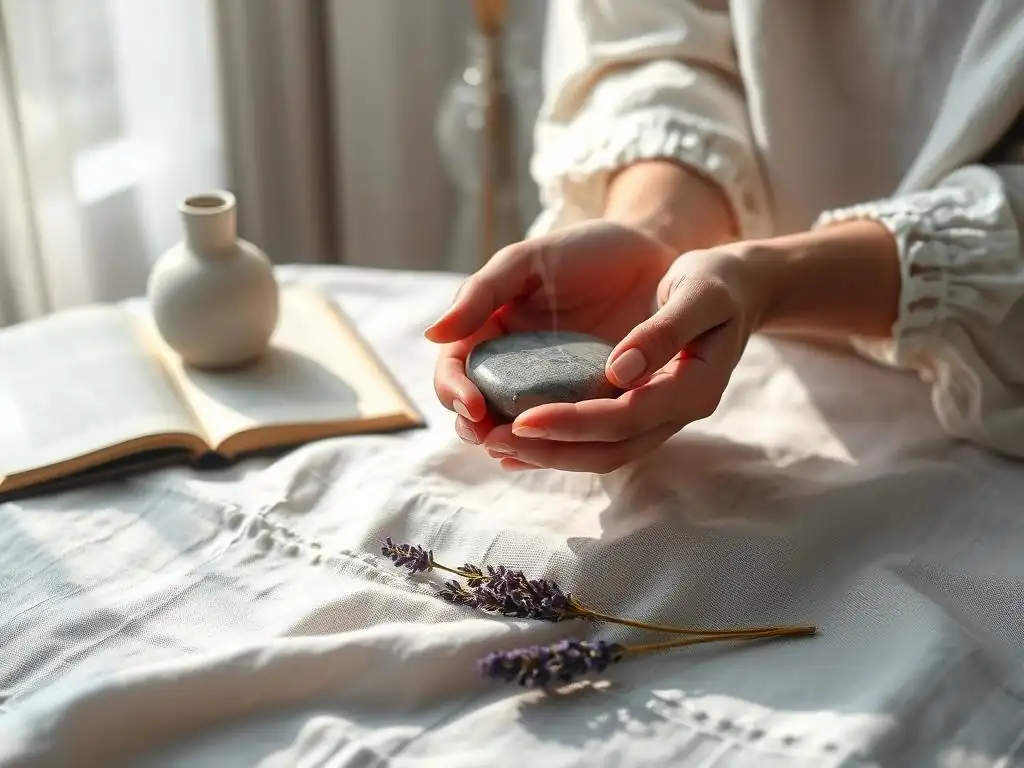
Aromatherapy for Mindfulness and Meditation Practices
Integrating aromatherapy into mindfulness and meditation practices can significantly deepen the experience and enhance their stress-reducing benefits. The consistent use of a specific aroma during these practices can create a positive olfactory anchor, making it easier to enter a calm state. When you inhale the chosen scent during meditation, your brain begins to associate that aroma with the relaxed, focused state you cultivate during the practice. This makes it easier to trigger that state simply by inhaling the scent at other times when you feel stressed.
Using aromatherapy stress relief techniques in conjunction with mindfulness can involve diffusing a calming blend (like frankincense and sandalwood) in your meditation space, applying a diluted grounding oil (like vetiver) to your pulse points before you begin, or simply holding an aromatherapy inhaler with a calming blend and taking a few deep breaths. For example, diffusing frankincense during a 10-minute morning meditation can help set a calm tone for the day.
Using a blend of lavender and bergamot during a midday mindfulness break can help reset your nervous system. The aroma serves as a gentle reminder to be present and breathe deeply, reinforcing the benefits of both practices for stress management.
Combining Aromatherapy with Other Stress-Reducing Activities
Aromatherapy stress relief techniques are often most effective when used as part of a broader stress management strategy. Combining aromatherapy with other activities known to reduce stress can create a powerful synergistic effect. For instance, adding a calming essential oil blend to the water in a warm bath already promotes relaxation. Incorporating aromatherapy into a yoga or stretching routine can enhance the sense of peace and body awareness.
Consider diffusing an energizing citrus blend while engaging in light exercise, or using a relaxing blend in a massage oil before bed as part of your sleep hygiene routine. Pairing aromatherapy with journaling can help unlock emotions and provide comfort. For example, diffusing chamomile while writing in a gratitude journal or using a frankincense inhaler before engaging in deep breathing exercises can amplify the calming effects. The key is to weave aromatherapy seamlessly into activities you already use or want to use for stress relief, making them more potent and enjoyable.
Creating a Relaxing Environment with Aromatherapy
Transforming your living or workspace into a sanctuary of calm using aromatherapy is one of the most passive yet effective aromatherapy stress relief techniques. The ambient scent of essential oils can continuously influence your mood and nervous system throughout the day. By consciously choosing scents that promote relaxation, focus, or upliftment, you can actively shape the emotional environment around you.
This can involve using diffusers in key areas of your home, such as the living room or bedroom, to maintain a consistent calming atmosphere. For example, diffusing lavender in the bedroom every evening trains your brain to associate that space and scent with sleep and relaxation. In a home office, diffusing a blend of lemon and rosemary might help maintain focus while reducing stress.
Using room sprays made with diluted essential oils and water can also provide a quick burst of calming aroma. Creating a relaxing environment through scent helps reduce ambient stress and makes your personal space a haven from external pressures.
Advanced Aromatherapy Techniques for Managing Chronic Stress
Working with a Certified Aromatherapist for Personalized Stress Relief Plans
For individuals dealing with chronic or severe stress, working with a certified aromatherapist can provide significant benefits. A certified professional has in-depth knowledge of essential oil chemistry, safety, and therapeutic applications. They can assess your specific stress symptoms, lifestyle factors, and health history to develop a personalized aromatherapy stress relief plan tailored to your unique needs.
This might involve recommending specific essential oils or blends, suggesting appropriate dilution ratios and application methods (e.g., topical, inhalation, specific compresses), and guiding you on how to integrate aromatherapy safely and effectively into your daily routine. They can also help identify potential contraindications with medications or existing health conditions. For example, someone experiencing stress-related insomnia might receive a personalized blend and application instructions different from someone dealing with stress-induced digestive issues or muscle tension. A certified aromatherapist provides expert guidance that goes beyond general recommendations, offering a more targeted and potentially more effective approach to chronic stress management.
Aromatherapy can potentially offer support for specific conditions exacerbated by chronic stress, such as tension headaches, digestive issues (like IBS), anxiety disorders, and insomnia. While aromatherapy is not a substitute for medical treatment, it can be a valuable complementary therapy. Certain essential oils have properties that may help alleviate the symptoms associated with these conditions.
For instance, peppermint oil (diluted) can be applied topically to the temples or inhaled to help relieve tension headaches. A gentle abdominal massage with a diluted blend containing ginger or fennel oil might help soothe stress-related digestive discomfort. Diffusing or inhaling oils like lavender, chamomile, or frankincense is often used to help manage symptoms of anxiety and promote sleep. A certified aromatherapist can provide guidance on appropriate oils, dilutions, and application methods for these specific concerns, ensuring safe and effective use as part of your overall stress management plan.
Considerations for Long-Term Aromatherapy Use
Using aromatherapy stress relief techniques consistently over the long term requires attention to safety and efficacy. It's important to use high-quality, pure essential oils and store them properly to maintain their therapeutic properties. Rotating the essential oils you use can help prevent sensitization or potential adverse reactions that might occur with continuous use of the same oil. For example, you might use a lavender blend for sleep for a few weeks, then switch to a chamomile blend, and later a blend featuring valerian or marjoram.
Monitoring your response to aromatherapy over time is also crucial. While many people experience ongoing benefits, individual responses can vary. If you notice any skin irritation, respiratory discomfort, or if your stress symptoms worsen, discontinue use and consult a healthcare professional or certified aromatherapist. Long-term use, especially with topical application, requires diligent attention to proper dilution to avoid sensitization. By practicing safe handling, proper dilution, and rotating oils, you can continue to benefit from aromatherapy as a sustained tool for managing chronic stress.
Aromatherapy Stress Relief: Cautions and Considerations
Potential Side Effects and Interactions of Essential Oils
While generally safe when used correctly, essential oils can cause side effects, particularly if used improperly. The most common side effect is skin irritation or allergic reaction, often resulting from using undiluted oils or oils that have oxidized. Phototoxicity is another concern with certain oils, like bergamot and some other citrus oils, which can cause severe sunburn-like reactions if applied topically before sun exposure.
Essential oils can also interact with certain medications or exacerbate existing health conditions. For example, some oils might affect blood pressure, blood clotting, or blood sugar levels. Peppermint oil can interfere with certain oral medications. Individuals with respiratory conditions like asthma may be sensitive to inhaling certain oils. Always consult with a healthcare provider before using essential oils, especially if you have pre-existing health conditions, are taking medications, or are pregnant or breastfeeding. This ensures that the aromatherapy stress relief techniques you choose are safe for your individual circumstances.
Essential Oil Safety for Specific Populations
Certain populations require extra caution when using essential oils for stress relief. This includes pregnant and breastfeeding individuals, infants and young children, and the elderly. Essential oils should be used with extreme caution, if at all, during pregnancy, and only under the guidance of a qualified healthcare provider or certified aromatherapist, as some oils can pose risks. For infants and young children, essential oils should be heavily diluted (typically 0.5-1% or less) and certain oils, like peppermint and eucalyptus, should be avoided due to potential respiratory issues. Diffusion should be used sparingly and in well-ventilated areas.
The elderly may have more sensitive skin or underlying health conditions, requiring lower dilutions for topical use and careful consideration of potential interactions. Individuals with compromised immune systems or severe allergies should also approach aromatherapy with caution. Always prioritize safety by using proper dilution, avoiding ingestion, and consulting with healthcare professionals or certified aromatherapists, especially when using aromatherapy stress relief techniques with vulnerable populations.
Identifying and Avoiding Adulterated Essential Oils
The market for essential oils can be complex, and the quality of oils varies significantly. Adulterated or synthetic oils may not provide the desired therapeutic benefits and could even contain harmful substances. Identifying and avoiding adulterated oils is crucial for safe and effective aromatherapy stress relief. Look for reputable suppliers who provide information about the oil's botanical name, country of origin, extraction method, and ideally, Gas Chromatography-Mass Spectrometry (GC/MS) reports, which verify the oil's chemical composition and purity.
Pure essential oils are typically sold in dark glass bottles (amber or cobalt blue) to protect them from light degradation and should have a strong, characteristic aroma. Be wary of oils that are unusually inexpensive or sold in clear glass or plastic bottles. Learning about the typical aroma and appearance of pure oils can also help. By choosing high-quality, unadulterated essential oils, you ensure that your aromatherapy stress relief techniques are based on the genuine therapeutic properties of the plants, maximizing effectiveness and minimizing risks.
Conclusion: Embracing Aromatherapy for a Calmer, More Balanced Life
Aromatherapy offers a diverse range of accessible and enjoyable techniques that can be powerfully integrated into a comprehensive stress management plan. From simple diffusion to personalized massage blends and targeted compresses, the soothing secrets of aromatherapy provide natural pathways to relaxation, tension relief, and emotional balance. By understanding how essential oils interact with the body and mind, choosing appropriate oils for your needs, and practicing safe usage, you can harness the therapeutic potential of plant aromas to navigate the challenges of modern life with greater ease.
Embracing aromatherapy stress relief techniques is more than just using pleasant scents; it's about creating intentional moments of calm and self-care throughout your day. Whether you seek a quick moment of peace with an inhaler, a deep state of relaxation in a bath, or a consistent calming atmosphere in your home, aromatherapy provides versatile tools to support your mental well-being journey. As you explore different oils and methods, you'll discover which aromas resonate most deeply with you, helping you cultivate a calmer, more balanced life, one breath at a time.
Frequently Asked Questions
What exactly is aromatherapy and how does it work for stress relief?
Aromatherapy uses essential oils extracted from plants to promote well-being. It works by stimulating the olfactory system, which is directly linked to the brain areas that control emotions and memories, thus reducing stress.
Which essential oils are most effective for aromatherapy stress relief techniques?
Popular options include lavender, known for its calming properties, chamomile, which promotes relaxation, and frankincense, often used to reduce anxiety and create a sense of grounding.
What are some common aromatherapy stress relief techniques that I can easily try at home?
Simple techniques include using an essential oil diffuser, adding oils to a warm bath, or applying diluted oils topically through massage. These methods can help calm the mind and body.
Are there any potential side effects or precautions I should be aware of when using aromatherapy for stress relief?
Essential oils are potent and should always be diluted before topical application. Some people may experience allergic reactions, and certain oils are not safe for pregnant women or individuals with specific medical conditions.
How often should I practice aromatherapy stress relief techniques to experience noticeable benefits?
Consistency is key. Incorporating aromatherapy into your routine several times a week, even for short periods, can lead to cumulative benefits in managing stress levels and promoting overall well-being.
Final Reflection: Unwinding the Power of Scent for Modern Wellbeing
The pervasive stress of modern life demands effective coping mechanisms, and the ancient practice of aromatherapy offers a surprisingly potent solution. Its ability to directly impact our emotional and physiological states makes it not just a trend, but a vital tool for navigating the complexities of the 21st century. We've explored the science behind aromatherapy's stress-relieving effects, examining specific essential oils and their applications, and now it's time to consider the broader implications.
Aromatherapy's influence extends far beyond individual stress management; it's reshaping our understanding of holistic wellness. It's a gentle reminder that our connection to nature, even through the subtle power of scent, can profoundly impact our mental and physical health. This shift towards natural remedies reflects a growing desire for self-care practices that are both effective and sustainable. The body is your temple. Keep it pure and clean for the soul to reside in.
This sentiment, though not directly about aromatherapy, speaks to the core principle of nurturing oneself through mindful practices, which aromatherapy beautifully embodies.
Consider the scents that evoke calm and peace within you. What essential oils resonate most deeply with your personal needs? Take this opportunity to integrate aromatherapy into your daily routine – whether it's diffusing lavender before bed, adding a few drops of chamomile to your bath, or simply inhaling the uplifting scent of citrus in the morning. Embrace the soothing secrets of aromatherapy, and discover the transformative power of scent in your journey towards a more balanced and stress-free life.
Unlock Your Inner Calm: Aromatherapy Action Plan
Thanks for taking the time to explore the calming world of aromatherapy with us! We hope you've discovered new ways to manage stress and find inner peace. Now it's time to put your knowledge into action.
- Start your aromatherapy journey today! Choose one essential oil mentioned in the article and create a simple diffuser blend or try a relaxing bath. Note down your experience and how it affected your stress levels.
- Share your newfound knowledge! Recommend your favorite calming scent to a friend or family member who might benefit from aromatherapy.
- Consider exploring different carrier oils to personalize your aromatherapy experience. Experiment to find what works best for your skin and scent preferences.
Ready to breathe easier and feel more at peace? What's the first calming scent you'll be exploring?