
The LongTerm Impact: How Consistent Mindfulness Reduces Anxiety

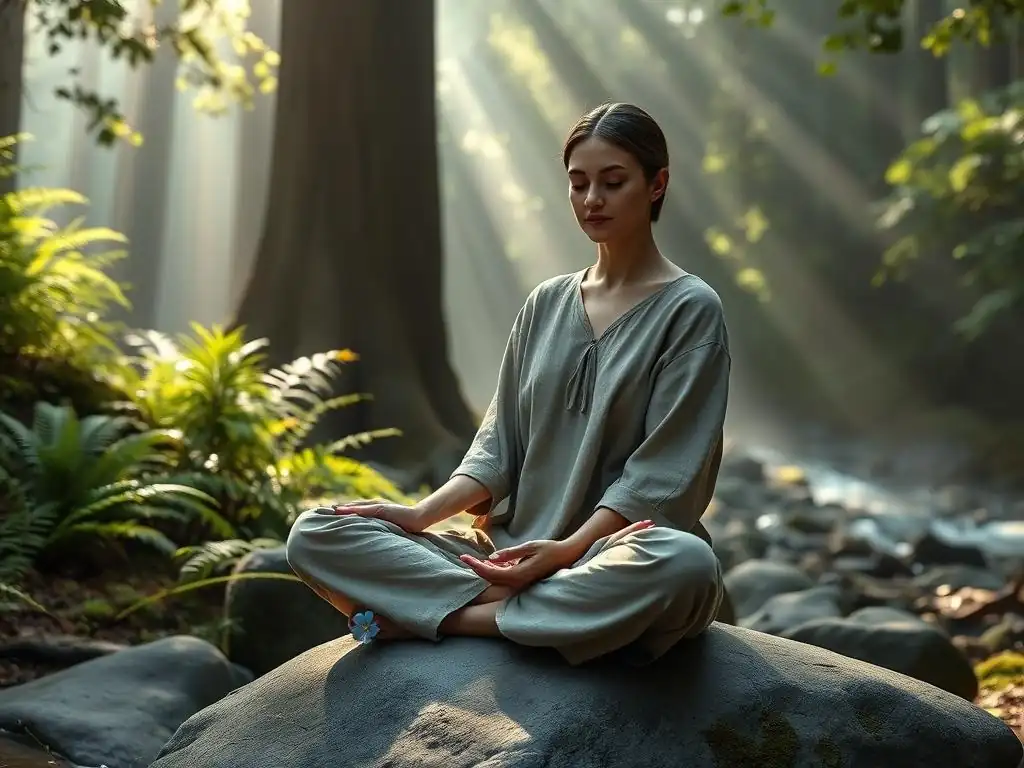
Welcome to Mind Care Guide, a space dedicated to nurturing your inner peace. Feeling overwhelmed by anxiety? You're not alone. Many seek relief, and research points to a powerful tool. This article delves into how consistent mindfulness reduces anxiety, offering practical insights and evidence-based strategies. Could this be the key to lasting calm you've been searching for? Read on to discover the long-term impact of embracing mindfulness.
The Long-Term Impact: How Consistent Mindfulness Reduces Anxiety
- Understanding Anxiety and the Need for Long-Term Solutions
- Mindfulness Reduces Anxiety Consistently: The Science Behind It
- Building a Consistent Mindfulness Practice for Anxiety Relief
- Mindfulness Techniques for Long-Term Anxiety Management
- Overcoming Challenges in Maintaining a Consistent Mindfulness Practice
- The Benefits of Consistent Mindfulness Beyond Anxiety Reduction
- Real-Life Examples: Mindfulness Success Stories for Anxiety
- Resources for Continuing Your Mindfulness Journey
- Conclusion: Embracing Mindfulness for Lasting Anxiety Relief
-
Frequently Asked Questions
- What exactly is mindfulness, and how does it relate to anxiety reduction?
- How does consistent mindfulness differ from occasional mindfulness practice in reducing anxiety?
- What are some practical ways to incorporate consistent mindfulness into my daily routine?
- How long does it typically take to see a noticeable reduction in anxiety symptoms through consistent mindfulness practice?
- Are there any potential downsides or limitations to using mindfulness as a primary method for reducing anxiety?
- Final Reflection: Cultivating Inner Peace in a Frantic World
- Unlock Your Calm: Start Your Mindfulness Journey Today!
Understanding Anxiety and the Need for Long-Term Solutions
Anxiety is a natural human response to stress and perceived threats. However, when anxiety becomes excessive, persistent, and interferes with daily life, it can develop into a disorder. Millions of people worldwide grapple with various forms of anxiety, seeking effective ways to manage their symptoms and reclaim their well-being. While immediate relief is often sought, the true challenge lies in finding strategies that offer sustained, long-term support.
This article explores how consistent mindfulness reduces anxiety, offering not just temporary calm but a pathway to lasting peace. We will delve into the science behind this ancient practice and provide practical steps and techniques for building a routine that genuinely impacts anxiety over time.
The Prevalence of Anxiety Disorders: A Growing Concern
Anxiety disorders represent one of the most common mental health challenges globally. It's estimated that a significant portion of the population will experience an anxiety disorder at some point in their lives, affecting individuals across all age groups and backgrounds. This widespread prevalence highlights the urgent need for accessible and effective long-term management strategies.
The impact of anxiety extends far beyond emotional distress; it can significantly impair physical health, relationships, academic performance, and career progression. Conditions like Generalized Anxiety Disorder (GAD), panic disorder, social anxiety disorder, and specific phobias demonstrate the diverse ways anxiety can manifest, underscoring the importance of finding adaptable and sustainable approaches to treatment and management. Understanding this broad impact motivates the search for methods that offer consistent relief.
Short-Term vs. Long-Term Anxiety Relief Strategies
Many people initially turn to short-term coping mechanisms to deal with acute anxiety. These might include deep breathing exercises during a panic attack, distraction techniques, or even avoidance of anxiety-provoking situations. While these strategies can provide temporary respite and are valuable in moments of crisis, they often fail to address the root causes of chronic anxiety or build lasting resilience.
Long-term strategies, in contrast, focus on fundamentally altering how we relate to our anxious thoughts and feelings. Therapy, lifestyle changes like exercise and diet, and practices such as mindfulness fall into this category. These approaches require consistent effort but offer the potential for significant, sustained reductions in anxiety levels and an improved ability to navigate life's challenges without being overwhelmed by fear.
Why Mindfulness is a Powerful Tool for Sustained Anxiety Reduction
Mindfulness, the practice of bringing one's attention to the present moment without judgment, is increasingly recognized as a powerful tool for managing anxiety over the long haul. Unlike techniques that aim to eliminate or control anxious thoughts, mindfulness teaches us to observe them with a sense of distance and non-reactivity. This shift in perspective is crucial for weakening the grip anxiety has on our minds and bodies.
By cultivating present-moment awareness consistently, individuals can learn to recognize the early signs of anxiety, understand their personal triggers, and choose how to respond rather than reacting automatically from a place of fear. This intentional engagement with one's inner experience, practiced regularly, is why mindfulness reduces anxiety consistently for many practitioners, fostering a deep sense of calm and stability that endures beyond the meditation cushion.
Mindfulness Reduces Anxiety Consistently: The Science Behind It
The effectiveness of mindfulness in alleviating anxiety is not merely anecdotal; it is supported by a growing body of scientific research. Studies using neuroimaging and physiological measurements provide compelling evidence for how consistent mindfulness practice impacts the brain and body, leading to sustained reductions in anxiety symptoms. Understanding these mechanisms helps validate mindfulness as a legitimate and powerful intervention.
Research continues to explore the intricate pathways through which mindfulness exerts its calming effects, from altering neural circuits to regulating stress hormones. This scientific backing reinforces why incorporating mindfulness into a daily routine is a promising strategy for those seeking long-term relief from anxiety.
Neuroscientific studies have shown that consistent mindfulness practice can lead to measurable changes in brain structure and activity, particularly in areas associated with anxiety and emotional regulation. For instance, research suggests that mindfulness can decrease activity in the amygdala, often referred to as the brain's "fear center," which is hyperactive in individuals with anxiety disorders.
Simultaneously, mindfulness appears to strengthen connections to the prefrontal cortex, the area responsible for higher-level cognitive functions such as attention, decision-making, and emotional regulation. This allows for a more rational and less reactive response to potential stressors. Over time, this rewiring of the brain contributes significantly to how mindfulness reduces anxiety consistently, making individuals less prone to automatic fear responses.
The Role of Mindfulness in Regulating the Nervous System
Anxiety often involves a dysregulation of the body's stress response system, particularly the sympathetic nervous system, which triggers the "fight or flight" response. Consistent mindfulness practice helps to calm this system and activate the parasympathetic nervous system, responsible for the "rest and digest" state. This shift helps to lower heart rate, reduce muscle tension, and promote a feeling of relaxation.
Through techniques like mindful breathing and body scans, individuals become more attuned to their physiological state and learn to consciously regulate their nervous system responses. This improved self-regulation capacity is a key reason why mindfulness reduces anxiety consistently, as it builds the ability to return the body to a state of equilibrium even in the face of stressors.
Consistent Mindfulness Practice and Reduced Cortisol Levels
Cortisol, often called the "stress hormone," is released by the adrenal glands in response to stress. Chronic anxiety is associated with elevated levels of cortisol, which can have detrimental effects on both mental and physical health over time. Studies have indicated that regular mindfulness meditation can lead to a reduction in circulating cortisol levels.
Lowering cortisol contributes to a calmer physiological state and reduces the long-term wear and tear on the body caused by chronic stress. This hormonal impact is another significant factor demonstrating how mindfulness reduces anxiety consistently, offering a biological basis for its profound calming effects on the mind and body.
Building a Consistent Mindfulness Practice for Anxiety Relief
Embarking on a mindfulness journey for anxiety relief requires dedication and consistency. Like building any new skill, it takes time and effort to cultivate a regular practice that yields lasting benefits. The key is to start small, be patient with yourself, and gradually integrate mindfulness into your daily routine in ways that feel accessible and sustainable.
Establishing consistency is paramount because the long-term benefits of mindfulness, particularly its ability to reduce anxiety consistently, accrue over time with regular engagement. Even a few minutes of practice each day can make a significant difference in reshaping your relationship with anxiety.
Setting Realistic Goals for Daily Mindfulness Meditation
When starting out, aim for short, manageable periods of formal mindfulness meditation. Trying to sit for 30 or 60 minutes right away can feel overwhelming and lead to discouragement. Instead, begin with just 5-10 minutes per day. Choose a time when you are least likely to be interrupted, perhaps first thing in the morning or before bed.
- Start with 5-7 minutes daily.
- Use a timer to avoid checking the clock.
- Find a quiet space where you feel comfortable.
- Gradually increase the duration as you feel ready, maybe by 1-2 minutes each week.
Consistency is more important than duration in the beginning. Committing to a short daily practice helps build the habit, which is foundational to experiencing how mindfulness reduces anxiety consistently over weeks and months.
Integrating Mindfulness into Everyday Activities: Beyond Formal Meditation
Mindfulness isn't confined to sitting on a cushion. You can weave mindful moments into countless daily activities. This informal practice strengthens your present-moment awareness throughout the day, reinforcing the skills learned during formal meditation. This integration is crucial for applying mindfulness principles when anxiety arises in real-life situations.
Examples of informal mindfulness:
- Mindful eating: Pay attention to the taste, texture, and smell of your food.
- Mindful walking: Notice the sensation of your feet hitting the ground, the movement of your body, and the sights and sounds around you.
- Mindful showering: Focus on the feeling of the water, the scent of the soap, and the temperature.
- Mindful listening: Fully attend to a conversation without planning your response.
Incorporating these brief moments of awareness throughout your day complements formal practice and helps ensure that mindfulness reduces anxiety consistently by making it a living practice, not just a scheduled activity.
Choosing the Right Mindfulness Techniques for Your Anxiety
Different mindfulness techniques may resonate more strongly depending on the nature of your anxiety. Experimenting with various methods can help you find what feels most supportive and effective for you. Some techniques focus more on bodily sensations, while others emphasize thoughts or emotions.
- Mindful Breathing: Excellent for grounding during moments of panic or intense worry.
- Body Scan Meditation: Useful for recognizing and releasing physical tension often held due to anxiety.
- Walking Meditation: Can be helpful if sitting still feels too difficult or agitating.
- Loving-Kindness Meditation: Beneficial for social anxiety or self-criticism, cultivating compassion.
Finding techniques that feel accessible and helpful increases the likelihood of sticking with the practice, reinforcing how mindfulness reduces anxiety consistently through methods tailored to your specific needs.
Mindfulness Techniques for Long-Term Anxiety Management

Specific mindfulness techniques can be particularly effective when applied consistently for managing anxiety over time. These methods help cultivate different aspects of awareness and acceptance, addressing various facets of the anxiety experience, from physical tension to self-critical thoughts. Regular engagement with these practices builds resilience and emotional intelligence.
By exploring and practicing these techniques, individuals can develop a personalized toolkit for navigating anxious states. The cumulative effect of applying these methods regularly is a key factor in how mindfulness reduces anxiety consistently, fostering a more stable and peaceful inner landscape.
Body Scan Meditation for Heightened Body Awareness and Reduced Tension
Body scan meditation involves systematically bringing attention to different parts of the body, noticing sensations without judgment. Many people hold anxiety-related tension in their bodies – in the shoulders, jaw, or stomach. The body scan helps you become aware of these sensations and, through acceptance rather than resistance, can facilitate their release.
Practicing body scan regularly increases interoceptive awareness – the ability to perceive internal bodily states. This heightened awareness allows you to recognize the physical signs of anxiety earlier, before they escalate, providing an opportunity to intervene with other coping strategies. Consistent use of body scan enhances the way mindfulness reduces anxiety consistently by addressing its physical manifestations.
Mindful Breathing Exercises to Calm the Mind and Body
Focused attention on the breath is a foundational mindfulness practice and a powerful tool for calming the nervous system. The breath is always in the present moment, making it an anchor for awareness when the mind is racing with anxious thoughts about the past or future. Simple mindful breathing involves noticing the inhalation and exhalation as they occur.
Deep, slow mindful breaths can directly signal the parasympathetic nervous system to activate, counteracting the "fight or flight" response. Even just a few minutes of conscious, mindful breathing can help interrupt the anxiety spiral. Making mindful breathing a regular part of your day, especially during stressful moments, is a direct way mindfulness reduces anxiety consistently by providing an immediate calming effect that builds over time.
Loving-kindness meditation (Metta) involves cultivating feelings of warmth, compassion, and kindness towards oneself and others. This practice can be particularly beneficial for individuals struggling with self-criticism or social anxiety, which often stem from fear of judgment or inadequacy.
The practice typically involves silently repeating phrases wishing well-being, happiness, and freedom from suffering for oneself, loved ones, neutral people, difficult people, and eventually all beings. By directing kindness inward, individuals can counter negative self-talk and build self-compassion, reducing the anxiety associated with perceived flaws. Extending kindness outward can help dissolve social fears and foster connection. Regular loving-kindness practice is a powerful way mindfulness reduces anxiety consistently by addressing its relational and self-esteem components.
Overcoming Challenges in Maintaining a Consistent Mindfulness Practice
While the benefits of mindfulness for anxiety are significant, establishing and maintaining a consistent practice is not always easy. Life happens, distractions arise, and motivation can wane. It's important to anticipate common obstacles and develop strategies to navigate them. Recognizing that challenges are a normal part of the process is key to staying committed.
Approaching these difficulties with patience and self-compassion, rather than frustration, is essential. Understanding how to work with obstacles, rather than against them, helps solidify your practice and ensures that mindfulness reduces anxiety consistently even when faced with hurdles.
Common Obstacles to Mindfulness and How to Address Them
Many people encounter challenges when trying to practice mindfulness regularly. Feeling like you "don't have enough time" is perhaps the most common. Counter this by scheduling short, non-negotiable blocks of time, even just 5-10 minutes. Remember, consistency in short bursts is more effective than sporadic long sessions.
Another obstacle is feeling like you're "not doing it right" or that your mind is "too busy." Mindfulness isn't about emptying the mind, but noticing where it goes. Acknowledge the thoughts, gently redirect your attention back to your anchor (like the breath), and understand that mind-wandering is natural. This acceptance is part of the practice itself. Overcoming these initial hurdles is crucial for realizing how mindfulness reduces anxiety consistently over the long term.
Dealing with Distractions and Wandering Thoughts During Meditation
It is perfectly normal for your mind to wander during mindfulness meditation. In fact, the very act of noticing that your mind has wandered and gently bringing it back is a core part of the practice – it's like a bicep curl for your attention muscle. Don't judge yourself for getting distracted; simply observe the thought or distraction without engaging with it.
Think of thoughts like clouds passing in the sky. You notice them, but you don't need to climb on them. When you realize your attention has drifted, gently guide it back to your chosen anchor, whether it's the breath, bodily sensations, or sounds. This repeated process of noticing and returning is precisely how mindfulness strengthens your ability to focus and reduces reactivity to anxious thoughts, contributing to how mindfulness reduces anxiety consistently.
Staying Motivated and Committed to Your Mindfulness Journey
Motivation can fluctuate. On days when you don't feel like practicing, remind yourself why you started – to find relief from anxiety and cultivate inner peace. Reflect on any positive shifts you've already noticed, no matter how small. Reading about the benefits or connecting with others who practice can also provide encouragement.
Consider using cues or triggers to remind you to practice, like linking it to another daily habit (e.g., "after I brush my teeth, I will meditate for 7 minutes"). Track your progress with a simple journal or app to see how consistent mindfulness reduces anxiety consistently in your own life over weeks and months. Be kind to yourself if you miss a day; simply start again the next.
The Benefits of Consistent Mindfulness Beyond Anxiety Reduction
While reducing anxiety is a primary goal for many who turn to mindfulness, the practice offers a wealth of additional benefits that enhance overall well-being. These broader impacts create a positive feedback loop, where improved sleep, emotional regulation, and self-awareness further support the ability to manage anxiety effectively.
The holistic nature of mindfulness means that consistent practice doesn't just target one symptom; it cultivates a healthier mind and body, making individuals more resilient to stress and better equipped to live fulfilling lives. These wider advantages underscore the transformative power of integrating mindfulness consistently.
Improved Sleep Quality and Reduced Insomnia
Anxiety is often closely linked with sleep disturbances, including difficulty falling asleep, staying asleep, or experiencing restless sleep. The racing thoughts and physical tension associated with anxiety can make it challenging to relax sufficiently for restful sleep. Consistent mindfulness practice can significantly improve sleep quality.
By calming the nervous system, reducing rumination, and increasing body awareness, mindfulness helps individuals relax more deeply and quiet the mental chatter that often precedes or interrupts sleep. Studies have shown that mindfulness-based interventions can lead to reductions in insomnia severity. This improved sleep, in turn, helps stabilize mood and reduce overall anxiety levels, demonstrating another way mindfulness reduces anxiety consistently by addressing related issues.
Enhanced Emotional Regulation and Resilience
Mindfulness cultivates the ability to observe emotions without being overwhelmed by them. Instead of reacting impulsively to feelings like fear, anger, or sadness, consistent practice helps create a space between the emotion and your response. You learn to acknowledge the emotion's presence, understand its transient nature, and choose a skillful response.
This enhanced emotional regulation builds resilience, the capacity to bounce back from difficult experiences. When faced with stressful situations, individuals with a consistent mindfulness practice are often better able to navigate their emotional landscape without getting stuck in negative states. This increased resilience is a powerful long-term benefit, showing how mindfulness reduces anxiety consistently by building internal coping resources.
Increased Self-Awareness and Improved Relationships
Mindfulness deepens self-awareness by encouraging you to pay attention to your thoughts, feelings, and physical sensations without judgment. This increased insight helps you understand your patterns, triggers, and values more clearly. With greater self-awareness comes a better understanding of your needs and how to communicate them effectively.
This self-knowledge positively impacts relationships. By becoming more aware of your own internal state and reactions, you can communicate more authentically and respond to others with greater empathy and less reactivity. Mindfulness also enhances listening skills and presence in interactions. Improved relationships, stemming from greater self-awareness and empathy, contribute to a stronger support system and reduced interpersonal anxiety, highlighting another dimension of how mindfulness reduces anxiety consistently.
Real-Life Examples: Mindfulness Success Stories for Anxiety
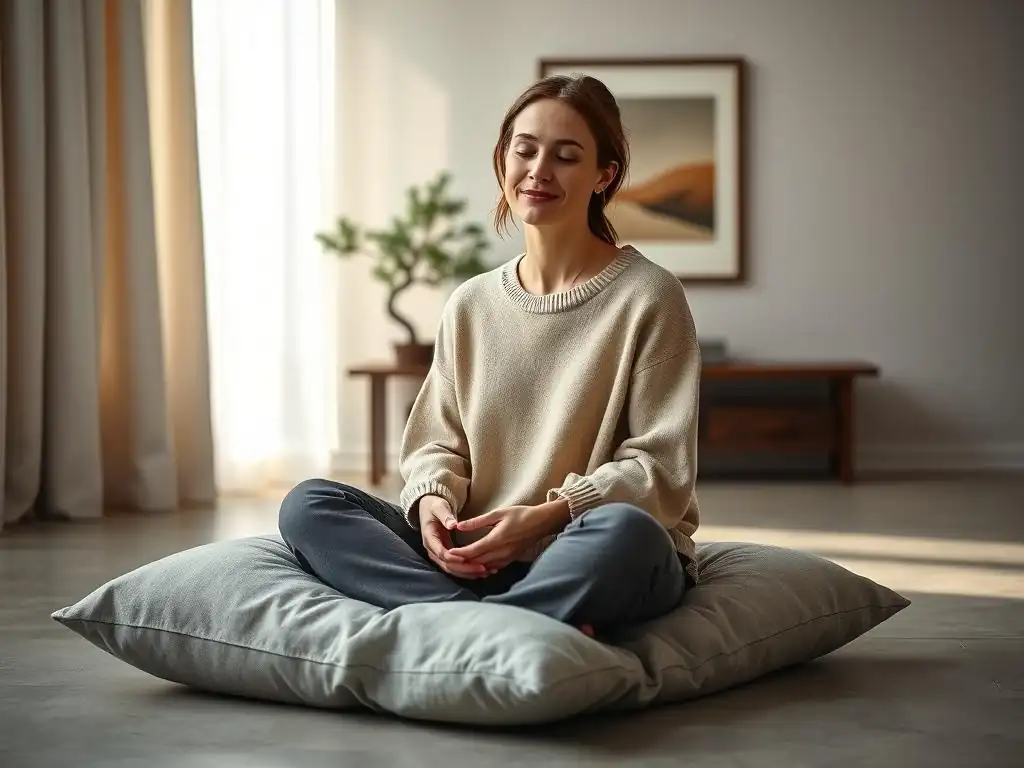
Hearing about how others have successfully used mindfulness to manage their anxiety can be incredibly inspiring and provide tangible examples of its long-term impact. While individual experiences vary, these stories illustrate the potential for significant positive change through consistent practice. These are composite examples based on common experiences shared by individuals who have found relief through mindfulness.
These narratives highlight the journey, the challenges, and the eventual transformation that consistent mindfulness can bring, reinforcing the message that mindfulness reduces anxiety consistently when integrated thoughtfully into one's life.
Sarah, a 28-year-old graphic designer, struggled for years with crippling social anxiety. Public speaking, networking events, and even casual conversations with strangers felt overwhelming. She constantly worried about being judged and often avoided social situations entirely. After trying various short-term strategies with limited success, she decided to commit to a daily 10-minute loving-kindness meditation practice focused on self-compassion and extending kindness outward.
Within a few months, Sarah noticed subtle shifts. She still felt nervous before social events, but the intensity was lower, and the recovery time shorter. She started attending brief networking lunches. By consistently practicing mindfulness, she built a stronger sense of self-acceptance and reduced her fear of judgment. A year into her practice, while she still experienced occasional social jitters, she was confidently giving presentations at work and actively participating in social gatherings, demonstrating how mindfulness reduces anxiety consistently through dedicated effort.
John's Journey: Managing Generalized Anxiety Disorder Through Meditation
John, a 45-year-old accountant, had lived with Generalized Anxiety Disorder (GAD) for most of his adult life. His anxiety manifested as persistent worry about everything from finances to family health, often accompanied by physical symptoms like muscle tension and digestive issues. He felt constantly on edge. John started with a daily 15-minute guided body scan meditation and integrated mindful breathing throughout his workday.
Initially, sitting still was difficult, and his mind raced. However, he persisted, gently bringing his attention back to his body or breath each time it wandered. Over six months, he became much more aware of the physical sensations of anxiety as they arose. This allowed him to use mindful breathing to calm his system before the worry escalated into a full-blown episode. John reported a significant reduction in the frequency and intensity of his prolonged worry periods, finding that consistent mindfulness reduces anxiety consistently by building physiological and mental resilience.
Maria's Experience: Finding Relief from Panic Attacks Through Consistent Mindfulness
Maria, a 35-year-old teacher, began experiencing debilitating panic attacks that seemed to strike without warning, often accompanied by intense fear and physical symptoms like chest pain and shortness of breath. The fear of having another panic attack became a source of constant anxiety itself. She learned mindful breathing techniques and committed to practicing them for 5 minutes every morning and whenever she felt the slightest physical sensation that might signal an impending attack.
Through consistent practice, Maria became more attuned to the subtle early warning signs in her body. Instead of panicking at the first sign, she would immediately engage in slow, mindful breathing, anchoring herself in the present moment. Over several months, the frequency of her full-blown panic attacks decreased dramatically. She still experienced anxiety, but she felt empowered to manage it, demonstrating how mindfulness reduces anxiety consistently by providing a proactive tool for navigating intense fear responses.
Resources for Continuing Your Mindfulness Journey
Embarking on a mindfulness journey is a continuous process of learning and practice. Fortunately, there are numerous resources available to support your efforts, deepen your understanding, and help you maintain consistency. Whether you prefer reading, guided sessions, or structured courses, finding the right tools can significantly enhance your practice and its effectiveness in managing anxiety long-term.
Utilizing these resources can help you stay motivated, explore different techniques, and connect with the principles of mindfulness on a deeper level. This ongoing engagement is key to ensuring that mindfulness reduces anxiety consistently in your life.
Recommended Books and Guided Meditations for Anxiety
Many excellent books provide introductions to mindfulness and its application for anxiety. Look for titles that offer practical guidance, scientific background, and relatable examples. Some classic texts provide foundational knowledge, while newer books may offer specific techniques tailored for anxiety.
Guided meditations, available in various formats, are invaluable, especially for beginners. They provide instruction and pacing, making it easier to stay focused. Look for guided meditations specifically designed for anxiety relief, body scans, or calming the nervous system. Using guided resources can make it easier to establish a routine, helping ensure mindfulness reduces anxiety consistently.
Mindfulness Apps and Online Courses for Long-Term Support
Mindfulness apps have become incredibly popular tools for supporting a consistent practice. Many offer guided meditations of varying lengths, programs focused on specific issues like anxiety or sleep, and features to track your progress. They provide convenience and structure, making it easier to integrate mindfulness into a busy schedule.
Online courses offer more in-depth instruction than apps alone. They often provide a structured curriculum, explore the theoretical underpinnings of mindfulness, and may include community forums. Participating in a course can deepen your understanding and commitment, providing a solid foundation for how mindfulness reduces anxiety consistently through sustained learning and practice.
Finding a Qualified Mindfulness Teacher or Therapist
For personalized guidance and support, especially if you are dealing with significant anxiety, consider working with a qualified mindfulness teacher or a therapist who incorporates mindfulness into their practice. A teacher can provide instruction on techniques, help troubleshoot challenges in your practice, and offer insights tailored to your experience.
A therapist can help you explore the underlying causes of your anxiety and integrate mindfulness within a broader therapeutic framework. They can provide support for navigating difficult emotions or experiences that may arise during practice. Professional guidance can significantly enhance the effectiveness of mindfulness, ensuring that mindfulness reduces anxiety consistently as part of a comprehensive approach to mental well-being.
Conclusion: Embracing Mindfulness for Lasting Anxiety Relief
Living with anxiety can feel like a constant battle, but consistent mindfulness offers a powerful and sustainable path toward peace. By cultivating present-moment awareness without judgment, you can fundamentally change your relationship with anxious thoughts and feelings. The scientific evidence supports the effectiveness of mindfulness in altering brain activity, regulating the nervous system, and reducing stress hormones, demonstrating how mindfulness reduces anxiety consistently over time.
Building a consistent practice, whether through short daily meditations, informal moments throughout the day, or specific techniques like body scans or mindful breathing, is an investment in your long-term well-being. While challenges will arise, they are opportunities to deepen your practice. By embracing mindfulness as an ongoing journey, you empower yourself with a tool that not only alleviates anxiety but also enhances sleep, emotional resilience, self-awareness, and relationships. The commitment to consistent mindfulness reduces anxiety consistently, paving the way for a calmer, more fulfilling life.
Frequently Asked Questions
What exactly is mindfulness, and how does it relate to anxiety reduction?
Mindfulness is a mental state achieved by focusing on the present moment, acknowledging and accepting your feelings, thoughts, and bodily sensations. Practicing it consistently can help you detach from anxious thoughts and reduce their impact.
How does consistent mindfulness differ from occasional mindfulness practice in reducing anxiety?
Consistent mindfulness, practiced daily or regularly, builds a stronger mental resilience against anxiety triggers. Occasional practice can provide temporary relief, but long-term anxiety reduction requires consistent effort and application.
What are some practical ways to incorporate consistent mindfulness into my daily routine?
You can incorporate mindfulness through daily meditation, mindful breathing exercises, or by paying attention to everyday activities like eating or walking. The key is to make it a regular habit for sustained benefits.
How long does it typically take to see a noticeable reduction in anxiety symptoms through consistent mindfulness practice?
The timeline varies, but many people experience a noticeable reduction in anxiety within a few weeks to a couple of months of consistent mindfulness practice. Patience and persistence are crucial.
Are there any potential downsides or limitations to using mindfulness as a primary method for reducing anxiety?
While beneficial for many, mindfulness isn't a cure-all and might not be sufficient for severe anxiety disorders. It's important to consult a mental health professional for a proper diagnosis and treatment plan, potentially in conjunction with mindfulness.
Final Reflection: Cultivating Inner Peace in a Frantic World
The consistent practice of mindfulness isn't just a fleeting trend; it's a powerful antidote to the pervasive anxiety of modern life. In a world saturated with constant stimulation and relentless demands, finding inner peace feels increasingly elusive. This article has explored the scientifically-backed benefits of consistent mindfulness practice, demonstrating its profound ability to reduce anxiety levels over the long term. The evidence is clear: cultivating a mindful approach to life offers a tangible path towards a calmer, more resilient self.
The impact of mindfulness extends far beyond individual well-being; it ripples outwards, influencing our relationships, our work, and even the broader cultural landscape. We are witnessing a growing societal recognition of the importance of mental health, a shift fueled in part by the increasing popularity and accessibility of mindfulness techniques. This movement towards self-awareness and emotional regulation is vital. The mind is everything. What you think you become.
– Buddha. This ancient wisdom resonates deeply today, reminding us of the power we hold to shape our own experiences through conscious attention and mindful engagement with the present moment.
Now, consider your own life. Where do you feel the weight of anxiety pressing down? What small steps can you take today to incorporate more mindfulness into your daily routine? Perhaps it's a few minutes of deep breathing each morning, a mindful walk in nature, or simply paying closer attention to the sensations in your body throughout the day. Start small, be consistent, and witness the transformative power of mindful living unfold. The journey to inner peace begins with a single, mindful breath.
Unlock Your Calm: Start Your Mindfulness Journey Today!
Thanks for taking the time to explore the powerful impact of consistent mindfulness on anxiety reduction! We hope you gained valuable insights into cultivating inner peace. Now it's time to put your newfound knowledge into practice.
Here's how you can begin your mindfulness journey:
- Begin a daily mindfulness practice: Even 5 minutes a day can make a significant difference. Start with guided meditations or simple breathing exercises. This is the key to unlocking the benefits discussed in the article.
- Share this article with someone you care about: Help them discover the transformative power of mindfulness too! Spreading the word helps build a supportive community.
- Try a mindful activity outside your usual routine: Perhaps a mindful walk in nature or a focused session of creative expression – find what resonates with you.
Ready to experience the long-term benefits of reduced anxiety? What small step will you take today to incorporate mindfulness into your life?