
The Mindful Body: Understanding Sensations in Vipassana

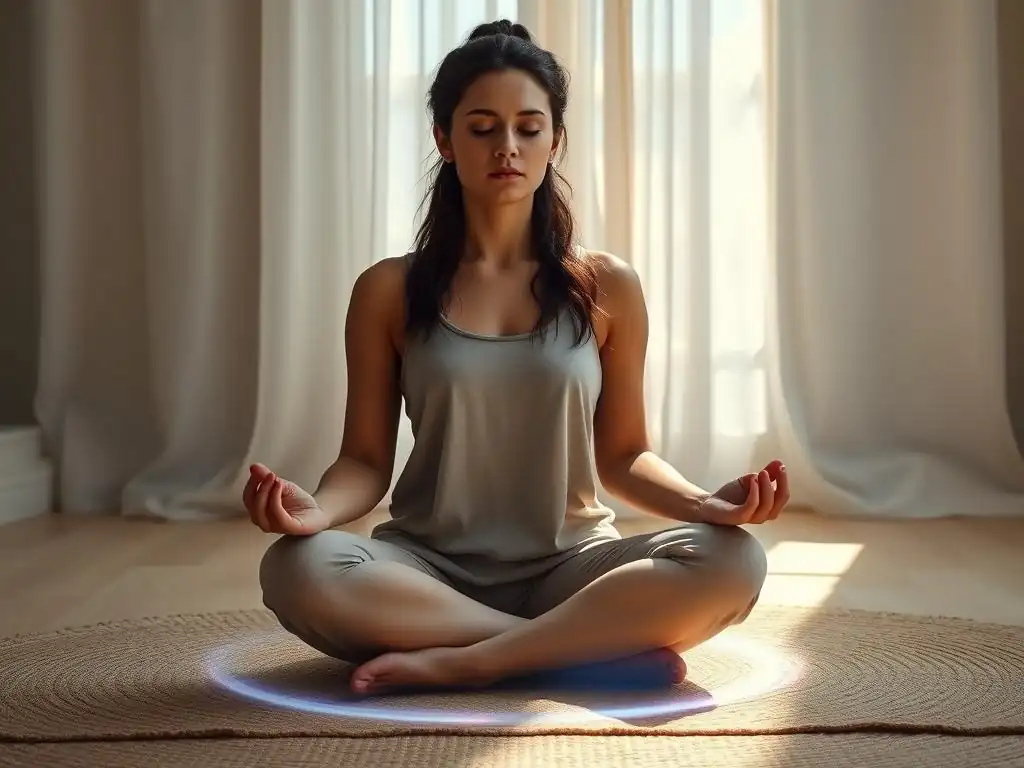
Welcome to Mind Care Guide, a space dedicated to nurturing your mental well-being.
Are you curious about the subtle language of your body and how it connects to inner peace? This is especially true in meditation. Many people have found benefits through Vipassana.
In " The Mindful Body: Understanding Sensations in Vipassana," we'll explore the profound practice of Vipassana meditation and how tuning into body sensations can unlock deeper insights and a more centered you. Discover how this ancient technique can transform your relationship with your mind and body – and perhaps even the world around you. Intrigued? Let's dive in.
The Mindful Body: Understanding Sensations in Vipassana Meditation
- Introduction to Vipassana and Body Awareness
- Exploring Body Sensations During Vipassana
- Techniques for Working with Body Sensations in Vipassana
- Overcoming Challenges in Observing Body Sensations
- The Benefits of Cultivating Body Awareness Through Vipassana
- Advanced Practices: Deepening Your Understanding of Body Sensations
- Practical Tips for Enhancing Your Vipassana Meditation Experience
- Conclusion: The Path to Insight Through Mindful Body Awareness in Vipassana
-
Frequently Asked Questions
- What role do body sensations play in Vipassana meditation?
- Why is it important to pay attention to subtle sensations during Vipassana?
- How do I deal with unpleasant body sensations during Vipassana?
- What if I find it difficult to feel any body sensations at all?
- Can Vipassana meditation focused on body sensations help with mental well-being?
- Final Reflection: Embracing the Whispers of the Body in Vipassana
- Unleash Your Inner Awareness: Cultivate Present Moment Living
Introduction to Vipassana and Body Awareness
What is Vipassana Meditation? An Overview for Beginners
Vipassana, meaning "to see things as they really are," is one of India's most ancient techniques of meditation. Rediscovered by Gautama Buddha more than 2500 years ago, it was taught by him as a universal remedy for universal ills. The technique involves observing reality objectively, starting with the direct experience of the mind-body phenomenon.
This practice is a systematic method for purifying the mind, allowing individuals to observe their own mental and physical processes without judgment or reaction. It's not based on rituals, philosophy, or conversion, but on direct experience and self-exploration. Millions around the world have found it beneficial, often through structured courses ranging from one to ten days or longer, which provide a foundational understanding and practical experience.
The Importance of Body Sensations in Vipassana Practice
In Vipassana, the body serves as the primary field of observation. Every thought, emotion, or mental state is believed to have a corresponding physical manifestation, a sensation within the body. By systematically observing these Vipassana meditation body sensations, the practitioner begins to understand the deep connection between mind and matter.
These sensations are not just random occurrences; they are seen as the surface level of the deep conditioning of the mind. Observing them without reacting allows one to understand the impermanent nature of all phenomena and to gradually untangle the habitual patterns of craving and aversion that lead to suffering. The body, through its sensations, becomes a mirror reflecting the state of the mind.
Connecting Mind and Body Through Sensory Observation
The practice of observing Vipassana meditation body sensations is fundamentally about bridging the perceived gap between the mental and physical realms. We often think of thoughts and emotions as separate from our physical experience, but Vipassana reveals their intimate connection. A moment of anger, for instance, might be accompanied by heat or tension; fear might manifest as a knot in the stomach or trembling.
By training attention on these physical manifestations, the practitioner gains direct insight into how mental states are embodied. This non-conceptual understanding is profoundly different from merely thinking about emotions. It provides a concrete anchor in the present moment and allows the individual to see the impermanent nature of both mental and physical phenomena, leading to greater self-awareness and control over reactions.
Exploring Body Sensations During Vipassana
Identifying Different Types of Body Sensations in Meditation (Vibration, Pulsation, Itching, Aches)
As attention is directed inward during Vipassana, a vast array of Vipassana meditation body sensations can be perceived. These vary greatly in intensity, location, and quality. Common sensations include subtle vibrations, often felt in the hands or feet, a pulsating or throbbing sensation, particularly in areas with blood flow, and the ubiquitous itch that arises and often subsides if observed without reaction.
More pronounced sensations like aches, pains, tension, warmth, coldness, pressure, or lightness are also frequently encountered. The practice encourages observing these sensations precisely as they are – for example, noticing 'pressure' in the back rather than identifying it as 'my back pain.' This objective observation is key to developing insight into their true nature, which is always changing.
The Role of Attention in Perceiving Subtle Sensations
Developing sensitivity to subtle Vipassana meditation body sensations is a gradual process that unfolds with consistent practice. Initially, a meditator might only notice gross sensations like strong pain or itching. However, as the power of attention strengthens through disciplined observation, the awareness penetrates deeper.
This heightened sensitivity allows one to perceive very fine vibrations or subtle energetic flows within the body that were previously unnoticed. It's like turning up the resolution on a screen; details that were blurry or invisible become clear. This ability to perceive subtle sensations is not the goal in itself, but it indicates a mind that is becoming more focused, refined, and capable of observing reality at a deeper level.
Developing Equanimity Towards Pleasant and Unpleasant Sensations
A cornerstone of Vipassana practice is cultivating equanimity towards all Vipassana meditation body sensations, whether they are perceived as pleasant, unpleasant, or neutral. The natural human tendency is to crave pleasant sensations and feel aversion towards unpleasant ones. This reactivity is seen as the root cause of suffering.
Through the systematic observation of sensations with equanimity, the practitioner learns to break this habit pattern. By simply observing an itch without scratching, or a pain without tensing up and wishing it away, or a pleasant warmth without clinging to it, one weakens the conditioning of the mind. This process gradually reduces the power that external circumstances and internal experiences have over one's inner peace.
Techniques for Working with Body Sensations in Vipassana
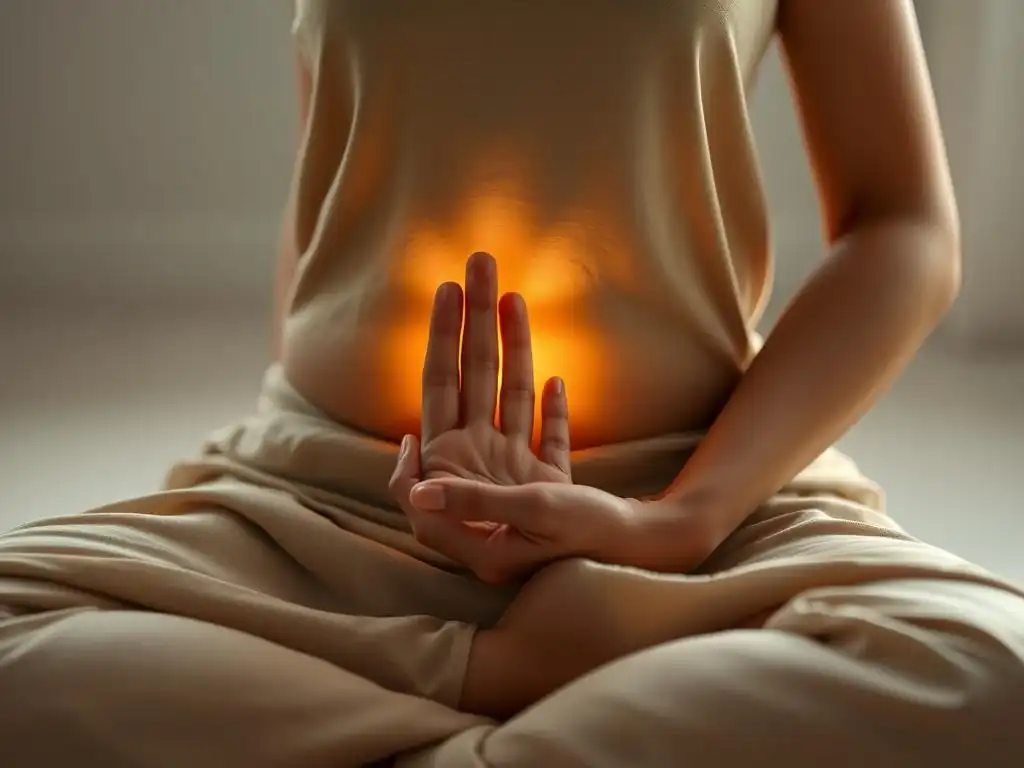
Body Scan Meditation: A Foundational Practice for Sensory Awareness
The body scan is a fundamental technique often used as a preparation for or an integral part of Vipassana meditation. It involves systematically bringing attention to different areas of the body, starting from the top of the head or the feet, and slowly moving awareness through the entire physical form. The instruction is simply to notice whatever Vipassana meditation body sensations are present in each area, without trying to change them or judge them.
This practice builds the capacity for focused attention and develops sensitivity to the subtle sensations that are always occurring within the body. It teaches the mind to rest in direct sensory experience rather than getting lost in thoughts about the past or future. Regular body scanning lays the groundwork for the more free-flowing observation of sensations characteristic of deeper Vipassana practice.
Noticing the Changing Nature of Sensations: Impermanence (Anicca)
A core insight cultivated by observing Vipassana meditation body sensations is anicca, the understanding of impermanence. By paying close attention, the meditator directly experiences that all sensations are constantly changing – arising, remaining for a time, and passing away. An itch might intensify and then disappear, a pain might throb and then fade, a pleasant warmth might shift location or quality.
This direct, experiential understanding of impermanence undermines the illusion of permanence and stability that the mind often creates. Seeing the flow and flux of sensations helps to loosen the grip of attachment to pleasant experiences and aversion to unpleasant ones, as one realizes that "this too shall pass." This insight is crucial for breaking the cycle of suffering.
Using Sensations as Anchors for Mindfulness
While the breath is a common anchor in many mindfulness practices, in Vipassana, the entire field of Vipassana meditation body sensations can serve this purpose. When the mind wanders into thoughts, memories, or fantasies, the instruction is to gently bring awareness back to the physical sensations present in the body in that moment.
Whether it's the feeling of the breath, the contact points with the cushion, or a prominent sensation elsewhere, returning attention to the body grounds the mind in the present reality. This continuous practice of noticing the mind's wandering and gently redirecting it to the anchor of sensation strengthens concentration and maintains mindfulness throughout the sitting period.
Overcoming Challenges in Observing Body Sensations
Dealing with Pain and Discomfort During Vipassana
Pain is a common challenge encountered when observing Vipassana meditation body sensations, particularly during longer sits. The natural reaction is often aversion, wanting the pain to stop or shifting posture immediately. In Vipassana, the guidance is to observe the pain objectively, breaking it down into its constituent sensations: pressure, heat, throbbing, tingling, etc., without adding the mental label "pain" or "suffering."
By observing pain as pure sensation, one can often see its impermanent nature – how it fluctuates in intensity or quality. This observation, coupled with equanimity, can surprisingly lessen the subjective experience of suffering, which often arises from the mental reaction to the pain rather than the sensation itself. While equanimity is encouraged, experienced teachers also acknowledge the wisdom of making small, mindful adjustments to posture if the pain is truly unbearable or causing physical harm.
Working with Distracting or Overwhelming Sensations
Sometimes, Vipassana meditation body sensations can be intensely distracting or feel overwhelming, such as strong itching, restlessness, or intense energy flows. When this happens, the practice is to observe these sensations without getting swept away by them. If a sensation is very strong, it can become the primary object of attention for a while, observing its characteristics, location, intensity, and how it changes.
If the sensations are too chaotic or overwhelming, it is often advised to return to a more stable, subtle object like the breath at the abdomen or nostrils, using it as an anchor until the mind calms down. The key is to approach overwhelming sensations with patience and a non-reactive attitude, understanding that they, like all phenomena, are impermanent.
Cultivating Patience and Acceptance in Sensory Observation
The path of observing Vipassana meditation body sensations requires significant patience and acceptance. Progress is not linear, and there will be sittings where sensations are hard to perceive, or the mind is highly restless, or discomfort is prominent. Frustration or self-criticism can easily arise in these moments.
Cultivating patience means understanding that developing sensitivity and equanimity is a long-term process. Acceptance involves acknowledging whatever is present in the body and mind in the moment without wishing it were different. This non-judgmental acceptance is not passive resignation, but an active choice to meet reality as it is, which paradoxically creates the space for change and insight to occur.
The Benefits of Cultivating Body Awareness Through Vipassana
Reducing Stress and Anxiety Through Sensory Grounding
One significant benefit of focusing on Vipassana meditation body sensations is its profound grounding effect. Anxiety and stress often involve dwelling on future worries or past regrets, pulling the mind away from the present. By training attention on the physical reality of the body in the here and now, Vipassana anchors awareness firmly in the present moment.
This sensory grounding interrupts the cycle of anxious thoughts. While specific statistical figures vary across studies, research generally indicates that regular mindfulness and Vipassana practices are associated with reduced levels of stress hormones like cortisol and decreased activity in brain regions associated with worry and fear. Focusing on the body sensations provides a direct pathway back to presence and calm.
Enhancing Emotional Regulation by Observing Physical Responses
Emotions are not just abstract mental states; they are deeply intertwined with physical responses. Anger might manifest as heat and tension, sadness as heaviness or a lump in the throat, joy as lightness or warmth. Through observing Vipassana meditation body sensations, individuals become more aware of these physical manifestations of their emotions.
This awareness allows for a more conscious and less reactive relationship with feelings. Instead of being overwhelmed by an emotion, one can notice the sensations associated with it – observe the knot of anxiety in the stomach without identifying as "anxious." This creates a space for a more skillful response, enabling individuals to navigate challenging emotions with greater ease and less suffering.
Developing Insight into the Nature of Reality Through Body Sensations
The ultimate goal of Vipassana is to develop insight ( paññā) into the true nature of reality, specifically the characteristics of impermanence ( anicca), suffering ( dukkha), and non-self ( anattā). Observing Vipassana meditation body sensations is the primary vehicle for this insight. By directly experiencing the constant flux of sensations, the meditator understands impermanence not as a concept, but as a living reality.
This understanding of impermanence, coupled with the observation of how craving and aversion to sensations lead to discomfort ( dukkha), naturally leads to the insight of non-self ( anattā) – the realization that there is no fixed, permanent "self" or "I" behind these ever-changing physical and mental phenomena. This profound experiential understanding is transformative, leading to liberation from the patterns that cause suffering.
Advanced Practices: Deepening Your Understanding of Body Sensations
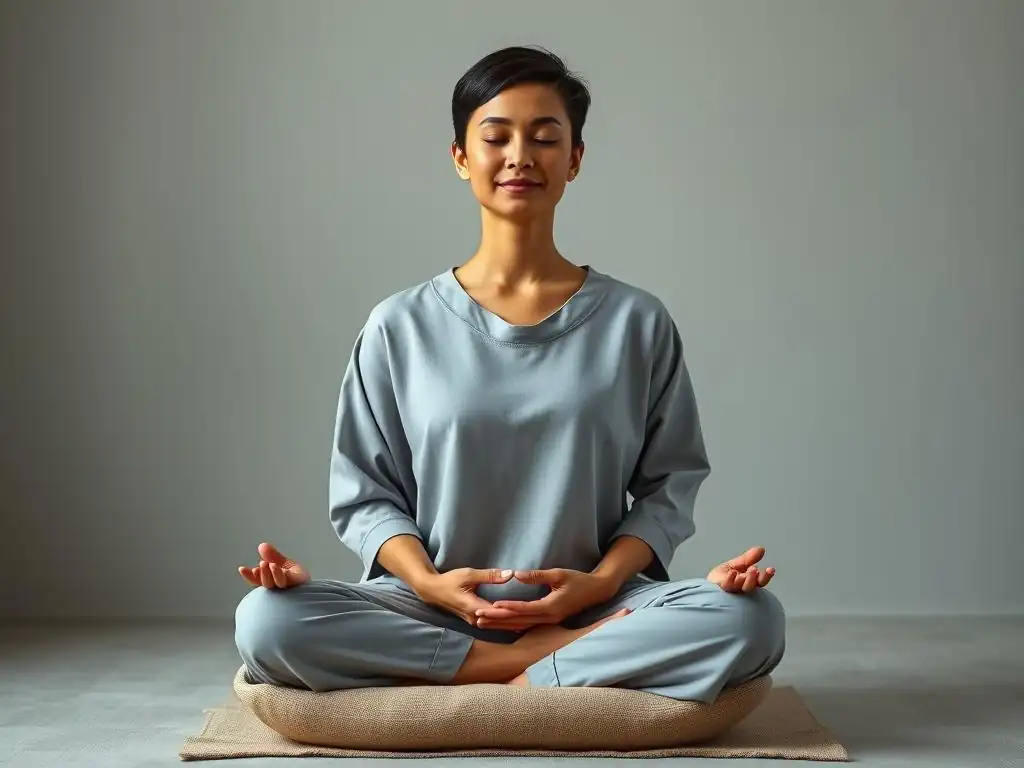
Exploring the Relationship Between Sensations and Emotions
As practitioners deepen their Vipassana practice, they often begin to notice more intricate connections between specific emotional states and patterns of Vipassana meditation body sensations. For example, recurring fear might always manifest as a specific pattern of tightness in the chest or shallow breathing. Anger might consistently present as heat in the face or tension in the jaw.
Observing these correlations with heightened sensitivity and equanimity allows the meditator to see how deeply ingrained emotional conditioning is embodied. It provides an opportunity to work directly with the physical roots of emotional reactions, gradually dissolving the habitual links between mental triggers and physical responses, leading to greater emotional freedom.
Investigating the Interconnectedness of Body and Mind
Continued deep observation of Vipassana meditation body sensations reveals the seamless, moment-to-moment interplay between the physical and mental realms. A thought arises, and instantly, a subtle shift in sensation occurs. An emotion surfaces, and a wave of physical feeling accompanies it. This practice highlights that mind and body are not separate entities controlling each other, but two facets of the same dynamic process.
This experiential understanding of the interconnectedness of mind and body goes beyond intellectual knowledge. It shows how mental habits are literally woven into the physical fabric of our being and how working with the physical through sensation can directly impact the mental landscape. This insight fosters a holistic understanding of one's own existence.
Integrating Vipassana Body Awareness into Daily Life
The insights gained from observing Vipassana meditation body sensations during formal sitting can be extended and integrated into daily activities. This means bringing mindful awareness to sensations while walking, eating, standing, or interacting with others. Noticing the feeling of feet on the ground, the taste and texture of food, the tension in the shoulders during a stressful conversation, or the warmth of sunlight on the skin.
This continuous practice of sensory awareness throughout the day strengthens mindfulness and provides constant opportunities to observe impermanence and practice equanimity in real-time situations. It transforms mundane activities into moments of meditation, deepening the understanding gained on the cushion and making the benefits of Vipassana more pervasive in life.
Practical Tips for Enhancing Your Vipassana Meditation Experience
Creating a Conducive Environment for Sensory Observation
To effectively observe Vipassana meditation body sensations, establishing a quiet and comfortable space is beneficial, though not strictly necessary. Find a place where you are unlikely to be interrupted for the duration of your practice. While comfort is important, the posture should also be alert and stable, allowing you to remain still for a period without excessive discomfort that distracts from observation.
Eliminate external distractions as much as possible – turn off phones, perhaps inform others in your household. The consistency of your environment can help signal to your mind that it's time for focused observation. Even a small, dedicated corner can become a powerful space for cultivating inner awareness.
Maintaining a Consistent Vipassana Practice Schedule
Consistency is arguably the most crucial factor in developing sensitivity to Vipassana meditation body sensations and cultivating equanimity. Practicing for even 10-15 minutes daily is far more effective than practicing for an hour sporadically. Regularity builds momentum and trains the mind to settle and become aware more quickly.
Setting a specific time each day for your practice helps establish it as a habit. Whether it's first thing in the morning or before bed, committing to a schedule reinforces your intention and provides the consistent effort needed to see the subtle shifts and profound insights that arise from dedicated observation of the mind-body process.
Resources for Further Learning About Vipassana and Body Awareness (Mindfulness in Plain English, Insight Timer, Spirit Rock Meditation Center)
For those wishing to deepen their understanding of Vipassana meditation body sensations and the practice as a whole, numerous resources are available. Mindfulness in Plain English by Henepola Gunaratana is a widely recommended book offering clear, accessible guidance on mindfulness and basic Vipassana principles.
Digital tools like the Insight Timer app provide guided meditations, talks, and a timer feature, allowing practitioners to track their progress and access teachings. Established meditation centers, such as the Spirit Rock Meditation Center in California or the Insight Meditation Society in Massachusetts, offer retreats and courses that provide in-depth instruction and a supportive environment for intensive practice. Exploring these resources can significantly enhance your Vipassana journey.
Conclusion: The Path to Insight Through Mindful Body Awareness in Vipassana
The practice of observing Vipassana meditation body sensations is a powerful and transformative path. By systematically training attention on the ever-changing landscape of physical feeling, practitioners gain direct insight into the fundamental truths of impermanence, suffering, and non-self. This experiential understanding transcends intellectual knowledge and gradually dissolves the deep-seated patterns of reactivity that perpetuate suffering. Cultivating mindful body awareness through Vipassana meditation is not merely a technique for relaxation, but a profound journey of self-discovery leading towards liberation and lasting peace.
Frequently Asked Questions
What role do body sensations play in Vipassana meditation?
Body sensations are the primary object of focus in Vipassana. By observing them without judgment, you develop awareness and equanimity, leading to insight.
Why is it important to pay attention to subtle sensations during Vipassana?
Subtle sensations often reveal deeper layers of experience and can help uncover underlying patterns of reactivity. Paying attention cultivates increased mindfulness and understanding.
How do I deal with unpleasant body sensations during Vipassana?
Approach unpleasant sensations with curiosity and acceptance, observing them without resistance. Remember that they are impermanent and will eventually pass.
What if I find it difficult to feel any body sensations at all?
Start by focusing on broader, more obvious sensations, like the breath or pressure of your body on the seat. With practice, your sensitivity will increase, allowing you to perceive subtler sensations.
Can Vipassana meditation focused on body sensations help with mental well-being?
Yes, practicing Vipassana can significantly improve mental well-being by promoting self-awareness, reducing reactivity, and fostering emotional regulation. This creates a more balanced and resilient mental state.
Final Reflection: Embracing the Whispers of the Body in Vipassana
The exploration of bodily sensations in Vipassana meditation is not merely an esoteric practice; it's a revolutionary pathway to self-awareness in a world increasingly disconnected from its physicality. Understanding these sensations allows us to navigate the complexities of our internal landscape with greater clarity and compassion, fostering a deeper connection with ourselves and the present moment. This understanding is more crucial than ever in our fast-paced, technology-driven lives, where the subtle signals of our bodies are often ignored or overwhelmed.
The journey of observing bodily sensations in Vipassana has profoundly impacted my understanding of both physical and mental well-being. It's a constant reminder that our minds and bodies are inextricably linked, a truth often lost in the relentless pursuit of external validation. The body is your temple. Keep it pure and clean for the soul to reside in.
This quote, while not directly from Buddhist scripture, encapsulates the essence of the mindful approach to physical sensations that Vipassana cultivates. By acknowledging and accepting these sensations without judgment, we begin to unravel the layers of tension and reactivity that often cloud our perception.
Now, I invite you to carry this practice forward. Don't just read about the mindful body; experience it. Take a moment right now to notice the subtle sensations in your fingertips, the rhythm of your breath, the gentle pressure of your feet on the floor. This simple act of awareness is the seed of a deeper, more fulfilling connection with yourself and the world around you. Let the whispers of your body guide you towards a life lived with greater presence, peace, and understanding.
Unleash Your Inner Awareness: Cultivate Present Moment Living
Thanks for taking the time to explore the world of mindful sensations with us! We hope you gained a deeper understanding of how Vipassana meditation can connect you with your body and enhance your overall well-being. Now it's time to put your newfound knowledge into practice.
Here are a few ways to continue your journey:
- Begin a daily mindfulness practice: Even five minutes a day of focusing on your breath and body sensations can make a profound difference. Start small, and gradually increase your meditation time as you feel comfortable. This is your primary step towards greater self-awareness.
- Share your experience: Discuss your practice with friends, family, or in an online community dedicated to mindfulness. Sharing your journey can deepen your understanding and inspire others.
- Explore different mindful activities: Try mindful walking, eating, or even washing dishes – the possibilities are endless! Expand your awareness to all aspects of daily life.
Ready to embark on this transformative journey of self-discovery? What daily activity will you infuse with mindfulness today?