
Is Mindfulness Hard? Simple Exercises to Make Stress Reduction Easy


Welcome to Mind Care Guide, your compassionate companion on the journey to mental well-being. Feeling overwhelmed by stress? You're not alone. Many find the idea of mindfulness daunting, but it doesn't have to be. Discover surprisingly simple and effective mindfulness stress reduction exercises easy enough for anyone to incorporate into their daily life. Let's unlock the power of presence together and find your path to inner peace. Ready to begin?
Is Mindfulness Hard? Simple Exercises to Make Stress Reduction Easy
- Understanding Mindfulness and Its Benefits for Stress
- Why Mindfulness Feels Hard (And How to Overcome It)
- Simple Mindfulness Stress Reduction Exercises: A Beginner's Guide
- Advanced Mindfulness Techniques for Deeper Stress Reduction
- Integrating Mindfulness into Your Daily Life for Sustained Stress Relief
- Troubleshooting Common Mindfulness Challenges
- Making Mindfulness an Easy and Sustainable Part of Your Life for Sustained Stress Relief
-
Frequently Asked Questions
- What exactly is mindfulness, and how does it relate to stress reduction?
- Are mindfulness exercises difficult to learn and implement, or are there simpler options available?
- How often should I practice mindfulness exercises to experience noticeable stress reduction benefits?
- What are some specific examples of "easy" mindfulness exercises I can start with today?
- Can mindfulness exercises completely eliminate stress, or are they meant to help manage it?
- Final Reflection: Unlocking the Ease Within: Mindfulness for a Stress-Free Life
- Unlock Your Inner Calm: Start Practicing Mindfulness Today!
Understanding Mindfulness and Its Benefits for Stress
Mindfulness is a practice that has gained significant traction in recent years, often touted as a powerful tool for managing stress. However, for many newcomers, the idea of "just being present" can seem abstract or even intimidating. This section breaks down what mindfulness is, exploring the science behind its stress-reducing effects and highlighting the broader benefits it offers beyond simply feeling calmer. Understanding these fundamentals is the first step in making mindfulness stress reduction exercises easy and accessible for anyone.
What is Mindfulness? A Simple Definition
At its core, mindfulness is the practice of intentionally bringing one's attention to the present moment without judgment. It involves noticing thoughts, feelings, bodily sensations, and the surrounding environment as they arise, moment by moment. This simple act of focused awareness, cultivated through various techniques, allows individuals to step out of automatic pilot mode and gain a clearer perspective on their experiences.
This definition emphasizes presence and non-judgment. It's not about emptying the mind or achieving a state of perfect calm, but rather about observing what is happening right now, whether pleasant or unpleasant, with a sense of curiosity and acceptance. Learning this basic principle makes approaching mindfulness stress reduction exercises much easier, as it removes the pressure to perform or achieve a specific state.
How Mindfulness Reduces Stress: The Science Behind It
Mindfulness impacts the brain and body in ways that directly counteract the stress response. When faced with perceived threats, our sympathetic nervous system kicks in, triggering the "fight or flight" response, increasing heart rate, blood pressure, and stress hormones like cortisol. Chronic activation of this system due to ongoing stress can have detrimental effects on health. Mindfulness helps activate the parasympathetic nervous system, promoting relaxation and returning the body to a calmer state.
Studies using fMRI have shown that regular mindfulness practice can lead to structural changes in the brain, particularly in areas associated with stress, anxiety, and emotional regulation. For example, research from institutions like Harvard has indicated that mindfulness meditation can decrease gray matter density in the amygdala, the brain's fear center, while increasing density in the prefrontal cortex, which is involved in attention and decision-making. This neurobiological evidence supports the effectiveness of mindfulness for stress reduction, making it a scientifically-backed approach to feeling better.
Benefits of Mindfulness: Beyond Stress Reduction
While stress reduction is a primary benefit, the practice of mindfulness offers a wide array of positive outcomes that extend into many areas of life. By cultivating present-moment awareness, individuals often experience improved emotional regulation, becoming less reactive to challenging situations and better able to navigate difficult feelings with greater ease. This enhanced emotional intelligence can significantly improve relationships and overall well-being.
Beyond emotional benefits, mindfulness has been linked to improvements in focus and concentration, better sleep quality, and even a strengthened immune system. It fosters a greater sense of self-awareness and self-compassion, allowing people to approach their inner experiences with kindness rather than harsh self-criticism. These broader benefits demonstrate that making mindfulness stress reduction exercises easy is not just about managing tension, but about fostering a more fulfilling and resilient life.
Why Mindfulness Feels Hard (And How to Overcome It)
Despite its simplicity in concept, many people find mindfulness challenging when they first try it. The common experience of a busy, wandering mind can lead to frustration and the feeling that they are "doing it wrong." This section addresses these common hurdles and offers strategies for overcoming initial resistance, paving the way for mindfulness stress reduction exercises to become easier over time.
Common Misconceptions About Mindfulness
One of the biggest barriers to starting mindfulness is the misconception that it requires emptying the mind or stopping thoughts altogether. This is a myth. The human mind naturally thinks, and thoughts will inevitably arise during practice. Mindfulness is not about achieving thoughtlessness, but about noticing thoughts without getting swept away by them. Believing you must have a perfectly quiet mind can make the practice feel impossible from the start.
Another common misunderstanding is that mindfulness is a quick fix or a magical cure for all problems. While consistent practice yields significant benefits, it's a skill that develops over time, like learning an instrument or a language. Expecting immediate profound changes can lead to disappointment. Understanding these points helps set realistic expectations, making the journey towards easy mindfulness stress reduction exercises less daunting.
The Illusion of "Doing It Wrong": Letting Go of Perfection
Many beginners get discouraged because their minds wander constantly, or they feel restless or distracted. They interpret this as failure – "I can't do this," or "My mind is too busy." This feeling of "doing it wrong" is perhaps the most significant barrier to consistent practice. However, noticing that your mind has wandered is not a failure; it is the moment of mindfulness itself! The practice is in gently bringing the attention back, again and again.
Embracing imperfection is crucial. There is no single "right" way to practice mindfulness, and there are no perfect meditation sessions. Some days will feel easier, others harder. By letting go of the need to be perfect and accepting whatever arises during practice – a busy mind, discomfort, emotions – you remove a huge source of pressure. This non-judgmental attitude towards the practice itself is key to making mindfulness stress reduction exercises feel easy and sustainable.
Overcoming Initial Resistance to Mindfulness Practice
Starting something new, especially something that involves confronting your inner landscape, can bring up resistance. This might manifest as procrastination, feeling like you don't have time, or convincing yourself it's not working. Recognizing this resistance is the first step. Instead of fighting it, acknowledge it with curiosity, perhaps saying to yourself, "Ah, resistance is here."
Committing to a very short practice, even just 1-2 minutes daily, can help build momentum and overcome inertia. Making mindfulness stress reduction exercises easy to start is about lowering the bar significantly. Don't aim for 30 minutes if that feels overwhelming; aim for 60 seconds. Finding a time that works consistently, even if it's just before bed or during your commute (if not driving! ), can help integrate it into your routine and make the initial push less intimidating.
Simple Mindfulness Stress Reduction Exercises: A Beginner's Guide
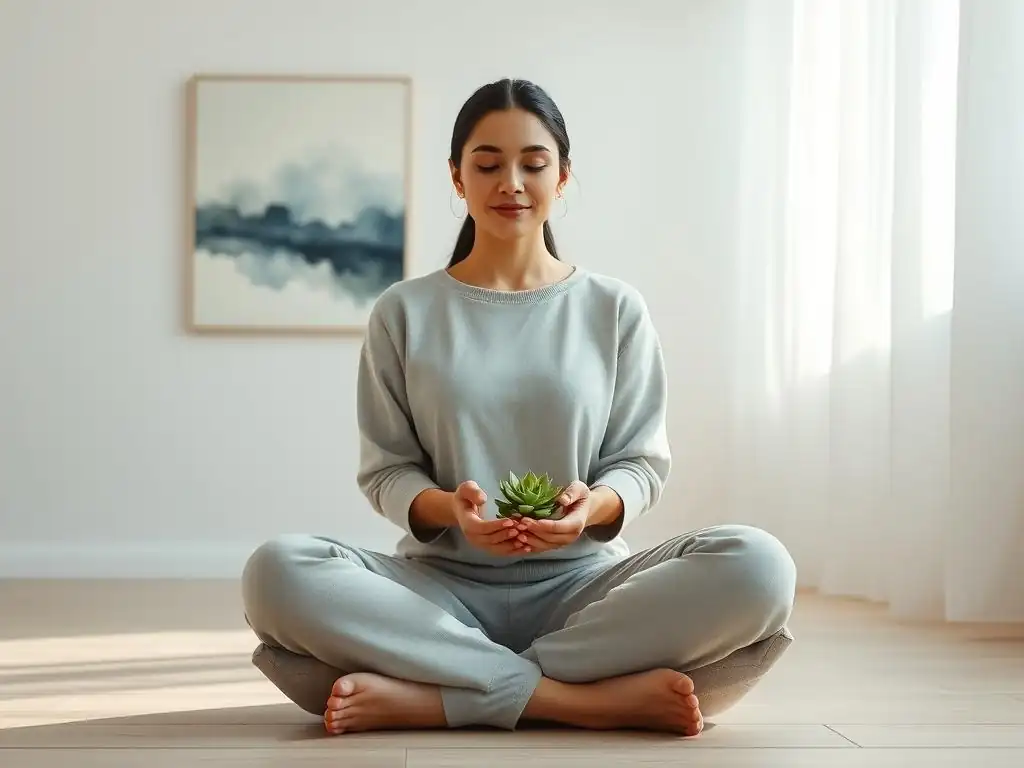
Ready to give it a try? These exercises are specifically chosen because they are simple, require no special equipment, and can be practiced almost anywhere. They are designed to make mindfulness stress reduction exercises easy for anyone, regardless of prior experience. Start with just a few minutes a day and gradually increase the duration as you feel comfortable.
Exercise 1: The Mindful Breathing Exercise for Immediate Stress Relief
Mindful breathing is often the gateway to mindfulness practice. It's accessible because breath is always with us, and focusing on it anchors us in the present moment. This exercise can be used anytime, anywhere you feel stressed or overwhelmed, offering immediate relief by calming the nervous system. It's one of the most effective simple mindfulness stress reduction exercises.
Step-by-Step Guide to Mindful Breathing
- Find a comfortable position: You can sit on a chair with your feet flat on the floor, lie down, or stand. If sitting, allow your spine to be erect but not rigid. You might close your eyes or soften your gaze.
- Bring attention to your breath: Simply notice the sensation of breathing. You don't need to change your breath in any way, just observe it as it naturally is.
- Notice the physical sensations: Where do you feel the breath most strongly? Perhaps in your nostrils, your chest, or your belly. Focus on the rising and falling of your abdomen or the sensation of air entering and leaving your nostrils.
- Follow the breath: Follow one complete cycle of breath – the inhale, the pause, the exhale, and the pause before the next inhale. Continue doing this, simply observing each breath as it happens.
- Gently redirect wandering attention: It's natural for your mind to wander. When you notice your thoughts drifting, simply acknowledge it without judgment and gently guide your attention back to the sensation of your breath.
Tips for Staying Focused During Breathing Exercises
It's perfectly normal for your mind to wander during mindful breathing. The key is not to eliminate wandering thoughts, but to become aware of them and gently return to the breath. Think of your attention like a puppy – it will run off, and your job is to gently bring it back, patiently, without scolding it. Each time you notice your mind has wandered and return to the breath, you are strengthening your "mindfulness muscle."
If you find it difficult to focus solely on the sensation of breath, you can try silently counting your breaths (e.g., "one" on the inhale, "two" on the exhale, up to ten, then start over). Alternatively, you can silently label the breath as "in" on the inhale and "out" on the exhale. These simple anchors can help maintain focus and make this fundamental mindfulness stress reduction exercise easier to practice consistently.
Exercise 2: Body Scan Meditation for Enhanced Awareness
The body scan is a foundational mindfulness practice that involves systematically bringing attention to different parts of the body. It helps cultivate present-moment awareness through physical sensations and can be incredibly grounding, especially when feeling overwhelmed by stress or anxiety. This technique enhances body awareness, which is often lost when we are caught up in thoughts or worries.
How to Perform a Body Scan Meditation
- Lie down or sit comfortably: Find a position where you can relax without falling asleep, if possible. Lying on your back with arms by your sides and legs uncrossed is common, but sitting is also fine. Close your eyes or soften your gaze.
- Bring awareness to your body: Take a few moments to simply notice the contact points between your body and the surface supporting you (the floor, chair, cushion).
- Focus on the breath: Take a few deep breaths, allowing yourself to settle. Then, return to your natural breath.
- Begin scanning: Bring your attention to your toes on one foot. Simply notice any sensations there – tingling, warmth, pressure, absence of sensation. Linger for a moment, acknowledging whatever is present.
- Move through the body: Slowly and systematically move your attention through your body: feet, ankles, lower legs, knees, thighs, hips and pelvis, lower back, upper back, abdomen, chest, fingertips, hands, wrists, forearms, elbows, upper arms, shoulders, neck, face, and finally the top of your head. Spend a moment in each area, just noticing sensations.
- Handle distractions: When your mind wanders (and it will! ), gently acknowledge the thought and kindly bring your attention back to the part of the body you were focusing on.
- Expand awareness: After scanning through all the parts, take a moment to feel the body as a whole, breathing.
- Gently finish: When ready, gently open your eyes and bring your awareness back to your surroundings.
Benefits of Body Scan for Stress and Body Awareness
The body scan is particularly effective for stress reduction because it helps interrupt the cycle of ruminating thoughts by grounding you in physical reality. By paying attention to bodily sensations, you become less identified with stressful thoughts and emotions. It helps you notice where you hold tension in your body (shoulders, jaw, stomach) and can even help release some of that physical tension.
Regular body scan practice also increases interoceptive awareness – the ability to sense the internal state of your body. This heightened awareness can help you recognize the early signs of stress or other emotions manifesting physically, allowing you to intervene sooner. Making this mindfulness stress reduction exercise easy to access means you have a tool to check in with your physical state whenever you need it.
Exercise 3: Mindful Walking: A Gentle Approach to Stress Reduction
Mindfulness doesn't have to be practiced sitting still. Mindful walking is an excellent way to integrate mindfulness into physical activity and can be done outdoors or indoors. It's a dynamic practice that engages the senses and helps bring awareness to the simple act of walking, which we often do on autopilot. This makes it a practical and easy mindfulness stress reduction exercise to fit into a busy day.
Practicing Mindful Walking: A Step-by-Step Guide
- Find a suitable space: This can be a quiet park, a path in your neighborhood, or even just a hallway or backyard. Choose a place where you feel safe and can walk at a relaxed pace without needing to rush.
- Start by standing: Pause for a moment before beginning to walk. Feel your feet on the ground. Notice your posture and the sensations in your body.
- Begin walking slowly: Start walking at a pace that feels comfortable and relaxed.
- Bring awareness to your feet and legs: Shift your attention to the physical sensations of walking. Notice the lifting of one foot, the forward motion, the placing of the foot back on the ground, the shifting of weight. Pay attention to the subtle movements in your legs and hips.
- Engage other senses: As you walk, you can expand your awareness to include other senses. Notice the feeling of air on your skin, the sounds around you (birds, traffic, your own footsteps), the sights (colors, shapes, textures), and perhaps even smells.
- Gently redirect wandering attention: Just like with seated meditation, your mind will wander. When it does, simply notice where it went and gently bring your attention back to the sensations of walking or your senses.
- Continue for a set time: Walk mindfully for a predetermined amount of time (5, 10, 20 minutes) or distance.
- Finish: When you're ready to stop, pause again for a moment, noticing your body standing still and the sensations present.
Integrating Mindful Walking into Your Daily Routine
Mindful walking can be easily incorporated into your day. Instead of rushing during your commute (if walking part of the way), try walking mindfully. Use your lunch break to take a short mindful walk outside. Even walking from one room to another can be an opportunity to practice mindfulness. By making small adjustments, this simple mindfulness stress reduction exercise becomes a natural part of your life.
Consider setting a specific intention before you start, such as "I will simply notice the feeling of my feet on the ground" or "I will pay attention to the sounds around me." This specific focus can help anchor your attention and make the practice feel more manageable and less like just another item on your to-do list.
Advanced Mindfulness Techniques for Deeper Stress Reduction
Once you are comfortable with basic mindfulness stress reduction exercises like mindful breathing and body scan, you might be interested in exploring techniques that cultivate specific qualities or engage with inner experiences in a more direct way. These practices can deepen your understanding of mindfulness and its potential for transforming your relationship with stress and emotions.
Exercise 4: Loving-Kindness Meditation for Cultivating Compassion
Loving-kindness meditation, also known as Metta meditation, is a practice focused on cultivating feelings of warmth, compassion, and friendliness towards oneself and others. While not directly a stress reduction technique in the same way as breathing focus, it addresses the underlying emotional landscape that often contributes to stress, such as self-criticism, anger, or interpersonal difficulties. Cultivating compassion can significantly ease emotional burdens.
How to Practice Loving-Kindness Meditation
-
Find a comfortable position: Sit or lie down. Close your eyes or soften your gaze.
-
Bring attention to yourself: Begin by directing loving-kindness towards yourself. Silently repeat phrases such as:
- May I be happy.
- May I be healthy.
- May I be safe.
- May I be free from suffering.
Repeat these phrases slowly, allowing yourself to feel the meaning behind them. You can choose your own phrases that resonate with you.
-
Move to a loved one: Next, bring to mind someone you love or care for easily. Direct the same phrases towards them:
- May you be happy.
- May you be healthy.
- May you be safe.
- May you be free from suffering.
Imagine their well-being as you repeat the phrases.
-
Expand to a neutral person: Bring to mind someone you know but don't have strong feelings about (e.g., a cashier, a neighbor you don't know well). Direct the phrases towards them. This step helps expand your capacity for kindness beyond your immediate circle.
-
Extend to a difficult person: If you feel ready, bring to mind someone you have difficulty with. This can be challenging, so approach it with self-compassion. Direct the phrases towards them, acknowledging that wishing them well does not condone their actions.
-
Include all beings: Finally, extend loving-kindness to all beings everywhere, wishing happiness, health, safety, and freedom from suffering for everyone.
-
Rest in the feeling: After repeating the phrases, simply rest in the feeling of loving-kindness you have cultivated for a few moments.
The Power of Compassion in Stress Management
Practicing loving-kindness can significantly reduce stress by counteracting negative emotional states like anxiety, anger, and resentment. Research has shown that regular Metta practice can increase positive emotions and decrease negative ones, leading to greater emotional resilience. By cultivating compassion, you soften your internal dialogue, reducing self-judgment which is a major source of stress for many.
Furthermore, directing kindness outwards can improve interpersonal relationships, reducing the stress that often arises from conflict or misunderstanding. When we approach others with a more open and compassionate heart, interactions tend to be smoother and less contentious. This makes cultivating compassion through practices like Metta a powerful, albeit indirect, method for stress reduction.
Exercise 5: Mindful Observation of Thoughts and Emotions
This practice involves observing your thoughts and emotions as transient phenomena, without getting entangled in their content. It's like watching clouds drift across the sky – you see them, you acknowledge their shape and form, but you don't have to jump on one and ride it away. This technique is crucial for developing emotional intelligence and reducing reactivity to stressful triggers.
Learning to Observe Thoughts Without Judgment
- Sit comfortably: As with other practices, find a comfortable and upright posture.
- Focus on the breath: Start by anchoring your attention to the sensation of breathing for a few minutes to settle the mind.
- Turn attention to thoughts: Gently broaden your awareness to include the thoughts that arise in your mind. Imagine your mind is like a screen or a river. Notice the thoughts as they appear on the screen or float down the river.
- Label thoughts gently: You can silently label the type of thought you are having (e.g., "planning," "worrying," "remembering," "judging"). This labeling is not about analyzing the thought's content, but simply noting its category and letting it pass.
- Observe emotions: Similarly, notice emotions as they arise in your body. Where do you feel them? What is the physical sensation? Label the emotion (e.g., "sadness," "frustration," "joy," "anxiety").
- Avoid engagement: The key is to observe without getting drawn into the story or content of the thought or emotion. Don't try to push them away or hold onto them. Just notice them, acknowledge their presence, and let them pass.
- Return to the anchor: If you find yourself getting caught up in a thought or emotion, gently notice that you've been distracted and kindly return your attention to your breath or the simple act of observing.
Reducing Emotional Reactivity Through Mindfulness
By practicing mindful observation of thoughts and emotions, you create a space between yourself and your inner experiences. Instead of immediately reacting to a stressful thought (like "I'm going to fail!") with a surge of anxiety, you learn to notice the thought, acknowledge the feeling, and choose your response more consciously. This ability to pause before reacting is fundamental to stress resilience.
Research indicates that this practice can help individuals detach from negative thought patterns and reduce rumination, which is a major driver of chronic stress and anxiety. By seeing thoughts and emotions as temporary states rather than absolute truths about yourself or your situation, you lessen their power over you. This makes mindful observation a powerful technique for making mindfulness stress reduction exercises easy to integrate into moments of emotional challenge.
Integrating Mindfulness into Your Daily Life for Sustained Stress Relief
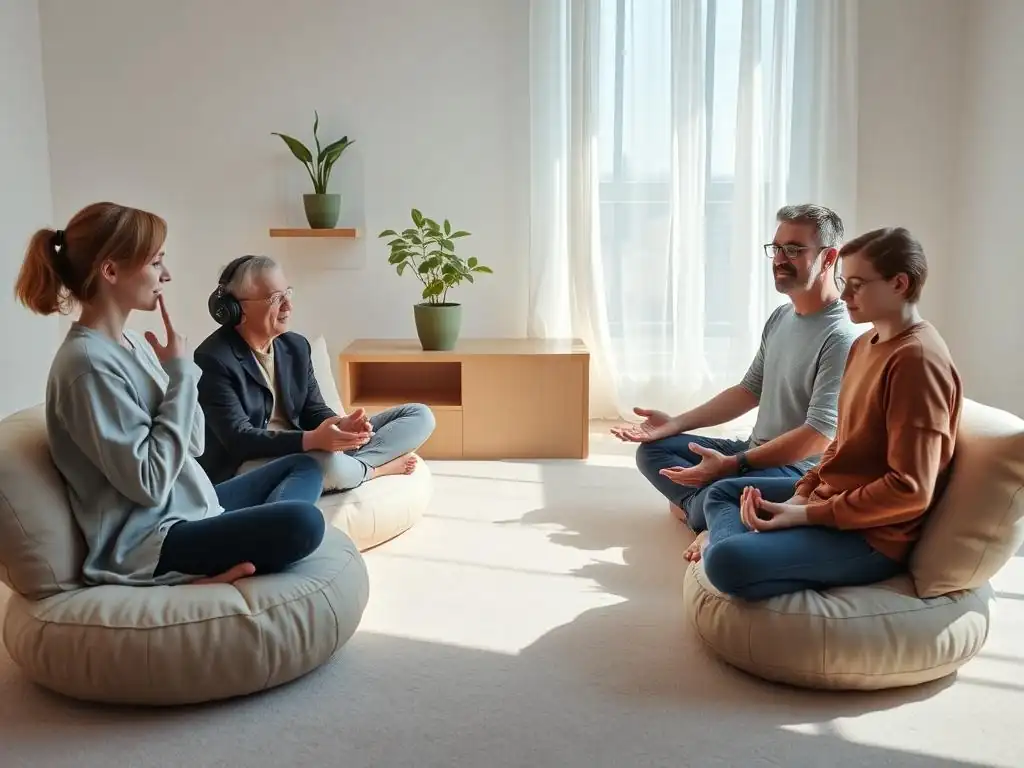
Mindfulness is not just something you do during a formal meditation session; it's a way of being that can be woven into the fabric of your daily life. Consistent, informal practice is just as important as formal meditation for achieving sustained stress reduction. This section explores ways to make mindfulness a natural and easy part of your everyday routine.
Creating a Daily Mindfulness Routine
Consistency is more important than duration when building a mindfulness practice. Aiming for a short, consistent practice is far more effective than sporadically attempting long sessions. Start small – perhaps 5-10 minutes each day. Find a specific time that works for you, whether it's first thing in the morning, during a lunch break, or before going to bed. Treating it like any other appointment can help establish the habit.
Consider using a trigger to remind you to practice, such as your first cup of coffee, brushing your teeth, or arriving at work. Even incorporating micro-moments of mindfulness, like taking three mindful breaths before answering the phone or mindfully washing the dishes, adds up over time. Making mindfulness stress reduction exercises easy often means integrating them into existing habits rather than carving out large blocks of time.
Mindfulness Apps and Resources for Continued Practice
Technology can be a helpful tool for supporting your mindfulness journey. Numerous apps offer guided meditations of varying lengths, body scans, loving-kindness practices, and mindful movement exercises. Popular options include Headspace, Calm, Insight Timer (which also offers a vast library of free guided meditations), and Ten Percent Happier. These resources can provide structure, guidance, and variety, making consistent practice more engaging.
Beyond apps, consider exploring local mindfulness centers, online courses, or books by reputable teachers. Many websites, like Mind Care Guide, offer articles and resources to deepen your understanding. Finding a community or a teacher can also provide support and motivation. Utilizing these resources can make learning and maintaining mindfulness stress reduction exercises easier and more accessible.
Mindfulness and Other Stress-Reduction Techniques: A Holistic Approach
Mindfulness is a powerful tool, but it's most effective when part of a broader approach to well-being. Combining mindfulness with other healthy habits can create a synergistic effect on stress reduction. Regular physical exercise, for example, is scientifically proven to reduce stress hormones and improve mood. Getting adequate sleep (aiming for 7-9 hours per night) is also crucial, as sleep deprivation significantly impairs the body's ability to manage stress.
Healthy nutrition plays a role, as does limiting stimulants like caffeine and alcohol, which can exacerbate anxiety. Building strong social connections and engaging in enjoyable hobbies are also vital components of stress resilience. By integrating mindfulness with these other healthy lifestyle choices, you create a robust foundation for managing stress effectively and sustaining the benefits of your easy mindfulness stress reduction exercises.
Troubleshooting Common Mindfulness Challenges
Even with simple techniques, you're likely to encounter challenges as you practice mindfulness. This is normal and part of the learning process. Recognizing these common hurdles and having strategies to navigate them can help you persist and make mindfulness stress reduction exercises easier over time.
Dealing with a Wandering Mind
As mentioned earlier, a wandering mind is not a sign of failure; it's the nature of the mind. The practice isn't about not having thoughts, but about noticing when your mind has wandered and gently bringing it back to your chosen anchor (breath, body sensations, sounds). Be patient and compassionate with yourself. Don't judge the wandering; simply acknowledge it and return.
You might find that certain anchors work better for you on different days. If focusing on the breath feels difficult because your thoughts are racing, try shifting your attention to sounds, or the physical sensations in your hands or feet. Experiment with different anchors and techniques. The goal is not to force focus, but to cultivate a kind awareness of where your attention is. This gentle approach is key to making mindfulness stress reduction exercises easy and less frustrating.
Managing Difficult Emotions During Mindfulness
Sometimes, sitting still and paying attention can bring up uncomfortable emotions – anxiety, sadness, anger, restlessness. Your first instinct might be to push them away or get up and stop practicing. Instead, try to approach these emotions with curiosity and acceptance. Can you allow the emotion to be present without getting overwhelmed by it?
Imagine the emotion is like a wave. You can try to fight it, or you can learn to ride it. Notice where you feel the emotion in your body. Is it a tightness in your chest, a knot in your stomach? Simply observe the physical sensations associated with the emotion without judgment. Remind yourself that emotions are temporary; they arise, they peak, and they eventually pass. This practice of mindful observation of emotions is a powerful skill developed through mindfulness stress reduction exercises.
Staying Motivated with Your Mindfulness Practice
Motivation can wax and wane. It's easy to practice when you feel stressed and desperate for relief, but harder to maintain a routine when things are going well or when you feel busy and resistant. Remind yourself of why you started practicing – likely for stress reduction and overall well-being. Reflect on the subtle shifts you may have noticed, even small ones.
Setting realistic goals (e.g., 5 minutes daily instead of 30) and tracking your practice can help maintain consistency. Finding a practice buddy or joining a group can provide accountability and support. Most importantly, be kind to yourself if you miss a day or a week. Don't let a missed session turn into giving up entirely. Simply acknowledge the break and gently return to your practice when you can. Making mindfulness stress reduction exercises easy means being flexible and forgiving with yourself.
Making Mindfulness an Easy and Sustainable Part of Your Life for Sustained Stress Relief
Ultimately, the goal is to integrate mindfulness so seamlessly into your life that it no longer feels like a chore, but a natural and beneficial habit. This involves cultivating a particular attitude towards yourself and the practice, and recognizing the profound long-term impact it can have.
Embracing Imperfection and Self-Compassion
As emphasized throughout, perfection is not the goal of mindfulness. There will be days when your mind is chaotic, when you feel restless, or when you simply don't want to practice. Embracing these moments with self-compassion is vital. Instead of criticizing yourself for not being a "good" meditator, acknowledge the difficulty with kindness. Think about how you would speak to a friend who was struggling – offer yourself the same warmth and understanding.
Self-compassion is a key component of making mindfulness stress reduction exercises easy and sustainable. It allows you to approach challenges in your practice and in your life with greater resilience. When you stumble, self-compassion helps you pick yourself up and keep going, rather than getting stuck in self-criticism.
The Long-Term Benefits of Consistent Mindfulness Practice
While immediate stress relief is a wonderful benefit, the most profound effects of mindfulness unfold over time with consistent practice. Regular mindfulness can lead to a fundamental shift in your relationship with stress and challenging experiences. Instead of being controlled by stress, you develop the capacity to observe it, understand its triggers, and respond with greater wisdom and calm.
Over months and years, consistent mindfulness can rewire your brain, enhance your emotional intelligence, improve your focus, and increase your overall sense of well-being and resilience. It's an investment in your mental and physical health that pays dividends over a lifetime. By committing to making mindfulness stress reduction exercises easy and accessible in your daily life, you are building a powerful foundation for lasting peace and presence.
Frequently Asked Questions
What exactly is mindfulness, and how does it relate to stress reduction?
Mindfulness is paying attention to the present moment without judgment. Practicing mindfulness allows you to become more aware of your thoughts and feelings, which can help you manage stress more effectively and reduce its negative impact.
Are mindfulness exercises difficult to learn and implement, or are there simpler options available?
While advanced meditation techniques exist, many mindfulness stress reduction exercises are easy to learn. Simple practices like focused breathing and body scans can be highly effective for beginners.
How often should I practice mindfulness exercises to experience noticeable stress reduction benefits?
Even short, consistent practice of mindfulness can yield results. Aim for 5-10 minutes per day initially and adjust based on your experience. Regularity is key for long-term stress reduction.
What are some specific examples of "easy" mindfulness exercises I can start with today?
Try a simple breathing exercise, focusing on the sensation of your breath entering and leaving your body. Another option is a body scan meditation, where you systematically bring awareness to different parts of your body.
Can mindfulness exercises completely eliminate stress, or are they meant to help manage it?
Mindfulness doesn't eliminate stress entirely, but it equips you with tools to manage your reactions to stressful situations. It helps you develop resilience and navigate stress with greater awareness and calm.
Final Reflection: Unlocking the Ease Within: Mindfulness for a Stress-Free Life
The pursuit of mindfulness often feels paradoxical: a path to inner peace that can seem initially challenging. Yet, as this article has explored, the journey towards stress reduction through mindfulness doesn't need to be arduous. Simple, accessible exercises can unlock profound benefits, making the practice surprisingly easy to integrate into daily life.
The impact of consistent mindfulness practice extends far beyond individual stress management; it ripples outwards, influencing our relationships, our work, and even our broader societal interactions. By cultivating inner peace, we cultivate a more compassionate and understanding world. Peace begins with a smile.
– Mother Teresa. This simple act, often overlooked, reflects the power of mindful presence to transform our experience and the experiences of those around us. The ability to be fully present, to appreciate the small moments, and to respond rather than react, is a gift we can give ourselves and others.
Now, consider how you can weave these simple exercises into your own life. Start small, perhaps with just five minutes of mindful breathing each day. Notice the subtle shifts in your perspective, the growing awareness of your thoughts and feelings. Don't be discouraged by moments of distraction; instead, gently guide your attention back to the present moment. This journey towards a more mindful, less stressful life is a personal one, and the rewards – a greater sense of peace, clarity, and resilience – are well worth the effort. Embrace the ease within.
Unlock Your Inner Calm: Start Practicing Mindfulness Today!
Thanks for taking the time to explore the world of mindfulness with us! We hope you've gained valuable insights into how easy stress reduction can be. Now it's time to put your new knowledge into practice.
- Prioritize a 5-minute mindfulness exercise: Start small – even five minutes of focused breathing can make a significant difference in your day. Find a quiet space and simply breathe.
- Share your mindfulness journey: Tell a friend or family member about your experience – accountability is key! Sharing your experience helps solidify your practice and inspires others to try it.
- Challenge yourself with a novel mindfulness technique: Try a guided meditation, mindful eating, or even mindful walking. Explore a different approach to see what resonates with you.
Ready to embrace a calmer, more focused you? What's the first small step you'll take to incorporate mindfulness into your daily routine?