
The Secret to Staying Calm Under Pressure: Practical Mindfulness Techniques


Welcome to Mind Care Guide, your sanctuary for navigating the complexities of mental well-being.
Feeling overwhelmed by stress and anxiety? You're not alone. Discover how simple, yet powerful, mindfulness techniques can reduce stress anxiety and help you reclaim your inner peace. Curious to know how to integrate mindfulness into your daily life? Let's explore practical strategies that can make a real difference, starting right now.
Cultivating Resilience: Practical Mindfulness Techniques for Stress Management
- Introduction: Understanding Stress and the Role of Mindfulness
- Core Mindfulness Practices for Stress Reduction
- Applying Mindfulness in Stressful Situations
- Advanced Mindfulness Techniques for Enhancing Emotional Regulation
- Integrating Mindfulness into Your Daily Life
- Conclusion: Embracing Mindfulness for Enhanced Well-being
-
Frequently Asked Questions
- What are some simple mindfulness techniques I can use daily to reduce stress and anxiety?
- How do mindfulness techniques reduce stress anxiety in the long term?
- Can mindfulness techniques be used to manage specific mental health challenges like panic attacks or generalized anxiety disorder?
- How much time should I dedicate to mindfulness techniques each day to see noticeable benefits?
- What resources are available to learn more about mindfulness techniques and how to integrate them into my life?
- Final Reflection: Cultivating Inner Peace in a Pressure-Cooker World
- Unlock Your Inner Calm: Start Practicing Mindfulness Today!
Introduction: Understanding Stress and the Role of Mindfulness
The Prevalence of Stress in Modern Society
Stress has become an almost ubiquitous part of modern life, affecting people across all demographics and professions. Reports consistently indicate high levels of stress among adults globally. For instance, surveys often find that a large percentage, sometimes exceeding 70-80%, of adults report experiencing stress regularly, with significant numbers describing it as overwhelming.
Common sources include work pressures, financial worries, health concerns, and relationship challenges. This pervasive stress can have profound impacts on both physical and mental health, contributing to conditions ranging from headaches and fatigue to anxiety disorders and depression. The constant demands and rapid pace of contemporary living create an environment where stress is not just an occasional challenge but a persistent state for many.
The long-term effects of unmanaged stress are well-documented, highlighting the urgent need for effective coping strategies. Chronic stress can disrupt sleep patterns, impair cognitive function, weaken the immune system, and increase the risk of cardiovascular problems. It can also significantly diminish one's quality of life, making it difficult to concentrate, enjoy leisure activities, or maintain healthy relationships.
Recognizing the widespread impact of stress underscores the importance of developing resilience and adopting practices that can help individuals navigate daily pressures more effectively. It's not merely about eliminating stress entirely, which is often impossible, but about learning to manage reactions to stressors and mitigate their harmful effects.
Mindfulness: A Tool for Managing Stress
Mindfulness is a practice that involves paying deliberate attention to the present moment without judgment. It’s about cultivating an awareness of thoughts, feelings, bodily sensations, and the surrounding environment as they occur. This simple yet profound practice offers a powerful antidote to the overwhelm of modern stress.
By shifting focus from ruminating on the past or worrying about the future to the here and now, individuals can interrupt the stress response cycle. Engaging in mindfulness techniques reduces stress anxiety by fostering a sense of calm and clarity, even amidst challenging circumstances. It provides a mental space to observe stressful triggers and reactions without being immediately swept away by them.
Integrating mindfulness into daily life doesn't require hours of meditation; it can be as simple as mindfully drinking a cup of tea, paying attention to the sensations of walking, or taking a few conscious breaths during a busy day. The goal is to build a habit of present-moment awareness that can be accessed when stress arises.
Regular practice helps to strengthen the 'mindfulness muscle,' making it easier to apply these techniques effectively in moments of pressure. As individuals become more attuned to their internal state through mindfulness, they gain a greater capacity to recognize the early signs of stress and intervene before it escalates, demonstrating how mindfulness techniques reduce stress anxiety and enhance emotional regulation.
The Science Behind Mindfulness and Stress Reduction
Research into the effects of mindfulness has provided compelling evidence for its ability to mitigate stress. Studies using neuroimaging techniques have shown that consistent mindfulness practice can lead to changes in brain structure and function. Specifically, areas associated with stress response, such as the amygdala (the brain's fear center), may show reduced activity, while areas linked to attention, self-awareness, and emotional regulation, such as the prefrontal cortex, may become more active and interconnected. This suggests that mindfulness helps to dampen the automatic fight-or-flight response to stressors and enhances the brain's ability to process information calmly and rationally.
Furthermore, physiological markers of stress, such as cortisol levels (the primary stress hormone), have been shown to decrease in individuals who regularly practice mindfulness. Reduced cortisol contributes to better overall health and a lower risk of stress-related illnesses. The practice also influences the autonomic nervous system, shifting dominance from the sympathetic 'fight or flight' branch to the parasympathetic 'rest and digest' branch, promoting relaxation and recovery. These scientific findings underscore how mindfulness techniques reduce stress anxiety at a fundamental biological level, providing a robust foundation for their use in managing the pressures of contemporary life.
Core Mindfulness Practices for Stress Reduction
Breathing Exercises for Immediate Relief
Breathing is a fundamental physiological process often overlooked, yet it holds immense power to influence our state of mind and body. Conscious breathing exercises are among the most accessible and effective mindfulness techniques for immediate stress relief. By focusing attention solely on the breath, individuals anchor themselves in the present moment, interrupting the cycle of anxious thoughts about the past or future.
This simple act can quickly activate the body's relaxation response, slowing heart rate, lowering blood pressure, and calming a racing mind. Learning even one or two basic breathing techniques provides a portable tool for managing stress wherever and whenever it arises.
The beauty of using breath as a mindfulness tool lies in its constant availability. Whether sitting at a desk, standing in line, or preparing for a challenging situation, the breath is always there. Dedicated practice, even for just a few minutes daily, can enhance one's ability to use breath as an anchor during moments of high stress. These mindfulness techniques reduce stress anxiety by providing a reliable way to shift attention away from stressors and cultivate a sense of inner calm, demonstrating the direct link between breath awareness and emotional regulation.
Diaphragmatic Breathing: Calming the Nervous System
Diaphragmatic breathing, also known as belly breathing, is a technique that encourages full oxygen exchange and can slow the heart rate, having a profound calming effect. Unlike shallow chest breathing, which is often associated with stress and anxiety, diaphragmatic breathing engages the diaphragm, a large muscle located below the lungs, allowing for deeper, more efficient breaths.
Practicing this technique regularly can strengthen the diaphragm and improve lung capacity, but its immediate benefit lies in its ability to signal the nervous system to relax. It's a key way that simple mindfulness techniques reduce stress anxiety by directly influencing the body's physiological state.
To practice diaphragmatic breathing:
- Find a comfortable position, either sitting or lying down.
- Place one hand on your upper chest and the other just below your rib cage, allowing you to feel the movement of your diaphragm.
- Inhale slowly through your nose, feeling your abdomen expand as your diaphragm pulls air into your lungs. The hand on your chest should remain relatively still, while the hand on your abdomen rises.
- Exhale slowly through pursed lips, gently contracting your abdominal muscles to push the air out. The hand on your abdomen should fall.
- Repeat this process for several minutes, focusing your attention on the sensation of your breath moving in and out of your body. Aim for a slow, steady rhythm.
Alternate Nostril Breathing: Balancing Energy and Focus
Alternate nostril breathing (Nadi Shodhana) is a yogic breathing technique often used in mindfulness practice to calm the mind, reduce anxiety, and balance energy. It is believed to balance the flow of prana (life force) in the body and harmonize the left and right hemispheres of the brain, which are associated with logical and creative thinking respectively. This technique requires a bit more coordination than simple diaphragmatic breathing but can be highly effective in promoting a sense of balance and centeredness, illustrating another facet of how mindfulness techniques reduce stress anxiety by influencing subtle energy flows and mental states.
To practice alternate nostril breathing:
- Sit comfortably with a straight spine.
- Close your eyes or soften your gaze.
- Bring your right hand up towards your nose. Rest your index and middle fingers gently between your eyebrows. Your thumb will be used to close the right nostril, and your ring and little fingers will be used to close the left nostril.
- Exhale completely through both nostrils.
- Close your right nostril with your thumb and inhale slowly and deeply through your left nostril.
- Close your left nostril with your ring and little fingers. Release the thumb from the right nostril and exhale slowly through the right nostril.
- Inhale slowly and deeply through your right nostril (left nostril remains closed).
- Close your right nostril with your thumb. Release the ring and little fingers from the left nostril and exhale slowly through the left nostril.
- This completes one round. Continue for several rounds, alternating the nostril through which you inhale and exhale.
Body Scan Meditation: Increasing Body Awareness and Reducing Tension
The body scan meditation is a foundational mindfulness practice that involves systematically bringing awareness to different parts of the body. The purpose is not to change anything, but simply to notice sensations without judgment. This practice helps individuals reconnect with their physical selves, which can be particularly beneficial when stress causes dissociation or manifests as physical tension (e.g., tight shoulders, clenched jaw).
By consciously directing attention to various body areas, practitioners can become more aware of where tension is held and, through gentle awareness, often facilitate its release. This direct engagement with physical sensations is a powerful way mindfulness techniques reduce stress anxiety by addressing its physical manifestations.
Regular body scan practice cultivates a deeper connection between mind and body, enhancing interoceptive awareness – the ability to perceive internal bodily states. This increased awareness can help individuals recognize the early warning signs of stress accumulating in the body before it becomes overwhelming. For example, someone might learn to notice the subtle tightening in their chest or stomach as a signal of rising anxiety, prompting them to use other coping strategies. The body scan provides a structured method for grounding oneself in the physical present, offering a stable anchor when thoughts or emotions feel chaotic.
Conducting a Body Scan Meditation
A typical body scan meditation involves lying down or sitting comfortably and systematically bringing awareness to each part of the body, starting from the toes and moving up to the head, or vice versa. The process is guided by gentle attention, observing whatever sensations are present – warmth, coolness, tingling, pressure, absence of sensation – without trying to change them. If the mind wanders, the practice is simply to notice the distraction and gently guide attention back to the current body part. There's no right or wrong way to feel; the intention is simply to observe with curiosity.
A simple structure for a body scan might look like this:
- Find a quiet, comfortable space where you won't be disturbed. Lie on your back with arms resting comfortably at your sides, palms up or down, or sit upright in a chair with feet flat on the floor.
- Close your eyes or soften your gaze. Take a few deep breaths to settle in.
- Bring your attention to your feet. Notice any sensations in your toes, the soles of your feet, your heels. Simply observe.
- Slowly move your attention up to your ankles, then your lower legs (shins and calves), then your knees. Notice any sensations here.
- Continue moving up through your thighs, hips, pelvis, lower back, abdomen, upper back, chest, shoulders, arms, hands, neck, face, and finally the top of your head.
- As you move your awareness through each area, gently acknowledge whatever sensations are present. If you encounter an area of tension or discomfort, simply breathe into it with a sense of gentle curiosity, without trying to force it away.
- If your mind drifts, notice where it went and gently guide your attention back to the part of the body you intended to focus on.
- After scanning the entire body, rest in the awareness of your whole body breathing for a few moments before gently opening your eyes and returning to your surroundings.
Identifying and Releasing Physical Tension
One of the key benefits of the body scan is its ability to help individuals identify areas where they habitually hold tension. Often, under stress, people unconsciously tighten certain muscle groups – the shoulders might hunch, the jaw might clench, or the stomach might knot up.
During a body scan, by systematically bringing mindful attention to these areas, individuals become consciously aware of this tension, which is the first step towards releasing it. The practice encourages a gentle, non-judgmental approach; rather than trying to force relaxation, the invitation is simply to notice the tension with kindness and allow it to be as it is.
While the body scan doesn't explicitly instruct you to "release" tension, the act of shining the light of awareness on it often facilitates its softening. Sometimes, simply noticing a tight jaw is enough to prompt a gentle relaxation. In other cases, you might consciously send a breath to that area, visualizing the muscles softening on the exhale.
Consistent practice increases sensitivity to these physical manifestations of stress, allowing for earlier detection and the possibility of releasing the tension before it becomes chronic or painful. This heightened somatic awareness is a powerful mechanism by which these mindfulness techniques reduce stress anxiety and its physical toll.
Mindful Observation: Detaching from Thoughts and Emotions
Mindful observation involves noticing the contents of your mind – thoughts, feelings, images, memories – as they arise, without getting entangled in them or judging them as good or bad. It's like watching clouds drift across the sky; you see them, acknowledge their presence and form, but you don't try to grab onto them or make them stay.
This practice is particularly helpful in managing stress and anxiety, which are often fueled by rumination on negative thoughts or getting overwhelmed by intense emotions. By practicing mindful observation, individuals learn to create a healthy distance from their internal experiences, recognizing that thoughts and feelings are temporary events, not absolute truths or permanent states.
Learning to observe thoughts and emotions mindfully is crucial for developing emotional resilience. When faced with a stressful situation, the mind might immediately jump to catastrophic predictions or self-critical judgments. Without mindful observation, these thoughts can quickly escalate anxiety. However, by observing these thoughts simply as "thinking" – noticing the thought "I'm going to fail" as just a thought, rather than a fact – one can choose not to invest energy in it. This detachment is a core way that mindfulness techniques reduce stress anxiety by disrupting the automatic link between thought and emotional reaction.
Observing Thoughts Without Judgment
The core principle of observing thoughts mindfully is non-judgment. We all have a constant stream of thoughts, some positive, some negative, some neutral. Our tendency is often to latch onto the negative ones, analyze them, and judge ourselves for having them.
This creates a cycle of distress. Mindful observation invites you to simply notice the thought as it appears in your awareness, perhaps labeling it internally ("thinking," "worrying," "planning"), and then letting it pass without getting caught up in its content or evaluating its validity. It's like being a scientist observing phenomena – you note what is happening without personal involvement.
For example, if a stressful deadline is approaching, the thought "I'm not good enough to finish this" might arise. Instead of believing the thought or feeling shame, mindful observation would involve noticing, "Ah, there's a thought about not being good enough. Noticing that thought."
You wouldn't debate it, accept it, or reject it; you'd simply acknowledge its presence and allow it to move on, much like watching a leaf float down a stream. This practice weakens the power of negative thoughts to trigger an emotional response, demonstrating a key mechanism by which mindfulness techniques reduce stress anxiety by changing the relationship with internal experiences.
Integrating Mindful Observation into Daily Activities
Mindful observation isn't confined to formal meditation sessions; it can be practiced throughout the day. Any moment can become an opportunity to notice what's happening in your mind and body. Waiting in line, commuting, or even during a conversation, you can take a brief pause to observe your thoughts and feelings without getting lost in them. This informal practice helps to build the skill of present-moment awareness and non-judgment in real-time, making it more accessible when stress levels are high.
Here are some ways to integrate mindful observation:
- Traffic: Notice thoughts of frustration or impatience without reacting. Simply observe the feeling of being stuck.
- Conversation: Pay attention to your emotional reactions during a discussion. Notice if you feel defensive, angry, or uncomfortable, without immediately acting on those feelings.
- Daily Tasks: While doing chores, notice thoughts about being bored or wanting to be elsewhere. Simply observe the thought and return attention to the task at hand.
- Before Reacting: When you feel a strong emotional surge (like anger or fear), pause for a moment. Observe the physical sensations and thoughts associated with the emotion before speaking or acting. This pause allows for a more measured, less reactive response.
Applying Mindfulness in Stressful Situations

Mindfulness in the Workplace: Enhancing Focus and Reducing Stress
The workplace is a common source of stress, with deadlines, demanding colleagues, and constant demands on attention. Integrating mindfulness into the workday can significantly enhance focus, improve productivity, and reduce the overall feeling of being overwhelmed. Simple practices can create moments of calm and clarity amidst the chaos, helping individuals navigate challenges with greater presence and resilience.
By applying mindfulness techniques reduce stress anxiety in the professional setting, employees can cultivate a more positive and sustainable work experience. This isn't about adding another task to a busy schedule, but rather about approaching existing tasks with a different quality of attention.
Mindfulness in the workplace can take many forms, from taking a few mindful breaths before a meeting to practicing mindful listening during conversations. It helps to interrupt the tendency to multitask constantly, which often leads to errors and increased stress. Instead, focusing fully on one task at a time, even for short bursts, can improve efficiency and reduce mental clutter. Furthermore, mindful awareness can help individuals recognize stress triggers in the work environment and respond more skillfully rather than reacting impulsively.
Mindful Communication in Meetings
Meetings can be particularly stressful, involving complex dynamics, conflicting opinions, and pressure to perform. Practicing mindfulness during meetings involves paying full attention to what is happening in the present moment – listening attentively to others, being aware of your own thoughts and feelings, and speaking with intention. This means actively listening without formulating your response while others are speaking, and noticing if your mind drifts off into planning or judgment. Mindful communication fosters clearer understanding, reduces misunderstandings, and can de-escalate tensions.
Steps for mindful communication in meetings:
- Before the meeting: Take a few deep breaths. Set an intention to be present and listen fully.
- During the meeting: When someone is speaking, focus all your attention on their words. Notice your own internal reactions (agreement, disagreement, boredom) without getting lost in them.
- When it's your turn to speak: Pause for a moment before responding. Gather your thoughts and speak clearly and concisely, expressing yourself authentically while being mindful of others.
- If tensions rise: Notice the physical sensations of stress or frustration in your body. Take a quiet, mindful breath before responding.
Navigating Challenging Conversations with Presence
Difficult conversations are an inevitable part of work life, whether it's addressing performance issues, resolving conflicts, or giving constructive criticism. These situations are often fraught with anxiety and the potential for misunderstanding. Applying mindfulness here means approaching the conversation with presence, listening openly, and responding thoughtfully rather than reactively. It involves managing your own emotional state so you can communicate effectively and empathetically, even when the topic is challenging. This application of mindfulness techniques reduce stress anxiety by enabling a more controlled and constructive approach to difficult interactions.
Strategies for mindful challenging conversations:
- Preparation: Before the conversation, take time to center yourself. Identify your intention for the conversation (e.g., mutual understanding, finding a solution) and acknowledge any anxieties you feel.
- During the conversation: Pay attention to your body language and tone, as well as the other person's. Listen deeply to understand their perspective, even if you disagree. Notice your triggers and the impulse to interrupt or defend yourself.
- Responding: Take a brief pause before responding. Respond to what is actually being said, rather than to assumptions or interpretations. Speak calmly and clearly, expressing your needs or concerns respectfully.
- After the conversation: Take a few moments to reflect on how it went. Acknowledge any lingering feelings without judgment.
Mindfulness at Home: Creating a Peaceful Environment
The home environment, while ideally a sanctuary, can also be a source of stress due to family dynamics, household responsibilities, and the blurring lines between work and personal life. Bringing mindfulness into the home involves cultivating presence in daily routines and interactions, transforming mundane tasks into opportunities for awareness and fostering more peaceful relationships. These mindfulness techniques reduce stress anxiety by helping individuals to be more present and less reactive in their personal lives, creating a calmer atmosphere for themselves and their families. It’s about finding moments of peace and connection amidst the demands of home life.
Mindfulness at home encourages slowing down, paying attention to the simple pleasures, and engaging fully in activities rather than rushing through them to get to the next thing. It also involves being mindful in interactions with family members, listening attentively, and responding with patience and compassion. Creating a peaceful home environment isn't just about physical tidiness; it's about cultivating a mindful presence that permeates the space and interactions within it.
Mindful Completion of Daily Tasks
Many daily tasks at home – washing dishes, folding laundry, cooking, cleaning – are often performed on autopilot while the mind is elsewhere. Approaching these tasks mindfully involves bringing full attention to the physical sensations, sights, sounds, and smells associated with the activity. For example, when washing dishes, notice the temperature of the water, the feel of the soap, the shape and weight of the dishes.
This transforms a chore into a practice of presence, making it less of a burden and more of an opportunity to ground oneself in the present moment. This simple shift in perspective is one way mindfulness techniques reduce stress anxiety by making routine activities calming rather than irritating.
Practicing mindful tasks:
- Choose one routine task each day to do mindfully.
- Before starting, take a breath and set the intention to be fully present for the activity.
- As you perform the task, bring your attention to the sensory details.
- If your mind wanders to worries or future plans, gently notice the thought and guide your attention back to the task.
- When finished, take a moment to appreciate the completion of the task and the feeling of presence you cultivated.
Connecting with Family Mindfully
Relationships, particularly within families, can be a significant source of joy but also stress. Mindful connection involves giving your full, undivided attention to family members when interacting with them. This means putting away distractions like phones or screens and truly listening when someone is speaking, making eye contact, and being present in the conversation or shared activity. It's about quality of presence over quantity of time, fostering deeper understanding and connection. These interpersonal mindfulness techniques reduce stress anxiety within relationships by improving communication and reducing conflict fueled by inattention or misunderstanding.
Ways to connect mindfully with family:
- Mindful Listening: When a family member is talking, listen without interrupting or formulating your response. Try to understand their perspective and feelings.
- Mindful Meals: Eat together without screens. Pay attention to the food, the conversation, and the presence of others.
- Mindful Play: If playing with children, fully engage in the activity. Put aside your to-do list and be present in the moment of play.
- Mindful Moments: Take a few moments each day to simply sit with a family member, perhaps holding hands or just being in each other's presence without needing to talk or do anything.
Advanced Mindfulness Techniques for Enhancing Emotional Regulation
Walking Meditation: Cultivating Presence Through Movement
Walking meditation is a practice that brings mindful awareness to the physical act of walking. It's a way to integrate mindfulness into daily movement, grounding oneself in the body and the present moment while in motion. Unlike walking for exercise or transportation, the purpose of walking meditation is not to get somewhere but to be fully present with each step.
This practice can be particularly helpful for those who find sitting meditation challenging or who benefit from physical activity to manage stress. It’s another accessible method by which mindfulness techniques reduce stress anxiety, allowing movement to become a form of meditation rather than an escape.
Walking meditation cultivates a different kind of awareness than sitting practice, engaging the senses in unique ways – feeling the ground beneath the feet, noticing the movement of the body, observing the environment. It can be done indoors or outdoors, in a small space or a longer path. The pace is typically slow and deliberate, allowing full attention to be given to the sensations of walking. This practice helps to bring mindfulness off the cushion and into the flow of everyday life.
Practicing Mindful Walking
To practice mindful walking, find a space where you can walk back and forth for 10-15 steps, or choose a longer path if you prefer. Begin by standing still for a moment, feeling your feet on the ground and noticing your posture. Then, shift your attention to the process of walking.
Steps for mindful walking:
- Begin by standing still, feeling your body supported by the earth.
- Shift your weight slightly and notice the intention to lift one foot.
- Slowly lift one foot, noticing the sensation as it leaves the ground.
- Move the foot forward, noticing the movement of the leg and foot through the air.
- Place the foot back on the ground, noticing the sensation of contact.
- Shift your weight onto that foot and repeat the process with the other foot.
- Continue walking slowly, paying attention to the sensations in your feet, legs, and body with each step. Notice the rhythm of your breath as you walk.
- If your mind wanders, gently guide your attention back to the physical sensations of walking. You might silently label the actions, such as "lifting," "moving," "placing."
- When you reach the end of your path, pause, turn mindfully, and continue walking back.
Grounding Techniques Through Walking Meditation
Walking meditation is inherently a grounding practice. By focusing attention on the physical sensations of the feet making contact with the ground, the body's movement, and the connection to the earth, individuals anchor themselves firmly in the present moment. This is particularly effective when feeling overwhelmed by anxious thoughts or emotions, as it provides a tangible, immediate reality to focus on, drawing attention away from mental turbulence. The physical sensation of gravity and contact with the ground can be deeply calming.
Using walking for grounding:
- If you feel stressed or anxious, take a few minutes to walk mindfully.
- Focus intensely on the sensation of your feet touching the ground with each step. Feel the texture, the pressure, the temperature.
- Imagine roots growing from the soles of your feet, anchoring you to the earth.
- Match your breath to your steps, perhaps inhaling for three steps and exhaling for three steps.
- Notice the stability of your body as you move. Allow the rhythm of walking and breathing to soothe your nervous system. This conscious connection to the physical world is a powerful way mindfulness techniques reduce stress anxiety by providing stability when the mind feels unsteady.
Loving-Kindness Meditation: Fostering Compassion and Connection
Loving-kindness meditation (Metta Bhavana) is a practice that cultivates feelings of warmth, compassion, and friendliness towards oneself and others. While not directly focused on stress reduction in the same way as breath or body scan, it addresses the underlying emotional states that can contribute to stress, such as self-criticism, isolation, and conflict. By intentionally generating feelings of kindness, this practice can counteract negative emotions and foster a sense of connection and well-being. It is an advanced technique because it involves actively cultivating specific positive emotional states, which can sometimes feel challenging.
Practicing loving-kindness can soften the harsh internal dialogue that often accompanies stress and anxiety. It helps to build resilience by fostering positive emotions and a sense of connection to others, reducing feelings of isolation that can exacerbate stress. This technique highlights how some mindfulness techniques reduce stress anxiety not just by managing reactions to external stressors, but by cultivating an internal environment of warmth and acceptance.
Extending Loving-Kindness to Self and Others
The practice typically begins by directing loving-kindness towards oneself, using phrases like "May I be happy," "May I be healthy," "May I be safe," "May I be free from suffering." This can be challenging for those who are self-critical, but it is a crucial step as it lays the foundation for extending kindness outwards. Once a feeling of warmth is cultivated towards oneself, the practice expands to include loved ones, then neutral people, then difficult people, and finally all beings. The intention is to genuinely wish well-being for each category.
Structure for Loving-Kindness Meditation:
-
Sit comfortably, close your eyes, and bring awareness to your breath for a few moments.
-
Begin by directing loving-kindness towards yourself. Silently repeat phrases such as:
- May I be safe.
- May I be healthy.
- May I be happy.
- May I live with ease.
Repeat these phrases slowly, allowing the intention to resonate.
-
Next, bring to mind someone you love dearly. Direct the same phrases towards them:
- May you be safe.
- May you be healthy.
- May you be happy.
- May you live with ease.
-
Extend the phrases to a neutral person (someone you see regularly but don't know well).
-
Extend the phrases to a difficult person (someone with whom you have conflict). This step can be challenging; approach it with patience and gentleness.
-
Finally, extend the phrases to all beings everywhere.
-
Rest in the feeling of loving-kindness for a few moments before concluding the practice.
Addressing Resistance to Self-Compassion
Many people find it difficult to direct loving-kindness towards themselves, encountering resistance in the form of self-criticism, feelings of unworthiness, or discomfort. This resistance is common and is often a manifestation of the very patterns of thought that mindfulness seeks to address. When resistance arises during loving-kindness meditation directed at oneself, the mindful approach is not to force the feeling or judge the resistance, but simply to notice it with awareness and kindness. Observe the thoughts and feelings that come up when you try to offer yourself kindness.
Strategies for addressing resistance:
- Acknowledge the Difficulty: Simply notice, "It's hard for me to wish myself well." Acknowledging the difficulty without judgment is an act of self-compassion in itself.
- Soften the Phrases: If the traditional phrases feel too difficult, soften them. Instead of "May I be happy," try "May I be willing to be happy," or "May I be free from some suffering."
- Focus on the Intention: Shift focus from feeling loving-kindness to intending it. The intention itself holds power.
- Extend to Others First: If self-kindness is too challenging initially, start by directing kindness towards someone easy (a loved one, a pet) and then gradually bring that feeling back towards yourself. Patience and persistence are key; cultivating self-compassion is a gradual process that significantly enhances how mindfulness techniques reduce stress anxiety by building inner resilience and self-acceptance.
Journaling for Mindfulness: Processing Emotions and Identifying Patterns
Mindful journaling is a practice that combines writing with present-moment awareness. It's not about keeping a perfect diary or writing literary prose, but about using writing as a tool to explore thoughts, feelings, and experiences with non-judgmental attention. Journaling can help process difficult emotions, gain clarity on challenging situations, and identify patterns of thinking or behavior that contribute to stress. By externalizing internal experiences onto paper, individuals can gain perspective and detach from rumination. This reflective practice is a valuable complement to other mindfulness techniques reduce stress anxiety by providing insight into the roots of stress.
Journaling mindfully involves writing without censorship or concern for grammar or structure. The aim is simply to pour thoughts and feelings onto the page as they arise, observing them with curiosity rather than getting caught up in their narrative. This process can reveal recurring worries, automatic negative thoughts, or emotional triggers that might not be apparent in the midst of daily life.
Prompts for Mindful Journaling Practice
Using prompts can be helpful to guide mindful journaling, especially when starting out or feeling stuck. Prompts encourage focused reflection and can help uncover insights related to stress, emotions, and patterns. The key is to approach the prompt with an open mind and write whatever comes up, without judgment or self-editing.
Examples of mindful journaling prompts:
- What sensations am I noticing in my body right now?
- What thoughts are present in my mind at this moment?
- What emotion is most present for me right now? Where do I feel it in my body?
- What am I currently resisting or avoiding?
- What am I grateful for in this moment?
- Describe a recent stressful situation. What were the thoughts and feelings that arose? How did my body react?
- What patterns do I notice in my responses to stress?
- Write about a time I felt calm and centered. What contributed to that feeling?
Tracking Progress and Identifying Emotional Triggers
Consistent mindful journaling can serve as a valuable tool for tracking progress in managing stress and identifying specific emotional triggers. By regularly writing about experiences, thoughts, and feelings, individuals can look back over entries and notice trends. They might see that certain situations consistently lead to anxiety, or that particular thoughts reliably precede feelings of overwhelm. This self-awareness is crucial for developing effective coping strategies. Recognizing a trigger allows for proactive intervention rather than reactive struggle.
For example, reviewing entries might reveal that every time a specific meeting is scheduled, anxiety levels spike. This insight allows the individual to implement targeted mindfulness techniques reduce stress anxiety before that meeting, such as taking a mindful walk beforehand or practicing deep breathing exercises. Journaling also provides a record of how different mindfulness practices impact stress levels over time, allowing individuals to identify which techniques are most effective for them personally. This reflective tracking enhances the practical application of mindfulness in daily life.
Integrating Mindfulness into Your Daily Life
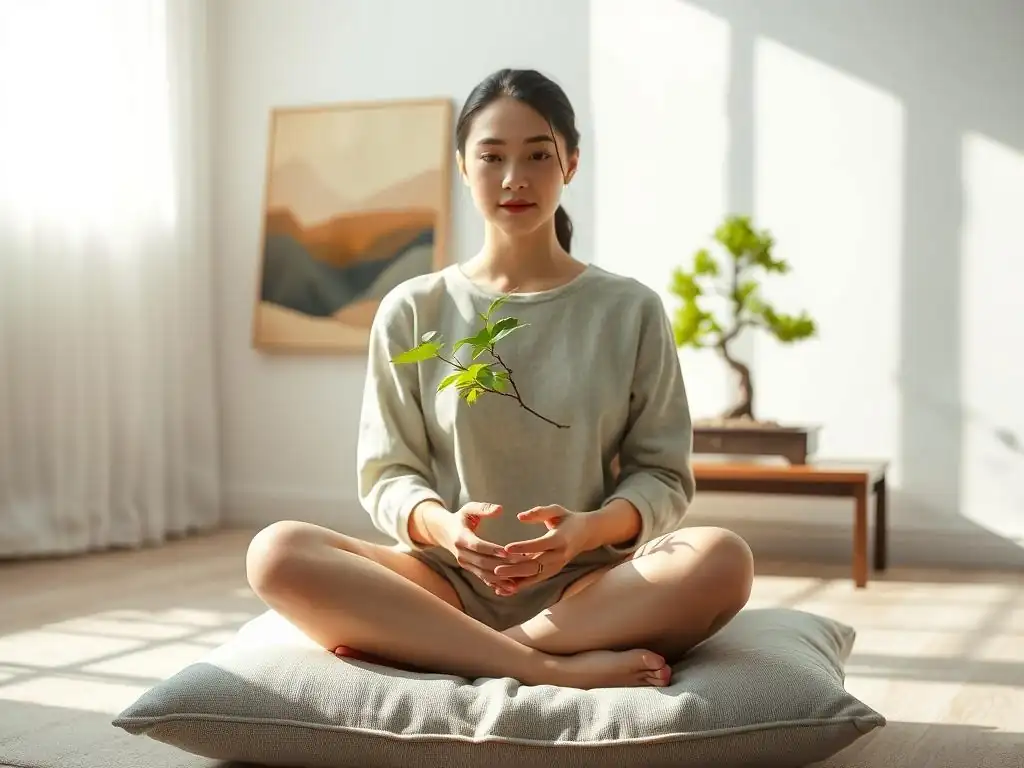
Developing a Personalized Mindfulness Practice
Integrating mindfulness into daily life is a process of building habits and finding what works best for you. There is no one-size-fits-all approach. A personalized practice is one that fits realistically into your schedule and addresses your specific needs and challenges.
It might involve formal meditation sessions, informal moments of mindful awareness throughout the day, or a combination of both. The goal is consistency, even if it's just for a few minutes daily, as regular practice is key to experiencing the cumulative benefits of mindfulness. This customization ensures that mindfulness techniques reduce stress anxiety in a way that is sustainable and effective for the individual.
Developing a personalized practice involves experimentation. Try different techniques – breathing exercises, body scan, mindful walking, mindful eating, loving-kindness meditation, journaling – and see which ones resonate most with you. Consider when and where you can realistically incorporate these practices into your day. For some, a morning meditation is ideal; for others, mindful moments during the commute or a brief practice before bed work better. Start small and gradually increase the duration or frequency as you feel comfortable.
Addressing Common Challenges in Mindfulness Practice
Embarking on a mindfulness journey often comes with challenges. Common difficulties include finding time, dealing with a wandering mind, feeling impatient, or experiencing discomfort when confronting difficult emotions or sensations. It's important to view these challenges not as failures, but as natural parts of the process. Mindfulness practice isn't about achieving a state of perfect calm or emptying the mind; it's about noticing what's happening, including the struggles, with kindness and patience.
Strategies for addressing challenges:
- Wandering Mind: This is normal. The practice is simply to notice when the mind has wandered and gently guide it back, without judgment. Each time you do this, you strengthen the 'mindfulness muscle.'
- Finding Time: Start small, perhaps 1-5 minutes a day. Look for opportunities to practice informally during routine activities.
- Impatience/Frustration: Notice these feelings when they arise. Acknowledge them with kindness. Remind yourself that mindfulness is a practice, not a destination.
- Discomfort: If difficult emotions or sensations arise, approach them with curiosity and gentleness. If they feel overwhelming, it's okay to take a break or seek guidance from a qualified teacher. Remember that confronting discomfort in a safe way builds resilience, enabling mindfulness techniques reduce stress anxiety more effectively over time.
Long-Term Benefits of Consistent Mindfulness Practice
The benefits of consistent mindfulness practice extend far beyond immediate stress reduction. Over time, regular engagement with mindfulness techniques can lead to profound and lasting changes in well-being. Individuals often report increased self-awareness, improved emotional regulation, greater resilience in the face of adversity, enhanced focus and concentration, and a deeper sense of calm and contentment. These benefits accrue gradually, like building a muscle, reinforcing the understanding that mindfulness techniques reduce stress anxiety not just acutely but chronically, improving overall mental and emotional health.
Long-term practice can also lead to a shift in perspective, fostering greater appreciation for the present moment and reducing the tendency to get caught up in negative thought loops. It cultivates a more compassionate relationship with oneself and others, improving interpersonal relationships. While the journey has its ups and downs, the cumulative impact of consistently applying mindfulness techniques is a greater capacity to navigate life's challenges with grace, presence, and reduced susceptibility to chronic stress and anxiety.
Conclusion: Embracing Mindfulness for Enhanced Well-being
Mindfulness: A Continuous Journey
Mindfulness is not a quick fix or a destination to be reached; it is a continuous journey of self-discovery and present-moment awareness. The techniques described are tools to support this journey, offering ways to anchor yourself in the present and navigate the inevitable challenges of life with greater ease and resilience. Embracing mindfulness means committing to a practice of paying attention, without judgment, to whatever arises in your experience, day by day, moment by moment. This ongoing engagement is what allows mindfulness techniques reduce stress anxiety effectively over the long term, building a foundation of inner strength.
The path of mindfulness is personal and unique to each individual. There will be times when practice feels easy and rewarding, and times when it feels difficult or unproductive. All of these experiences are part of the journey. The key is to approach the practice with patience, kindness, and persistence, trusting that even small moments of mindful awareness contribute to greater well-being.
Resources for Further Learning and Practice
For those interested in deepening their understanding and practice of mindfulness, numerous resources are available. Many guided meditations can be found through apps and websites, offering support for various techniques like body scans, breathing exercises, and loving-kindness meditation. Books by experienced mindfulness teachers provide detailed explanations of the principles and practices.
Local meditation centers or community groups often offer classes, workshops, and retreats, providing opportunities to learn from qualified instructors and connect with others on a similar path. Engaging with these resources can provide valuable guidance and support as you continue to explore how mindfulness techniques reduce stress anxiety and enhance your overall well-being.
Frequently Asked Questions
What are some simple mindfulness techniques I can use daily to reduce stress and anxiety?
You can try focusing on your breath, practicing body scan meditations, or engaging in mindful walking. These techniques help ground you in the present moment.
How do mindfulness techniques reduce stress anxiety in the long term?
Consistent mindfulness practice helps you develop greater awareness of your thoughts and emotions, allowing you to respond to stressors with less reactivity and more calm.
Can mindfulness techniques be used to manage specific mental health challenges like panic attacks or generalized anxiety disorder?
Yes, many people find mindfulness helpful. It teaches you to observe your anxiety without judgment, reducing the intensity of panic attacks and managing generalized anxiety symptoms. Consult a professional for personalized guidance.
How much time should I dedicate to mindfulness techniques each day to see noticeable benefits?
Even 5-10 minutes of daily practice can make a difference. Consistency is key; gradually increase the duration as you become more comfortable with the different techniques.
What resources are available to learn more about mindfulness techniques and how to integrate them into my life?
Mind Care Guide offers articles, guided meditations, and resource links. You can also find mindfulness apps, books, and local workshops to deepen your understanding and practice.
Final Reflection: Cultivating Inner Peace in a Pressure-Cooker World
The ability to remain calm amidst life's storms is no longer a luxury; it's a necessity. In our increasingly demanding world, stress and anxiety are rampant, impacting our health, relationships, and overall well-being. This article explored practical mindfulness techniques, offering a pathway to navigate these challenges and cultivate a sense of inner peace, proving that managing stress and anxiety is achievable through consistent practice.
The impact of mindfulness on our cultural landscape is undeniable, shifting from a niche practice to a widely recognized tool for stress management. We are seeing its integration into workplaces, schools, and even healthcare settings, reflecting a growing awareness of its transformative power. Mindfulness isn't about escaping when things get tough; it's about being present with them.
This quote perfectly encapsulates the essence of the techniques discussed, highlighting the importance of acceptance and non-judgmental observation as key components in reducing stress and anxiety.
Now, consider your own life. What areas feel most overwhelming? Where do you find yourself reacting rather than responding? I invite you to take one of the mindfulness techniques explored in this article – perhaps deep breathing, body scan meditation, or mindful walking – and integrate it into your daily routine. Start small, be patient with yourself, and witness the subtle yet profound shifts in your perspective and ability to handle pressure. The journey to inner peace begins with a single, mindful breath.
Unlock Your Inner Calm: Start Practicing Mindfulness Today!
Thanks for taking the time to explore the power of mindfulness! We hope you discovered valuable techniques to navigate stressful situations with greater ease. Now it's time to put these insights into action.
Here's how you can cultivate your inner peace:
- Begin a daily mindfulness practice: Even 5 minutes a day can make a significant difference. Start with simple breathing exercises or guided meditations. This is your primary step towards lasting calm.
- Share your mindfulness journey: Tell a friend or family member about your experience and encourage them to join you. Supporting each other can amplify the benefits.
- Experiment with different mindfulness techniques: Explore guided meditations, mindful walking, or body scan meditations to find what resonates best with you. Try something new each week!
Ready to embrace a calmer, more focused you? What's one small step you'll take today to incorporate mindfulness into your life?