
Shrink Your Stress Center: Mindfulness and the Amygdala Effect


Welcome to Mind Care Guide, a sanctuary for your mental well-being.
Feeling overwhelmed by stress? You're not alone. Perhaps, like many, you're searching for a way to quiet the inner turmoil. In our main article, "Shrink Your Stress Center: Mindfulness and the Amygdala Effect," we explore how mindfulness can actually reduce amygdala stress, helping you regain control and find lasting peace. Intrigued? Discover the science-backed techniques that can transform your response to stress and unlock a calmer, more centered you. Let's begin your journey towards a more mindful and resilient life, together.
Shrink Your Stress Center: Mindfulness and the Amygdala Effect
- Understanding the Amygdala and Its Role in Stress
- The Connection Between Mindfulness and Amygdala Activity
- Mindfulness Reduces Amygdala Stress: Scientific Evidence
- Practical Mindfulness Techniques for Managing Stress
- The Long-Term Benefits of Mindfulness on the Amygdala
- Integrating Mindfulness into Daily Life for Optimal Mental Well-being
- Beyond the Amygdala: Holistic Benefits of Mindfulness
-
Frequently Asked Questions
- How does mindfulness specifically help reduce stress related to the amygdala?
- What type of mindfulness exercises are most effective at impacting the amygdala?
- How long does it typically take to see a noticeable reduction in amygdala-related stress through mindfulness?
- Besides reducing stress, what other benefits are associated with mindfulness and its impact on the amygdala?
- Are there any potential drawbacks or limitations to using mindfulness for amygdala stress reduction?
- Final Reflection: Taming the Amygdala's Roar Through Mindfulness
- Unleash Your Inner Calm: Start Your Mindfulness Journey Today!
Understanding the Amygdala and Its Role in Stress
What is the Amygdala and Where is it Located?
The amygdala is a small, almond-shaped structure located deep within the temporal lobe of the brain. Humans actually have two amygdalae, one in each hemisphere. These paired structures are part of the limbic system, an ancient network of brain regions associated with emotions, motivation, memory, and learning. While small, the amygdala is incredibly influential, acting as a central hub for processing emotional information, particularly related to survival.
Its location within the temporal lobe places it in close proximity to other critical structures like the hippocampus (involved in memory) and the prefrontal cortex (involved in higher-level thinking). This positioning allows for rapid processing and integration of sensory information with emotional context, enabling quick reactions to perceived threats or rewards. Understanding the amygdala's location and its role within the broader brain network is key to appreciating how practices like mindfulness can influence its function.
The Amygdala's Function: Processing Emotions and Fear
The primary function of the amygdala is the processing and regulation of emotions, with a particularly strong role in fear and anxiety. It acts as the brain's alarm system, constantly scanning the environment for potential threats. When a perceived threat is detected, the amygdala quickly triggers a cascade of physiological responses designed to prepare the body for fight, flight, or freeze. This rapid, often unconscious, reaction is crucial for survival in dangerous situations.
Beyond fear, the amygdala is also involved in processing other emotions, including pleasure, anger, and sadness, and in forming emotional memories. It helps us remember experiences associated with strong emotions, which can influence future behavior. However, in the context of stress and anxiety disorders, an overactive or hypersensitive amygdala can contribute to excessive fear responses and a heightened state of alert, even when no real danger is present.
How the Amygdala Triggers the Stress Response
When the amygdala perceives a threat, it sends signals to the hypothalamus, which is the command center for the body's stress response system, known as the hypothalamic-pituitary-adrenal (HPA) axis. This triggers the release of stress hormones, such as cortisol and adrenaline, from the adrenal glands. These hormones cause physiological changes like increased heart rate, elevated blood pressure, rapid breathing, and muscle tension, preparing the body for action.
This "fight or flight" response is adaptive in acute, dangerous situations. However, in modern life, the amygdala can be triggered by non-life-threatening stressors like work deadlines, social conflicts, or financial worries. If the amygdala remains in a state of high alert due to chronic stress, the HPA axis can become dysregulated, leading to prolonged exposure to stress hormones. This chronic activation is linked to numerous health problems, making the ability to regulate amygdala activity crucial for well-being.
The Connection Between Mindfulness and Amygdala Activity
Mindfulness Meditation: A Powerful Tool for Emotional Regulation
Mindfulness meditation, a practice rooted in ancient traditions, involves paying attention to the present moment without judgment. This simple yet profound practice has emerged as a powerful tool for improving emotional regulation. By training the mind to observe thoughts, feelings, and sensations as they arise without getting swept away by them, individuals can create a space between stimulus and reaction. This space is critical for managing the automatic, often fear-driven responses initiated by the amygdala.
Regular mindfulness practice helps individuals become more aware of their emotional states and physical sensations associated with stress before they escalate into overwhelming reactions. This heightened interoceptive awareness allows for conscious choices about how to respond to challenging situations, rather than defaulting to the amygdala's rapid, often disproportionate, stress trigger. It's like learning to recognize the alarm bell before it deafens you, giving you a chance to assess if the fire is real.
How Mindfulness Practices Impact Brain Structure and Function
Neuroscience research over the past couple of decades has provided compelling evidence that mindfulness practices can induce measurable changes in the brain, a phenomenon known as neuroplasticity. Studies using fMRI and structural MRI scans have shown that regular mindfulness meditation is associated with changes in areas related to attention, emotional regulation, and self-awareness. Crucially, these studies often point to alterations in the amygdala and its connections to other brain regions.
For instance, some research indicates that long-term meditators may have lower gray matter density in the amygdala compared to non-meditators, suggesting a possible reduction in its baseline size or density with sustained practice. More consistently, studies show changes in the functional connectivity between the amygdala and the prefrontal cortex (PFC). The PFC, particularly the medial prefrontal cortex, is involved in higher-level cognitive functions like planning, decision-making, and emotional regulation. Mindfulness appears to strengthen the connection between the PFC and the amygdala, allowing the 'thinking' part of the brain to exert more top-down control over the 'emotional' alarm system.
The Neuroscience of Mindfulness: Focusing on the Present Moment
The core mechanism by which mindfulness reduces amygdala stress is believed to be through its emphasis on present moment awareness and non-judgmental observation. When you practice mindfulness, you are training your brain to notice thoughts and feelings without automatically reacting to them. This trains the prefrontal cortex to become more active in processing emotional information, rather than letting the amygdala take over immediately.
By repeatedly bringing attention back to the breath or body sensations, you are strengthening neural pathways associated with focused attention and present moment awareness. Simultaneously, you are potentially weakening the default mode network (DMN), which is often active when the mind wanders to past worries or future anxieties – thoughts that frequently trigger the amygdala.
This shift in brain activity patterns helps to quiet the amygdala's alarm system, allowing for a more balanced and less reactive response to stressors. The repeated practice of observing thoughts and feelings without judgment helps to interrupt the typical stress cascade initiated by the amygdala.
Mindfulness Reduces Amygdala Stress: Scientific Evidence

Studies Showing Reduced Amygdala Activation with Mindfulness
Numerous scientific studies have specifically investigated the impact of mindfulness on amygdala activity. Using techniques like functional magnetic resonance imaging (fMRI), researchers can observe which areas of the brain are active during specific tasks or states. Several key studies have demonstrated that individuals who undergo mindfulness training show significantly reduced amygdala activation when presented with emotionally challenging stimuli, such as negative images or stressful tasks, compared to control groups.
For example, a seminal study published around 2007 showed that participants in an 8-week Mindfulness-Based Stress Reduction (MBSR) program exhibited decreased amygdala reactivity to negative images after the training. Another study found that even brief mindfulness instruction could lead to reduced amygdala response to emotional stimuli. This body of evidence provides direct support for the idea that mindfulness reduce amygdala stress responses by dampening its hyper-reactivity to perceived threats.
Mindfulness and the Amygdala: A Review of Key Research Findings
A comprehensive review of the research on mindfulness and the brain reveals a consistent pattern: mindfulness practices are associated with structural and functional changes that collectively contribute to better emotional regulation and reduced stress reactivity. Key findings include not only reduced amygdala size or density in some long-term practitioners but, more consistently, altered connectivity patterns.
Research often highlights an increase in the functional coupling between the ventromedial prefrontal cortex (vmPFC) – an area involved in emotion regulation and extinction of fear responses – and the amygdala. This increased connectivity suggests that the vmPFC gains greater inhibitory control over the amygdala's responses. Furthermore, studies have noted reduced connectivity between the amygdala and areas associated with the default mode network (DMN), which is linked to rumination and self-referential thought that can fuel anxiety. These findings underscore how mindfulness reduce amygdala stress by reshaping neural circuits involved in processing and responding to emotions.
Mindfulness Training and its Effects on Amygdala Reactivity
Mindfulness training programs, such as MBSR or Mindfulness-Based Cognitive Therapy (MBCT), are specifically designed to cultivate present moment awareness and non-judgmental acceptance. The effects of these structured programs on amygdala reactivity have been a major focus of neuroscience research. Participants typically engage in daily meditation practice and group sessions over several weeks.
Studies tracking participants before and after such training consistently report reductions in self-reported stress and anxiety, which correlate with observed changes in the brain. For instance, research has shown that after an 8-week mindfulness program, participants' amygdala response to emotional stimuli was significantly lower compared to their baseline levels and to control groups who did not receive the training. This suggests that mindfulness training provides a tangible method to reduce the amygdala's automatic stress trigger, offering a powerful mechanism for individuals to manage their emotional responses more effectively in daily life.
Practical Mindfulness Techniques for Managing Stress
Guided Meditation for Reducing Amygdala Activity
Guided meditation is an excellent starting point for anyone looking to use mindfulness reduce amygdala stress. These meditations, often available as audio recordings or videos, lead you through the process of focusing attention and observing thoughts and sensations. A typical guided meditation focused on stress reduction might involve instructions to notice the breath, scan the body for tension, and gently return attention whenever the mind wanders.
Regularly engaging in guided meditations, even for short periods like 10-20 minutes daily, can help train the brain's attention networks and strengthen the connection between the prefrontal cortex and the amygdala. By simply following the instructions, you practice non-reactivity to the thoughts and feelings that arise, which is the core skill needed to temper the amygdala's automatic stress response. Over time, this repeated practice helps build resilience against stressors.
Mindful Breathing Exercises to Calm the Stress Response
Mindful breathing is one of the most accessible and immediate techniques to interrupt the stress response initiated by the amygdala. When stressed, breathing often becomes shallow and rapid, which signals danger to the brain and reinforces the stress loop. By consciously shifting attention to the breath and slowing it down, you send a signal of safety to your nervous system.
- Practice: Find a comfortable seated position. Close your eyes or soften your gaze. Bring your full attention to the sensation of your breath entering and leaving your body. Notice the rise and fall of your abdomen or chest. Simply observe the breath without trying to change it initially.
- Deepening: Once comfortable observing, try gently lengthening your exhalation. Breathe in for a count of four, hold briefly if comfortable, and exhale slowly for a count of five or six. Repeat this for several minutes. This controlled, mindful breathing directly counteracts the physiological signs of stress driven by the amygdala's activation.
Body Scan Meditation: Cultivating Awareness and Reducing Tension
The body scan meditation is a practice that involves systematically bringing awareness to different parts of the body, noticing physical sensations without judgment. This technique is particularly effective for reducing the physical tension often held in the body due to chronic stress triggered by the amygdala.
During a body scan, you might lie down or sit comfortably and bring attention sequentially to your toes, feet, ankles, moving gradually up through the legs, torso, arms, neck, and head. As you focus on each area, you simply notice any sensations present – warmth, coolness, tingling, tightness, or ease. The goal isn't to change the sensations but simply to observe them with gentle curiosity. This process helps you become more attuned to the subtle signals of stress in your body and practice releasing tension consciously, bypassing the automatic clenching often driven by an anxious amygdala.
Mountain Meditation: Grounding and Stability
The Mountain Meditation is a visualization practice that cultivates a sense of stability, rootedness, and resilience in the face of challenges. It involves imagining yourself as a mountain – strong, solid, and unchanging, even as weather patterns (representing life's challenges and emotions) pass over and around it.
This meditation helps to counter the feeling of being overwhelmed or unstable that often accompanies an activated amygdala and the resulting stress response. By connecting with the image of the mountain, you cultivate inner strength and learn to witness difficult emotions or stressful situations arise and pass, much like clouds or storms moving across a mountain peak, without being eroded by them. This practice reinforces the ability to remain grounded and centered, reducing the likelihood of the amygdala triggering an exaggerated stress reaction.
The Long-Term Benefits of Mindfulness on the Amygdala
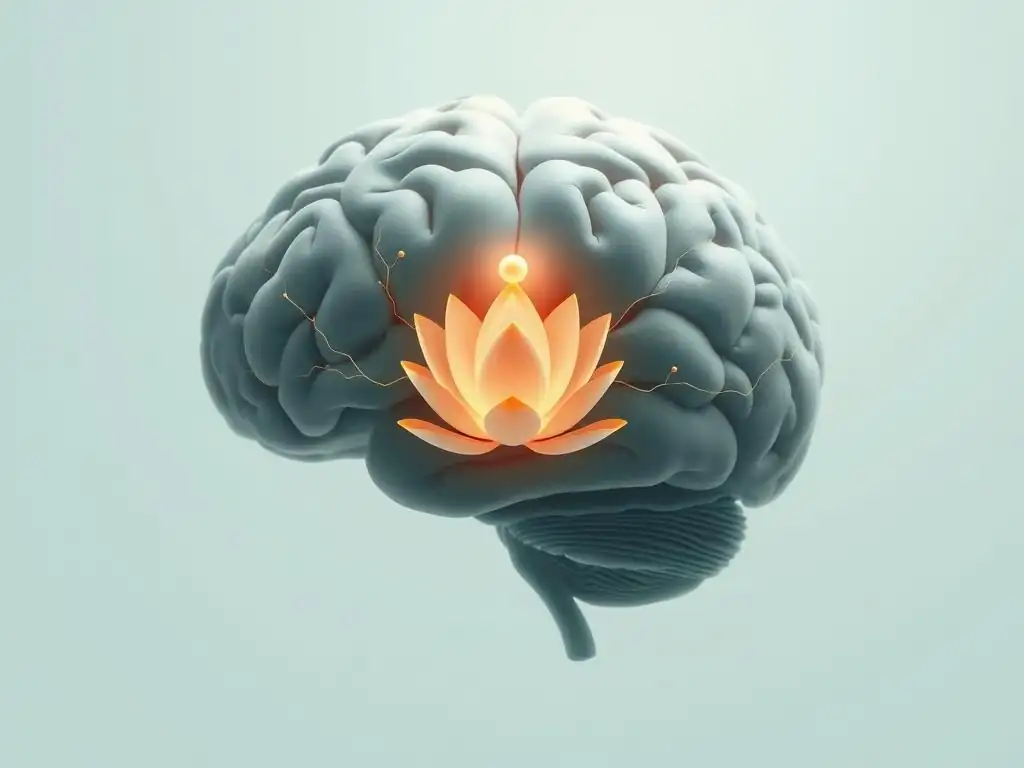
Rewiring the Brain: Neuroplasticity and Mindfulness
One of the most exciting aspects of mindfulness research is its demonstration of neuroplasticity – the brain's ability to reorganize itself by forming new neural connections throughout life. Regular mindfulness practice acts as a form of brain training, specifically targeting the circuits involved in attention, emotional regulation, and self-awareness. Over time, this training leads to measurable structural and functional changes.
As mentioned earlier, studies suggest changes in amygdala size or density and, more reliably, alterations in its connectivity with the prefrontal cortex. This rewiring means that the brain becomes better equipped to handle stress. The prefrontal cortex gains a stronger 'voice' in interpreting potential threats, allowing for a more measured response instead of the amygdala's immediate alarm. This long-term impact on the brain's physical structure and communication pathways is why mindfulness reduce amygdala stress not just temporarily, but in a sustainable way.
Mindfulness for Anxiety and Stress Reduction: A Sustainable Approach
Given its documented effects on the amygdala and associated brain networks, mindfulness offers a sustainable and drug-free approach to managing anxiety and chronic stress. Unlike strategies that only address symptoms, mindfulness targets the root cause of excessive reactivity by training the brain to respond differently to internal and external stressors.
By consistently practicing mindfulness, individuals can gradually lower their baseline stress levels and reduce the frequency and intensity of their stress responses. This isn't about eliminating stress entirely, which is unrealistic, but about changing the brain's reaction to it. The ability of mindfulness reduce amygdala stress over time translates into less time spent in a state of fight-or-flight, leading to improved physical health, better emotional resilience, and a greater sense of overall well-being. It empowers individuals with a tool they can use anytime, anywhere.
Preventing Chronic Stress: Building Resilience Through Mindfulness
Chronic stress is a significant public health concern, linked to numerous physical and mental health issues. Mindfulness serves as a powerful tool for preventing chronic stress by building resilience. Resilience is the ability to bounce back from adversity and adapt to challenging circumstances. Mindfulness fosters resilience by enhancing emotional regulation, increasing self-awareness, and promoting a non-reactive stance towards difficult experiences.
By consistently practicing mindfulness, individuals learn to recognize the early signs of stress and anxiety in their body and mind, often before the amygdala has fully triggered the widespread stress response. This allows them to intervene early using mindful breathing or other techniques. Furthermore, by weakening the default mode network's tendency towards rumination on past problems and future worries, mindfulness helps prevent the kind of persistent negative thinking that can keep the amygdala chronically activated. Thus, mindfulness reduce amygdala stress by building a stronger, more resilient brain capable of navigating life's challenges with greater ease.
Integrating Mindfulness into Daily Life for Optimal Mental Well-being
Simple Mindfulness Practices You Can Do Anywhere
Integrating mindfulness into daily life doesn't require hours of meditation. Many simple practices can be done anytime, anywhere, to help you stay present and manage potential amygdala triggers.
- Mindful Eating: Pay full attention to the experience of eating – the sights, smells, textures, and tastes. Chew slowly and notice the sensations in your body.
- Mindful Walking: Notice the feeling of your feet touching the ground, the movement of your legs, and the sensations in your body as you walk. Pay attention to your surroundings without getting lost in thought.
- Mindful Listening: When talking to someone, focus entirely on what they are saying, without planning your response or letting your mind wander.
- Mindful Chores: Bring full attention to mundane tasks like washing dishes or brushing your teeth. Notice the sensations and movements involved.
These brief moments of intentional presence throughout the day accumulate, reinforcing the neural pathways associated with mindfulness and helping to keep the amygdala's reactivity in check.
Creating a Mindful Routine for Lasting Change
While spontaneous mindfulness is helpful, establishing a consistent mindful routine is key to achieving lasting change in stress levels and amygdala function. This routine can be as simple as dedicating a few minutes each morning and evening to formal practice.
Consider starting with 5-10 minutes of mindful breathing or guided meditation upon waking. This sets a calm tone for the day and activates the prefrontal cortex before the stresses begin. In the evening, another 5-10 minutes can help process the day's experiences and prepare for restful sleep, preventing worries from triggering the amygdala during the night. Gradually increasing the duration as you feel comfortable can deepen the benefits. Consistency is more important than duration when starting out.
Overcoming Challenges and Maintaining a Consistent Practice
Building and maintaining a mindfulness practice isn't always easy. Challenges like a busy schedule, a wandering mind, or the feeling that "nothing is happening" are common. It's important to approach these challenges with the same non-judgmental awareness cultivated in practice.
- Be Patient and Kind: Don't expect perfection. The mind will wander; the practice is simply noticing and gently returning your attention. Treat setbacks as learning opportunities.
- Start Small: Even 2-3 minutes of mindful breathing is beneficial. Find a duration that feels manageable and gradually increase it.
- Find a Community: Joining a mindfulness group or class can provide support and motivation.
- Connect to the 'Why': Remind yourself why you started – perhaps to reduce stress, feel calmer, or improve focus. Remembering the goal, like how mindfulness reduce amygdala stress, can boost motivation.
- Schedule It: Treat your mindfulness practice like any other important appointment. Put it on your calendar.
Consistency, even amidst imperfection, is what leads to the long-term benefits for your brain and your ability to manage stress effectively.
Beyond the Amygdala: Holistic Benefits of Mindfulness
Mindfulness and Improved Cognitive Function
While the impact of mindfulness on the amygdala and stress is significant, the practice offers a wide range of cognitive benefits. Regular mindfulness meditation has been associated with improvements in attention span, concentration, and working memory. By training the ability to focus on the present moment and gently redirect a wandering mind, mindfulness strengthens the neural networks involved in executive functions, primarily located in the prefrontal cortex.
Studies have shown that meditators often perform better on tasks requiring sustained attention and cognitive flexibility. This enhanced cognitive function isn't just a side benefit; it further supports stress management. A focused and flexible mind is better equipped to problem-solve, make rational decisions under pressure, and avoid getting stuck in negative thought loops that can trigger the amygdala.
The Impact of Mindfulness on Emotional Intelligence
Mindfulness significantly enhances emotional intelligence, which is the ability to understand and manage one's own emotions and recognize and respond effectively to the emotions of others. The practice cultivates key components of emotional intelligence, such as self-awareness, self-regulation, and empathy.
By regularly observing your internal experiences – thoughts, feelings, and physical sensations – without judgment, you develop a deeper understanding of your emotional landscape (self-awareness). The practice of non-reactivity helps you choose how to respond to emotions rather than being controlled by them (self-regulation). Furthermore, by opening your awareness to your own internal state with compassion, you can more easily extend that understanding and empathy towards others, recognizing their emotional experiences with greater sensitivity. This improved emotional intelligence helps navigate interpersonal stressors more effectively, reducing triggers for the amygdala.
Fostering Compassion and Empathy Through Mindfulness
Many mindfulness practices, particularly those from contemplative traditions, explicitly cultivate qualities of compassion and empathy, both towards oneself and others. Practices like loving-kindness meditation involve directing warm, kind wishes outwards, first to oneself, then to loved ones, neutral persons, difficult persons, and finally to all beings.
Cultivating compassion helps to soften the harsh self-criticism that often accompanies stress and anxiety, which can otherwise fuel negative loops involving the amygdala. Extending compassion and empathy towards others can improve relationships and reduce interpersonal conflict, a common source of stress.
Research suggests that compassion meditation may even involve different brain networks than mindfulness focused solely on attention, potentially activating areas associated with social connection and positive emotion, further contributing to a sense of well-being that counteracts the amygdala's focus on threat. The holistic benefits of mindfulness extend far beyond simply calming the stress center, fostering a more balanced, resilient, and compassionate approach to life.
Frequently Asked Questions
Mindfulness practices, like meditation, help regulate emotional responses by increasing awareness of present moment experiences. This leads to a reduced reactivity in the amygdala, the brain's stress center, leading to less stress.
What type of mindfulness exercises are most effective at impacting the amygdala?
Focused attention meditation and mindful breathing exercises are highly effective. These exercises promote present moment awareness, which helps to downregulate amygdala activity over time.
The timeline varies, but consistent practice of 10-20 minutes daily can lead to noticeable improvements in stress management and emotional regulation within a few weeks, impacting the amygdala.
Besides reducing stress, what other benefits are associated with mindfulness and its impact on the amygdala?
Mindfulness can improve emotional stability, focus, and overall mental well-being. By calming the amygdala, it can also reduce symptoms of anxiety and depression.
Are there any potential drawbacks or limitations to using mindfulness for amygdala stress reduction?
While generally safe, mindfulness may initially trigger difficult emotions for some. It's important to approach practice with self-compassion and seek guidance from a qualified professional if needed.
Final Reflection: Taming the Amygdala's Roar Through Mindfulness
The relentless pace of modern life, coupled with the constant barrage of information, leaves many of us feeling overwhelmed and stressed. This pervasive anxiety directly impacts our amygdala, the brain's fear center, leading to a cascade of negative physical and emotional consequences. Understanding how mindfulness techniques can directly counteract this amygdala hijack is not just a theoretical exercise; it's a crucial skill for navigating the complexities of the 21st century.
The exploration of mindfulness and its impact on the amygdala has profoundly shifted my own understanding of stress management. I've personally witnessed the transformative power of even short, daily mindfulness practices in reducing my own reactivity to stressful situations. The mind is everything. What you think you become.
– Buddha. This quote resonates deeply, highlighting the power we hold to shape our experiences through conscious attention and mindful awareness. The ongoing influence of mindfulness practices extends beyond individual well-being; it's a growing movement impacting workplaces, educational settings, and even healthcare, offering a powerful alternative to solely pharmaceutical approaches to stress reduction.
Now, consider your own relationship with stress. How often do you feel overwhelmed by your amygdala's response to daily challenges? I invite you to experiment with even five minutes of daily mindfulness – a simple breathing exercise, a mindful walk, or focused attention on a sensory experience.
By cultivating this awareness, you begin to reclaim control over your emotional landscape, fostering resilience and a greater sense of inner peace. The journey to a calmer, more centered self begins with a single breath, a single moment of mindful attention. Embrace the power within you to shrink your stress center and live a more fulfilling life.
Unleash Your Inner Calm: Start Your Mindfulness Journey Today!
Thanks for taking the time to explore the fascinating connection between mindfulness and your amygdala! We hope you gained valuable insights into managing stress and fostering inner peace. Ready to put these learnings into practice?
- Begin a daily mindfulness practice: Even 5 minutes a day can make a significant difference. Try a guided meditation or simply focus on your breath. This is the key step to retraining your brain for calmer responses.
- Share your experience: Connect with others on our social media channels and discuss your mindfulness journey. What challenges are you facing, and what techniques are working best for you?
- Try a mindful activity today: Choose something sensory, like taking a mindful walk in nature or savoring a cup of tea, and pay attention to the details.
So, what mindful activity will you try first to calm your amygdala and cultivate inner peace today?