
The Vagus Nerve Connection: How Meditation Calms Your Nervous System


Welcome to Mind Care Guide.
Feeling overwhelmed? You're not alone. Many are discovering the profound link between mind and body when it comes to mental well-being. Dive into our exploration of how meditation calms the vagus nerve, a key player in regulating your nervous system and overall health. Curious to learn how this simple practice can unlock a pathway to inner peace and resilience? Let's explore the science and practical steps together...
The Vagus Nerve Connection: How Meditation Calms Your Nervous System
- Introduction: Understanding the Vagus Nerve and Breathwork's Role in Nervous System Regulation
- What is the Vagus Nerve and Why Does it Matter?
- Breathwork and the Vagus Nerve: A Powerful Partnership
- Specific Breathwork Techniques to Enhance Vagal Tone
-
The Benefits of Activating Your Vagus Nerve Through Breathwork
- Reduced Anxiety and Stress Levels Through Vagal Tone Improvement
- Improved Digestion and Gut Health: The Vagus Nerve's Influence
- Enhanced Heart Rate Variability (HRV) and Cardiovascular Health
- Better Sleep Quality and Reduced Insomnia Symptoms
- Emotional Regulation: The Vagus Nerve's Role in Managing Emotions
- Integrating Breathwork into Your Daily Routine for Vagus Nerve Health
- Beyond Breathwork: Other Ways to Stimulate the Vagus Nerve
- Conclusion: Breathwork as a Key to Vagus Nerve Health and Overall Well-being
-
Frequently Asked Questions
- What is the vagus nerve, and why is it important for mental well-being?
- How does meditation specifically calm the vagus nerve?
- What types of meditation are most effective for vagal nerve stimulation?
- How often should I meditate to experience the benefits of vagal nerve stimulation?
- Besides meditation, are there other ways to stimulate the vagus nerve?
- Final Reflection: Finding Inner Peace Through Vagus Nerve Stimulation
- Unleash Your Inner Calm: Start Your Vagus Nerve Journey Today!
Introduction: Understanding the Vagus Nerve and Breathwork's Role in Nervous System Regulation
The Importance of Vagal Tone for Mental Well-being
The vagus nerve, often called the "wandering nerve," is the longest cranial nerve in the body, extending from the brainstem down through the neck and chest to the abdomen. It acts as a critical communication pathway between the brain and many vital organs, including the heart, lungs, and digestive system.
The health of this nerve, specifically its activity level or "vagal tone," is profoundly linked to our mental and physical well-being. High vagal tone is associated with resilience to stress, better mood regulation, and a healthier response to challenges, while low vagal tone can leave us more susceptible to anxiety, depression, and chronic health issues.
Maintaining robust vagal tone is like having a well-tuned internal brake system for our nervous system. When faced with stressors, the sympathetic nervous system (our "fight or flight" response) kicks in. A healthy vagus nerve, working through the parasympathetic nervous system, helps to quickly apply the brakes, bringing us back to a state of calm and balance. This efficient transition is crucial for preventing the cumulative damage that chronic stress can inflict on both mind and body, highlighting why cultivating strong vagal tone is a cornerstone of comprehensive mental health care.
How Breathwork Impacts the Vagus Nerve
Breathwork, a practice focusing on conscious control of breathing patterns, serves as a direct pathway to influence the vagus nerve. While the title mentions meditation, breathwork is often a fundamental and powerful component within meditation practices specifically designed to calm the nervous system. By consciously altering the rhythm, depth, and pace of our breath, we send specific signals to the brain via the vagus nerve. For instance, slow, deep exhalations are interpreted by the vagus nerve as a signal of safety and relaxation, prompting the activation of the parasympathetic nervous system.
This direct connection allows breathwork to act as a powerful tool for immediate stress reduction and, with consistent practice, for building long-term vagal tone. Unlike many other physiological processes, breathing is one of the few autonomic functions we can consciously control. This unique characteristic gives us a direct lever to influence our nervous system state. Regular breathwork, particularly techniques emphasizing slow, mindful breathing, can train the vagus nerve to become more responsive, leading to a more balanced and resilient nervous system over time.
What is the Vagus Nerve and Why Does it Matter?
Anatomy and Function of the Vagus Nerve: A Brief Overview
The vagus nerve is the tenth cranial nerve (CN X). It's a mixed nerve, meaning it contains both sensory (afferent) and motor (efferent) fibers. Approximately 80% of its fibers are sensory, relaying information from the organs back to the brain, providing crucial feedback about our internal state, often referred to as interoception. The remaining 20% are motor fibers, carrying commands from the brain to various muscles and glands, influencing functions like heart rate, digestion, and even voice control.
Its extensive reach means the vagus nerve plays a role in an astonishing array of bodily functions. It innervates the pharynx, larynx, esophagus, trachea, bronchi, lungs, heart, stomach, small intestine, pancreas, liver, and even parts of the colon. This vast network explains why stimulating the vagus nerve can have such widespread effects on both physical health and mental state, making it a central player in the mind-body connection.
The Vagus Nerve's Role in the Parasympathetic Nervous System (Rest and Digest)
The autonomic nervous system is divided into two main branches: the sympathetic ("fight or flight") and the parasympathetic ("rest and digest"). The vagus nerve is the primary nerve of the parasympathetic nervous system. When activated, it promotes relaxation, slows heart rate, lowers blood pressure, stimulates digestion, and conserves energy. It's the system responsible for bringing the body back to a state of calm after a stressful event.
In essence, the vagus nerve acts as the main regulator of the parasympathetic response. High vagal tone means the parasympathetic system can quickly and effectively counteract the sympathetic response, promoting rapid recovery from stress. Conversely, low vagal tone means the body might stay in a heightened state of alert for longer, leading to chronic stress symptoms and associated health problems. This highlights the importance of nurturing vagal activity for overall balance.
Low Vagal Tone: Symptoms and Potential Health Implications
Low vagal tone is associated with a reduced ability to bounce back from stress and a tendency towards sympathetic nervous system dominance. Symptoms can vary widely but often include increased anxiety, difficulty relaxing, poor digestion (like IBS symptoms), inflammation, high blood pressure, and even depression. Individuals with low vagal tone may also experience a lower heart rate variability (HRV), which is a key biomarker indicating the nervous system's flexibility and resilience.
Chronically low vagal tone is implicated in a range of health conditions. Research suggests links to inflammatory diseases, cardiovascular problems, metabolic syndrome, and mood disorders. For example, studies have shown that individuals with depression often exhibit lower vagal tone compared to healthy individuals. Therefore, actively working to improve vagal tone through practices like breathwork is not just about managing stress; it's a proactive step towards enhancing overall physical and mental health resilience.
Breathwork and the Vagus Nerve: A Powerful Partnership
Scientific Evidence: Research Linking Breathwork to Increased Vagal Tone
Numerous studies have explored the connection between controlled breathing techniques and the vagus nerve. Research consistently shows that slow, deep breathing, particularly with extended exhalations, stimulates the vagus nerve and increases vagal tone, often measured by improvements in heart rate variability (HRV). For instance, a study published in Frontiers in Psychology in 2017 reviewed evidence suggesting that slow-paced breathing exercises can significantly increase HRV, indicating enhanced vagal activity.
Another study, examining the effects of yogic breathing techniques, found that practices like Bhramari (humming) pranayama led to increased parasympathetic activity. While specific percentage increases can vary based on the technique, duration, and individual, the general consensus across research is that conscious regulation of breath is a potent tool for directly influencing the vagus nerve and promoting a shift towards parasympathetic dominance. This scientific backing provides a strong foundation for using breathwork as a therapeutic tool.
How Breathwork Activates the Vagus Nerve: A Physiological Explanation
The physiological mechanism linking breathwork to vagus nerve activation is primarily through the modulation of heart rate and blood pressure. The vagus nerve plays a key role in the baroreflex, a mechanism that helps regulate blood pressure. When you inhale, heart rate naturally slightly increases; when you exhale, it decreases. Slowing down the breath, especially prolonging the exhale, exaggerates this natural fluctuation, creating a larger difference between the highest heart rate during inhalation and the lowest during exhalation. This difference is a major contributor to Heart Rate Variability (HRV).
A higher HRV indicates a more flexible and responsive nervous system, which is directly linked to higher vagal tone. Slow, deep breathing techniques effectively "massage" the vagus nerve by optimizing this baroreflex sensitivity. The sensory fibers of the vagus nerve detect these changes in heart rate and blood pressure and send signals to the brainstem, specifically the nucleus tractus solitarius, which then influences parasympathetic outflow, leading to a cascade of calming effects throughout the body. This feedback loop is why breathwork is so effective at promoting relaxation.
Different Breathwork Techniques for Vagus Nerve Stimulation
Various breathwork techniques exist, each with slightly different effects, but many share the common goal of slowing the breath and engaging the diaphragm, which are key for vagus nerve stimulation. Simple diaphragmatic breathing, focusing on expanding the belly, is a foundational technique. Other methods like Box Breathing (equal duration for inhale, hold, exhale, hold) provide a structured rhythm that promotes calm. Alternate Nostril Breathing (Nadi Shodhana) is often used to balance the nervous system.
More advanced techniques, sometimes incorporated into deeper meditation practices, might involve breath retention or specific ratios of inhale to exhale. Even simple practices like humming during exhalation can stimulate the vagus nerve through vibrations in the throat. The common thread is mindful awareness and control of the breath, shifting from shallow, chest breathing associated with stress to deeper, slower, abdominal breathing that signals safety and relaxation to the vagus nerve.
Specific Breathwork Techniques to Enhance Vagal Tone
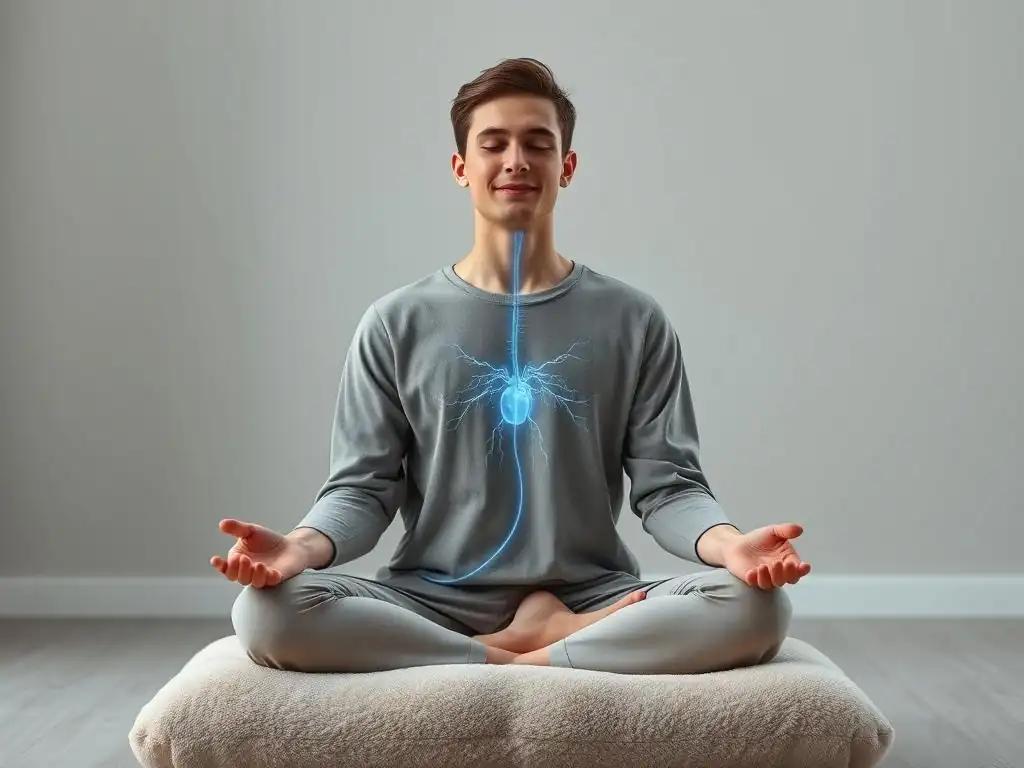
Diaphragmatic Breathing (Belly Breathing) and Vagus Nerve Stimulation
Diaphragmatic breathing, also known as belly breathing, is one of the most accessible and effective techniques for stimulating the vagus nerve. It involves breathing deeply into the abdomen rather than shallowly into the chest. When you inhale, your diaphragm contracts and moves downward, causing your belly to expand. When you exhale, the diaphragm relaxes and moves upward, and your belly contracts. This deep movement of the diaphragm directly impacts the vagus nerve, which passes through the diaphragm.
Practicing diaphragmatic breathing sends a clear signal to your brain that you are safe and can relax. The slow, rhythmic movement promotes a gentle "massage" of the vagus nerve fibers located in the abdominal area. Aim for a slow, steady pace, perhaps inhaling for a count of four and exhaling for a count of six. Consistent practice helps retrain your breathing patterns away from shallow, stress-induced chest breathing towards a deeper, more calming mode, thereby improving vagal tone over time.
Box Breathing for Calming the Nervous System
Box Breathing is a simple, yet powerful, technique used widely, including by military personnel, to manage stress and induce calm. It involves inhaling, holding the breath, exhaling, and holding the breath again, all for equal counts, typically four. For example, inhale for 4 counts, hold for 4 counts, exhale for 4 counts, hold for 4 counts, and repeat. This structured rhythm provides a mental focus while regulating the breath.
The controlled, slow pace, particularly the extended exhale and the breath holds, helps to slow the heart rate and activate the parasympathetic nervous system via the vagus nerve. The equal duration of each phase prevents hyperventilation and promotes a steady state. Practicing Box Breathing for just a few minutes can help interrupt the stress response cycle and bring a sense of immediate calm, making it an excellent tool for acute anxiety or before stressful events.
Alternate Nostril Breathing (Nadi Shodhana) for Balancing the Nervous System
Alternate Nostril Breathing, or Nadi Shodhana in Sanskrit, is a yogic breathing technique aimed at balancing the flow of energy (prana) in the body, but it also has significant physiological effects on the nervous system and vagal tone. It involves closing one nostril with a finger and inhaling through the other, then closing the open nostril and exhaling through the first, and alternating in a specific pattern. Typically, it involves inhaling through the left nostril, exhaling through the right, inhaling through the right, and exhaling through the left.
This rhythmic, controlled breathing through alternating nostrils helps to quiet the mind and regulate the autonomic nervous system. While the exact mechanism is complex, the slow, deliberate pace and focus required for Nadi Shodhana promote a state of relaxation. Some theories suggest it helps balance activity between the brain hemispheres, further contributing to a sense of calm and equilibrium. This technique is particularly good for reducing anxiety and preparing for meditation or sleep.
Humming (Bhramari Pranayama) and Its Impact on Vagal Tone
Humming is a surprisingly effective way to stimulate the vagus nerve, particularly the branches that innervate the throat and vocal cords. Bhramari Pranayama, or "Bee Breath," is a yogic technique that involves inhaling deeply and then exhaling slowly while making a continuous humming sound with the mouth closed. The vibration created by the humming resonates in the chest, throat, and head.
Research indicates that the vibrations produced during humming can directly stimulate the vagus nerve. Furthermore, humming naturally slows down the exhale, which, as discussed, is key to activating the parasympathetic response. Studies have shown that Bhramari Pranayama can significantly decrease heart rate and blood pressure and increase parasympathetic activity. It's a simple technique that can be done almost anywhere to quickly promote relaxation and boost vagal tone.
The Benefits of Activating Your Vagus Nerve Through Breathwork
Reduced Anxiety and Stress Levels Through Vagal Tone Improvement
One of the most immediate and profound benefits of activating the vagus nerve through breathwork is a significant reduction in anxiety and stress. When the vagus nerve is stimulated, it signals the body to shift from the "fight or flight" state (sympathetic nervous system) to the "rest and digest" state (parasympathetic nervous system). This physiological shift leads to a decrease in stress hormones like cortisol, a slower heart rate, and lower blood pressure, all contributing to a feeling of calm.
Regular practice of breathwork meditation calms vagus nerve activity, leading to improved vagal tone over time. This increased tone means your nervous system becomes more resilient and better equipped to handle daily stressors. You might find yourself less reactive to triggers, able to recover more quickly from stressful situations, and experience a general reduction in baseline anxiety levels. It's a powerful tool for cultivating inner peace and emotional stability.
Improved Digestion and Gut Health: The Vagus Nerve's Influence
The vagus nerve forms a crucial part of the gut-brain axis, a bidirectional communication system between the central nervous system and the enteric nervous system (the nervous system of the gut). The vagus nerve transmits signals from the gut to the brain and vice versa, influencing digestion, gut motility, nutrient absorption, and even the composition of the gut microbiome. Low vagal tone is often associated with digestive issues like Irritable Bowel Syndrome (IBS), bloating, and altered gut motility.
By activating the vagus nerve through breathwork, you can improve communication along this axis, promoting healthier digestive function. Increased vagal tone can help regulate stomach acid production, enzyme release, and intestinal contractions. This can lead to reduced symptoms of indigestion, bloating, and discomfort. Supporting your vagus nerve through conscious breathing is a direct way to support your gut health.
Enhanced Heart Rate Variability (HRV) and Cardiovascular Health
Heart Rate Variability (HRV) is a measure of the variation in time between consecutive heartbeats. It's a key indicator of autonomic nervous system balance and vagal tone. High HRV signifies a flexible nervous system that can adapt well to changing demands, indicating good vagal tone. Low HRV is associated with chronic stress, anxiety, and an increased risk of cardiovascular issues.
Breathwork is one of the most effective ways to acutely and chronically improve HRV. Techniques that involve slow, deep breathing, especially with prolonged exhalations, directly enhance the respiratory sinus arrhythmia, the natural variation in heart rate linked to breathing, which is mediated by the vagus nerve. Consistently practicing breathwork can train the vagus nerve, leading to a sustained increase in HRV, which is beneficial for overall cardiovascular health and resilience.
Better Sleep Quality and Reduced Insomnia Symptoms
Difficulty falling asleep or staying asleep is often linked to an overactive sympathetic nervous system, making it hard for the body and mind to wind down. Activating the vagus nerve through breathwork helps to shift the nervous system into the parasympathetic "rest and digest" state, which is conducive to sleep. By practicing calming breathwork techniques before bed, you can lower your heart rate, relax your muscles, and quiet racing thoughts.
Incorporating a short breathwork meditation calms vagus nerve activity, preparing your body for rest. Simple techniques like diaphragmatic breathing or Box Breathing can significantly reduce the physiological arousal that prevents sleep. Over time, consistently using breathwork as part of a bedtime routine can help regulate your sleep-wake cycle and improve overall sleep quality, reducing symptoms of insomnia.
Emotional Regulation: The Vagus Nerve's Role in Managing Emotions
The vagus nerve plays a significant role in emotional regulation. It is connected to areas of the brain involved in processing emotions, such as the amygdala (involved in fear) and the prefrontal cortex (involved in decision-making and emotional control). Higher vagal tone is associated with a greater ability to manage emotions, recover from negative emotional experiences, and experience positive emotions.
By stimulating the vagus nerve, breathwork helps to dampen the activity of the amygdala, reducing the intensity of fear and anxiety responses. It also supports the prefrontal cortex's ability to regulate emotional reactions. This means that through consistent breathwork, you can become less reactive to emotional triggers, develop greater emotional resilience, and foster a more stable and positive emotional state. It provides a physiological pathway to cultivate calm and emotional balance.
Integrating Breathwork into Your Daily Routine for Vagus Nerve Health
Creating a Consistent Breathwork Practice: Tips and Strategies
Consistency is key when it comes to leveraging breathwork for long-term vagal tone improvement. Start small, even just 5-10 minutes a day. Find a quiet space where you won't be interrupted. Choose a time that works best for you – perhaps first thing in the morning, during a lunch break, or before bed. Link your practice to an existing habit, like before your morning coffee or after brushing your teeth, to make it easier to remember.
Experiment with different techniques to find what resonates most with you. It doesn't have to feel complicated; simple conscious breathing is a great start. Don't strive for perfection; the goal is presence and gentle regulation. Use apps or guided recordings if you find it helpful. Track your progress in a journal, noting how you feel before and after your practice. Remember that even short, frequent sessions are more beneficial than infrequent long ones for building consistent vagal tone benefits.
A 5-Minute Breathwork Routine for Vagus Nerve Stimulation
Here is a simple 5-minute routine focusing on vagus nerve stimulation:
- Find a comfortable seated position: Sit upright with a straight spine, or lie down if preferred. Close your eyes gently.
- Take a few natural breaths: Just notice your breath without trying to change it.
- Practice Diaphragmatic Breathing (2 minutes): Place one hand on your chest and the other on your belly. Inhale slowly through your nose, feeling your belly rise. Exhale slowly through your mouth (or nose), feeling your belly fall. Aim for exhales longer than inhales (e.g., inhale for 4, exhale for 6). Continue for 2 minutes.
- Practice Box Breathing (2 minutes): Inhale slowly for a count of 4. Hold your breath for a count of 4. Exhale slowly for a count of 4. Hold your breath out for a count of 4. Repeat this cycle for 2 minutes.
- Finish with Natural Breathing (1 minute): Release conscious control and return to your natural breath. Notice any changes in your body or mind.
Task List: 5-Minute Vagus Nerve Breathwork
- [ ] Find comfortable position (seated or lying).
- [ ] Close eyes, notice natural breath.
- [ ] Practice Diaphragmatic Breathing (2 mins): Inhale belly expands, exhale belly contracts (exhale > inhale).
- [ ] Practice Box Breathing (2 mins): Inhale 4, Hold 4, Exhale 4, Hold 4. Repeat.
- [ ] Return to natural breath (1 min), notice sensations.
Lifestyle Factors That Support Vagal Tone (Beyond Breathwork)
While breathwork is a powerful tool, it's part of a larger picture of vagal health. Several lifestyle factors significantly influence vagal tone. Regular exercise, particularly moderate aerobic activity, has been shown to improve HRV and vagal tone. Maintaining a healthy diet rich in fiber and probiotics supports gut health, which in turn positively impacts the vagus nerve via the gut-brain axis.
Adequate sleep is crucial, as sleep deprivation negatively impacts vagal tone. Exposure to cold, such as taking cold showers or splashing cold water on your face, can stimulate the vagus nerve. Singing, humming, and gargling also activate the muscles in the throat innervated by the vagus nerve. Finally, social connection and positive social interactions have been linked to higher vagal tone, highlighting the importance of relationships for nervous system health.
Beyond Breathwork: Other Ways to Stimulate the Vagus Nerve
Cold Exposure Therapy and Its Effects on the Vagus Nerve
Exposure to cold, particularly acute exposure like a cold shower or dipping your face in ice water, is a well-known method for stimulating the vagus nerve. The body's shock response to cold activates the parasympathetic nervous system, largely mediated by the vagus nerve, to regulate heart rate and breathing. This acute stimulation can help improve vagal tone over time by increasing the nervous system's ability to switch quickly between sympathetic and parasympathetic states.
Even short bursts of cold exposure can be beneficial. Try finishing your shower with 30 seconds to a minute of cold water. As you get used to it, you may find it becomes less jarring and more invigorating. This practice not only stimulates the vagus nerve but can also boost mood and resilience. It's a simple, accessible way to incorporate vagal stimulation into your daily routine, complementing your breathwork practice.
Exercise and Physical Activity for Vagal Tone Improvement
Regular physical exercise is one of the most effective ways to improve overall health, and its benefits extend directly to vagal tone. Moderate aerobic exercise, in particular, has been shown in multiple studies to increase heart rate variability (HRV), a key indicator of vagal activity. Exercise helps regulate the autonomic nervous system, reducing sympathetic dominance and promoting parasympathetic activity.
Engaging in consistent physical activity, whether it's brisk walking, jogging, swimming, or cycling, strengthens the body's ability to manage stress and promotes a healthier vagal response. Aim for at least 150 minutes of moderate-intensity aerobic exercise per week, as recommended by health guidelines. This consistent movement contributes significantly to building resilience in your nervous system and enhancing vagal tone.
Human connection is fundamental to well-being, and research suggests it has a direct physiological impact on the vagus nerve. Positive social interactions, feeling connected to others, and experiences of compassion and kindness are associated with increased vagal tone. The vagus nerve is linked to our social engagement system, influencing facial expressions, vocalizations, and the ability to connect with others.
Engaging in meaningful relationships, spending time with loved ones, participating in community activities, or even acts of altruism can stimulate the vagus nerve. The feeling of safety and belonging that comes from positive social connection sends signals to the brain via the vagus nerve that promote relaxation and reduce the stress response. Nurturing your social relationships is a powerful, often overlooked, way to support your vagal health.
Conclusion: Breathwork as a Key to Vagus Nerve Health and Overall Well-being
The Long-Term Benefits of Regular Breathwork for Nervous System Regulation
Regular practice of breathwork, often integrated into meditation, offers profound long-term benefits for nervous system regulation by consistently stimulating and strengthening the vagus nerve. By making conscious breathing a part of your daily life, you are actively training your autonomic nervous system to become more balanced and resilient. This doesn't mean you'll never feel stressed, but your body will be better equipped to handle stress when it arises, returning to a state of calm more quickly.
Over time, consistent breathwork can lead to sustained improvements in vagal tone, reflected in higher Heart Rate Variability and a reduced tendency towards sympathetic overdrive. This translates into tangible improvements in mental and physical health – less anxiety, better digestion, more stable mood, improved sleep, and enhanced cardiovascular health. It's an investment in your body's innate ability to heal and regulate itself.
Empowering Yourself Through Vagus Nerve Activation
Understanding the vagus nerve and learning how to activate it through simple practices like breathwork is incredibly empowering. It shifts the perception of stress and anxiety from something that happens to you to something you have the capacity to influence. You hold the key, quite literally in your breath, to directly communicate with your nervous system and promote a state of calm and well-being.
Incorporating breathwork meditation calms vagus nerve activity, providing a practical, accessible tool you can use anytime, anywhere. It is a powerful reminder of the deep connection between your mind and body and your ability to cultivate resilience from within. By making breathwork a regular habit, you are not just managing symptoms; you are building a stronger, more balanced nervous system for lasting health and peace of mind.
Frequently Asked Questions
What is the vagus nerve, and why is it important for mental well-being?
The vagus nerve is the longest cranial nerve connecting the brain to many major organs. It plays a crucial role in regulating the parasympathetic nervous system, impacting functions like heart rate, digestion, and mood, which directly affects mental well-being.
How does meditation specifically calm the vagus nerve?
Meditation practices, like mindful breathing, stimulate the vagus nerve by activating the parasympathetic nervous system. This activation reduces stress hormones and promotes relaxation, leading to a calmer state.
What types of meditation are most effective for vagal nerve stimulation?
Mindfulness meditation and loving-kindness meditation are particularly effective. These practices focus on present moment awareness and cultivating positive emotions, directly influencing vagal nerve activity.
How often should I meditate to experience the benefits of vagal nerve stimulation?
Consistency is key; even short, daily meditation sessions (10-20 minutes) can significantly impact vagal tone. Regular practice leads to improved stress resilience and overall well-being over time.
Besides meditation, are there other ways to stimulate the vagus nerve?
Yes, other methods include deep breathing exercises, cold water exposure (like a cold shower), and singing or humming. These activities also activate the parasympathetic nervous system and promote vagal tone.
Final Reflection: Finding Inner Peace Through Vagus Nerve Stimulation
The profound impact of meditation on our nervous system is no longer a fringe concept; it's a scientifically validated pathway to improved well-being. Understanding how meditation calms the vagus nerve, a crucial component of our parasympathetic nervous system, offers a tangible tool for navigating the stresses of modern life and cultivating inner peace. This knowledge empowers us to take control of our physiological responses to anxiety and trauma, offering a powerful alternative to solely relying on pharmaceutical interventions.
The exploration of the vagus nerve's role in emotional regulation has fundamentally shifted my understanding of stress management. It's no longer just about managing symptoms; it's about understanding the underlying physiological mechanisms at play. This deeper understanding fosters a sense of agency and control. The body keeps the score,
as Bessel van der Kolk so eloquently puts it, highlighting the profound impact of trauma on our physical selves. By learning to consciously regulate our vagal tone through practices like meditation, we begin to rewrite that score, fostering resilience and healing.
Consider this your invitation to explore the power of meditation. Don't view it as a passive activity, but rather as an active engagement with your own nervous system. Start small, even just five minutes a day, and observe the subtle shifts in your body and mind. Notice the difference in your breath, the softening of your muscles, the quietening of your thoughts. This journey of self-discovery, guided by the wisdom of your vagus nerve, is a path to a calmer, more resilient, and ultimately, more fulfilling life.
Unleash Your Inner Calm: Start Your Vagus Nerve Journey Today!
Thanks for taking the time to explore the powerful connection between your vagus nerve and inner peace! You've now learned how simple practices can significantly impact your well-being. Ready to take the next step?
- Prioritize Daily Meditation: Even 5 minutes a day can make a remarkable difference in calming your nervous system. Start with guided meditations specifically focused on vagal tone.
- Share Your Experience: Tell a friend or family member about what you've learned and encourage them to try meditation too. Sharing your journey can be incredibly rewarding!
- Explore Breathwork Techniques: Experiment with different breathing exercises to further stimulate your vagus nerve. Deep, slow breaths are a fantastic starting point.
So, what simple practice will you incorporate into your day to nurture your inner calm?