
Agonists vs. Antagonists: How Drugs Mimic or Block Neurotransmitters in the Brain

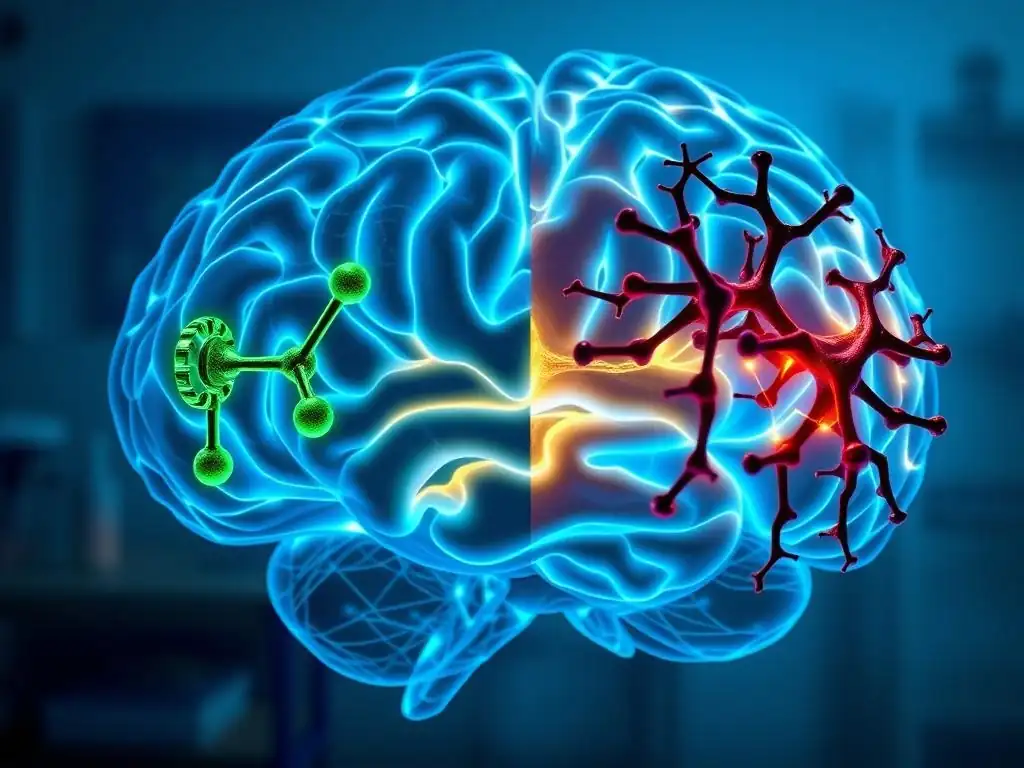
Welcome to Mind Care Guide, a safe space dedicated to understanding and nurturing your mental well-being. Ever wondered exactly how medications impact your mind? In our featured article, "Agonists vs. Antagonists: How Drugs Mimic or Block Neurotransmitters in the Brain," we delve into the fascinating world of brain neurotransmitter drug effects. Discover the crucial differences between agonists and antagonists and how they influence your mental state. Curious to understand the science behind your mental health journey? Let's explore together.
Agonists vs. Antagonists: How Drugs Mimic or Block Neurotransmitters in the Brain
- Introduction to Neurotransmitter-Targeting Drugs
-
Agonists: Mimicking Neurotransmitters for Enhanced Effects
- What are Agonists? Definition and Mechanism of Action
- Direct Agonists: Binding Directly to Neurotransmitter Receptors
- Indirect Agonists: Enhancing Neurotransmitter Release or Preventing Reuptake
- Examples of Agonist Drugs and Their Effects on Brain Neurotransmitters
- Potential Side Effects and Risks Associated with Agonist Use
-
Antagonists: Blocking Neurotransmitters to Reduce Activity
- What are Antagonists? Definition and Mechanism of Action
- Competitive Antagonists: Blocking Receptor Binding Sites
- Non-Competitive Antagonists: Altering Receptor Shape and Function
- Examples of Antagonist Drugs and Their Effects on Brain Neurotransmitters
- Potential Side Effects and Risks Associated with Antagonist Use
- Agonists vs. Antagonists: A Detailed Comparison of Neurotransmitter Modulation
- The Role of Agonists and Antagonists in Treating Mental Illness
- The Future of Neurotransmitter-Targeting Drugs: Research and Development
- Conclusion: Optimizing Mental Well-being Through Targeted Neurotransmitter Drug Effects
-
Frequently Asked Questions
- What are agonists, and how do they affect brain neurotransmitters?
- What are antagonists, and how do they differ from agonists regarding brain neurotransmitter drug effects?
- How can understanding agonists and antagonists help in treating mental health challenges?
- What are some potential side effects of drugs that act as agonists or antagonists on brain neurotransmitters?
- Where can I find more information and resources about brain neurotransmitter drug effects and mental well-being?
- Final Reflection: Understanding the Brain's Chemical Symphony
- Unlock Your Brain's Potential: Dive Deeper into Neurotransmission!
Introduction to Neurotransmitter-Targeting Drugs
Understanding Neurotransmitters and Their Role in Mental Health
Neurotransmitters are the brain's chemical messengers, playing a crucial role in transmitting signals between nerve cells, or neurons. These tiny molecules influence virtually every aspect of our mental and physical functioning, from mood, sleep, and concentration to movement, appetite, and stress response. Key neurotransmitters include serotonin, dopamine, norepinephrine, gamma-aminobutyric acid (GABA), and glutamate, each with specific roles in different brain circuits. Imbalances or dysfunctions in these complex neurotransmitter systems are widely implicated in various mental health conditions, such as depression, anxiety disorders, schizophrenia, and bipolar disorder.
The intricate dance of neurotransmitters—their synthesis, release, binding to receptors, and reuptake or breakdown—forms the basis of healthy brain communication. When this process is disrupted, it can lead to a cascade of effects impacting thoughts, feelings, and behaviors. For instance, low levels or reduced activity of serotonin and norepinephrine are often associated with symptoms of depression, while disruptions in dopamine pathways are linked to conditions like schizophrenia and addiction. Understanding these fundamental roles is the first step in appreciating how medications can exert their effects on brain neurotransmitters.
The Importance of Understanding Drug Interactions with Neurotransmitters
For many individuals managing mental health conditions, medications that interact with neurotransmitters are a vital part of treatment. These drugs are designed to modulate the activity of specific neurotransmitter systems, aiming to restore balance and alleviate symptoms. However, the brain is incredibly complex, and manipulating one neurotransmitter system can have widespread effects. Understanding how these medications work—specifically, whether they mimic or block neurotransmitter activity—is crucial for patients, caregivers, and healthcare providers alike.
Gaining insight into the basic mechanisms of these drugs helps demystify treatment and can empower individuals to participate more actively in their care. It highlights why different medications are prescribed for different conditions, why some drugs have particular side effects, and why finding the right treatment often involves careful adjustment and monitoring. Knowledge about the specific brain neurotransmitter drug effects allows for more informed discussions about potential benefits, risks, and alternative strategies for managing mental well-being.
Agonists: Mimicking Neurotransmitters for Enhanced Effects
What are Agonists? Definition and Mechanism of Action
Agonists are a class of drugs that bind to specific receptors in the brain (or body) and activate them, thereby mimicking the action of a natural neurotransmitter. Think of a receptor as a lock and a neurotransmitter as the specific key that fits into it. An agonist drug is like a master key or a duplicate key that can also fit into that same lock and turn it, opening or activating the cell's response. By binding to and activating these receptors, agonists enhance or stimulate the natural effect that the neurotransmitter would normally produce.
The mechanism of action for agonists is centered around their ability to bind to receptor sites with sufficient affinity and efficacy. Affinity refers to how strongly the drug binds to the receptor, while efficacy refers to the drug's ability to produce a biological response after binding. A full agonist will produce the maximum possible response from the receptor, similar to the natural neurotransmitter at its peak.
Partial agonists, on the other hand, bind to the receptor but produce only a partial response, even when occupying all available receptors. This ability to stimulate receptors is the defining characteristic of agonist brain neurotransmitter drug effects.
Direct Agonists: Binding Directly to Neurotransmitter Receptors
Direct agonists exert their effects by binding directly to the same receptor sites that the natural neurotransmitter would normally occupy. They compete with the endogenous (naturally produced) neurotransmitter for the binding spot on the receptor protein embedded in the cell membrane. Once bound, the direct agonist causes a conformational change in the receptor, triggering a signaling cascade within the cell that leads to the desired biological response, such as increased or decreased firing rate of the neuron, or changes in gene expression.
For example, some drugs used to treat Parkinson's disease are direct dopamine agonists. They bind directly to dopamine receptors (like D2 receptors) in brain regions involved in movement control. Since Parkinson's disease is characterized by a loss of dopamine-producing neurons, these direct agonists step in to activate the remaining dopamine receptors, helping to restore some motor function. Their action directly substitutes for the missing natural dopamine, illustrating a clear brain neurotransmitter drug effect.
Indirect Agonists: Enhancing Neurotransmitter Release or Preventing Reuptake
Indirect agonists do not bind directly to the neurotransmitter receptors themselves. Instead, they work by increasing the amount of neurotransmitter available in the synaptic cleft—the space between neurons where chemical signals are transmitted. They achieve this through various mechanisms, primarily by either promoting the release of neurotransmitters from the presynaptic neuron or by blocking the reuptake transporters that normally remove neurotransmitters from the synapse.
By blocking reuptake, indirect agonists allow the naturally released neurotransmitter to linger longer in the synaptic cleft, increasing its opportunity to bind to and activate its receptors on the postsynaptic neuron. This effectively enhances the signal transmitted by the natural neurotransmitter. A classic example is the class of antidepressants known as SSRIs (Selective Serotonin Reuptake Inhibitors), which are indirect agonists that boost serotonin levels in the synapse, thereby enhancing serotonergic signaling. This mechanism is a key way that medication influences brain neurotransmitter drug effects.
Examples of Agonist Drugs and Their Effects on Brain Neurotransmitters
Selective Serotonin Reuptake Inhibitors (SSRIs) and Serotonin Enhancement
Selective Serotonin Reuptake Inhibitors (SSRIs) are among the most commonly prescribed medications for depression and anxiety disorders. Examples include fluoxetine (Prozac), sertraline (Zoloft), and escitalopram (Lexapro). These drugs function as indirect agonists on the serotonin system. They specifically block the serotonin transporter protein (SERT) located on the presynaptic neuron's membrane. SERT is responsible for pumping serotonin back into the presynaptic neuron after it has been released into the synapse.
By inhibiting SERT, SSRIs prevent the rapid removal of serotonin from the synaptic cleft. This leads to an accumulation of serotonin in the synapse, increasing its concentration and prolonging its interaction with postsynaptic serotonin receptors (like 5-HT1A, 5-HT2A, etc.). While the immediate effect is increased synaptic serotonin, the therapeutic benefits, which can take several weeks to appear, are thought to involve complex downstream adaptations in receptor sensitivity and neural circuit function, ultimately leading to improved mood and reduced anxiety. These widespread brain neurotransmitter drug effects highlight the intricate nature of psychopharmacology.
Dopamine Agonists in the Treatment of Parkinson's Disease
Dopamine agonists are a class of drugs used primarily to treat Parkinson's disease and Restless Legs Syndrome. Unlike L-DOPA, which is a precursor that the brain converts into dopamine, dopamine agonists directly stimulate dopamine receptors in the brain. Common examples include pramipexole (Mirapex) and ropinirole (Requip). These medications are designed to mimic the effects of dopamine, a neurotransmitter critical for controlling movement, motivation, and pleasure.
In Parkinson's disease, there is a progressive loss of neurons in the substantia nigra that produce dopamine. This dopamine deficiency leads to the characteristic motor symptoms like tremor, rigidity, and bradykinesia (slow movement). Dopamine agonists bind to and activate dopamine receptors, compensating for the reduced levels of natural dopamine. This direct stimulation helps to restore some balance in the motor pathways, improving symptoms for many patients. While primarily used for motor disorders, understanding their mechanism provides insight into how agonist brain neurotransmitter drug effects can compensate for neurotransmitter deficits.
Potential Side Effects and Risks Associated with Agonist Use
While agonists can be highly effective in treating various conditions by enhancing neurotransmitter activity, they are not without potential side effects and risks. Because neurotransmitter systems are interconnected and widespread throughout the brain and body, boosting activity in one system can inadvertently affect others or overstimulate the target system itself. The specific side effects depend heavily on the neurotransmitter system being targeted, the specific drug, and the individual's unique physiology.
For example, SSRIs, while generally well-tolerated, can cause side effects like nausea, insomnia, sexual dysfunction, and changes in appetite, especially during the initial weeks of treatment. These effects are related to serotonin's roles in other parts of the body and brain. Dopamine agonists used for Parkinson's can sometimes cause impulse control disorders (like pathological gambling or hypersexuality), hallucinations, confusion, nausea, and swelling in the legs. These side effects underscore the delicate balance of brain chemistry and the potential for powerful brain neurotransmitter drug effects when using agonists. Careful monitoring and dosage adjustments by a healthcare professional are essential.
Antagonists: Blocking Neurotransmitters to Reduce Activity
What are Antagonists? Definition and Mechanism of Action
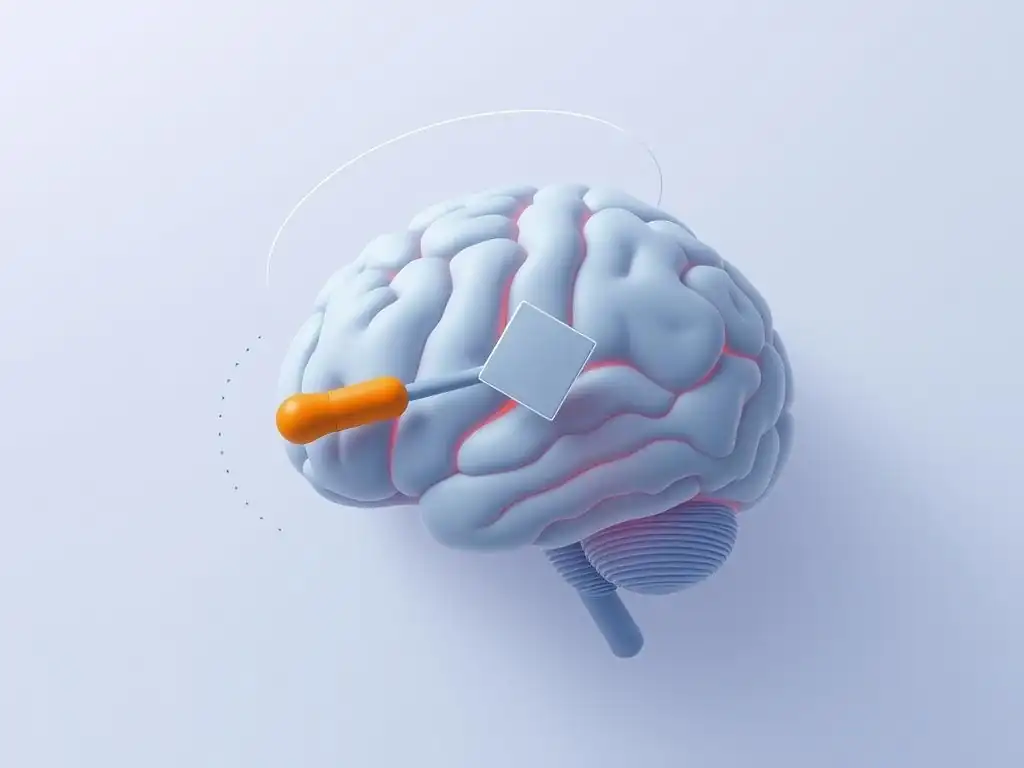
Antagonists are drugs that bind to receptors but, unlike agonists, they do not activate the receptor. Instead, they block the receptor, preventing the natural neurotransmitter (or an agonist drug) from binding to it and exerting its effect. Using the lock and key analogy again, an antagonist is like a key that fits into the lock (the receptor) but doesn't turn it. Once the antagonist is in the lock, the correct key (the neurotransmitter) cannot enter, and thus the door (the cellular response) remains closed.
The primary mechanism of action for antagonists is competitive or non-competitive blockade of receptor sites. By occupying the binding site, antagonists reduce or completely inhibit the signal transmission that would normally occur when the natural neurotransmitter binds. This results in a decrease in the activity of the targeted neurotransmitter system. Antagonists are often used when a particular neurotransmitter system is overactive or when blocking a receptor is necessary to achieve a therapeutic effect, offering a different type of brain neurotransmitter drug effect compared to agonists.
Competitive Antagonists: Blocking Receptor Binding Sites
Competitive antagonists are the most common type of antagonist. They bind reversibly to the same binding site on the receptor as the natural neurotransmitter. They "compete" with the neurotransmitter for the spot. If the concentration of the competitive antagonist is high enough, it will occupy a significant number of receptors, preventing the neurotransmitter from binding and activating them. However, if the concentration of the natural neurotransmitter increases significantly, it can overcome the blockade and displace the competitive antagonist from the receptor.
This competition means that the effect of a competitive antagonist can be partially or fully reversed by increasing the amount of the natural neurotransmitter available. Beta-blockers, for example, are competitive antagonists at beta-adrenergic receptors, blocking the effects of adrenaline and noradrenaline. This mechanism is crucial in understanding how certain medications temper physiological responses driven by neurotransmitter activity.
Non-Competitive Antagonists: Altering Receptor Shape and Function
Non-competitive antagonists bind to a different site on the receptor molecule than the natural neurotransmitter's binding site. This alternative site is called an allosteric site. When a non-competitive antagonist binds to the allosteric site, it causes a change in the overall shape of the receptor. This shape change can prevent the natural neurotransmitter from binding to its usual site, or it can alter the receptor's ability to activate the cell even if the neurotransmitter does bind.
Unlike competitive antagonists, the effects of non-competitive antagonists cannot be overcome by simply increasing the concentration of the natural neurotransmitter. Once the non-competitive antagonist is bound, it effectively reduces the maximum possible response that the receptor can produce, regardless of how much neurotransmitter is present. This irreversible or near-irreversible effect makes non-competitive antagonists particularly useful in situations where sustained blockade of a receptor is required. This distinct mechanism results in different brain neurotransmitter drug effects compared to competitive blockers.
Examples of Antagonist Drugs and Their Effects on Brain Neurotransmitters
Beta-Blockers as Adrenaline Antagonists
Beta-blockers, such as propranolol or atenolol, are a class of drugs primarily used to treat cardiovascular conditions like high blood pressure and heart rhythm problems. However, they are sometimes used off-label or adjunctively to manage the physical symptoms of anxiety, such as rapid heart rate, sweating, and trembling. They function as competitive antagonists at beta-adrenergic receptors, which are activated by the neurotransmitters adrenaline (epinephrine) and noradrenaline (norepinephrine).
Adrenaline and noradrenaline are key players in the body's "fight or flight" response. When the brain perceives a threat or stressor, these neurotransmitters are released, binding to beta-receptors in the heart, lungs, and other tissues, leading to increased heart rate, elevated blood pressure, and heightened physiological arousal. Beta-blockers occupy these beta-receptors, preventing adrenaline and noradrenaline from binding and triggering these responses. By blocking these receptors, beta-blockers dampen the physical manifestations of anxiety, illustrating how antagonist brain neurotransmitter drug effects can modify physiological stress responses.
Antipsychotics as Dopamine Antagonists: Managing Schizophrenia
Antipsychotic medications are the cornerstone of treatment for conditions like schizophrenia, bipolar disorder with psychotic features, and severe depression with psychosis. Many older ("typical") and some newer ("atypical") antipsychotics primarily act as antagonists at dopamine receptors, particularly the dopamine D2 receptor. It is believed that an overactivity or dysregulation of dopamine signaling in certain brain pathways (specifically the mesolimbic pathway) contributes significantly to the positive symptoms of schizophrenia, such as hallucinations, delusions, and disorganized thinking.
Antipsychotic drugs bind to D2 receptors, blocking dopamine from activating them. This reduces excessive dopamine signaling in the affected brain regions, which helps to alleviate psychotic symptoms. For example, haloperidol is a potent D2 antagonist commonly used to manage acute psychosis. While effective in reducing positive symptoms, blocking dopamine receptors can also lead to side effects related to dopamine's role in other brain areas, such as movement disorders (due to D2 blockade in the nigrostriatal pathway). This balance of desired and undesired brain neurotransmitter drug effects is a constant consideration in prescribing antipsychotics.
Potential Side Effects and Risks Associated with Antagonist Use
Just like agonists, antagonists can cause a range of side effects and carry certain risks, depending on the targeted neurotransmitter system and the specific drug. By blocking the action of a neurotransmitter, antagonists can disrupt normal physiological processes that rely on that neurotransmitter's activity. The side effects often reflect the functions that the blocked neurotransmitter normally performs in different parts of the brain and body.
For instance, while beta-blockers can help with anxiety symptoms, they can also cause fatigue, cold extremities, slow heart rate (bradycardia), and potentially worsen symptoms in individuals with asthma or certain heart conditions. Antipsychotic medications, by blocking dopamine, can lead to movement disorders similar to Parkinson's disease (e.g., tremors, stiffness, involuntary movements), weight gain, metabolic changes, and sedation. These side effects are direct consequences of the antagonist's brain neurotransmitter drug effects and highlight the need for careful patient selection and monitoring.
Agonists vs. Antagonists: A Detailed Comparison of Neurotransmitter Modulation
Key Differences in Mechanism of Action
The fundamental difference between agonists and antagonists lies in their action upon binding to a receptor. Agonists activate receptors, mimicking or enhancing the effect of a natural neurotransmitter. They essentially signal the cell to "go" or "do more." Antagonists, on the other hand, block receptors, preventing the natural neurotransmitter from binding and activating them. They signal the cell to "stop" or "do less" in response to the blocked neurotransmitter.
| Feature | Agonist | Antagonist |
|---|---|---|
| Action on Receptor | Activates receptor | Blocks receptor |
| Effect on Signal | Increases or enhances signal | Decreases or inhibits signal |
| Mechanism Types | Direct (binds receptor) or Indirect (increases neurotransmitter availability) | Competitive (binds same site) or Non-Competitive (binds allosteric site) |
| Mimics Neurotransmitter? | Yes, mimics effect | No, blocks effect |
This core difference in mechanism dictates their therapeutic uses and potential side effect profiles, representing distinct types of brain neurotransmitter drug effects.
Effects on Neurotransmitter Levels and Receptor Activity
Agonists and antagonists influence neurotransmitter systems in different ways, leading to distinct effects on neurotransmitter levels (in the synapse) and receptor activity. Agonists, especially indirect ones, can lead to increased concentrations of neurotransmitters in the synaptic cleft (e.g., SSRIs increasing serotonin). Direct agonists, while not changing neurotransmitter levels, increase the activity triggered by the receptor. The net effect of agonists is typically an increase in the overall signaling through the targeted pathway.
Antagonists generally do not directly alter the concentration of neurotransmitters in the synapse (though long-term effects can be complex). Their primary impact is on receptor activity. By blocking receptors, antagonists decrease the number of receptors available for the natural neurotransmitter to bind to and activate. This leads to a decrease in the overall signaling through the targeted pathway. Understanding these contrasting effects on brain neurotransmitter drug effects is key to understanding their clinical applications.
Clinical Applications: When to Use Agonists vs. Antagonists
The choice between using an agonist or an antagonist drug depends entirely on the nature of the condition being treated and the underlying neurobiological imbalance. Agonists are typically used when a neurotransmitter system is underactive or when there is a deficiency of a particular neurotransmitter. The goal is to boost the activity of that system to restore normal function. For example, agonists are used to compensate for dopamine loss in Parkinson's disease or to enhance serotonin signaling in depression.
Antagonists are used when a neurotransmitter system is overactive or when blocking a specific receptor is necessary to dampen excessive signaling. The goal is to reduce the activity of that system. For instance, antagonists are used to block excessive dopamine activity in schizophrenia or to block adrenaline receptors to reduce the physical symptoms of anxiety or manage hypertension. The selection is based on whether the desired brain neurotransmitter drug effect is to increase or decrease signaling.
Comparing the Risks and Benefits of Neurotransmitter-Targeting Drugs
Both agonists and antagonists offer significant benefits in treating a wide range of neurological and psychiatric conditions, improving quality of life for millions. However, both classes of drugs also carry risks and potential side effects. The benefits typically outweigh the risks when the medication is appropriately prescribed and monitored by a healthcare professional.
Benefits often include symptom reduction, improved functioning, and prevention of relapse. Risks include specific side effects related to the targeted system, potential for interactions with other medications, and in some cases, dependence or withdrawal effects if stopped suddenly. The profile of risks and benefits is highly specific to the individual drug and patient. For example, while an antipsychotic (antagonist) might effectively control hallucinations in schizophrenia, its metabolic side effects need careful management. Similarly, while an SSRI (agonist) can lift depression, its initial side effects must be navigated. Weighing these complex brain neurotransmitter drug effects is central to clinical practice.
The Role of Agonists and Antagonists in Treating Mental Illness
Depression: Targeting Serotonin and Norepinephrine
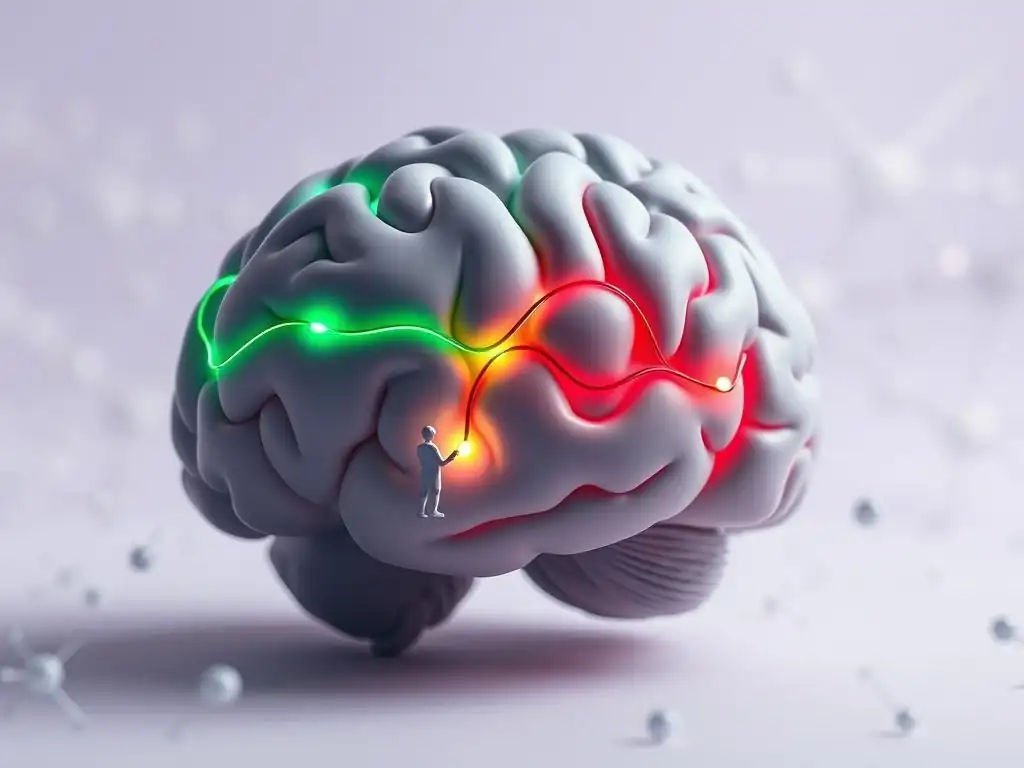
Depression is a complex mood disorder often associated with dysregulation of monoamine neurotransmitters, particularly serotonin and norepinephrine. Medications targeting these systems are a primary treatment. The most common are SSRIs (Selective Serotonin Reuptake Inhibitors) and SNRIs (Serotonin-Norepinephrine Reuptake Inhibitors). As discussed, SSRIs are indirect agonists for serotonin, increasing its availability in the synapse. SNRIs are indirect agonists for both serotonin and norepinephrine, blocking their reuptake transporters (SERT and NET).
By enhancing the availability of serotonin and/or norepinephrine, these indirect agonists aim to restore balance in mood-regulating circuits. While the exact mechanism is still being researched, the increased neurotransmitter levels are thought to lead to long-term adaptive changes in neuronal function that alleviate depressive symptoms. These brain neurotransmitter drug effects represent a significant advancement in managing depression, though individual responses vary widely, and other neurotransmitter systems like dopamine are also being explored.
Anxiety Disorders: Modulating GABA and Serotonin
Anxiety disorders, including Generalized Anxiety Disorder, Panic Disorder, and Social Anxiety Disorder, are often linked to imbalances in systems involving GABA (gamma-aminobutyric acid) and serotonin. GABA is the brain's primary inhibitory neurotransmitter, acting like a brake on neuronal activity. Reduced GABAergic activity is associated with increased neuronal excitability and anxiety. Serotonin also plays a complex role in regulating mood and anxiety circuits.
Benzodiazepines (like alprazolam or lorazepam), often used for acute anxiety relief, are positive allosteric modulators of GABA-A receptors. While not direct agonists, they enhance the effect of GABA binding to the receptor, effectively increasing inhibitory signaling. SSRIs and SNRIs, the same indirect agonists used for depression, are also first-line treatments for many anxiety disorders, working by increasing serotonin and norepinephrine levels, which over time helps to regulate anxiety circuits. Beta-blockers (adrenaline antagonists) may be used for performance anxiety by blocking physical symptoms. These diverse brain neurotransmitter drug effects target different aspects of anxiety pathways.
Schizophrenia: Balancing Dopamine Levels
Schizophrenia is a severe mental illness characterized by profound disturbances in thought processes, perceptions, emotions, and behavior. A leading hypothesis involves dysregulation of dopamine signaling, particularly excessive activity in certain brain pathways. Antipsychotic medications, the cornerstone of schizophrenia treatment, primarily act as dopamine antagonists, particularly at the D2 receptor subtype.
By blocking D2 receptors, antipsychotics reduce the excessive dopamine signaling believed to cause positive symptoms like hallucinations and delusions. Newer "atypical" antipsychotics (like olanzapine or risperidone) also modulate other neurotransmitter systems, such as serotonin receptors (e.g., acting as serotonin 5-HT2A antagonists), which may help with negative symptoms (like apathy and social withdrawal) and cognitive deficits, while potentially reducing the risk of certain side effects compared to older drugs. This complex interplay of antagonist brain neurotransmitter drug effects is essential for managing the multifaceted symptoms of schizophrenia.
Bipolar Disorder: Lithium and Mood Stabilizers
Bipolar disorder is characterized by dramatic shifts in mood, energy, and activity levels, ranging from periods of elevated mood (mania or hypomania) to periods of depression. The exact neurobiological causes are complex and involve multiple neurotransmitter systems, including dopamine, serotonin, norepinephrine, glutamate, and GABA, as well as intracellular signaling pathways. While not strictly agonists or antagonists in the classical sense at specific neurotransmitter receptors, many mood stabilizers exert their effects by modulating neurotransmitter function or downstream signaling.
Lithium, a classic mood stabilizer, is thought to influence several neurotransmitter systems and signaling cascades. It may affect the release and reuptake of serotonin and norepinephrine, and it has complex effects on intracellular signaling pathways involving enzymes like GSK-3. Other mood stabilizers, such as valproate and lamotrigine, influence GABA and glutamate systems, respectively. Valproate may increase GABA levels or enhance its inhibitory effects, while lamotrigine may modulate glutamate release. These agents demonstrate that managing complex conditions like bipolar disorder involves more than just simple agonist/antagonist actions, highlighting the intricate nature of brain neurotransmitter drug effects.
The Future of Neurotransmitter-Targeting Drugs: Research and Development
Novel Agonists and Antagonists Under Investigation
Research into neurotransmitter-targeting drugs is constantly evolving, with scientists seeking more selective, effective, and safer compounds. This includes the development of novel agonists and antagonists for known neurotransmitter systems, as well as exploring targets in less understood systems. Efforts are focused on designing drugs that target specific receptor subtypes or specific brain circuits to minimize off-target effects and reduce side effects.
For example, researchers are investigating selective agonists for specific serotonin receptor subtypes (e.g., 5-HT1A agonists for anxiety) or partial agonists that might offer a better balance of efficacy and side effects. Similarly, novel antagonists are being developed for receptors implicated in various conditions, such as glutamate receptors in depression or opioid receptors in addiction. The goal is to refine the brain neurotransmitter drug effects to be highly specific and beneficial for particular patient profiles and symptoms.
Personalized Medicine: Tailoring Treatments to Individual Brain Chemistry
A major challenge in treating mental illness is the significant variability in how individuals respond to medication. What works wonders for one person may be ineffective or cause intolerable side effects in another. The future of neurotransmitter-targeting drugs is moving towards personalized medicine, where treatment decisions are increasingly guided by an individual's unique genetic makeup, brain chemistry, and clinical profile.
Pharmacogenomics, the study of how genes influence drug response, holds promise in predicting how a person might metabolize a drug or how their receptors might respond to an agonist or antagonist. Advances in neuroimaging are also helping researchers understand individual differences in neurotransmitter system function and how these are affected by illness and medication. Tailoring brain neurotransmitter drug effects to the individual could lead to more effective and efficient treatment strategies, reducing the trial-and-error process currently common in psychiatry.
Understanding the Long-Term Effects of Neurotransmitter Modulation
While much is known about the short-term effects of agonists and antagonists, understanding their long-term impact on brain structure and function remains an active area of research. Chronic modulation of neurotransmitter systems can lead to complex adaptive changes, such as changes in receptor density (up- or down-regulation), alterations in signaling pathways, and even structural changes in neurons and synapses.
Investigating these long-term brain neurotransmitter drug effects is crucial for optimizing treatment duration, managing potential tolerance or dependence, and understanding the implications of lifelong medication use for chronic conditions. Research is exploring how these drugs influence neuroplasticity—the brain's ability to change and adapt—and whether they promote healthy brain function over time or lead to unintended consequences. This ongoing work is vital for improving the safety and effectiveness of psychopharmacological treatments.
Conclusion: Optimizing Mental Well-being Through Targeted Neurotransmitter Drug Effects
Key Takeaways on Agonists, Antagonists, and Brain Health
Understanding the roles of agonists and antagonists is fundamental to grasping how many psychotropic medications work. Agonists enhance neurotransmitter signaling by mimicking natural chemicals or increasing their availability, often used when a system is underactive. Antagonists block neurotransmitter signaling by occupying receptors, often used when a system is overactive. Both classes of drugs exert powerful brain neurotransmitter drug effects that can significantly impact mental health by modulating the delicate balance of brain chemistry.
These medications are powerful tools in the treatment of conditions like depression, anxiety, schizophrenia, and bipolar disorder, offering relief from debilitating symptoms and improving quality of life. However, their use requires careful consideration due to potential side effects and the complex individuality of brain responses. The ongoing research into more targeted therapies and personalized approaches promises to refine our ability to leverage these brain neurotransmitter drug effects for better patient outcomes.
Importance of Consulting with Healthcare Professionals Regarding Medication
Given the complexity of brain chemistry and the potent effects of agonists and antagonists, it is absolutely essential to consult with qualified healthcare professionals regarding any questions or decisions about psychotropic medications. This includes psychiatrists, general practitioners, and pharmacists. They have the expertise to accurately diagnose conditions, select the most appropriate medication and dosage based on individual needs and health history, monitor for effectiveness and side effects, and manage potential drug interactions.
Never adjust medication dosage or stop taking a prescribed drug without consulting your doctor, as this can lead to withdrawal symptoms, relapse, or other serious health issues. Open communication with your healthcare team is key to safely and effectively utilizing the brain neurotransmitter drug effects to support your mental well-being journey.
Frequently Asked Questions
What are agonists, and how do they affect brain neurotransmitters?
Agonists are substances that mimic neurotransmitters, binding to receptors and activating them. This action enhances the effects of the natural neurotransmitter, potentially leading to increased or altered brain activity.
What are antagonists, and how do they differ from agonists regarding brain neurotransmitter drug effects?
Antagonists block neurotransmitter receptors, preventing the neurotransmitter from binding. This action inhibits the effects of the neurotransmitter, effectively reducing or eliminating its influence on the brain.
How can understanding agonists and antagonists help in treating mental health challenges?
Understanding these mechanisms allows for the development of drugs that can either boost deficient neurotransmitter activity (agonists) or reduce excessive neurotransmitter activity (antagonists), helping to manage symptoms of various mental health conditions.
What are some potential side effects of drugs that act as agonists or antagonists on brain neurotransmitters?
Side effects can vary greatly depending on the specific drug and neurotransmitter system affected. However, common side effects might include changes in mood, sleep patterns, appetite, and even cognitive function due to the altered neurotransmitter activity.
Where can I find more information and resources about brain neurotransmitter drug effects and mental well-being?
Mind Care Guide offers a comprehensive guide to mental well-being, including detailed information and resources on various mental health challenges and the effects of drugs on brain neurotransmitters. You can also consult with a healthcare professional for personalized advice.
Final Reflection: Understanding the Brain's Chemical Symphony
The intricate dance of neurotransmitters and the drugs that manipulate them remains a crucial area of ongoing research, with profound implications for treating neurological and psychiatric disorders. Our understanding of this complex interplay continues to evolve, offering hope for more targeted and effective therapies in the future. The potential for precise manipulation of brain chemistry holds the key to unlocking relief for millions suffering from debilitating conditions.
The exploration of agonists and antagonists has profoundly shaped our understanding of the brain's delicate balance, influencing not only medical treatments but also our broader societal perspectives on mental health. The more we learn about how these drugs interact with our neurochemical systems, the more we can challenge the stigma surrounding mental illness and promote a more compassionate and informed approach to treatment. The brain is the most complex organ in the body, and understanding its intricate workings is crucial to developing effective treatments for a wide range of diseases.
Consider the power you now hold: a deeper understanding of how drugs interact with your brain's natural chemistry. This knowledge empowers you to engage in more informed discussions about mental health, to advocate for better research and treatment options, and to approach your own well-being with a greater appreciation for the delicate balance within your own mind. Take this knowledge, share it, and let it inspire you to champion a future where the mysteries of the brain are unveiled, leading to a healthier and more compassionate world.
Unlock Your Brain's Potential: Dive Deeper into Neurotransmission!
Thanks for exploring the fascinating world of neurotransmitters with us! You've gained valuable insights into how agonists and antagonists shape brain function. Now it's time to take your understanding to the next level.
- Deep Dive into Research: Explore reputable scientific journals and websites for more in-depth information on specific neurotransmitters and their interactions with drugs. This will help you solidify your understanding and explore different perspectives.
- Share Your Thoughts: Engage with our community by sharing this article on social media and sparking a conversation in the comments below. Let's discuss the most surprising things you learned!
- Challenge Your Knowledge: Try identifying the type of drug action (agonist or antagonist) for a few common medications you may already be familiar with.
What neurotransmitter are you most curious to learn more about, and why?