
Can Changing Your Diet Change Your Mind? The GutBrain Connection Says Yes


Welcome to Mind Care Guide, your sanctuary for understanding and nurturing your mental well-being. Are you feeling disconnected, perhaps even struggling to find the root of your emotional turmoil? You're not alone. Many are discovering the surprising link between what they eat and how they feel. Could your gut be the key to unlocking a brighter, more balanced mind? Dive into our latest article to explore how gut health impacts mental wellbeing and discover actionable steps you can take to cultivate a happier, healthier you.
The Impact of Diet on Mental Well-being: Exploring the Gut-Brain Connection
- Introduction: Understanding the Gut-Brain Axis and its Role in Mental Health
- The Science Behind the Gut-Brain Connection: A Two-Way Communication System
- Gut Health and Mental Well-being: Unveiling the Connection
- Dietary Strategies for Mental Well-being: Specific Nutrients and Their Impact
- Practical Strategies to Improve Gut Health for Enhanced Mental Well-being
- The Gut-Brain Connection and Mental Health Conditions: Specific Examples
- Expert Insights: Perspectives on Gut Health and Mental Well-being
- Conclusion: Empowering Mental Well-being Through Gut Health Optimization
-
Frequently Asked Questions
- ### How does the gut directly communicate with the brain?
- ### What role do gut bacteria play in mental well-being?
- ### What dietary changes are most beneficial for improving both gut health and mental well-being?
- ### How long does it typically take to see improvements in mental well-being after making dietary changes?
- ### Are there any specific mental health conditions that are particularly linked to gut health?
- Final Reflection: Nourishing the Mind, One Gut at a Time
- Unlock Your Brain's Potential: Nourish Your Mind, Naturally
Introduction: Understanding the Gut-Brain Axis and its Role in Mental Health
The Increasing Recognition of Gut Health's Influence on Mental Well-being
For decades, the connection between physical health and mental state has been acknowledged, but the intricate relationship between the gut and the brain is gaining unprecedented attention. Emerging scientific research is highlighting just how significantly gut health impacts mental wellbeing. It's no longer just about digestion; the trillions of microorganisms residing in our intestines, collectively known as the gut microbiota, are proving to be crucial players in regulating mood, cognitive function, and even influencing conditions like anxiety and depression. This shift in understanding is prompting a more holistic view of mental wellness.
This growing recognition is evidenced by the surge in studies published on the gut-brain axis. For instance, research presented at the American Psychological Association's annual convention in recent years has increasingly featured sessions dedicated to the microbiome's role in psychological health. Furthermore, investment in research exploring how gut health impacts mental wellbeing is increasing globally, with studies identifying specific microbial profiles associated with different mental health states. This indicates a significant paradigm shift in how we approach mental health challenges, moving beyond traditional psychological and pharmacological interventions to consider the foundational role of the digestive system.
A Holistic Approach to Mental Health: Integrating Gut Health Strategies
Adopting a holistic approach to mental health means considering all aspects of an individual's well-being, and incorporating gut health strategies is becoming an essential component of this model. This perspective recognizes that the mind and body are deeply interconnected, and optimizing one system can have profound positive effects on the other. Focusing on improving gut health through diet, lifestyle changes, and targeted interventions is emerging as a powerful complementary strategy alongside conventional therapies for mental health conditions.
Integrating gut health strategies involves dietary modifications, such as increasing fiber intake and consuming fermented foods, as well as lifestyle changes like stress management and regular exercise – all known to positively influence the gut microbiome. For example, a clinical trial might explore how a specific dietary intervention, like a high-fiber, plant-rich diet, affects symptoms of depression alongside standard therapy. This integrated approach acknowledges that while psychological and pharmaceutical interventions are vital, supporting the physiological basis of mental health through attention to gut health impacts mental wellbeing in a fundamental way.
The Science Behind the Gut-Brain Connection: A Two-Way Communication System
Defining the Gut-Brain Axis: A Complex Network
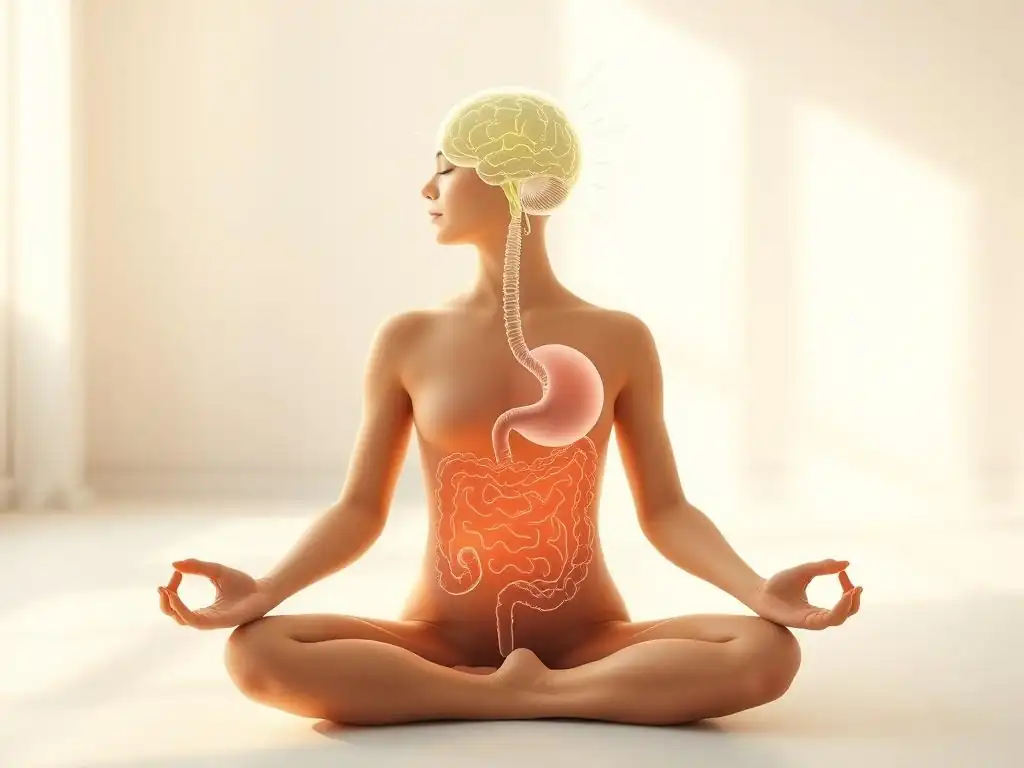
The gut-brain axis is a sophisticated bidirectional communication system linking the central nervous system (CNS) – which includes the brain and spinal cord – and the enteric nervous system (ENS), often referred to as the "second brain," located in the gut wall. This axis involves complex biochemical signaling between the gastrointestinal tract and the brain. It's not merely a passive connection; it's a dynamic network through which signals are constantly being sent back and forth, influencing everything from digestion and immune responses to mood, behavior, and cognitive function.
This intricate network utilizes various pathways for communication. These include the vagus nerve, a major nerve connecting the gut directly to the brain; the immune system, with gut-associated lymphoid tissue being a significant component; and the endocrine system, through hormones produced in the gut that can influence brain function. Furthermore, the gut microbiota itself plays a crucial role by producing metabolites, such as short-chain fatty acids (SCFAs), and neurotransmitters that can enter the bloodstream and affect the brain. Understanding this complex interplay is key to appreciating how gut health impacts mental wellbeing.
Key Components: Gut Microbiota, Neurotransmitters, and the Vagus Nerve's Role
The gut microbiota, a diverse community of bacteria, fungi, and viruses, is a central player in the gut-brain axis. These microbes produce a wide array of compounds, including SCFAs like butyrate, propionate, and acetate, which can influence brain health and function.
For instance, butyrate is a primary energy source for colon cells and has been shown to have anti-inflammatory properties and potentially protect the blood-brain barrier. The microbiota also produces neurotransmitters and neuromodulators, such as serotonin (an estimated 90% of the body's serotonin is produced in the gut), dopamine, and gamma-aminobutyric acid (GABA), which are crucial for regulating mood and stress.
The vagus nerve serves as a major highway for communication between the gut and the brain. It transmits information about the state of the gut, including distension, nutrient presence, and the activity of the gut microbiota, directly to the brainstem and other brain regions. Studies in animals have shown that stimulating the vagus nerve can influence mood and anxiety-like behaviors. Conversely, signals from the brain can also influence gut motility and secretion via the vagus nerve. This direct neural link highlights the immediate way gut health impacts mental wellbeing through physiological signaling.
Inflammation's Impact on Gut-Brain Communication
Chronic low-grade inflammation is increasingly recognized as a significant factor disrupting the gut-brain axis and contributing to mental health issues. The gut lining, or epithelial barrier, acts as a critical gatekeeper, preventing harmful substances from entering the bloodstream. When this barrier is compromised, often referred to as "leaky gut," bacterial components like lipopolysaccharides (LPS) can cross into circulation. These substances trigger an immune response, leading to systemic inflammation, which can then affect brain function.
Inflammation can disrupt neurotransmitter balance, impair neurogenesis (the formation of new neurons), and damage the blood-brain barrier, making the brain more vulnerable to inflammatory molecules. Research has shown elevated inflammatory markers, such as C-reactive protein (CRP) and pro-inflammatory cytokines like TNF-alpha and IL-6, in individuals with depression and anxiety. This suggests that reducing inflammation, often by improving gut barrier function and balancing the microbiota, is a critical pathway through which gut health impacts mental wellbeing. Dietary choices, particularly those high in processed foods and sugar, are known contributors to gut inflammation, further underscoring the importance of diet.
Gut Health and Mental Well-being: Unveiling the Connection
The Influence of Gut Microbiota on Mood Regulation and Anxiety
The composition and diversity of the gut microbiota have a profound influence on mood regulation and anxiety levels. A balanced and diverse microbial community is associated with better mental health outcomes, while dysbiosis – an imbalance in the gut flora – is frequently observed in individuals experiencing mood disorders. This influence occurs through various mechanisms, including the production of neurotransmitters and SCFAs, and modulation of the inflammatory response. For example, certain gut bacteria can produce GABA, an inhibitory neurotransmitter that helps reduce anxiety and promote relaxation.
Studies have demonstrated a correlation between specific microbial profiles and mood states. For instance, research has found that individuals with major depressive disorder often exhibit different gut microbial compositions compared to healthy individuals, with reduced levels of certain beneficial bacteria like Faecalibacterium prausnitzii and increased levels of pro-inflammatory species. Similarly, studies in animal models have shown that transferring the gut microbiota from anxious mice to germ-free mice can induce anxious behaviors in the recipient mice, providing strong evidence for a causal link between the microbiome and anxiety. This highlights how directly gut health impacts mental wellbeing via microbial activity.
Gut Health's Link to Cognitive Function and Performance
Beyond mood, gut health is also intricately linked to cognitive function and performance, including memory, learning, and executive functions. The gut-brain axis plays a role in supporting brain plasticity and protecting against cognitive decline. SCFAs produced by gut bacteria, particularly butyrate, have been shown to have neuroprotective effects and can influence processes like neurogenesis in the hippocampus, a brain region critical for memory and learning.
Clinical and preclinical studies are increasingly exploring this connection. For instance, some research suggests that improving gut health through dietary interventions or probiotics may lead to improvements in cognitive performance in certain populations, although more robust human trials are needed. Conversely, conditions associated with gut dysbiosis, such as Irritable Bowel Syndrome (IBS), are often comorbid with cognitive complaints like "brain fog." This further underscores the comprehensive way gut health impacts mental wellbeing, extending beyond emotional states to encompass cognitive capabilities.
The Role of Gut Health in Stress Response and Resilience
The gut-brain axis is a key player in the body's stress response system, particularly the hypothalamic-pituitary-adrenal (HPA) axis. The gut microbiota can influence the HPA axis, which regulates the release of stress hormones like cortisol. A healthy and diverse gut microbiome is associated with a more balanced stress response and greater resilience to stress. Conversely, stress itself can significantly alter the composition and function of the gut microbiota, creating a vicious cycle where stress negatively impacts gut health, which in turn can exacerbate stress and anxiety.
Research has shown that exposure to chronic stress can lead to changes in gut motility, increased intestinal permeability (leaky gut), and shifts in the microbial community towards less beneficial species. These changes can amplify the stress response, potentially leading to increased anxiety and vulnerability to mood disorders. Interventions aimed at improving gut health, such as incorporating stress-reducing practices alongside dietary changes, may therefore enhance resilience to stress and improve mental well-being. This bidirectional relationship illustrates the dynamic way gut health impacts mental wellbeing in the face of life's challenges.
Dietary Strategies for Mental Well-being: Specific Nutrients and Their Impact
Prebiotics and Probiotics: Essential for a Healthy Gut-Brain Balance
Prebiotics and probiotics are cornerstones of dietary strategies aimed at improving gut health and, consequently, mental well-being. Prebiotics are non-digestible fibers that selectively feed beneficial bacteria in the gut. Good sources include garlic, onions, leeks, asparagus, bananas, and whole grains. By promoting the growth and activity of beneficial microbes, prebiotics help maintain a balanced gut ecosystem and enhance the production of beneficial metabolites like SCFAs, which positively influence brain function and mood.
Probiotics are live microorganisms, typically beneficial bacteria, that, when consumed in adequate amounts, confer a health benefit to the host. Found in fermented foods like yogurt (with live and active cultures), kefir, sauerkraut, kimchi, and tempeh, as well as in dietary supplements, probiotics can help restore microbial balance, improve gut barrier function, reduce inflammation, and modulate neurotransmitter production. Studies have shown that certain probiotic strains may help reduce symptoms of anxiety and depression, highlighting their potential in mental health support. Integrating these into the diet is a direct way to see how gut health impacts mental wellbeing.
Vitamins and Minerals: Supporting Optimal Brain Function and Gut Health
Beyond their direct roles in metabolic processes, various vitamins and minerals are crucial for both optimal brain function and supporting a healthy gut environment. B vitamins, particularly B6, B9 (folate), and B12, are essential for the synthesis of neurotransmitters like serotonin, dopamine, and norepinephrine, which are critical for mood regulation. Deficiencies in these vitamins have been linked to increased risk of depression. A significant portion of B vitamins are actually produced by certain gut bacteria, further linking gut health to their availability.
Minerals like magnesium, zinc, and iron also play vital roles. Magnesium is involved in over 300 enzymatic reactions, including those related to neurotransmitter function and stress response. Zinc is important for synaptic function and immune health, and its deficiency has been associated with depression and anxiety.
Iron is crucial for oxygen transport to the brain and neurotransmitter synthesis. Ensuring adequate intake of these micronutrients through a balanced diet rich in fruits, vegetables, nuts, seeds, and lean proteins is vital for supporting both brain health and the conditions necessary for a healthy gut microbiome, thereby supporting how gut health impacts mental wellbeing.
Omega-3 Fatty Acids: Reducing Inflammation and Enhancing Mood
Omega-3 fatty acids, particularly EPA (eicosapentaenoic acid) and DHA (docosahexaenoic acid), are well-known for their anti-inflammatory properties and their critical role in brain structure and function. The brain is composed of a significant amount of lipids, and DHA is a major structural component of neuronal membranes. Omega-3s can modulate the production of inflammatory molecules and influence the fluidity and signaling properties of brain cells.
Numerous studies have explored the link between omega-3 intake and mood disorders. Research suggests that higher consumption of omega-3 rich foods, such as fatty fish (salmon, mackerel, sardines), flaxseeds, chia seeds, and walnuts, is associated with a lower risk of depression. Omega-3 supplements have also shown promise as an adjunctive treatment for depression in some studies, likely due to their ability to reduce systemic and neuroinflammation, which, as discussed, disrupts the gut-brain axis. By mitigating inflammation and supporting brain health, omega-3s contribute significantly to how gut health impacts mental wellbeing.
Foods to Limit: Processed Foods, Sugar, and their Detrimental Effects
Just as certain foods support gut health, others can actively harm it, negatively impacting mental well-being. Highly processed foods, typically low in fiber and high in unhealthy fats, sugar, and artificial additives, can disrupt the gut microbiome balance. They often lack the nutrients necessary to feed beneficial bacteria and can promote the growth of less desirable microbes. A diet dominated by these foods is associated with increased gut permeability and chronic low-grade inflammation.
Excessive sugar intake, in particular, is detrimental to gut health. Sugar can fuel the growth of certain potentially harmful bacteria and yeasts, contributing to dysbiosis. It also promotes inflammation throughout the body, including the gut and brain. Studies have linked high sugar consumption to an increased risk of depression and anxiety. Reducing the intake of sugary drinks, refined carbohydrates, and processed snacks is a crucial step in improving gut health and supporting mental well-being. Recognizing the negative impact of these foods is vital for understanding how diet influences gut health impacts mental wellbeing.
Practical Strategies to Improve Gut Health for Enhanced Mental Well-being
Dietary Modifications for a Healthier Gut and Mind
Dietary changes are arguably the most direct and impactful way to influence the gut microbiome and, consequently, mental health. Shifting towards a diet rich in diverse plant-based foods provides the necessary fuel for beneficial gut bacteria. This involves prioritizing whole, unprocessed foods and minimizing intake of items known to disrupt the gut ecosystem.
Increasing Fiber Intake: Promoting a Diverse Gut Microbiome
Increasing dietary fiber is perhaps the single most important step in improving gut health. Fiber, found abundantly in fruits, vegetables, legumes, nuts, seeds, and whole grains, is not digested by human enzymes but is fermented by gut bacteria. This fermentation process produces beneficial SCFAs like butyrate. A high-fiber diet promotes a more diverse and resilient gut microbiome, which is strongly linked to better mental health outcomes. Aiming for around 25-30 grams of fiber per day, as recommended by many health organizations, can significantly impact how gut health impacts mental wellbeing.
Incorporating Fermented Foods: Enhancing Gut Microbiota Diversity
Incorporating fermented foods into your diet is an excellent way to introduce beneficial live microorganisms directly into your gut. Examples include plain yogurt with live and active cultures, kefir, sauerkraut, kimchi, tempeh, and miso. These foods contain probiotics that can help populate the gut with beneficial bacteria, improve digestion, and potentially reduce inflammation. Regular consumption can contribute to a more diverse and robust gut microbiome, supporting the gut-brain axis.
Reducing Sugar and Processed Food Consumption: Minimizing Gut Disruption
Limiting the intake of added sugars and highly processed foods is crucial for preventing gut dysbiosis and inflammation. These foods are often low in fiber and nutrients and high in ingredients that can negatively alter the gut environment. Reducing consumption of sugary drinks, sweets, fast food, and packaged snacks helps starve less beneficial bacteria and reduces inflammatory triggers. This dietary change is fundamental to creating an environment where beneficial gut microbes can thrive, thereby improving how gut health impacts mental wellbeing.
Lifestyle Adjustments to Support Gut-Brain Health
Beyond diet, several lifestyle factors significantly influence the gut-brain axis. Managing stress, getting regular exercise, and prioritizing adequate sleep are all critical for maintaining a healthy gut microbiome and supporting mental well-being.
Managing Stress: The Role of Mindfulness and Relaxation Techniques
Chronic stress can have a detrimental effect on gut health, altering motility, increasing permeability, and changing microbial composition. Implementing stress management techniques is therefore vital for supporting the gut-brain axis. Practices such as mindfulness meditation, deep breathing exercises, yoga, and spending time in nature have been shown to reduce stress hormones and positively influence gut function. By mitigating the negative impacts of stress on the gut, these practices help maintain the balance necessary for gut health impacts mental wellbeing positively.
Regular Exercise: Benefits for Both Gut and Mental Health
Regular physical activity has numerous benefits for both physical and mental health, and emerging research shows it also positively influences the gut microbiome. Exercise can increase the diversity of gut bacteria and promote the growth of beneficial species. Studies in athletes, for instance, have shown different microbial profiles compared to sedentary individuals, often characterized by higher levels of bacteria associated with better metabolic health. Combining regular exercise with a gut-friendly diet can amplify the positive effects on the gut-brain axis.
Prioritizing Sleep: Supporting a Healthy Gut-Brain Axis
Sleep is essential for overall health, and disruptions to sleep patterns can negatively impact the gut microbiome. The gut microbiota itself follows a circadian rhythm, and chronic sleep deprivation or irregular sleep schedules can disrupt this rhythm, potentially leading to dysbiosis. Aiming for 7-9 hours of quality sleep per night supports the natural cycles of the gut and brain, contributing to a more balanced gut-brain axis and improved mental well-being. Prioritizing sleep is a simple yet powerful way to support how gut health impacts mental wellbeing.
The Gut-Brain Connection and Mental Health Conditions: Specific Examples
Gut Health and Depression: Exploring the Interplay
The link between gut health and depression is one of the most extensively studied areas within the gut-brain axis field. Numerous studies have found altered gut microbial compositions in individuals with depression compared to healthy controls. These changes often include a reduction in beneficial bacteria that produce SCFAs and an increase in pro-inflammatory species. Furthermore, inflammatory markers are frequently elevated in depressed individuals, suggesting that gut-derived inflammation may play a role in the pathophysiology of depression.
Intervention studies, though still in early stages, have shown promise. For example, some trials using specific probiotic strains or dietary interventions aimed at improving gut health have reported reductions in depressive symptoms. While not a standalone cure, addressing gut health is increasingly seen as a valuable complementary strategy in managing depression, providing further evidence for how gut health impacts mental wellbeing in this context.
The Gut's Role in Anxiety Disorders and Management
Similar to depression, anxiety disorders are also strongly linked to gut health. Individuals with conditions like Irritable Bowel Syndrome (IBS), which is characterized by significant gut dysfunction, often experience high rates of anxiety. This comorbidity highlights the close relationship between gut symptoms and anxiety levels. Research indicates that gut dysbiosis can contribute to anxiety by influencing neurotransmitter production (like GABA and serotonin), modulating the stress response (HPA axis), and increasing gut permeability, leading to inflammation.
Studies using probiotics or dietary interventions have shown some potential in reducing anxiety symptoms in both animal models and human trials. For instance, supplementing with Lactobacillus and Bifidobacterium strains has been associated with reduced anxiety-like behaviors in animal studies and some positive results in human trials, particularly in individuals with existing gut issues like IBS. These findings underscore the potential for improving gut health as a strategy for managing anxiety, demonstrating another facet of how gut health impacts mental wellbeing.
Gut Microbiome and Autism Spectrum Disorder (ASD): Current Research
Growing research suggests a connection between the gut microbiome and Autism Spectrum Disorder (ASD). Many individuals with ASD experience significant gastrointestinal issues, and studies have found differences in the gut microbial composition of children with ASD compared to neurotypical children. These differences often include reduced diversity and alterations in the levels of specific bacterial groups. The mechanisms underlying this potential link are still being explored but may involve the production of microbial metabolites that affect brain development and function, as well as immune system activation and inflammation.
While research is ongoing and complex, some preliminary studies have explored the effects of dietary interventions, probiotics, or fecal microbiota transplantation (FMT) on both gut symptoms and behavioral outcomes in individuals with ASD. Results are mixed and require further rigorous investigation, but the area remains a significant focus of research exploring how gut health impacts mental wellbeing and neurodevelopmental conditions.
The Gut-Brain Axis and Neurodegenerative Diseases: Focus on Parkinson's Disease
The gut-brain axis is also implicated in the development and progression of certain neurodegenerative diseases, notably Parkinson's Disease (PD). Interestingly, gastrointestinal symptoms, such as constipation, often precede the motor symptoms of PD by many years, suggesting that the disease process may originate, at least in part, in the gut. One leading hypothesis is that misfolded proteins (alpha-synuclein aggregates, which are characteristic of PD) may start in the gut's enteric nervous system and travel up the vagus nerve to the brain.
Studies have found differences in the gut microbiome composition of individuals with PD compared to healthy controls. These differences may influence inflammation, gut permeability, and the production of metabolites that could affect neuronal health. Research is exploring whether targeting the gut microbiome through diet, probiotics, or FMT could potentially influence the progression or severity of PD symptoms, highlighting a critical area where gut health impacts mental wellbeing in the context of neurodegeneration.
Expert Insights: Perspectives on Gut Health and Mental Well-being
Research Highlights: Key Findings in Gut-Brain Connection Studies
Recent research highlights continue to strengthen the evidence that gut health impacts mental wellbeing. A landmark study published in Nature Microbiology identified specific gut bacteria that are associated with depression, even after accounting for antidepressant use. Another study in Molecular Psychiatry demonstrated that transplanting fecal microbiota from depressed patients into germ-free rats induced depressive-like behaviors in the rats, providing compelling evidence for a causal link.
Furthermore, studies exploring the mechanistic pathways are providing crucial insights. Research has detailed how SCFAs, produced by gut bacteria, can influence the blood-brain barrier integrity and modulate neuroinflammation. Other studies have mapped the specific neural pathways via the vagus nerve through which gut signals influence mood and anxiety centers in the brain. These key findings are not only advancing our understanding but also paving the way for novel therapeutic approaches targeting the gut microbiome to improve mental health.
Clinical Recommendations: Integrating Gut-Focused Interventions in Mental Health
Clinicians are increasingly recognizing the importance of the gut-brain axis and beginning to integrate gut-focused interventions into mental health care, particularly for patients who may not fully respond to conventional treatments or who present with comorbid gastrointestinal issues. While more large-scale clinical trials are needed to establish definitive guidelines, current recommendations often include dietary counseling focusing on increasing fiber, fruits, vegetables, and fermented foods, while reducing processed foods and sugar.
Some clinicians may also recommend targeted probiotic or prebiotic supplements based on individual patient profiles, although this is still an area of active research regarding specific strains and dosages for mental health conditions. The emphasis is on a personalized approach, considering the individual's diet, lifestyle, and symptoms. This integration reflects a growing consensus that addressing how gut health impacts mental wellbeing is a vital part of comprehensive mental healthcare.
Conclusion: Empowering Mental Well-being Through Gut Health Optimization
The Potential of Dietary Interventions for Improving Mental Health
The scientific evidence strongly supports the notion that dietary interventions hold significant potential for improving mental health by positively influencing the gut-brain axis. Shifting towards a diet rich in fiber, prebiotics, and probiotics, while limiting processed foods and sugar, can lead to a healthier, more diverse gut microbiome. This, in turn, can reduce inflammation, improve neurotransmitter balance, enhance the stress response, and support cognitive function.
While diet is not a cure-all for complex mental health conditions, optimizing gut health through nutritional choices is a powerful, accessible, and often complementary strategy that can work alongside traditional therapies. It empowers individuals to take an active role in their mental well-being by making conscious choices about what they eat, recognizing how profoundly gut health impacts mental wellbeing.
Resources: Supporting Your Gut-Brain Health Journey
Embarking on a journey to improve gut health for better mental well-being can be supported by various resources. Consulting with a registered dietitian or a nutritionist specializing in gut health can provide personalized dietary advice. Reputable health organizations and research institutions often publish evidence-based information on the gut-brain connection and dietary recommendations. Books and online resources from trusted experts in the field can also offer valuable guidance and practical tips for making sustainable dietary and lifestyle changes.
Understanding the science behind how gut health impacts mental wellbeing is the first step, and these resources can help translate that knowledge into actionable strategies. Focusing on gradual, sustainable changes rather than restrictive diets is key to long-term success in optimizing gut health.
Future Directions: Emerging Research in the Gut-Brain Field
The field of the gut-brain connection is rapidly evolving, with exciting research on the horizon. Future studies are likely to delve deeper into identifying specific microbial strains or consortia that have the most significant impact on different mental health conditions. Research is also exploring novel interventions, such as postbiotics (beneficial compounds produced by bacteria) and fecal microbiota transplantation (FMT) for severe or treatment-resistant mental health disorders, though FMT remains largely experimental for these conditions.
Furthermore, advancements in technology, such as advanced sequencing techniques and metabolomics, will allow researchers to gain a more detailed understanding of the complex interactions within the gut microbiome and its communication with the brain. This ongoing research promises to uncover even more precise ways in which gut health impacts mental wellbeing, potentially leading to highly targeted and effective therapies in the future.
Frequently Asked Questions
### How does the gut directly communicate with the brain?
The gut communicates with the brain via the gut-brain axis, a complex network involving nerves, hormones, and the immune system. This bidirectional communication influences both gut function and brain activity.
### What role do gut bacteria play in mental well-being?
Gut bacteria produce neurotransmitters like serotonin and dopamine, which are crucial for regulating mood. An imbalance in gut bacteria, known as dysbiosis, can negatively impact mental health.
### What dietary changes are most beneficial for improving both gut health and mental well-being?
Focus on a diet rich in fiber, prebiotics, and probiotics. This includes eating plenty of fruits, vegetables, fermented foods, and whole grains to promote a healthy gut microbiome.
### How long does it typically take to see improvements in mental well-being after making dietary changes?
The timeframe varies, but some individuals may notice improvements within a few weeks. Consistent dietary changes are crucial for long-term benefits to both gut and mental health.
### Are there any specific mental health conditions that are particularly linked to gut health?
Research suggests a strong link between gut health and conditions like anxiety, depression, and autism spectrum disorder (ASD). Addressing gut health may be a valuable component of managing these conditions.
Final Reflection: Nourishing the Mind, One Gut at a Time
The connection between our gut and our brain is no longer a fringe theory; it's a rapidly expanding field of research with profound implications for our mental wellbeing. Understanding this intricate relationship empowers us to take proactive steps towards better mental health, moving beyond simple solutions and embracing a holistic approach to wellness. The implications are staggering, suggesting that what we eat might be just as crucial to our mental state as our thoughts and emotions.
The exploration of the gut-brain axis has profoundly shifted my understanding of mental health. It's not just about managing symptoms; it's about nurturing the very foundation of our cognitive and emotional landscape. This journey of understanding has underscored the importance of a balanced, diverse diet rich in prebiotics and probiotics, not just for digestive health, but for a sharper mind and a more resilient spirit. The gut is the second brain,
a phrase often heard, is more than a metaphor; it's a testament to the intricate communication network that governs our physical and mental states.
Consider this: what you consume today directly impacts the health of your gut microbiome, which in turn influences your mood, focus, and overall mental clarity. You have the power to cultivate a thriving inner ecosystem that supports your mental wellbeing. Take the time to reflect on your diet. Are you providing your gut—and consequently, your mind—with the nourishment it needs to flourish? Make conscious choices to incorporate gut-friendly foods into your daily routine, and observe the positive ripple effect on your mental and emotional landscape. The journey to a healthier mind begins with a healthier gut.
Unlock Your Brain's Potential: Nourish Your Mind, Naturally
Thanks for exploring the fascinating world of the gut-brain connection! We hope you now have a clearer understanding of how your diet directly impacts your mental well-being. Ready to take control of your brain health?
- Prioritize gut-friendly foods: Start small! Add one new gut-supporting food to your daily diet this week (think fermented foods, leafy greens, or colorful fruits and vegetables).
- Track your progress: Keep a food journal and note how you feel—mentally and physically—after making these dietary changes. This is key to understanding what works best for you.
- Share your experience!: Tell us (and others!) about your journey. What surprising changes have you noticed? Let's build a supportive community dedicated to mental wellness through nutrition.
What simple dietary change are you most excited to try to improve your mental clarity?