
The Complex Dance: How Serotonin Regulates Sleep, Appetite, and Mood

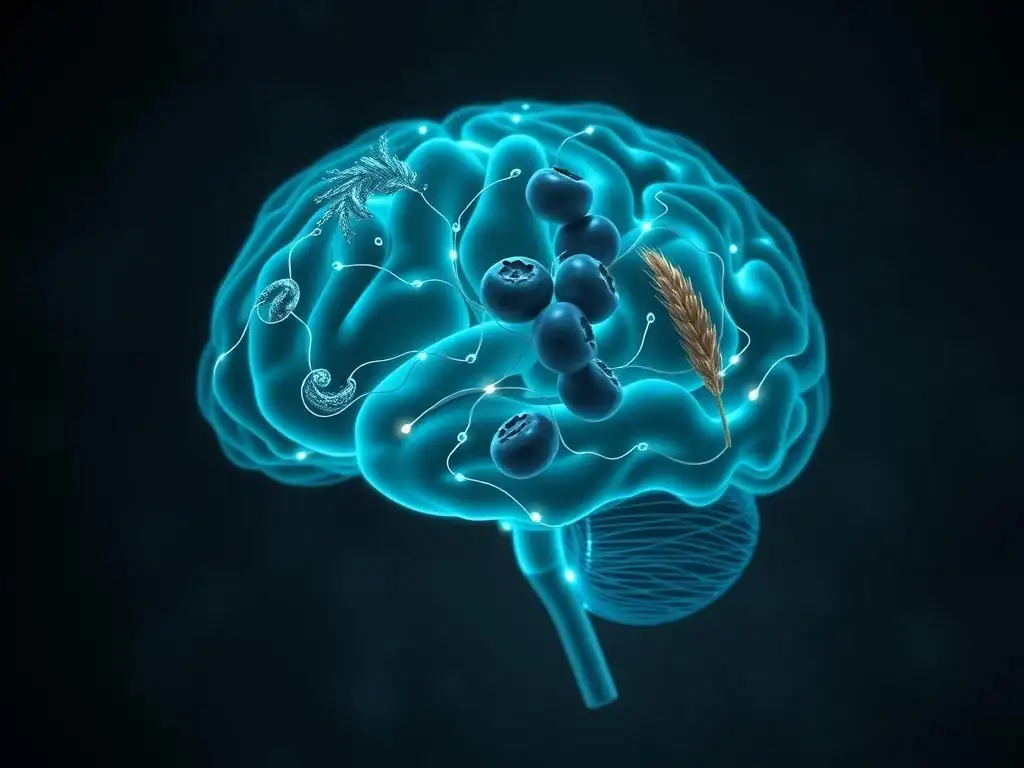
Welcome to Mind Care Guide.
Feeling like your sleep, appetite, and mood are in a constant tug-of-war? You're not alone. This intricate connection is often governed by a single, powerful neurotransmitter: serotonin. But how exactly does this chemical orchestrate such diverse functions, and what happens when things go off-key? Dive into our comprehensive guide, "The Complex Dance: How Serotonin Regulates Sleep, Appetite, and Mood," and begin to unravel the mysteries of this vital element of your mental well-being. Discover practical insights and actionable strategies to better understand and support your serotonin levels, paving the way for a more balanced and fulfilling life.
The Complex Dance: How Serotonin Regulates Sleep, Appetite, and Mood
- Understanding Serotonin's Multifaceted Role in Mental Well-being
- The Serotonin-Sleep Connection: A Deep Dive
- Serotonin and Appetite Control: A Balancing Act
- Serotonin and Mood Regulation: Unraveling the Complexity
- The Interplay: Serotonin, Sleep, Appetite, and Mood Disorders
- Boosting Serotonin Levels Naturally: Lifestyle Strategies
- Serotonin-Targeted Medications: Considerations and Side Effects
- Serotonin Syndrome: Recognizing the Risks of Serotonin Overload
- Conclusion: Optimizing Serotonin for a Healthier Mind and Body
-
Frequently Asked Questions
- How does serotonin influence sleep patterns?
- What is the connection between serotonin and appetite regulation?
- How does serotonin impact mood and emotional well-being?
- Can diet affect serotonin levels and, consequently, sleep, appetite, and mood?
- What are some strategies for naturally boosting serotonin levels to improve sleep, appetite, and mood?
- Final Reflection: The Serotonin Symphony Within
- Unlock Your Serotonin Potential: Take Control of Your Wellbeing
Understanding Serotonin's Multifaceted Role in Mental Well-being
Serotonin: More Than Just a Mood Booster
Often referred to as the "feel-good" neurotransmitter, serotonin's role extends far beyond simply elevating mood. Chemically known as 5-hydroxytryptamine (5-HT), this crucial signaling molecule is involved in a vast array of physiological and psychological processes throughout the body. While only a small percentage (perhaps 1-2%) of the body's total serotonin is found in the brain, this portion is vital for central nervous system functions, including influencing complex behaviors like learning, memory, and decision-making. The majority, around 90%, resides in the gut, where it plays a significant role in digestive processes and gut-brain communication.
This widespread presence highlights why imbalances in serotonin levels can have such pervasive effects, impacting not just emotional states but also fundamental biological rhythms. Understanding the intricate ways serotonin influences sleep, appetite, and mood is key to appreciating its central role in overall mental and physical health. Disruptions in the delicate balance of serotonin activity are implicated in various conditions, from anxiety and depression to irritable bowel syndrome and migraine headaches, underscoring its importance in maintaining homeostasis across multiple systems.
The National Institute of Mental Health Perspective on Serotonin and Mental Health
Leading research bodies like the National Institute of Mental Health (NIMH) have extensively studied serotonin's connection to mental health conditions, particularly depression and anxiety disorders. Their research underscores that while serotonin is a major player, mental health is complex and involves many interacting factors, including other neurotransmitters, genetic predispositions, environmental influences, and life experiences. The NIMH perspective emphasizes that low levels of serotonin or issues with how the brain uses serotonin can contribute to symptoms of depression, but it's not simply a direct cause-and-effect relationship solely dependent on serotonin concentration.
Studies supported by NIMH often investigate the efficacy of treatments like Selective Serotonin Reuptake Inhibitors (SSRIs), which work by increasing the availability of serotonin in the synaptic cleft. While these medications are effective for many, the varied response rates suggest the underlying mechanisms of depression are multifaceted.
NIMH continues to fund research exploring the intricate pathways involving serotonin, its receptors (there are at least 14 known types), and transporters to gain a deeper understanding of how dysregulation contributes to mental health challenges and to develop more targeted and effective treatments. This ongoing research is crucial for unraveling the full scope of how serotonin influences sleep, appetite, and mood.
The Serotonin-Sleep Connection: A Deep Dive
How Serotonin Influences Sleep Cycles: From Wakefulness to Rest
Serotonin plays a dual and seemingly paradoxical role in sleep regulation, acting as both a promoter of wakefulness and a precursor to sleep-inducing substances. During the waking hours, particularly in the brainstem's raphe nuclei, serotonin activity is relatively high, contributing to arousal and alertness. As the day progresses and the need for sleep increases, the activity of these serotonergic neurons changes.
As evening approaches, serotonin is involved in the synthesis of melatonin, the hormone primarily responsible for signaling the body that it's time to sleep. Serotonin is converted into N-acetylserotonin, which is then converted into melatonin in the pineal gland. Therefore, adequate serotonin levels are essential for healthy melatonin production and the regulation of the circadian rhythm, which dictates our sleep-wake cycle. This intricate balance demonstrates how serotonin influences sleep stages, transitioning from alert wakefulness to the various phases of sleep.
Serotonin Deficiency and its Impact on Sleep Quality
A deficiency or dysregulation in serotonin levels can significantly disrupt sleep patterns and reduce overall sleep quality. When there isn't enough serotonin available to be converted into melatonin, the body's natural sleep signal is weakened. This can lead to difficulty falling asleep (insomnia), frequent awakenings during the night, or non-restorative sleep where individuals don't feel refreshed upon waking.
Furthermore, serotonin's role in mood regulation means that low levels can contribute to anxiety and depression, conditions strongly linked to sleep disturbances. For instance, individuals experiencing low mood potentially linked to serotonin issues might find their minds racing at night, making it hard to relax and transition into sleep. This creates a difficult cycle where poor sleep exacerbates mood issues, which in turn worsen sleep, highlighting the interconnectedness of serotonin sleep appetite mood regulation.
The Role of Serotonin in REM Sleep Regulation
Serotonin's influence extends specifically to the regulation of Rapid Eye Movement (REM) sleep, the stage associated with dreaming. Serotonergic neurons in the raphe nuclei are generally more active during wakefulness and non-REM sleep stages. Their activity tends to decrease significantly or cease during REM sleep.
This pattern of activity suggests that serotonin has an inhibitory effect on REM sleep. High levels of serotonin activity might suppress REM sleep, while the reduction in activity is necessary for REM sleep to occur. This is partly why some medications that increase serotonin levels, like SSRIs, can sometimes alter sleep architecture, potentially reducing REM sleep duration or intensity in some individuals. Understanding this specific role helps explain the complex ways serotonin influences sleep cycles beyond just the transition from wakefulness to non-REM sleep.
Serotonin and Appetite Control: A Balancing Act
Serotonin's Influence on Satiety and Food Cravings
Serotonin plays a critical role in regulating appetite, particularly concerning feelings of satiety – the sensation of being full after eating. It acts as a signal to the brain, indicating that enough food has been consumed. When you eat, especially foods containing tryptophan (an amino acid precursor to serotonin), serotonin is released in areas of the brain that control feeding behavior, such as the hypothalamus.
Increased serotonin signaling in these brain regions helps to reduce food intake, curb cravings (especially for carbohydrates), and promote a sense of satisfaction. This mechanism is a key part of the body's natural system for regulating energy balance and preventing overeating. Disruptions in this serotonin pathway can lead to difficulty recognizing satiety signals, potentially contributing to increased food consumption and cravings.
Serotonin Pathways Involved in Appetite Regulation
The regulation of appetite by serotonin involves complex pathways within the central nervous system and the gut. In the brain, serotonin acts on various receptors in areas like the hypothalamus and the brainstem, which are crucial for processing hunger and satiety signals. Different serotonin receptor subtypes mediate different effects on appetite; for example, some receptors are associated with reducing food intake, while others might influence the preference for certain types of food.
Beyond the brain, the vast amount of serotonin in the gut (produced by enterochromaffin cells) also plays a role. Gut serotonin influences gut motility and can communicate with the brain via the vagus nerve, contributing to feelings of fullness or discomfort that influence eating behavior. This dual system, involving both central and peripheral serotonin, orchestrates the body's intricate response to food intake and energy needs, demonstrating how serotonin impacts appetite and overall metabolic health.
The Link Between Serotonin, Eating Disorders, and Appetite
Dysregulation of serotonin signaling is frequently observed in individuals with eating disorders, including anorexia nervosa, bulimia nervosa, and binge eating disorder. Research suggests that alterations in serotonin pathways may contribute to the disturbed eating patterns, mood disturbances, and anxiety often seen in these conditions.
For example, studies have shown altered serotonin transporter binding or receptor sensitivity in individuals with anorexia nervosa, even after weight restoration. These changes might contribute to persistent anxiety around food and eating. In bulimia nervosa and binge eating disorder, disruptions in serotonin's satiety signals could contribute to cycles of restrictive eating followed by episodes of bingeing. While serotonin dysregulation is not the sole cause of eating disorders, it is recognized as a significant neurobiological factor that influences appetite, mood, and impulse control related to food.
Serotonin and Mood Regulation: Unraveling the Complexity

Serotonin's Role in Emotional Stability and Well-being
Serotonin is perhaps best known for its profound impact on mood and emotional regulation. It plays a crucial role in modulating feelings of happiness, well-being, and calmness. Adequate levels of serotonin activity are associated with greater emotional stability, resilience to stress, and a positive outlook. It helps to temper excessive emotional responses and contributes to a sense of contentment.
When serotonin signaling is functioning optimally, it supports a balanced emotional state. This is not to say that serotonin is the only determinant of mood – emotions are complex and influenced by a multitude of factors – but it is a fundamental piece of the puzzle. The ability to experience pleasure, manage anxiety, and maintain emotional equilibrium is significantly supported by healthy serotonin pathways.
Serotonin Transporters and Mood Disorders: What the Science Says
The serotonin transporter (SERT), also known as SLC6A4, is a protein responsible for reabsorbing serotonin from the synaptic cleft back into the neuron that released it. This process is crucial for regulating the concentration and duration of serotonin signaling between neurons. Variations in the gene that codes for SERT have been extensively studied in relation to mood disorders.
Research suggests that certain genetic variations in the SERT gene might influence an individual's susceptibility to developing depression or anxiety, particularly in the face of stressful life events. For instance, some studies indicate that individuals with certain versions of the SERT gene may have altered serotonin transporter function, potentially leading to less efficient serotonin signaling. This genetic predisposition, combined with environmental factors, can increase vulnerability to mood disorders, highlighting the complex interplay between genetics, neurochemistry, and mental health.
The Relationship Between Serotonin Levels and Depression
The hypothesis that low serotonin levels contribute to depression has been a cornerstone of mental health research and treatment for decades. While the exact mechanisms are still being uncovered, evidence suggests that reduced serotonin activity in certain brain regions can be associated with depressive symptoms, including persistent sadness, loss of interest, fatigue, and irritability.
It's important to note that it's not just the amount of serotonin that matters, but also how effectively it is synthesized, transported, and utilized by the brain's receptors. Dysfunctions at any point in this complex system can potentially lead to impaired serotonin signaling. While the "serotonin deficiency" theory is a simplification of a complex biological process, it underpins the rationale for many antidepressant medications, such as SSRIs, which aim to increase the availability of serotonin in the synapse to improve mood.
The Interplay: Serotonin, Sleep, Appetite, and Mood Disorders
How Sleep Deprivation Affects Serotonin Levels and Mood
Chronic sleep deprivation has a significant negative impact on both serotonin levels and mood. Lack of adequate sleep disrupts the delicate balance of neurotransmitters, including serotonin. Studies in both animals and humans have shown that insufficient sleep can lead to decreased serotonin synthesis or altered receptor sensitivity in key brain areas.
This reduction in effective serotonin signaling can directly contribute to mood disturbances, increasing irritability, anxiety, and vulnerability to depressive symptoms. Furthermore, poor sleep impairs cognitive functions like emotional regulation and decision-making, which rely on healthy serotonin activity. The link between insufficient sleep and increased risk of mood disorders is well-established, partly mediated by the disruption of neurotransmitter systems like the serotonergic one, demonstrating a clear connection between serotonin sleep appetite mood.
The Vicious Cycle: Low Serotonin, Appetite Changes, and Mood Swings
The interconnectedness of serotonin sleep appetite mood can create a challenging feedback loop when serotonin is dysregulated. Low serotonin levels can contribute to depressed mood and anxiety. These mood states, in turn, often lead to changes in appetite – some individuals experience a loss of appetite, while others develop cravings, particularly for carbohydrates, which the body might instinctively seek as a way to boost tryptophan/serotonin production (though this effect is often transient).
Simultaneously, low serotonin can disrupt sleep patterns, causing insomnia or poor sleep quality. Sleep deprivation further exacerbates mood issues and can also influence appetite-regulating hormones (like ghrelin and leptin), potentially leading to increased hunger or altered food preferences. This creates a vicious cycle: poor sleep worsens mood and appetite control, which further impacts serotonin function, perpetuating the cycle of mood swings, irregular appetite, and sleep disturbances.
The Importance of a Holistic Approach to Serotonin Regulation
Given the intricate interplay between serotonin sleep appetite mood, addressing issues related to one aspect often requires considering the others. A holistic approach that considers lifestyle factors, psychological well-being, and, when necessary, medical intervention is crucial for optimizing serotonin regulation.
Focusing solely on one symptom, such as insomnia or low mood, without considering its connection to appetite or other factors influenced by serotonin may be less effective. Strategies that simultaneously support healthy sleep habits, balanced nutrition, regular physical activity, and stress management can collectively contribute to better serotonin function and overall well-being. This integrated perspective is essential for effectively managing conditions linked to serotonin dysregulation.
Boosting Serotonin Levels Naturally: Lifestyle Strategies
Diet and Serotonin Production: Foods That Support Serotonin Synthesis
While you can't directly eat serotonin, consuming foods rich in tryptophan, the amino acid precursor to serotonin, is a key dietary strategy. Tryptophan is converted to 5-hydroxytryptophan (5-HTP) and then to serotonin in the body. However, simply eating tryptophan-rich foods isn't always enough, as tryptophan competes with other amino acids for entry into the brain.
Consuming tryptophan-rich foods with carbohydrates can help facilitate tryptophan's entry into the brain. Examples of foods containing tryptophan include turkey, chicken, eggs, cheese, tofu, salmon, nuts, seeds, and pineapple. While the direct impact of a single meal on brain serotonin levels is debated, a balanced diet rich in these foods, combined with complex carbohydrates, supports the building blocks necessary for serotonin synthesis and overall brain health, contributing to better serotonin sleep appetite mood balance over time.
Exercise and Serotonin Release: The Mood-Boosting Benefits of Physical Activity
Regular physical exercise is a well-documented mood booster, and part of this effect is attributed to its influence on serotonin. Physical activity, particularly aerobic exercise, is thought to increase the synthesis, release, and metabolism of serotonin in the brain.
Exercise can also increase the availability of tryptophan in the brain and enhance the sensitivity of serotonin receptors. Engaging in activities like brisk walking, running, swimming, or cycling for even 30 minutes several times a week can have a positive impact on mood and potentially improve sleep and appetite regulation by supporting healthy serotonin function. This natural method is a powerful tool for managing serotonin sleep appetite mood balance.
Sunlight Exposure and Serotonin: The Vitamin D Connection
Exposure to bright light, particularly sunlight, is linked to increased serotonin synthesis and release in the brain. Serotonin levels in the brain tend to be higher during the summer months compared to winter, which is thought to contribute to seasonal variations in mood, such as Seasonal Affective Disorder (SAD).
Sunlight exposure stimulates a pathway in the retina that leads to serotonin production in the brain. Aiming for safe, moderate exposure to natural sunlight, especially earlier in the day, can be a simple yet effective way to support serotonin levels and regulate the sleep-wake cycle. This effect is partly linked to Vitamin D synthesis (also promoted by sunlight), which plays various roles in brain health, though the direct mechanism between Vitamin D and serotonin is still being explored.
Serotonin-Targeted Medications: Considerations and Side Effects
Selective Serotonin Reuptake Inhibitors (SSRIs): A Common Treatment for Depression
Selective Serotonin Reuptake Inhibitors (SSRIs) are one of the most commonly prescribed classes of antidepressants. Medications like fluoxetine (Prozac), sertraline (Zoloft), and escitalopram (Lexapro) work by blocking the reabsorption (reuptake) of serotonin by the neurons that released it. This action increases the concentration of serotonin in the synaptic cleft – the space between neurons – making more serotonin available to bind to receptors on the receiving neuron.
The goal of SSRI treatment is to enhance serotonin signaling over time, which can help alleviate symptoms of depression, anxiety disorders, and sometimes certain eating disorders or sleep disturbances linked to mood. It's important to understand that SSRIs do not create serotonin; they simply optimize the use of the serotonin already present in the brain. Clinical effects typically take several weeks to become noticeable, suggesting that the benefits involve not just the immediate increase in serotonin but also downstream adaptations in neural circuits.
Understanding the Potential Side Effects of Serotonin-Modulating Drugs
While effective for many, medications that modulate serotonin, including SSRIs, can cause side effects. These side effects vary from person to person and depend on the specific medication. Common initial side effects might include nausea, digestive upset, insomnia or drowsiness, headache, and agitation.
Some individuals may experience sexual side effects, such as decreased libido or difficulty achieving orgasm. Less common but more serious side effects can occur. Because serotonin influences sleep, appetite, and mood across multiple systems, side effects can manifest in any of these areas. For example, some people might experience changes in appetite or weight, or alterations in sleep patterns. It is crucial for patients to discuss potential side effects openly with their healthcare provider.
Given the complexity of serotonin's role and the potential risks and benefits of interventions, it is absolutely essential to consult a qualified healthcare professional for any concerns related to serotonin sleep appetite mood regulation or suspected serotonin imbalance. Self-treating or making assumptions about serotonin levels based on symptoms alone is not advisable.
A healthcare provider, such as a medical doctor or psychiatrist, can properly diagnose conditions potentially linked to serotonin dysregulation, like depression, anxiety, sleep disorders, or eating disorders. They can evaluate your specific symptoms, medical history, and other factors to determine if a serotonin-targeted treatment is appropriate and safe for you. They can also monitor your response to treatment and manage any side effects, ensuring that interventions are safe and tailored to your individual needs.
Serotonin Syndrome: Recognizing the Risks of Serotonin Overload
Causes and Symptoms of Serotonin Syndrome
Serotonin syndrome is a potentially life-threatening condition caused by excessive serotonin activity in the central and peripheral nervous systems. It typically occurs when taking two or more medications or substances that affect serotonin levels simultaneously, leading to an overload. Common culprits include combining certain antidepressants (like SSRIs, SNRIs, or MAOIs), triptans for migraines, certain pain medications (like tramadol), herbal supplements (like St. John's Wort), and illicit drugs (like ecstasy or cocaine).
Symptoms can range from mild to severe and often include a combination of mental status changes (agitation, confusion), autonomic hyperactivity (rapid heart rate, high blood pressure, dilated pupils, sweating, fever, diarrhea), and neuromuscular abnormalities (tremor, muscle rigidity, overactive reflexes). Mild cases might involve shivering and diarrhea, while severe cases can lead to high fever, seizures, and coma. Recognizing these symptoms early is critical.
Prevention and Management of Serotonin Syndrome
Preventing serotonin syndrome primarily involves careful medication management and awareness of potential drug interactions. Healthcare providers should always be informed about all medications, supplements, and recreational drugs a patient is taking to avoid prescribing combinations that could lead to serotonin overload. Patients should also be educated about the risks of combining certain substances.
If serotonin syndrome is suspected, immediate medical attention is necessary. Management typically involves discontinuing the offending medications. In moderate to severe cases, treatment may include supportive care (like managing fever and hydration), administering benzodiazepines to reduce agitation and muscle rigidity, and in severe cases, administering serotonin-blocking agents like cyproheptadine. Early recognition and prompt treatment are crucial for a positive outcome.
Conclusion: Optimizing Serotonin for a Healthier Mind and Body
Key Takeaways on Serotonin, Sleep, Appetite, and Mood
Serotonin is a vital neurotransmitter with widespread influence on sleep patterns, appetite regulation, and mood stability. It acts as a key player in the complex dance that governs these fundamental aspects of our well-being. Disruptions in serotonin synthesis, transport, or receptor function can contribute to a range of issues, including insomnia, appetite changes, and mood disorders like depression and anxiety.
Understanding the intricate connections between serotonin sleep appetite mood highlights the importance of a holistic approach to mental and physical health. Lifestyle factors such as diet, exercise, and sunlight exposure can naturally support healthy serotonin function, while medical interventions like SSRIs can be effective treatments for conditions associated with serotonin dysregulation, when prescribed and monitored by a healthcare professional.
Further Resources for Learning More About Serotonin and Mental Health
For those interested in delving deeper into the science of serotonin and its impact on mental health, numerous reputable resources are available. Organizations dedicated to mental health research and public information provide extensive materials. Learning more about the ongoing research and comprehensive perspectives on mental well-being can empower individuals seeking to understand the complex interplay of factors influencing their health.
Frequently Asked Questions
How does serotonin influence sleep patterns?
Serotonin plays a complex role. While it can promote wakefulness, it's also a precursor to melatonin, a hormone crucial for regulating the sleep-wake cycle. Imbalances can disrupt sleep.
What is the connection between serotonin and appetite regulation?
Serotonin helps regulate appetite by signaling satiety to the brain. Lower levels can lead to increased cravings, especially for carbohydrates, potentially impacting weight management.
How does serotonin impact mood and emotional well-being?
Serotonin is a key neurotransmitter involved in regulating mood. Low serotonin levels are often associated with depression and anxiety, highlighting its importance for emotional stability.
Can diet affect serotonin levels and, consequently, sleep, appetite, and mood?
Yes, certain foods containing tryptophan, an amino acid, can influence serotonin production. A balanced diet supports optimal serotonin synthesis, positively affecting sleep, appetite, and mood.
What are some strategies for naturally boosting serotonin levels to improve sleep, appetite, and mood?
Strategies include regular exercise, sunlight exposure, and mindfulness practices. These activities can help promote serotonin release and improve overall mental well-being.
Final Reflection: The Serotonin Symphony Within
The intricate interplay of serotonin with sleep, appetite, and mood isn't just a fascinating scientific puzzle; it's the very foundation of our daily well-being. Understanding this complex dance is crucial in an era defined by increasing rates of sleep disorders, eating disturbances, and mental health challenges. Ignoring this fundamental biological connection means missing a vital key to unlocking a healthier, happier life.
The impact of serotonin's influence on our lives is profound and far-reaching, shaping not only our individual experiences but also the collective cultural landscape. We see it reflected in the growing awareness of mental health, the rise of mindful eating practices, and the increasing emphasis on prioritizing sleep hygiene. The ongoing research into serotonin's mechanisms continues to illuminate the pathways to better health, offering hope for more effective treatments and preventative strategies. The brain is the most complex organ in the body, and serotonin is a key player in its orchestra.
This simple statement underscores the profound implications of understanding this neurotransmitter's multifaceted role.
You now possess a deeper understanding of the intricate dance of serotonin within your own body. Consider how your daily choices – from the foods you eat to the quality of your sleep – directly impact your serotonin levels and, consequently, your overall well-being. Take this knowledge and use it to cultivate a healthier relationship with your body and mind. Prioritize sleep, nourish yourself with wholesome foods, and seek support when needed. The journey to a more balanced and fulfilling life begins with understanding the symphony playing within you.
Unlock Your Serotonin Potential: Take Control of Your Wellbeing
Thanks for diving deep into the fascinating world of serotonin and its impact on your sleep, appetite, and mood! We hope you gained valuable insights into this crucial neurotransmitter. Now, it’s time to put that knowledge into action.
Here’s how you can start harnessing the power of serotonin today:
- Prioritize your daily movement: Even a short walk in nature can significantly boost serotonin levels. This is your primary action – make it a non-negotiable part of your day!
- Share your newfound knowledge: Discuss this article with friends and family and encourage them to explore the connection between serotonin and their wellbeing. Let's spread awareness!
- Explore mindful eating practices: Start paying closer attention to your diet and how it impacts your mood. This will provide additional insight into optimizing your serotonin levels.
What small step will you take today to boost your serotonin and improve your overall wellbeing?