
Why Depression Isn't Just a "Chemical Imbalance": The Serotonin Story

Welcome to Mind Care Guide, your sanctuary for understanding and nurturing your mental well-being.
Ever wondered if the "chemical imbalance" explanation of depression tells the whole story? You're not alone. Dive into our exploration of Serotonin depression treatment options and discover a more nuanced perspective on the neuroscience of mental health. Prepare to challenge assumptions and unlock a deeper understanding of what truly impacts your mood and well-being. Let's begin.
Why Depression Isn't Just a "Chemical Imbalance": The Serotonin Story
- Understanding the Serotonin and Depression Connection
- Beyond Serotonin: The Multifaceted Nature of Depression
- The Complex Interplay of Neurotransmitters in Depression
- Serotonin Depression Treatment Options: A Comprehensive Overview
- Lifestyle Modifications for Enhancing Serotonin Levels and Mood
- The Future of Serotonin Research and Depression Treatment
- Serotonin and Depression: Debunking Common Myths
- Living Well with Depression: A Holistic Approach
-
Frequently Asked Questions
- What exactly is serotonin's role in depression, according to the article?
- What are some serotonin depression treatment options mentioned or implied in the article?
- If depression isn't just a "chemical imbalance," what other factors might contribute?
- Does the article discourage the use of medications like SSRIs for depression?
- Where can I find more information and support for mental well-being, as suggested by the "Mind Care Guide" website?
- Final Reflection: Reframing Depression, Reimagining Treatment
- Unlock Your Understanding: Take Charge of Your Mental Wellness
Understanding the Serotonin and Depression Connection
Introduction to Serotonin's Role in Mood Regulation
Serotonin, chemically known as 5-hydroxytryptamine (5-HT), is a crucial neurotransmitter operating within the brain and throughout the body. Often dubbed the "feel-good" chemical, its primary function in the central nervous system involves modulating mood, emotions, sleep, appetite, and cognitive functions like memory and learning. Beyond the brain, serotonin is extensively found in the gut, where it influences digestion, and in the bloodstream, contributing to blood clotting and bone health. Its widespread presence underscores its fundamental importance in regulating numerous physiological and psychological processes that contribute to overall well-being.
Within the intricate neural networks, serotonin acts as a messenger, transmitting signals between nerve cells (neurons). It is synthesized from the essential amino acid tryptophan, which is obtained through diet. Once released into the synaptic cleft (the space between neurons), serotonin binds to specific receptors on the receiving neuron, triggering a response. The remaining serotonin is either broken down by enzymes or reabsorbed back into the releasing neuron through a process called reuptake. This delicate balance of synthesis, release, binding, and reuptake is critical for maintaining proper serotonin signaling and, consequently, stable mood regulation.
The Oversimplified "Chemical Imbalance" Theory of Depression
For many years, a prevalent explanation for depression centered around the idea of a simple "chemical imbalance," specifically focusing on insufficient levels of neurotransmitters like serotonin. This theory gained traction partly due to the effectiveness of early antidepressant medications, such as Selective Serotonin Reuptake Inhibitors (SSRIs), which increase serotonin availability in the brain. The hypothesis suggested that depression was primarily caused by a deficit of serotonin, dopamine, or norepinephrine, and that restoring these levels would alleviate symptoms.
While this theory offered a seemingly straightforward explanation and helped reduce some of the stigma associated with depression by framing it as a biological illness, it is now widely considered an oversimplification. Modern neuroscience research reveals that depression is a far more complex disorder involving intricate interactions between genetics, environmental factors, brain structure and function, and multiple neurochemical systems. Focusing solely on a lack of serotonin overlooks the multifaceted nature of the illness and the diverse pathways involved in its development and manifestation.
Beyond Serotonin: The Multifaceted Nature of Depression
Genetic Predisposition and Depression Risk
Research has consistently shown that genetics play a significant role in an individual's susceptibility to depression. While there isn't a single "depression gene," studies involving families, twins, and large-scale genetic analyses indicate that having a first-degree relative with depression increases one's own risk by roughly two to three times compared to the general population. This suggests that certain genetic variations can influence brain chemistry, structure, and function in ways that predispose an individual to developing the disorder when exposed to other risk factors.
Specific genes involved in neurotransmitter regulation, stress response pathways (like the hypothalamic-pituitary-adrenal, or HPA, axis), and neurodevelopment have been implicated in depression risk. For example, variations in genes related to serotonin transport (like the 5-HTTLPR gene) have been studied for their potential link to how individuals respond to stress and their vulnerability to depression, although results have been complex and not fully conclusive on their own. It's crucial to understand that genetic predisposition is not destiny; it increases vulnerability but typically interacts with environmental factors to trigger the onset of depression.
Environmental Factors and Their Impact on Mental Health
Environmental factors encompass a wide range of external influences that can significantly impact mental health and contribute to the development of depression. These factors include adverse childhood experiences such as neglect, abuse, or parental loss; chronic stress related to work, finances, or relationships; social isolation or lack of support; and exposure to poverty, discrimination, or violence. These experiences can alter brain development, disrupt neurochemical systems, and leave individuals more vulnerable to depressive episodes later in life.
For instance, chronic exposure to stressful environments during critical developmental periods can lead to lasting changes in the brain's stress response system, making individuals hypersensitive to future stressors. A study might show that individuals who experienced childhood trauma have altered patterns of activity in brain regions like the amygdala (involved in fear) and prefrontal cortex (involved in regulation), increasing their risk of depression by an estimated 50% or more depending on the severity and duration of the trauma.
Addressing these environmental factors through therapeutic interventions and social support is a critical component of Serotonin depression treatment options and overall mental health care.
The Role of Stress and Trauma in Depression Development
Stress and trauma are powerful environmental factors that can profoundly impact brain function and contribute to depression. Acute, severe trauma, such as experiencing a natural disaster or assault, can trigger post-traumatic stress disorder (PTSD), which frequently co-occurs with depression. Chronic stress, like prolonged caregiving responsibilities or a difficult work environment, can also lead to significant changes in neurobiology, including alterations in neurotransmitter systems (beyond just serotonin), inflammation, and structural changes in brain areas like the hippocampus, which is vital for memory and mood regulation.
The body's stress response, mediated by the HPA axis, involves the release of stress hormones like cortisol. While adaptive in the short term, chronic elevation of cortisol levels can damage neurons and disrupt the delicate balance of brain chemistry. Research indicates that individuals with depression often exhibit dysregulation of the HPA axis, showing abnormal cortisol levels or responses to stress tests. This neurobiological impact of stress and trauma highlights why addressing these root causes through therapy, stress management techniques, and potentially medication is essential when considering comprehensive Serotonin depression treatment options.
The Complex Interplay of Neurotransmitters in Depression
Serotonin's Interaction with Other Neurotransmitters (Dopamine, Norepinephrine)
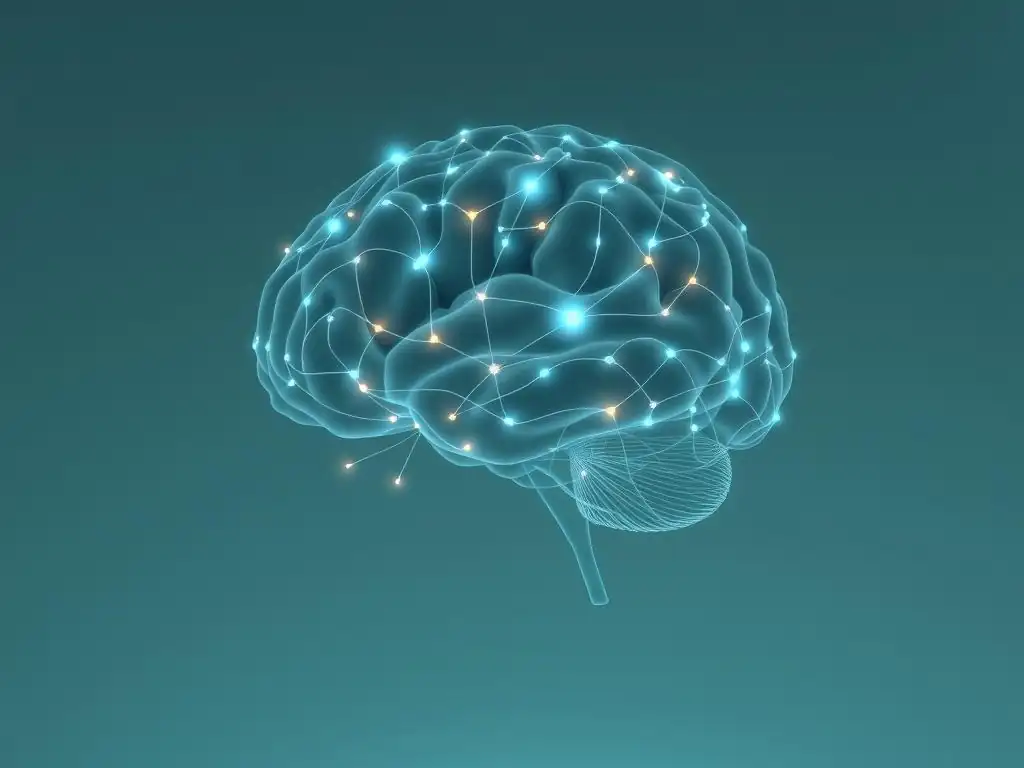
While serotonin is a key player in mood regulation, it does not act in isolation. The brain's intricate network relies on a balance and interaction between various neurotransmitters, including dopamine and norepinephrine, which also significantly influence mood, motivation, pleasure, and energy levels. Dopamine is often associated with reward and motivation, while norepinephrine is involved in alertness, attention, and the "fight or flight" response. Disruptions in the pathways of these neurotransmitters can also contribute to depressive symptoms.
Furthermore, serotonin neurons interact extensively with dopamine and norepinephrine pathways. For example, serotonin can modulate the release and activity of dopamine in certain brain regions linked to reward, and disruptions in this interaction may contribute to the anhedonia (loss of pleasure) often seen in depression. Similarly, serotonin and norepinephrine pathways are interconnected in areas regulating stress response and arousal. This complex interplay means that targeting just one neurotransmitter system, while helpful for some, may not address the full spectrum of neurobiological changes underlying depression, underscoring the need for diverse Serotonin depression treatment options.
The Importance of Neuroplasticity in Depression and Recovery
Neuroplasticity refers to the brain's remarkable ability to change and adapt throughout life by forming new neural connections and pathways. This process is crucial for learning, memory, and recovery from brain injury. In the context of depression, research suggests that chronic stress and depressive episodes can impair neuroplasticity, potentially leading to a reduction in the size of certain brain regions like the hippocampus and a decrease in the density of neural connections. This reduced plasticity may contribute to cognitive symptoms like difficulty concentrating and memory problems often experienced by individuals with depression.
Crucially, many effective Serotonin depression treatment options, including antidepressant medications (which can increase levels of neurotrophic factors like BDNF, brain-derived neurotrophic factor) and psychotherapy, are thought to work, at least in part, by promoting neuroplasticity. By fostering the growth of new neurons and strengthening neural circuits, these interventions can help the brain recover from the damaging effects of depression, improve communication between brain regions, and restore healthier patterns of thinking and feeling. Understanding neuroplasticity shifts the focus from simply correcting a "chemical imbalance" to promoting brain health and resilience.
Neuroinflammation and Its Potential Link to Depressive Disorders
Emerging research points to neuroinflammation – inflammation within the brain and nervous system – as another significant factor potentially contributing to the development and persistence of depression in a subset of individuals. Chronic stress, poor diet, infection, and other factors can trigger an inflammatory response in the body, and this inflammation can extend to the brain, affecting neurotransmitter function, neuroplasticity, and the communication between neurons.
Studies have found elevated levels of inflammatory markers, such as cytokines, in the blood and cerebrospinal fluid of some individuals with depression. These inflammatory molecules can interfere with serotonin synthesis and metabolism, increase the breakdown of tryptophan (the precursor to serotonin), and disrupt the function of other neurotransmitters. While the exact role of neuroinflammation is still being investigated, it represents a promising area for research and potentially new Serotonin depression treatment options that target inflammatory pathways in addition to or instead of traditional neurotransmitter-focused approaches.
Serotonin Depression Treatment Options: A Comprehensive Overview
Selective Serotonin Reuptake Inhibitors (SSRIs): How They Work and Their Limitations
Selective Serotonin Reuptake Inhibitors (SSRIs) are among the most commonly prescribed medications for depression. They work by blocking the reabsorption (reuptake) of serotonin into the neurons that released it. This action increases the concentration of serotonin in the synaptic cleft, making more serotonin available to bind to receptors on the receiving neurons and potentially improving mood signaling.
Common SSRIs include fluoxetine (Prozac), sertraline (Zoloft), and escitalopram (Lexapro). Clinical trials show that SSRIs are effective for many individuals with moderate to severe depression, with response rates often reported in the range of 40-60%, significantly higher than placebo effects which might be around 20-30% in some studies.
However, SSRIs are not a universal solution and have limitations. They typically take several weeks (often 2-4 weeks or more) to show significant effects, and side effects such as nausea, insomnia, weight changes, and sexual dysfunction are common, leading some people to discontinue treatment. Furthermore, SSRIs are not effective for everyone; a substantial portion of individuals with depression do not achieve full remission with SSRI treatment alone, highlighting that not all depression is solely linked to serotonin levels or responds equally to this mechanism. This underscores the need for a range of Serotonin depression treatment options.
Alternative Serotonin-Based Medications: Exploring Options Beyond SSRIs
Beyond SSRIs, other classes of antidepressants also target the serotonin system, sometimes in combination with other neurotransmitters. Serotonin-Norepinephrine Reuptake Inhibitors (SNRIs) like venlafaxine (Effexor) and duloxetine (Cymbalta) block the reuptake of both serotonin and norepinephrine, potentially offering broader efficacy for some individuals, particularly those with symptoms like low energy or physical pain alongside depression. Older classes, such as Tricyclic Antidepressants (TCAs) and Monoamine Oxidase Inhibitors (MAOIs), also affect serotonin and other neurotransmitters but are generally prescribed less often due to more significant side effects and dietary restrictions (especially with MAOIs).
Atypical antidepressants represent another category, some of which have effects on serotonin alongside other mechanisms. For example, mirtazapine (Remeron) affects serotonin receptors in a different way than SSRIs and can also influence norepinephrine. Vilazodone (Viibryd) and vortioxetine (Trintellix) are newer agents that combine serotonin reuptake inhibition with direct effects on specific serotonin receptors. These varied Serotonin depression treatment options reflect ongoing efforts to develop medications that target the complex neurobiology of depression from multiple angles, aiming for better efficacy and tolerability for different individuals.
The Role of Therapy in Serotonin Depression Treatment
Psychotherapy, often referred to as talk therapy, is a cornerstone of effective Serotonin depression treatment options and is often used alongside or instead of medication, particularly for mild to moderate depression. Therapies like Cognitive Behavioral Therapy (CBT), Interpersonal Therapy (IPT), and Dialectical Behavior Therapy (DBT) help individuals identify and change negative thought patterns and behaviors, improve coping skills, and address interpersonal difficulties that contribute to depression. Research consistently demonstrates that psychotherapy is highly effective, with studies showing comparable efficacy to medication for many individuals, and often longer-lasting effects after treatment ends.
The benefits of therapy extend beyond symptom reduction; it empowers individuals with strategies to manage future challenges and build resilience. Furthermore, psychotherapy is believed to exert its effects, in part, through neurobiological changes, including improvements in brain connectivity and function, and potentially by promoting neuroplasticity – changes that can complement the effects of medication. This highlights that effective Serotonin depression treatment options are not limited to pharmacological interventions but also include powerful psychological approaches that address the cognitive, behavioral, and emotional dimensions of the illness.
Lifestyle Modifications for Enhancing Serotonin Levels and Mood
Diet and Nutrition for Optimal Serotonin Production
While you can't directly eat serotonin, your diet plays a role in providing the building blocks and cofactors necessary for its synthesis and function. Serotonin is synthesized from the amino acid tryptophan, which is an essential amino acid, meaning your body cannot produce it and you must obtain it through food. Foods rich in tryptophan include turkey, chicken, eggs, cheese, nuts, seeds, and tofu. While consuming tryptophan-rich foods is necessary, the pathway from dietary tryptophan to brain serotonin is complex and influenced by other dietary components, particularly carbohydrates, which help tryptophan cross the blood-brain barrier.
Beyond tryptophan, other nutrients are vital for overall brain health and neurotransmitter function. B vitamins (especially B6, B12, and folate), Omega-3 fatty acids, magnesium, and zinc are all involved in neurological processes and have been linked to mood regulation. Ensuring a balanced diet rich in whole foods, fruits, vegetables, lean proteins, and healthy fats provides the necessary nutrients for optimal brain function and supports the body's natural ability to produce and utilize serotonin. While diet alone may not cure depression, it's a valuable component of a holistic approach to Serotonin depression treatment options.
The Benefits of Exercise on Serotonin and Mental Well-being
Regular physical exercise is one of the most powerful non-pharmacological interventions for improving mood and reducing depressive symptoms. Exercise has been shown to increase the availability of tryptophan in the brain and potentially boost serotonin synthesis and release. Furthermore, it enhances the sensitivity of serotonin receptors, making the existing serotonin more effective. Beyond serotonin, exercise also increases levels of other mood-enhancing neurotransmitters like dopamine and norepinephrine, as well as endorphins, the body's natural mood elevators and pain relievers.
The benefits of exercise extend beyond neurochemistry. It promotes neuroplasticity, increases blood flow to the brain, reduces inflammation, improves sleep, and provides a sense of accomplishment and mastery, all of which contribute to better mental health. Studies suggest that even moderate exercise, such as 30 minutes of brisk walking a few times a week, can have a significant positive impact on depressive symptoms, sometimes comparable to the effects of medication for mild to moderate depression. Incorporating a regular exercise routine is a key lifestyle modification within comprehensive Serotonin depression treatment options.
Sleep Hygiene and Its Impact on Serotonin Regulation
Sleep and mood are deeply interconnected, and chronic sleep disturbances are a common symptom of depression and can also contribute to its development. Serotonin plays a role in regulating sleep-wake cycles, and disruptions in serotonin signaling can impair the ability to achieve restful sleep. Conversely, lack of sleep can negatively impact serotonin levels and the function of serotonin receptors, creating a vicious cycle that exacerbates depressive symptoms.
Establishing good sleep hygiene is crucial for supporting healthy serotonin regulation and overall mental well-being. This involves maintaining a consistent sleep schedule, creating a relaxing bedtime routine, ensuring the sleep environment is dark and quiet, and avoiding stimulants like caffeine and alcohol before bed. Aiming for 7-9 hours of quality sleep per night can help regulate neurotransmitter systems, improve mood stability, and enhance the effectiveness of other Serotonin depression treatment options. Prioritizing sleep is a fundamental step in managing depression.
The Future of Serotonin Research and Depression Treatment
Emerging Therapies Targeting Serotonin Pathways
Research into the serotonin system and its role in depression continues to evolve, leading to the exploration of novel therapeutic approaches. Beyond traditional reuptake inhibitors, scientists are investigating compounds that target specific serotonin receptor subtypes, aiming for more precise effects with potentially fewer side effects. For example, some experimental drugs target receptors believed to be involved in mood regulation or cognitive function, seeking to restore balance in specific neural circuits affected by depression.
Another area of research involves understanding the complex interplay between serotonin and other systems, such as glutamate, the brain's primary excitatory neurotransmitter. Drugs like ketamine, which primarily affects the glutamate system, have shown rapid antidepressant effects in some individuals, and research is exploring how these effects might indirectly influence or interact with serotonin pathways. These emerging therapies highlight that while serotonin research is moving beyond the simple "lack of serotonin" model, the serotonin system remains a critical target for developing more effective and personalized Serotonin depression treatment options.
Personalized Medicine Approaches for Depression
Recognizing that depression is a heterogeneous disorder with diverse underlying causes and symptom profiles, the field is moving towards personalized medicine approaches. This involves using genetic information, biomarkers (like inflammatory markers), brain imaging data, and individual symptom patterns to predict which treatments are most likely to be effective for a specific person. For example, pharmacogenomic testing aims to identify genetic variations that might influence how an individual metabolizes or responds to certain antidepressant medications, including those targeting serotonin.
While still in its early stages for depression treatment, personalized medicine holds the promise of improving treatment outcomes and reducing the trial-and-error process often involved in finding effective Serotonin depression treatment options. By better understanding an individual's unique neurobiological profile and contributing factors (genetic, environmental, psychological), clinicians can tailor treatment plans that are more likely to be successful, potentially combining specific medications with targeted psychotherapies and lifestyle interventions.
Addressing the Stigma Surrounding Mental Health and Serotonin Depression Treatment Options
Despite increasing awareness, significant stigma still surrounds mental health conditions like depression. This stigma can prevent individuals from seeking help, discussing their struggles openly, or adhering to treatment plans. The oversimplified "chemical imbalance" explanation, while flawed, sometimes inadvertently contributed to stigma by reducing a complex human experience to a mere biological malfunction, potentially leading individuals to feel their struggles were invalid or easily fixable.
Addressing stigma requires ongoing education that accurately reflects the complex nature of depression – acknowledging the role of biology, psychology, and social factors. It also involves fostering empathy, promoting open conversations about mental health, and ensuring access to comprehensive and evidence-based Serotonin depression treatment options. By normalizing the experience of seeking help and understanding depression as a legitimate and treatable health condition, we can create a more supportive environment for those affected.
Serotonin and Depression: Debunking Common Myths
Myth: Serotonin is the ONLY Cause of Depression
This is perhaps the most persistent myth surrounding serotonin and depression. While serotonin is undeniably involved in mood regulation and is a target for many antidepressant medications, scientific consensus is clear: serotonin deficiency is not the sole cause of depression. This myth arose partly from early interpretations of how SSRIs work and was widely disseminated, but it fails to account for the numerous other biological, psychological, and environmental factors known to contribute to the disorder.
Focusing only on serotonin ignores the roles of other neurotransmitters like dopamine and norepinephrine, structural and functional changes in the brain, genetic predispositions, inflammatory processes, stress, trauma, and cognitive patterns. Realistically, even in individuals who respond well to SSRIs, the medication is likely influencing complex neural circuits beyond just increasing serotonin levels in a vacuum. Understanding this complexity is vital for appreciating the need for diverse Serotonin depression treatment options.
The current understanding of depression is that it is a complex biopsychosocial disorder. This model recognizes that depression arises from an interplay of biological factors (genetics, brain chemistry, inflammation), psychological factors (thought patterns, coping styles, personality traits), and social factors (environment, relationships, socioeconomic status, cultural influences). No single factor is sufficient to cause depression in most cases; rather, it's the cumulative effect and interaction of multiple factors that increase vulnerability and trigger episodes.
For example, someone might have a genetic predisposition (biological factor) but remain well until experiencing chronic job stress (social factor) combined with a tendency towards negative self-talk (psychological factor). This integrated perspective is crucial because it informs comprehensive Serotonin depression treatment options that address multiple facets of the illness, rather than relying on a single approach like medication alone. Effective treatment often involves a combination of therapies tailored to the individual's specific contributing factors.
Myth: SSRIs are a "Magic Bullet" for Depression
Another common myth is that SSRIs are a guaranteed cure or a "magic bullet" that instantly fixes depression by simply restoring serotonin levels. As discussed earlier, SSRIs are effective for many, but they are not universally effective, and they do not work instantly. Response rates vary, and a significant percentage of individuals do not achieve remission or experience only partial relief with SSRIs. Furthermore, even when effective, they manage symptoms rather than curing the underlying predisposition or addressing all contributing factors.
The term "magic bullet" also implies effortless recovery, which is rarely the case with depression. Even with medication, recovery often involves effort, therapy, lifestyle changes, and building coping skills. Recognizing that SSRIs are a tool, often a very helpful one, within a broader toolkit of Serotonin depression treatment options is essential. They are most effective when part of a comprehensive treatment plan that may also include psychotherapy, lifestyle adjustments, and ongoing support.
Living Well with Depression: A Holistic Approach
Building a Support System for Mental Health
Living well with depression involves more than just clinical treatment; it requires building a robust support system. This includes fostering strong relationships with understanding friends and family who can provide emotional support, practical help, and a sense of connection. Depression often thrives in isolation, and maintaining social connections can counteract feelings of loneliness and provide perspective during difficult times.
Beyond personal relationships, a support system can include mental health professionals (therapists, psychiatrists), support groups (online or in-person), and community resources. Sharing experiences with others who understand can reduce feelings of shame and provide valuable coping strategies. Actively building and nurturing these connections is a critical component of managing depression and a key aspect of the broader context surrounding Serotonin depression treatment options.
Developing Coping Mechanisms for Managing Depressive Symptoms
Managing depressive symptoms on a daily basis requires developing effective coping mechanisms. These are strategies and practices that help individuals navigate challenging emotions, negative thoughts, and low energy. Examples include mindfulness meditation or deep breathing exercises to manage anxiety and overwhelming feelings, engaging in enjoyable hobbies or activities to boost mood and motivation, practicing gratitude to shift focus towards positive aspects, and setting small, achievable goals to combat feelings of hopelessness.
Developing a personalized set of coping skills is an ongoing process that often benefits from guidance within psychotherapy. Effective coping mechanisms empower individuals to feel more in control of their symptoms and build resilience against future episodes. They complement clinical interventions and are essential skills for long-term well-being alongside Serotonin depression treatment options.
Finding Hope and Resilience in the Face of Depression
Finding hope and building resilience are vital aspects of living well with depression. While depression can feel overwhelming and permanent, it is a treatable condition, and recovery is possible. Hope is cultivated by acknowledging small improvements, celebrating progress (no matter how minor), and believing in the possibility of feeling better. Resilience is the capacity to bounce back from adversity, and it can be strengthened through therapy, developing coping skills, learning from past challenges, and building a supportive network.
Embracing a holistic approach that includes professional treatment (potentially involving Serotonin depression treatment options like medication and therapy), lifestyle changes, a strong support system, and active coping strategies offers the best path towards managing depression effectively and living a fulfilling life. Recovery is a journey, and while there may be setbacks, cultivating hope and resilience provides the strength to navigate challenges and work towards lasting well-being.
Frequently Asked Questions
What exactly is serotonin's role in depression, according to the article?
The article suggests that while serotonin is involved in depression, the relationship is more complex than a simple chemical imbalance theory. It argues that low serotonin alone isn't the sole cause, highlighting other contributing factors.
What are some serotonin depression treatment options mentioned or implied in the article?
While not explicitly listing options, the article's title and theme imply treatments targeting serotonin might be relevant. This could include SSRIs (Selective Serotonin Reuptake Inhibitors), though the article cautions against oversimplifying their role.
If depression isn't just a "chemical imbalance," what other factors might contribute?
The article doesn't directly list them, but the implication is that environmental factors, lifestyle choices, and psychological factors all play a significant role alongside neurotransmitters like serotonin.
Does the article discourage the use of medications like SSRIs for depression?
No, the article doesn't explicitly discourage their use. However, it promotes a more nuanced understanding of depression, suggesting that medication may not be the only or best solution for everyone.
Where can I find more information and support for mental well-being, as suggested by the "Mind Care Guide" website?
The website "Mind Care Guide" offers a comprehensive guide to mental well-being, providing information, support, and resources for various mental health challenges as mentioned in the site description.
Final Reflection: Reframing Depression, Reimagining Treatment
The simplistic "chemical imbalance" explanation for depression, while convenient, is a dangerous oversimplification that hinders effective treatment and understanding. This article has explored the complex relationship between serotonin and depression, revealing a far more nuanced picture than the common narrative suggests. We've seen how focusing solely on serotonin ignores the intricate interplay of genetics, environment, and life experiences that contribute to this debilitating condition.
The pervasive nature of this misconception has profoundly shaped our cultural understanding of mental health, often leading to stigmatization and inadequate support. It's crucial to move beyond the reductionist view, acknowledging the multifaceted nature of depression. As psychiatrist Dr. David Burns eloquently stated, Depression is not a chemical imbalance; it's a thinking imbalance.
This quote highlights the importance of considering cognitive and behavioral factors alongside biological ones in developing comprehensive treatment strategies. My own journey in researching this topic has underscored the urgent need for a more holistic and compassionate approach to mental health care.
Now, consider your own understanding of depression. Have you, perhaps, internalized the "chemical imbalance" narrative? I urge you to challenge this simplification and embrace a more nuanced perspective. Seek out information from reputable sources, engage in open conversations about mental health, and advocate for comprehensive treatment options that address the whole person, not just a single neurotransmitter. Let's work together to dismantle the stigma surrounding depression and build a future where everyone has access to effective and compassionate care.
Unlock Your Understanding: Take Charge of Your Mental Wellness
Thanks for taking the time to explore the complexities of depression with us. We hope you gained a new perspective on the serotonin story and its limitations in fully explaining this challenging condition. Now, let's move forward together.
- Prioritize self-compassion: Take a moment today to acknowledge your feelings and practice self-kindness. This might involve a mindful walk, a relaxing bath, or simply some quiet time for reflection. This is your primary action – make it a daily habit.
- Share this article: Help others understand the nuances of depression by sharing this article with friends, family, or on social media. Let's break down the stigma together.
- Explore further resources: Search for local mental health organizations or online support groups. Connecting with others who understand can be incredibly powerful.
What small act of self-care will you prioritize today to nurture your mental wellbeing?