
Enzyme Breakdown: How Neurotransmitters Are Cleared to Reset the System

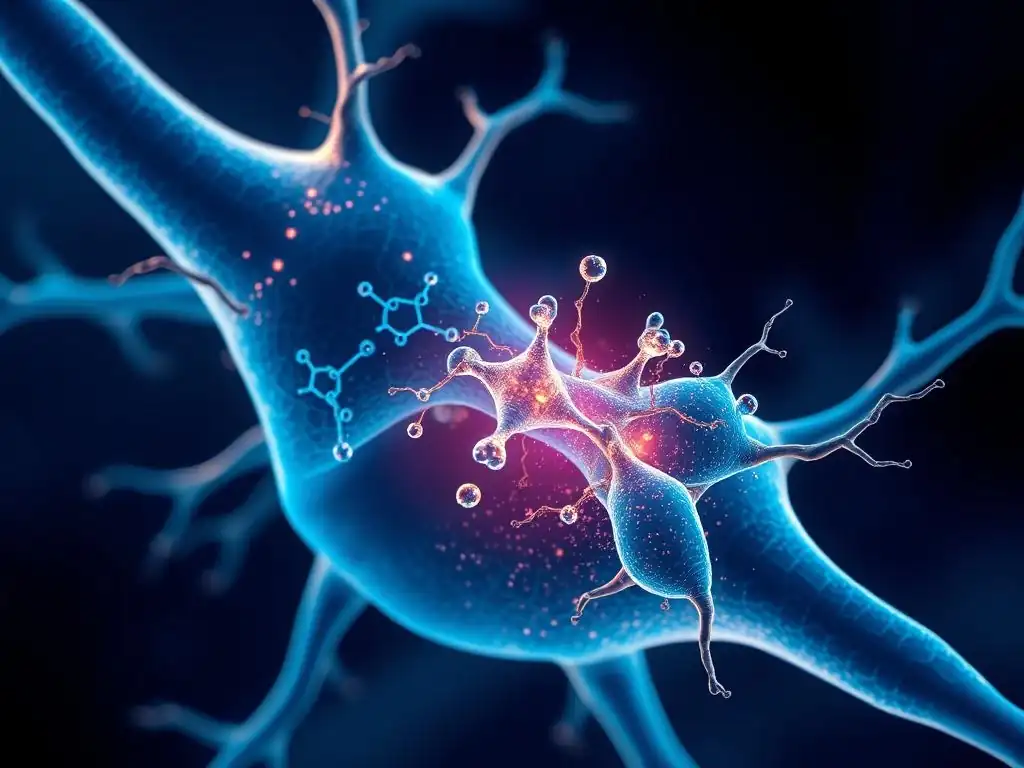
Welcome to Mind Care Guide, your sanctuary for understanding and nurturing mental well-being.
Ever wondered how your brain actually resets itself after a surge of emotion or a burst of thought? This week, we delve into the fascinating world of neuroscience to explore the intricate processes behind neurotransmitter clearance mechanisms. Discover how enzymes play a crucial role in maintaining balance, and what happens when these systems go awry. Ready to unravel the secrets of your mind?
Enzyme Breakdown: How Neurotransmitters Are Cleared to Reset the System
- Introduction to Neurotransmitter Clearance and Mental Well-being
- The Role of Enzymes in Neurotransmitter Breakdown
- The Neurotransmitter Clearance Process: A Step-by-Step Explanation
- Dysfunctional Neurotransmitter Clearance and Mental Illness: Chemical Imbalances
- Factors Affecting Enzyme Activity and Neurotransmitter Clearance
- Strategies to Support Healthy Neurotransmitter Clearance
- Neurotransmitter Reuptake vs. Enzymatic Degradation: A Comparison
- The Future of Neurotransmitter Clearance Research: New Directions
- Conclusion: The Importance of Understanding Neurotransmitter Clearance Mechanisms
-
Frequently Asked Questions
- How does enzyme breakdown contribute to neurotransmitter clearance?
- What are some common enzymes involved in neurotransmitter breakdown?
- Why is efficient neurotransmitter clearance important for mental well-being?
- What happens if neurotransmitter breakdown is impaired?
- Can medications affect neurotransmitter clearance mechanisms?
- Final Reflection: Reclaiming Equilibrium: The Ongoing Importance of Neurotransmitter Clearance
- Unlock Your Brain's Reset Button: Take Charge of Your Neurotransmitters
Introduction to Neurotransmitter Clearance and Mental Well-being
Why Neurotransmitter Clearance is Crucial for Brain Function and Mental Health
Neurotransmitters are the chemical messengers of the brain, transmitting signals across synapses to control everything from mood and cognition to movement and heart rate. For the brain to function efficiently and maintain stable mental well-being, these signals must be precisely regulated. This requires not only the timely release of neurotransmitters but also their rapid and effective removal from the synaptic cleft after they have delivered their message. Without proper clearance, neurotransmitters could continue to stimulate receptors indefinitely, leading to overstimulation or chaotic signaling that disrupts normal brain activity.
Effective neurotransmitter clearance mechanisms explained are fundamental to preventing neural overload and ensuring the brain can reset for the next signal. Imagine a light switch: the signal (neurotransmitter) turns the light on (activates a neuron). If the switch stayed on constantly (lack of clearance), you couldn't turn the light off or adjust its intensity. This constant signaling can contribute to the symptoms seen in various mental health conditions. For example, excessive excitatory signaling due to impaired clearance of glutamate has been implicated in excitotoxicity, potentially contributing to neurodegenerative processes and certain mood disorders.
Overview of Neurotransmitter Clearance Mechanisms: Maintaining Chemical Balance
Maintaining chemical balance in the brain relies on several sophisticated mechanisms working in concert to remove neurotransmitters from the synaptic space. The primary ways this is achieved are enzymatic degradation, reuptake into the presynaptic neuron or glial cells, and diffusion away from the synapse. Enzymatic breakdown involves specific enzymes present in the synaptic cleft or within cells that chemically alter the neurotransmitter, rendering it inactive. Reuptake utilizes specialized protein transporters to pump the neurotransmitter back into the neuron that released it, or into nearby support cells called glia, for recycling or further processing.
These neurotransmitter clearance mechanisms explained are vital for terminating the signal and preparing the synapse for subsequent transmissions. Diffusion, while less specific, also contributes by simply allowing neurotransmitters to drift away from the receptor-rich area. The efficiency and balance between these mechanisms are critical. Impairments in any of these processes can lead to an accumulation or deficiency of neurotransmitters in the synapse, directly impacting neuronal communication and potentially contributing to a range of mental health challenges, including mood disorders, anxiety, and psychotic conditions.
The Role of Enzymes in Neurotransmitter Breakdown
Understanding Enzyme Activity in the Synaptic Cleft
Enzymes are biological catalysts, proteins that speed up chemical reactions. In the context of neurotransmitter clearance, specific enzymes are strategically located in the synaptic cleft or on the postsynaptic membrane, ready to encounter and break down certain neurotransmitters almost immediately after they are released. This enzymatic degradation is a highly efficient way to terminate a signal quickly, ensuring precise control over the duration and intensity of neuronal communication. Unlike reuptake, which recycles the neurotransmitter molecule, enzymatic breakdown permanently deactivates it by changing its chemical structure.
The presence and activity levels of these enzymes are tightly regulated. For instance, acetylcholinesterase (AChE) is one of the fastest-acting enzymes known, capable of breaking down thousands of acetylcholine molecules per second. This incredible speed is necessary because acetylcholine is involved in rapid muscle contractions and other critical functions where sustained signaling would be detrimental. Understanding enzyme activity is key to comprehending neurotransmitter clearance mechanisms explained, as their efficiency directly impacts how long a neurotransmitter remains active and influences postsynaptic neurons.
Key Enzymes Involved in Neurotransmitter Degradation: A Detailed Look
Several enzyme families are responsible for breaking down different types of neurotransmitters. These enzymes exhibit remarkable specificity, typically targeting only one or a small group of related neurotransmitters. Their function is essential for preventing the accumulation of active neurotransmitters in the synapse, which could lead to continuous stimulation or desensitization of receptors. Disruptions in the function or levels of these key enzymes can have significant consequences for brain health and are implicated in various neurological and psychiatric conditions.
Acetylcholinesterase (AChE): Breaking Down Acetylcholine
Acetylcholinesterase (AChE) is the primary enzyme responsible for the rapid hydrolysis of acetylcholine (ACh) into choline and acetate. This reaction occurs predominantly in the synaptic cleft of cholinergic synapses, particularly at the neuromuscular junction. The speed at which AChE breaks down acetylcholine is crucial for the rapid relaxation of muscles after contraction and for the precise timing of signals in the autonomic nervous system. Inhibitors of AChE are used therapeutically, for example, in treating Alzheimer's disease (to increase ACh levels) and myasthenia gravis (to improve muscle function).
The efficiency of AChE is paramount. A single molecule of AChE can hydrolyze approximately 25,000 molecules of acetylcholine per second. This extremely high turnover rate ensures that acetylcholine's effect is transient and localized. Genetic variations affecting AChE activity or exposure to toxins that inhibit AChE (like some pesticides or nerve agents) can lead to a buildup of acetylcholine, causing symptoms ranging from muscle spasms and paralysis to cognitive dysfunction and even death, highlighting the critical role of this enzyme in neurotransmitter clearance mechanisms explained.
Monoamine Oxidase (MAO): Regulating Monoamine Neurotransmitters
Monoamine oxidase (MAO) is a family of enzymes that catalyze the oxidative deamination of monoamines, a class of neurotransmitters that includes serotonin, dopamine, norepinephrine (noradrenaline), and epinephrine (adrenaline). MAO exists in two main isoforms, MAO-A and MAO-B, which differ in their substrate specificity and tissue distribution. MAO-A preferentially metabolizes serotonin, norepinephrine, and epinephrine, while MAO-B primarily acts on dopamine and other trace amines like phenylethylamine. Both isoforms are found in neurons and glial cells, as well as in other tissues like the liver and gut.
MAO plays a critical role in regulating the intracellular levels of monoamine neurotransmitters, as well as clearing them from the synaptic space via metabolism after reuptake. Inhibitors of MAO (MAOIs) were among the first antidepressants developed, working by increasing the availability of serotonin, norepinephrine, and dopamine in the brain. However, their use is limited by potential interactions with certain foods and medications, underscoring the complex balance maintained by MAO activity in the context of neurotransmitter clearance mechanisms explained. Genetic variations in MAO activity have also been linked to vulnerability to certain mood and behavioral disorders.
Catechol-O-Methyltransferase (COMT): Clearing Catecholamines
Catechol-O-Methyltransferase (COMT) is another key enzyme involved in the degradation of catecholamine neurotransmitters, namely dopamine, norepinephrine, and epinephrine. Unlike MAO, which primarily works inside the neuron and on reuptaken neurotransmitters, COMT is found both intracellularly and extracellularly, particularly in the synaptic cleft and on the postsynaptic membrane. COMT catalyzes the transfer of a methyl group to a catecholamine, rendering it inactive. This enzyme is particularly important in the prefrontal cortex, where dopamine reuptake transporters are less abundant, making COMT a significant player in dopamine clearance in this critical brain region involved in executive functions.
COMT works in conjunction with MAO to ensure efficient breakdown of catecholamines. For example, dopamine can be metabolized by either MAO or COMT, or by both enzymes sequentially. A common genetic polymorphism in the COMT gene (Val158Met) results in an enzyme with significantly reduced activity (the Met allele has about 4 times lower activity than the Val allele). This variation has been extensively studied for its potential links to conditions like schizophrenia, anxiety, and depression, as lower COMT activity can lead to higher levels of dopamine in the prefrontal cortex, highlighting its importance among neurotransmitter clearance mechanisms explained.
The Specificity of Enzymes: Targeting Different Neurotransmitters
The high specificity of enzymes in neurotransmitter breakdown is fundamental to the precise signaling required for complex brain function. Each enzyme is shaped in a way that allows it to bind only to specific neurotransmitter molecules, much like a key fitting into a specific lock. For example, AChE specifically targets acetylcholine and structurally similar compounds, but not dopamine or serotonin. Similarly, while MAO and COMT both act on catecholamines, they do so through different chemical reactions and may have different preferences for specific catecholamines depending on the isoform and location.
This specificity ensures that the breakdown of one neurotransmitter does not inadvertently affect the levels of others, allowing for independent regulation of different signaling pathways. This targeted approach is a cornerstone of the intricate neurotransmitter clearance mechanisms explained, enabling the brain to manage multiple, distinct communication systems simultaneously. Understanding this specificity is also crucial for developing targeted pharmacological interventions that aim to modulate the levels of a particular neurotransmitter without causing widespread disruption to other systems.
The Neurotransmitter Clearance Process: A Step-by-Step Explanation
Neurotransmitter Release and Receptor Binding
The process begins when an electrical signal, an action potential, arrives at the axon terminal of a presynaptic neuron. This depolarization opens voltage-gated calcium channels, allowing calcium ions to flow into the terminal. The influx of calcium triggers synaptic vesicles, which are tiny sacs containing neurotransmitters, to fuse with the presynaptic membrane and release their contents into the synaptic cleft, the small gap between neurons. This release process is known as exocytosis.
Once in the synaptic cleft, the neurotransmitter molecules diffuse across the gap and bind to specific receptors on the membrane of the postsynaptic neuron. This binding is also highly specific, with each neurotransmitter having one or more types of receptors it can activate. Binding to these receptors causes a change in the postsynaptic neuron, either exciting or inhibiting it, thereby transmitting the signal. The duration and strength of this signal depend critically on how long the neurotransmitter remains bound to the receptor and its concentration in the synaptic cleft before neurotransmitter clearance mechanisms explained take effect.
Enzymatic Degradation: Breaking Down Neurotransmitters into Inactive Metabolites
Immediately following or even concurrently with receptor binding, enzymatic degradation begins for certain neurotransmitters like acetylcholine and catecholamines. Enzymes located in the synaptic cleft or on the postsynaptic membrane encounter the free-floating neurotransmitter molecules. For example, AChE rapidly hydrolyzes acetylcholine into choline and acetate. This chemical transformation renders the molecule inactive; it can no longer bind to or activate acetylcholine receptors.
Similarly, enzymes like COMT can methylate catecholamines in the synaptic cleft. This step-by-step breakdown ensures that the neurotransmitter's signal is quickly terminated, preventing continuous stimulation of the postsynaptic neuron. The products of enzymatic degradation are inactive metabolites, which are then typically removed from the synaptic cleft through diffusion or transport mechanisms. This enzymatic breakdown is a critical component of the overall neurotransmitter clearance mechanisms explained, providing a rapid and efficient way to reset the synapse.
Reuptake and Diffusion: Complementary Clearance Mechanisms
While enzymatic degradation is crucial for some neurotransmitters, reuptake is the primary clearance mechanism for others, particularly the monoamines (serotonin, dopamine, norepinephrine) and amino acid neurotransmitters (glutamate, GABA). Specialized protein transporters embedded in the presynaptic membrane actively pump the neurotransmitter molecules back into the presynaptic neuron. This process is energy-dependent, requiring ATP. Once inside the presynaptic neuron, the neurotransmitter can be repackaged into vesicles for future release or broken down by intracellular enzymes like MAO.
Glial cells, particularly astrocytes, also play a significant role in reuptake, especially for glutamate and GABA, helping to maintain low extracellular concentrations of these powerful neurotransmitters and prevent excitotoxicity or excessive inhibition. Diffusion also contributes to clearance by simply dispersing neurotransmitter molecules away from the synaptic cleft into the surrounding extracellular fluid, where they may eventually be taken up by cells or further metabolized. These complementary processes work alongside enzymatic degradation to ensure effective neurotransmitter clearance mechanisms explained are in place.
The Fate of Metabolites: From Breakdown to Elimination
After neurotransmitters are broken down by enzymes, or metabolized after reuptake, they are converted into inactive products called metabolites. For instance, the breakdown of dopamine by MAO and COMT yields metabolites like homovanillic acid (HVA). Serotonin metabolism by MAO results in 5-hydroxyindoleacetic acid (5-HIAA). These metabolites are generally water-soluble and are released from the brain into the bloodstream.
Once in the circulation, these metabolites are transported to the kidneys and eventually excreted from the body in urine. Measuring the levels of these metabolites in urine or cerebrospinal fluid can sometimes provide insights into neurotransmitter activity in the brain, although this is not always a direct measure of synaptic function. The efficient removal of these metabolites prevents their accumulation and ensures the metabolic pathways involved in neurotransmitter clearance mechanisms explained can continue to function smoothly.
Dysfunctional Neurotransmitter Clearance and Mental Illness: Chemical Imbalances
The Link Between Enzyme Deficiencies and Mental Health Disorders
Dysfunction in the intricate neurotransmitter clearance mechanisms explained can lead to imbalances in neurotransmitter levels, contributing significantly to the development and maintenance of mental health disorders. When enzymes responsible for breaking down neurotransmitters are deficient or less active, the neurotransmitter can linger in the synapse for too long, leading to excessive or prolonged receptor stimulation. Conversely, if enzymes are overly active, neurotransmitters might be cleared too quickly, resulting in insufficient signaling. Both scenarios disrupt the delicate balance required for optimal brain function.
Genetic variations that affect enzyme activity, such as the COMT Val158Met polymorphism mentioned earlier, have been associated with altered risk profiles for conditions like schizophrenia and mood disorders. While these genetic links are complex and often involve interactions with other genes and environmental factors, they highlight the direct impact that even subtle changes in enzyme function can have on mental health. Impaired neurotransmitter clearance due to enzyme issues represents a critical aspect of the "chemical imbalance" hypothesis often discussed in relation to mental illness, though the reality is far more nuanced than simple high or low levels.
Examples of Clearance Impairments in Specific Mental Illnesses
Understanding how specific neurotransmitter clearance mechanisms explained go awry in different conditions provides valuable insights into the biological underpinnings of mental illness. While research is ongoing and the picture is complex, several examples illustrate the link between impaired clearance and psychiatric symptoms. These examples often involve not just enzymes, but also reuptake transporters, demonstrating the interconnectedness of clearance pathways.
Clearance Issues in Depression: Serotonin and Norepinephrine
Depression is often associated with dysregulation of serotonin and norepinephrine signaling. While transporter reuptake is the primary clearance mechanism for these neurotransmitters, the enzymes MAO-A and COMT also play roles, particularly in regulating intracellular levels and metabolizing reuptaken neurotransmitters. Elevated activity of MAO-A could theoretically lead to lower synaptic levels of serotonin and norepinephrine by breaking them down more rapidly after reuptake, potentially contributing to depressive symptoms.
Conversely, inhibitors of MAO-A (like moclobemide, though less commonly prescribed now than SSRIs) work by reducing the breakdown of serotonin and norepinephrine, thereby increasing their availability in the synapse. This pharmacological approach directly targets enzymatic clearance, providing evidence that enzyme activity is relevant to mood regulation and the pathology of depression, linking it to the broader understanding of neurotransmitter clearance mechanisms explained.
Clearance Issues in Anxiety Disorders: GABA and Glutamate
Anxiety disorders are often linked to an imbalance between excitatory and inhibitory neurotransmission, specifically involving glutamate (excitatory) and GABA (inhibitory). While reuptake transporters are crucial for clearing both from the synapse (EAATs for glutamate, GATs for GABA), enzymatic breakdown also plays a role, particularly in the synthesis and metabolism within neurons and glia. For instance, GABA is synthesized from glutamate by the enzyme glutamic acid decarboxylase (GAD), and its levels are regulated partly by enzymes that break it down.
Dysfunction in glutamate clearance, potentially involving altered activity of glutamate transporters or enzymes involved in glutamate metabolism, could lead to excessive excitatory signaling, contributing to the heightened state of arousal and worry seen in anxiety. Similarly, issues affecting GABA synthesis or metabolism could reduce inhibitory tone. While enzymatic clearance is not the sole factor, its contribution to maintaining the delicate excitatory/inhibitory balance is part of the complex neurotransmitter clearance mechanisms explained that underpin anxiety pathology.
Clearance Issues in Schizophrenia: Dopamine Dysregulation
Schizophrenia is strongly associated with dysregulation of dopamine signaling, particularly in the mesolimbic and prefrontal pathways. While excessive dopamine release and receptor sensitivity are key hypotheses, impaired dopamine clearance mechanisms explained could also contribute. COMT, as discussed earlier, plays a significant role in dopamine breakdown, especially in the prefrontal cortex. Lower COMT activity (e.g., due to the Met allele) is associated with higher prefrontal dopamine levels, which some research suggests might be beneficial for cognition but could also interact with other genetic or environmental factors to increase vulnerability to schizophrenia symptoms, particularly negative and cognitive ones.
Conversely, some theories suggest that excessive dopamine activity in the mesolimbic pathway, linked to positive symptoms like hallucinations and delusions, might involve altered reuptake or metabolism. While the exact role of enzymes like MAO and COMT in the synaptic clearance of dopamine in different brain regions in schizophrenia is still an active area of research, it's clear that disruptions in the precise control of dopamine levels through various neurotransmitter clearance mechanisms explained are central to the disorder.
Factors Affecting Enzyme Activity and Neurotransmitter Clearance
Genetic Predisposition and Enzyme Variants
An individual's genetic makeup significantly influences the activity and expression levels of the enzymes involved in neurotransmitter clearance. Polymorphisms, which are common variations in the DNA sequence, can lead to enzymes that are more or less active, or produced in greater or lesser quantities. The COMT Val158Met polymorphism is a classic example, resulting in a significant difference in enzyme efficiency. Other genes encoding MAO isoforms (MAOA and MAOB) also have variants that have been studied for associations with personality traits, behavior, and susceptibility to psychiatric conditions.
These genetic predispositions mean that individuals may have inherent differences in how efficiently they clear certain neurotransmitters. While a single genetic variant rarely causes a mental illness, these variations can modify risk or influence how an individual responds to stress or certain medications. Understanding these genetic factors is crucial for a comprehensive view of neurotransmitter clearance mechanisms explained and their link to individual differences in brain function and mental health vulnerability.
Environmental Influences on Enzyme Function
Beyond genetics, various environmental factors can impact the activity of neurotransmitter-clearing enzymes. Exposure to certain toxins, heavy metals (like lead or mercury), or pesticides can inhibit the function of enzymes like AChE, leading to a buildup of acetylcholine with potentially severe neurological consequences. Chronic stress has also been shown in some studies to alter the expression or activity of enzymes involved in monoamine metabolism.
Furthermore, diet and nutritional status play a role. Cofactors, such as certain vitamins and minerals, are required for many enzymes to function properly. Deficiencies in these nutrients can impair enzyme activity, indirectly affecting neurotransmitter clearance. These environmental influences highlight that neurotransmitter clearance mechanisms explained are not solely determined by genetics but are also dynamically modulated by external factors throughout life.
The Impact of Medications on Neurotransmitter Clearance
Many psychiatric and neurological medications exert their therapeutic effects by directly or indirectly modulating neurotransmitter clearance mechanisms explained. This is a common strategy to increase the availability of neurotransmitters in the synaptic cleft to compensate for perceived deficiencies or imbalances. Understanding how these drugs work provides further evidence for the importance of clearance in regulating brain function and mood.
How Selective Serotonin Reuptake Inhibitors (SSRIs) Affect Serotonin Levels
Selective Serotonin Reuptake Inhibitors (SSRIs) are a widely prescribed class of antidepressants that primarily target the serotonin transporter (SERT). By blocking the reuptake of serotonin back into the presynaptic neuron, SSRIs increase the concentration and duration of serotonin in the synaptic cleft. While they don't directly inhibit the enzymatic breakdown of serotonin by MAO, the prolonged presence of serotonin in the synapse allows for greater binding to postsynaptic receptors, helping to improve mood and reduce anxiety over time.
This mechanism illustrates how modulating one aspect of neurotransmitter clearance – reuptake – can effectively alter synaptic neurotransmitter levels and produce therapeutic outcomes. It also underscores the interplay between different clearance pathways; while reuptake is inhibited, enzymatic breakdown by MAO remains active, contributing to the overall regulation of serotonin levels, showcasing the complexity of neurotransmitter clearance mechanisms explained.
Enzyme Inhibitors: Enhancing Neurotransmitter Availability
Another class of medications directly targets the enzymes responsible for neurotransmitter breakdown. Monoamine oxidase inhibitors (MAOIs), as mentioned earlier, block the activity of MAO-A and/or MAO-B, increasing the synaptic availability of monoamines like serotonin, norepinephrine, and dopamine. These were among the first effective antidepressants.
More recently, COMT inhibitors are used in the treatment of Parkinson's disease to prolong the effects of L-DOPA, a precursor to dopamine, by preventing its breakdown. While not typically used for psychiatric conditions directly, this demonstrates the principle that inhibiting enzyme activity can be a powerful way to enhance neurotransmitter signaling, further highlighting the importance of enzymes in the array of neurotransmitter clearance mechanisms explained and targeted by pharmaceuticals.
Strategies to Support Healthy Neurotransmitter Clearance
Lifestyle Modifications for Optimal Brain Health
Supporting healthy neurotransmitter clearance involves more than just focusing on enzymes; it's about promoting overall brain health through lifestyle choices. Regular physical exercise has been shown to influence neurotransmitter systems, including potentially impacting the expression or activity of clearance mechanisms. For instance, exercise can influence dopamine and serotonin pathways. Adequate sleep is crucial for the brain to function optimally, including processes involved in neurotransmitter regulation and clearance.
Stress management techniques, such as mindfulness, meditation, or yoga, can help mitigate the negative effects of chronic stress on brain chemistry, which may include stress-induced alterations in enzyme activity or transporter function. Avoiding substances known to interfere with neurotransmitter systems, such as excessive alcohol or illicit drugs, is also vital. These simple yet effective lifestyle modifications provide a foundation for supporting robust neurotransmitter clearance mechanisms explained.
Nutritional Support for Enzyme Function: B Vitamins, Magnesium, and Zinc
Proper nutrition provides the necessary building blocks and cofactors for the synthesis and function of neurotransmitter-clearing enzymes. Several vitamins and minerals are particularly important. B vitamins, such as B6, B12, and folate, are essential cofactors for many enzymes involved in neurotransmitter synthesis and metabolism, including those that break them down.
Magnesium is required for the activity of numerous enzymes in the body, potentially including those involved in neurotransmitter pathways. Zinc also plays a role in synaptic function and enzyme regulation. Ensuring adequate intake of these nutrients through a balanced diet rich in fruits, vegetables, whole grains, and lean proteins can support the enzymatic processes critical for efficient neurotransmitter clearance mechanisms explained.
The Potential of Targeted Therapies: Enzyme Modulators
Beyond traditional medications like SSRIs and MAOIs, future therapeutic strategies may involve more targeted approaches to modulating enzyme activity or expression. Research is exploring compounds that can specifically enhance or inhibit the activity of particular enzymes involved in neurotransmitter breakdown, potentially offering more precise ways to restore chemical balance in the brain.
For example, developing selective inhibitors for specific MAO or COMT isoforms, or finding ways to upregulate beneficial enzyme activity where it is deficient, could offer novel treatment avenues for various mental health conditions. These targeted therapies represent the cutting edge of pharmacological interventions, aiming to fine-tune the complex neurotransmitter clearance mechanisms explained to achieve better therapeutic outcomes with fewer side effects.
Neurotransmitter Reuptake vs. Enzymatic Degradation: A Comparison
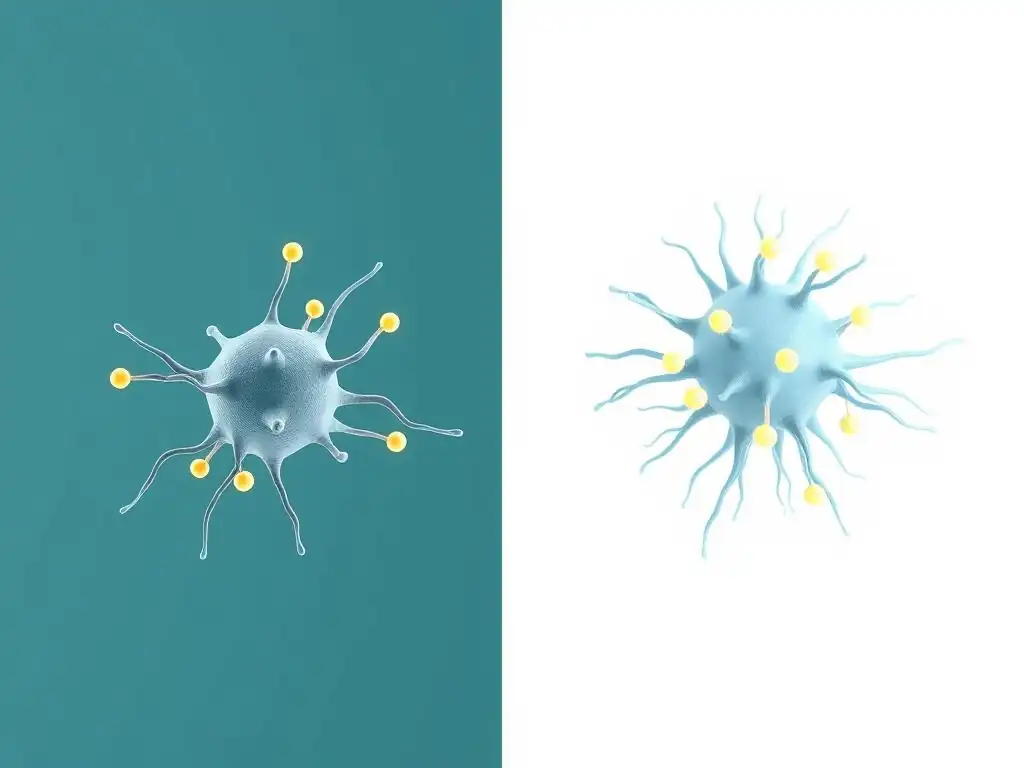
Advantages and Disadvantages of Each Clearance Mechanism
Both reuptake and enzymatic degradation serve the crucial function of clearing neurotransmitters from the synapse, but they have distinct characteristics and advantages. Enzymatic degradation, like the action of AChE on acetylcholine, offers extremely rapid signal termination, vital for processes requiring precise timing, such as muscle control. Its main advantage is speed and efficiency in breaking down the molecule permanently. A disadvantage is that the neurotransmitter molecule is lost and must be resynthesized.
Reuptake, on the other hand, is often slower than rapid enzymatic degradation but offers the advantage of recycling the neurotransmitter back into the presynaptic neuron, conserving resources. It allows for the neurotransmitter to be quickly available for subsequent release. However, reuptake transporters can become saturated, and their function can be targeted by drugs or affected by pathology, potentially leading to slower clearance than needed in some situations. Both mechanisms are vital components of neurotransmitter clearance mechanisms explained.
The Interplay Between Reuptake Transporters and Degrading Enzymes
Reuptake transporters and degrading enzymes often work together in a coordinated fashion to regulate neurotransmitter levels. For monoamines like dopamine and serotonin, reuptake is the primary mechanism for removing them from the synaptic cleft. Once inside the presynaptic neuron or a glial cell, these neurotransmitters can then be metabolized by intracellular enzymes like MAO.
For catecholamines, COMT located in the synaptic cleft or on postsynaptic cells can break down the neurotransmitter before it is even taken up by a transporter. This interplay ensures robust and redundant systems are in place to manage neurotransmitter concentrations. The balance between the efficiency of reuptake transporters and the activity of degrading enzymes is critical for maintaining synaptic homeostasis and represents a key aspect of how neurotransmitter clearance mechanisms explained function in concert.
The Future of Neurotransmitter Clearance Research: New Directions
Investigating Novel Enzymes and Clearance Pathways
Research into neurotransmitter clearance is an active and evolving field. Scientists continue to investigate the roles of less-studied enzymes and alternative clearance pathways. Are there other enzymes playing significant roles in breaking down neurotransmitters or neuromodulators that we haven't fully characterized? How do glial cells contribute beyond known reuptake mechanisms? Exploring these questions could uncover new targets for therapeutic intervention.
Furthermore, understanding how these mechanisms differ across various brain regions and developmental stages is crucial. The specific set of neurotransmitter clearance mechanisms explained may vary, requiring tailored approaches for different disorders or age groups. Advances in molecular biology and imaging techniques are providing unprecedented opportunities to study these processes with greater precision.
Developing Targeted Therapies to Enhance Clearance in Mental Illness
The insights gained from understanding neurotransmitter clearance mechanisms are paving the way for the development of more sophisticated and targeted therapies for mental illness. Instead of broadly increasing or decreasing neurotransmitter levels, future treatments might aim to modulate the activity of specific transporters or enzymes in particular brain circuits.
This could involve developing selective enzyme activators or inhibitors, or even gene therapies to correct deficiencies in clearance proteins. The goal is to restore the precise timing and concentration of neurotransmitter signaling, moving towards more personalized and effective treatments that address the underlying biological dysregulation in mental health conditions by fine-tuning the intricate neurotransmitter clearance mechanisms explained.
Conclusion: The Importance of Understanding Neurotransmitter Clearance Mechanisms
Recap of Key Concepts: Enzymes, Clearance, and Mental Health
We've explored the vital role of neurotransmitter clearance in maintaining brain health and mental well-being. This complex process relies on multiple mechanisms, including enzymatic degradation by specific enzymes like Acetylcholinesterase (AChE), Monoamine Oxidase (MAO), and Catechol-O-Methyltransferase (COMT), as well as reuptake via transporters and diffusion. These neurotransmitter clearance mechanisms explained ensure that signals in the brain are precise and transient, allowing for efficient communication between neurons.
Dysfunction in these clearance pathways, whether due to genetic factors, environmental influences, or disease processes, can lead to imbalances in neurotransmitter levels, contributing to a range of mental health disorders, including depression, anxiety, and schizophrenia. Understanding the intricate steps involved, from neurotransmitter release to enzymatic breakdown and metabolite elimination, provides critical insights into the biological basis of these conditions.
The Ongoing Quest to Restore Chemical Balance in the Brain
The study of neurotransmitter clearance mechanisms explained is fundamental to the ongoing quest to understand and treat mental illness. By identifying the specific enzymes and transporters involved, and how they are affected by genetics, environment, and disease, researchers and clinicians can develop more effective strategies to restore chemical balance in the brain.
Current therapies often target these mechanisms, and future research promises even more precise interventions. As our knowledge deepens, so too does our potential to alleviate suffering caused by mental health challenges, offering hope for more targeted and personalized treatments that work by supporting the brain's own remarkable systems for regulating its chemical messengers.
Frequently Asked Questions
How does enzyme breakdown contribute to neurotransmitter clearance?
Enzyme breakdown is a crucial neurotransmitter clearance mechanism. Enzymes specifically target and degrade neurotransmitters, effectively removing them from the synaptic cleft and preventing prolonged signaling. This process resets the system for subsequent neuronal communication.
What are some common enzymes involved in neurotransmitter breakdown?
Examples include acetylcholinesterase, which breaks down acetylcholine, and monoamine oxidase (MAO), which breaks down dopamine, serotonin, and norepinephrine. These enzymes play a vital role in regulating neurotransmitter levels and preventing overstimulation.
Why is efficient neurotransmitter clearance important for mental well-being?
Efficient clearance prevents excessive neurotransmitter stimulation, which can lead to anxiety, agitation, or other mental health issues. Proper clearance helps maintain a balanced neurochemical environment essential for stable mood and cognitive function.
What happens if neurotransmitter breakdown is impaired?
Impaired breakdown can result in neurotransmitter build-up in the synapse. This can lead to overstimulation of receptors and contribute to various mental health conditions, such as anxiety, depression, or even psychosis.
Can medications affect neurotransmitter clearance mechanisms?
Yes, many medications, particularly antidepressants and anti-anxiety drugs, target neurotransmitter clearance pathways. Some drugs inhibit reuptake, while others inhibit enzyme breakdown, ultimately impacting neurotransmitter levels in the synapse.
Final Reflection: Reclaiming Equilibrium: The Ongoing Importance of Neurotransmitter Clearance
The precise and efficient clearance of neurotransmitters is not merely a biochemical process; it's the fundamental key to maintaining neurological health and psychological well-being. A disruption in this delicate balance can lead to a cascade of effects, impacting everything from mood regulation to cognitive function, highlighting the critical role of these mechanisms in our daily lives. Understanding these processes is no longer a niche scientific pursuit; it's essential knowledge for anyone seeking to optimize their brain health.
The exploration of neurotransmitter clearance mechanisms has profoundly shaped our understanding of neurological and psychiatric disorders. The more we learn about how these systems work, the better equipped we are to develop targeted therapies and interventions. This journey of discovery underscores the interconnectedness of our biology and our experience. The brain is a complex and dynamic system, and the delicate balance of neurotransmitters is crucial for its proper functioning.
This quote encapsulates the central theme of our exploration, emphasizing the far-reaching implications of even subtle imbalances in neurotransmitter clearance.
Consider the impact of this knowledge on your own life. Are you experiencing symptoms that might be linked to neurotransmitter imbalances? This article serves as a starting point for further investigation and empowers you to engage in informed conversations with healthcare professionals. Take the time to understand your body's intricate communication system – it's a journey of self-discovery that can lead to a more balanced and fulfilling life. By understanding the mechanisms of neurotransmitter clearance, you take a proactive step towards optimizing your brain health and overall well-being.
Thanks for diving deep into the fascinating world of neurotransmitters and their crucial role in brain health! You've gained valuable insights into how enzyme breakdown keeps your brain functioning optimally. Now, let's put this knowledge into action.
- Prioritize nutrient-rich foods: Focus on a diet rich in B vitamins, magnesium, and choline—essential nutrients supporting enzyme function and neurotransmitter production. This is your primary step towards optimizing your brain chemistry naturally.
- Explore mindful movement: Incorporate daily mindful movement like yoga or Tai Chi – these practices have been shown to promote balanced neurotransmitter levels.
- Share your insights: Spread the word! Discuss your newfound knowledge with friends or family—sharing helps create a supportive community focused on brain health.
What small change in your diet or lifestyle will you implement today to support your neurotransmitter balance?