
Feed Your Head: The Impact of Diet on the GutBrain Connection and Mental Wellbeing

Welcome to Mind Care Guide, a space dedicated to nurturing your mental well-being.
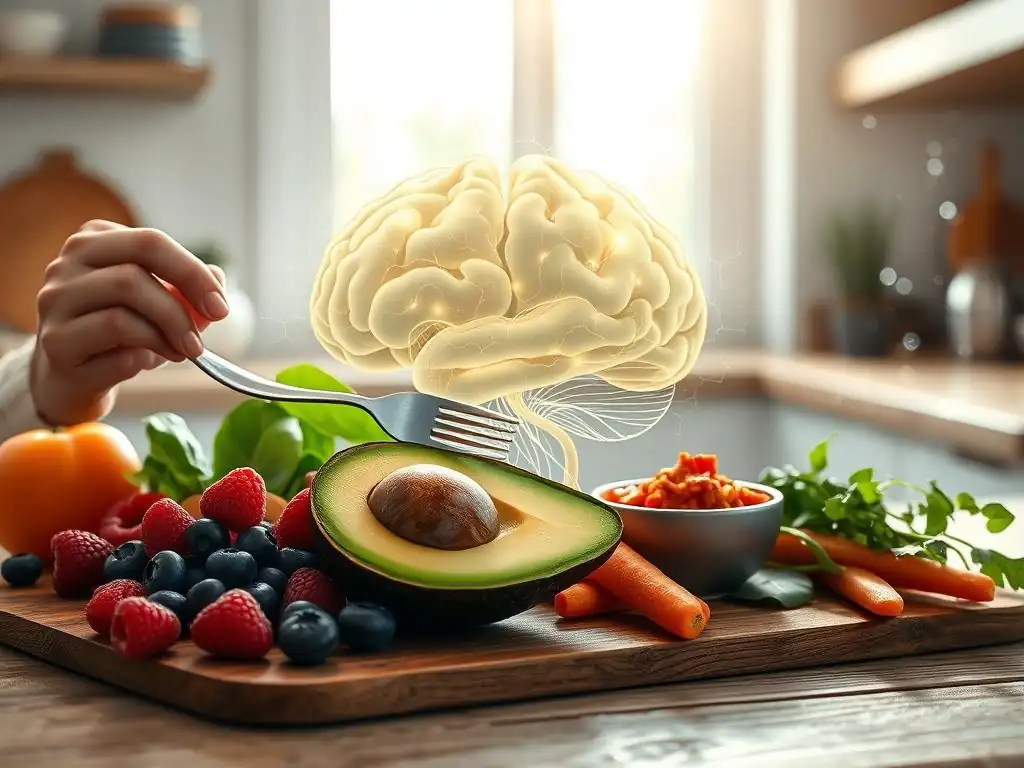
Are you feeling like there's more to the story of your mental health? You're not alone. We often overlook a vital piece of the puzzle: the intricate link between our gut and our brain. Dive into our exploration of the Gutbrain connection and discover how what you eat could be profoundly affecting your mood, anxiety, and overall mental state. Could your diet be the key to unlocking a happier, healthier you? Let's find out together...
Feed Your Head: The Impact of Diet on the Gut-Brain Connection and Mental Wellbeing
- Understanding the Gut-Brain Connection: A Key to Mental Wellness
- The Diet-Gut-Brain Connection: Fueling Your Mental Health
- Foods That Support a Healthy Gut-Brain Connection for Mental Wellbeing
- Foods to Avoid for Optimal Gut-Brain Function and Mental Health
- Practical Tips for Improving Your Gut-Brain Connection Through Diet
- The Gut-Brain Connection and Specific Mental Health Conditions
- Beyond Diet: Other Factors Influencing the Gut-Brain Axis for Mental Wellbeing
- Conclusion: Nourishing Your Gut, Nurturing Your Mind - A Holistic Approach to Mental Wellbeing
-
Frequently Asked Questions
- What is the Gut-Brain Connection and why is it important for mental health?
- How does diet affect the Gut-Brain Connection and mental health?
- What types of foods are beneficial for supporting a healthy Gut-Brain Connection?
- Are there specific mental health conditions that are particularly influenced by the Gut-Brain Connection?
- What are some practical steps I can take to improve my Gut-Brain health for better mental wellbeing?
- Final Reflection: Cultivating a Mind-Gut Symphony for Lasting Wellbeing
- Unlock Your Best Mind: Nourish Your Gut, Transform Your Life
Understanding the Gut-Brain Connection: A Key to Mental Wellness
Defining the Gut-Brain Axis: More Than Just a Feeling
The gut-brain axis is a complex bidirectional communication system that links the central nervous system (brain) with the enteric nervous system (gut). This intricate network involves direct neural connections, like the vagus nerve, as well as hormonal, immune, and metabolic pathways. It's not merely a physical connection but a dynamic interplay that influences everything from digestion and mood to cognitive function and overall gut-brain connection mental health.
This axis is often described as a "second brain" residing in the gut due to the presence of the enteric nervous system, which contains millions of neurons. These neurons can operate relatively independently of the brain, managing digestive processes. However, they are also in constant communication with the brain, sending signals about the state of the gut. Understanding this fundamental link is crucial for appreciating how factors like diet can profoundly impact mental wellbeing through the gut-brain connection mental health pathway.
The Two-Way Street: How the Gut and Brain Communicate
Communication along the gut-brain axis flows in both directions. The brain can influence gut functions, such as motility and secretion, which is why stress can often lead to digestive issues like irritable bowel syndrome (IBS). Conversely, the gut sends signals to the brain, influencing mood, behavior, and even cognitive processes. This happens through various channels, including the vagus nerve, the production of neurotransmitters by gut cells and bacteria, and the release of hormones.
For example, approximately 90% of serotonin, a key neurotransmitter associated with mood regulation, is produced in the gut. While this gut-produced serotonin primarily functions locally within the digestive system, it highlights the gut's significant role in neurochemical processes. Furthermore, gut microbes can produce other neuroactive compounds, such as short-chain fatty acids (SCFAs), which can cross the blood-brain barrier and influence brain function, directly impacting gut-brain connection mental health.
The Role of the Microbiome in the Gut-Brain Axis
The gut microbiome, the vast community of microorganisms residing in the digestive tract, is a critical player in the gut-brain axis. Comprising trillions of bacteria, viruses, fungi, and other microbes, the microbiome has a profound influence on gut function, immune responses, and the production of various metabolites, including SCFAs like butyrate, propionate, and acetate. These metabolites can signal to the brain and influence neuronal activity and brain health.
Research indicates that the composition and diversity of the gut microbiome can significantly impact mental states. For instance, studies have shown differences in the gut microbial profiles of individuals with depression or anxiety compared to healthy individuals. A diverse and balanced microbiome is generally associated with better gut health and, consequently, potentially better gut-brain connection mental health. Disruptions to this delicate ecosystem, often caused by diet, stress, or antibiotics, can negatively affect the gut-brain axis and contribute to mental health challenges.
The Diet-Gut-Brain Connection: Fueling Your Mental Health
How Food Impacts Gut Microbiome Composition
The food we eat is the primary fuel source for our gut microbes, and different foods nourish different types of bacteria. A diet rich in diverse plant fibers, for instance, promotes the growth of beneficial bacteria that produce SCFAs. These SCFAs are vital for maintaining the integrity of the gut lining, reducing inflammation, and providing energy for colon cells. Conversely, a diet high in processed foods, sugar, and unhealthy fats can lead to an imbalance in the microbiome, often characterized by a decrease in beneficial bacteria and an increase in potentially harmful ones.
This shift in microbial composition, known as dysbiosis, can compromise the gut barrier function, potentially allowing toxins and inflammatory molecules to enter the bloodstream and reach the brain. This highlights how dietary choices directly sculpt the microbial landscape within our gut, which in turn significantly influences the gut-brain connection mental health pathway. Studies comparing diets, such as the Mediterranean diet versus a Western diet, consistently show that dietary patterns have a profound and rapid impact on gut microbial diversity and function.
The Link Between Gut Bacteria and Neurotransmitter Production
As mentioned earlier, gut microbes are capable of producing neuroactive compounds, including precursors or analogs of neurotransmitters like serotonin, dopamine, and gamma-aminobutyric acid (GABA). While the extent to which these microbially-produced compounds directly influence brain levels is still an area of active research, their local effects within the gut and their potential to signal through the gut-brain axis are well-established. For instance, certain Lactobacillus and Bifidobacterium species have been shown in some studies to influence GABA production, a neurotransmitter known for its calming effects.
Furthermore, gut bacteria play a role in metabolizing tryptophan, an amino acid that is a precursor to serotonin. The balance of gut bacteria can influence how much tryptophan is available for serotonin synthesis, both in the gut and potentially in the brain. This intricate microbial involvement in neurochemical processes underscores the profound link between the composition of our gut flora and the production of compounds that are critical for regulating mood, stress responses, and overall gut-brain connection mental health.
Inflammation and the Gut-Brain Axis: A Dietary Perspective
Chronic low-grade inflammation is increasingly recognized as a contributing factor in various mental health conditions, including depression and anxiety. The gut is a major site of immune activity, and the gut microbiome plays a significant role in regulating immune responses. A diet high in inflammatory foods, such as refined sugars, unhealthy fats (like trans fats and excessive omega-6 fatty acids), and processed ingredients, can trigger inflammation in the gut.
This gut inflammation can then propagate throughout the body and affect the brain via the gut-brain axis. Inflammatory molecules like cytokines can cross the blood-brain barrier and interfere with neurotransmitter function and neuronal health. Conversely, diets rich in anti-inflammatory compounds, such as omega-3 fatty acids, antioxidants, and fiber found in fruits, vegetables, and whole grains, can help reduce gut inflammation and support a healthier gut-brain connection mental health. For example, the Mediterranean diet, rich in these anti-inflammatory components, has been associated with lower rates of depression.
Foods That Support a Healthy Gut-Brain Connection for Mental Wellbeing
Probiotic-Rich Foods: Nourishing Beneficial Gut Bacteria
Probiotics are live microorganisms, usually bacteria, that, when consumed in adequate amounts, provide a health benefit to the host. Including probiotic-rich foods in your diet can help introduce beneficial bacteria to your gut, potentially improving the balance of the microbiome and supporting the gut-brain connection mental health. While the effects can be strain-specific and vary among individuals, incorporating these foods is a common strategy for supporting gut health.
These foods undergo a fermentation process that results in the presence of live and active cultures. Regular consumption can contribute to a more diverse and robust microbial community in the gut. However, it's important to note that the number and type of probiotics can vary significantly between products and brands, and the benefits are often linked to consistent intake.
Examples of Probiotic-Rich Foods:
- Yogurt (look for "live and active cultures")
- Kefir
- Sauerkraut (unpasteurized)
- Kimchi
- Kombucha (low sugar varieties)
Prebiotic Foods: Feeding the Good Bugs
Prebiotics are non-digestible fibers that pass through the upper part of the gastrointestinal tract and stimulate the growth and activity of beneficial bacteria in the large intestine. Think of prebiotics as food for your probiotics and other good gut microbes. By selectively feeding beneficial bacteria, prebiotics help them thrive and produce beneficial metabolites like SCFAs, which are vital for gut health and can positively influence the gut-brain connection mental health.
Incorporating a variety of prebiotic-rich foods ensures you're nourishing a wide range of beneficial bacteria. These fibers are naturally found in many plant-based foods. Increasing your intake of these foods gradually can help your digestive system adjust.
Examples of Prebiotic Foods:
- Onions
- Garlic
- Asparagus
- Leeks
- Bananas (slightly green)
- Chicory root
- Dandelion greens
- Oats
- Apples
Fiber-Rich Foods: Promoting Gut Health and Regularity
Dietary fiber is a cornerstone of a healthy diet and is indispensable for gut health. Fiber adds bulk to stool, promoting regular bowel movements and preventing constipation. Soluble fiber, found in foods like oats and beans, forms a gel-like substance that can help regulate blood sugar and cholesterol. Insoluble fiber, found in whole grains and vegetables, adds bulk and helps food pass through the digestive system. Both types are crucial for a healthy gut.
Beyond promoting regularity, many fibers act as prebiotics, feeding beneficial gut bacteria. A high-fiber diet is associated with increased microbial diversity and the production of SCFAs, which nourish the gut lining and have anti-inflammatory effects. Aiming for the recommended daily intake of fiber (about 25-30 grams for adults) is a fundamental step towards optimizing your gut-brain connection mental health.
Examples of Fiber-Rich Foods:
- Fruits (berries, apples, pears)
- Vegetables (broccoli, spinach, carrots)
- Whole Grains (oats, quinoa, brown rice, whole wheat bread)
- Legumes (beans, lentils, chickpeas)
- Nuts and Seeds (almonds, chia seeds, flaxseeds)
Omega-3 Fatty Acids: Reducing Inflammation and Supporting Brain Function
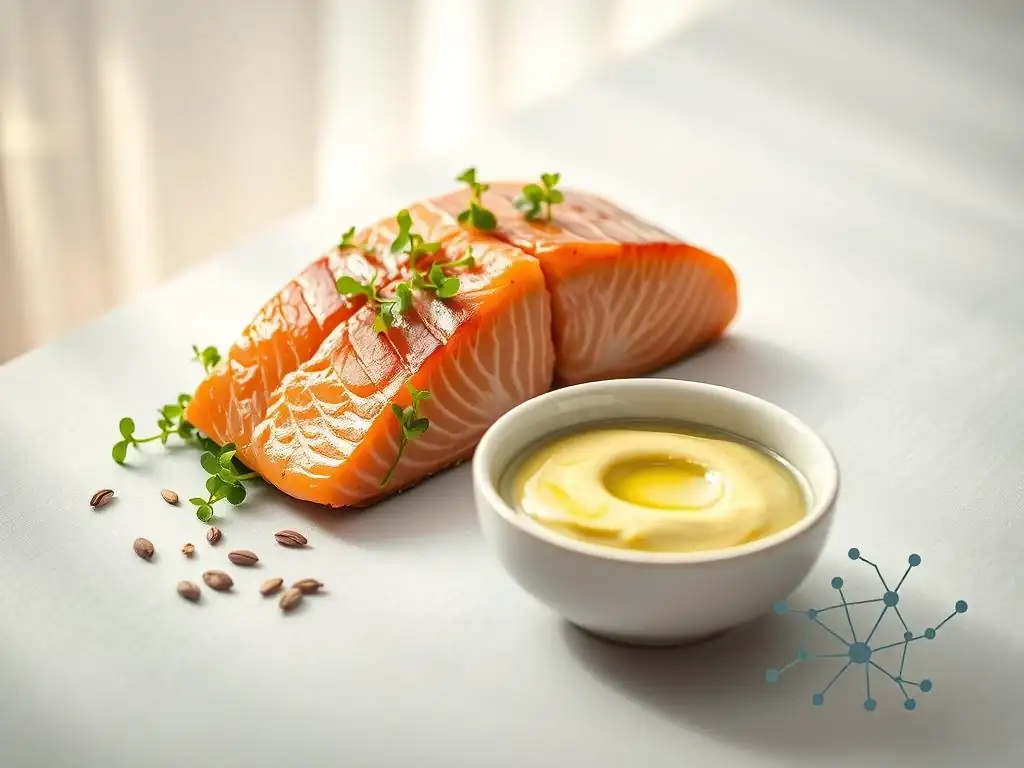
Omega-3 fatty acids, particularly EPA (eicosapentaenoic acid) and DHA (docosahexaenoic acid), are renowned for their anti-inflammatory properties and their critical role in brain structure and function. They are essential components of cell membranes, including brain cells, and are involved in neurotransmitter signaling. Chronic inflammation can disrupt the gut-brain axis and negatively impact mental health; omega-3s help counteract this by reducing the production of inflammatory molecules.
Research suggests that adequate intake of omega-3s may be associated with a reduced risk of depression and anxiety. While the direct link through the gut-brain connection mental health pathway is still being explored, their systemic anti-inflammatory effects undoubtedly benefit both the gut and the brain. Including sources of these healthy fats is a vital part of a diet aimed at supporting mental wellbeing.
Sources of Omega-3 Fatty Acids:
- Fatty Fish (Salmon, Mackerel, Sardines, Herring, Anchovies) - rich in EPA and DHA
- Flaxseeds
- Walnuts
- Chia Seeds
- Hemp Seeds
- Algae-based supplements (a direct source of EPA and DHA for vegetarians/vegans)
Polyphenol-Rich Foods: Antioxidant Power for Gut and Brain
Polyphenols are a large group of plant compounds with antioxidant and anti-inflammatory properties. They are found in abundance in colorful fruits, vegetables, tea, coffee, and cocoa. While many polyphenols are not directly absorbed in the upper digestive tract, they travel to the colon where they are metabolized by gut bacteria. This interaction benefits both the gut microbes and the host.
Gut bacteria break down polyphenols into smaller, bioactive compounds that can exert effects locally in the gut and systemically throughout the body, including the brain. These compounds can influence microbial composition, reduce inflammation, and protect against oxidative stress – all factors relevant to the gut-brain connection mental health. Consuming a wide variety of polyphenol-rich foods ensures a diverse intake of these beneficial compounds.
Examples of Polyphenol-Rich Foods:
- Berries (blueberries, raspberries, strawberries)
- Green Tea
- Dark Chocolate (with high cocoa content, in moderation)
- Coffee
- Nuts and Seeds
- Vegetables (broccoli, spinach, artichokes)
- Fruits (apples, grapes, citrus fruits)
- Red Wine (in moderation, and not recommended for everyone)
Foods to Avoid for Optimal Gut-Brain Function and Mental Health
Processed Foods: Disrupting the Gut Microbiome and Increasing Inflammation
Highly processed foods are typically low in fiber, vitamins, and minerals but high in unhealthy fats, added sugars, and artificial additives. This nutritional profile is detrimental to a healthy gut microbiome. They often contain emulsifiers and other additives that can directly disrupt the gut barrier and promote inflammation. A diet dominated by processed foods tends to nourish bacteria associated with inflammation and dysbiosis, while starving beneficial fiber-loving microbes.
Consuming these foods regularly can lead to a less diverse microbiome and increased gut permeability ("leaky gut"), allowing inflammatory molecules to enter the bloodstream and potentially impact brain function. For example, studies have linked high consumption of ultra-processed foods to increased risks of depression and anxiety, underscoring their negative impact on the gut-brain connection mental health. Reducing intake of convenience snacks, sugary cereals, and pre-packaged meals is crucial for supporting gut and mental health.
Sugary Drinks and Foods: Fueling Unhealthy Bacteria and Mood Swings
Excessive consumption of added sugars, particularly fructose and sucrose found in sugary drinks, candies, and baked goods, can negatively impact the gut microbiome. Sugar feeds certain types of bacteria and yeasts that can contribute to dysbiosis and inflammation. A diet high in sugar can lead to an overgrowth of less beneficial microbes and a reduction in beneficial ones.
Beyond their direct effect on the microbiome, sugar crashes can lead to mood swings and energy slumps, impacting mental wellbeing. Furthermore, chronic high sugar intake is linked to increased systemic inflammation, which, as discussed, negatively affects the gut-brain axis. Limiting added sugars is a key step in fostering a healthier gut-brain connection mental health.
Artificial Sweeteners: Potential Negative Impacts on Gut Bacteria
While often used as a low-calorie alternative to sugar, some artificial sweeteners have been shown in research to potentially alter the composition and function of the gut microbiome. Studies, primarily in animal models but also some human data, suggest that sweeteners like saccharin, sucralose, and aspartame might reduce the diversity of gut bacteria and impact their metabolic activities.
The long-term effects of artificial sweeteners on the human gut microbiome and the gut-brain connection mental health are still being investigated. However, given the potential for disruption, a cautious approach is advisable. Prioritizing whole, unsweetened foods and using natural sweeteners sparingly is generally recommended for optimal gut health.
Excessive Alcohol Consumption: Damaging the Gut Lining and Affecting Neurotransmitters
Heavy or chronic alcohol consumption has a well-documented detrimental effect on both the gut and the brain. Alcohol can damage the gut lining, increasing its permeability and contributing to "leaky gut." This allows toxins and bacteria to enter the bloodstream, triggering inflammation throughout the body, including the brain.
Alcohol also directly alters the composition of the gut microbiome, often reducing beneficial bacteria and increasing harmful ones. Furthermore, alcohol interferes with neurotransmitter systems in the brain, contributing to mood disorders, anxiety, and impaired cognitive function. The combined effects of gut damage, microbial disruption, and direct brain impact make excessive alcohol consumption particularly harmful for the gut-brain connection mental health.
Practical Tips for Improving Your Gut-Brain Connection Through Diet
Mindful Eating: Paying Attention to Your Body's Signals
Mindful eating involves paying attention to your food, how you eat it, and the signals your body sends before, during, and after meals. Eating slowly and chewing thoroughly can improve digestion and nutrient absorption, which benefits the gut. Furthermore, stress during meals can negatively impact digestion and the gut-brain axis. Eating in a relaxed state allows the "rest and digest" parasympathetic nervous system to function optimally.
Paying attention to how different foods make you feel can also provide valuable insights into your personal gut-brain connection mental health. Do certain foods cause bloating, discomfort, or energy crashes? Do others leave you feeling energized and satisfied? Becoming attuned to these responses can help you make dietary choices that best support your individual gut and mental wellbeing.
Starting Slowly: Gradual Dietary Changes for Sustainable Results
Making drastic dietary changes overnight can be overwhelming and difficult to sustain. It can also sometimes cause temporary digestive discomfort as your gut microbiome adjusts. Instead, focus on making small, incremental changes. For example, start by adding one serving of a probiotic-rich food daily, or swapping refined grains for whole grains in one meal.
Gradual changes allow your body and your gut microbes to adapt more smoothly. This approach also makes it easier to build sustainable habits that support your gut-brain connection mental health in the long run. Consistency is key when it comes to dietary impact on the microbiome and overall wellness.
Hydration is Key: Supporting Gut Health and Overall Wellbeing
Adequate hydration is essential for overall health, including the health of your gut. Water helps break down food, allows nutrients to be absorbed, and keeps the digestive tract running smoothly. It adds bulk to stool and helps prevent constipation, which can negatively impact the gut environment.
Being well-hydrated supports the function of the gut lining and helps maintain the integrity of the gut barrier. While often overlooked, sufficient water intake is a simple yet crucial factor in supporting a healthy gut-brain connection mental health. Aim for plain water as your primary beverage.
Personalized Nutrition: Seeking Professional Guidance
While general dietary guidelines for supporting the gut-brain connection are helpful, individual responses to foods can vary greatly. Factors like genetics, existing health conditions, medications, and the unique composition of your current microbiome all play a role. What works well for one person's gut-brain connection mental health might not be optimal for another.
Consulting with a registered dietitian or a healthcare professional with expertise in gut health and nutrition can provide personalized guidance. They can help you identify potential food sensitivities, assess your current diet, and develop a tailored plan that addresses your specific needs and goals for supporting your gut and mental wellbeing.
The Gut-Brain Connection and Specific Mental Health Conditions
Diet and Anxiety: Exploring the Link
Research increasingly points to a link between gut health and anxiety. Studies have shown that individuals with anxiety disorders often have different gut microbial compositions compared to those without anxiety. Inflammation mediated by the gut-brain axis is also implicated. Dietary interventions aimed at improving gut health, such as increasing fiber intake, consuming fermented foods, and reducing inflammatory foods, have shown promise in preliminary studies for reducing anxiety symptoms.
For instance, a randomized controlled trial published in Translational Psychiatry in 2019 found that a diet intervention focusing on increasing prebiotic and fermented foods led to a significant reduction in perceived stress and anxiety symptoms in young adults. This highlights the tangible potential of dietary changes to positively influence the gut-brain connection mental health in the context of anxiety.
Diet and Depression: The Role of Nutrition in Mood Regulation
The association between diet quality and depression risk is well-established. Diets high in processed foods, sugar, and unhealthy fats are linked to an increased risk of depression, while diets rich in whole foods, fruits, vegetables, and healthy fats are associated with a lower risk. The gut microbiome is believed to play a significant role in this relationship, influencing inflammation, neurotransmitter production, and nutrient absorption, all factors relevant to mood regulation.
A landmark study, the "SMILES" trial (published in BMC Medicine in 2017), demonstrated that dietary improvement through a modified Mediterranean diet reduced depressive symptoms in individuals with moderate to severe depression. This trial provided strong evidence that targeting the gut-brain connection mental health through dietary changes can be an effective strategy in managing depression.
Diet and ADHD: Focusing on Gut Health for Cognitive Function
While research is still emerging, there is growing interest in the role of the gut-brain axis in attention-deficit/hyperactivity disorder (ADHD). Some studies have observed differences in the gut microbiome composition of children with ADHD compared to neurotypical children. Inflammation and dysbiosis may affect neurotransmitter pathways and brain function relevant to attention, impulsivity, and hyperactivity.
Dietary approaches for ADHD often focus on eliminating potential triggers (like artificial additives or sugar) and increasing nutrient-dense foods. While direct evidence linking specific gut-focused dietary interventions to ADHD symptom reduction is still developing, supporting overall gut-brain connection mental health through a balanced, whole-foods diet is a reasonable supportive strategy. For example, ensuring adequate intake of omega-3 fatty acids, known to support brain function, is often recommended.
The Gut-Brain Axis and Autism Spectrum Disorder: Investigating Dietary Interventions
Gastrointestinal issues are common in individuals with Autism Spectrum Disorder (ASD), and research has identified differences in the gut microbiome of many individuals with ASD. The gut-brain axis is a major area of investigation in understanding the complex interplay between gut health, immune function, and neurological symptoms in ASD. Inflammation and microbial metabolites are thought to potentially influence behavior and cognitive function.
Dietary interventions, such as gluten-free, casein-free diets or specific carbohydrate diets, are sometimes explored in the ASD community, although scientific evidence supporting their widespread efficacy on core ASD symptoms is mixed. However, interventions aimed at improving gut health, such as increasing beneficial bacteria or reducing inflammation through diet, are areas of active research and may play a supportive role in managing associated GI symptoms and influencing the gut-brain connection mental health in this population.
Beyond Diet: Other Factors Influencing the Gut-Brain Axis for Mental Wellbeing
Stress Management: Techniques for Reducing Gut-Brain Axis Disruption
Stress has a profound and immediate impact on the gut-brain axis. Acute stress can alter gut motility and increase gut permeability, while chronic stress can lead to significant changes in the gut microbiome composition, often favoring less beneficial bacteria. This stress-induced dysbiosis and increased gut permeability can perpetuate a cycle of inflammation and negatively impact mental health via the gut-brain connection mental health.
Implementing effective stress management techniques is therefore crucial for supporting gut health and mental wellbeing. Practices such as mindfulness meditation, deep breathing exercises, yoga, spending time in nature, and engaging in hobbies can help activate the parasympathetic nervous system ("rest and digest"), counteracting the negative effects of stress on the gut-brain axis. Prioritizing stress reduction is as important as dietary changes for holistic wellbeing.
Exercise: Promoting Gut Motility and Reducing Inflammation
Regular physical activity benefits both the gut and the brain. Exercise can improve gut motility, helping to prevent constipation and promote a healthy transit time. It has also been shown to positively influence the composition and diversity of the gut microbiome, potentially increasing beneficial bacteria that produce SCFAs.
Furthermore, exercise is a powerful anti-inflammatory agent. By reducing systemic inflammation, it can help protect the integrity of the gut barrier and support healthy communication along the gut-brain axis. Incorporating regular moderate exercise into your routine is a synergistic strategy alongside diet for optimizing your gut-brain connection mental health. Aim for at least 150 minutes of moderate-intensity aerobic activity or 75 minutes of vigorous-intensity activity per week, as recommended by health guidelines.
Sleep: Supporting a Healthy Gut Microbiome and Brain Function
Sleep and the gut microbiome have a bidirectional relationship, influencing each other through the gut-brain axis. Sleep deprivation and disrupted sleep patterns (like those experienced by shift workers) have been shown to negatively alter the composition of the gut microbiome. This dysbiosis can, in turn, impact sleep quality and contribute to mood disturbances.
Ensuring adequate, quality sleep is vital for maintaining a healthy gut ecosystem and optimal brain function. Poor sleep increases inflammation and stress hormones, both of which are detrimental to the gut-brain connection. Prioritizing 7-9 hours of quality sleep per night supports overall physiological balance, including the delicate interplay of the gut-brain connection mental health. Establishing a consistent sleep schedule and creating a relaxing bedtime routine can be highly beneficial.
Conclusion: Nourishing Your Gut, Nurturing Your Mind - A Holistic Approach to Mental Wellbeing
Frequently Asked Questions
What is the Gut-Brain Connection and why is it important for mental health?
The Gut-Brain Connection refers to the bidirectional communication between the digestive system and the brain. It's important because imbalances in the gut microbiome can influence brain function and mental wellbeing, potentially impacting mood, anxiety, and cognitive abilities.
How does diet affect the Gut-Brain Connection and mental health?
Diet plays a crucial role by influencing the composition and activity of the gut microbiome. A diet rich in processed foods and sugar can promote the growth of harmful bacteria, leading to inflammation that can negatively impact the gut-brain axis and mental state.
What types of foods are beneficial for supporting a healthy Gut-Brain Connection?
Foods rich in fiber, such as fruits, vegetables, and whole grains, promote the growth of beneficial bacteria in the gut. Fermented foods like yogurt and kimchi are also beneficial, providing probiotics that enhance gut health and indirectly support mental wellbeing.
Are there specific mental health conditions that are particularly influenced by the Gut-Brain Connection?
Emerging research suggests a strong link between the Gut-Brain Connection and conditions like anxiety, depression, and even autism spectrum disorder. Modifying diet to improve gut health may be a valuable complementary approach to traditional treatments.
What are some practical steps I can take to improve my Gut-Brain health for better mental wellbeing?
Start by increasing your intake of fiber-rich and fermented foods. Reduce your consumption of processed foods, sugar, and artificial sweeteners. Consider consulting with a healthcare professional or registered dietitian for personalized dietary recommendations related to your mental health.
Final Reflection: Cultivating a Mind-Gut Symphony for Lasting Wellbeing
The intricate dance between our gut and brain is no longer a whispered secret; it's a vital understanding crucial for navigating the complexities of mental wellbeing in the modern world. Ignoring this connection is akin to ignoring half the orchestra when composing a symphony of health – the result is disharmony and a diminished experience of life. The evidence presented clearly demonstrates the profound impact of diet on this delicate relationship, highlighting the power we hold to cultivate a healthier, happier mind through mindful eating.
The journey of understanding the gut-brain axis has been a deeply personal one for me, revealing the subtle yet significant ways in which our food choices shape not only our physical health but also our emotional landscape. It's a revelation that underscores the interconnectedness of all aspects of our being. You are what you eat
is more than a cliché; it's a fundamental truth that resonates deeply within the context of mental health. The more we learn about this connection, the more we realize the responsibility we have to nourish ourselves, both physically and mentally, with intention and care.
Now, consider your own relationship with food. What narratives are you feeding your gut and brain? Are you prioritizing nourishment or simply seeking fleeting satisfaction? I invite you to embark on a journey of mindful eating, experimenting with foods that support gut health and, in turn, enhance your mental wellbeing.
Start small, perhaps by adding a daily serving of fermented foods or incorporating more fiber into your diet. The rewards – a calmer mind, sharper focus, and a greater sense of overall wellbeing – are well worth the effort. Let's orchestrate a symphony of health, one mindful bite at a time.
Unlock Your Best Mind: Nourish Your Gut, Transform Your Life
Thanks for taking the time to explore the fascinating connection between your gut and your brain! You’ve just uncovered powerful insights into how your diet directly impacts your mental wellbeing. Now, it’s time to put that knowledge into action.
Here's how you can start nourishing your mind and body today:
- Prioritize gut-friendly foods: Begin incorporating more fiber-rich fruits, vegetables, and fermented foods into your daily meals. This simple change can dramatically improve your gut microbiome and overall mental clarity.
- Track your progress and reflect: Keep a food journal for a week, noting how different foods make you feel mentally and emotionally. This self-awareness is key to optimizing your diet for optimal mental health.
- Share your journey: Discuss your experiences and discoveries with friends or family – sharing your knowledge can inspire others to prioritize their gut health too!
What small dietary change will you implement this week to boost your mental wellbeing?