
Gut Health Strategies for Managing Mood Disorders: An EvidenceBased Approach

Welcome to Mind Care Guide, your trusted companion on the path to mental well-being.
Feeling like your mood is inexplicably tied to your gut? You're not alone. We understand the frustration and confusion that can come with mood disorders. In this article, we delve into the fascinating connection between gut health and mood disorders, exploring the evidence-based strategies that can help you take control of your mental well-being. Curious to learn how nurturing your gut can positively impact your mood? Let's explore...
- Gut Health Strategies for Managing Mood Disorders: An Evidence-Based Approach
- Understanding the Gut-Brain Connection and Mood Regulation
- The Link Between Gut Dysbiosis and Mood Disorders
- Evidence-Based Gut Health Strategies for Improving Mood
- Implementing Gut Health Strategies: A Practical Guide
- The Future of Gut Health Research in Mood Disorders
- Disclaimer: Consulting with Healthcare Professionals
-
Frequently Asked Questions
- How does gut health influence mood disorders, according to the Mind Care Guide?
- What specific gut health strategies does the article recommend for managing mood disorders?
- What types of mood disorders might benefit from improved gut health, according to the Mind Care Guide?
- Is it possible to completely cure a mood disorder solely through gut health interventions?
- Where can I find additional resources and support related to Gut health mood disorders?
- Final Reflection: Cultivating a Mind-Gut Connection for Lasting Well-being
- Unlock Your Best Mood: Start Your Gut Health Journey Today!
Gut Health Strategies for Managing Mood Disorders: An Evidence-Based Approach
Mind-Gut Connection: Exploring the Gut-Brain Axis for Mental Well-being
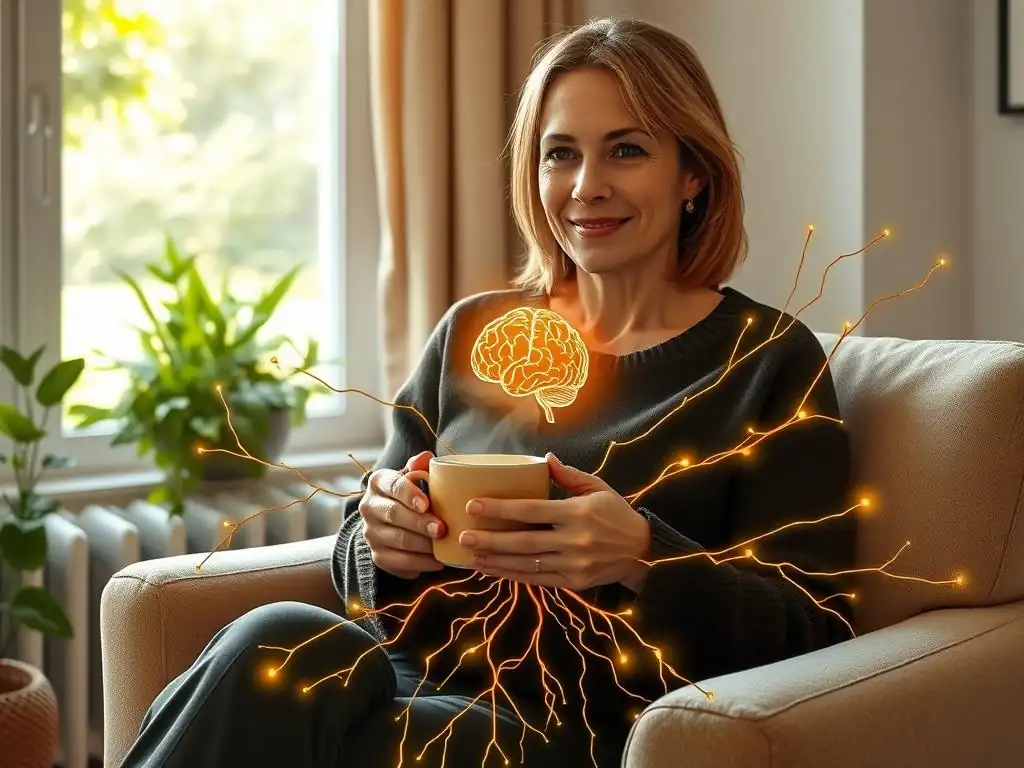
The human body is a complex network of interconnected systems, and emerging research highlights a crucial link between the gut and the brain. This connection, known as the gut-brain axis, involves a bidirectional communication pathway that constantly relays information between the digestive system and the central nervous system. This axis operates through various channels, including neural pathways like the vagus nerve, endocrine signaling involving hormones, and immune system interactions, creating a constant dialogue that influences overall health.
Understanding this intricate connection is vital for appreciating its impact on mental well-being and, specifically, mood disorders. The historical view often separated mental health from physical health, but the gut-brain axis demonstrates how deeply intertwined they are. Disruptions in one system can significantly affect the other, suggesting that addressing gut health could be a valuable strategy in managing conditions like anxiety and depression, which are increasingly recognized as having potential links to gut imbalances.
Understanding the Gut-Brain Connection and Mood Regulation
The Science Behind Gut Health and Mental Health
The scientific basis for the gut-brain connection is robust and growing. One key aspect is the production of neurotransmitters. While the brain is the primary site for many neurotransmitters, an estimated 90% of the body's serotonin, a neurotransmitter crucial for mood, appetite, and sleep, is produced in the gut. Gut microbes can also influence the production of gamma-aminobutyric acid (GABA), an inhibitory neurotransmitter that helps regulate anxiety. These microbial contributions directly impact brain function and mood regulation.
Beyond neurotransmitters, the gut-brain axis involves complex biochemical signaling. Gut bacteria ferment dietary fibers to produce short-chain fatty acids (SCFAs) like butyrate, propionate, and acetate. Butyrate, for instance, serves as a primary energy source for colon cells and plays a role in maintaining the integrity of the gut barrier. These SCFAs can cross the blood-brain barrier and exert neuroprotective effects, influence the production of other brain chemicals, and modulate neuroinflammation, all of which are critical for maintaining healthy mood states.
How Gut Microbiota Influences Brain Function and Mood
The gut microbiota, the trillions of microorganisms residing in the digestive tract, acts as a key player in the gut-brain axis. The composition and diversity of this microbial community have a profound influence on brain function and mood. A diverse and balanced microbiome, rich in beneficial bacteria like Bifidobacterium and Lactobacillus species, is often associated with better mental health outcomes. These beneficial microbes contribute to SCFA production, maintain gut barrier function, and interact favorably with the immune system.
Conversely, imbalances in the gut microbiota, known as dysbiosis, can negatively impact the brain and mood. An overgrowth of certain bacteria or a reduction in beneficial species can lead to increased production of pro-inflammatory molecules, altered neurotransmitter metabolism, and increased gut permeability. These changes can contribute to neuroinflammation and oxidative stress in the brain, pathways increasingly implicated in the development and severity of mood disorders such as depression and anxiety.
The Role of Inflammation in Gut Health and Mood Disorders
Inflammation is a critical link between gut health and mood disorders. When the gut barrier is compromised, a condition sometimes referred to as "leaky gut," bacterial products like lipopolysaccharide (LPS) can cross into the bloodstream. This triggers a systemic inflammatory response throughout the body, including the brain. Chronic, low-grade inflammation is increasingly recognized as a contributing factor in the pathology of depression and anxiety.
Studies have shown that individuals with mood disorders often exhibit elevated levels of inflammatory markers in their blood, such as C-reactive protein (CRP) and interleukin-6 (IL-6). This inflammation can disrupt neurotransmitter function, impair neurogenesis (the growth of new brain cells), and affect neural circuits involved in mood regulation. Addressing gut health to reduce inflammation thus presents a promising avenue for improving symptoms associated with gut health mood disorders.
The Link Between Gut Dysbiosis and Mood Disorders
Identifying Gut Dysbiosis: Symptoms and Diagnosis
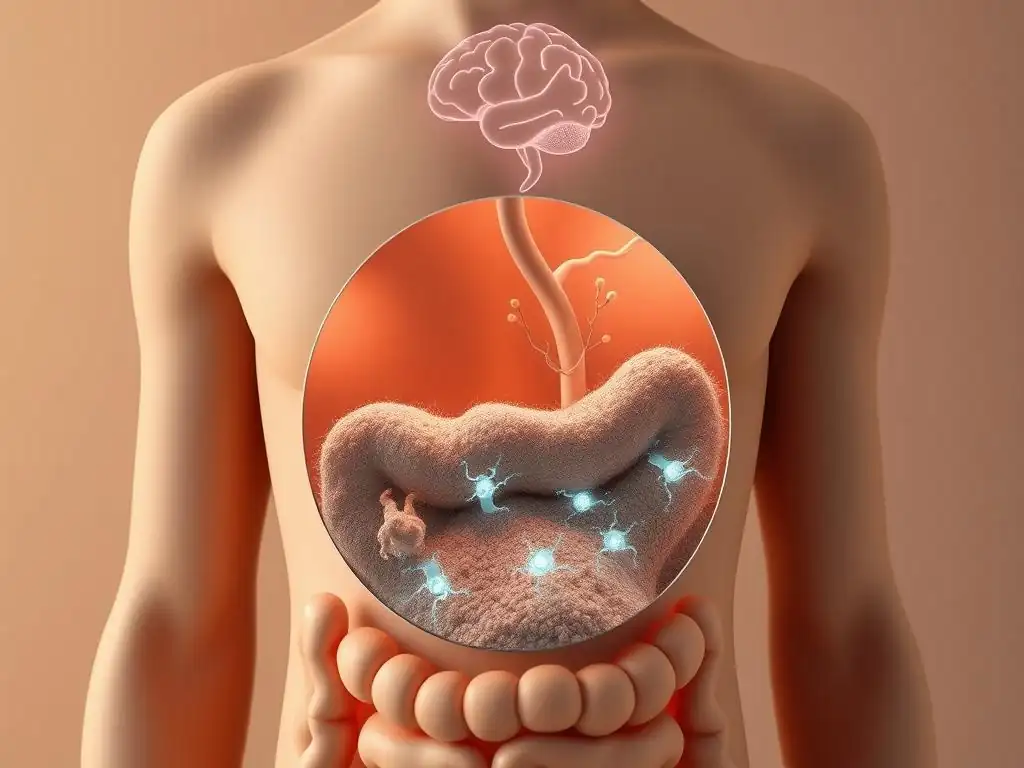
Identifying gut dysbiosis can be challenging as its symptoms are varied and often overlap with other conditions. Common digestive symptoms include bloating, gas, abdominal pain, irregular bowel movements (constipation or diarrhea), and food sensitivities. However, gut dysbiosis can also manifest with non-digestive symptoms such as fatigue, skin issues (like eczema or acne), joint pain, and notably, mood changes like increased anxiety or low mood. These symptoms are non-specific, making clinical assessment crucial.
Diagnostic methods for gut dysbiosis primarily involve clinical evaluation based on symptoms and medical history. Stool testing is also available and can provide a snapshot of the gut microbiome's composition and diversity, as well as markers of inflammation or malabsorption. However, the interpretation of these tests is complex, and the definition of a "healthy" microbiome can vary significantly between individuals. Therefore, stool test results should be viewed as supplementary information and discussed thoroughly with a healthcare professional rather than used for self-diagnosis or treatment.
Specific Mood Disorders Linked to Gut Microbiome Imbalances
Anxiety and Gut Microbiota
Research has established a significant link between the gut microbiota and anxiety. Studies in both animal models and humans have demonstrated that alterations in gut bacteria can influence anxiety-like behaviors and symptoms. For instance, some studies suggest that individuals with anxiety disorders may have reduced diversity in their gut microbiome or altered levels of specific bacteria compared to healthy individuals. The gut's ability to produce neurotransmitters like GABA, which has calming effects, is also influenced by the presence of certain microbial species.
Specific probiotic strains have been investigated for their potential anxiolytic effects. A study involving pregnant women found that supplementation with Lactobacillus rhamnosus HN001 from 35 weeks gestation until six months postpartum reduced scores for anxiety and depression compared to a placebo group. While results are not universal across all studies or strains, this area of research highlights the potential for targeting the gut microbiome to influence anxiety symptoms, underscoring the connection between gut health and mood disorders.
Depression and Gut Microbiota
The association between gut dysbiosis and depression is one of the most widely studied aspects of the gut-brain axis. Numerous studies have observed differences in the gut microbiome composition of individuals with depression compared to non-depressed controls. These differences often include reduced microbial diversity and altered proportions of certain bacterial groups, such as lower levels of beneficial butyrate-producing bacteria like Faecalibacterium prausnitzii or Coprococcus.
Furthermore, research using fecal microbiota transplantation (FMT) in animal models has provided compelling evidence. Transferring gut microbiota from depressed human donors to germ-free animals can induce depressive-like behaviors in the recipient animals, strongly suggesting a causal link. The mechanisms are thought to involve the microbiome's influence on neuroinflammation, stress hormone regulation (via the HPA axis), and metabolism of neurotransmitter precursors like tryptophan, all of which play roles in the complex pathology of depression, linking gut health and mood disorders.
Autism Spectrum Disorder and Gut Microbiota
Individuals with Autism Spectrum Disorder (ASD) frequently experience gastrointestinal issues, leading researchers to investigate the link between the gut microbiome and ASD symptoms. While not strictly a mood disorder, ASD often involves challenges with emotional regulation and can co-occur with anxiety or depression. Studies have identified unique microbial profiles in individuals with ASD, often characterized by reduced diversity or an increased prevalence of certain bacteria, such as some Clostridium species.
The connection between the gut and ASD is hypothesized to involve the production of microbial metabolites that could affect brain development, behavior, and immune function. For example, some gut bacteria produce compounds that might influence neurotransmission or increase gut permeability, leading to inflammation. While research is ongoing and complex, interventions targeting the gut microbiome, such as dietary changes or probiotics, have shown promise in improving GI symptoms and, in some cases, positively impacting certain behavioral aspects in some individuals with ASD, further illustrating the broad impact of gut health on neurological and psychological conditions.
Evidence-Based Gut Health Strategies for Improving Mood
Dietary Interventions for Gut Health and Mood
The Importance of Fiber for Gut Health and Mood Regulation
Dietary fiber is fundamental to maintaining a healthy gut microbiome, serving as the primary fuel source for beneficial bacteria. Consuming adequate amounts of both soluble and insoluble fiber, found abundantly in fruits, vegetables, whole grains, legumes, nuts, and seeds, is crucial. Soluble fiber, in particular, is readily fermented by gut microbes to produce beneficial short-chain fatty acids (SCFAs), such as butyrate.
SCFAs are vital for gut health, strengthening the gut barrier and reducing inflammation. Moreover, they have systemic effects, including direct and indirect influences on brain function and mood. Butyrate can cross the blood-brain barrier and has neuroprotective properties, potentially influencing neurotransmitter activity and reducing neuroinflammation, thereby supporting mood regulation. Unfortunately, average fiber intake in many populations falls significantly below the recommended 25-30 grams per day, highlighting a key area for dietary improvement to support gut health and mood disorders management.
Probiotic-Rich Foods and Supplements: Benefits for Mental Well-being
Probiotics are live microorganisms that, when consumed in sufficient quantities, confer a health benefit to the host. Incorporating probiotic-rich foods into the diet is a natural way to introduce beneficial bacteria. Examples include fermented foods like yogurt with live and active cultures, kefir, sauerkraut, kimchi, tempeh, and miso. These foods can help diversify the gut microbiome and support a healthier microbial balance.
Beyond food, probiotic supplements containing specific strains have been studied for their effects on mental health. Meta-analyses and systematic reviews suggest that certain probiotic strains or multi-strain formulations may help alleviate symptoms of anxiety and depression in some individuals, particularly when used as an adjunct therapy. The mechanisms are thought to involve modulating inflammation, influencing neurotransmitter production, or buffering the stress response. However, the effects are often strain-specific, and results can vary, underscoring the need for personalized approaches when considering probiotics for gut health mood disorders.
Prebiotics: Fueling Beneficial Gut Bacteria for Mood Enhancement
Prebiotics are non-digestible dietary fibers that selectively stimulate the growth and activity of beneficial bacteria in the gut, such as Bifidobacterium and Lactobacillus species. They essentially act as fertilizer for your gut microbes. Excellent sources of prebiotics include onions, garlic, leeks, asparagus, bananas (especially when slightly green), chicory root, dandelion greens, and oats.
Consuming prebiotics helps increase the population of beneficial bacteria, leading to increased production of beneficial SCFAs. Research indicates that prebiotic supplementation can positively influence mood and stress markers in some studies. For example, a study found that supplementation with galactooligosaccharides (GOS) and fructooligosaccharides (FOS) prebiotics over three weeks reduced the cortisol awakening response, a marker of stress. By nourishing the beneficial microbes, prebiotics offer a strategy to indirectly improve gut health and potentially enhance mood regulation.
The Role of a Balanced Diet and Avoiding Processed Foods
Adopting a balanced, whole-foods-based diet is paramount for fostering a healthy gut microbiome and supporting mental well-being. Diets rich in plant-based foods, such as the Mediterranean diet, are high in fiber, prebiotics, vitamins, minerals, and antioxidants, all of which nourish beneficial gut bacteria and reduce inflammation. This type of dietary pattern is consistently associated with a lower risk of depression and anxiety.
Conversely, diets high in processed foods, refined sugars, unhealthy fats, and low in fiber can negatively impact the gut microbiome. These dietary patterns can promote the growth of less beneficial or pro-inflammatory bacteria, reduce microbial diversity, and increase gut permeability, contributing to systemic inflammation. Avoiding or minimizing processed foods is therefore a critical step in supporting gut health and mitigating factors that may contribute to gut health mood disorders.
Lifestyle Factors Impacting Gut Health and Mood
Stress Management Techniques for a Healthy Gut-Brain Axis
Chronic stress is a major disruptor of the gut-brain axis. The constant activation of the stress response system (HPA axis) can alter gut motility, increase gut permeability, and negatively impact the composition and diversity of the gut microbiome. This creates a vicious cycle, as gut dysbiosis can, in turn, amplify the body's stress response. Effectively managing stress is thus crucial for both mental health and gut health.
Incorporating stress reduction techniques into daily life can have a positive impact on both the gut and the brain. Practices such as mindfulness meditation, yoga, deep breathing exercises, spending time in nature, and engaging in hobbies can help calm the nervous system. Studies suggest that stress-reducing interventions can not only improve digestive symptoms often associated with stress but may also positively influence the gut microbiome composition, supporting the bidirectional nature of the gut-brain axis in relation to gut health mood disorders.
The Importance of Sleep for Gut Microbiome Balance
Sleep plays a vital role in regulating numerous bodily functions, including maintaining a healthy gut microbiome. Disrupted sleep patterns, common in individuals with mood disorders, can negatively impact the diversity and composition of gut bacteria. The gut microbiome itself appears to follow a circadian rhythm, and irregular sleep schedules can throw this rhythm off balance, potentially leading to dysbiosis.
Poor sleep is also linked to increased levels of inflammation and stress hormones, both of which are detrimental to gut health and can exacerbate mood symptoms. Prioritizing adequate, quality sleep—aiming for 7-9 hours per night for most adults—can help support a balanced gut microbiome and improve resilience to stress. Establishing a regular sleep schedule and creating a relaxing bedtime routine are practical steps towards optimizing sleep for better gut health and mood.
Exercise and its Positive Effects on Gut Health and Mood
Regular physical activity is well-known for its benefits on mental health, reducing symptoms of anxiety and depression. Increasingly, research shows that exercise also has a positive impact on gut health. Engaging in regular exercise has been linked to increased diversity and abundance of beneficial gut bacteria, including those that produce beneficial SCFAs like butyrate (e.g., Faecalibacterium species).
Exercise contributes to a healthier gut by reducing stress and inflammation, improving gut motility, and potentially altering the gut environment in ways that favor beneficial microbes. Studies comparing athletes to sedentary individuals often show a more diverse microbiome in the active group. Aiming for at least 150 minutes of moderate-intensity aerobic exercise or 75 minutes of vigorous-intensity exercise per week, as recommended by health guidelines, can be a valuable component of a holistic strategy for improving gut health and supporting mood.
Targeted Gut Health Therapies for Mood Disorders
Fecal Microbiota Transplantation (FMT): Research and Applications for Depression
Fecal Microbiota Transplantation (FMT) involves transferring fecal matter containing healthy gut bacteria from a screened donor to a recipient. FMT is an established and highly effective treatment for recurrent Clostridium difficile infection, a severe gut infection. Building on this success and the evidence linking gut dysbiosis to depression, researchers are exploring the potential of FMT as a therapeutic approach for mood disorders.
Preliminary research, primarily in animal models and a few small human studies, has shown some promising results, with FMT appearing to alleviate depressive-like behaviors in animals and showing some potential signals in humans. However, FMT for depression is considered highly experimental and is not a standard clinical treatment. There are significant safety concerns, variability in outcomes, and a lack of large-scale, randomized controlled trials. Any consideration of FMT for mood disorders should strictly be within the context of a clinical research study under rigorous medical supervision.
Antibiotics and Mood: Considerations and Potential Risks
Antibiotics are powerful medications essential for treating bacterial infections, but they can have a significant impact on the gut microbiome. While targeting harmful bacteria, antibiotics often cause a widespread reduction in the diversity and abundance of beneficial gut microbes. This disruption can persist for weeks or even months after a course of antibiotics, potentially leading to gut dysbiosis.
There is growing concern and research into the potential negative impact of antibiotic use on mood and anxiety, possibly mediated by this gut microbiome disruption and subsequent inflammation or changes in neurotransmitter metabolism. While antibiotics are necessary in many cases, their use should be judicious, and strategies to support gut recovery after treatment, such as consuming fermented foods, increasing fiber intake, and potentially using probiotics, are important considerations to mitigate the potential impact on gut health and mood disorders.
Emerging Therapies: Phage Therapy and Precision Probiotics
The field of gut-brain axis research is rapidly advancing, leading to the exploration of novel, targeted therapies for mood disorders. Phage therapy, which uses bacteriophages (viruses that specifically infect and kill bacteria) to target problematic bacterial species, is one such emerging approach. Unlike broad-spectrum antibiotics, phages can be highly specific, potentially allowing for the removal of undesirable bacteria while preserving beneficial ones, offering a more nuanced way to address specific dysbiosis patterns.
Another exciting area is the development of "precision probiotics" or "psychobiotics." This involves identifying specific bacterial strains or consortia of strains that have demonstrated targeted effects on neural pathways or psychological outcomes in research. The goal is to develop highly specific probiotic interventions based on an individual's unique gut microbiome profile and the specific mechanisms implicated in their mood disorder, moving beyond general probiotics to more tailored interventions for gut health mood disorders.
Implementing Gut Health Strategies: A Practical Guide
Assessing Your Gut Health: Stool Testing and Symptom Tracking
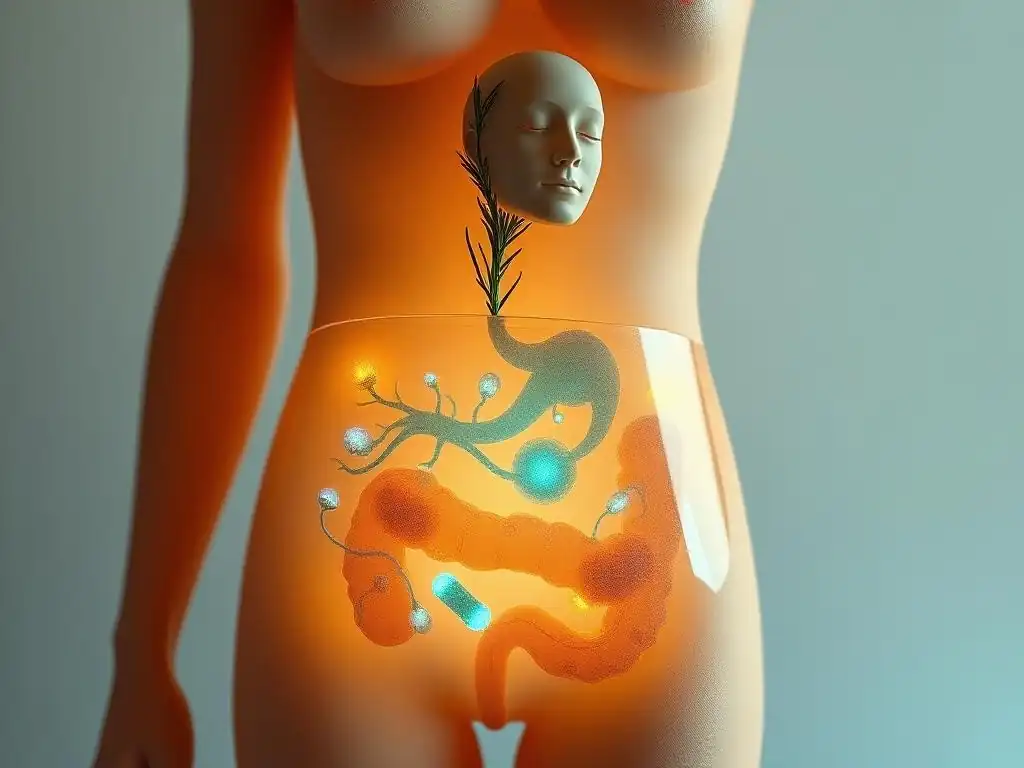
Before implementing gut health strategies for mood management, it can be helpful to assess your current gut health. One practical starting point is diligent symptom tracking. Keeping a detailed diary of your dietary intake, digestive symptoms (bloating, gas, bowel movements), energy levels, and mood fluctuations can reveal patterns and correlations that suggest potential gut issues influencing your mental state. This self-monitoring provides valuable insights.
Commercial stool testing is also available and can provide a snapshot of your gut microbiome composition, diversity, and markers of inflammation or gut function. While these tests can offer interesting data, it is crucial to understand their limitations. The clinical utility of microbiome testing for diagnosing or guiding treatment for mood disorders is not yet fully established, and results can be complex to interpret. If you choose to pursue stool testing, discuss the results thoroughly with a qualified healthcare professional who can help you interpret them in the context of your overall health and symptoms.
Developing a Personalized Gut Health Plan for Mood Management
Gut health is highly individual, meaning that a one-size-fits-all approach is unlikely to be effective for managing gut health mood disorders. Developing a personalized plan is key. This plan should be tailored to your specific symptoms, lifestyle, dietary habits, and any underlying health conditions. It might involve a combination of strategies, such as specific dietary modifications (e.g., increasing fiber, incorporating fermented foods, identifying and eliminating trigger foods), stress reduction techniques, sleep optimization, regular exercise, and potentially targeted supplements like prebiotics or probiotics.
Crucially, this personalized plan should be developed in collaboration with qualified healthcare professionals. Working with a doctor, a registered dietitian specializing in gut health, or a mental health therapist who understands the gut-brain axis can ensure that the strategies are safe, appropriate, and integrated with any existing treatments for mood disorders. Gradual implementation of changes is often more sustainable and allows you to observe the effects of each intervention.
Monitoring Progress and Adjusting Strategies as Needed
Implementing gut health strategies for mood improvement is often an ongoing process that requires patience and monitoring. It's important to track changes in both your digestive symptoms and your mood over time. Keep your symptom diary updated to note any improvements or worsening of symptoms after introducing new dietary changes, supplements, or lifestyle practices. Be mindful that significant shifts in gut health and mood may take weeks or even months to become noticeable.
Regularly reviewing your progress with your healthcare team is essential. Based on how your symptoms are responding and any new information (like follow-up stool testing, if applicable), your personalized plan may need adjustments. What works initially might require tweaking over time. This iterative process of implementing, monitoring, and adjusting strategies is crucial for optimizing the benefits of gut health interventions for managing mood disorders.
The Future of Gut Health Research in Mood Disorders
Ongoing Studies and Emerging Discoveries
The field of gut-brain axis research is one of the most dynamic areas in neuroscience and mental health today. Numerous ongoing studies are actively investigating the precise mechanisms by which the gut microbiome influences brain function and mood. Large-scale cohort studies are tracking populations to identify correlations between microbial profiles and mental health outcomes, while clinical trials are evaluating the efficacy of specific gut-targeted interventions for mood disorders.
Emerging discoveries are shedding light on the complex interactions within the gut microbiome, including the roles of viruses (phages) and fungi, not just bacteria, in influencing the gut-brain axis. Researchers are also exploring the impact of microbial metabolites beyond SCFAs and how they communicate with the nervous and immune systems. These studies are continuously refining our understanding of the intricate relationship between gut health and mood disorders.
Personalized Nutrition and Gut Microbiome Profiling
A significant area of future potential lies in the development of personalized nutrition and gut microbiome profiling for mental health. As our ability to analyze the gut microbiome becomes more sophisticated and the links between specific microbial patterns and health outcomes are better understood, it may become possible to tailor dietary recommendations and lifestyle advice based on an individual's unique microbial signature.
Imagine receiving specific dietary guidelines or recommendations for particular prebiotic or probiotic strains based on a detailed analysis of your gut bacteria profile. While current microbiome testing for clinical purposes related to mood disorders is still in its infancy, advances in sequencing technology, bioinformatics, and clinical validation are moving us closer to a future where personalized gut health strategies, guided by microbiome profiling, could become a standard component of mental health care, offering targeted approaches for gut health mood disorders.
The Potential of Gut-Targeted Therapies for Mental Health
The accumulating evidence on the gut-brain axis highlights the significant potential for gut-targeted therapies to become valuable tools in the prevention and management of mental health conditions, particularly mood disorders. Interventions that modulate the gut microbiome, such as specific dietary patterns, prebiotics, psychobiotics (probiotic strains with documented mental health benefits), postbiotics (beneficial compounds produced by bacteria), or even more advanced therapies, hold promise.
These therapies could potentially offer novel ways to influence brain chemistry, reduce neuroinflammation, modulate the stress response, and improve overall mental well-being, either as standalone treatments or as adjuncts to traditional psychiatric interventions. While much research is still needed to fully realize this potential and establish clinical guidelines, the exploration of gut-targeted approaches represents an exciting frontier in the effort to develop more effective and personalized strategies for addressing gut health mood disorders.
Disclaimer: Consulting with Healthcare Professionals
The Importance of Professional Guidance
The information presented in this article is intended for educational purposes only and should not be taken as medical advice. While exploring the connection between gut health and mood disorders and adopting healthy lifestyle strategies can be beneficial, it is crucial to seek professional guidance for any health concerns or before making significant changes to your diet, lifestyle, or treatment plan.
Mood disorders are complex conditions that require professional diagnosis and management. If you are experiencing symptoms of anxiety, depression, or any other mental health condition, please consult with a qualified healthcare provider, such as a medical doctor, psychiatrist, psychologist, or licensed therapist. They can provide an accurate diagnosis, discuss appropriate treatment options, and help you integrate gut health strategies safely and effectively into your overall care plan.
This Information is Not a Substitute for Medical Advice
This article does not constitute medical advice, diagnosis, or treatment. It is essential to understand that the information provided here is based on current research and general knowledge about the gut-brain axis and its potential link to mood disorders. However, individual responses to dietary changes, supplements, and lifestyle interventions can vary widely.
Therefore, you should not rely solely on the information in this article to make decisions about your health or treatment. Always seek the advice of a qualified health professional with any questions you may have regarding a medical condition or before starting any new treatment, diet, supplement, or exercise program. Self-treating mood disorders based solely on gut health information can be detrimental and may delay appropriate care.
Frequently Asked Questions
How does gut health influence mood disorders, according to the Mind Care Guide?
The Mind Care Guide highlights the gut-brain axis, a communication network where the gut microbiota influences brain function and mood regulation. Imbalances in gut bacteria can trigger inflammation and affect neurotransmitter production, potentially exacerbating mood disorders.
What specific gut health strategies does the article recommend for managing mood disorders?
The article emphasizes strategies like consuming a diverse, fiber-rich diet, incorporating probiotic-rich foods or supplements, and managing stress to positively impact gut health and potentially alleviate mood disorder symptoms.
What types of mood disorders might benefit from improved gut health, according to the Mind Care Guide?
While more research is needed, the article suggests that improved gut health may benefit individuals experiencing anxiety, depression, and other mood-related conditions, as these are often linked to gut dysbiosis.
Is it possible to completely cure a mood disorder solely through gut health interventions?
No. The Mind Care Guide stresses that gut health interventions are a complementary approach to mental well-being. They should be used in conjunction with other evidence-based treatments, such as therapy and medication, as prescribed by a healthcare professional.
The Mind Care Guide provides access to information, support groups, and relevant resources, offering a comprehensive approach to understanding and managing mental well-being in relation to gut health.
Final Reflection: Cultivating a Mind-Gut Connection for Lasting Well-being
The intricate relationship between gut health and mood disorders is no longer a fringe theory; it's a burgeoning field of research with profound implications for mental health treatment. Understanding this connection empowers us to move beyond solely pharmaceutical approaches and embrace a holistic strategy for managing mood disorders, one that prioritizes the often-overlooked powerhouse within us: our gut microbiome. This understanding is crucial in a world increasingly grappling with mental health challenges.
The impact of this research extends far beyond the clinical setting; it's reshaping our understanding of overall well-being. It's prompting a cultural shift, encouraging conversations about the importance of diet, lifestyle, and gut health in maintaining mental equilibrium. This holistic perspective is vital, as it acknowledges the interconnectedness of our physical and mental states. The gut is the second brain,
a phrase often used, highlights the profound influence of our gut microbiome on our cognitive function and emotional regulation. This isn't just about treating symptoms; it's about fostering a deeper understanding of the body's intricate systems and their impact on our mental landscape.
Consider the power you hold in nurturing your own mind-gut connection. You have the ability to influence your gut microbiome through conscious choices about your diet, stress management techniques, and lifestyle habits. Start small: incorporate more fiber-rich foods, explore probiotic-rich options, and prioritize stress-reducing activities like exercise and mindfulness. By actively engaging in these practices, you're not just treating symptoms; you're investing in a healthier, happier future, one where your gut and your mind work in harmonious synergy. Embrace this journey towards a more balanced and resilient you.
Unlock Your Best Mood: Start Your Gut Health Journey Today!
Thanks for taking the time to explore the powerful connection between gut health and mood. You've now learned how nourishing your gut can significantly impact your mental well-being. Ready to take action?
- Prioritize prebiotics and probiotics: Start incorporating fermented foods like yogurt or kimchi into your diet, or consider a high-quality probiotic supplement. This is the key step to cultivating a thriving gut microbiome.
- Track your progress: Keep a food journal for a week, noting how different foods affect your energy levels and mood. This self-awareness will be invaluable!
- Share your experience: Let us know in the comments below how you're feeling – what dietary changes have you already made or are planning to make, and what are you discovering along the way? Let's create a supportive community!
What small, impactful change will you make today to boost your gut health and improve your mood?