
The Lasting Mark: Structural Brain Changes from LongTerm Therapy

Welcome to Mind Care Guide, a place dedicated to understanding and nurturing your mental well-being. Ever wondered if the positive changes you experience in therapy go beyond just feeling better? In our latest article, "The Lasting Mark: Structural Brain Changes from LongTerm Therapy," we delve into the fascinating world of how longterm therapy can actually reshape your brain. Discover the powerful neuroscience behind healing and growth – your journey to understanding starts here.
The Lasting Mark: Structural Brain Changes from Long-Term Therapy for PTSD
- Introduction: Unveiling the Impact of Long-Term Therapy on the Brain in PTSD
- Long-Term Therapy Brain Changes in PTSD: An Overview of Structural Adaptations
- Brain Regions Most Affected by Long-Term Therapeutic Interventions for PTSD
- Brain Scans and Imaging Techniques: Evidence of Long-Term Therapy Brain Changes in PTSD
- Types of Long-Term Therapy and Their Specific Brain Change Effects in PTSD
- Benefits of Structural Brain Changes from Long-Term Therapy for PTSD
- Limitations and Considerations in Studying Long-Term Therapy Brain Changes in PTSD
- Future Directions in Research on Long-Term Therapy Brain Changes in PTSD
- Optimizing Long-Term Therapy for Maximum Brain Change Benefits in PTSD
- Conclusion: The Transformative Power of Long-Term Therapy on the Brain in PTSD
-
Frequently Asked Questions
- What types of therapy are most likely to induce longterm brain changes?
- How long does therapy typically need to last to induce noticeable brain changes?
- What specific brain regions are most commonly affected by longterm therapy?
- Are the longterm brain changes induced by therapy always positive?
- Can these brain changes be reversed if therapy is discontinued?
- Final Reflection: The Enduring Architecture of Healing
- Unlock Your Brain's Potential: Take the Next Step
Introduction: Unveiling the Impact of Long-Term Therapy on the Brain in PTSD
Understanding the Neurobiology of PTSD and Treatment
Post-traumatic stress disorder (PTSD) is a complex mental health condition that arises after experiencing or witnessing a traumatic event. Its impact extends far beyond psychological distress, profoundly altering brain structure and function.
Key regions often implicated include the amygdala, responsible for processing fear; the hippocampus, crucial for memory and context; and the prefrontal cortex, involved in executive functions and emotional regulation. In individuals with PTSD, the amygdala often shows heightened activity, while the hippocampus may be reduced in volume, and the prefrontal cortex can exhibit decreased connectivity or activity, impairing the ability to regulate emotional responses and process trauma memories effectively.
These neurobiological changes contribute directly to the core symptoms of PTSD, such as intrusive thoughts, avoidance behaviors, negative alterations in mood and cognition, and hyperarousal. Effective treatment aims not just to alleviate symptoms but to address these underlying brain alterations. While short-term interventions can provide immediate relief, the enduring nature of these neural shifts often necessitates more sustained approaches, highlighting the potential significance of longterm therapy brain changes. Understanding this neurobiological basis provides a crucial foundation for appreciating how therapeutic interventions can facilitate recovery.
The Growing Importance of Long-Term Therapy in PTSD Management
Given the deep-seated neurobiological impacts of trauma, long-term therapy is increasingly recognized as a cornerstone of comprehensive PTSD management. Unlike shorter interventions focused solely on symptom reduction, prolonged therapeutic engagement allows for deeper processing of traumatic experiences, development of robust coping mechanisms, and gradual restructuring of maladaptive thought patterns and emotional responses. This sustained effort is particularly vital for individuals with complex trauma histories or severe, chronic symptoms that have become deeply embedded in their neural architecture.
The emphasis on long-term approaches stems from the understanding that significant brain changes often require time and consistent effort. Just as physical rehabilitation takes time to rebuild strength and function, psychological recovery and the associated structural brain changes from long-term therapy are not instantaneous. Therapies delivered over several months, or even years in some cases, provide the necessary duration and intensity to foster neuroplasticity – the brain's ability to reorganize itself by forming new neural connections. This prolonged engagement is crucial for facilitating the meaningful and lasting brain changes that support recovery from PTSD.
Long-Term Therapy Brain Changes in PTSD: An Overview of Structural Adaptations
Defining Long-Term Therapy for PTSD: Duration and Therapeutic Approaches
Defining "long-term therapy" in the context of PTSD can vary, but it generally refers to therapeutic engagement that extends beyond the typical 12-20 sessions often associated with brief interventions. For PTSD, long-term therapy might involve 6 months to a year or more of regular sessions, depending on the severity of symptoms, the complexity of trauma, and the specific therapeutic model used. It provides ample time for developing a strong therapeutic alliance, working through multiple layers of trauma, and practicing new skills consistently.
Common therapeutic approaches employed in a long-term format for PTSD include Trauma-Focused Cognitive Behavioral Therapy (TF-CBT), Eye Movement Desensitization and Reprocessing (EMDR), Dialectical Behavior Therapy (DBT), and Narrative Exposure Therapy (NET), among others. While each modality has unique techniques, they often share core principles: creating a safe environment, processing traumatic memories, challenging distorted cognitions, and building emotion regulation and coping skills. The extended duration allows for these processes to unfold gradually and thoroughly, potentially leading to more significant and enduring structural brain changes from long-term therapy.
Exploring Brain Plasticity and its Role in PTSD Recovery
Brain plasticity, or neuroplasticity, is the remarkable ability of the brain to change and adapt throughout life. This includes the formation of new neurons (neurogenesis), the strengthening or weakening of synaptic connections (synaptic plasticity), and the reorganization of neural networks. In the context of PTSD, brain plasticity is a double-edged sword: trauma itself induces maladaptive plastic changes that contribute to symptoms, but therapy leverages the brain's inherent plasticity to facilitate recovery by promoting adaptive changes.
Long-term therapy for PTSD capitalizes on neuroplasticity by providing repeated, structured experiences that challenge trauma-related fear responses, re-contextualize memories, and build new cognitive and emotional regulation skills. For example, exposure components in therapy help extinguish fear responses associated with trauma cues, while cognitive restructuring helps alter negative beliefs about oneself, others, and the world. These consistent, therapeutic experiences create new neural pathways and modify existing ones, leading to observable structural brain changes from long-term therapy. The duration of long-term therapy is crucial because significant neural reorganization takes time and sustained effort.
Brain Regions Most Affected by Long-Term Therapeutic Interventions for PTSD
The Prefrontal Cortex: Enhancing Executive Function and Trauma Processing Through Therapy
The prefrontal cortex (PFC), particularly the medial prefrontal cortex (mPFC) and orbitofrontal cortex (OFC), plays a crucial role in higher-order cognitive functions such as decision-making, working memory, and emotional regulation. In individuals with PTSD, these areas often show decreased activity and reduced connectivity with limbic regions like the amygdala. This impairment contributes to difficulty regulating intense emotions, processing trauma-related information rationally, and inhibiting maladaptive behaviors.
Research using neuroimaging techniques suggests that long-term therapy for PTSD can help restore function and connectivity in the PFC. Studies comparing pre- and post-treatment brain scans often report increased activity or volume in certain prefrontal subregions after successful therapy. This suggests that prolonged therapeutic engagement strengthens the PFC's capacity to exert top-down control over reactive emotional responses originating in the amygdala. These structural brain changes from long-term therapy in the PFC are thought to underlie improvements in emotional regulation, impulse control, and the ability to process trauma memories in a more integrated and less overwhelming manner.
The Amygdala: Reducing Fear and Anxiety Responses with Prolonged Treatment in PTSD
The amygdala is a small, almond-shaped structure deep within the temporal lobe that is central to processing fear and threat detection. In individuals with PTSD, the amygdala often exhibits hyperresponsivity to trauma-related stimuli and sometimes even neutral cues, leading to exaggerated fear, anxiety, and hypervigilance. This overactivity drives many of the core symptoms, such as flashbacks, nightmares, and intense distress when reminded of the trauma.
Long-term therapy for PTSD, particularly exposure-based approaches, aims to reduce this excessive amygdala activity. Through repeated, safe exposure to trauma memories or cues within a therapeutic context, the individual learns that these stimuli are no longer associated with immediate danger. This process, known as extinction learning, is mediated by the prefrontal cortex inhibiting the amygdala response.
Neuroimaging studies following long-term therapy often show a reduction in amygdala reactivity to trauma-related stimuli. These observed structural brain changes from long-term therapy, or more accurately, functional and potentially subtle structural adaptations within the amygdala and its connections, are critical for diminishing the intensity and frequency of fear and anxiety responses in PTSD.
The Hippocampus: Strengthening Memory and Contextualization in PTSD Therapy
The hippocampus, located near the amygdala, is vital for forming new memories, retrieving existing ones, and contextualizing experiences in time and place. In many individuals with PTSD, the hippocampus is smaller in volume compared to healthy controls. This reduction is thought to impair the ability to distinguish between past trauma and present safety, leading to difficulties in contextualizing trauma memories (e.g., remembering that the event is over and happened in the past) and contributing to symptoms like flashbacks where the past feels like the present.
Long-term therapy for PTSD can positively impact the hippocampus. While some studies report volume increases, others highlight improved function and connectivity. Therapeutic techniques that involve recounting the trauma narrative or placing the event within a coherent life story can help integrate fragmented trauma memories and improve their contextualization.
This process is believed to rely on and potentially enhance hippocampal function. The structural brain changes from long-term therapy observed in the hippocampus, even if subtle volume changes or improved connectivity, are crucial for restoring a sense of safety, reducing memory intrusions, and allowing the individual to differentiate past trauma from present reality.
Brain Scans and Imaging Techniques: Evidence of Long-Term Therapy Brain Changes in PTSD
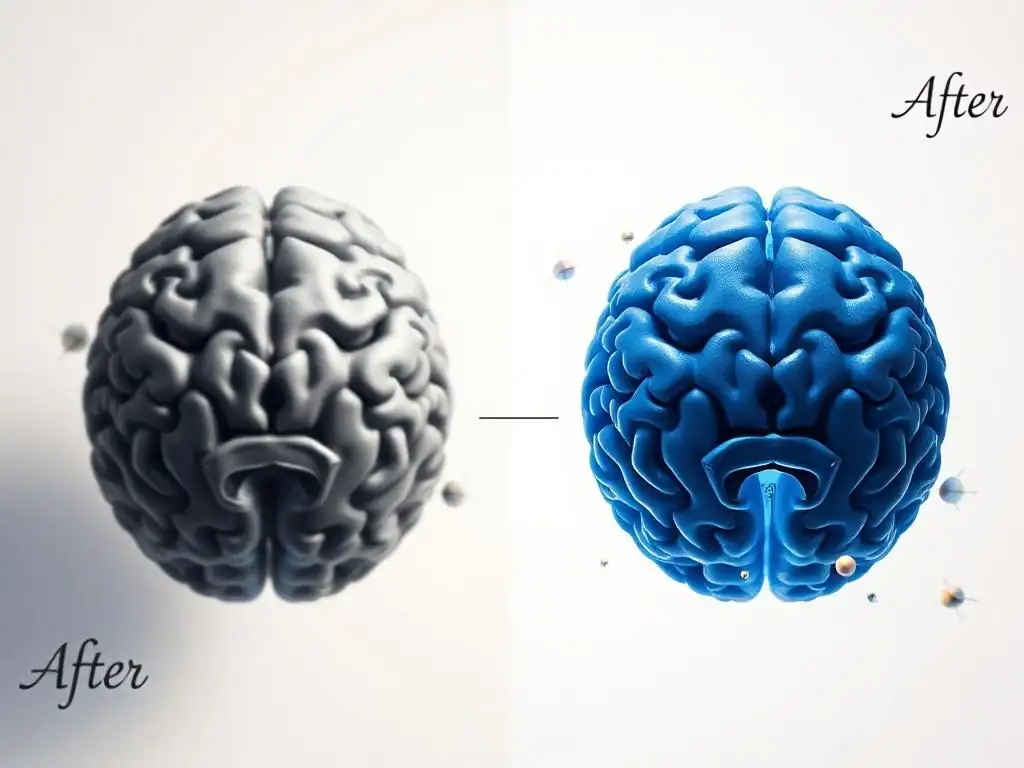
MRI Studies: Visualizing Structural Changes in the Brain After PTSD Therapy
Magnetic Resonance Imaging (MRI) is a non-invasive imaging technique that uses strong magnetic fields and radio waves to create detailed images of brain structures. Structural MRI can measure the size (volume) and shape of different brain regions. In the context of PTSD, structural MRI studies have been instrumental in identifying baseline differences, such as reduced hippocampal volume, in individuals with the disorder compared to those without.
Crucially, longitudinal structural MRI studies track these measures in the same individuals before and after receiving long-term therapy for PTSD. These studies have provided some of the most compelling evidence for structural brain changes from long-term therapy. While findings can vary, some research indicates increases in gray matter volume in areas like the hippocampus and prefrontal cortex following successful treatment. Observing these structural adaptations provides tangible evidence that therapeutic interventions are not just changing how someone feels but are associated with physical changes in the brain itself.
fMRI Research: Mapping Functional Connectivity Changes in PTSD Brain Networks
Functional Magnetic Resonance Imaging (fMRI) measures brain activity by detecting changes in blood flow. It allows researchers to see which brain regions are active during specific tasks or in resting states, and how different regions communicate with each other (functional connectivity). fMRI studies have revealed dysfunctional brain networks in PTSD, such as exaggerated connectivity between the amygdala and sensory cortices, and reduced connectivity between the prefrontal cortex and the amygdala.
Long-term therapy for PTSD has been shown via fMRI to normalize some of these network abnormalities. Studies often report decreased amygdala reactivity and increased connectivity between the prefrontal cortex and the amygdala after treatment, indicating improved top-down emotional regulation. Furthermore, changes in connectivity within the default mode network (involved in self-referential thought and memory) and salience network (involved in detecting important stimuli) have also been observed. These fMRI findings provide dynamic evidence of how long-term therapy facilitates adaptive changes in brain function and communication pathways, complementing the structural brain changes from long-term therapy seen with MRI.
PET Scans: Examining Metabolic Activity and Neurotransmitter Changes in PTSD Treatment
Positron Emission Tomography (PET) scans use radioactive tracers to measure metabolic activity, blood flow, or the distribution of specific molecules like neurotransmitters in the brain. While less common in therapy outcome studies than MRI or fMRI, PET can provide unique insights into the neurochemical changes associated with PTSD and its treatment. For instance, PET can be used to study the activity of neurotransmitter systems like serotonin, dopamine, or glutamate, which are implicated in mood, fear, and learning.
Studies using PET have explored changes in regional glucose metabolism (an indicator of neural activity) and neurotransmitter receptor binding after long-term therapy for PTSD. For example, some research has investigated changes in serotonin transporter binding in brain regions like the amygdala and hippocampus following treatment, as serotonin plays a role in mood and anxiety. While specific data is still emerging, PET offers the potential to reveal the underlying neurochemical mechanisms that contribute to the observed structural brain changes from long-term therapy and functional improvements in individuals recovering from PTSD.
Types of Long-Term Therapy and Their Specific Brain Change Effects in PTSD
Trauma-Focused Cognitive Behavioral Therapy (TF-CBT): Strengthening Cognitive Control and Trauma Integration
Trauma-Focused Cognitive Behavioral Therapy (TF-CBT) is a well-established, evidence-based treatment for PTSD, particularly effective in children and adolescents but adapted for adults. It typically involves components such as psychoeducation, parenting skills (when applicable), relaxation techniques, affective modulation skills, cognitive processing of trauma, trauma narrative development, in vivo exposure, and conjoint child-parent sessions (when applicable). While often delivered over 12-20 sessions, adaptations for complex trauma can extend its duration, making it a form of long-term therapy.
TF-CBT's focus on cognitive processing and exposure is believed to influence specific brain circuits. The cognitive components, which involve identifying and challenging distorted thoughts about the trauma, are thought to strengthen the prefrontal cortex's ability to regulate emotional responses. Developing the trauma narrative and engaging in exposure exercises likely impacts the amygdala (reducing fear conditioning) and the hippocampus (improving memory contextualization). Research on the structural brain changes from long-term therapy using TF-CBT specifically has shown associations with changes in prefrontal cortex activity and connectivity, supporting the idea that challenging maladaptive cognitions and safely processing memories fosters adaptive neural reorganization.
Eye Movement Desensitization and Reprocessing (EMDR): Fostering Adaptive Information Processing
Eye Movement Desensitization and Reprocessing (EMDR) is another evidence-based therapy for PTSD that involves recalling distressing trauma memories while simultaneously engaging in bilateral stimulation, such as side-to-side eye movements, tapping, or auditory tones. The theory behind EMDR is that this process facilitates the brain's natural ability to process and integrate traumatic memories that may have been improperly stored. While protocols can be as short as 8-12 sessions, complex trauma often requires extended treatment, qualifying it as a long-term therapy approach for many.
The bilateral stimulation in EMDR is hypothesized to mimic the processing that occurs during REM sleep, helping to "digest" unprocessed traumatic memories. Neuroimaging studies investigating EMDR's impact have explored changes in brain activity patterns during memory recall.
Some findings suggest that EMDR might reduce activity in the limbic system (including the amygdala) and increase activity in the prefrontal cortex when recalling trauma memories after successful treatment. While the precise mechanisms are still being researched, these potential structural brain changes from long-term therapy with EMDR are thought to reflect a shift from a state of unprocessed, emotionally charged memory to one that is integrated and less distressing.
Narrative Exposure Therapy (NET): Promoting Trauma Memory Integration and Meaning-Making
Narrative Exposure Therapy (NET) is a manualized treatment specifically designed for individuals who have experienced multiple and complex traumas, such as refugees or survivors of organized violence. NET involves constructing a detailed, chronological narrative of the individual's life, focusing on traumatic experiences while also highlighting positive events and experiences of resilience. The therapist helps the client process the emotions and sensations associated with each traumatic event within the context of their entire life story.
NET's emphasis on creating a coherent life narrative and integrating traumatic events into a broader context likely impacts brain regions involved in memory, self-representation, and emotional processing, particularly the hippocampus and medial prefrontal cortex. By helping individuals reconstruct their life story and place traumatic events in the past, NET can facilitate a shift from fragmented, intrusive memories to integrated, contextualized ones.
While specific neuroimaging research on structural brain changes from long-term therapy using NET is less extensive than for TF-CBT or EMDR, the theoretical underpinnings suggest it would promote adaptive changes in memory processing networks and the brain's capacity for autobiographical memory.
Benefits of Structural Brain Changes from Long-Term Therapy for PTSD
Improved Emotional Regulation and Trauma Processing
One of the most significant benefits of the structural brain changes from long-term therapy in PTSD is the marked improvement in emotional regulation. As connectivity between the prefrontal cortex and the amygdala is strengthened and amygdala hyperreactivity is reduced, individuals become better equipped to manage intense emotions triggered by trauma reminders. Instead of being overwhelmed by fear, panic, or anger, they can access their cognitive resources to appraise the situation more calmly and choose more adaptive responses.
This enhanced emotional regulation is intrinsically linked to improved trauma processing. With a more controlled emotional landscape, individuals can engage more effectively with therapeutic techniques that involve confronting and processing traumatic memories. The brain changes facilitate a shift from avoidance and overwhelming distress to a state where memories can be examined, understood, and integrated without triggering a full-blown panic response. This allows for the gradual dismantling of the trauma's power and a reduction in associated symptoms like flashbacks and hyperarousal.
Enhanced Cognitive Function and Decision-Making in Traumatic Contexts
The positive impact of long-term therapy on the prefrontal cortex contributes directly to enhanced cognitive function, particularly in situations that might previously have triggered trauma responses. Individuals with PTSD often experience difficulties with concentration, memory, and decision-making, especially when under stress or exposed to trauma cues. As the prefrontal cortex's function and connectivity improve, these cognitive deficits can lessen.
This means individuals may find it easier to focus, retain information, and make sound decisions even in challenging or potentially triggering environments. The structural brain changes from long-term therapy help restore the brain's capacity for executive functions, allowing for more flexible thinking and problem-solving. This enhanced cognitive capacity is crucial for navigating daily life, managing stress, and preventing relapse by enabling more adaptive responses to potential triggers.
Reduction in Symptoms of PTSD and Co-occurring Disorders
Ultimately, the most impactful benefit of the structural brain changes from long-term therapy for PTSD is the significant reduction in the severity and frequency of PTSD symptoms. As the brain's fear response system becomes less reactive (amygdala), emotional regulation improves (PFC), and memory becomes better contextualized (hippocampus), the core symptoms of re-experiencing, avoidance, negative alterations in mood/cognition, and hyperarousal tend to decrease.
Furthermore, PTSD frequently co-occurs with other mental health conditions such as depression, anxiety disorders, and substance use disorders. The positive structural brain changes from long-term therapy can also have a beneficial ripple effect on these co-occurring conditions. Improvements in emotional regulation, reduced anxiety, and enhanced coping skills fostered by therapy and reflected in brain changes can lead to a decrease in depressive symptoms, less reliance on substances for coping, and an overall improvement in global mental well-being.
Limitations and Considerations in Studying Long-Term Therapy Brain Changes in PTSD

Variability in Individual Brain Responses to PTSD Therapy
While research indicates general patterns of structural brain changes from long-term therapy in PTSD, it's crucial to acknowledge the significant variability in individual responses. Not everyone with PTSD responds to the same therapy in the same way, and consequently, the specific brain changes observed can differ from person to person. Factors such as the nature and severity of the trauma, the individual's genetic predisposition, their overall health, resilience factors, and the quality of the therapeutic relationship can all influence how the brain responds to treatment.
Some individuals may show pronounced changes in hippocampal volume, while others exhibit more significant shifts in prefrontal-amygdala connectivity. This variability underscores the complexity of PTSD and its treatment. It suggests that while understanding general principles of long-term therapy brain changes is valuable, a personalized approach considering individual differences in brain response may be necessary for optimizing treatment outcomes in the future.
Challenges in Controlling for Trauma History and Comorbidity
Studying the specific structural brain changes from long-term therapy in PTSD is complicated by the inherent nature of the disorder itself. Individuals with PTSD often have complex trauma histories, potentially involving multiple traumatic events occurring at different developmental stages. The impact of these varied experiences on baseline brain structure and function can differ significantly, making it challenging to isolate the specific changes attributable solely to the therapy received.
Additionally, comorbidity is high in PTSD, with individuals frequently experiencing co-occurring depression, anxiety, substance use disorders, or traumatic brain injury (TBI). These conditions can also influence brain structure and function independently. Researchers face the difficult task of designing studies that can effectively account for these confounding factors, ensuring that the observed structural brain changes from long-term therapy are indeed a result of the therapeutic intervention for PTSD rather than the influence of other factors or conditions.
Ethical Considerations in Brain Imaging Research with Trauma Survivors
Conducting brain imaging research with trauma survivors requires careful consideration of ethical implications. Participating in studies that involve discussing or thinking about trauma can be re-traumatizing for some individuals, especially in the potentially confining and noisy environment of an MRI scanner. Researchers must prioritize the safety and well-being of participants, implementing robust screening procedures, providing thorough informed consent that explains potential risks, and ensuring access to support resources.
Furthermore, interpreting and communicating findings about structural brain changes from long-term therapy must be done responsibly. Attributing specific brain differences solely to trauma or therapy without nuance can be stigmatizing or create unrealistic expectations about treatment outcomes. Ethical research practices emphasize respecting participant autonomy, minimizing distress, and ensuring that findings are disseminated in a way that is empowering and destigmatizing for trauma survivors.
Future Directions in Research on Long-Term Therapy Brain Changes in PTSD
Exploring Personalized Therapy Approaches Based on Brain Imaging for PTSD
A key future direction in research on structural brain changes from long-term therapy is the potential for personalized treatment approaches. Given the noted variability in how individuals' brains respond to therapy, future studies may investigate whether baseline brain imaging patterns can predict which type of long-term therapy is most likely to be effective for a specific individual with PTSD. For example, someone with pronounced amygdala hyperreactivity might benefit more from exposure-based therapies, while someone with significant prefrontal deficits might benefit more from cognitive processing techniques.
This research could pave the way for "precision mental health," where brain imaging is used not just to understand general mechanisms but to inform clinical decision-making. While still in its early stages, exploring how specific structural brain changes from long-term therapy relate to individual patient characteristics and treatment outcomes could revolutionize PTSD care, moving towards tailoring interventions to the individual's unique neurobiological profile.
Investigating the Role of Genetics and Epigenetics in Treatment Response to PTSD Therapy
The interplay between an individual's genetic makeup, epigenetic modifications (changes in gene expression not caused by alterations in the DNA sequence), and their response to long-term therapy for PTSD is another critical area for future research. Genetic variations can influence baseline brain structure and function, as well as affect neurotransmitter systems targeted by therapeutic interventions. Epigenetic changes, which can be influenced by trauma itself, may also impact brain plasticity and the capacity for therapeutic change.
Future studies could explore how specific genetic markers or epigenetic patterns correlate with the magnitude or nature of structural brain changes from long-term therapy. Understanding this interplay could help identify individuals who may be more or less likely to benefit from standard long-term therapies or who might require adjunctive treatments. This research holds the promise of uncovering biological predictors of treatment response and developing more targeted interventions.
Developing Novel Interventions to Enhance Brain Plasticity and Resilience in Trauma
Building on the understanding of how long-term therapy promotes adaptive brain plasticity, future research aims to develop novel interventions specifically designed to enhance these processes. This could involve exploring adjunctive treatments like aerobic exercise, mindfulness practices, yoga, or even pharmacological agents (like certain neurotrophic factors or plasticity enhancers) that have been shown to promote neuroplasticity in animal models or other conditions.
The goal would be to potentially accelerate or amplify the positive structural brain changes from long-term therapy. Research in this area would need to carefully evaluate the safety and efficacy of such combined approaches. Exploring how these novel interventions interact with evidence-based psychotherapies at a neurobiological level could lead to more potent and efficient strategies for promoting recovery and building long-term resilience in individuals affected by trauma.
Optimizing Long-Term Therapy for Maximum Brain Change Benefits in PTSD
The Importance of Therapist-Patient Relationship and Trauma-Informed Care
Beyond the specific techniques employed, the quality of the therapist-patient relationship is a profoundly influential factor in the success of long-term therapy for PTSD and, by extension, the associated structural brain changes. A safe, trusting, and empathetic therapeutic alliance provides the secure base necessary for individuals to engage in the challenging work of processing trauma. Trauma-informed care principles, which emphasize safety, trustworthiness, peer support, collaboration, empowerment, and cultural humility, are essential for creating this environment.
When individuals feel safe and understood, their nervous system is better regulated, reducing the chronic stress response that can impede therapeutic progress and brain plasticity. A strong alliance facilitates open communication, allows for challenges to be navigated effectively, and increases adherence to treatment protocols. This consistent, positive relational experience in itself can be a powerful corrective experience that promotes adaptive neural changes, contributing significantly to the observed structural brain changes from long-term therapy.
Integrating Mindfulness and Body-Based Techniques to Boost Brain Plasticity in PTSD
Integrating mindfulness and body-based techniques into long-term therapy for PTSD can potentially enhance brain plasticity and treatment outcomes. Practices like mindfulness meditation, yoga, or somatic experiencing focus on increasing present-moment awareness and regulating the nervous system through attention to bodily sensations. Trauma often disrupts the mind-body connection and leads to chronic states of hyperarousal or hypoarousal.
These techniques can help individuals cultivate a greater sense of safety in their bodies, improve interoceptive awareness (the ability to sense internal bodily states), and enhance emotional regulation. Research suggests that mindfulness and body-based practices can positively impact brain regions involved in attention, emotion regulation, and self-awareness, such as the insula, anterior cingulate cortex, and prefrontal cortex. Incorporating these elements into long-term therapy may provide additional pathways for promoting adaptive structural brain changes and enhancing the brain's capacity for healing from trauma.
Discuss the Role of Medication in Conjunction with Therapy and its Impact on Brain Changes in PTSD
For many individuals with PTSD, medication is used in conjunction with psychotherapy, particularly to manage debilitating symptoms like severe anxiety, depression, or sleep disturbances. Selective serotonin reuptake inhibitors (SSRIs), for example, are commonly prescribed and are thought to exert their effects by altering serotonin levels in the brain, impacting mood and anxiety circuits. While medication primarily targets neurochemical imbalances, it can also indirectly influence brain structure and function over time.
The combined effect of medication and long-term therapy on structural brain changes in PTSD is an area of ongoing research. Some studies suggest that the combination might lead to different or potentially more robust brain changes compared to either intervention alone, possibly by creating a neurobiological environment more conducive to therapeutic processing and plasticity.
For instance, medication might reduce symptom severity enough to allow an individual to fully engage in therapy, thereby indirectly facilitating the structural brain changes from long-term therapy that are driven by psychological processing. Discussing the role and potential neurobiological impact of medication is a crucial part of comprehensive PTSD care.
Conclusion: The Transformative Power of Long-Term Therapy on the Brain in PTSD
Emphasizing the Potential for Lasting Recovery and Resilience
The evidence from neuroimaging research provides compelling support for the transformative power of long-term therapy in treating PTSD. It moves beyond simply observing symptom reduction to demonstrating that these therapies are associated with tangible, positive structural brain changes. Seeing improvements in brain regions like the prefrontal cortex, amygdala, and hippocampus offers hope and validates the hard work undertaken in therapy. These changes are not superficial; they represent a fundamental shift in how the brain processes threat, regulates emotion, and contextualizes memory.
This understanding underscores the potential for lasting recovery and resilience following trauma. It shows that the brain is not permanently damaged by trauma but possesses an incredible capacity for healing and reorganization through focused, sustained therapeutic effort. The structural brain changes from long-term therapy are physical manifestations of psychological healing, indicating that individuals can move from a state of chronic dysregulation to one of greater stability, control, and well-being.
Call to Action for Seeking Long-Term Trauma-Focused Therapy When Appropriate
For individuals struggling with the enduring impact of PTSD, understanding the potential for positive structural brain changes from long-term therapy can be a powerful motivator. It highlights that recovery is not just possible but is supported by the brain's own capacity for adaptation. If you are experiencing symptoms of PTSD, seeking professional help is a vital step towards healing.
Consider exploring long-term, trauma-focused therapies like TF-CBT, EMDR, or NET with a qualified mental health professional experienced in treating trauma. These evidence-based approaches offer the depth and duration often necessary to facilitate the profound psychological and neurobiological shifts associated with recovery. Investing in long-term therapy is an investment in your brain's capacity to heal, offering the potential for lasting relief from symptoms and a return to a life lived more fully and freely from the grip of trauma.
Frequently Asked Questions
What types of therapy are most likely to induce longterm brain changes?
Cognitive Behavioral Therapy (CBT) and psychodynamic therapy are often cited as leading to structural changes. These therapies focus on reshaping thought patterns and exploring underlying emotional issues. The duration and intensity are key factors.
How long does therapy typically need to last to induce noticeable brain changes?
Significant structural changes are usually observed after a prolonged period of therapy, often a year or more. The individual's response and the specific therapy type play a role.
What specific brain regions are most commonly affected by longterm therapy?
The prefrontal cortex, amygdala, and hippocampus are frequently implicated. These areas are associated with emotional regulation, memory, and cognitive processing.
Are the longterm brain changes induced by therapy always positive?
Generally, the goal of therapy is to induce positive changes that promote mental well-being. However, the effectiveness can vary, and it's crucial to monitor progress with a qualified therapist.
Can these brain changes be reversed if therapy is discontinued?
While some changes may persist, the brain's neuroplasticity means it can continue to adapt. Continued self-care and coping strategies can help maintain the benefits achieved in therapy.
Final Reflection: The Enduring Architecture of Healing
The transformative power of long-term therapy is not merely a feeling; it's a demonstrable, physical reshaping of the brain. This article has explored the compelling evidence showing how sustained therapeutic intervention literally rewires neural pathways, offering hope and a deeper understanding of the profound impact of consistent mental health care. The implications are far-reaching, challenging outdated perceptions of mental illness and highlighting the brain's remarkable plasticity.
The journey of healing, as revealed by these studies, is a testament to the human spirit's resilience and the brain's capacity for growth. It's a deeply personal journey, one that I've witnessed both professionally and personally. The changes aren't just about symptom reduction; they're about building a stronger, more resilient self. The brain that heals is not the same brain that was wounded. It is stronger, more resilient, and wiser.
This quote encapsulates the essence of the long-term therapeutic process, highlighting the positive, lasting changes that extend beyond the initial challenges.
Consider the implications of this research for your own life, and for the lives of those around you. Are you, or someone you know, struggling with a mental health challenge? Don't underestimate the power of consistent, long-term therapeutic support. Embrace the journey of healing, knowing that it's not just about managing symptoms, but about building a healthier, more resilient brain and a more fulfilling life. The architecture of your mind is malleable; let's build it together, one therapeutic session at a time.
Unlock Your Brain's Potential: Take the Next Step
Thanks for exploring the fascinating world of long-term therapy and its impact on brain structure! We hope you gained valuable insights into the lasting positive changes therapy can create. Now it's time to turn that knowledge into action.
- Schedule a consultation: Take the first step towards transformative change. Reach out to a therapist and begin your journey to a healthier, more resilient you.
- Share your thoughts: Let's start a conversation! Share your experiences or questions in the comments below. What resonated most with you from this article?
- Explore further: Dive deeper into the research. Search for studies on neuroplasticity and long-term therapeutic interventions to expand your understanding.
Ready to begin your own journey of personal growth and brain optimization? What's one small step you can take today to invest in your mental well-being?