
The Latest Research: Unveiling the Complex Link Between PFC, Depression, and Executive Function

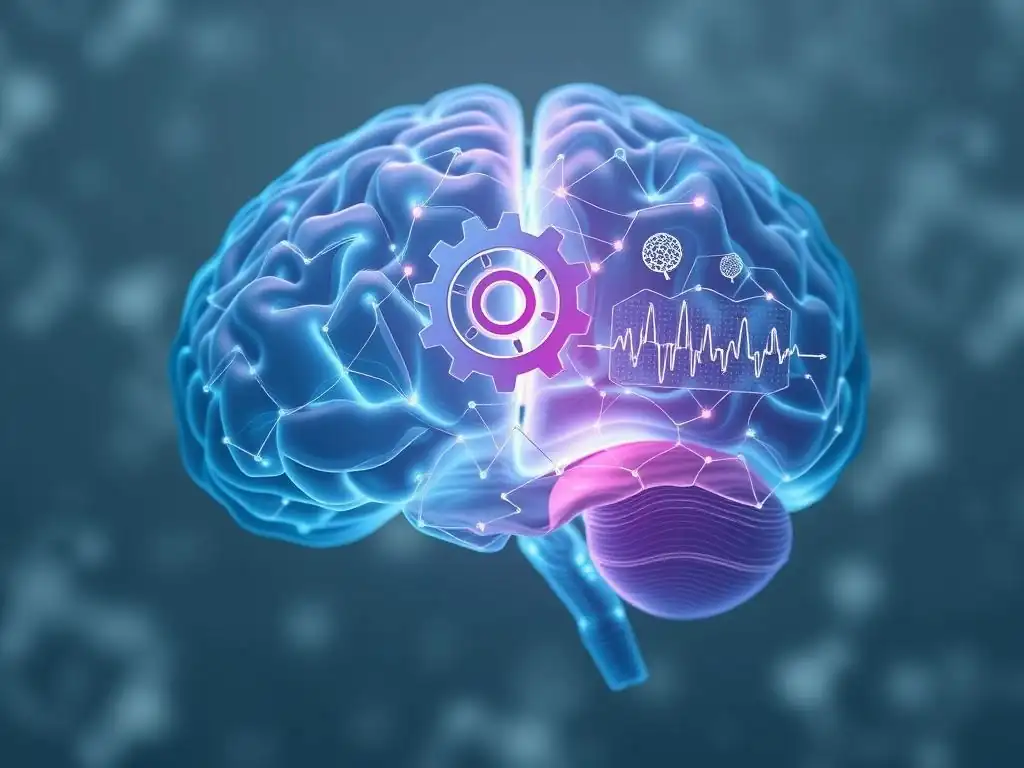
Welcome to Mind Care Guide, a space dedicated to understanding and nurturing your mental well-being.
Feeling lost in the complexities of depression and its impact on your mind? You're not alone. We delve into the intricate world of neuroscience to bring you the latest findings. This month, we're exploring the fascinating connection between the PFC, depression, and executive function research. Discover how this cutting-edge science sheds light on the challenges you might be facing and, more importantly, opens pathways to hope and healing. Ready to unravel the mystery?
- The Latest Research: Unveiling the Complex Link Between PFC, Depression, and Executive Function
- Depression's Impact on the Prefrontal Cortex: What the Research Shows
- Executive Function Deficits in Depression: A Key Symptom
- The Interplay: PFC, Depression, and Executive Function – A Complex Relationship
- Latest Research on PFC Activity, Depression, and Executive Function
- Therapeutic Approaches Targeting the PFC to Improve Executive Function and Alleviate Depression
- The Future of PFC, Depression, and Executive Function Research
- Practical Strategies for Supporting Executive Function in Depression
- Conclusion: Optimizing PFC Function for Enhanced Mental Well-being
-
Frequently Asked Questions
- What is the role of the Prefrontal Cortex (PFC) in depression, according to recent research?
- How does impaired executive function relate to depression, as highlighted by Mind Care Guide?
- What specific "PFC depression executive function research" findings are most significant?
- What resources does Mind Care Guide offer for understanding and addressing PFC-related challenges in depression?
- How can I use the information from "The Latest Research: Unveiling the Complex Link Between PFC, Depression, and Executive Function" to improve my mental well-being?
- Final Reflection: Reclaiming Executive Function: The PFC, Depression, and the Path Forward
- Unlock Your Brain's Potential: Boosting Executive Function
The Latest Research: Unveiling the Complex Link Between PFC, Depression, and Executive Function
The Crucial Functions of the Prefrontal Cortex
The prefrontal cortex (PFC) is the most anterior part of the frontal lobe of the brain, often considered the brain's "command center" for complex cognitive, emotional, and behavioral regulation. It is fundamentally involved in a wide array of higher-order mental processes essential for daily functioning and overall mental well-being.
These crucial functions include planning, decision-making, working memory (holding information in mind to use it), inhibitory control (resisting impulses), cognitive flexibility (switching between tasks or thoughts), and goal-directed behavior. Specific sub-regions within the PFC, such as the dorsolateral PFC (dlPFC) and ventromedial PFC (vmPFC), are specialized for different aspects of these functions, with the dlPFC being more associated with cold cognition and executive control, while the vmPFC is heavily involved in emotional regulation and value-based decision-making.
Research utilizing neuroimaging techniques like functional magnetic resonance imaging (fMRI) and electroencephalography (EEG) has consistently demonstrated the PFC's activation during tasks requiring focused attention, problem-solving, and emotional processing. For instance, studies show robust dlPFC activity when individuals engage in tasks that require maintaining and manipulating information in working memory, such as remembering a sequence of numbers or planning a complex route. The integrity and efficient functioning of the PFC are therefore paramount for navigating the complexities of life, regulating emotions effectively, and maintaining cognitive control over one's thoughts and actions.
How PFC Dysfunction Impacts Cognitive Abilities
When the prefrontal cortex is not functioning optimally, a wide range of cognitive abilities can be significantly impaired. This dysfunction can manifest as difficulties in initiating tasks, poor organization, reduced ability to plan for the future, and struggles with decision-making, even for relatively simple choices. Individuals might find it hard to focus attention, easily get distracted, and struggle to switch between different ideas or activities, demonstrating a lack of cognitive flexibility. Inhibitory control is also often compromised, leading to impulsive behaviors or difficulty suppressing unwanted thoughts or actions.
These cognitive deficits stemming from PFC dysfunction have profound implications for daily life, affecting academic performance, work productivity, social interactions, and the ability to manage personal responsibilities. For example, someone with PFC impairment might struggle to meet deadlines, organize their finances, or control emotional outbursts. Understanding how PFC dysfunction impacts these executive functions is a critical area of PFC depression executive function research, shedding light on the biological underpinnings of cognitive struggles observed in various mental health conditions.
Depression's Impact on the Prefrontal Cortex: What the Research Shows
The Neurobiology of Depression and PFC Activity
Major Depressive Disorder (MDD) is a complex mood disorder with significant neurobiological underpinnings, and research consistently points to the prefrontal cortex as a key area affected. Studies using brain imaging have revealed altered activity patterns in the PFC in individuals experiencing depression compared to healthy controls.
While some areas, particularly in the dorsolateral PFC, may show reduced activity (hypoactivity) during cognitive tasks, other areas, like parts of the ventromedial PFC or anterior cingulate cortex (closely connected to the PFC), might show increased activity (hyperactivity), particularly in relation to processing negative emotions or rumination. These altered activity levels are thought to contribute directly to both the mood symptoms and the cognitive deficits characteristic of depression.
The neurobiological changes in depression also involve disruptions in the complex networks connecting the PFC to other brain regions involved in emotion processing (like the amygdala) and reward (like the striatum). For instance, altered connectivity between the dlPFC and amygdala is often observed, potentially impairing the PFC's ability to regulate emotional responses. This intricate web of altered activity and connectivity within the PFC and its circuits is a central focus of current PFC depression executive function research, aiming to unravel how these changes contribute to the multifaceted symptoms of depression.
Reduced PFC Volume and Activity in Depressed Individuals: Evidence from Studies
Structural and functional neuroimaging studies have provided compelling evidence linking depression to changes in the prefrontal cortex. Several studies have reported reduced gray matter volume in specific areas of the PFC, including the dorsolateral and ventromedial regions, in individuals with recurrent or chronic depression. While the exact cause and consequence relationship is still being investigated, this structural difference suggests potential neuronal loss or reduced synaptic density in these critical brain areas.
Functionally, studies using fMRI have shown that during tasks requiring executive function, individuals with depression often exhibit reduced activation in the dorsolateral PFC compared to non-depressed individuals. For example, during a working memory task, depressed participants might show less robust activity in the dlPFC. Conversely, some studies indicate increased resting-state activity or increased reactivity to negative stimuli in the vmPFC in depressed individuals. This pattern of structural and functional alterations in the PFC is a consistent finding in the PFC depression executive function research landscape, highlighting the physical impact of depression on the brain's executive control center.
The Role of Neurotransmitters in PFC Function and Depression
Neurotransmitters are chemical messengers that play a critical role in brain function, and their dysregulation is strongly implicated in both depression and PFC function. Key neurotransmitters involved include serotonin, norepinephrine, and dopamine. These neurotransmitters are crucial for regulating mood, motivation, pleasure, and various cognitive processes mediated by the PFC, such as attention, working memory, and decision-making. For example, dopamine is particularly important for motivation and reward pathways, which involve projections to the PFC.
Research suggests that imbalances in these neurotransmitter systems can lead to altered PFC activity and connectivity. Lower levels or reduced signaling efficiency of serotonin and norepinephrine are associated with mood disturbances and are targets for many antidepressant medications. Dopamine dysfunction in the PFC is linked to deficits in motivation, pleasure (anhedonia, a core symptom of depression), and executive functions like working memory. Understanding the intricate ways in which neurotransmitter dysregulation affects PFC function is a vital component of PFC depression executive function research, providing targets for pharmacological interventions aimed at restoring both mood and cognitive function.
Executive Function Deficits in Depression: A Key Symptom

Defining Executive Function and Its Components
Executive function (EF) is an umbrella term for a set of cognitive processes necessary for controlling and managing other cognitive abilities, as well as for regulating one's own behavior. These functions are essential for setting and achieving goals. Core components of executive function typically include:
- Working Memory: The ability to hold information in mind and manipulate it to perform a task.
- Inhibitory Control: The capacity to suppress impulsive responses or irrelevant information.
- Cognitive Flexibility: The ability to switch between different tasks, rules, or perspectives.
Other related functions often considered part of the executive domain include planning, organization, problem-solving, initiation of action, and sustained attention. These abilities are highly dependent on the healthy functioning of the prefrontal cortex and its connections to other brain regions.
How Depression Impairs Executive Function Skills
Depression is widely recognized as not just a mood disorder but also a disorder associated with significant cognitive impairment, particularly affecting executive functions. Individuals experiencing depression often report difficulties with concentration, memory, and making decisions. These subjective reports are supported by objective cognitive assessments showing deficits in various executive function domains.
Studies using neuropsychological tests have consistently demonstrated that depressed individuals perform worse than non-depressed controls on tasks measuring working memory capacity, cognitive flexibility (e.g., set-shifting tasks), and inhibitory control (e.g., stroop tests). These impairments can persist even after mood symptoms improve, highlighting them as a distinct and sometimes chronic aspect of the illness. The link between these cognitive deficits and changes in the PFC is a central theme in PFC depression executive function research.
Common Executive Function Challenges Faced by Individuals with Depression
Individuals living with depression frequently encounter specific challenges in their daily lives due to impaired executive functions. These can include:
- Difficulty with planning and organization: Struggling to structure their day, manage tasks, or plan for future events.
- Problems with decision-making: Feeling overwhelmed by choices, leading to indecisiveness or difficulty making even simple decisions.
- Reduced working memory: Forgetting appointments, losing track of conversations, or having trouble following complex instructions.
- Impaired concentration and attention: Finding it hard to focus on work, reading, or conversations.
- Lack of initiation: Difficulty starting tasks, even those they know need to be done (often linked to apathy and low motivation).
These cognitive struggles are not merely secondary symptoms but are increasingly viewed as core features of depression that significantly impact functional recovery and quality of life. Addressing these executive function deficits is a critical aspect of treatment, informed by findings from PFC depression executive function research.
The Interplay: PFC, Depression, and Executive Function – A Complex Relationship
The Triadic Relationship: PFC's Influence on Depression and Executive Function
The relationship between the prefrontal cortex, depression, and executive function is best understood as a complex, triadic interaction where each element influences the others. The PFC, as the executive control center, plays a crucial role in regulating mood and cognitive processes. Dysfunction in the PFC can directly impair executive functions like planning, working memory, and emotional regulation. These impairments in executive function, in turn, can contribute to and exacerbate depressive symptoms, such as difficulty coping with stress, impaired problem-solving regarding life challenges, and feelings of hopelessness stemming from an inability to function effectively.
Simultaneously, the presence of depression itself can lead to neurobiological changes in the PFC, including altered activity and volume, as discussed earlier. This creates a vicious cycle: depression affects the PFC, which impairs executive functions, and these cognitive difficulties can worsen the experience and severity of depression. This intricate interplay is a major focus of PFC depression executive function research, seeking to understand the causal pathways and identify points for therapeutic intervention.
How PFC Dysfunction Contributes to Depressive Symptoms and Cognitive Impairment
Dysfunction in specific areas of the PFC is hypothesized to contribute to distinct aspects of depression and its associated cognitive deficits. For example, hypoactivity in the dorsolateral PFC is strongly linked to impaired executive functions like working memory and goal-directed behavior, aligning with the difficulties in concentration and task completion experienced by depressed individuals. Altered activity or connectivity in the ventromedial PFC and related limbic circuits is associated with emotional dysregulation, excessive negative rumination, and anhedonia (loss of pleasure), core emotional symptoms of depression.
Furthermore, impaired inhibitory control mediated by the PFC can manifest as difficulty suppressing negative thoughts or impulses, contributing to the persistent negative mood and rumination seen in depression. The PFC's role in evaluating rewards and consequences, particularly involving the vmPFC and orbitofrontal cortex, is also disrupted in depression, contributing to reduced motivation and an inability to anticipate pleasure. Thus, understanding the specific ways PFC dysfunction maps onto different symptoms is vital for targeted therapeutic approaches, informed by ongoing PFC depression executive function research.
Executive Function Deficits as Mediators Between PFC and Depression Severity
A growing body of PFC depression executive function research suggests that executive function deficits may act as mediators in the relationship between PFC dysfunction and depression severity. This means that while PFC abnormalities might be an underlying vulnerability or consequence of depression, the resulting impairment in executive functions could be a direct pathway through which these brain changes contribute to the severity and persistence of depressive symptoms.
For instance, if PFC dysfunction leads to severe working memory deficits, an individual might struggle more to manage their daily responsibilities, increasing stress and feelings of inadequacy, thereby worsening their depression. Similarly, impaired cognitive flexibility might make it harder for someone to shift away from negative thought patterns, perpetuating rumination. Therefore, executive function deficits are not just symptoms but potentially mechanisms that maintain or worsen depression, highlighting their importance as therapeutic targets alongside mood symptoms, guided by findings from PFC depression executive function research.
Latest Research on PFC Activity, Depression, and Executive Function
Recent Studies Exploring PFC Connectivity in Depression
Recent PFC depression executive function research has increasingly focused on the concept of brain connectivity – how different brain regions communicate with each other – rather than just the activity of single areas. Studies using resting-state fMRI have revealed altered functional connectivity patterns involving the PFC in individuals with depression.
For example, there is often reduced connectivity between the dorsolateral PFC, a key executive control region, and areas within the default mode network (DMN), a network active during mind-wandering and self-referential thought. This reduced connectivity might reflect an impaired ability of the PFC to regulate or "turn down" the DMN, potentially contributing to excessive rumination characteristic of depression.
Conversely, some studies report increased connectivity between the vmPFC and limbic regions like the amygdala, suggesting a potential neural basis for heightened emotional reactivity and impaired emotional regulation. Research is also exploring connectivity changes within the executive control network itself, finding weakened connections in depressed individuals that correlate with the severity of their executive function deficits. These network-level findings provide a more complex picture of the neural circuits disrupted in depression and offer new insights for PFC depression executive function research and potential interventions.
New Findings on Brain Stimulation Techniques for PFC and Depression
Brain stimulation techniques, such as Transcranial Magnetic Stimulation (TMS) and Transcranial Direct Current Stimulation (tDCS), are non-invasive methods being explored and used to modulate activity in specific brain regions, including the PFC, with the aim of treating depression and improving cognitive function. Recent PFC depression executive function research is investigating how targeting the dorsolateral PFC with these techniques can impact both mood and executive function.
For example, repetitive TMS (rTMS) applied to the left dorsolateral PFC is an FDA-approved treatment for major depression that has shown efficacy in many patients. Research suggests that rTMS may work by normalizing activity levels in the targeted PFC region and improving its connectivity with other brain areas involved in mood regulation.
Studies are also exploring whether specific TMS protocols can more effectively improve executive function alongside mood, potentially by enhancing PFC activity during cognitive tasks. tDCS, a weaker form of electrical stimulation, is also being researched for its potential to enhance PFC excitability and improve executive function in depressed individuals, offering a potentially more accessible intervention.
Investigating the Effects of Antidepressants on PFC Function and Executive Abilities
While the primary goal of antidepressant medications is to alleviate mood symptoms, PFC depression executive function research is also examining their effects on PFC function and associated executive abilities. Medications targeting serotonin, norepinephrine, and dopamine systems are known to influence neurotransmitter availability in the PFC, which could theoretically improve its function.
Studies using neuroimaging and cognitive testing before and after antidepressant treatment have yielded mixed but promising results. Some research indicates that effective antidepressant treatment can lead to normalization of activity levels in certain PFC regions and improvements in executive function performance, such as working memory and processing speed, particularly for patients who achieve remission.
However, cognitive deficits can sometimes persist even after mood improves, suggesting that different mechanisms or longer treatment periods might be needed to fully restore PFC-dependent cognitive functions. Ongoing PFC depression executive function research is crucial for understanding which medications or combination therapies are most effective for both mood and cognitive symptoms.
Therapeutic Approaches Targeting the PFC to Improve Executive Function and Alleviate Depression
Cognitive Behavioral Therapy (CBT) and PFC Activation
Cognitive Behavioral Therapy (CBT) is a widely used psychotherapy for depression that helps individuals identify and change negative thought patterns and behaviors. Although primarily a talk therapy, PFC depression executive function research suggests that CBT can lead to measurable changes in brain function, including increased activity in the prefrontal cortex.
Studies using neuroimaging before and after CBT have shown increased activation in dorsolateral and ventromedial PFC areas in individuals who respond to therapy. It is hypothesized that by teaching skills like cognitive restructuring (challenging negative thoughts) and behavioral activation (engaging in rewarding activities), CBT helps individuals utilize their PFC to exert greater control over their emotions and behavior. This enhanced PFC engagement may improve executive functions related to self-regulation and problem-solving, contributing to symptom reduction in depression.
Mindfulness-Based Interventions for Enhancing PFC Control
Mindfulness-based interventions (MBIs), such as Mindfulness-Based Stress Reduction (MBSR) or Mindfulness-Based Cognitive Therapy (MBCT), train individuals to pay attention to the present moment non-judgmentally. PFC depression executive function research indicates that regular mindfulness practice can strengthen the prefrontal cortex and improve executive functions.
Mindfulness is thought to enhance inhibitory control by training individuals to notice thoughts and feelings without immediately reacting to them. It also promotes cognitive flexibility by encouraging a shift in perspective towards experiences. Neuroimaging studies of experienced meditators show structural differences, such as increased cortical thickness in prefrontal regions, and functional changes, such as increased connectivity between the PFC and areas involved in attention and emotion regulation. These changes suggest that MBIs can enhance the PFC's capacity for executive control, which can help individuals with depression manage rumination, reduce reactivity to negative emotions, and potentially improve cognitive function.
Neurofeedback and Brain Training for Improving Executive Function in Depression
Neurofeedback is a type of biofeedback that uses real-time displays of brain activity (often from EEG) to teach individuals to self-regulate their brain function. In the context of PFC depression executive function research, neurofeedback protocols often target specific brainwave patterns or connectivity related to PFC activity, aiming to improve executive control and alleviate depressive symptoms. For instance, some protocols aim to increase activity in hypoactive PFC regions or normalize connectivity patterns.
Similarly, computer-based cognitive training programs, often referred to as "brain training," are designed to target and improve specific executive functions such as working memory, attention, and cognitive flexibility through repetitive exercises. While the effectiveness of generalized brain training programs is debated, targeted cognitive remediation approaches are being explored as adjuncts to traditional depression treatment. The rationale is that by directly practicing executive skills, individuals might strengthen the underlying neural circuits in the PFC, leading to improvements in both cognitive function and potentially mood, aligning with the goals of PFC depression executive function research.
The Future of PFC, Depression, and Executive Function Research
Emerging Technologies for Assessing PFC Function
The future of PFC depression executive function research is being shaped by advancements in neurotechnology that allow for more precise assessment of PFC structure and function. High-resolution fMRI and diffusion tensor imaging (DTI) provide increasingly detailed insights into PFC connectivity and structural integrity. Magnetoencephalography (MEG) offers superior temporal resolution compared to fMRI, allowing researchers to study the rapid dynamics of PFC activity during cognitive processes.
Wearable or portable neuroimaging devices are also being developed, which could allow researchers to study PFC function in more naturalistic settings outside of the lab. Furthermore, combining neuroimaging techniques with other data sources, such as genetics, inflammation markers, and ecological momentary assessment (collecting real-time data on mood and behavior), promises a more comprehensive understanding of the factors influencing PFC function in depression. These emerging technologies are poised to provide unprecedented detail in PFC depression executive function research.
Personalized Treatment Strategies Targeting PFC Dysfunction in Depression
A significant goal of PFC depression executive function research is the development of personalized treatment strategies based on an individual's specific patterns of PFC dysfunction and executive function deficits. Current treatments for depression often follow a trial-and-error approach, but understanding a patient's unique neurobiological profile could lead to more targeted interventions.
For example, if a patient exhibits significant hypoactivity in the dorsolateral PFC and marked working memory deficits, treatments specifically aimed at enhancing dlPFC activity, such as certain types of brain stimulation or targeted cognitive training alongside therapy, might be prioritized. Conversely, a patient with heightened vmPFC activity and excessive rumination might benefit more from therapies that focus on emotional regulation and mindfulness. Future research aims to use neuroimaging or other biomarkers to predict treatment response and tailor interventions, moving towards a precision medicine approach in treating depression and its associated cognitive impairments.
The Potential of Novel Pharmacological Interventions for PFC Enhancement
While current antidepressants primarily target monoamine systems, PFC depression executive function research is exploring novel pharmacological interventions that could more directly enhance PFC function and cognitive abilities. This includes investigating drugs that modulate other neurotransmitter systems or neural pathways known to influence PFC activity, such as glutamatergic or GABAergic systems, or those that target neuroinflammation or neurogenesis, processes implicated in both depression and cognitive decline.
For instance, research is ongoing into the potential of ketamine and related compounds, which primarily act on the glutamate system, for rapid antidepressant effects, and studies are examining their impact on PFC connectivity and executive function. Other avenues include exploring medications that specifically target cognitive enhancement in psychiatric populations. The hope is that future pharmacological treatments, informed by detailed PFC depression executive function research, will not only alleviate mood symptoms but also effectively restore the critical executive functions mediated by the PFC, leading to more complete recovery and improved long-term mental well-being.
Practical Strategies for Supporting Executive Function in Depression
Lifestyle Modifications to Improve PFC Health
Adopting certain lifestyle modifications can play a supportive role in promoting overall brain health, including the prefrontal cortex, which may in turn help support executive function, particularly as an adjunct to professional treatment. Regular physical exercise is one of the most evidence-backed strategies; aerobic exercise has been shown to improve blood flow to the brain, promote neurogenesis (growth of new neurons), and enhance executive functions like planning and working memory. Aiming for at least 150 minutes of moderate-intensity aerobic activity per week, as recommended by health guidelines, can be beneficial.
Adequate and consistent sleep is also crucial for PFC function; sleep deprivation impairs executive abilities like attention and decision-making. Establishing a regular sleep schedule, ensuring 7-9 hours of quality sleep per night, supports cognitive restoration. A balanced diet rich in omega-3 fatty acids, antioxidants, and vitamins is also important for brain health. Reducing stress through techniques like meditation, yoga, or deep breathing can mitigate the negative impact of chronic stress on the PFC. These modifications, while not a cure, can create a foundation for better cognitive health alongside targeted PFC depression executive function research-informed treatments.
Cognitive Training Exercises to Enhance Executive Skills
Engaging in targeted cognitive training exercises can help individuals practice and potentially improve specific executive function skills. While general "brain training" apps may have limited transfer effects to real-world function, activities that specifically challenge working memory, attention switching, and problem-solving can be beneficial. Examples include:
- Working Memory: Using apps designed for N-back tasks, memorizing lists, or playing memory card games.
- Cognitive Flexibility: Engaging in activities that require switching between different rules or tasks, such as certain card games or multi-tasking exercises in a structured way.
- Planning & Organization: Breaking down complex tasks into smaller steps, using planners or organizational apps, and practicing time management techniques.
These exercises should ideally be challenging but not overwhelming, and consistency is key. While not a substitute for professional help, incorporating these activities can be a proactive step in supporting cognitive function, informed by insights from PFC depression executive function research on cognitive remediation.
[ ] Identify specific executive function goals
[ ] Choose 1-2 cognitive training exercises targeting those goals
[ ] Schedule dedicated time for practice (e.g., 15-20 minutes daily)
[ ] Track progress and adjust difficulty as needed
[ ] Discuss cognitive challenges and strategies with a therapist
Seeking Professional Help: When to Consult a Mental Health Expert
Given the complex interplay between the PFC, depression, and executive function, seeking professional help is paramount when experiencing persistent symptoms of depression or significant difficulties with executive functions. Mental health professionals, such as psychiatrists, psychologists, or licensed therapists, can provide a comprehensive evaluation to determine the presence and severity of depression and assess cognitive functioning.
They can offer evidence-based treatments, including psychotherapy (like CBT or MBCT), medication, or referrals for specialized interventions like TMS, which are informed by the latest PFC depression executive function research. Professionals can also help develop personalized strategies for managing cognitive difficulties in the context of depression. It is important to remember that while lifestyle changes and cognitive exercises can be supportive, they are typically most effective when integrated into a broader treatment plan guided by qualified experts.
Conclusion: Optimizing PFC Function for Enhanced Mental Well-being
The Importance of Understanding the PFC-Depression-Executive Function Connection
Understanding the intricate connection between the prefrontal cortex, depression, and executive function is crucial for both individuals experiencing these challenges and those who support them. It highlights that depression is not solely a mood disorder but also involves significant alterations in brain regions critical for cognitive control and emotional regulation. The findings from PFC depression executive function research underscore that cognitive difficulties like impaired planning, working memory, and decision-making are core aspects of depression, significantly impacting a person's ability to function and recover.
Recognizing this connection moves us towards a more holistic view of depression that acknowledges the biological underpinnings of both emotional and cognitive symptoms. This understanding is vital for reducing stigma surrounding the cognitive aspects of mental illness and for developing more effective, targeted interventions that address the full spectrum of challenges faced by individuals with depression.
A Holistic Approach to Mental Health: Addressing PFC Dysfunction and Promoting Cognitive Resilience
A holistic approach to promoting mental well-being, particularly in the context of depression, must consider strategies that support PFC health and enhance executive function alongside traditional mood-focused treatments. Drawing on insights from PFC depression executive function research, this involves combining evidence-based psychotherapies and pharmacotherapies with interventions specifically aimed at improving cognitive function and strengthening the underlying neural circuits in the PFC.
Integrating lifestyle modifications, targeted cognitive training, and potentially novel neurotechnologies or pharmacological agents that modulate PFC activity offers a promising path towards more complete recovery and improved cognitive resilience. By addressing the complex interplay between brain function, mood, and cognition, we can work towards optimizing PFC function, ultimately leading to enhanced executive abilities and overall mental well-being for individuals navigating the challenges of depression.
Frequently Asked Questions
What is the role of the Prefrontal Cortex (PFC) in depression, according to recent research?
Recent research suggests the PFC plays a crucial role in depression by impacting executive function and emotional regulation. Dysregulation in the PFC can lead to difficulties in planning, decision-making, and controlling emotions, all common symptoms of depression.
How does impaired executive function relate to depression, as highlighted by Mind Care Guide?
Mind Care Guide emphasizes that impaired executive function, often linked to PFC dysfunction, exacerbates depressive symptoms. This impairment can manifest as difficulty concentrating, trouble with daily tasks, and reduced motivation, creating a vicious cycle.
What specific "PFC depression executive function research" findings are most significant?
Significant findings point to altered neural activity and connectivity within the PFC in individuals with depression, specifically impacting executive function-related circuits. These alterations are detectable through neuroimaging techniques and correlate with the severity of depressive symptoms.
Mind Care Guide provides comprehensive information on depression, including articles on executive function skills and strategies for improving PFC health. It also offers resources for finding mental health professionals specializing in cognitive therapies.
How can I use the information from "The Latest Research: Unveiling the Complex Link Between PFC, Depression, and Executive Function" to improve my mental well-being?
Understanding the link between the PFC, depression, and executive function can empower you to seek targeted interventions. Focus on strategies like cognitive behavioral therapy (CBT), mindfulness practices, and activities that stimulate the PFC, such as puzzles and learning new skills.
Final Reflection: Reclaiming Executive Function: The PFC, Depression, and the Path Forward
The intricate relationship between the prefrontal cortex (PFC), depression, and executive function isn't just a scientific curiosity; it's a crucial key to understanding and treating a debilitating mental health crisis. Millions struggle daily with the impact of depression on their ability to plan, focus, and regulate emotions – all hallmarks of impaired executive function. This research highlights the urgent need for more targeted interventions and a deeper understanding of this complex interplay.
The ongoing impact of this research is profound, shifting our understanding of depression beyond a simple mood disorder. It underscores the neurological underpinnings of the condition, offering a more nuanced perspective on its debilitating effects. The implications extend far beyond the individual, impacting families, workplaces, and society as a whole. The brain is not a machine to be fixed, but a garden to be cultivated.
This quote emphasizes the potential for growth and healing, even in the face of significant neurological challenges. Understanding the PFC's role allows us to cultivate that garden more effectively, fostering resilience and recovery.
Now, consider your own life. Have you experienced challenges with focus, planning, or emotional regulation? This research offers a framework for understanding these difficulties, potentially leading to self-compassion and a proactive approach to seeking support. Take a moment to reflect on your own executive functions. What strategies can you implement to strengthen them? What support systems can you leverage to navigate the complexities of mental health? The journey to improved mental well-being is a personal one, but armed with knowledge and a commitment to self-care, you can cultivate a healthier, more fulfilling life.
Unlock Your Brain's Potential: Boosting Executive Function
Thanks for exploring the fascinating connection between PFC, depression, and executive function! We hope you gained valuable insights into how to better understand and manage these interconnected aspects of mental well-being. Now, let's put that knowledge into action.
- Prioritize One Small Change: Choose one practical tip from the article – whether it's incorporating mindfulness, scheduling your day more effectively, or seeking professional support – and commit to implementing it this week. This small step can make a big difference.
- Share Your Thoughts: We'd love to hear your experiences! Share your thoughts and any challenges or successes you encounter in the comments below. Let's build a supportive community together.
- Dive Deeper: Explore our other articles on executive function and depression for further insights and practical strategies.
Ready to take control of your cognitive well-being? What’s one small change you'll prioritize this week to strengthen your executive function?