
The Neurochemicals Made in Your Gut: A Direct Line to Your Brain's Chemistry

Welcome to Mind Care Guide, where we believe understanding your mental well-being starts from within.
Ever wonder how your gut might be silently dictating your mood? It's more connected than you think. In this article, we delve into the fascinating link between your gut and your brain, exploring the vital role of gut neurotransmitters brain health. Prepare to uncover how these tiny chemical messengers can profoundly impact your mental landscape, and discover actionable steps you can take to nurture both your gut and your mind. Intrigued? Let's explore the science together...
The Neurochemicals Made in Your Gut: A Direct Line to Your Brain's Chemistry
- Introduction: Understanding the Gut-Brain Axis and Neurotransmitters
- Gut Microbiota and Neurotransmitter Production: The Key Players
- The Major Gut Neurotransmitters and Their Impact on Brain Health
- How Gut Neurotransmitters Influence Brain Chemistry
- Gut Dysbiosis and Mental Health Disorders: A Correlation
- Supporting Gut Health for Enhanced Brain Function and Mental Wellness
- The Future of Gut-Brain Research and Mental Health Treatment
- Conclusion: The Power of Gut Health for Brain Health and Mental Clarity
-
Frequently Asked Questions
- How are gut neurotransmitters linked to brain health?
- Can an imbalance in the gut microbiome affect neurotransmitter production and therefore, brain health?
- What role does the vagus nerve play in the relationship between gut neurotransmitters and the brain?
- What are some lifestyle changes I can make to improve my gut neurotransmitter production and brain health?
- What are some common symptoms that may indicate a problem with the gut-brain axis and its impact on mental well-being?
- Final Reflection: The Gut-Brain Axis: A Revolution in Understanding Mental Wellness
- Unlock Your Gut-Brain Connection: Take Charge of Your Mood!
Introduction: Understanding the Gut-Brain Axis and Neurotransmitters
The Vital Role of Gut Health in Mental Well-being
Our mental state is profoundly influenced by the intricate workings of our body, and increasingly, research points to the gut as a major player in this complex relationship. The gut, often referred to as the "second brain," is home to trillions of microorganisms, collectively known as the gut microbiome. This vast ecosystem doesn't just aid digestion; it actively communicates with our central nervous system, impacting everything from mood regulation to cognitive function. Understanding how gut health contributes to mental well-being is crucial for a holistic approach to mental health care.
This connection highlights why focusing solely on the brain when addressing mental health challenges might be insufficient. Issues in the gut, such as imbalances in the microbiome or inflammation, can send signals that negatively affect brain chemistry and function. Conversely, a healthy, diverse gut microbiome can support the production of beneficial neurochemicals and reduce inflammatory signals, thereby fostering a more stable and positive mental state. Exploring this link is essential for appreciating the full scope of factors influencing our emotional and psychological health.
Exploring the Gut-Brain Connection in Neuroscience
The gut-brain axis is a bidirectional communication system linking the central nervous system (brain and spinal cord) and the enteric nervous system (ENS), which governs the gastrointestinal tract. This connection involves multiple pathways, including neural, hormonal, and immunological signaling, acting as a superhighway for information exchange. Neuroscience is rapidly uncovering the mechanisms by which signals originating in the gut can influence brain circuits involved in mood, behavior, and cognition, shedding light on the profound impact of gut neurotransmitters on brain health.
One of the key ways the gut influences the brain is through the production of neuroactive molecules, including neurotransmitters. While traditionally associated with the brain, many of these crucial chemical messengers are also synthesized by gut cells and the gut microbiota. This revelation has opened new avenues in neuroscience research, suggesting that the composition and activity of our gut microbes could directly modulate brain chemistry and contribute to mental health outcomes, reinforcing the importance of the gut-brain axis in understanding neurological and psychological conditions.
Gut Microbiota and Neurotransmitter Production: The Key Players
Identifying Gut Bacteria Involved in Neurotransmitter Synthesis
A fascinating aspect of the gut-brain axis is the ability of certain gut bacteria to produce or influence the production of neurotransmitters. These tiny organisms utilize metabolic pathways to synthesize neuroactive compounds that are identical or similar to those produced by our own neurons. For example, species within the Lactobacillus and Bifidobacterium genera are recognized for their potential to produce gamma-aminobutyric acid (GABA), a primary inhibitory neurotransmitter, while some Escherichia species can produce serotonin and dopamine.
Other bacterial groups also play significant roles. Certain Clostridium species are linked to the production of butyrate, a short-chain fatty acid that acts as a vital energy source for colon cells and has neuroprotective effects. Bacteroides species can influence GABA production, and some Streptococcus species are implicated in acetylcholine synthesis. The collective metabolic activity of this diverse bacterial community contributes a significant pool of neurochemicals that can potentially impact systemic levels and influence brain function, underscoring the complex interplay between the gut microbiome and gut neurotransmitters on brain health.
Specific Gut Microbes and Their Influence on Brain Function
Beyond simply producing neurotransmitters, specific gut microbes can influence brain function in various ways. For instance, studies in rodents have shown that colonizing germ-free mice with specific bacteria can alter brain development, behavior, and stress responses. Introducing Bifidobacterium infantis to stressed rats, for example, has been shown to normalize their cortisol levels and reduce anxiety-like behaviors, suggesting a direct influence on the hypothalamic-pituitary-adrenal (HPA) axis, a key stress response system.
Another example involves the effects of probiotics containing Lactobacillus helveticus and Bifidobacterium longum. Clinical trials have indicated that supplementation with these specific strains can reduce symptoms of anxiety and depression in humans, correlating with changes in brain activity patterns observed via neuroimaging techniques. This suggests that specific microbial interventions can modulate neural circuits and brain chemistry, providing further evidence of how targeted alterations to the gut microbiome can positively impact mental well-being and brain function via gut neurotransmitters.
The Major Gut Neurotransmitters and Their Impact on Brain Health
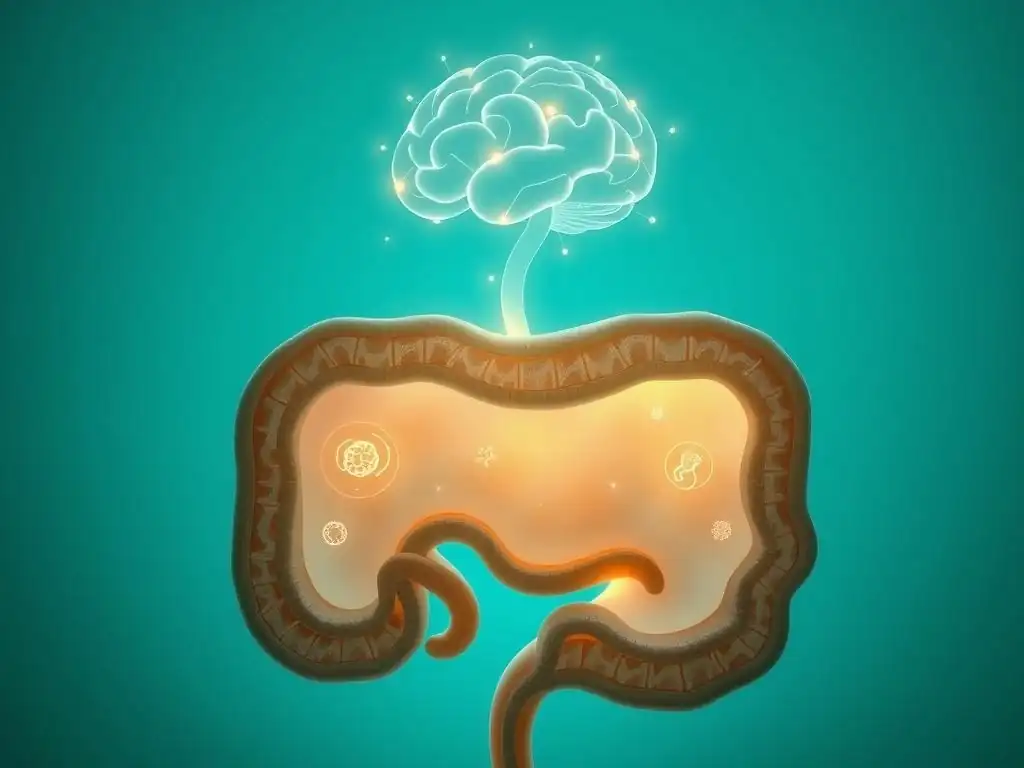
Serotonin: How Gut-Derived Serotonin Affects Mood and Mental State
Serotonin, often called the "feel-good" neurotransmitter, plays a critical role in regulating mood, sleep, appetite, and social behavior. While serotonin is well-known for its function in the brain, approximately 90% of the body's serotonin is actually produced in the gut, primarily by enterochromaffin cells. Gut bacteria can influence this production by metabolizing tryptophan, an amino acid precursor to serotonin, and by interacting with enterochromaffin cells.
The serotonin produced in the gut primarily acts locally, regulating gut motility and sensation. However, it also influences the gut-brain axis through various pathways. Gut-derived serotonin can activate vagal nerve fibers, sending signals directly to the brain. Furthermore, disruptions in gut serotonin production or signaling have been linked to irritable bowel syndrome (IBS), a condition frequently co-occurring with anxiety and depression, highlighting the systemic impact of gut neurochemicals on brain health and mental state.
Dopamine: The Gut's Contribution to Motivation and Reward Pathways
Dopamine is a key neurotransmitter involved in motivation, reward, pleasure, and motor control. While the brain is the primary site for its psychoactive effects, dopamine and its precursors are also produced in the gut by both host cells and certain bacteria. For instance, some Escherichia coli strains are known to produce dopamine.
Although gut-derived dopamine doesn't easily cross the blood-brain barrier, it can influence brain function indirectly. It plays a role in gut motility and also interacts with the enteric nervous system, sending signals upwards via the vagus nerve. Furthermore, gut microbial metabolites can influence dopamine signaling pathways in the brain. Research suggests that alterations in gut dopamine production or signaling might be implicated in conditions like Parkinson's disease, which involves the degeneration of dopamine-producing neurons, and could also play a subtle role in mood and motivation, contributing to the complex picture of gut neurotransmitters and brain health.
GABA: The Calming Neurotransmitter Produced in the Gut
Gamma-aminobutyric acid (GABA) is the principal inhibitory neurotransmitter in the central nervous system, crucial for reducing neuronal excitability and promoting relaxation. Dysregulation of GABA signaling is implicated in anxiety disorders and stress-related conditions. Importantly, GABA can be produced in the gut by various microbial species, including Lactobacillus and Bifidobacterium.
While GABA produced in the gut also has local effects on gut function, it's thought to influence the brain via the gut-brain axis. Gut-derived GABA can interact with GABA receptors on vagal nerve terminals, transmitting calming signals to the brain. Studies have shown that consuming probiotics containing GABA-producing strains can lead to reduced anxiety levels and improved mood in both animal models and humans, suggesting that enhancing gut microbial GABA production could be a therapeutic strategy for anxiety and stress, further demonstrating the link between gut neurotransmitters and brain health.
Other Important Neurotransmitters: Acetylcholine, Norepinephrine, Histamine, and Butyrate
Beyond the major players, the gut and its microbes are involved in the production or modulation of other neuroactive substances. Acetylcholine, important for muscle contraction and cognitive function, is produced in the gut by enteric neurons and potentially some bacteria like Streptococcus. Norepinephrine, involved in the stress response and alertness, is also present in the ENS and its levels can be influenced by gut signals.
Histamine, known for its role in immune responses and allergies, also acts as a neurotransmitter in the brain and is produced by certain gut bacteria like Morganella morganii. Furthermore, short-chain fatty acids (SCFAs) like butyrate, acetate, and propionate, produced by bacterial fermentation of dietary fiber, act as critical messengers. Butyrate, in particular, has neuroprotective and anti-inflammatory properties and can influence brain-derived neurotrophic factor (BDNF), a protein essential for neuronal growth and survival, highlighting the diverse array of gut neurochemicals impacting brain health.
How Gut Neurotransmitters Influence Brain Chemistry
The Vagus Nerve: The Primary Communication Pathway
The vagus nerve serves as a major anatomical and functional link in the gut-brain axis. This cranial nerve extends from the brainstem down to the abdomen, innervating most of the gastrointestinal tract. It acts as a rapid, direct pathway for signals originating in the gut to reach the brain, and vice versa. Gut neurochemicals, including serotonin, dopamine, and GABA produced by enterochromaffin cells or gut bacteria, can bind to receptors on the afferent (inward-signaling) fibers of the vagus nerve.
Once activated, these vagal fibers transmit electrochemical signals directly to specific areas of the brain, including the brainstem, hypothalamus, and limbic system, which are involved in regulating mood, stress, and emotions. This provides a direct neurological route for gut neurotransmitters to influence brain chemistry and function. For example, stimulating the vagus nerve has shown antidepressant effects, mirroring the potential impact of signals sent from a healthy, neurochemical-producing gut, emphasizing the importance of this nerve in linking gut neurotransmitters to brain health.
The Role of the Immune System in Gut-Brain Communication
The immune system is another critical intermediary in the gut-brain axis. The gut houses a vast number of immune cells, and the gut microbiome plays a significant role in educating and modulating the immune response. When the gut lining is compromised (leaky gut) or the microbiome is imbalanced (dysbiosis), it can lead to chronic low-grade inflammation. Inflammatory molecules, such as cytokines, can enter the bloodstream and cross the blood-brain barrier.
Once in the brain, these inflammatory signals can activate microglia, the brain's immune cells, leading to neuroinflammation. Neuroinflammation has been strongly linked to various mental health conditions, including depression and anxiety. Furthermore, immune cells in the gut can produce neuroactive substances themselves or influence the production of gut neurotransmitters. This complex interplay between the gut microbiome, immune system, and brain highlights how gut health and its associated neurochemicals can profoundly impact brain chemistry and mental well-being through inflammatory pathways.
Blood-Brain Barrier and Neurotransmitter Transport
The blood-brain barrier (BBB) is a highly selective barrier that protects the brain from circulating substances in the blood, including many neurotransmitters. While large molecules and many gut-derived neurotransmitters themselves do not readily cross the intact BBB, the gut can influence brain chemistry through indirect mechanisms.
One way is through the production of precursor molecules that can cross the BBB, such as tryptophan (a precursor to serotonin) or tyrosine (a precursor to dopamine and norepinephrine). Gut microbes influence the metabolism of these precursors, affecting their availability in the bloodstream.
Additionally, gut bacteria produce other metabolites, like short-chain fatty acids (SCFAs) such as butyrate, which can cross the BBB and have direct effects on brain function, including reducing inflammation and promoting neurogenesis. The integrity and function of the BBB itself can also be influenced by gut health and inflammation, further illustrating the complex pathways linking gut neurotransmitters to brain health.
Gut Dysbiosis and Mental Health Disorders: A Correlation
Anxiety and Depression: The Gut-Brain Connection
Numerous studies have observed a strong correlation between gut dysbiosis (an imbalance in the gut microbiome) and mood disorders like anxiety and depression. Individuals diagnosed with depression often exhibit different gut microbial compositions compared to healthy controls, frequently showing reduced diversity and altered levels of specific bacterial groups. For instance, some studies have reported lower levels of Faecalibacterium and Coprococcus in depressed individuals.
This link is thought to be mediated by the gut-brain axis pathways. Dysbiosis can lead to decreased production of beneficial gut neurotransmitters like GABA or SCFAs, increased production of inflammatory molecules, and altered stress hormone responses. These changes can collectively impact brain regions involved in mood regulation, such as the prefrontal cortex and amygdala, contributing to the symptoms of anxiety and depression. Addressing gut health is increasingly seen as a potential complementary approach in managing these conditions, highlighting the vital role of gut neurotransmitters in brain health and mental well-being.
Autism Spectrum Disorder (ASD) and the Gut Microbiome
Evidence also suggests a significant link between the gut microbiome and Autism Spectrum Disorder (ASD). A substantial percentage of individuals with ASD experience gastrointestinal issues, such as constipation, diarrhea, and abdominal pain, at a much higher rate than the general population (estimates range from 40% to over 90% depending on the study and definition). Research has consistently found differences in the gut microbial composition of children with ASD compared to neurotypical children.
Specific bacterial genera, such as Clostridium, Desulfovibrio, and certain Bacteroides species, have been implicated in ASD. Some of these bacteria can produce metabolites or toxins that may affect gut permeability and neurodevelopment. Furthermore, alterations in the production of gut neurotransmitters, like serotonin and GABA, have been observed in some individuals with ASD. While the relationship is complex and likely bidirectional, modulating the gut microbiome is an active area of research for potentially mitigating some behavioral or gastrointestinal symptoms associated with ASD, underscoring the potential impact of gut neurotransmitters on brain health in neurodevelopmental conditions.
Other Neurological Conditions: Parkinson's Disease, Alzheimer's Disease, and Multiple Sclerosis
The influence of the gut microbiome and its neurochemicals extends to other neurological conditions. Parkinson's Disease (PD), a neurodegenerative disorder characterized by motor symptoms, is increasingly linked to gut health. Many individuals with PD experience gastrointestinal symptoms, such as constipation, years before the onset of motor symptoms. The aggregation of alpha-synuclein protein, a hallmark of PD, is thought to potentially originate in the gut and spread to the brain via the vagus nerve. Gut bacteria might influence this process or contribute to neuroinflammation, impacting dopamine-producing neurons.
Alzheimer's Disease (AD), the most common cause of dementia, also shows potential links to the gut microbiome. Alterations in gut bacteria and increased gut permeability have been observed in individuals with AD, potentially contributing to systemic and neuroinflammation, which are implicated in AD pathology. Similarly, research into Multiple Sclerosis (MS), an autoimmune disease affecting the central nervous system, suggests that the gut microbiome can influence immune responses that target myelin, the protective sheath around nerve fibers. These links highlight the broad impact of gut health and gut neurotransmitters on brain health across various neurological conditions.
Supporting Gut Health for Enhanced Brain Function and Mental Wellness
Diet and Nutrition: Fueling Your Gut for Optimal Neurotransmitter Production
Diet is arguably the most influential factor in shaping the gut microbiome and supporting the production of beneficial gut neurotransmitters. A diet rich in diverse plant fibers provides essential fuel for beneficial gut bacteria to produce short-chain fatty acids (SCFAs) like butyrate, which nourish colon cells and have neuroprotective effects. Examples include fruits, vegetables, legumes, and whole grains.
Consuming fermented foods like yogurt, kefir, sauerkraut, and kimchi introduces beneficial bacteria directly into the gut. Including sources of tryptophan, such as poultry, eggs, and seeds, can support the body's production of serotonin, while foods rich in tyrosine, like lean meats and dairy, can support dopamine pathways. Limiting processed foods, excessive sugar, and unhealthy fats can help prevent dysbiosis and inflammation, creating a more favorable environment for gut neurotransmitters to support brain health.
Prebiotics and Probiotics: Promoting a Healthy Gut Microbiome
Prebiotics are non-digestible fibers that selectively feed beneficial gut bacteria, encouraging their growth and activity. Good sources of prebiotics include onions, garlic, leeks, asparagus, bananas, and oats. Consuming these foods regularly helps nourish the existing beneficial microbes in your gut, enhancing their ability to produce beneficial compounds, including gut neurotransmitters.
Probiotics are live microorganisms that, when administered in adequate amounts, confer a health benefit to the host. They can be found in fermented foods or taken as supplements. Specific probiotic strains have been studied for their effects on the gut-brain axis and mental health. For instance, certain Lactobacillus and Bifidobacterium strains have shown promise in reducing anxiety and improving mood, likely by influencing the production or modulation of gut neurotransmitters and reducing inflammation, thereby supporting gut neurotransmitters for brain health.
Foods to Avoid: Minimizing Gut Inflammation and Dysbiosis
Just as some foods support gut health, others can actively harm it, promoting inflammation and dysbiosis. Highly processed foods, often high in sugar, unhealthy fats, and artificial additives, can feed undesirable bacteria and damage the gut lining. Excessive consumption of red and processed meats has also been linked to less favorable gut microbial profiles.
Limiting excessive alcohol intake is also crucial, as alcohol can negatively impact the gut barrier and alter the microbiome composition. Minimizing artificial sweeteners, some of which can disrupt gut bacteria balance, is also recommended. By reducing the intake of these inflammatory and dysbiosis-promoting foods, you create a healthier gut environment that is better equipped to produce beneficial gut neurotransmitters and support overall brain health.
Lifestyle Factors: Stress Management, Exercise, and Sleep
Beyond diet, lifestyle choices significantly impact gut health and, consequently, gut neurotransmitters and brain health. Chronic stress is a major disruptor of the gut-brain axis. Stress hormones can alter gut motility, increase gut permeability, and change the composition of the gut microbiome. Implementing stress management techniques like meditation, deep breathing exercises, or yoga can help modulate the stress response and protect gut health.
Regular physical exercise has been shown to positively influence the gut microbiome diversity and function. Exercise can increase the abundance of beneficial bacteria and potentially enhance the production of beneficial metabolites, including SCFAs. Aiming for at least 150 minutes of moderate-intensity exercise per week, as recommended by health guidelines, can contribute to a healthier gut and improved mental well-being.
Adequate, quality sleep is also vital for maintaining a healthy gut microbiome. Sleep deprivation and disrupted sleep-wake cycles (circadian rhythms) can negatively impact gut bacteria composition and gut barrier function. Prioritizing 7-9 hours of quality sleep per night helps maintain a balanced gut ecosystem, supporting the optimal function of gut neurotransmitters and their positive influence on brain health.
Supplements and Medications: When and How to Use Them
While diet and lifestyle are foundational, supplements and medications can sometimes play a role in supporting gut health under the guidance of a healthcare professional. Probiotic and prebiotic supplements can help introduce or nourish beneficial bacteria, especially after antibiotic use or during periods of dysbiosis. However, the effectiveness varies depending on the specific strains and individual needs.
Certain medications may also impact the gut microbiome. For instance, antibiotics can significantly alter gut bacterial composition, often requiring strategies to restore balance afterwards. In some cases of severe gut dysbiosis linked to specific conditions, more targeted interventions like Fecal Microbiota Transplantation (FMT) are being explored, though this is typically reserved for severe cases like recurrent Clostridioides difficile infection. Any use of supplements or medications should always be discussed with a healthcare provider who can assess individual needs and potential interactions, ensuring a safe and effective approach to supporting gut neurotransmitters for brain health.
The Future of Gut-Brain Research and Mental Health Treatment
Emerging Therapies Targeting the Gut Microbiome
The growing understanding of the gut-brain axis is paving the way for novel mental health treatments that target the microbiome. Psychobiotics, defined as probiotics that, when ingested in adequate amounts, produce a positive mental health benefit, are a key area of research. Clinical trials are exploring specific psychobiotic strains for their efficacy in treating symptoms of anxiety, depression, and stress.
Beyond probiotics, other emerging therapies include postbiotics (beneficial compounds produced by bacteria, like SCFAs) and synbiotics (combinations of prebiotics and probiotics). Dietary interventions specifically designed to modulate the gut microbiome for mental health benefits are also being developed. Furthermore, research is exploring the potential of FMT for certain neurological conditions, building on its success in treating gut infections, indicating a shift towards gut-focused strategies to influence gut neurotransmitters and brain health.
Personalized Approaches to Gut Health and Mental Well-being
Recognizing that each individual's gut microbiome is unique, the future of this field lies in personalized approaches. Advances in sequencing technologies allow for detailed analysis of an individual's gut microbial composition. This information can potentially be used to tailor dietary recommendations, probiotic supplementation, and other interventions to optimize gut health and the production of gut neurotransmitters for that specific person.
Future treatments may involve personalized "microbial cocktails" designed to address specific imbalances linked to mental health conditions. This precision approach aims to move beyond one-size-fits-all recommendations towards interventions that are specifically targeted to an individual's unique gut ecosystem and its influence on brain chemistry. This personalized perspective holds significant promise for enhancing the effectiveness of strategies aimed at improving gut neurotransmitters for brain health and overall mental well-being.
Conclusion: The Power of Gut Health for Brain Health and Mental Clarity
The science of the gut-brain axis reveals a profound and intricate connection between our digestive system and our mental state. The gut, far from being just a processing plant for food, is a dynamic hub of microbial activity that directly influences brain chemistry through the production and modulation of gut neurotransmitters. Understanding this connection highlights the fact that optimal gut health is not merely about digestion; it is fundamental to supporting robust brain health and fostering mental clarity.
By nurturing a diverse and balanced gut microbiome through diet, lifestyle, and targeted interventions when necessary, we can positively impact the production of key neurochemicals like serotonin, dopamine, and GABA right where they are significantly produced – in the gut. This, in turn, sends beneficial signals to the brain via the vagus nerve and other pathways, helping to regulate mood, reduce stress, and potentially mitigate symptoms associated with various mental health and neurological conditions. Embracing the power of gut health is a vital step towards achieving holistic mental well-being, recognizing the direct line between gut neurotransmitters and brain health.
Frequently Asked Questions
How are gut neurotransmitters linked to brain health?
The gut produces various neurotransmitters like serotonin and dopamine, which can directly influence brain function via the vagus nerve and other pathways. This communication impacts mood, cognition, and overall mental well-being.
Can an imbalance in the gut microbiome affect neurotransmitter production and therefore, brain health?
Yes, an unhealthy gut microbiome can lead to reduced or altered production of key neurotransmitters. This disruption can negatively affect brain function and contribute to mental health issues.
What role does the vagus nerve play in the relationship between gut neurotransmitters and the brain?
The vagus nerve acts as a primary communication channel, transmitting signals from the gut to the brain. This allows gut neurotransmitters to directly influence brain activity and various physiological processes.
What are some lifestyle changes I can make to improve my gut neurotransmitter production and brain health?
Adopting a balanced diet rich in fiber and probiotics, managing stress, and getting enough sleep can all promote a healthy gut microbiome. This, in turn, supports optimal neurotransmitter production and brain function.
What are some common symptoms that may indicate a problem with the gut-brain axis and its impact on mental well-being?
Symptoms can include persistent digestive issues, mood swings, anxiety, depression, and cognitive difficulties. These issues may point to an imbalance in the gut-brain axis affecting neurotransmitter levels.
Final Reflection: The Gut-Brain Axis: A Revolution in Understanding Mental Wellness
The intricate connection between our gut and brain, once a relatively obscure area of research, is now at the forefront of mental health discussions. Understanding the neurochemicals produced in our gut and their direct impact on brain chemistry is no longer a niche topic; it's a crucial piece of the puzzle in understanding and addressing a wide range of mental and emotional conditions. This knowledge holds the potential to revolutionize how we approach mental wellness.
The implications of this gut-brain axis are profound, influencing not only our moods and cognitive function but also shaping our overall well-being. This understanding has shifted the paradigm from solely focusing on brain-centric treatments to acknowledging the crucial role of gut health. This holistic approach resonates deeply with me, as I've witnessed firsthand the transformative power of addressing gut imbalances in improving mental clarity and emotional stability. The gut is the second brain,
a phrase often used, is not merely a metaphor; it's a biological reality that deserves our attention and respect.
Consider the impact this knowledge has on your own life. Are you prioritizing gut health? Are you nourishing your microbiome with a diverse diet rich in prebiotics and probiotics? This isn't just about feeling better physically; it's about fostering a healthier, more resilient mind. Take the time to reflect on your dietary habits and lifestyle choices. By consciously nurturing your gut, you are directly investing in the health of your brain and, ultimately, your overall well-being. Embrace this powerful connection and embark on a journey towards a healthier, happier you.
Unlock Your Gut-Brain Connection: Take Charge of Your Mood!
Thanks for diving deep into the fascinating world of the gut-brain connection! You've now learned how crucial your gut health is to your overall well-being. Let's put this knowledge into action.
- Prioritize gut-friendly foods: Start incorporating more prebiotic and probiotic-rich foods into your diet this week. Think fermented vegetables, yogurt, and plenty of fruits and vegetables. This is your primary step toward a happier, healthier you!
- Explore mindful eating practices: Consider trying a mindful eating exercise today. Pay attention to your body's signals of hunger and fullness. This can help regulate your gut and improve your relationship with food.
- Share your gut health journey: Inspire others by sharing this article with friends or family who might benefit from learning about the gut-brain axis. Let's build a supportive community around gut health!
What small change will you make today to nurture your gut and improve your mood?